
Some foods are so familiar we barely give them a second thought. They’re the snacks we reach for almost automatically – a handful here, a quick bite there – without ever imagining they might hold a secret researchers are only now beginning to understand.
But lately, scientists have started taking a closer look at one small, everyday snack, and the findings are genuinely surprising. This tiny, unassuming food appears to influence several aspects of health in ways that feel almost counterintuitive for something so simple.
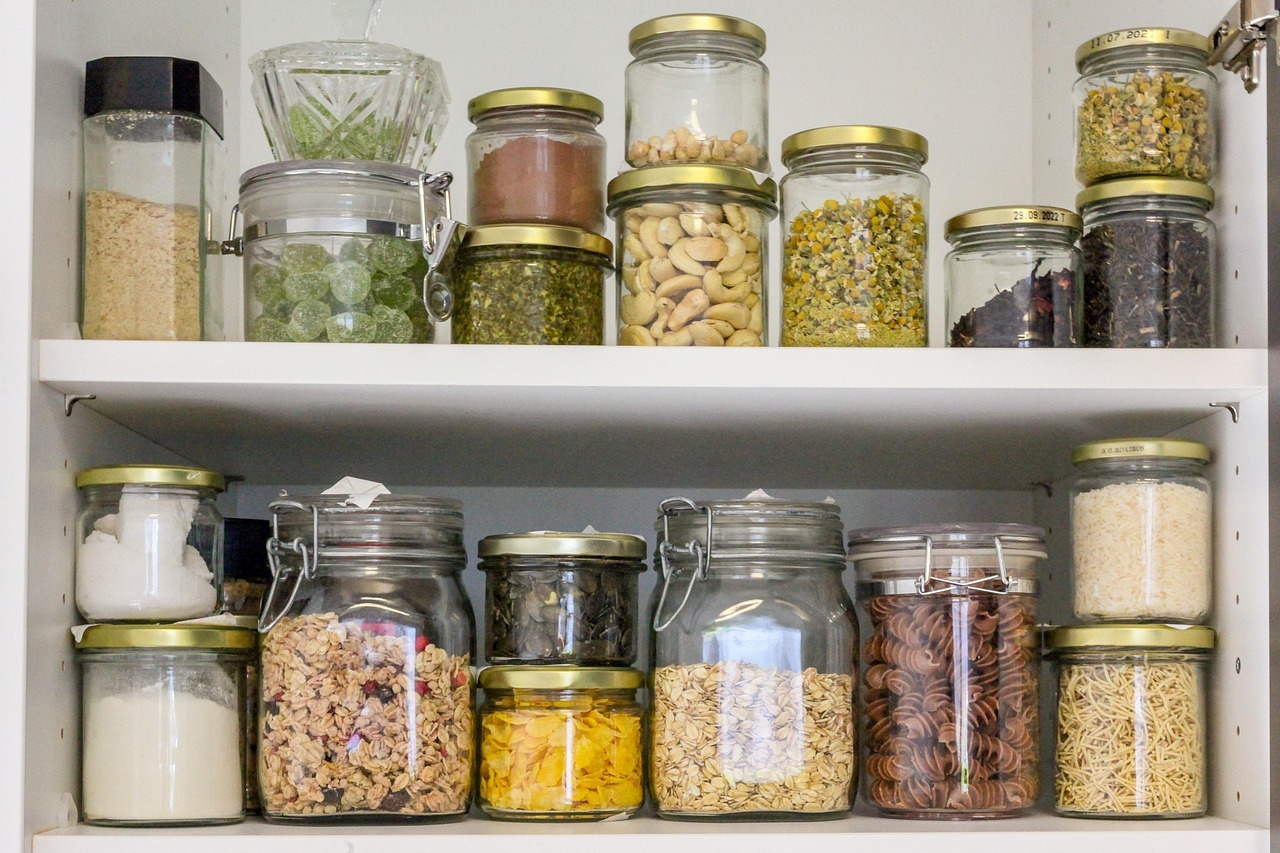
I’ll admit something: I’ve always had a weakness for it. There’s a strangely satisfying little ritual involved in eating it, and once you start, it’s easy to keep going.
Only recently did I realize that what felt like a simple afternoon indulgence might actually hide a far more complex nutritional story beneath the surface.
So what exactly is this small snack researchers have started paying attention to – and why are scientists studying it so closely?
Let’s see.
While my previous deep dive into walnuts and heart health showed how they act as a cardiovascular toolkit, pistachios offer a different set of biological advantages. From having one of the most balanced amino acid profiles among nuts to containing natural melatonin, the data suggests it’s time to move these to the front of your pantry.
The Melatonin Miracle: Why Origin Matters
This is the part of the research that truly blew me away. While cherries are often highlighted as a dietary source of this sleep-regulating compound, pistachios deserve attention too. However, not all pistachios are created equal. The landmark research identified that American-grown pistachios contain measurable levels of melatonin – approximately 660 nanograms per gram, though values vary by cultivar and storage conditions.
A peer-reviewed paper in MDPI Nutrients titled Dietary Sources and Bioactivities of Melatonin catalogs various nuts and seeds, confirming that pistachios are among the richest dietary sources available. If you struggle with creating a consistent sleep routine, adding a small serving of these nuts may contribute to overall melatonin intake as part of a balanced evening routine.
The “Nighttime Snack” Study: What the 57g Trial Found
Recent clinical trials from 2024 and 2025 have looked at how eating pistachios specifically before bed impacts the body. A notable Randomized Crossover Trial examined the intake of a 57g portion of pistachios as a nighttime snack.
The study focused on glycemic control and found that eating pistachios before bed supported more stable overnight blood glucose patterns compared to carbohydrate-based snacks. While sleep quality wasn’t directly measured, stable overnight glucose is associated in broader research with better sleep continuity.
Important note: while this specific trial used 57 g, many nutrition studies and public health guidelines use 28 g (about 1 ounce) as the standard daily serving size for nuts in dietary research and recommendations, which helps align study portions with real-world eating patterns.
Vascular Function and Blood Flow
Just like other tree nuts, pistachios are a notable source of the amino acid L-arginine, which acts as the immediate precursor for the production of nitric oxide in the body. Nitric oxide helps relax and dilate blood vessels, allowing blood to flow more easily and reducing vascular resistance. Clinical research has shown that diets including pistachios are associated with reductions in systolic blood pressure and improvements in endothelial function – the ability of blood vessels to respond to changes in circulation.
This vasodilation effect explains why some athletes include arginine-rich foods like pistachios in their pre-exercise nutrition, though direct controlled trials on pistachios specifically for athletic performance are limited.
Brain Health: The Gamma Wave Response
In a fascinating study on brain frequency, EEG testing comparing various nuts found that pistachios produced higher gamma-band activity. Gamma waves are crucial for cognitive processing, information retention, and learning.
Additionally, they are a wonderful source of magnesium and B vitamins. Magnesium plays a role in nervous system regulation and stress response. By lowering tension and anxiety, pistachios help bridge the gap between a busy workday and a restful night.
Weight Management and Portion Control
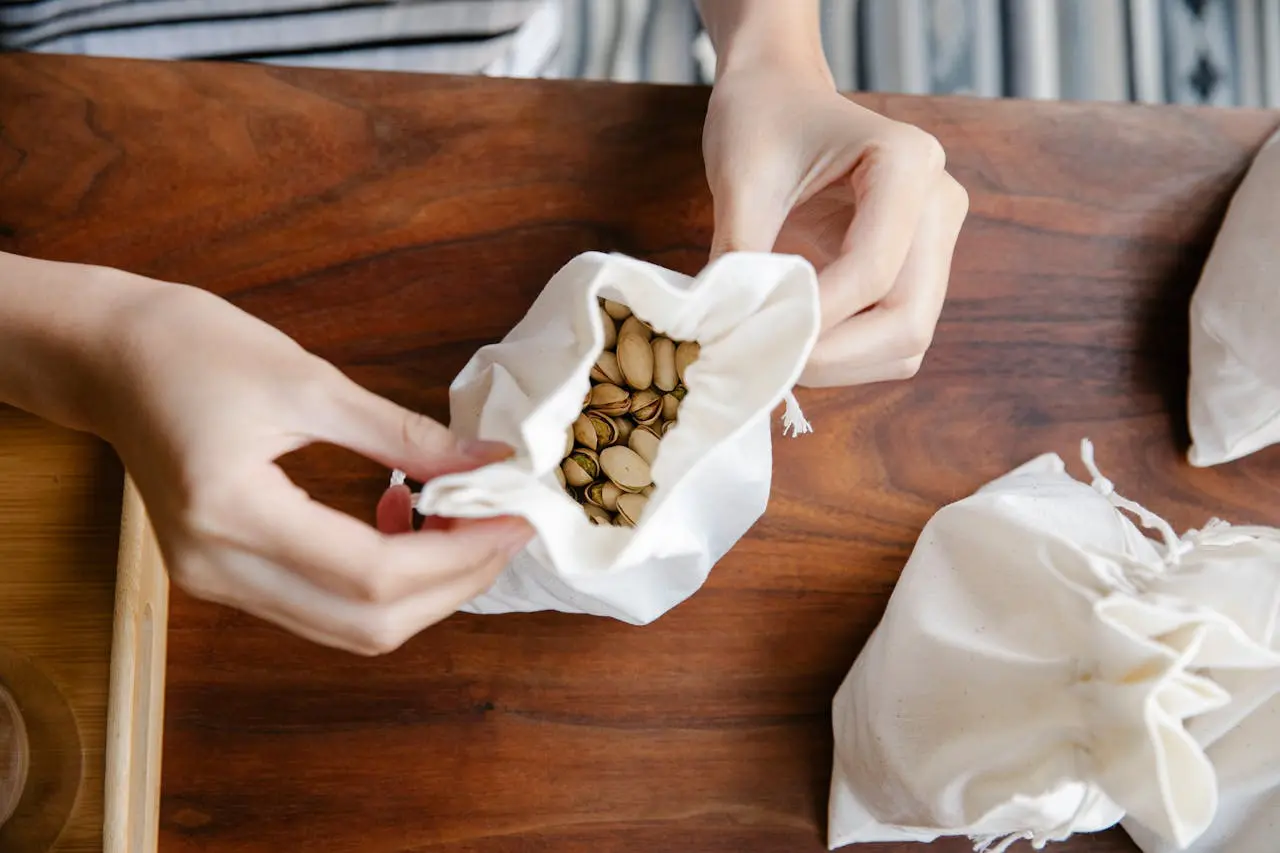
Recent research suggests that regular pistachio consumption may support weight management when included as part of a healthy diet. Although pistachios are energy-dense, they contain fiber, protein, and healthy fats that can promote satiety and help control overall calorie intake.
A systematic review and meta-analysis of randomized controlled trials found that diets including pistachios were associated with lower BMI values compared with control diets (weighted mean difference ≈ −0.18 kg/m²), even when overall body weight did not change significantly, indicating potential benefits for body composition and weight regulation.
Additionally, in behavioral weight-loss interventions, regular pistachio consumption was linked to similar reductions in BMI and waist circumference compared with control groups receiving general dietary guidance.
It is recommended to buy them in-shell. In a controlled feeding trial with university students, participants offered in-shell pistachios consumed an average of 125 calories, while those given shelled pistachios consumed 211 calories – a 41% reduction in calories consumed when eating pistachios with the shells intact. The authors suggest that the physical effort of shelling and the extra volume of the shells slow eating and serve as a visual cue of how much has been eaten, helping people naturally moderate their intake without sacrificing fullness or satisfaction.
This built-in portion control is one reason why buying in-shell pistachios is recommended throughout this article.
Heart Health and Chronic Inflammation
Pistachios contain a cocktail of anti-inflammatory compounds, including polyphenols and flavonoids. Chronic inflammation is often the silent culprit behind sleep disorders and heart disease.
By reducing oxidative stress, these antioxidants help improve blood lipid levels, supporting modest improvements in blood lipid profiles, including reductions in LDL cholesterol. As heart health is intrinsically linked to sleep quality, protecting your cardiovascular system is a direct investment in your rest.
The One Big Downside: The “28 Gram” Rule
As much as I love pistachios, science gives us a very specific boundary. Perhaps the biggest downside of these discoveries is the portion discipline required.
To reap the metabolic benefits without overdoing calories, stick to 28 grams (about 49 kernels or 1 ounce) per day – the standard serving used in most nutrition research. It is incredibly easy to mindlessly eat an entire bag while watching a movie, but the clinical trials consistently point to this specific “handful” as the nutritional sweet spot.
As I already mentioned, buying pistachios in-shell also helps naturally control portions, as shelling slows eating and provides a visual cue of intake.
Raw, Roasted, or Salted: Which is Best?
If you are eating pistachios for their medicinal properties – especially for heart health and sleep – the preparation matters just as much as the portion.
- Raw vs. Roasted: While roasted pistachios are delicious, high-heat roasting can slightly degrade the delicate antioxidants (polyphenols) found in that thin, papery purple skin. If you prefer the crunch of roasted nuts, look for “dry-roasted” options that don’t use inflammatory vegetable oils.
- The Salt Factor: For the “Nighttime Snack” benefits, you should strictly stick to unsalted varieties. Excess sodium may counteract vascular relaxation in sodium-sensitive individuals.
A simple routine idea: Keep a jar of raw, unsalted, California-grown pistachios in your pantry for easy portion control.
Expert Pairings: What Dietitians Recommend
To maximize these benefits, try these “nutrient pairings” (always ask your doctor when you make such changes):
- For Iron Absorption: Pair pistachios with citrus or berries. Vitamin C helps your body absorb the non-heme iron in the nuts (Source).
- For Sustained Energy: Combine pistachios with Greek yogurt. Protein from yogurt and healthy fats from pistachios help slow digestion and support stable blood sugar, promoting longer-lasting energy between meals.
- The Sleep Synergy: Try a small serving of pistachios with tart cherry juice. Tart cherries and their juice have been shown in clinical research to increase sleep time and sleep efficiency, and both pistachios and cherries contain melatonin, which has been associated with supporting the body’s sleep-wake rhythm.
Medical Disclaimer: The information provided in this article is for educational and informational purposes only and is not intended as medical advice. While the benefits of pistachios are supported by scientific research, individual nutritional needs vary. Always consult with a qualified healthcare professional or registered dietitian before making significant changes to your diet, especially if you have underlying health conditions, allergies, or are taking medication.
Featured photo source: Pixabay
More amazing articles for you:
This Charming “Little Norway” Town in Washington Feels Like a European Getaway
This Wild Part of the UK Feels Untouched, Dramatic, and Almost Unreal - And Most People Never See It
150 U.S. Travel Trivia Questions That Sound Easy — Until You Try to Answer Them (How Far Can You Get...
These 20 Travel Hacks Actually Work - Airlines Wish You Didn’t Know #6
This Underrated English City Has Lavender Fields, Roman History, and a Stunning Coastline
This English Town Feels Straight Out of a Fairytale (and Shakespeare Lived Here!)
This 3-Day London Route Locals Swear By: City → West End → Royals
Warning: This 7-Day Canadian Rockies Trip Looks Like a Postcard - and Might Ruin All Your Future Vac...

Violeta-Loredana Pascal is a communications expert, business mentor, and the founder of Earth’s Attractions and PRwave INTERNATIONAL. A pioneer in the Romanian digital PR landscape since 2005, she holds a degree in Communication and Social Sciences from SNSPA Bucharest. Violeta is a senior trainer at AcademiadeAfaceri.ro, where she leverages over 20 years of experience to teach professional courses in PR strategy and workplace productivity. By blending high-level business consulting with a passion for holistic travel and wellness, she empowers solopreneurs to overcome procrastination, build profitable brands, and design a life of purposeful adventure.