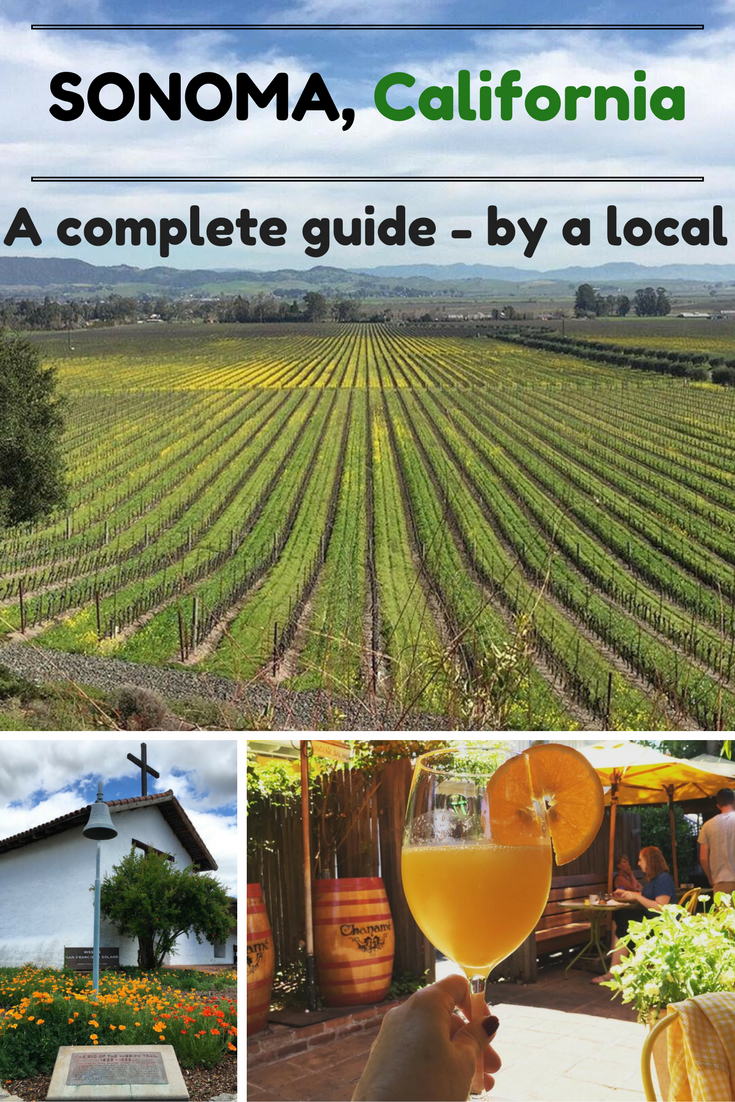
Napa Valley usually gets all the glory, but there is a sun-drenched, historic alternative just over the hill that feels like California’s best-kept secret. Imagine trading high-speed tasting schedule for a leisurely stroll around a centuries-old town square, where world-class vineyards and boutique tasting rooms are all within walking distance.
It’s the kind of place where you can enjoy a much more personal connection to the vine – and at a pace that actually feels like a vacation. If you’ve been looking for that perfect balance of high-end luxury and approachable, small-town charm, this walkable valley is exactly where you should be heading now.
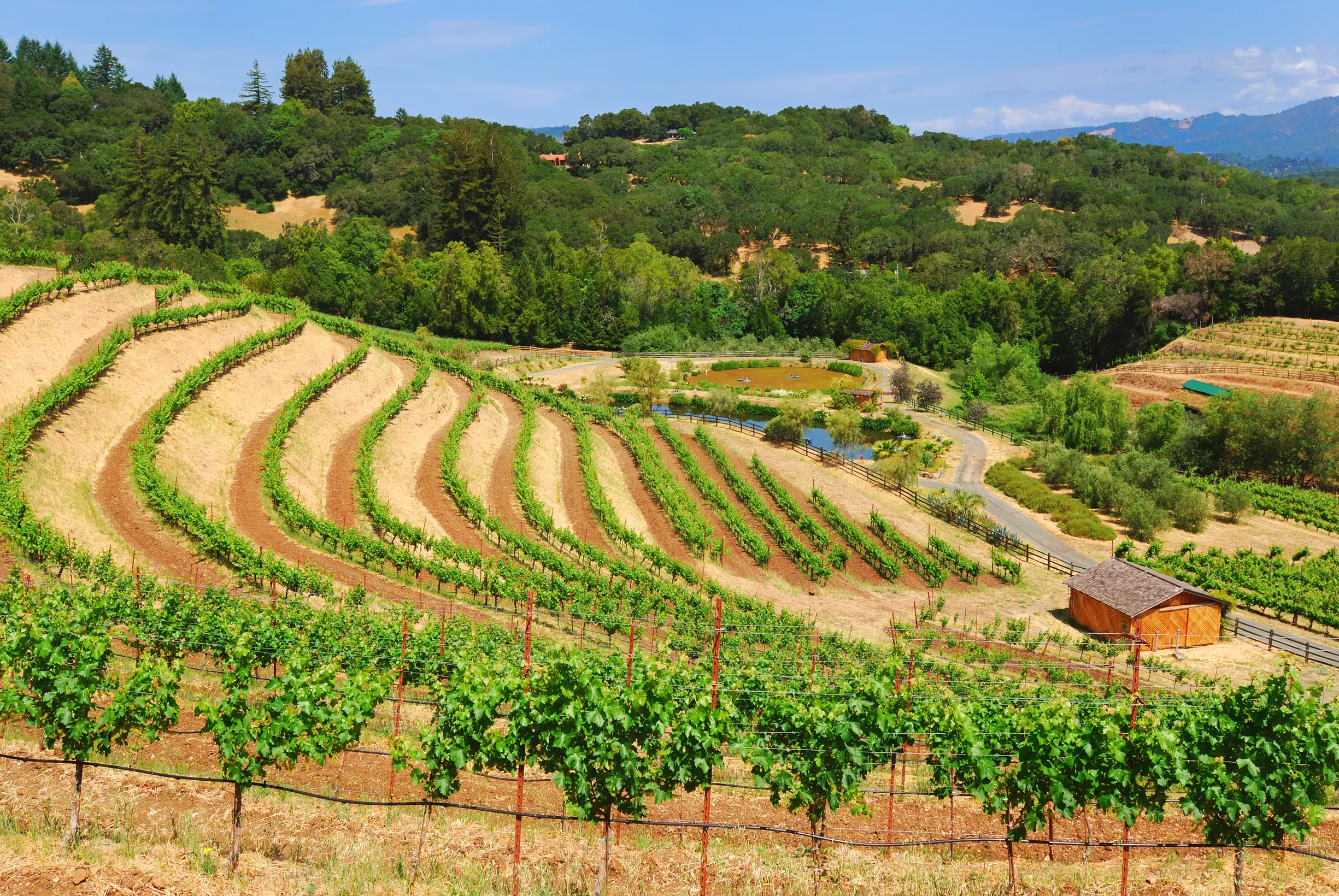
ID 5310006 ©Ron Kacmarcik | Dreamstime.com
Located in the heart of Wine Country, this small town has a rich history dating back to the 19th century, when Spanish colonial settlers established the northernmost and final mission in California. In 1846, Spanish rule was overturned by American settlers during a short-lived revolt now known as the Bear Flag Revolt, a moment that still echoes today in the bear featured on the California state flag.
Today, the town of just over 10,000 residents attracts visitors from around the world for its mix of wine tasting, historic sites, boutique shopping, and a dining scene shaped by the surrounding agricultural region. This local’s guide was originally authored by Sonoma expert Sarah Stierch from Sarah’s Sojourn.
Top things to do in Sonoma, California
Sonoma may be smaller and quieter than Napa Valley, but when it comes to things to do, it offers a surprisingly rich mix of history, wine experiences, art, and relaxed outdoor activities. The key difference is pace: instead of rushing between major attractions, Sonoma rewards slower exploration and layered experiences.
1. Sonoma State Historic Park
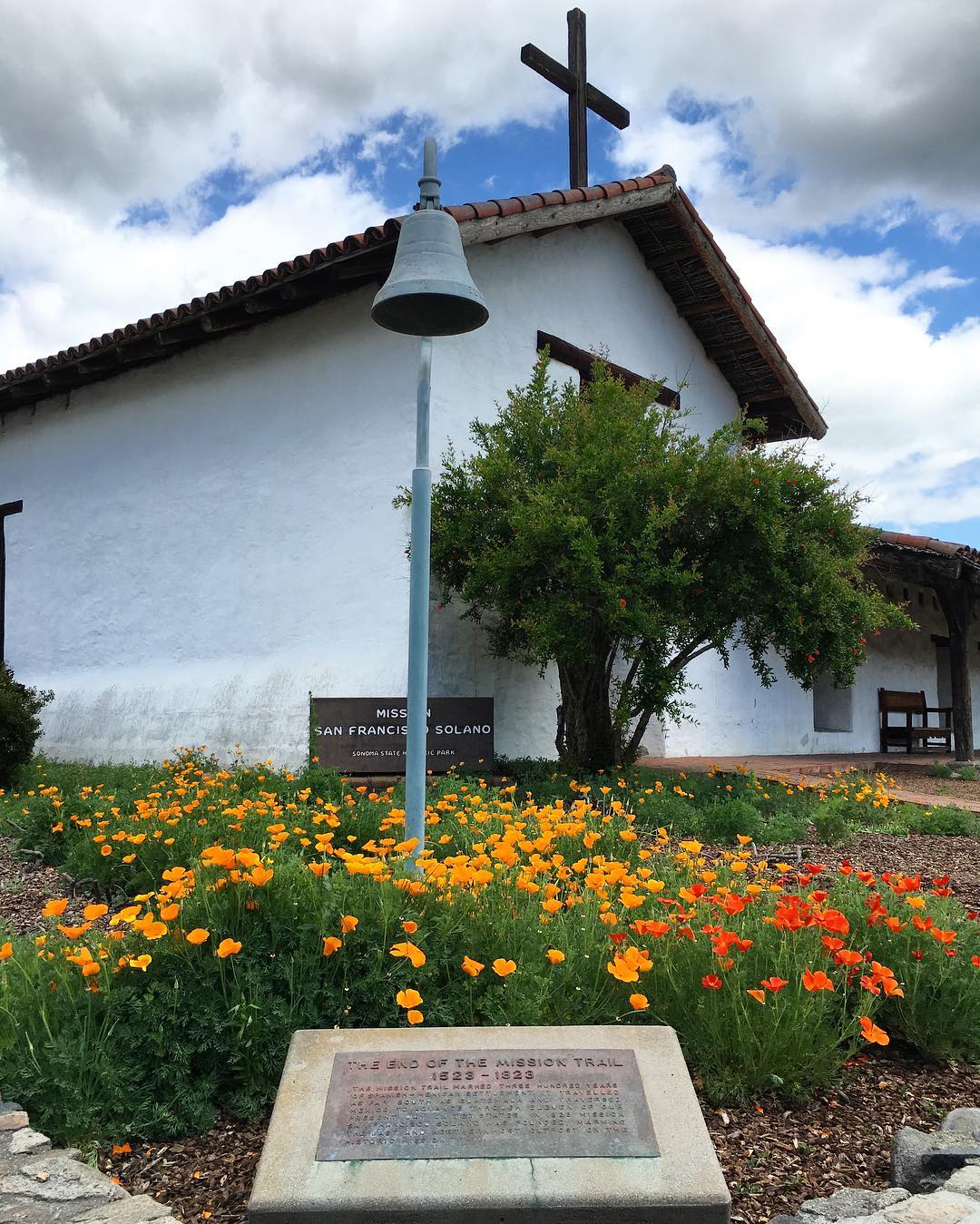
This is not a single site, but a collection of historic landmarks that together tell the story of Sonoma’s past. The park includes the northernmost mission in California – Mission San Francisco Solano – as well as military barracks, historic homes, and the beautifully preserved residence of General Vallejo.
Everything is within walking distance, making it one of the most accessible ways to explore California’s early colonial and Mexican-era history in one place. Guided tours provide useful context, but even a self-guided walk through the area offers a strong sense of how the town evolved.
2. Sonoma Plaza
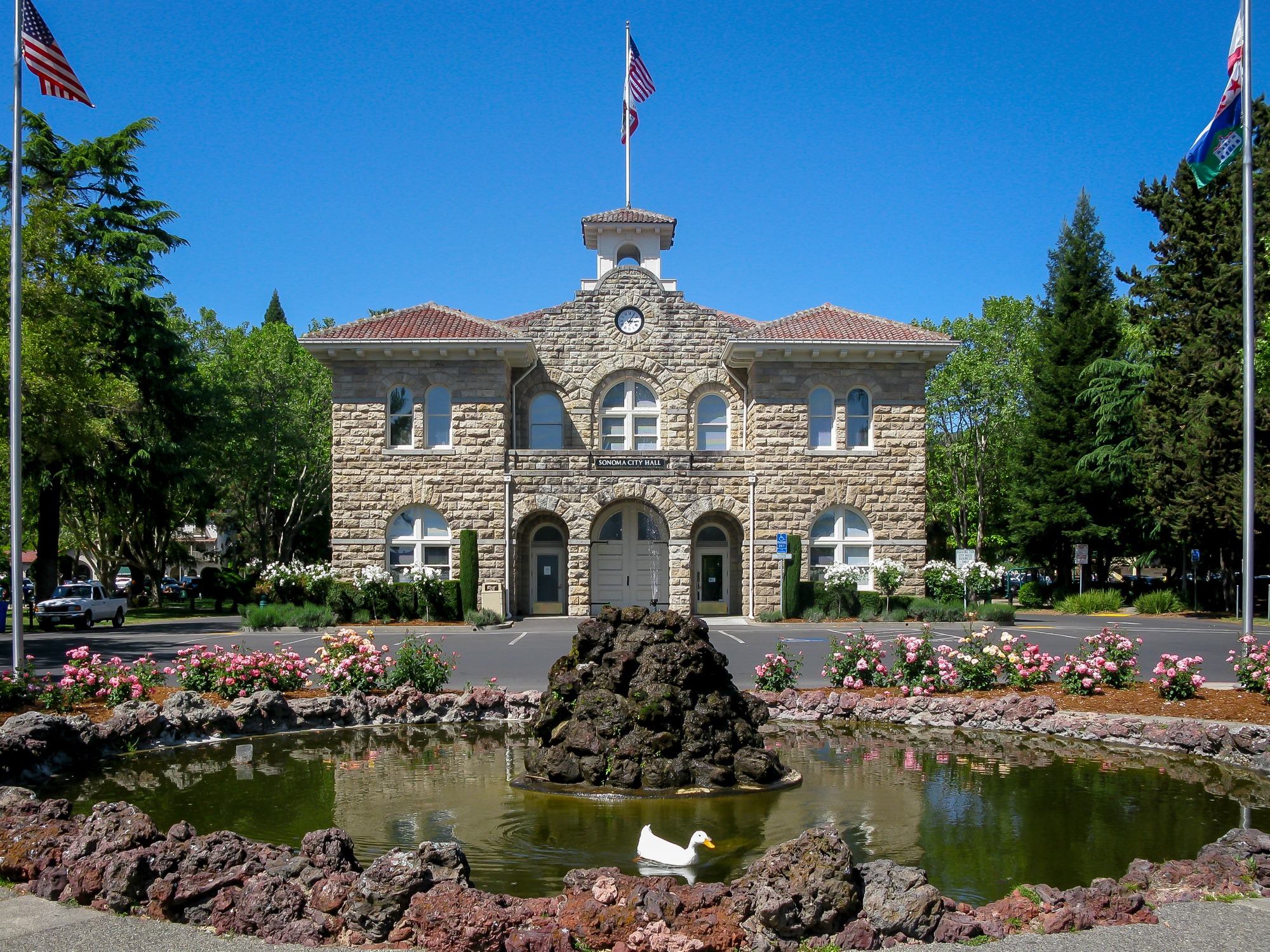
ID 34061423 ©TasFoto | Dreamstime.com
The Plaza is the center of daily life in Sonoma and one of the largest historic town squares in California. It functions as a park, social hub, and starting point for most visits.
You’ll find tasting rooms, boutique shops, and restaurants surrounding the square, while the grassy center is ideal for picnics – often paired with a bottle of local wine. For many visitors, this is where Sonoma feels most distinct: walkable, relaxed, and integrated, rather than built around a single attraction.
3. Buena Vista Winery
As California’s oldest commercial winery, Buena Vista combines history with a theatrical approach to wine tasting. The estate dates back to the mid-19th century and offers a variety of experiences, from standard tastings to more immersive tours.
It’s a good introduction to Sonoma’s winemaking heritage, especially if you want more than a quick tasting and are interested in the story behind the wines.
4. Sonoma Valley Museum of Art
A compact but thoughtfully curated museum showcasing regional, national, and international artists. The Sonoma Valley Museum of Art rotate regularly, which means the experience changes throughout the year.
It’s a useful addition to your itinerary if you want a break from wine tasting and are looking for cultural activities in Sonoma beyond wineries.
5 Cornerstone Sonoma
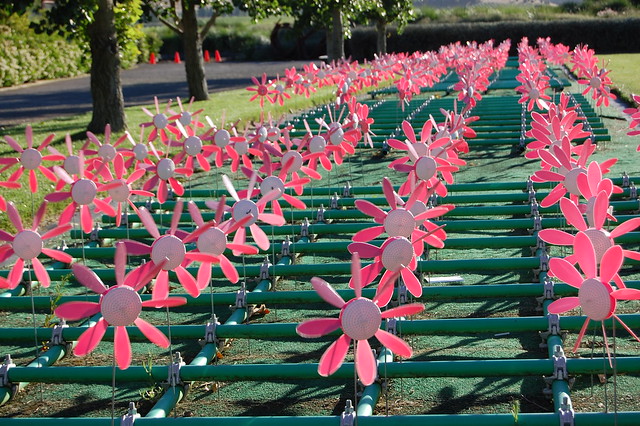
Photo credit: Ken Smith, CC BY NC ND via Flikr
Located just outside the town center, Cornerstone Sonoma blends wine tasting, design, and outdoor art into a single experience. The sculpture garden is the highlight – interactive, photogenic, and constantly evolving.
It’s particularly appealing if you’re looking for something more contemporary and visual, especially compared to Sonoma’s historic core.
6. Explore wine tasting rooms in Sonoma Plaza
One of Sonoma’s advantages over Napa is the ability to walk between tasting rooms. Within a few blocks of the Plaza, you can sample wines from multiple producers without needing transportation.
This makes Sonoma one of the best places in California for a walkable wine tasting experience, especially if you prefer a more flexible, less structured itinerary.
7. Cycle through Sonoma Valley vineyards
Cycling is a popular way to explore Sonoma, particularly along quieter backroads lined with vineyards. Several rental shops in town offer bikes and route suggestions.
While not suitable for covering large distances in a single day, it’s an excellent way to experience the landscape at a slower pace and adds a more active dimension to a wine-focused trip.
8. Browse boutiques and local shops
Beyond wine, Sonoma has a strong selection of independent boutiques, artisan shops, and specialty food stores. Many are located around Sonoma Plaza, making them easy to explore between tastings.
This is where you’ll find locally made products, wine-related gifts, and curated home goods, rather than generic souvenirs.
9. Take a scenic drive through Sonoma Valley
Driving through Sonoma Valley – especially toward the Carneros region or into the surrounding countryside – offers a different perspective on the area. Rolling vineyards, open landscapes, and smaller wineries define the experience.
It’s one of the simplest ways to understand why Sonoma is often described as more relaxed and less commercial than Napa.
Off the beaten path in Sonoma
While Sonoma’s main attractions are concentrated around the Plaza, some of its most interesting experiences are found just outside the center, often in places that don’t appear on typical itineraries.
Boyes Hot Springs
Located just west of downtown, Boyes Hot Springs has a more eclectic, local feel compared to central Sonoma. The area blends casual dining, vintage shops, and small independent businesses with a noticeably less polished atmosphere.
It’s also home to Fairmont Sonoma Mission Inn & Spa, known for its geothermal mineral pools – one of the few places in the region where you can experience natural thermal spa treatments.
Discover small, lesser-known wineries
Some of the most memorable wine tasting experiences in Sonoma happen at smaller, appointment-only wineries that don’t have large visitor centers or heavy foot traffic.
These wineries often offer more personal interactions, quieter settings, and deeper insight into the winemaking process, making them a strong alternative to more commercial stops.
Enjoy a picnic away from the crowds
While Sonoma Plaza is the most popular picnic spot, quieter alternatives exist throughout the valley. Smaller parks, vineyard-adjacent spaces, or even scenic roadside stops can offer a more private and relaxed setting.
Look for seasonal events and local experiences
Sonoma hosts a range of smaller-scale events throughout the year, from food and wine festivals to art shows and holiday installations. These are often less crowded than similar events in Napa and can add a more local dimension to your visit.
Slow down and explore without an agenda
One of Sonoma’s defining characteristics is that it doesn’t require a packed itinerary. Some of the best experiences come from simply walking, stopping where something looks interesting, and allowing the day to unfold naturally.

Sonoma itinerary ideas (1–2 days)
Sonoma works best when you don’t over-schedule. A few well-chosen stops with space in between will give you a far better experience than trying to fit everything into a tight plan.
1 day in Sonoma (walkable, no car)
Stay near Sonoma Plaza and structure your day around what’s within walking distance.
Start with breakfast/brunch, then move into 1–2 wine tastings nearby. Around midday, pause for a long lunch – this is part of the experience, not just a break.
In the afternoon, choose between another tasting, historic sites, or simply relaxing in the Plaza park.
This is the easiest way to experience Sonoma without logistics or time pressure.
Weekend in Sonoma (wine + food focus)
Keep one day centered around the Plaza with walkable tastings + dining.
Use the second day to explore beyond town with 2–3 wineries max (spaced out), ideally combined with a scenic drive or a stop at Cornerstone Sonoma for something more visual and relaxed.
The key difference: fewer wineries, better experience.
Sonoma for mixed groups (non-wine drinkers included)
Balance is essential.
Plan a 1 winery visit, then mix in shopping, a museum, or a longer meal. Sonoma offers alternatives, but they need to be included deliberately.
A varied day works better than a wine-heavy schedule.
Where to Eat in Sonoma (Updated for 2026)
Wine Country cuisine in Sonoma is built around seasonal ingredients, local produce, and farm-to-table dining experiences, with many restaurants located within walking distance of Sonoma Plaza. Reservations are strongly recommended, especially for dinner and weekends.
Wine Country cuisine (farm-to-table dining in Sonoma)
the girl & the fig
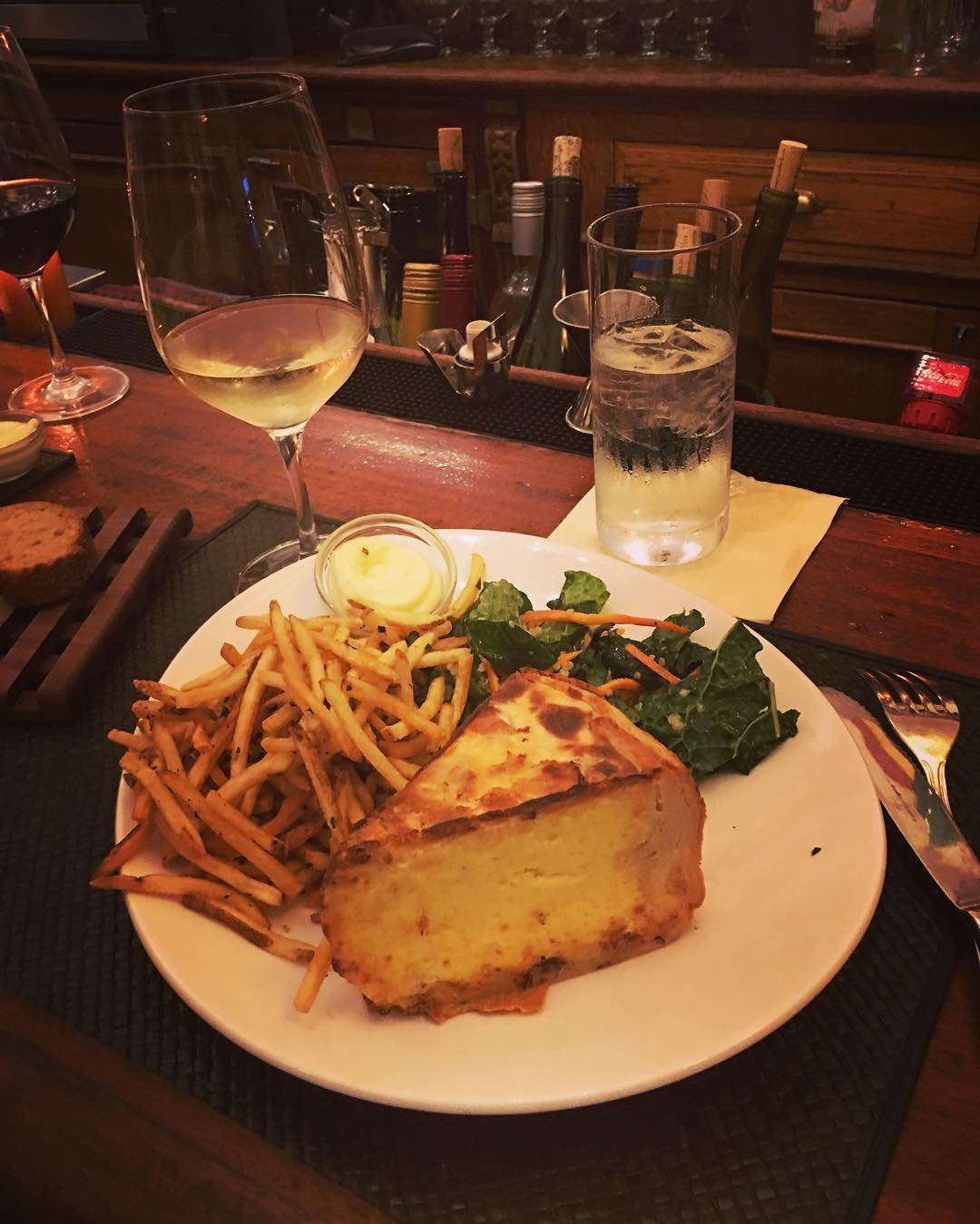
A Sonoma institution known for its French-inspired cuisine and strong focus on local, seasonal ingredients. Expect dishes like duck confit, house-made charcuterie, and Rhône-style wines. One of the most popular restaurants in Sonoma, especially for dinner near Sonoma Plaza.
Cafe La Haye
A long-standing fine dining restaurant offering refined California cuisine with a seasonal menu. Ideal for a relaxed but upscale dinner in Sonoma Wine Country.
Valley Bar + Bottle
One of the most talked-about restaurants in Sonoma right now, combining a natural wine bar with a hyper-seasonal menu. A favorite among food lovers looking for a modern, elevated dining experience.
El Dorado Kitchen
Located just off Sonoma Plaza, this restaurant offers contemporary Wine Country cuisine with a polished atmosphere. Known for its locally sourced ingredients and consistently high-quality dishes.
Santé Restaurant
A Michelin-recognized restaurant inside the Fairmont Sonoma Mission Inn, offering upscale dining with a focus on seasonal, locally sourced ingredients.
Breakfast and brunch in Sonoma
Sunflower Caffé
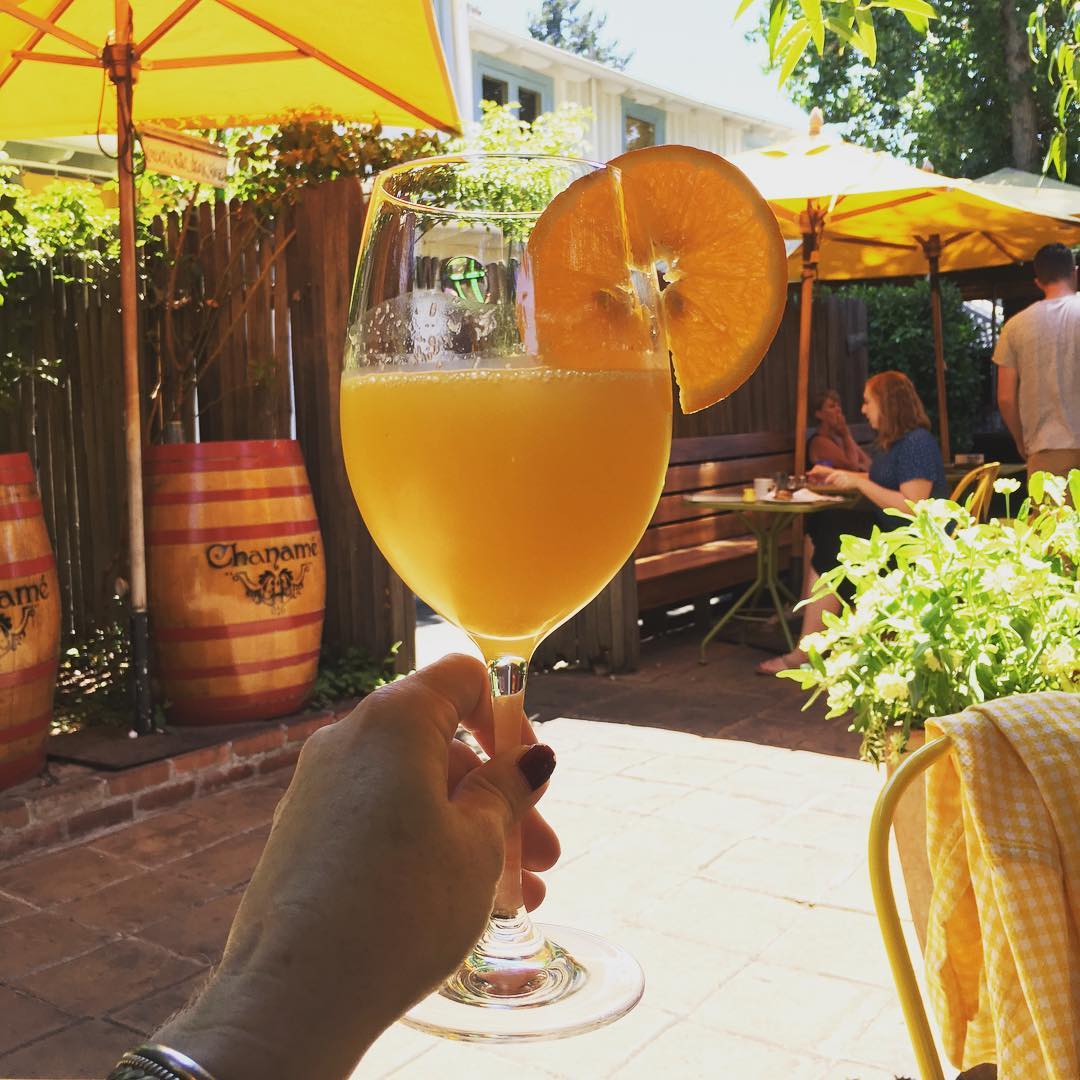
A local favorite for brunch in Sonoma, known for its garden patio and organic, farm-to-table breakfast options. Expect fresh juices, hearty egg dishes, and excellent coffee.
Basque Boulangerie Café
A classic Sonoma Plaza bakery and café, perfect for breakfast, pastries, and casual lunches. Great for a quick stop before wine tasting.
Della Santina’s Trattoria
A hidden gem just off the Plaza, offering Italian-style brunch and lunch in a charming courtyard setting. Known for its relaxed atmosphere and homemade dishes.
Other great places to eat in Sonoma
Taste of the Himalayas
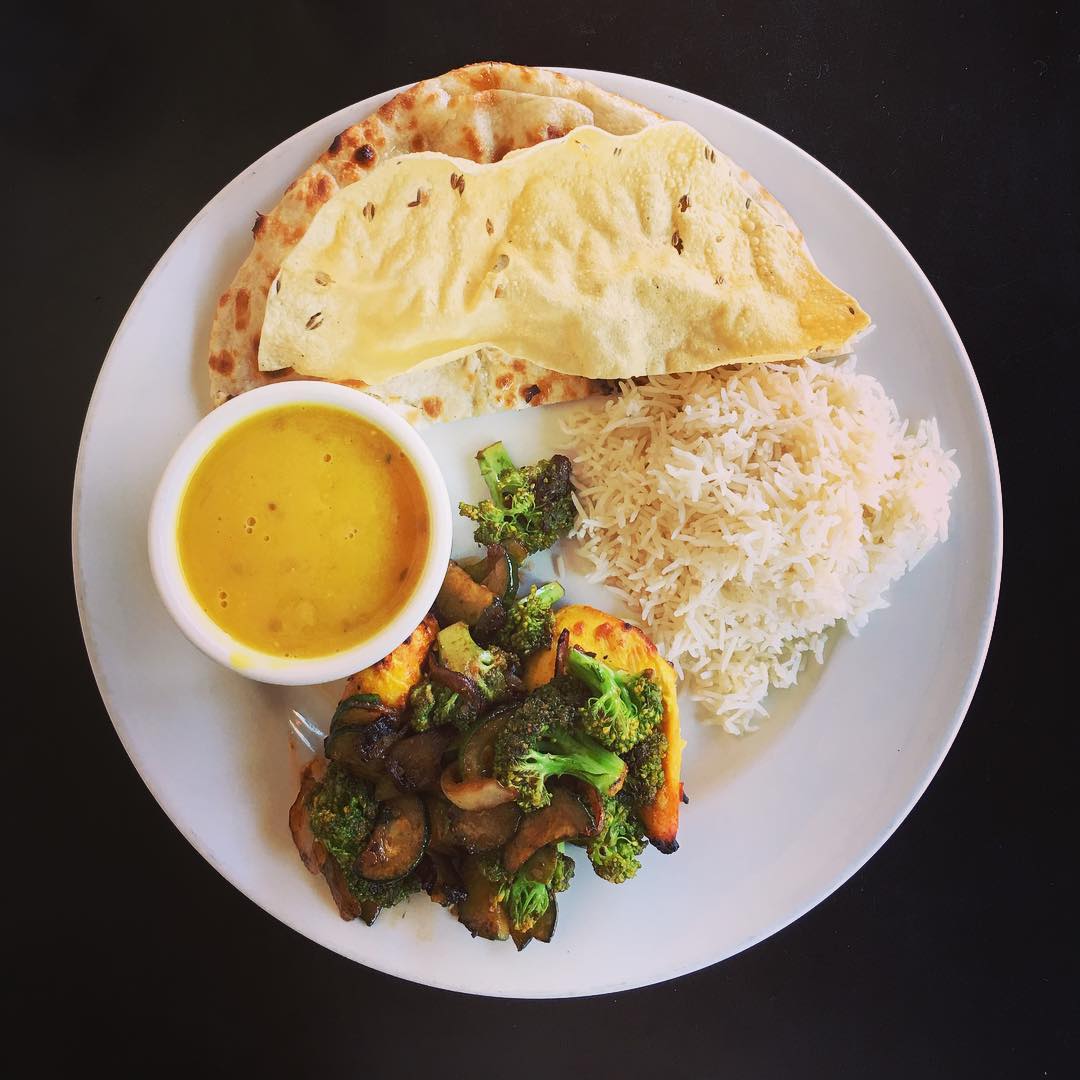
A long-standing local favorite offering Nepalese, Tibetan, and Indian cuisine near Sonoma Plaza. One of the best casual restaurants in Sonoma for flavorful curries, vegetarian-friendly dishes, and a break from traditional Wine Country dining.
Tasca Tasca
A Portuguese-inspired tapas restaurant offering small plates and a relaxed, social dining experience. A great option if you’re looking for something different from classic Sonoma restaurants or want a lighter meal paired with wine.
Mama Tanino’s Ristorante
A cozy Italian restaurant known for classic pasta dishes and a welcoming atmosphere, ideal for a casual dinner in Sonoma.
For a more relaxed and budget-friendly meal in Sonoma, grab a sandwich or takeaway from one of the many delis and cafés around Sonoma Plaza and enjoy a picnic in the park. Sonoma Plaza is one of the few public squares in the United States where you can enjoy wine outdoors, making it a perfect spot for a casual Wine Country lunch without the cost of a full restaurant meal.
Where to Taste Wine in Sonoma
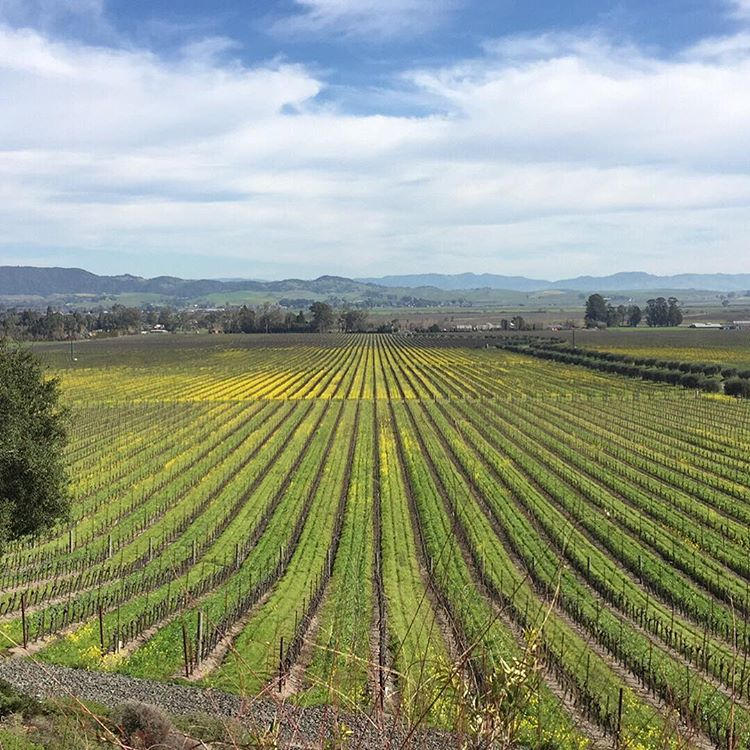
photo via Flickr by Sarah Stierch
Wine tasting in Sonoma offers a different experience compared to Napa Valley – often more relaxed, less crowded, and with better value for money. You’ll find a mix of historic wineries, small-production winemakers, and tasting rooms within walking distance of Sonoma Plaza, making it one of the most accessible wine destinations in California.
For many travelers, Sonoma strikes the right balance: high-quality wines, lower tasting fees (on average), and a more approachable atmosphere than Napa Valley, especially for first-time visitors or those planning multiple tastings in a single day.
Practical tips for wine tasting in Sonoma
Groups of six or more should always make reservations in advance, especially on weekends. Even smaller groups will benefit from booking ahead at more exclusive wineries.
If you’re planning to visit wineries outside Sonoma Plaza, consider arranging transportation through your hotel or booking a local driver or tour. This allows you to fully enjoy the experience without worrying about driving between vineyards.
Tasting etiquette is straightforward but often overlooked. If you enjoy your experience, it’s customary to tip the tasting room staff – typically $10 or more per standard tasting, and more for guided tastings or food pairings.
And one important detail that surprises many first-time visitors: you don’t have to drink every pour. Spit buckets are provided, and using them is completely normal, especially if you’re visiting multiple wineries in one day.
Best wineries and tasting rooms in Sonoma
1. Gloria Ferrer Caves & Vineyards
One of the most scenic wineries in Sonoma, known for its sparkling wines and panoramic vineyard views. Located just outside downtown Sonoma, it’s a top choice for those searching for sparkling wine tasting in Sonoma or a relaxed terrace experience overlooking the valley.
2. Corner 103
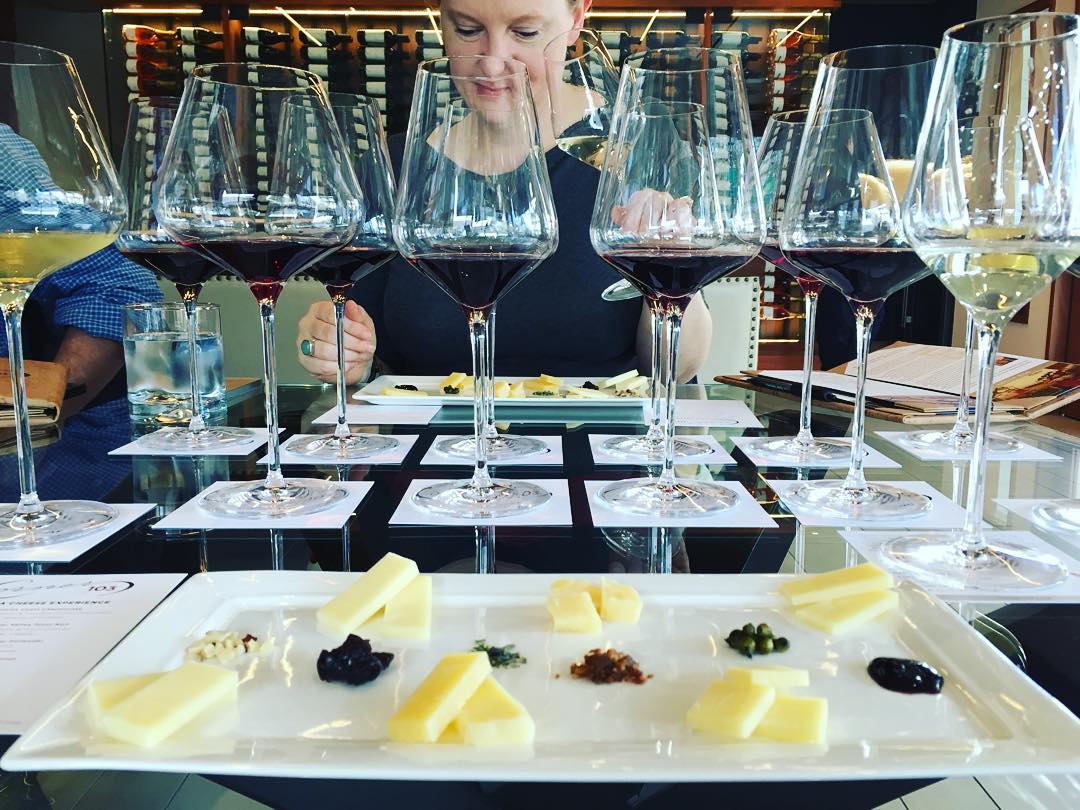
A boutique tasting room right on Sonoma Plaza, offering curated flights that highlight different Sonoma wine regions. Ideal if you want a walkable wine tasting experience in Sonoma Plaza without needing transportation.
3. MacLaren Wine Company
A small-production winery specializing in Pinot Noir and Syrah, with a focus on craftsmanship and terroir. A great option for those looking for a more intimate, small winery experience in Sonoma.
4. Passaggio Wines
A lesser-known gem offering Italian-style wines and a more personal tasting experience. Perfect if you’re searching for hidden gem wineries in Sonoma away from larger crowds.
5. Three Sticks Wines (appointment recommended)
Located in a beautifully restored historic adobe near Sonoma Plaza, this winery offers one of the most refined tasting experiences in the area. Known for premium Pinot Noir and Chardonnay, it’s ideal for those interested in high-end wine tasting in Sonoma with a historic setting.
Why Choose Sonoma for Wine Tasting
While Napa Valley is often seen as the more famous destination, Sonoma offers something many travelers end up preferring once they experience both: space, flexibility, and a less transactional atmosphere.
You can walk between tasting rooms, discover smaller producers, and enjoy high-quality wines without the same level of planning, pricing, or time pressure. For many visitors, that translates into a more enjoyable – and often more memorable – Wine Country experience.
Where to Stay in Sonoma
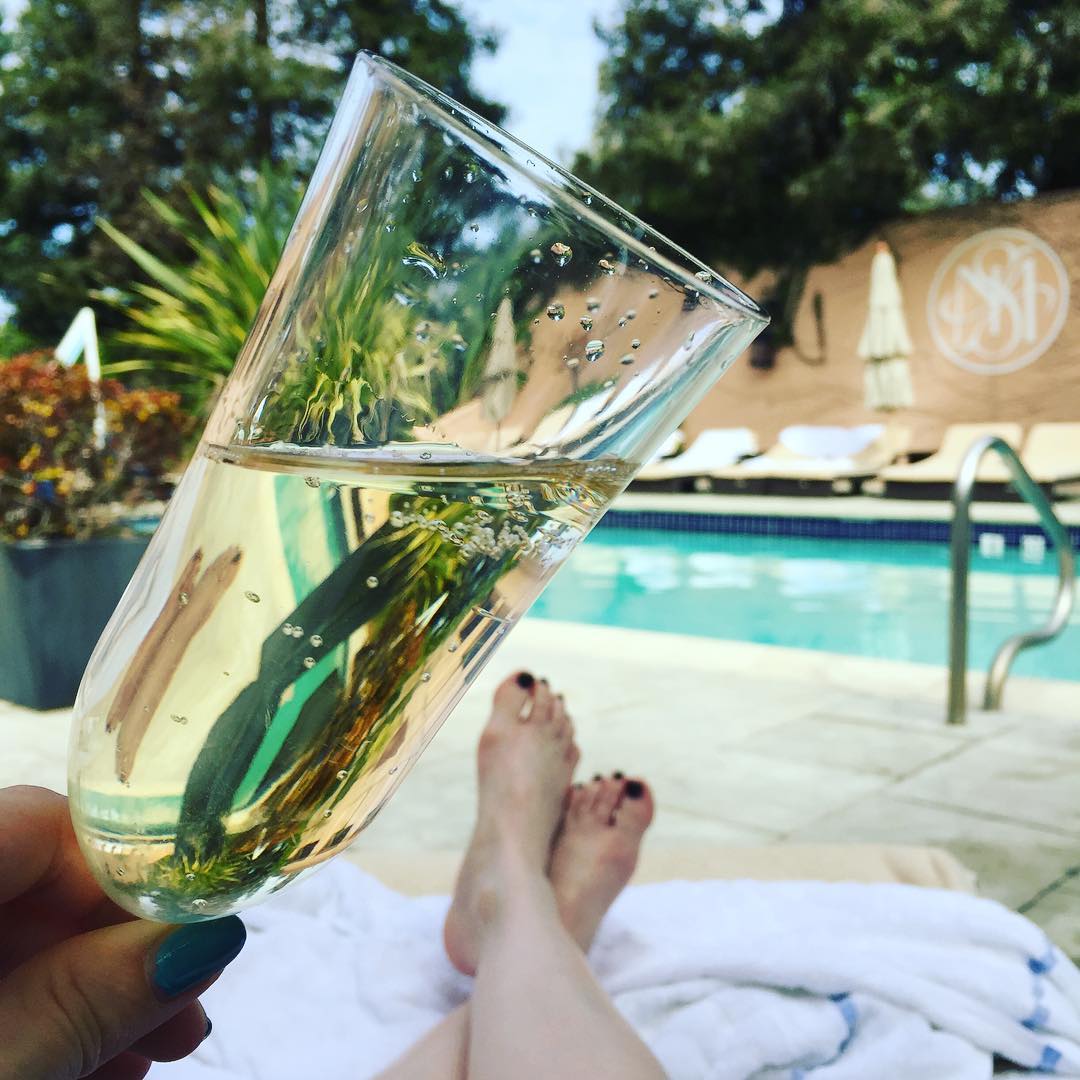
Accommodation in Sonoma ranges from luxury Wine Country resorts and boutique hotels near Sonoma Plaza to budget-friendly inns and vacation rentals. While Sonoma is often compared to Napa Valley, many travelers find that it offers better value for money, a more relaxed atmosphere, and more centrally located lodging options, especially if you want to stay within walking distance of restaurants and tasting rooms.
If you’re planning a longer stay or traveling with family, vacation rentals (Airbnb and VRBO) are widely available throughout Sonoma Valley and can offer more space and flexibility than traditional hotels.
For budget-conscious travelers, it’s worth noting that lower-cost accommodations are limited in central Sonoma, and camping or staying slightly outside the main town area may be necessary to reduce costs.
Accommodations in Sonoma can be very expensive. For inexpensive/cheap accommodations, camping is an option; however, campgrounds are located in more rural areas of the county. Vacation rentals are plentiful and vary in price and style. Check AirBNB and VRBO for the widest selection.
Hotels and resorts in Sonoma
Luxury hotels and Wine Country resorts
Fairmont Sonoma Mission Inn & Spa ($$$$)
One of the most iconic luxury resorts in Sonoma, known for its thermal mineral pools, full-service spa, and upscale dining. A top choice for travelers looking for a spa resort experience in Sonoma Wine Country.
MacArthur Place Hotel & Spa ($$$$)
A boutique luxury hotel set on beautifully landscaped grounds just minutes from Sonoma Plaza. Ideal for couples and those seeking a high-end, intimate stay in Sonoma.
The Lodge at Sonoma Resort, Autograph Collection ($$$$)
A stylish resort offering spacious rooms, a large pool area, and a relaxed Wine Country atmosphere. Popular for weekend getaways and resort-style stays in Sonoma.
Mid-range and budget-friendly hotels in Sonoma
El Pueblo Inn ($$)
A well-rated, budget-friendly option featuring a charming courtyard, complimentary breakfast, and a convenient location near Sonoma Plaza. One of the best choices for affordable accommodation in Sonoma.
Best Western Sonoma Valley Inn & Krug Event Center ($$)
A reliable mid-range hotel within walking distance of Sonoma Plaza. Offers good value for travelers looking for central Sonoma lodging without luxury pricing.
Additional recommended places to stay in Sonoma (updated picks)
Sonoma Hotel ($$$)
A historic boutique hotel located directly on Sonoma Plaza. Perfect if you want to stay in the heart of town and walk to restaurants, shops, and wine tasting rooms.
Inn at Sonoma, A Four Sisters Inn ($$$)
A charming bed-and-breakfast-style hotel offering personalized service, wine hour, and a cozy atmosphere. A great option for a romantic stay in Sonoma.
Cinnamon Bear Creekside Inn ($$$)
A quiet, nature-focused inn set along a creek, offering a more secluded experience while still being close to Sonoma Plaza.
Tips for choosing where to stay in Sonoma
Location makes a significant difference in your experience. Staying near Sonoma Plaza allows you to walk to restaurants, wine tasting rooms, and shops, which can simplify your itinerary and reduce transportation costs.
If your focus is spa experiences or resort amenities, properties slightly outside the Plaza—such as Fairmont Sonoma Mission Inn—offer more space and facilities.
For those planning multiple winery visits, consider how you’ll get around. Booking accommodation in a central location or arranging transportation in advance can make wine tasting days far more enjoyable.
Best time to visit Sonoma, California
Sonoma is a year-round destination, but timing affects crowds, prices, and the overall experience more than most visitors expect.
Harvest season (August–October) – Best for atmosphere and vineyard activity. This is the most vibrant time to visit, but also the busiest and most expensive.
Spring (March–May) – Best balance of weather and crowds. Vineyards are green, the landscape is at its most photogenic, and the pace is noticeably more relaxed.
Summer (June–July) – Best for outdoor tastings and long days. Popular, but still less intense than harvest season if you visit earlier in the day.
Winter (November–February) – Best for fewer crowds and better prices. A quieter, more personal wine tasting experience, ideal if you prefer a slower pace.
Compared to Napa Valley, Sonoma remains more flexible even in peak season, which makes it easier to plan around your priorities – whether that’s energy, value, or a quieter experience.
Tips for visiting Sonoma, California
Sonoma is often described as one of the most approachable wine destinations in California, and that comes down largely to how easy it is to navigate. The historic center, anchored by Sonoma Plaza, is compact and pedestrian-friendly, with restaurants, tasting rooms, boutiques, and historic landmarks all within walking distance. If you’re staying near the Plaza, you can comfortably spend an entire day exploring without needing a car.
That said, the moment you step beyond downtown, the geography changes. Wineries, scenic viewpoints, and smaller producers are spread throughout Sonoma Valley, often connected by quiet country roads rather than public transport. While Sonoma is considered bike-friendly – and cycling through vineyards can be a memorable experience – it’s not always practical for covering longer distances or visiting multiple wineries in a day. For that reason, having access to a car, a hired driver, or a guided wine tour remains the most efficient way to explore the region.
One of Sonoma’s key advantages over Napa Valley is flexibility. You don’t need the same level of rigid planning. Many tasting rooms are located directly in town, and the pace is generally slower, which allows for more spontaneous stops. At the same time, reservations are increasingly recommended at smaller or high-end wineries, particularly on weekends.
Cost is another factor worth considering early in your planning. Sonoma is not a budget destination, but it often offers better value compared to Napa, especially when it comes to tasting fees, dining, and accommodation. You can still find premium experiences, but there is more room to mix higher-end tastings with casual meals, picnics, or informal wine bars.
Timing can significantly influence your experience. Visiting wineries earlier in the day – shortly after opening – means fewer crowds, more attentive service, and a more relaxed atmosphere overall. Late afternoons, especially on weekends, tend to be busier and less personal.
If you’re traveling with children or if not everyone in your group is interested in wine, it’s important to plan accordingly. Sonoma does offer alternatives – historic sites, parks, boutique shopping, and scenic drives, but the overall culture is undeniably centered around wine and food. Without some intentional variety in your itinerary, non-wine drinkers or younger visitors may find the experience less engaging over multiple days.
Finally, Sonoma is a place that rewards a slower approach. Instead of trying to fit in as many wineries as possible, it’s often more enjoyable to choose a few well-selected stops, leave time for a long lunch or a walk around the Plaza, and treat the visit as an experience rather than a checklist.
About Sarah
Sarah Stierch is a wine, food and lifestyle journalist and blogger based in Sonoma, California. She’s passionate about the good life, especially when food and wine are involved. Sarah blogs at Sarah’s Sojourn. I’m recommending you to follow her on Facebook, Twitter, and Pinterest as well.