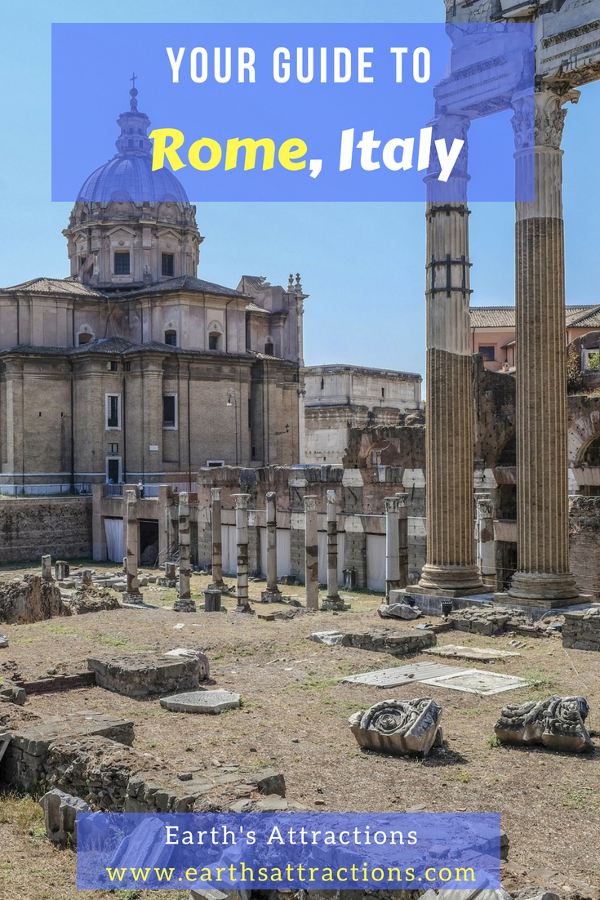
You came to Rome for the icons – the Colosseum, Trevi Fountain, the piazzas that glow at golden hour. But you also want more than the postcard version. You want the little surprises, the local places, the corners that most visitors walk right past. This guide brings you both: the Rome you’ve dreamed of, and the Rome you didn’t know you were missing.
Planning a trip to Rome and want to experience the Eternal City like a local? This local’s guide to Rome brings you the perfect mix of iconic attractions and off-the-beaten-path places you won’t find in most travel guides.
Rome is more than the Colosseum, Trevi Fountain, and Vatican Museums – it’s a vibrant, modern city with character-filled neighborhoods, hidden courtyards, artisan workshops, street markets, and authentic food spots where Romans actually eat.
Rome is a city best explored slowly, discovering one hidden gem at a time.
This expanded guide gives you everything travelers search for today:
- unique things to do in Rome
- Rome hidden gems
- cool neighborhoods to explore
- where to eat in Rome like a local
- practical tips, insider insights, and real experiences
Rome is one of the most famous cities in Europe and a place to see at least once in your lifetime. Here is your local’s guide to Rome with off-the-beaten-path things to see in Rome, best of Rome, and tips for Rome, where to eat in Rome, and where to stay in Rome shared by Giulia from Blocal Travel. This guide is part of the free travel guides series on this blog.
Your local’s guide to Rome with off-the-beaten-path things to see in Rome, and tips from Rome
Rome might need no introduction 🙂 Its UNESCO area is well-known all around the world, and I’m sure that even if you have ever been here, you know about the Colosseum, the Vatican, and Rome’s stunning city center. The city is an open-air museum, but of course, there is so much more to see and do in Rome than digging into its ancient history.
Some of the most memorable places in Rome aren’t listed in traditional guidebooks, which is why a local perspective makes such a difference.
No matter when you visit Rome, make sure you don’t do this in Italy – if you do not want to get fined!
Rome rewards curious travelers who wander beyond the main attractions, so this guide highlights both iconic sights and authentic neighborhoods.
Best of Rome
Top attractions in Rome
Some of Rome’s attractions are actually among the top 100 things to see in Italy!
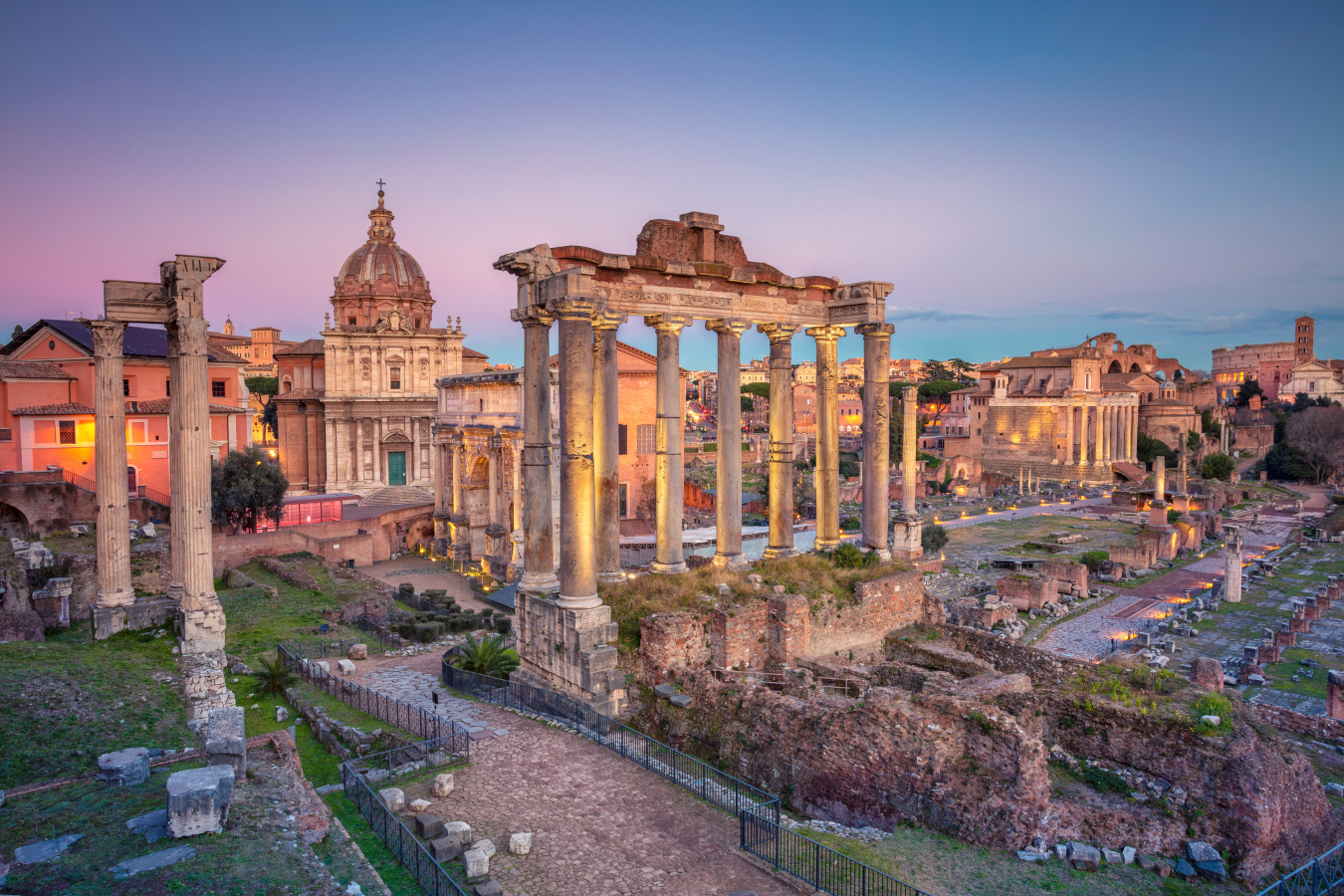
Vatican Museums are a must, as well as Capitoline Museums and the archaeological site of the Roman Forum, the one next to the Colosseum. Despite the tourist crowd, these places will steal your heart!
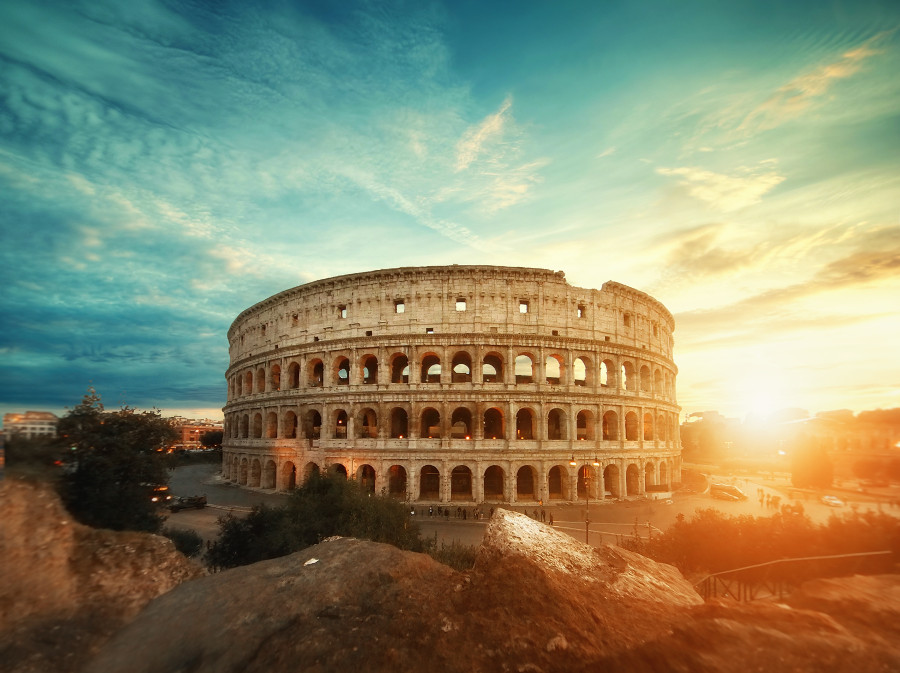
These world-famous sites are essential, but they represent only the beginning of what makes Rome unforgettable.
But many of the most authentic experiences in Rome happen outside the tourist center, where everyday life unfolds in small piazzas and local cafés.
The city center is UNESCO-listed, and my favorite way to enjoy it is simply wandering around and sinking in its beauty. My tip is to visit the main squares both during the day and at night, when they are less crowded, because their atmosphere is completely different.
Many hidden courtyards and alleyways reveal a quieter, more intimate Rome that most visitors never see.
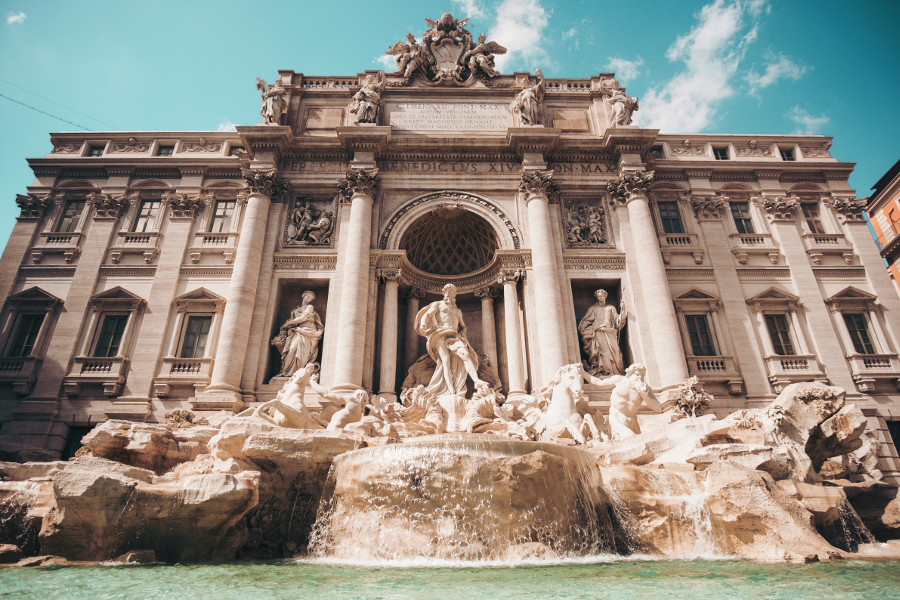
Of course, no visit to Rome is complete without seeing Fontana di Trevi or Trevi Fountain – one of the famous attractions in Rome. This is the largest Baroque fountain in the city, and the money thrown in the fountain is collected and given to an Italian charity.
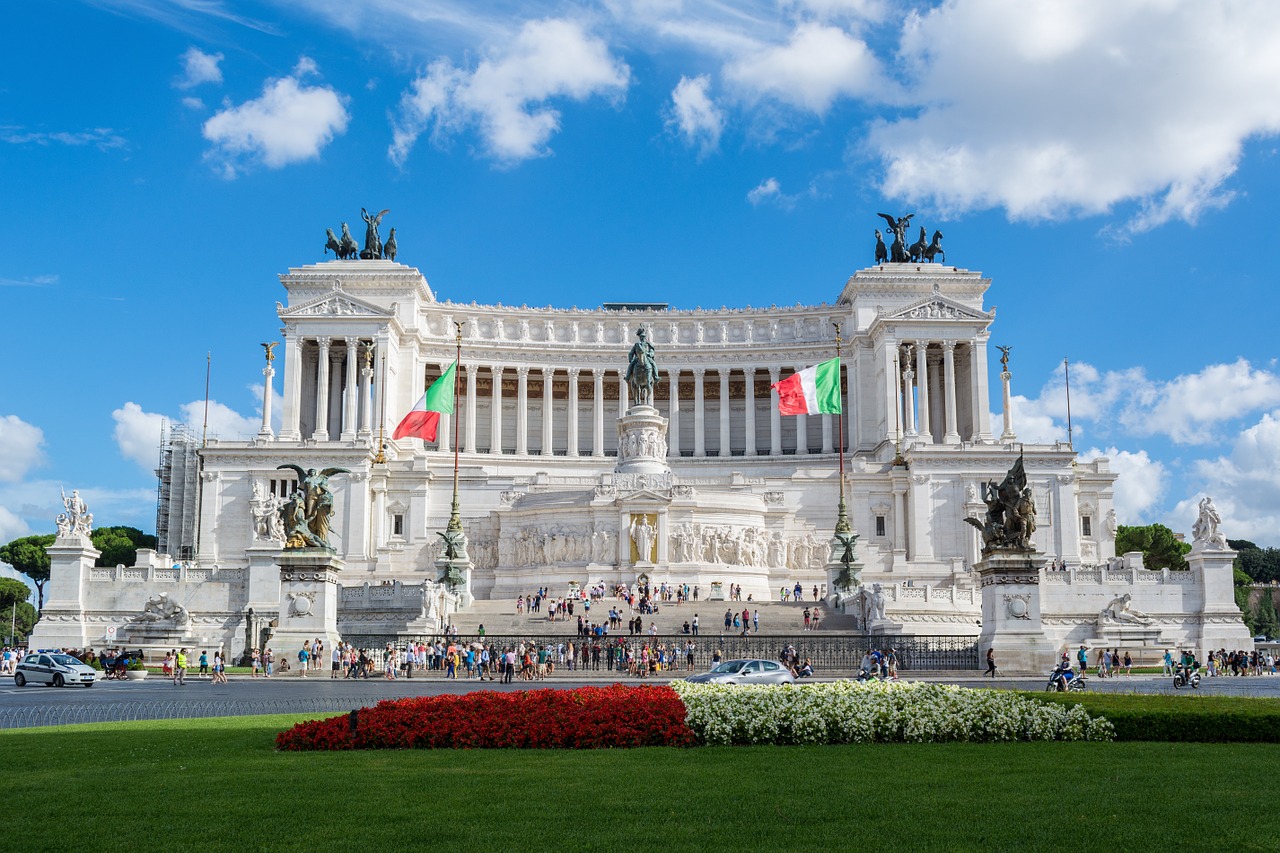
Altare della Patria (“Altar of the Fatherland”), also known as the Monumento Nazionale a Vittorio Emanuele II (“National Monument to Victor Emmanuel II“) is another item on the best of Rome list and one of the famous attractions in Rome.
Galleria Alberto Sordi – a historic shopping gallery with stunning Art Nouveau architecture
Galleria Alberto Sordi is one of Rome’s most elegant historic shopping galleries, located right on Via del Corso. With its Art Nouveau glass ceilings, mosaic floors, and long-standing shops, it offers a beautiful glimpse into early 20th-century Rome and makes for a great stop between major attractions.
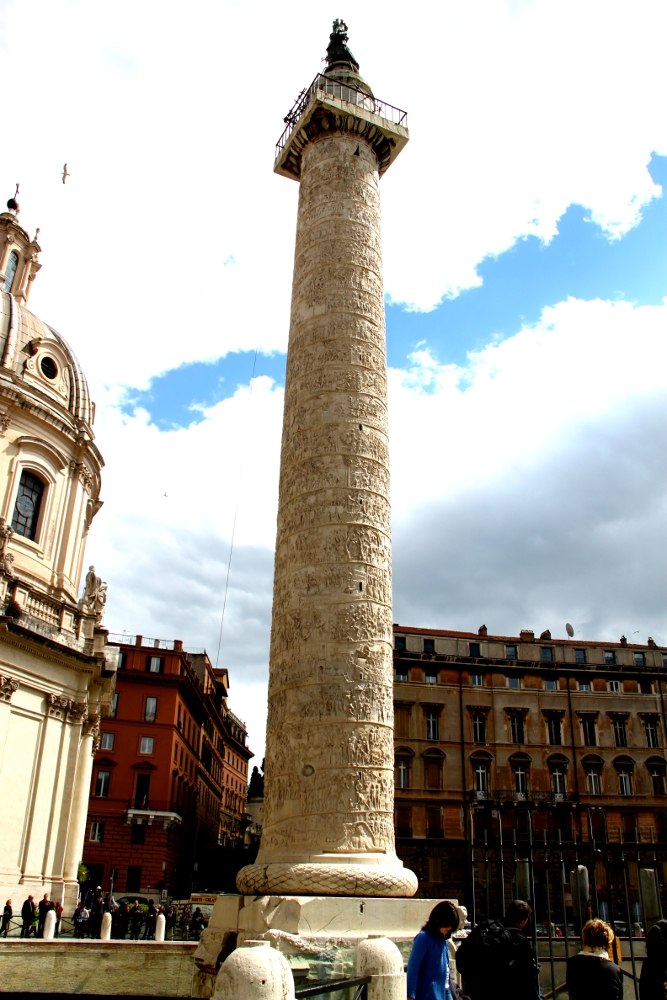
Next on the list of best in Rome is Trajan’s Column.
Another nice thing to do is to admire the panorama from its many terraces, like Gianicolo and Pincio, or even the highest point in Rome: Vicolo degli Innamorati (which, btw, can be translated as “Lovers’ alley”).
Finally, you should hunt Caravaggio’s paintings in the city center, starting from a church called San Luigi dei Francesi.
Unique museums like Centrale Montemartini show Rome’s industrial and artistic contrasts, offering a refreshing break from classical sites.
Off the beaten path things to see in Rome
Rome’s off-the-beaten-path areas allow visitors to connect with the city’s local rhythm far away from crowds and tourist hotspots.
My specialty, though, is off-the-beaten-path places to visit in Rome, which is where you can mingle with locals, and enjoy the city with its most authentic atmosphere. So here are the best off-the-beaten-path things to see in Rome.
Have a tour of the Garbatella neighborhood, with its picturesque courtyards and genuine restaurants, visit the Centrale Montemartini Museum, whose collection of classical art is housed inside a former power plant, or the chocolate factory Said, in the San Lorenzo neighborhood. The latter is the university neighborhood, where you can find many pubs and nice places to stop.
Neighborhoods like Garbatella and Testaccio offer a genuine taste of Roman life, filled with community spirit and everyday traditions.
Flaminio neighborhood is where you will find the most photogenic contemporary architecture, from the buildings of the Auditorium to the one hosting the MAXXI Museum.
In this neighborhood, there is also a hidden gem we call “Little London”: a street whose pastel houses will make you think you are in Notting Hill. Yes, there are so many off-the-beaten-path things to see in Rome that will enchant and surprise you!
To enjoy Rome like a local, venture into neighborhoods where daily Roman life feels authentic and unhurried, from artisan workshops to family-run trattorias.
As for music, one of the best alternative venues in Rome is a squatted place inside a stronghold called Forte Prenestino.
Rome’s creative and contemporary side is often overlooked, but it’s incredibly rich if you know where to look.
Monti is another neighborhood you shouldn’t miss: head there on weekends for the Monti Urban Market, where local designers and resident hipsters gather to shop and enjoy DJ sets.
Each neighborhood in Rome has its own atmosphere, identity, and food scene, which makes exploring beyond the tourist core so rewarding.
Last but not least, just behind the pyramid, there is a monumental cemetery where Keats and Shelley are buried, which is especially beautiful and quiet.
Galleria Colonna (Palazzo Colonna) – one of Rome’s most magnificent yet overlooked art galleries
Galleria Colonna is an extraordinary Baroque gallery inside Palazzo Colonna, one of Rome’s oldest noble palaces. Open only on specific days, it houses opulent halls, golden ceilings, sculptures, and Renaissance masterpieces – a spectacular hidden gem that most travelers miss.
Where to eat in Rome
You are in Italy, so it will be challenging to find a place where the food is not exquisite, as long as you avoid touristy restaurants in the city center. Don’t worry though, as there are plenty of great places to eat in Rome. So here are my recommendations for where to eat in Rome.
Local markets in Rome are ideal for tasting real Roman food made with fresh ingredients and seasonal specialties.
One of my favorite places to eat in the city is Mercato Testaccio, a farmer’s market open on mornings with several street food kiosks serving amazing local recipes made with the freshest ingredients. There is also a fancier version of it, which is called Mercato Centrale, and it is inside Termini station: there you will find small restaurants, where you can try a mix of Italian cuisine.
Traditional Roman pizza can be found at Pizzeria dei Marmi in Trastevere, while the most famous pizzeria from Naples (Pizzeria da Michele) has recently opened in Rome too, inside the Explora Museum.
If you love beers like I do, try Osteria Birra del Borgo, where they serve artisanal beers but also some high-quality products from Italy, such as cheeses, salami, and pizza made by the best bakery in the city: Bonci.
As for restaurants, I like a tiny place called Mazzo Centocelle: it’s a bit far away from the city center, but the food is worth the trip. Authentic Roman cuisine can be found at Betto e Mery, at Il Quagliaro and Il Timoniere.
Where to stay in Rome
Living in Rome, I don’t know so much about hotels and hostels, but you’ll definitely find where to stay in Rome.
Public transport can be tricky, so choosing the right area to stay in Rome matters more here than in many other European capitals.
The only hostels I go to are those that organize some activities that involve locals as well, such as The Beehive, and those with a house pub open to the public, such as The Yellow and The Rome Hello. I also go to a place in Trastevere called Together Network, which hosts both short and long-term residents and organizes many events inside its space.
As for hotels, I like the Orange Hotel for its unpretentious rooftop restaurant open to locals as well, and the Art Hotel for its contemporary art collection.
Tips for Rome
ID 136585377 © Rudi1976 | Dreamstime.com
The main issue in Rome is public transport. Be sure to book a place near the metro line, as buses are not always very reliable.
Taxis are quite expensive, so wear comfortable shoes and be prepared to walk a lot!
You can also choose a hop-on-hop-off tour to see the best of Rome.
The city is safe, but it’s wise to use the same common-sense recommendations as in any other big city.
Main tourist attractions can be very crowded, so book in advance and buy tickets online if you can.
Finally, at least for one day, leave the map and the guidebook at the hotel and just wander aimlessly around the city: every corner of Rome is magic and walking around its picturesque streets is the best way to experience the city.
Visiting Rome like a local means embracing slow travel and spontaneous discovery, letting the city reveal itself corner by corner.
Best Neighborhoods in Rome: Where to Explore, Eat, and Stay
Trastevere – For Classic Roman Charm
Cobblestone streets, golden-hour glow, trattorias, boutique shops, and lively piazzas. Perfect for food lovers and first-timers.
Monti – For Hip, Creative Energy
Vintage boutiques, cool cafés, independent designers, street markets, and great aperitivo spots. A favorite among young locals.
Testaccio – For Food Lovers
Known for authentic Roman dishes, the Mercato Testaccio food market, and a community vibe that feels very real.
Flaminio – For Architecture and Design
Home to MAXXI, Auditorium Parco della Musica, and some of Rome’s most interesting modern structures.
Ostiense – For Street Art & Alternative Culture
Industrial transformation, bold murals, craft breweries, and excellent modern dining.
Garbatella – For a True Local Neighborhood Experience
Pastel buildings, community courtyards, and a warm, local atmosphere untouched by mass tourism.
One Perfect Day in Rome: Local-Style Itinerary
Morning
- Start in Testaccio with espresso + sfogliatella
- Explore Aventine Hill and peek through the famous keyhole
- Walk to Giardino degli Aranci for a quiet panoramic view
Midday
- Visit Centrale Montemartini (industrial + classical art fusion)
- Lunch at Mercato Testaccio or a small trattoria nearby
- Walk through Ostiense to admire street art murals
Afternoon
- Wander the alleys of Monti, exploring vintage shops and local cafés
- Optional: visit the Trajan’s Market Museum (underrated!)
Evening
- Aperitivo in Trastevere
- Dinner in a local osteria (avoid menus with photos – locals never eat there)
- Night walk to see Piazza Navona + Trevi Fountain beautifully lit
Why Visit Rome
Rome is beautiful not only for its ancient history and its monuments, but also because it is a lively city at the present time. Find something you enjoy doing at home and do it here: yoga classes at the park, cooking workshops on how to prepare hand-made pasta, watercolors to paint what is in front of you, salsa nights at clubs or a photography tour with a professional photographer.
Rome is not only the Eternal City that ruled the ancient world, but it’s also a contemporary city where you can enjoy whatever you are into. Use this local’s guide to Rome with off-the-beaten-path things to see in Rome, the best of Rome, and tips for Rome when planning your (next) trip to Rome!
FAQ: Essential Things to Know Before Visiting Rome
Is Rome walkable?
Yes. Central Rome is extremely walkable, and many hidden gems are best discovered on foot.
What’s the best neighborhood to stay in Rome?
Monti, Trastevere, Testaccio, and Prati offer great access, safety, food, and atmosphere.
How many days should you spend in Rome?
3–4 days is ideal, but even one day is rewarding with a local-style itinerary.
Is Rome safe for tourists?
Yes – use basic precautions in crowded areas, especially around Termini and buses.
What’s the best way to get around Rome?
Walk + metro. Buses can be unreliable, and taxis are expensive.
When is the best time to visit Rome?
Spring and fall offer the best weather and fewer crowds.
How do you avoid tourist traps in Rome?
Eat where locals eat: no photo menus, no host calling you in, no restaurants on major tourist squares.
Conclusion: Experience Rome Like a Local
Rome is one of those rare cities that feels both ancient and vibrantly modern at the same time. The more you wander, the more it reveals itself – from lively street markets to hidden courtyards, quiet churches, creative neighborhoods, and unforgettable food.
Use this expanded local’s guide to Rome to explore iconic landmarks, discover lesser-known gems, and truly experience the Eternal City through the eyes of a local.
About the author: Giulia Blocal
www.blocal-travel.com
I blog about off-the-beaten-path places in Rome, the city where I’m born and bred, and all around Europe. I like street art, food, museums, books, craft beers and to have loooong walks around the city. Follow her travels on Facebook and Instagram.