
For decades, cheese has carried a complicated reputation.
It’s rich, comforting, and deeply woven into food culture, yet often labeled as something to limit, avoid, or feel guilty about. Saturated fat. Salt. Calories. For years, cheese was grouped with foods thought to accelerate heart disease, cognitive decline, and “unhealthy aging.”
But recently, something interesting has been happening in nutrition science.
Instead of disappearing from research, cheese keeps showing up in studies – sometimes in places researchers didn’t expect. Not as a miracle food. Not as a cure. But as a surprisingly neutral – or even mildly positive – part of dietary patterns linked to better long-term health, including brain health and cognitive aging.
The story around cheese isn’t being rewritten overnight. But it is being quietly revised. Not because cheese suddenly became “healthy,” but because scientists started asking better questions about how foods actually behave in the body.
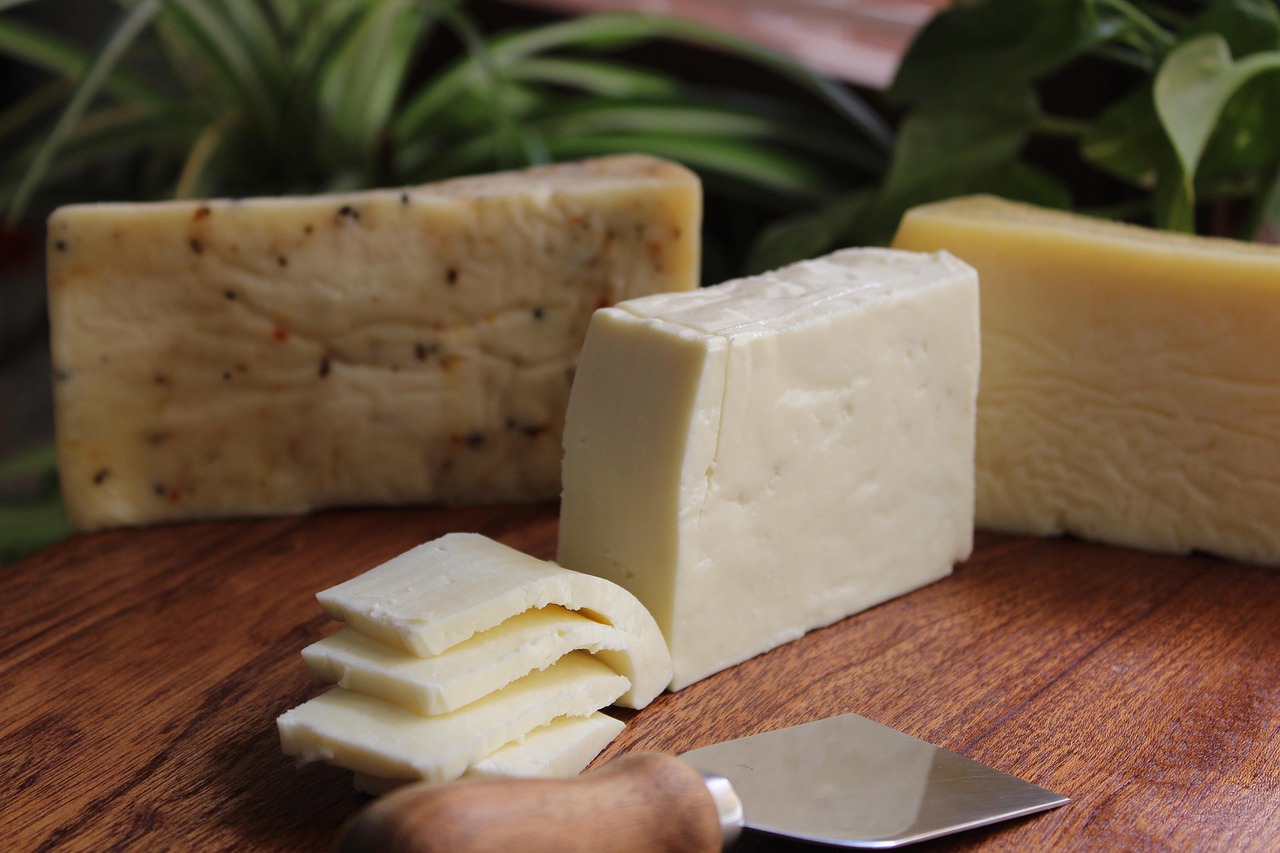
The Longstanding Problem With Cheese
Cheese became a nutritional villain largely by association.
For years, dietary advice focused heavily on single nutrients, especially saturated fat. Because cheese contains saturated fat, it was often lumped together with processed meats, butter-heavy diets, and ultra-processed foods, despite being fundamentally different in structure and production.
This led to simple, one-size-fits-all messaging: eat less cheese, choose low-fat versions, and treat it as an occasional indulgence rather than a staple.
The problem is that nutrition doesn’t work well in isolation. Foods are more than the sum of their parts, and cheese turned out to be a perfect example of that complexity.
The Study That Sparked New Questions
In recent years, large observational studies examining diet and cognitive aging began noticing something unexpected.
Certain dietary patterns that included moderate cheese consumption were not associated with worse brain outcomes. In some cases, they were linked to a lower risk of cognitive decline or dementia compared to patterns high in ultra-processed foods. A long-term Swedish study followed nearly 28,000 adults for about 25 years and found that people eating 50 g or more of high-fat cheese daily had a lower risk of developing dementia compared with those who ate less.
Research from Japan found that habitual cheese consumption (≥1 time/week) was associated with a lower risk of developing dementia over three years.
These findings appeared in population studies published in peer-reviewed journals and indexed in PubMed, often as secondary observations rather than headline conclusions.
Importantly, researchers were careful to note that these studies showed associations rather than proof, that cheese was not isolated as a treatment, and that overall diet quality mattered far more than any single food.
Still, the signal was consistent enough to raise questions.
Why wasn’t cheese behaving the way saturated fat theory predicted?
Why Cheese May Be Different From Other Saturated Fats
One of the most important shifts in nutrition science over the past decade is the move away from nutrient-only thinking.
Cheese is not just “fat plus salt.” It has a unique food matrix – the way nutrients are packaged together and interact during digestion.
Several factors help explain why cheese may behave differently in the body. Many cheeses are fermented foods, a process that creates bioactive compounds capable of influencing gut health, inflammation, and metabolic responses – factors increasingly linked to brain health.
In addition, fat in cheese is bound within a protein-and-calcium matrix, which can alter how fats are absorbed and how they affect cholesterol levels compared to isolated fats like butter. Certain cheeses – especially aged and fermented varieties – also contain nutrients and bioactive peptides that may play a role in vascular and metabolic health.
Also, certain cheeses, again the aged and fermented varieties, contain nutrients such as vitamin K2, which has been linked to vascular and brain health, as well as bioactive peptides that may influence blood pressure and inflammation.
This doesn’t make cheese a “brain supplement,” but it does help explain why it doesn’t behave like processed or refined fats.
Cheese vs. Ultra-Processed Foods (A Critical Distinction)
One reason cheese keeps showing up favorably in studies is what it’s often compared against.
Ultra-processed foods tend to:
- Disrupt blood sugar regulation
- Increase systemic inflammation
- Correlate with worse cognitive outcomes over time
Cheese, particularly traditional or minimally processed varieties, doesn’t fit that category.
In dietary pattern research, cheese often appears alongside vegetables, whole grains, fermented foods, and Mediterranean-style eating habits.
This context matters. Cheese consumed as part of a balanced pattern behaves very differently from cheese consumed alongside refined carbohydrates and sugary snacks.
How Much Cheese Is “Reasonable,” According to Research?
This is the question everyone cares about most – and the answer is refreshingly boring.
Studies that observe neutral or potentially positive associations almost always involve moderate intake, not large portions.
That usually means small daily amounts or regular but modest servings a few times per week, not cheese boards every night, large portions replacing other foods or ultra-processed cheese products as staples. In the Swedish study, 50 g (about 2 slices) of high-fat cheese per day was associated with the observed lower risk of dementia.
As with dark chocolate that was linked to longevity recently, consistency matters more than quantity. In other words, cheese works best as a regular part of a balanced diet—not as a loophole for overindulgence.
Which Types of Cheese Show Up Most Often in Studies?
Research does not suggest all cheese behaves the same way.
Patterns associated with better outcomes tend to emphasize:
- Aged cheeses
- Fermented cheeses
- Less processed varieties
Examples often discussed in research contexts include traditional European-style cheeses rather than highly processed cheese products.
What’s notably absent from positive associations:
- Cheese-flavored snacks
- Highly processed cheese spreads
- Products designed for shelf stability rather than fermentation
Who Should Still Be Careful With Cheese
Even as the narrative becomes more nuanced, cheese isn’t universally beneficial for everyone.
Caution is still warranted for people who:
- Are sensitive to sodium
- Have lactose intolerance
- Are managing calorie intake closely
- Have specific cardiovascular risk factors requiring individualized advice
Nutrition research consistently shows individual response matters. What works well for one person may not for another.
The Bigger Takeaway: Nutrition Is Getting More Nuanced
The evolving conversation around cheese reflects a broader shift in health science.
Researchers are increasingly focused on:
- Dietary patterns, not single foods
- Food quality, not just macronutrients
- Long-term outcomes, not short-term markers
In that context, cheese is no longer viewed simply as “good” or “bad.” It’s being understood as a context-dependent food – one that can fit into a healthy lifestyle when consumed thoughtfully.
Cheese, Reconsidered
So, is cheese a brain-boosting superfood?
No.
But is it the cognitive villain it was once made out to be?
Also no.
Current evidence suggests that moderate cheese consumption, especially as part of a balanced, minimally processed diet, is not associated with worse brain health – and may even align with dietary patterns linked to healthier aging.
For many people, that’s welcome news.
It means enjoying cheese doesn’t have to come with guilt – just perspective, moderation, and context.
Disclaimer
This article is for informational purposes only and does not constitute medical advice. The studies discussed describe associations observed in population research and do not establish cause-and-effect relationships. Individual health outcomes vary. Always consult a qualified healthcare professional before making significant dietary changes, especially if you have a medical condition or specific health concerns.
Photo source: Pixabay