Some of the most beautiful places on Earth are becoming surprisingly fragile. In some cases the change is slow, almost invisible. In others, it’s happening faster than anyone expected.
That’s why more travelers are starting to rethink their bucket lists – and moving certain destinations to the very top. These seven incredible places are among the ones many experts say are worth seeing sooner rather than later.
What Is “Last-Chance Tourism”?
Last-chance tourism refers to traveling to destinations that are threatened by climate change, environmental pressure, or human activity before they significantly transform or disappear.
Many travelers intentionally seek fragile travel destinations or natural wonders disappearing due to environmental change so they can experience them while they still exist in their current form.
Scientists and conservationists often debate this trend because increased tourism can also put additional pressure on already fragile ecosystems.
Why Some Travel Destinations Are Disappearing
Several factors are accelerating change in some of the world’s most fragile destinations. Climate change is melting glaciers and warming oceans, overtourism is putting pressure on historic cities and ecosystems, and deforestation and development are transforming natural landscapes. As a result, some destinations may not disappear completely, but they may look very different in the future.
1. Walk on Iceland’s Vanishing Glaciers
ID 44778151 © Martinmark | Dreamstime.com
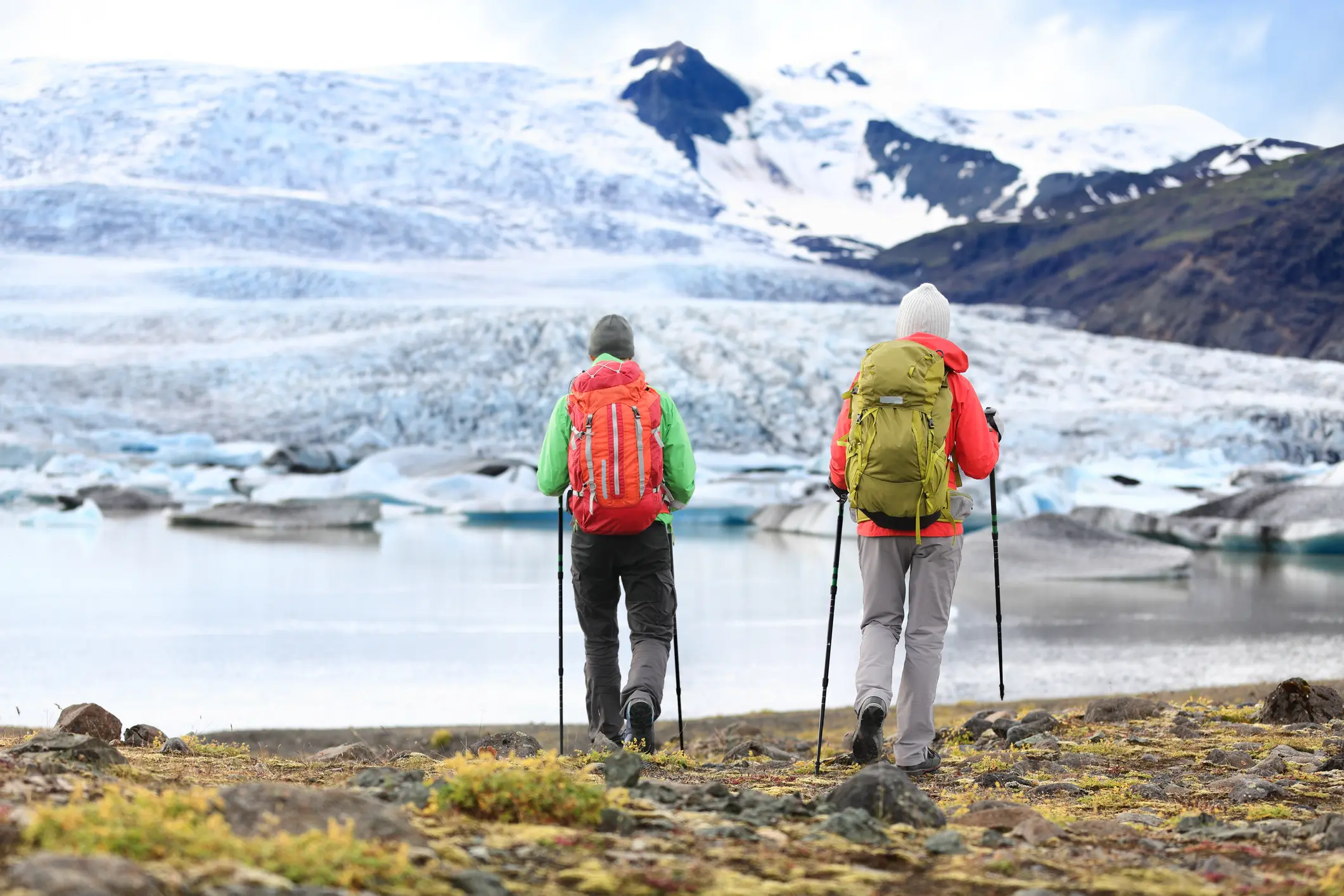
Iceland’s glaciers are among the fastest-melting ice formations in Europe, making them one of the most striking natural wonders disappearing due to climate change.
Globally, glaciers are losing 273 billion tons of ice per year, according to a CBS News report, and Iceland is among the most visibly impacted countries (CBS News). A Skift travel industry analysis warns that shrinking ice sheets threaten Iceland’s tourism economy as well as its cultural identity (Skift).
Guided hikes on glaciers like Sólheimajökull or Langjökull let visitors walk across ancient ice fields, explore vivid blue crevasses, and step inside ice caves shaped over centuries. These experiences offer a rare chance to see landscapes that scientists warn may look very different in the coming decades.
2. Glide Through Thailand’s Disappearing Floating Markets
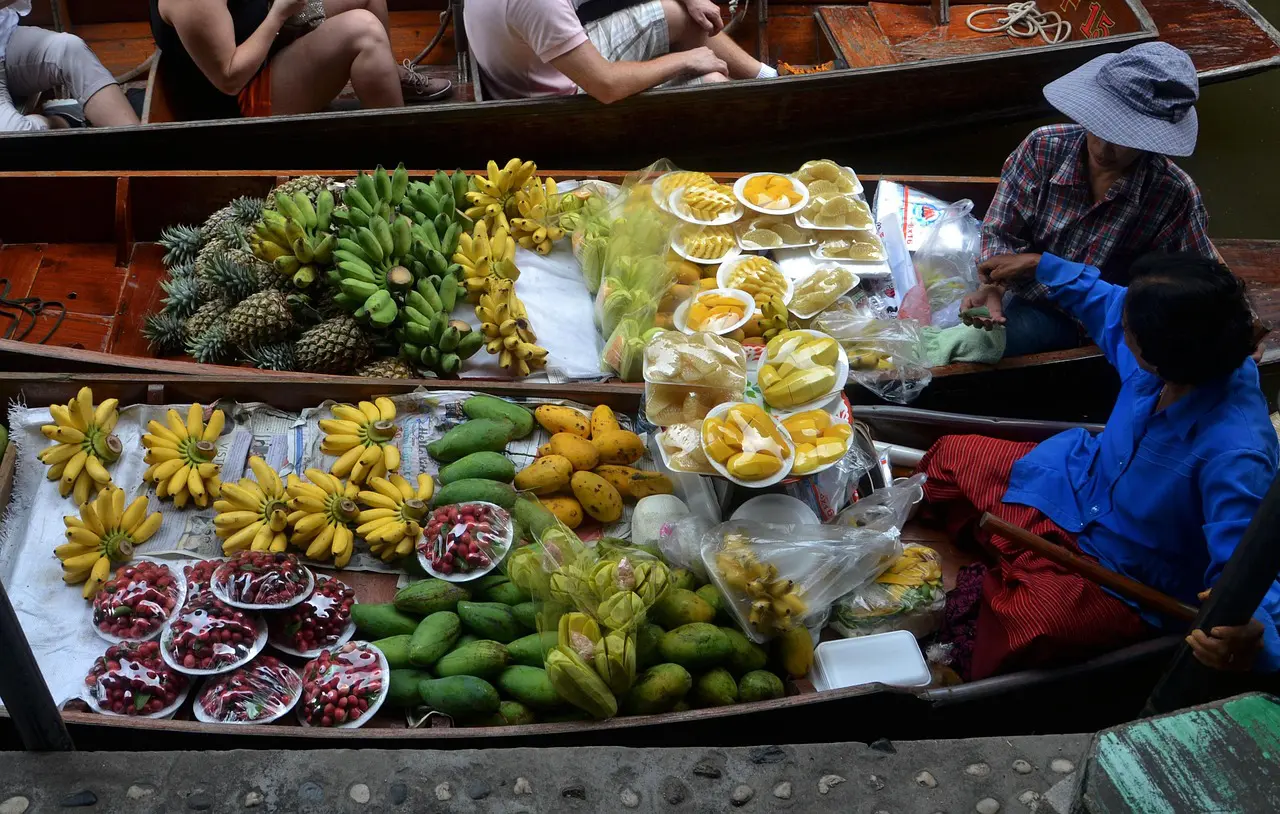
Photo: Pixabay
You might have seen pictures of them – I know I did. However, floating markets across Thailand have declined due to urbanization, altered waterways, and changes in shopping habits, documented in Thai cultural preservation studies and other reports.
While Damnoen Saduak is still crowded with tourists, smaller markets like Tha Kha and Amphawa still hum with local life – longtail boats selling fruit, noodles, and sweet coconut pancakes. Without sustained local demand, many of these markets could fade into staged tourist attractions within a generation.
3. Take a Gondola Ride in Venice Before the City Sinks Further
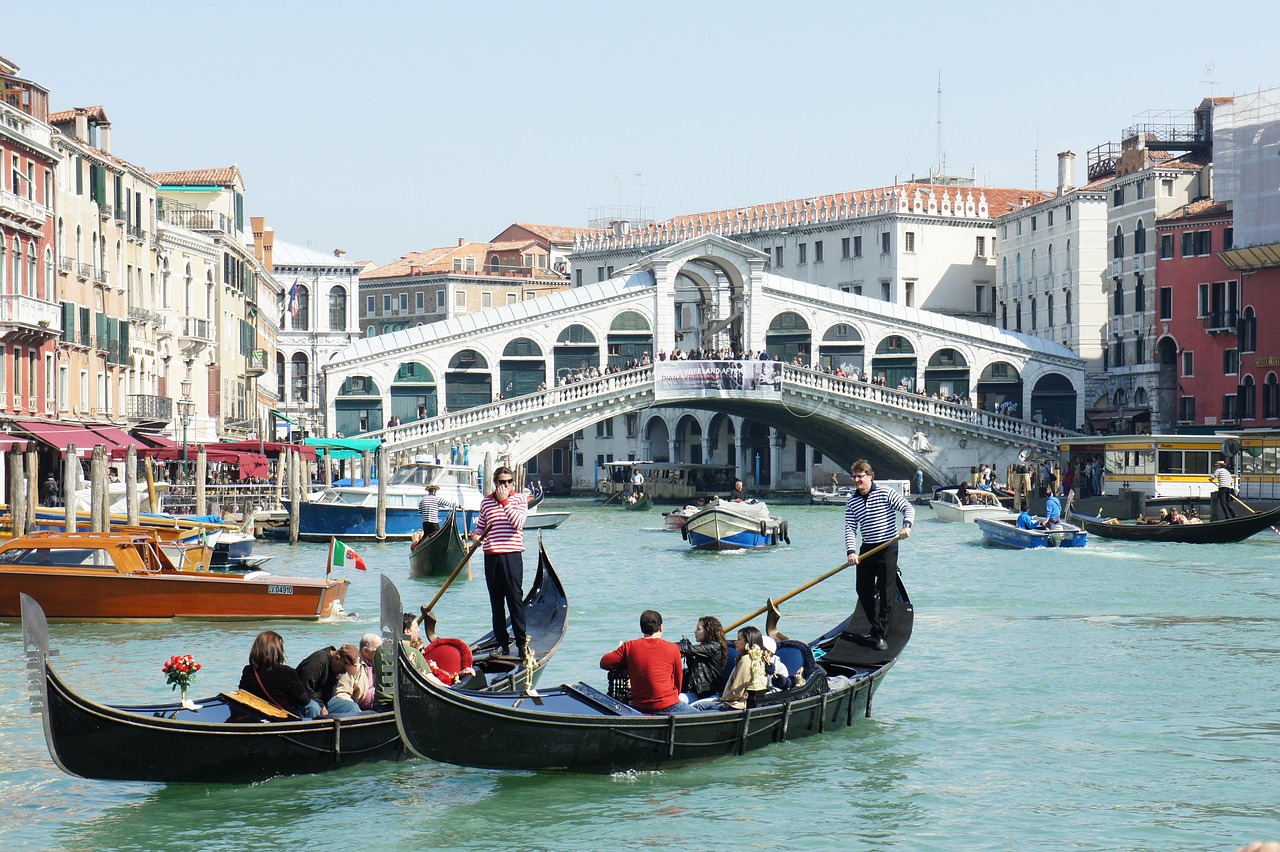
Photo source: Pixabay
Venice has introduced a day-tripper entry fee and strict cruise ship limits in an attempt to curb overtourism, according to municipal regulations. I actually read 2 days ago an article that mentioned a proposal of a EUR100 fee per person entering the city. There was also a proposal that UNESCO should add Venice on the list of endangered sites.
I admit that I cannot imagine a visit to Italy – near Venice – without a trip to this splendid city! Gliding along the Grand Canal today means navigating both beauty and fragility – Renaissance palaces, crumbling bricks, and the ever-present slap of water against the stone. Future visits may be far more restricted.
4. Witness the Monarch Butterfly Migration in Mexico
The eastern monarch butterfly population dropped by 59% between 2023 and 2024, according to the World Wildlife Fund (WWF). AP News reports the U.S. is moving to list monarchs as a threatened species by 2025 (AP News).
In Mexico’s Michoacán forests, millions of orange-and-black wings cluster on fir branches in a living tapestry. The quiet is broken only by the rustle of wings when sunlight warms the air – a moment that could vanish in your lifetime. I saw some videos with this migration – truly impressive!
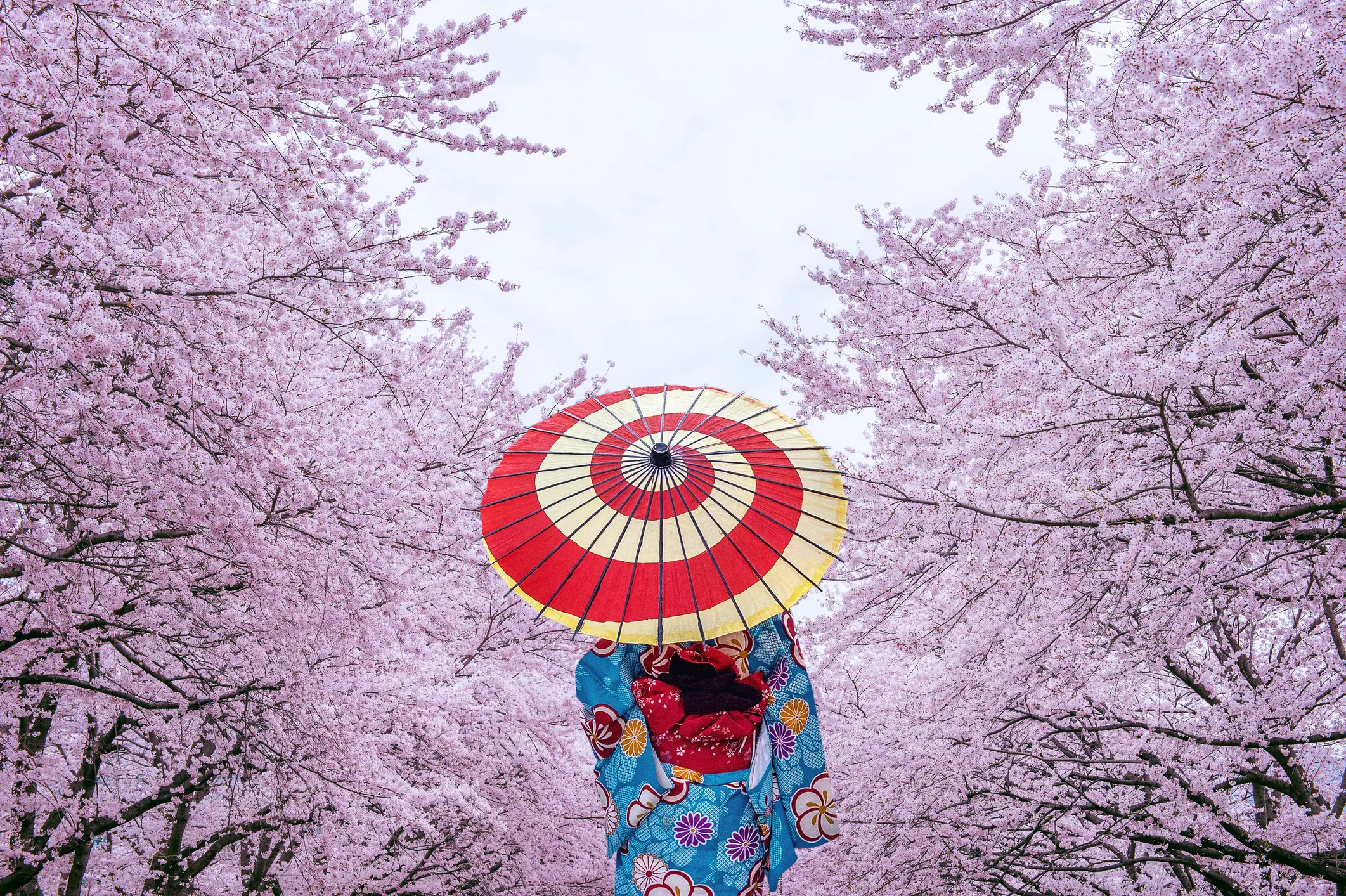
5. Time Your Visit to Kyoto’s Shortening Cherry Blossom Season
ID 136873080 © Tawatchai Prakobkit | Dreamstime.com
Seeing the cherry blossoms in Kyoto is an activity on many people’s bucket lists! And how can it not be – It is enough to see some videos or photos to be instantly mesmerized – and even want to book your next trip!
Meteorological data shows that Kyoto’s cherry blossom season has been arriving earlier and ending sooner due to climate warming, with recent peak bloom dates among the earliest in over 1,200 years. Scientists studying historical bloom records have documented shifts in flowering dates linked to rising temperatures.
As a note, Hanami, or flower-viewing, is central to Japanese culture, but now the perfect viewing window can be as short as a few days. Missing it by even a week could mean seeing bare branches instead of clouds of pink.
And yes, I know this from the Japanese garden in my city (European country). You can only see the trees in bloom for 3-4 days… So, in the future, if you do not time your trip to Japan well – to admire the cherry blossom – it will be trickier and you might even miss it.
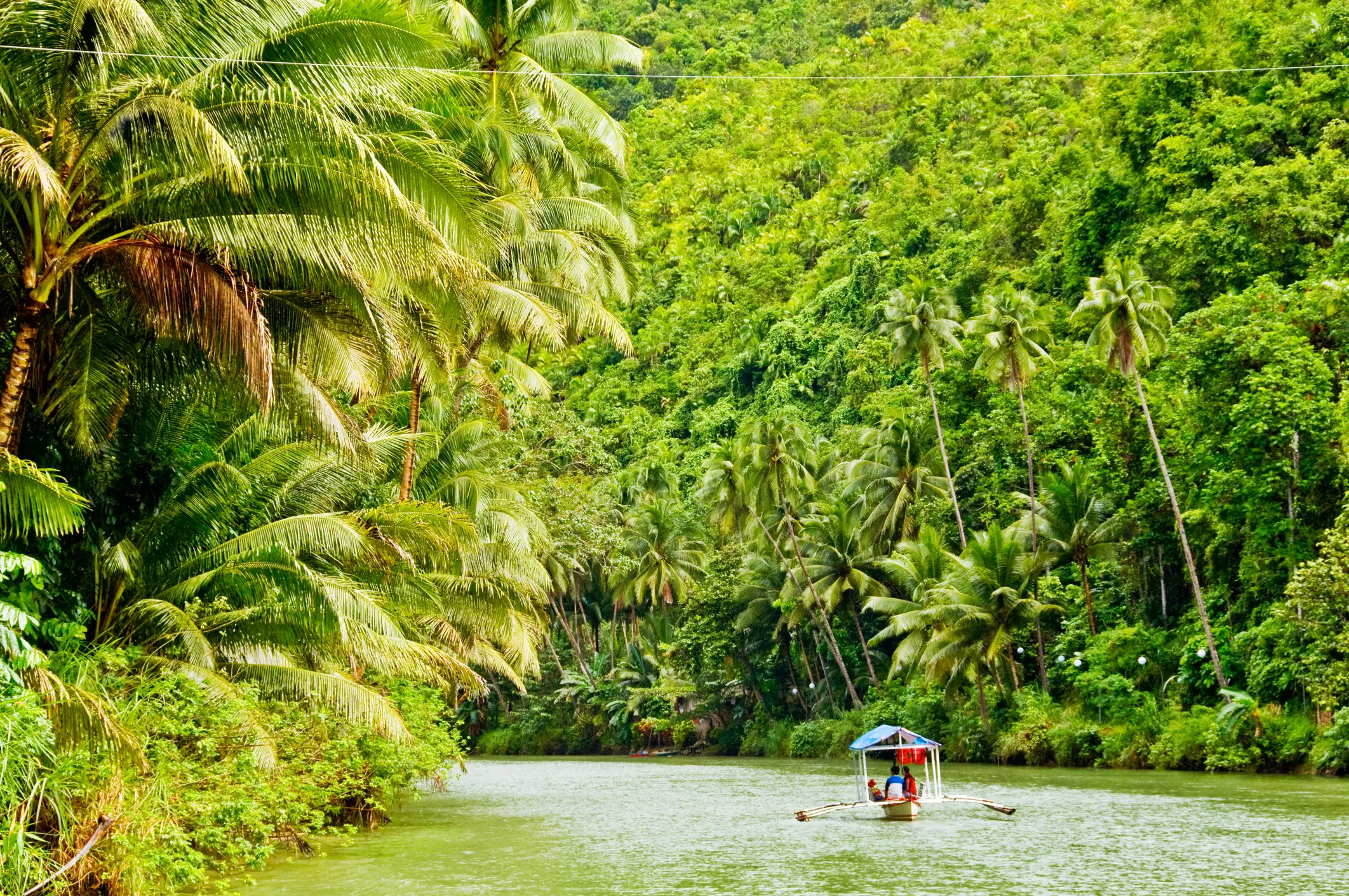
6. Explore the Amazon Rainforest Before More Disappears
ID 10564400 | Amazon Rainforest © Vitaly Titov | Dreamstime.com
Oh, this takes me back to my childhood and a tv show – educational – that first showed me this amazing rainforest! I was in awe!
The Amazon rainforest has lost millions of hectares to deforestation, drought, and wildfires, with scientists warning that large areas could shift toward savanna-like ecosystems if current trends continue. (TheGuardian).
Canopy walks reveal troops of monkeys overhead, river cruises pass pink dolphins surfacing in the brown waters, and the sheer scale of biodiversity is overwhelming. But each year, more of it is under threat.
7. See Timbuktu’s Ancient Manuscripts
Timbuktu houses tens of thousands of manuscripts covering fields from astronomy to medicine. Political unrest and advancing desertification threaten their preservation, as documented by UNESCO heritage reports.
Visiting Timbuktu is not easy, but standing in a dusty library leafing through a centuries-old manuscript is an irreplaceable connection to human history, one that could be lost to climate and conflict.
8. Great Barrier Reef, Australia – See It Between Bleaching Events
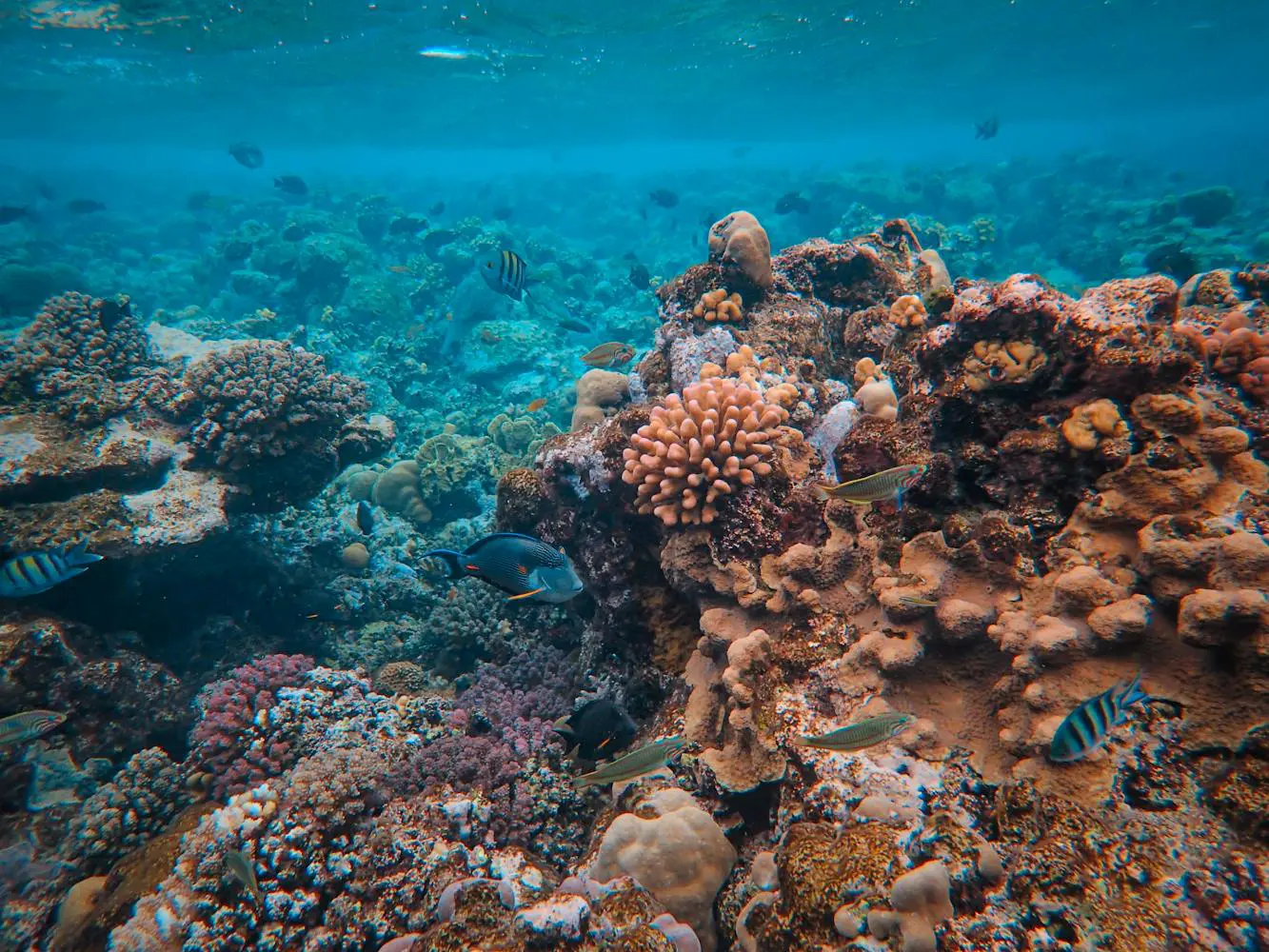
Photo source: Pexels
The world’s largest coral system has endured repeated mass-bleaching summers in recent years, driven by marine heatwaves. Since 1998, the Great Barrier Reef has experienced multiple mass bleaching events linked to rising ocean temperatures.
Large swaths that were neon with life just a few seasons ago now show patches of paling or skeletal white – a sign corals are stressed and expelling their symbiotic algae. While recovery can happen if conditions cool, the frequency of heat stress is shortening those recovery windows.
As you might know, Australia’s reef agencies have documented widespread bleaching across multiple regions in consecutive summers, with heat stress reaching record levels on many reefs. (Official overview: Great Barrier Reef Marine Park Authority “Outlook Report 2024” explains the drivers and risks; Australian Institute of Marine Science provides annual condition summaries.)
Scientists are scaling assisted recovery tools – from coral IVF / larval reseeding to cooling/shading trials – and even 3D-printed reef structures to create complex surfaces where coral recruits can settle.
If you want to visit this attraction, base yourself in Cairns (outer reef day trips) or Airlie Beach (Whitsundays). Choose operators that brief on reef-safe practices (no touching/standing), go early morning for the clearest water, and ask about multi-species coral gardens (sites with variety often show more resilience).
Go Now, While You Still Can
Everything changes. Nothing remains the same forever.
And there is no better moment than the present to go where you want to go. I have examples of places that disappeared from one day to another from my country too – Bigar Waterfall (most of it fell), Praid Salt Mine (floods made its visitation impossible, it is a recent matter, just a month old)…
The world’s wonders aren’t guaranteed to last forever. From the icy edges of Iceland to the warm glow of lantern-lit floating markets, these eight experiences are slipping away – some faster than others. Visiting them now isn’t just travel; it’s witnessing the present before it becomes history.
Many of the world’s most extraordinary landscapes are changing faster than many travelers realize. While conservation efforts are underway in many regions, scientists agree that the coming decades will likely transform some iconic destinations.
Visiting responsibly and supporting conservation-focused tourism can help ensure that future generations still have the chance to experience these remarkable places.