
What if something as delicious as dark chocolate also held clues to living a longer, healthier life? This idea sounds too good to be true – but recent research suggests there may be more to your favorite treat than meets the eye.
Scientists are now uncovering that a compound found in dark chocolate may slow biological aging, potentially influencing lifespan. The implications are huge: you could enjoy chocolate and possibly gain health benefits beyond mere pleasure. Let’s explore what the research really says, how dark chocolate may influence aging, and how to enjoy it in a way that makes sense for your health.
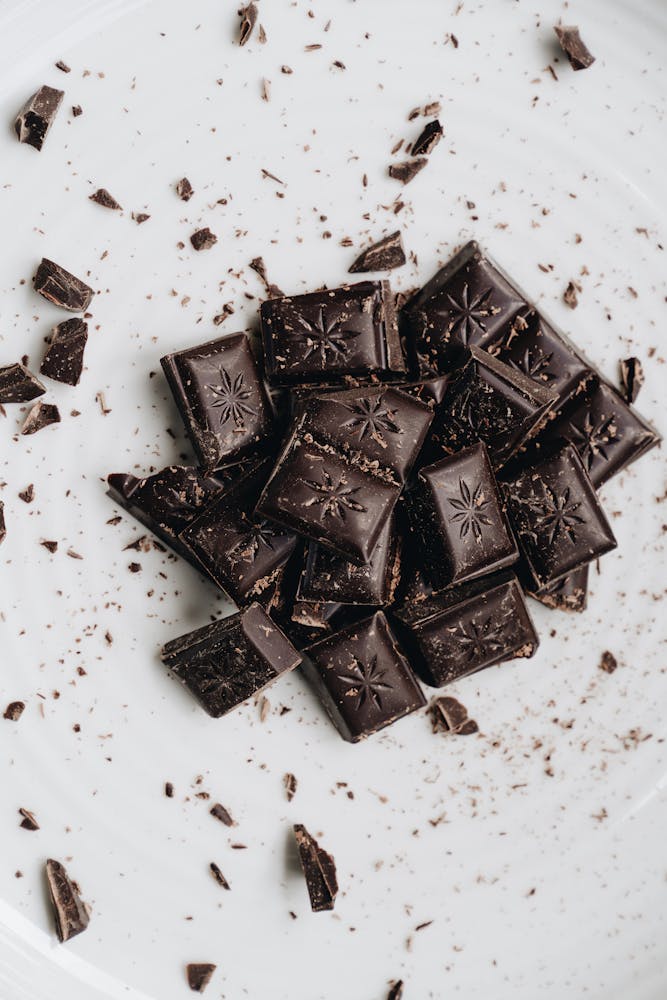
The Amazing Discovery: A Compound That Slows Aging
In late 2025, a study published in Aging sparked an unexpected conversation: a compound found in cocoa was linked to slower biological aging in humans.
That compound is theobromine.
Biological age isn’t about how many birthdays you’ve had. It reflects how old your body appears at a cellular level, and it often predicts health and longevity better than your chronological age.
Researchers from King’s College London and partner institutions analyzed blood samples from thousands of adults across two large European cohorts. Instead of focusing on diet alone, they measured circulating theobromine levels and compared them with advanced markers of biological aging.
The result was striking: people with higher theobromine levels tended to show slower epigenetic aging, meaning their biological clocks appeared to run behind their actual age.
Why it matters is simple. Slower biological aging is consistently associated with a lower risk of chronic disease, better long-term health, and a greater chance of aging well.
What Is Theobromine – and Why Does It Matter?
Theobromine is a naturally occurring compound found in cocoa beans. It belongs to the same chemical family as caffeine – but behaves very differently in the body.
While caffeine delivers a sharp burst of stimulation, theobromine works more gently and lasts longer. It has long been linked to chocolate’s mood-lifting and cardiovascular effects, but until recently, it rarely attracted serious attention in aging research.
That’s changing.
Researchers are now exploring how theobromine may interact with biological systems tied to long-term cellular maintenance rather than short-term stimulation. In other words, it may influence how the body ages,not just how it feels in the moment.
Another reason for the buzz is accessibility. Theobromine is especially abundant in dark chocolate, particularly varieties with high cocoa content, making it one of the few longevity-linked compounds people already consume for pleasure.
As Discover Magazine notes, the research is still developing,but the signal is strong enough to warrant serious attention.
What the Science Actually Says (Without the Medical Jargon)
Before declaring chocolate a longevity superfood, it’s important to understand what the evidence actually shows.
1. Dark chocolate and biological aging
The study published in Aging did not test whether eating chocolate directly slows aging. Instead, researchers measured theobromine levels already present in participants’ blood and compared them with markers of biological age.
They used tools called epigenetic clocks, which estimate biological age based on DNA methylation,chemical signals that influence how genes behave over time. These clocks are widely used because they predict health outcomes better than chronological age alone.
Participants with higher theobromine levels tended to show younger epigenetic profiles, even after accounting for lifestyle and demographic factors.
2. Chocolate consumption and mortality risk
Separate from this study, large observational analyses have linked moderate chocolate consumption with a lower risk of death from all causes, including cardiovascular disease and cognitive decline.
These findings come from long-term population studies indexed in PubMed, and they consistently point to one pattern: small, regular amounts matter more than large or irregular intake.
3. Flavonoids and longevity
Dark chocolate is also rich in flavonoids – plant compounds known for their antioxidant and anti-inflammatory effects.
Research summarized by Harvard T.H. Chan School of Public Health and leading journals suggests that diets high in flavonoid-rich foods are linked to lower inflammation and reduced all-cause mortality.
In short, dark chocolate sits at the crossroads of several dietary patterns already linked to healthier aging.
How Dark Chocolate Might Work in Your Body
To understand why dark chocolate keeps appearing in longevity research, it helps to look at what happens inside the body when its bioactive compounds are consumed.
1. Antioxidants and inflammation reduction
Dark chocolate contains high concentrations of flavanols that help neutralize free radicals – unstable molecules that damage cells and accelerate aging. By reducing oxidative stress, these compounds may help slow one of the core biological processes behind aging and chronic disease.
2. Heart and blood vessel support
Cocoa flavanols have been shown to improve blood flow, support healthy blood pressure levels, and enhance endothelial function – the ability of blood vessels to expand and contract efficiently.
Because cardiovascular health plays a central role in overall longevity, even small improvements in vascular function can have long-term implications.
3. Metabolic and gene-regulation effects
Emerging research suggests that compounds like theobromine may interact with gene-regulatory pathways involved in stress response and cellular repair. These subtle effects may help explain why higher theobromine levels correlate with younger biological age, even when other factors are accounted for. (see the article in Discover Magazine, already cited)
4. Brain health and mood
Improved blood flow does not only benefit the heart. Cocoa compounds may also support brain health by enhancing circulation and providing neuroprotective effects, which could contribute to better cognitive resilience with age. All of this leads to the obvious question: if dark chocolate really is linked to healthier aging, how much can you actually eat without overdoing it?
The Exact Amount: What Does Science Suggest?
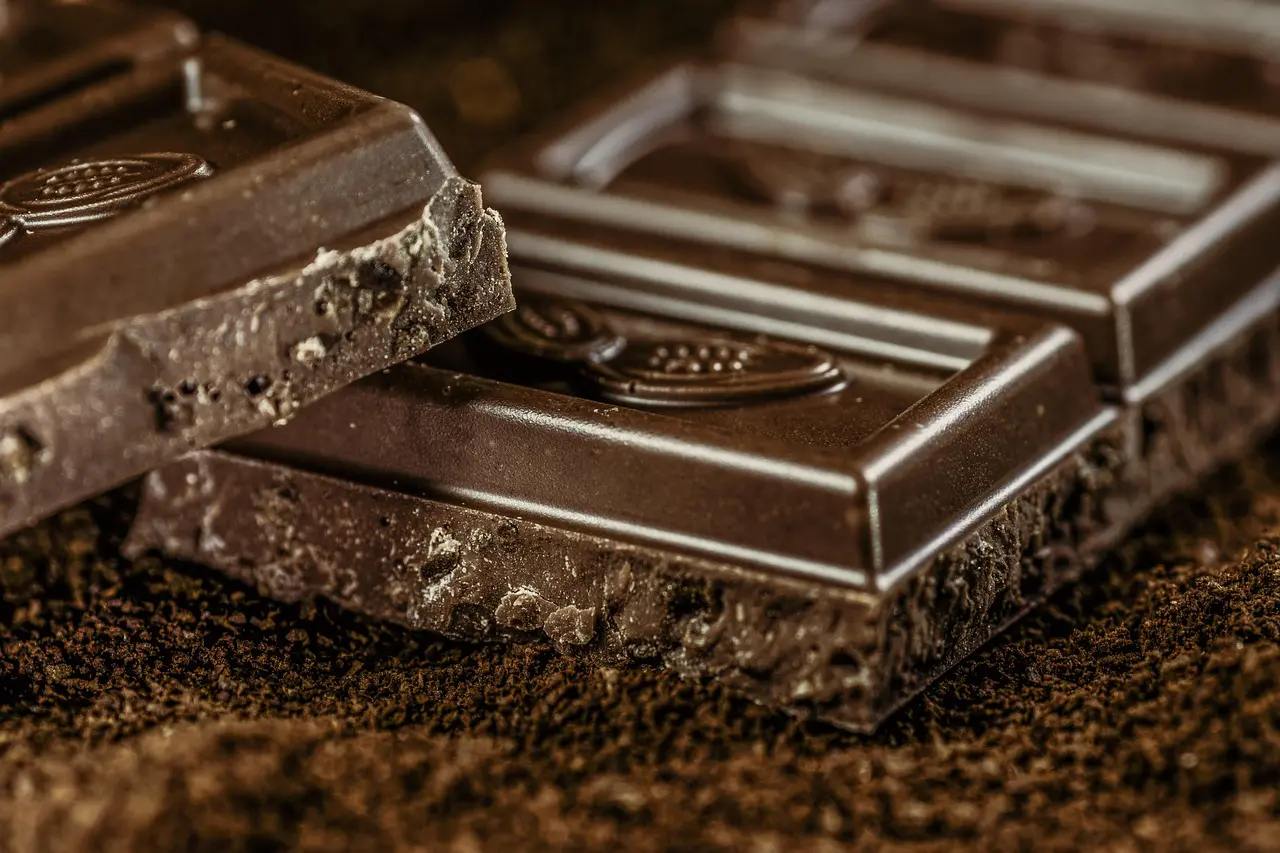
One challenge in this field is that research hasn’t established a precise “magic number” of dark chocolate to eat for longevity benefits.
However, evidence from mortality and health outcome studies gives us useful context:
- Moderate chocolate consumption (about 1–3 servings per week) was associated with lower mortality in large observational studies.
- Another long-term observational analysis found that eating about 12 g of chocolate per day – roughly two small squares of dark chocolate – was linked with a significantly lower risk of death.
These findings suggest a small, consistent amount rather than large daily servings may be most beneficial, both for taste and health. Most evidence points to around 10–20 grams of high-cocoa dark chocolate per day as a reasonable upper range.
That aligns with dietary principles: moderation matters, especially because chocolate can also contain sugar and calories.
Choosing the Right Chocolate
Not all chocolate is created equal. If your goal is health benefits, particularly longevity, here’s how to choose:
1. Go dark (70 % cocoa or higher)
Higher cocoa content = more beneficial compounds like flavonoids and theobromine.
2. Minimal added sugar
Sugar can counteract health benefits and contribute to weight gain and inflammation if consumed excessively.
3. Avoid milk and white chocolate
Milk chocolate contains far less cocoa and fewer bioactive compounds. White chocolate contains none of them.
4. Consider quality and processing
Chocolate that is less processed retains more polyphenols and antioxidants.
How to Eat Dark Chocolate the Smart Way
Here’s how to include dark chocolate in your routine without going overboard:
Daily habit ideas:
- A small square after a meal
- Pair it with nuts or fruit for fiber and balance
- Use cacao nibs in yogurt or oatmeal
Aim for moderation:
- Start with 10–20 g per day (about 1–3 squares of high-cocoa dark chocolate)
- Avoid large bars in one sitting
Balance with overall diet:
- Combine with an anti-inflammatory diet rich in whole foods, fruits, vegetables, and lean proteins
- Treat dark chocolate as a complement to healthy eating – not a replacement.
Dark chocolate is not medicine!
Common Myths vs. Reality
Myth: More chocolate = longer life
Reality: Evidence supports moderate consumption of high-quality dark chocolate in the context of an overall healthy lifestyle.
Myth: Dark chocolate directly causes longevity
Reality: Current research highlights association, not direct causation. Factors like diet, lifestyle, and genetics still play major roles.
Myth: All chocolate is heart-healthy
Reality: Only dark chocolate with high cocoa content provides meaningful health-linked compounds.
Who Should Be Cautious?
Dark chocolate is generally safe for most adults, but moderation is key. People with the following conditions should consult a healthcare provider before making regular dark chocolate part of their routine:
- Diabetes or blood sugar concerns
- Weight management goals
- Sensitive stomach or digestive issues
- Caffeine/theobromine sensitivity
- Pregnancy or nursing (moderation recommended)
Sweet News With a Reality Check
So does dark chocolate make you live longer? The science is intriguing and growing:
- A major study shows a compound in cocoa correlates with slower biological aging.
- Observational evidence suggests moderate consumption is linked with lower mortality.
- Dark chocolate’s antioxidants and flavonoids support heart and metabolic health.
But this isn’t a miracle cure. It’s about smart inclusion and balance – enjoying dark chocolate as part of a healthy lifestyle rather than relying on it as a single secret.
For millions of chocoholics, that’s the best of both worlds: something delicious that might also contribute to a longer, healthier life.
And yes, after all, we all want to live longer and be healthy. And there are proven habits that can improve our lives – I am recommending you to read more about longevity in these articles:
- Scientists Reveal the Unexpected Longevity Habit That Costs Nothing
- Scientists Say This Overlooked Habit Could Add Years to Your Life
- Scientists Say People With This Mindset Are Far More Likely to Reach Age 90+
- Add Decades, Not Just Years: 8 Habits That Could Add 20–25 Years to Your Life (Backed by a Massive Study)
- Build a Night Routine That Boosts Longevity – What Studies Show
- Want a Longer, Happier Life? Scientists Say This 1-Hour Habit Could Be the Key
- Want to Live Longer? Studies Say These Mental Habits May Help (No Sweat Required)
- Eat Earlier, Live Longer? What a New Study Says About Breakfast Timing, Aging, and Longevity
Disclaimer
This article is for informational purposes only and is not intended as medical advice. The research discussed highlights associations observed in scientific studies and does not establish direct cause-and-effect relationships. Individual health outcomes can vary based on genetics, lifestyle, and existing medical conditions. Always consult a qualified healthcare professional before making significant changes to your diet or health routine, especially if you have a medical condition, are pregnant or nursing, or are taking prescription medications.