
You’ve probably felt this, even if you didn’t know how to name it.
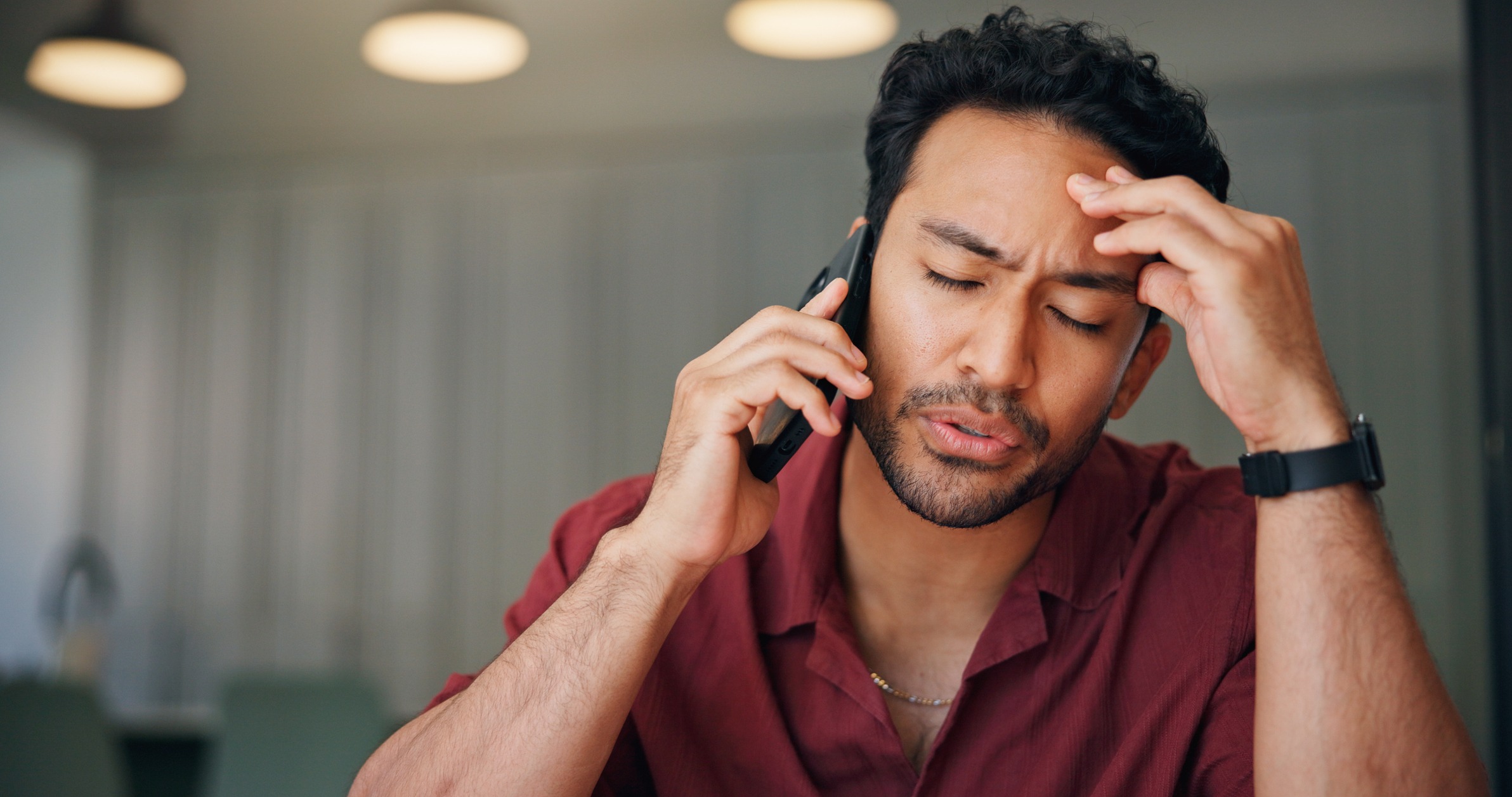
You’re on a phone call.
You’re explaining something important.
And then you hear it.
A crunch.
A chew.
A soft smacking sound close to the microphone.
The other person keeps talking – mid-bite – as if nothing is happening.
You try to focus on their words, but something shifts. Your attention drops. Irritation rises. You feel… slightly dismissed.
It’s subtle. No one says anything. But the tone of the call changes.
ID 434309125 | Confused ©Yuri Arcurs | Dreamstime.com
The small phone habit that instantly irritates people – often without them realizing why – is speaking while chewing.
Eating while talking on the phone is one of the most common – and underestimated – phone call etiquette issues today, and it frequently appears on lists of annoying phone call behaviors. It often feels harmless in the moment, but from the listener’s perspective, the sensory and psychological impact can be surprisingly strong.
For many listeners, chewing on the phone quickly becomes distracting, even when the conversation itself is important. This is why eating while talking on the phone is often described as one of the most irritating phone call etiquette mistakes.
Eating while talking on the phone refers to speaking while actively chewing, swallowing, or consuming food during an audio call. Because phone conversations rely almost entirely on sound, even small mouth noises become amplified and more noticeable than they would be in person.
This isn’t about shaming anyone.
It’s about awareness.
Because sometimes it truly is fine to eat during a call – and I’ll explain exactly when it works, when it doesn’t, and how to handle it without damaging presence, credibility, or connection.
Most people who do this aren’t being careless.
They’re just unaware of how powerful small signals can be.
Common Phone Call Behaviors That Irritate People – Even If You Don’t Realize It
Speaking while chewing is one of the most common phone call etiquette mistakes today – but it is not the only one.
Some of the most commonly reported annoying phone call habits include:
- Speaking while eating or chewing
- Interrupting mid-thought
- Talking over someone without allowing pauses
- Background noise that competes with the conversation (typing, mouse clicking, etc.)
- Clearly multitasking instead of giving full attention
While each of these behaviors creates friction, speaking while chewing is particularly powerful because it combines sound disruption with perceived divided attention.
Why Eating During a Phone Call Feels So Irritating
1. The Sound Is Amplified
Phones compress and amplify certain frequencies – including mouth sounds.
Chewing, swallowing, lip movements, and subtle breath changes are far more noticeable over audio than in person.
For some people, this triggers misophonia – a strong emotional response to specific sounds like chewing or repetitive mouth noises. Even those without clinical misophonia often experience mild sensory discomfort.
The result?
Heightened irritation without knowing why.
What makes chewing on a phone call feel so intense is that sound becomes the primary signal. In face-to-face conversation, your brain balances audio with facial expressions and body language. On a call, that visual context disappears. The brain pays closer attention to tone, pacing, and background noise, which makes small mouth sounds feel disproportionately intrusive.

ID 110446196 ©Dmytro Zinkevych | Dreamstime.com
2. It Signals Divided Attention
We are extremely sensitive to attention cues.
When someone eats while speaking, it signals:
- I am multitasking.
- I am prioritizing my immediate need.
- This conversation is secondary.
Even if that isn’t the intention.
Communication is not just about words – it’s about perceived presence.
When attention feels split, respect feels lowered.
Research on conversational dynamics consistently shows that perceived divided attention lowers trust and reduces conversational satisfaction. Even if the content of the discussion is strong, listeners unconsciously evaluate how much cognitive space they are being given. Eating while speaking disrupts that signal.
3. It Increases Cognitive Load
When someone speaks while chewing, clarity drops.
Listeners unconsciously work harder to:
- Decode muffled words
- Filter background sounds
- Compensate for audio distortion
That extra effort increases cognitive load. When listeners must work harder to decode speech, conversational fluency drops. People tend to attribute that friction to the speaker rather than the medium – which is why irritation builds even if no one consciously identifies the cause.
Not because the person is intentionally rude, but because our brain instinctively resists unnecessary communication friction.
4. It Feels Intimate in the Wrong Way
Eating is typically a private, sensory activity.
Over a phone line, chewing sounds can feel invasive – like being too close to someone’s mouth.
In face-to-face settings, visual cues soften the effect. In audio-only communication, sound carries more weight, and the chewing becomes the dominant signal.
Without context, it can feel uncomfortable.
Why Most People Don’t Realize They’re Doing It
Because in their mind:
- They’re being efficient.
- They’re saving time.
- They’re still participating in the conversation.
- There’s no intention to disrespect.
And in a fast-paced world, eating during calls often feels practical.
But communication isn’t judged by intention.
It’s judged by perception.
Is It Always Rude to Eat on a Phone Call?
No.
Whether eating while talking on the phone feels rude depends less on the food itself and more on how it affects clarity, attention, and the other person’s experience of the conversation.
Context matters.
If you say:
“Give me one second – I’m finishing a bite.”
Pause.
Chew.
Swallow.
Then resume.
The dynamic changes completely.
The irritation isn’t about food.
It’s about talking while chewing.
Small difference. Huge impact.
The Professional Impact
In work settings, this habit can quietly affect how you’re perceived.
Eating while speaking may subconsciously signal:
- Low preparedness
- Reduced professionalism
- Divided focus
- Casual attitude toward the conversation
Especially in:
- Client calls
- Job interviews
- Leadership discussions
- Negotiations
You might be making excellent points – but sensory distraction can override your message.
In professional communication, small behaviors strongly influence credibility assessments. Studies in workplace perception consistently show that attentiveness, clarity, and vocal presence shape how competent and reliable someone appears. When those signals weaken – even subtly – credibility assessments shift faster than most people realize. Eating while speaking (chewing gum included!) can unintentionally weaken those signals, even when expertise is high.
In remote and hybrid work environments, professional phone call etiquette has become even more important. Without body language, vocal clarity carries more weight. Small distractions such as chewing, background noise, or multitasking can disproportionately influence how prepared and reliable someone appears.
In communication coaching and executive training contexts, vocal presence and attentiveness are consistently identified as core credibility markers.
The Relationship Impact
In personal conversations, it can communicate:
- “I’m not fully present.”
- “This call isn’t important.”
- “I can multitask you.”
Again – usually unintentionally.
But communication is as much emotional as it is verbal.
Over time, repeated micro-signals of divided attention can shape how valued someone feels in a relationship. While one call rarely causes harm, habitual multitasking during conversations can subtly reduce emotional connection.
What to Do Instead (Without Becoming Rigid)
You don’t need extreme etiquette rules.
Just apply this simple framework:
If you’re chewing, don’t speak.
If you’re speaking, don’t chew.
Or say:
“Hold on one second – I’m finishing something.”
That tiny acknowledgment restores respect.
There are many situations where eating during a phone call is completely appropriate. The key difference lies in how it is handled and whether both people feel comfortable.
When It May Be Completely Fine to Eat During a Phone Call
Context changes everything.
The irritation people feel is rarely about food itself. It’s about surprise, sensory overload, and perceived divided attention.
There are situations where eating during a call is not only acceptable – it’s completely normal.
1. When Both People Are Doing It
If you’re both:
- grabbing lunch together over a casual call
- on a relaxed catch-up conversation
- sharing a coffee break virtually
The dynamic shifts.
There’s mutual understanding.
No one feels deprioritized.
No one feels surprised by chewing sounds.
Shared context reduces irritation dramatically.
In these cases, both people are comfortable with the sounds and experience no sound sensitivity that would disrupt the conversation.
2. When You Ask for Permission
A simple sentence changes the entire perception:
“I haven’t eaten all day – would you mind if I grab a quick bite while we talk?”
That one question signals:
- Respect
- Awareness
- Consideration
The listener now feels included in the decision rather than subjected to it.
And most people will say yes.
Permission transforms irritation into accommodation.
If someone says no, it is usually not personal. For individuals with sound sensitivity or misophonia, chewing noises can trigger genuine discomfort. Respecting that response protects the interaction rather than damaging it.
For individuals with misophonia, chewing noises can trigger immediate discomfort, making it difficult to continue the conversation comfortably. In those cases, temporarily ending the call may be the most respectful option for both parties. It protects comfort on one side and allows the other person to eat without pressure.
3. When There’s a Health Reason
If you need to stabilize blood sugar, take medication with food, or eat for medical reasons, the priority is health — not etiquette.
A brief explanation such as:
“I need to eat something quickly for medical reasons – I’ll pause while chewing.”
prevents misunderstanding.
Clarity removes judgment.
4. When It’s an Established Relationship (and No Misophonia Issues)
In close relationships – partners, family members, long-time friends – expectations are different.
If presence and respect are consistently shown, occasional chewing won’t damage perception.
The issue becomes relevant when the behavior is frequent and signals habitual divided attention.
5. When You Mute Strategically
In professional environments, technology solves most of this.
- Chew on mute
- Unmute to speak
- Pause briefly before responding
This removes the sensory trigger entirely.
Small adjustments create a big difference.
Why This Small Habit Matters More Than It Seems
Communication credibility rarely erodes through dramatic mistakes. More often, it shifts through micro-signals – tone changes, divided attention, and subtle sensory distractions that influence how engaged and respectful someone appears.
Eating while talking on the phone – one of the most overlooked phone etiquette mistakes – is a small habit that can quietly shape perception. Most people do it without negative intent. Yet in audio-only communication, even minor distractions become amplified.
The solution is not rigid etiquette. It is conscious presence.
If you need to eat, pause.
If you need to speak, give the conversation your full voice.
Small adjustments in phone call behavior often produce disproportionately large improvements in clarity, professionalism, and connection.
Frequently Asked Questions About Eating During Phone Calls
Is it rude to eat while talking on the phone?
It depends on context. Quietly eating without speaking is generally fine. Speaking while chewing, however, often creates sensory irritation and signals divided attention.
Why does chewing on the phone sound worse than in person?
Phone audio amplifies mouth sounds and removes visual cues that normally soften perception. This makes chewing more noticeable and sometimes uncomfortable.
What is misophonia and why does chewing trigger it?
Misophonia is a heightened emotional response to specific sounds, commonly chewing or repetitive mouth noises. For some people, these sounds trigger immediate irritation or distress.
Is eating during work calls unprofessional?
In many professional settings, speaking while chewing can reduce clarity and signal low attentiveness. Pausing briefly to finish eating before speaking maintains professionalism.
How can I avoid irritating people on calls?
Avoid speaking while chewing. If needed, briefly excuse yourself to finish eating before continuing the conversation.
Does eating while talking affect professional credibility?
Yes. In professional settings, speaking while chewing can reduce vocal clarity and signal divided focus. Even if unintentional, it may subtly affect how prepared or attentive you appear.
What are the most common annoying phone call habits?
Common phone call habits that irritate listeners include speaking while eating, interrupting mid-sentence, talking over someone without pausing, creating background noise, typing loudly during calls, and clearly multitasking instead of giving full attention.
Why do chewing sounds trigger irritation on phone calls?
Chewing sounds stand out more in audio-only communication because the brain relies heavily on sound cues to assess engagement. When speech clarity drops or mouth noises compete with words, listeners may interpret it as a distraction or reduced attentiveness.
More amazing articles for you:
The Louvre Jewels I May Never See Again - And Why Visiting Museums Matters More Than Ever
A Major Review Analyzing Data from 98,299 People Found a Pattern in Short-Video Use - The Findings A...
The Quiet Burnout Nobody Talks About at the End of the Year
The Moment You Start Doing This, People Stop Taking You Seriously
York sightseeing guide: 20 amazing York activities that will make you want to visit York England now
Things I Didn’t Expect to Happen When I Turned 40 (But Totally Did)
The Tiny Conversation Habits That Instantly Make People Like You
These Hidden Social Rules Shape Every Conversation - But No One Admits They Exist

Violeta-Loredana Pascal is a communications expert, business mentor, and the founder of Earth’s Attractions and PRwave INTERNATIONAL. A pioneer in the Romanian digital PR landscape since 2005, she holds a degree in Communication and Social Sciences from SNSPA Bucharest. Violeta is a senior trainer at AcademiadeAfaceri.ro, where she leverages over 20 years of experience to teach professional courses in PR strategy and workplace productivity. By blending high-level business consulting with a passion for holistic travel and wellness, she empowers solopreneurs to overcome procrastination, build profitable brands, and design a life of purposeful adventure.