I have been earning my living online for more than 21 years. Not from one magical method, not from one viral product, and not from a secret system that suddenly changed everything overnight.
Over the years, I have made money from online PR, websites, advertising, paid articles, online courses, consulting, coaching, social media management, and other projects connected to what I already knew how to do. So yes, I know from direct experience that making money online is real. It can work. It can become a full-time income, a flexible business, or an additional revenue stream.

But I also know something many “easy money” articles and webinars do not always make clear enough: the numbers people mention may be real, but the path behind them is rarely as simple as it sounds and not all who follow a process is getting those results (I know cases of people who did all the steps, but did not get the results they expected).
A person making $5,000 a month from templates may already have an audience, paid traffic, an email list, a strong Etsy shop, SEO knowledge, design experience, or years of testing behind them (not all are required, depending on what you are selling). A coach selling high-ticket services may already have trust, visibility, case studies, referrals, and a clear positioning. A blogger making money from ads may have spent years learning what to write, how to write it, how to rank, how to promote, and how to keep traffic coming. (Yes, I know that now there are tools saying you do not have to write anything, it will all be done by AI, and you will rank on the first page and get organic traffic, but I am not in favor of AI-only sites. AI can be used – research, outline etc. – but a site with AI-only content… )
That is the part I want to talk about. The things behind the promises.
This is not an article telling you that side hustles are fake. They are not. I have built my professional life online, and I will always believe in the opportunities the internet gives people. But before you jump into another promise of easy $2,000, $5,000, or $10,000 months, you need to look at the system behind the result – because that is where the real story usually begins (and I will also share how some promises undeliverd for me too and I paid for something that was not the right choice at the moment, even if it seemed to be).
Making Money Online Is Real – But “Easy Money” Is Usually Incomplete
There are many useful articles about how to make money online. I am not here to dismiss them.
Sometimes, a list of side hustle ideas is exactly what a person needs. It can open the door to options they had not considered before: freelancing, blogging, virtual assistance, digital products, templates, printables, coaching, newsletters, affiliate marketing, social media services, online courses, or selling expertise in a more structured way.
I have an article about how to make more money from what you already know, and I still believe that is one of the most realistic starting points for many people. When you already have knowledge, experience, or a skill others need, you are not starting from nothing. You are starting from an asset.
But an idea is not the same as a working income stream.
That is where disappointment often starts. You see “sell Canva templates,” “start a blog,” “create a course,” “launch a newsletter,” “offer coaching,” or “make money with affiliate marketing,” and the idea sounds simple enough. Sometimes the article also mentions attractive monthly income numbers. And those numbers are real for many – they can be for you too. But you need to know a bit more.
What is often missing is the part between the idea and the income: the audience, the traffic, the trust, the positioning, the tools, the platform rules, the promotion, the testing, the patience, and the time.
The danger is not believing that online income is possible. The danger is believing the income number before you understand the machine behind it.
The Problem Is Not the Side Hustle Idea. It Is the Missing System Behind It.
A side hustle can be legitimate and still be wrong for you right now.
A method can work beautifully for the person teaching it and still fail for someone who does not yet have the required foundation.
That is why I do not like simplistic online income promises. They often focus on the attractive result:
“Make $5,000 a month selling digital products.”
“Earn passive income from templates.”
“Start a blog and make money while you sleep.”
“Create one course and sell it again and again.”
Those statements are not false. In some cases, people really do make that money. Some do it from scratch. Some follow a program and build something profitable with no previous audience. Some work hard, learn the system, test, improve, and eventually succeed.
But there is a huge difference between “this can work” and “this will work quickly because I created a PDF and posted it online.”
A PDF does not sell because it exists.
A blog post does not earn because it was published.
A course does not get students because the content is valuable.
A coaching offer does not bring clients because the coach is good.
People need to find it. Trust it. Want it. Understand why they need it. Believe it is right for them. Then they need a simple way to buy, book, subscribe, enroll, or take the next step.
That is the system.
And if the system is missing, the idea can be good and still produce almost nothing.
Webinars and Programs Are Different – But You Still Need to Ask the Right Question
Webinars and paid programs are a different case from general “make money online” articles.
In a webinar, the expert is usually showing you what is possible and then selling the method. That is the business model. The free material gives you the promise, the framework, the story, the proof, or the transformation. The paid program gives you the step-by-step method, tools, templates, support, or deeper process.
That does not make the webinar dishonest.
The method may be legitimate. The person teaching it may know exactly what they are doing. The promise may be based on real results. The program may help many people.
But the question is not only:
“Does this method work?”
The better question is:
“Does this method work for someone at my stage, with my audience, my budget, my skills, my time, and my current system?”
That is the question I wish more people asked before buying into the next exciting promise.
Because sometimes the method is real, but the timing is wrong.
The Tripwire Lesson I Never Forgot
ID 128857216 ©Ivelinr | Dreamstime.com
I still remember a moment from years ago when I wanted to do more than just be the PR specialist.
I already had an online course hosted on a platform that promoted it and brought me clients monthly in exchange for a percentage of the earnings. So I knew online courses could work. I knew people could pay for expertise online. I had proof from my own experience.
Then I discovered the idea of tripwires.
I watched a free webinar about how low-cost offers could help you make money and bring people into your business. The promise sounded smart. The strategy made sense. The program was not very expensive, so I bought it.
And the method itself was not fake.
A tripwire can work. A low-cost product can be a smart entry point. It can help people get to know you, trust you, and later buy something more expensive from you.
But what I discovered very quickly was that a tripwire is not a business by itself.
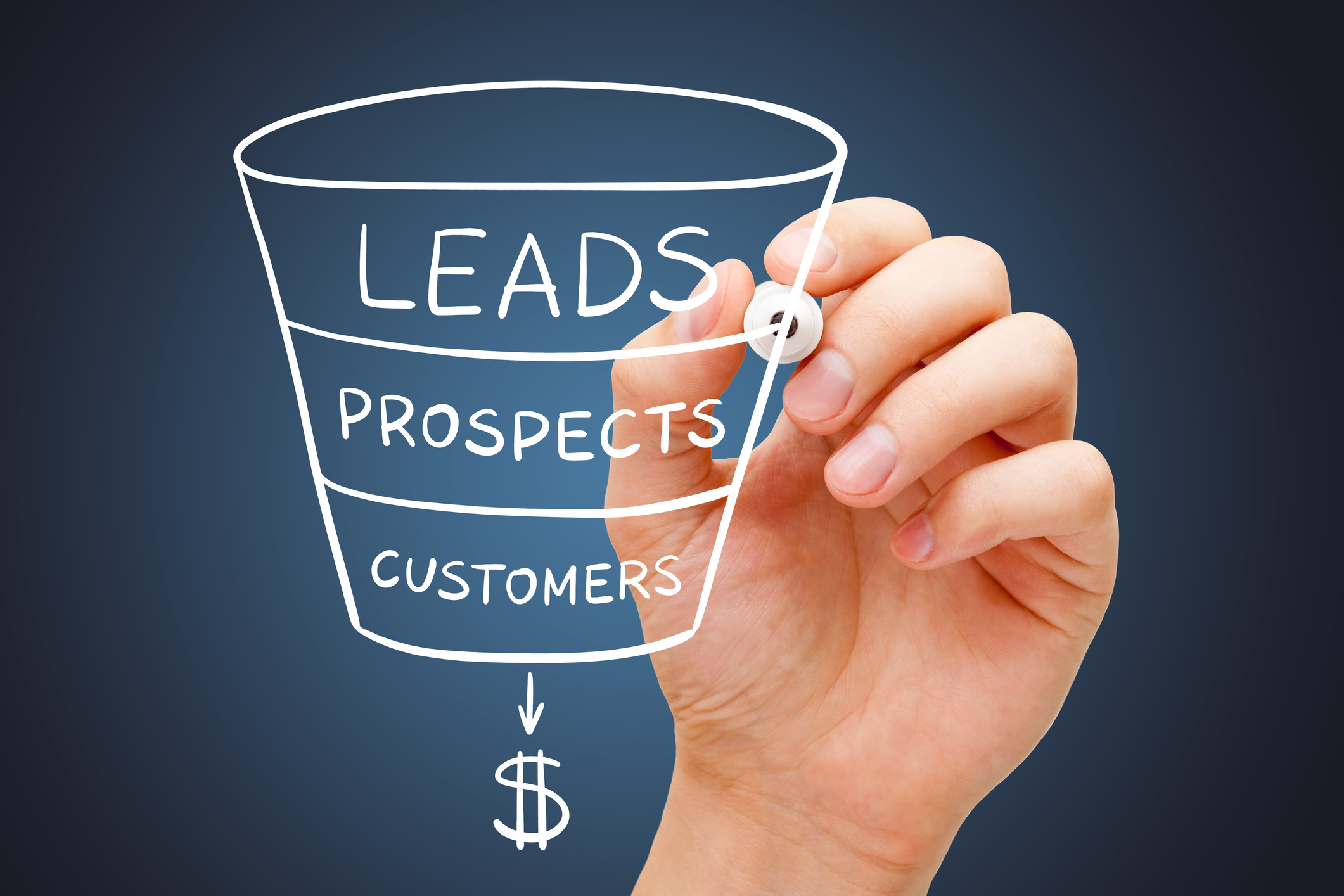
To make it work, you need traffic. You need an audience. You need a landing page. You need payment tools. You need copywriting. You need email follow-up. You need a bigger offer behind it. You need a sales funnel. You may need ads. You may need testing. You may need more money than you expected. You definitely need more than the idea.
For someone who already has an audience, a funnel, a clear offer, and money to test ads, a tripwire can be a smart strategy.
For me, at that stage, it was not the right step.
The method was real. The timing was wrong. And that difference matters.
Yes, today you can automate a lot of those activities with AI. But you still need to know how to analyze an ad, you still need to have the money for the tools required (for the sales funnel), you still need to create all the other parts (for upsales), etc.
A Valuable Course With Almost No Sales Taught Me the Same Thing
I have another example from my own experience.
I once created a course on how to work from home productively. The topic was useful. The content was valuable. The need was real. Many people struggle with productivity when they work from home, especially when boundaries, distractions, family responsibilities, and lack of structure all mix together.
But the course had almost no sales.
Why?
Because the funnel I had for it did not work.
And unlike my other course hosted on a platform that actively promoted it, this platform did not bring students to me. The course existed, but there was no strong discovery system behind it. No consistent promotion engine. No working funnel. No platform traffic doing the work for me.
That was a very clear lesson.
A good product is not enough if the sales system does not work.
And this is the part many people understand only after they have spent time, energy, and sometimes money creating the product.
The product can be valuable. The idea can be useful. The market can even need it.
But if the right people do not see it, understand it, trust it, and have a reason to buy it now, it may not sell.
The Hidden Costs Behind “Low-Cost” Online Businesses

ID 230070254 ©Andrey Popov | Dreamstime.com
One of the biggest attractions of online income is that many ideas look cheap to start.
And some are. Frankly, this is my model too – a small investment in the beginning, free tools (as much as possible), etc.
You can start writing online without renting an office. You can create a simple digital product without manufacturing inventory. You can offer consulting without building a physical store. You can sell services from home. You can use platforms that already exist.
That is a real advantage.
But “cheap to start” does not always mean “cheap to make work.”
Sometimes the costs are financial:
- website hosting
- email marketing software
- design tools
- course platforms
- payment processing fees
- marketplace fees
- ads
- templates
- training programs
- freelancers or virtual assistants
- professional images, branding, or copywriting
Sometimes the costs are not financial at first, but they are still real:
- months of learning (which may also mean investing in some programs!)
- hours of content creation
- failed tests
- slow traffic
- low conversion rates
- inconsistent sales
- confusion about what to improve
- frustration when something valuable gets ignored
And sometimes the biggest cost is emotional.
You start with excitement. You create the thing. You publish it. You expect at least some movement. Then nothing much happens. No sales. No traffic. No comments. No inquiries. No clients.
That does not always mean the idea was bad.
It may mean the positioning was unclear. The platform was wrong. The offer was not specific enough. The audience was missing. The funnel was weak. The traffic source was not there. The timing was off. Or the method required more testing than you expected.
Sometimes the business model is cheap to start, but expensive to make work.
I am not writing this to discourage you. On the contrary, as you saw above, I had my failures too. But I learned from each, researched, moved on, did better!
Hiring Help Is Not Always the Shortcut People Think It Is
At this point, someone might say, “Fine, then I will hire someone to help me.”
That can work.
A good freelancer, consultant, VA, copywriter, designer, SEO specialist, ads manager, or agency can save time and help you avoid mistakes. I believe in working with specialists when the fit is right.
But hiring help opens another box.
I cannot tell you how many stories I have seen from business owners and freelancers who were disappointed by agencies or service providers who promised traffic, leads, sales, visibility, funnels, or strategy and did not deliver what the client expected.
Sometimes the provider was not good.
Sometimes the client did not understand what they were buying.
Sometimes the strategy was wrong.
Sometimes the budget was too small for the result expected.
Sometimes the offer itself needed work before marketing could fix anything.
This is why outsourcing does not remove the need to understand the basics. It only changes who executes part of the work.
You do not need to become an expert in everything. But if you want to make money online, you need enough understanding to ask better questions, choose better partners, and recognize when a promise sounds too simple for the result being sold.
How to Know If a Side Hustle Is Actually Right for You
This is perhaps one of the most important things I want to leave you with.
I am not saying you should ignore side hustle ideas. I am saying you should filter them better.
A good side hustle for you is not automatically the one with the biggest income claim. It is the one that fits your skills, your current stage, your available time, your tolerance for risk, your budget, and your ability to reach buyers.
Before you choose one, ask yourself these questions.
Do I Already Have the Skill, or Am I Willing to Learn It Properly?
Selling Canva templates sounds simple until you realize that people are not buying “a template.”
They are buying something useful, attractive, easy to edit, and better than the free or cheap alternatives they can already find.
Blogging sounds simple until you realize that writing online for traffic requires topic research, search intent, structure, consistency, internal linking, promotion, monetization, and patience.
Coaching sounds simple until you realize that people are not paying just to talk to you. They are paying because they believe you can help them get a result, see something more clearly, make a decision, solve a problem, or move faster than they could alone.
Courses sound simple until you realize that teaching well, organizing information, creating a transformation, and selling that transformation are separate skills.
Every online income stream has a skill behind it.
The first question is not “Can someone make money with this?”
The first question is “Can I become good enough at this to make it work?”
Where Will the Buyers, Clients, Readers, or Students Come From?
This may be the most important question in the whole article.
A product does not sell because it exists – I already gave you my examples, but I have many more from my friends. A service does not get clients because it is listed somewhere. A blog does not make money because it has articles. A course does not sell because the lessons are useful.
People have to find what you created.
That means you need at least one real traffic or discovery path:
- Google search
- YouTube
- TikTok
- Facebook groups
- referrals
- email marketing
- paid ads
- marketplace search
- partnerships
- guest posting
- podcast appearances
- direct outreach
- a platform that promotes your product
You do not need all of them. In fact, trying to do all of them at once may be a mistake.
But you need something. Something that brings you results!
If the side hustle idea does not include a realistic answer to “where will the people come from?”, you do not yet have a business model. You have a product, a service, or an idea waiting for a system.
Does This Method Require an Audience?
Some methods can work from scratch.
People have started with zero audience and built profitable online businesses. That is real. Some followed paid programs. Some learned from free content. Some used marketplaces. Some used ads. Some built content for months before seeing meaningful income. Some tested many offers before one worked.
But “zero audience” does not mean “no promotion.”
It usually means you are relying on another discovery system.
For example, if you sell on Etsy, you are relying partly on Etsy search. If you write blog content, you may rely on Google, Pinterest, Flipboard, or another distribution channel. But you still need to make sure you create content that Google likes and do the necessary steps so that you rank on the first page; you still need content that Flipboard users like and read; you still need a strong Pinterest account that brings in traffic. Things have changed massively with AI – even I was impacted because the ‘old way’ of posting one to two pins a day has shifted. And the list continues. If you offer freelancing services, you may rely on referrals, platforms, outreach, or personal networking. If you sell a course with paid ads, you are relying on the funnel, the offer, the targeting, the copy, and your ad budget.
Starting from zero is possible. I did it.
Starting from zero and expecting people to magically appear is the problem.
I started 21 years ago. My first public relations client was a referral from a friend. But online… I launched my site 21 years. Things were sooooo different. And I still have that site (a news site) – and I have this one too.
Things changed. I adapted. I learned. I am still learning and adapting.
Other people launched sites or blogs (even friends of mine) in the same period. Many are closed.
Do I Understand the Full System?
“Create a PDF and sell it online” is not the full system.
The system looks more like this:
- choose a problem people actually want solved
- understand who has that problem
- create something useful
- make the offer clear
- make the product look trustworthy
- write a sales page or product description that explains the value
- bring the right people to that page
- build trust before or during the sale
- test the title, price, format, and positioning
- follow up when possible
- improve the offer based on what happens
- keep promoting it
That is very different from uploading a file and waiting for sales.
The same applies to blogging, coaching, courses, affiliate marketing, newsletters, freelancing, printables, and almost every online income stream.
The idea is only the visible part.
The system is what makes it move.
Do I Have Time, Money, or Both?
This is a practical filter, and it matters.
If you do not have money for tools, ads, training, or help, you need more time and patience.
If you do not have much time, you may need money for tools, training, templates, support, or someone who can execute part of the work.
If you have neither time nor money, the best starting point is usually something close to what you already know. That reduces the learning curve.
This is one reason I often believe people should begin with existing knowledge, skills, experience, or assets. Not because other ideas cannot work, but because starting from what you already know gives you a stronger base.
During my coaching sessions I helped people discover what they can offer. And some did not go with their job-based knowledge. They went with their passions. And got success!
You do not have to learn the skill, the market, the audience, the platform, the offer, and the promotion system all at the same time.
Am I Choosing This Because It Fits Me, or Because the Income Number Looks Good?
This is where many people make the wrong decision.
They choose the business model that sounds most profitable, not the one they can realistically sustain.
Someone who hates writing may struggle with blogging.
Someone who dislikes design may not enjoy building a template shop.
Someone who does not want direct client interaction may find consulting exhausting.
Someone who needs fast cash may become frustrated with an SEO-based website that takes time.
Someone who has strong professional expertise may be better off consulting, coaching, freelancing, training, or creating a service offer before jumping into low-priced digital products.
Someone with a good eye for visuals, patience for testing, and interest in search behavior may enjoy selling templates or printables.
Someone who already understands a niche deeply may build a strong newsletter, blog, paid community, or course later.
The question is not only “Can this make money?”
The question is “Can I keep doing the right actions long enough for this to have a chance?”
How Fast Do I Need Money?
This is another question people do not always ask honestly.
Some online income streams are slow. Blogging, SEO, affiliate sites, YouTube, newsletters, and some digital product businesses can take time before they bring consistent income.
Some options can be faster, especially if you already have a skill people pay for: freelancing, consulting, coaching, service packages, audits, training, done-for-you work, or helping businesses solve a specific problem.
That does not mean service work is always easy. You still need positioning, trust, outreach, referrals, proof, or visibility.
But if you need money soon, building an audience-dependent passive income product from scratch may not be the fastest path.
There is nothing wrong with wanting passive income eventually. But many “passive” income streams require a very active building phase.
What Would Have to Be True for This to Work?
This is the question I would write down before choosing any side hustle.
If someone says you can make money selling Canva templates, ask:
Do I know what people are searching for? Can I design something people would pay for? Where will buyers come from? How many products will I need before I see patterns? How will I stand out from thousands of similar sellers? Do I understand the platform? Do I have the patience to test?
(Note: you can find a lot of answers with AI too, online research, etc. – the questions above are aimed at opening the eyes to help you choose the right side hustles for you – as are all the questions below!)
If someone says you can make money blogging, ask:
Can I write consistently? Do I understand SEO or am I willing to learn it? What topics can I write about with credibility? How long can I work before traffic arrives? How will I monetize? What promotion channels can I use?
If someone says you can sell a course, ask:
Who already trusts me? What result can I help people get? How will I sell it? Do I have an audience, a partner platform, an email list, ads budget, or another way to reach the right people?
If someone says you can become a coach, ask:
What problem can I help people solve? Why would they trust me? How will they find me? What proof, experience, or positioning do I have? Can I explain clearly who I help and what changes after working with me?
If someone says affiliate marketing is easy, ask:
Where will the traffic come from? Why would people trust my recommendation? Am I choosing products that fit my audience? Can I create content that attracts people before they buy? Do I understand the rules and disclosures required?
This one question can save you months of frustration:
“What has to be true for this to work?”
DO NOT GIVE UP – Just Stop Choosing Blindly
I want to be very clear here.
I am not writing this to discourage you. ON THE CONTRARY! I want you to succeed, to find what is good for you and make money out of that!
Please do not read this article as “making money online is too hard” or “side hustles do not work.” That is not what I believe, and it is not what my own experience shows. I have earned my living online for more than 21 years. I know it can be done.
But I also know how easy it is to become excited by the promise and miss the structure behind it.
You can start from zero. You can build an audience from scratch. You can buy a good program, follow a method, learn the skills, and create something profitable. Many people have done exactly that.
But there is a difference between “I can succeed from scratch” and “I can create a PDF, post it online, and expect sales to appear.”
That difference is the system.
So do not give up.
Just stop choosing blindly.
Read the articles. Watch the webinars. Study people who have done what you want to do. Buy a program if you trust the person, understand the offer, and know you are ready to implement it.
But before you commit to any side hustle, look beyond the income promise.
Ask what skills you need. Ask where the buyers come from. Ask how long it may take. Ask what tools are required. Ask whether the method fits your current stage. Ask whether you can keep going when the first attempt does not work.
That is not negativity.
That is preparation.

ID 147226321 ©Vadymvdrobot | Dreamstime.com
The Goal Is to Choose Better, Not to Dream Smaller
I still believe the internet gives people extraordinary opportunities.
You can use what you know. You can learn new skills. You can build something from home. You can create income around your experience. You can sell services, products, courses, content, consulting, coaching, or knowledge in ways that were much harder to access decades ago.
But you need to respect the process.
Online income is not created by the idea alone. It is created by the system behind the idea, the skill behind the offer, the trust behind the sale, and the patience to keep improving until the pieces start working together. True, nowadays a lot of it is easier with the help of AI and social media.
So if you want to make money online, do not let this article stop you.
Let it slow you down just enough to choose better.
Because the right side hustle is not the one with the biggest income promise.
It is the one you can understand, build, test, improve, and sustain long enough to give it a real chance.
Featured photo: Pexels
More amazing articles for you:
10 Coffee Habits of People Who Live to 100 (Backed by Research) - And They’re Surprisingly Simple
Why Are Airports So Stressful? The Real Psychological Reasons (And How to Stay Calm)
A 28-Year Study Found These Personality Traits Were Linked to a Longer Life
12 Common Phrases That Sound Condescending Even When You Mean Well - And What to Say Instead
Personal Goals for 2025: A Year of Health, Exploration, and Growth
A local's guide to Amsterdam, The Netherlands
You Need to Talk to Someone but Feel Like You Have Nothing Interesting to Say - Here’s What to Do Ne...
Photos: The North Sea in the evening

Violeta-Loredana Pascal is a communications expert, business mentor, and the founder of Earth’s Attractions and PRwave INTERNATIONAL. A pioneer in the Romanian digital PR landscape since 2005, she holds a degree in Communication and Social Sciences from SNSPA Bucharest. Violeta is a senior trainer at AcademiadeAfaceri.ro, where she leverages over 20 years of experience to teach professional courses in PR strategy and workplace productivity. By blending high-level business consulting with a passion for holistic travel and wellness, she empowers solopreneurs to overcome procrastination, build profitable brands, and design a life of purposeful adventure.