Flying can be an amazing experience, but, at the same time, a few of the common things people do on airplanes can turn into safety risks or hygiene nightmares on the trip.
Flight attendants have seen every “harmless” mistake in the book and they often talk about the things you should never do on an airplane. Whether it’s a habit that slows down the boarding process or a move that puts your health at risk, these flight attendant travel tips are about more than just being a “good passenger”; they’re about reaching your destination safely and healthy.
If you want to stay on the crew’s good side and avoid common travel mistakes, this list is your go-to article. I am starting with two obvious don’ts – but they are really, really important. After that, you’ll see a range of behaviors, including some that are less expected but come up constantly during flights. The habits are grouped in several categories to make it easier to go through them.
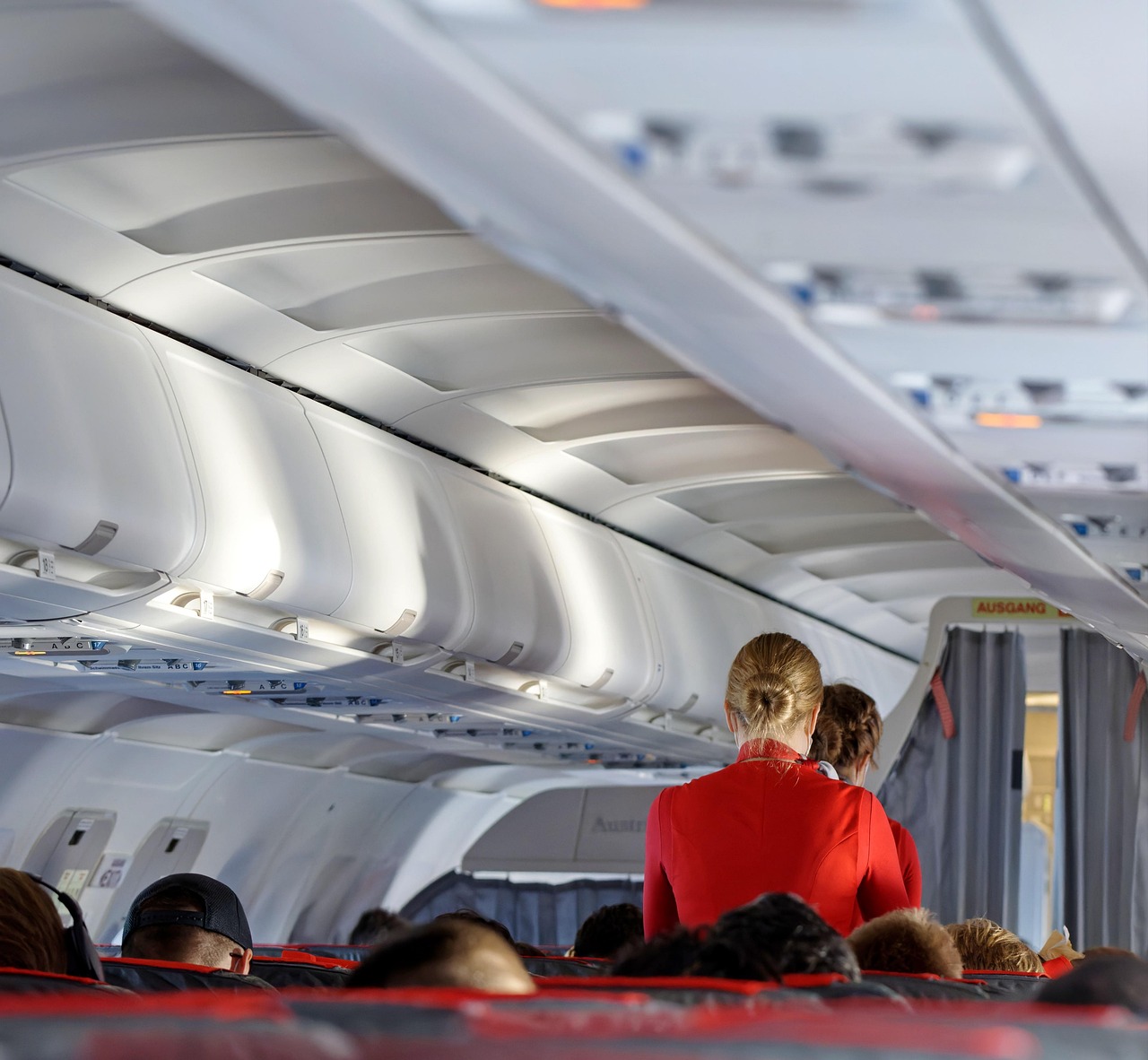
What Not To Do On An Airplane According to Flight Attendants
Personal Space and Safety: Where Most Problems Start
1. DO NOT touch the flight attendant
This is one of the few rules that come up every time crew members talk about passenger behavior. It still happens: people tapping a shoulder, grabbing an arm to get attention, or trying to interrupt mid-task.
In a confined space where the crew is responsible for safety, that kind of contact is never appropriate. Always use the call button or wait until they reach your row to keep interactions professional and clear.
2. Do not stand up immediately after landing
This is probably the most common behavior across all flights. The plane has landed, but it hasn’t arrived.
Taxiing is a critical phase of flight, and sudden braking or turns can happen without warning. Standing up early doesn’t get you off the plane faster; it just increases the risk of injury and slows down the exit process for everyone. As flight attendant Ale explained, the aircraft is still moving, and in the airline industry, safety always comes first.
3. Do not ignore the seatbelt sign
When the sign turns on, there is always a reason, usually turbulence or changing flight conditions. At that point, crew members are required to check compliance, not negotiate it. Staying seated and buckled is the simplest way to avoid unnecessary injuries during a flight.
4. Do not fall asleep during takeoff or landing
It seems harmless, especially on a red-eye, but these are the moments when awareness matters most.
You are more likely to feel pressure changes in your ears, and these are the phases where you need to be able to follow instructions quickly in an emergency.
As Ale (@wonderfullyale) puts it: “Taxiing is one of the most critical phases of flight… you want to be completely aware in case of an emergency”.
Airplane Hygiene Secrets: How to Avoid Germs at 30,000 Feet
5. Is it okay to walk barefoot on a plane? Why does the crew say never
This is mentioned frequently because passengers still do it constantly. Cabin floors, especially in the lavatory, are not as clean as they look.
Flight attendants often warn that the “water” you see on the floor might not be water in the lavatory.
Flight attendants warn that the floor is often covered in urine, and walking through it in socks or bare feet means direct contact with a very unhygienic surface, and that you are tracking those germs back to your seat. Yes, there are many dirty surfaces on an airplane – as flight attendants reveal.
6. Are airplane windows dirty? Why you shouldn’t lean on them.
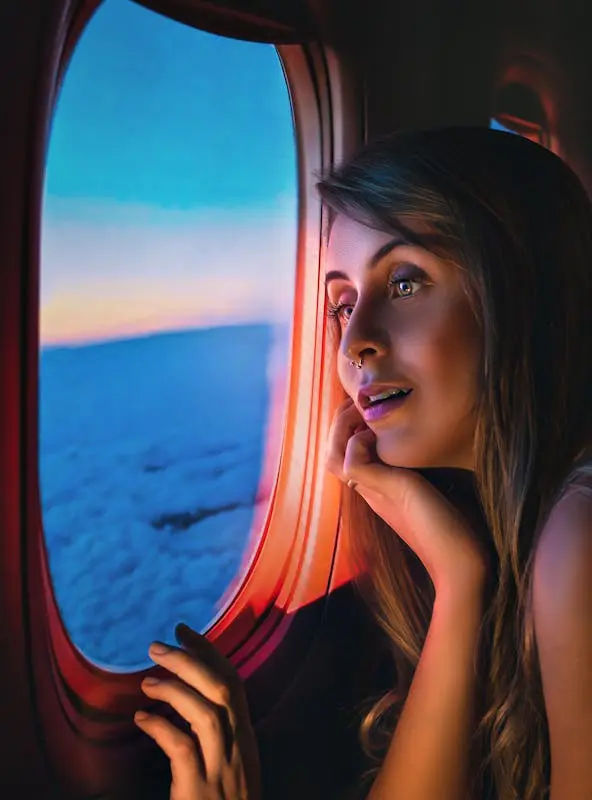
Windows are high-contact surfaces. They are touched repeatedly by hands and faces and are rarely deep-cleaned between every flight.
Tommy Cimato explained it simply: “You don’t know how many people or children have wiped their hands or other things on the window”.
7. Avoid minimal coverage on seats
Think twice before wearing shorts or miniskirts. Airplane seats are high-traffic areas that are rarely deep-cleaned between flights.
As Tommy Cimato points out, wearing long pants provides a critical barrier between your skin and the bacteria living in the seat fabric.
This is actually where knowing what not to wear on an airplane comes in handy – I have shared the tips from a flight attendant who shares the gross reasons for her recommendations. You will never wear some of the things she mentions!
8. Do not touch the flush button with your bare hands
Tray tables, flush buttons, and seatbelt buckles are touched constantly.
Crew members recommend using a tissue or napkin when pressing buttons to reduce your exposure to bacteria.
In-Flight Behavior That Disrupts the Cabin
9. Can I bring my own alcohol on a flight? Federal rules explained
Do not drink your own alcohol on the plane. This isn’t just about airline profits; it is a federal regulation.
Airlines are legally responsible for monitoring alcohol consumption to ensure everyone’s safety. If you consume your own supply, the crew cannot track your intake, which is why it is strictly prohibited.
10. Do not use the lavatory during meal service
Timing is everything in a narrow aisle. When service carts are out, movement is physically blocked. Trying to pass through slows down the meal service for the entire plane and creates unnecessary congestion.
11. Do not hand trash to the crew during service
It seems helpful, but it creates a hygiene issue. During service, the crew is handling your food and drinks. Collecting trash at the same time is not ideal, and they often do not have disposal bags ready on the cart.
Wait for the dedicated trash collection that follows shortly after.
12. Will hairspray set off a plane’s smoke detector? Unexpected ‘don’ts’
I did mention some unexpected flight don’ts from flight attendants and this is perhaps one of those items.
Confined spaces and onboard sensors don’t mix well with hairspray or spray deodorant. Using these can interfere with onboard systems or even trigger the smoke detector, creating avoidable complications for the flight crew.
Luggage and Boarding: Common Logistics Errors
13. Do not bring bags you cannot lift
If you cannot place your bag in the overhead bin yourself, it is likely too heavy for travel.
Crew members are not required to lift heavy luggage, and lifting injuries are a very real concern for them.
14. Do not be the last to board with multiple bags
Overhead space is a finite resource. Boarding late with several items increases the chances that bins will be full, leading to departure delays and forced gate-checks of your luggage.
15. Do not ask for water or extras during boarding
Boarding is a high-stress, structured process where the crew is focused on seating everyone safely and preparing for departure.
Requests for water or blankets during this phase slow down the process. Official service begins once the aircraft is safely in the air.
16. Do not put important items in the seat pocket
Phones, passports, and wallets are the most common items left behind – and, yes, it is very easy to forget your phone in common places.
Seat pockets are convenient “black holes” where essentials are easily forgotten during the rush to deplane. Keeping your essentials in a small personal bag that stays on your person avoids this headache entirely.
Critical Awareness Situations
17. Do not change diapers on the seat or tray table
I wish I didn’t have to write this, but apparently this happens more often than you’d think.
Tray tables are shared surfaces where people eat. Most aircraft have designated changing tables in the lavatories for exactly this reason; please use them.
18. Do not handle sickness situations casually
If you feel unwell, alert a flight attendant early.
If you do end up using an airsickness bag, do not hand it directly to the crew. They need to follow specific “biohazard” procedures for disposal and may have a designated spot for you to place it.
19. Do not ignore safety briefings
While it is the last thing on this list, it is definitely important.
This is vital for everyone, but especially for those in emergency exit rows. These passengers have actual responsibilities in an emergency. My husband sat a few times on this row, and he confirmed he could do the necessary actions in case of an emergency.
If you aren’t willing or able to assist, you will be moved to another seat. Paying attention isn’t optional – it’s a matter of safety for everyone on board.
Don’t Do These On An Airplane
As you can see from this article, the things flight attendants wish you would stop doing cover various directions.
Some are focused on the respect for the flight attendants – not touching them, not going to the lavatory during meal serving, not asking them to pick up trash when they do not have a bin etc. -, others are for your safety and health – clothes to avoid, surfaces to not touch, things you should avoid doing so that other passengers get the best conditions too (like changing diapers on tray tables).
And yes, most of these are common sense, we could say – yet these recommendations appear over and over again in videos – so they are still not avoided by some passengers.
If you want to see some more videos from the people mentioned in the article, here are the links:
- https://www.tiktok.com/@wonderfullyale/video/7363675250480958750
- https://www.tiktok.com/@wonderfullyale/video/7364409775578271006?
- https://www.tiktok.com/@tommycimato/video/6989741244318485765
- https://www.tiktok.com/@mrsmiva/video/7322799738523323680
- https://www.tiktok.com/@mrsmiva/video/7314726669267340577
- https://www.tiktok.com/@viltevileikyte/video/7346608651081174304
FAQ: What Not to Do on a Plane
Can I use hairspray or spray deodorant on a plane?
It is better not to use hairspray or spray deodorant inside the airplane lavatory. The space is very small, and aerosols can sometimes trigger sensitive smoke detectors or create problems for other passengers. If you need to freshen up, use non-aerosol products instead.
Why can’t I drink my own alcohol on a flight?
Passengers generally should not drink their own alcohol on a plane because the crew needs to monitor alcohol consumption during the flight. This is not just an airline preference. Flight attendants are responsible for keeping the cabin safe, and they cannot do that properly if passengers are drinking alcohol the crew did not serve.
Why do flight attendants dislike being touched by passengers?
Touching a flight attendant to get attention is inappropriate because it crosses a personal boundary and can interrupt safety-related duties. Flight attendants are working in a confined, high-responsibility environment. If you need something, use the call button or politely say “excuse me” when they are nearby.
Why shouldn’t passengers walk barefoot on a plane?
Passengers should not walk barefoot on a plane because airplane floors, especially lavatory floors, are not as clean as they may look. Spills, germs, and other unpleasant substances can end up on the floor during a flight. Shoes are the safest and most hygienic option when moving around the cabin.
Is it rude to hand trash to flight attendants during meal service?
Yes, it can be a problem during meal service. When flight attendants are serving food and drinks, they usually do not have a trash bag ready, and it is not hygienic for them to handle trash and food at the same time. It is better to wait for the dedicated trash collection after service.
Why should passengers stay seated after the plane lands?
Passengers should stay seated after landing because the aircraft is still moving while it taxis to the gate. Sudden stops or turns can happen, and standing too early can lead to injuries. It also does not help passengers get off the plane faster.
Is it okay to change a baby’s diaper on an airplane seat?
No. A baby’s diaper should not be changed on an airplane seat or tray table. Tray tables are used for food and drinks, and seats are shared by other passengers. Most airplane lavatories have changing tables, which are the correct place to do it.
Should I put my passport or phone in the seat pocket?
It is better not to place important items like your passport, phone, wallet, or boarding documents in the seat pocket. Passengers often forget things there when they leave the plane. Keep essentials in a small bag that stays with you.
Why do flight attendants ask passengers to pay attention in exit rows?
Passengers seated in emergency exit rows may need to help during an evacuation. That is why flight attendants give them specific instructions. If a passenger is not willing or able to follow those instructions, the crew may move them to another seat.
What are the biggest airplane etiquette mistakes passengers make?
Some of the biggest airplane etiquette mistakes include touching flight attendants, standing up immediately after landing, walking barefoot, ignoring the seatbelt sign, handing trash during service, drinking personal alcohol, blocking the aisle, and treating shared surfaces like tray tables as if they were private space.
More amazing articles for you:
My Guide to Prater Vienna: Our Experience, Wiener Riesenrad, Rides, Prices and Tips
Wrong Country? 11 Famous Places People Keep Confusing With Each Other - How Many Would You Mix Up?
Local’s Guide to Queens, New York: What to See, Eat & Do Beyond Manhattan
They Ordered From the Menu. Then the Restaurant Told Them to Leave - In One Famous Resort Town, the ...
Find out how many people does it take to build a famous construction! Interesting #infographic
This Airline Can Now Refuse to Fly Passengers Who Do One Extremely Annoying Thing
Top 10 Christmas vacation destinations
200 World Capitals Quiz Questions and Answers: Easy to Hard Capital City Trivia. Can You Get 130 Rig...

Violeta-Loredana Pascal is a communications expert, business mentor, and the founder of Earth’s Attractions and PRwave INTERNATIONAL. A pioneer in the Romanian digital PR landscape since 2005, she holds a degree in Communication and Social Sciences from SNSPA Bucharest. Violeta is a senior trainer at AcademiadeAfaceri.ro, where she leverages over 20 years of experience to teach professional courses in PR strategy and workplace productivity. By blending high-level business consulting with a passion for holistic travel and wellness, she empowers solopreneurs to overcome procrastination, build profitable brands, and design a life of purposeful adventure.