
You probably have at least one subscription you’re still paying for and don’t actively use. I know I did.
Not something obvious like Netflix or Spotify. Something smaller. An app, a tool, a trial you meant to cancel and never went back to.
It might not seem like something worth paying much attention to, but with the current situation and all of us being more careful with our budgets, it’s worth taking a closer look at your subscriptions and seeing where you can save money without giving up the things you actually use or love.
As I shared my tips on how to save $50–$100+ daily when you travel, I’m going further and starting a series on this topic: how to save money without losing comfort or giving up useful things.

ID 187838418 ©Fizkes | Dreamstime.com
In this article, I’m focusing on subscriptions – how to find them, how to stop paying for the ones you don’t use, and how to avoid this situation going forward.
What a Subscription Audit Actually Is
A subscription might appear under a generic name in your bank account, be billed through an app store, or come from a service you signed up for months ago and haven’t opened since. That’s usually where the problem is – not the subscriptions you remember, but the ones you don’t. A subscription audit is simply going through all of them, seeing what you’re actually paying for, and deciding what stays and what goes. It’s the simplest way to find hidden subscriptions and stop recurring payments you don’t need.
These include:
- Streaming & memberships – video, music, gym, anything you pay for monthly and stopped using regularly
- In-app subscriptions – storage upgrades, meditation apps, photo tools or anything billed through Apple or Google rather than directly
- Free trials that turned into paid plans – the ones you meant to cancel and didn’t
- Annual renewals – domain names, hosting, software, or memberships that only show up once a year and are easy to forget
Why Subscriptions Get Out of Control
You know my background in marketing, so I can tell you this: there are numerous studies and articles on how to get people to subscribe – making the process frictionless, tempting, and built around things the potential client actually wants.
So yes, it is very easy to subscribe to something – and it is often very affordable. In fact, that’s part of the problem. Not just one affordable expense, but many that end up costing you quite a lot.
Also, while subscribing and paying is very easy – sites rely on ‘inertia billing,’ because this is a retention loop -, canceling often takes several minutes on a site, searching until you get to the right place. That friction is enough to make you give up and say, “it’s just $5.99, it’s fine.”
And if you don’t keep track of the services you’re paying for, you can easily end up paying two different providers for the same thing.
And yes, I’m writing this based on my own experience – and mistakes – too. A few months ago, I signed up for a 7-day free trial for an online course platform and left it there, thinking I’d come back in a few days and decide if it was worth keeping. I even had a rough timeline in my head: check around day five, cancel if I’m not using it.
Guess what: I didn’t go back.
The only reason I realized what happened was a notification from my bank app. A charge for something I hadn’t opened since the day I signed up. Not a huge amount, but enough to notice – and enough to be annoying because it was completely avoidable.
A few months later, I did the same thing again, this time with a service billed annually. More expensive, and worse, because I had already decided I didn’t need it anymore. I just didn’t cancel it in time. (I did for the next year – still something.)
The lesson? If you decide to cancel, do it the moment you think of it. Don’t wait for the ‘right time’ – the right time is always before the next billing cycle starts.
The 10-Minute Subscription Audit
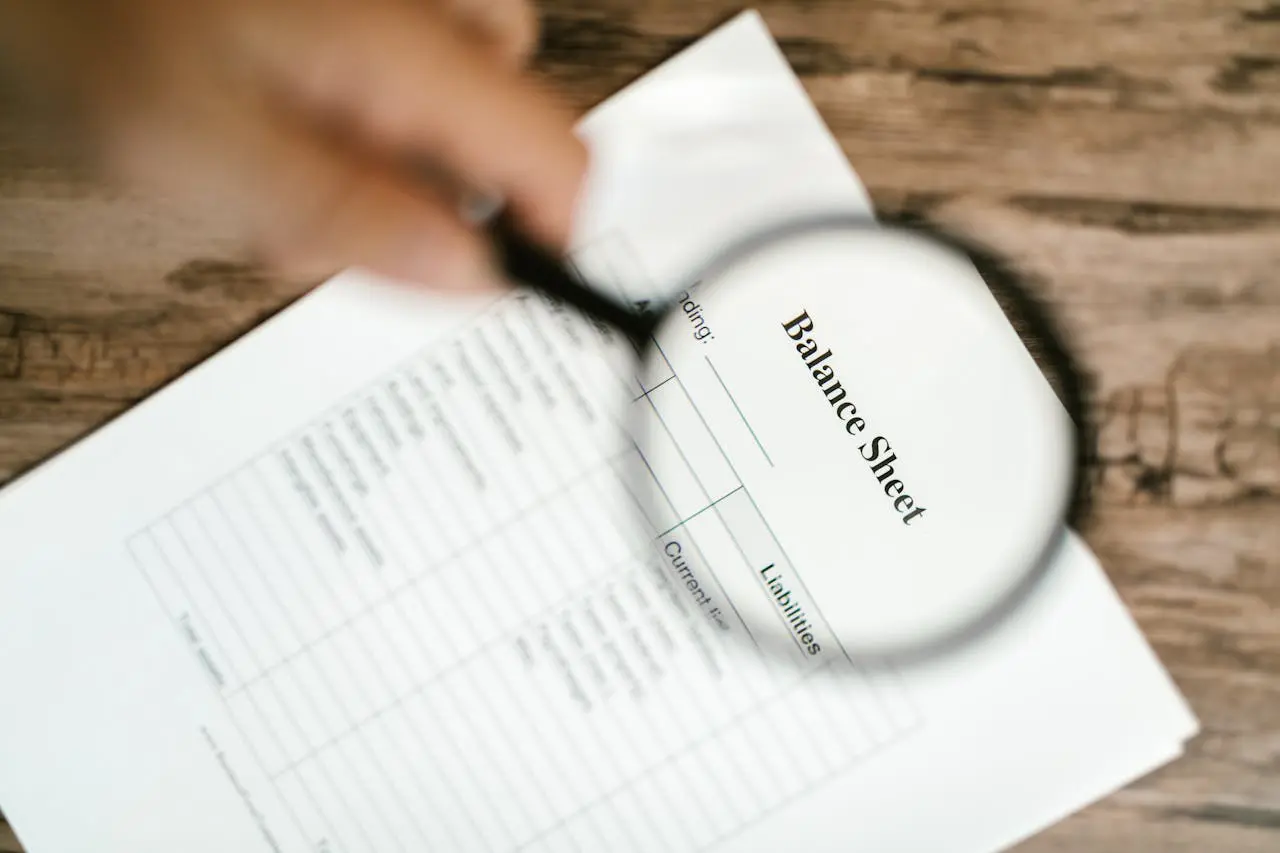
You don’t need an afternoon for this. Just go through a few places where these payments tend to hide. This is the fastest way to check all your subscriptions in one place.
Your banking app
Start here. Look at the last one or two months and see what repeats in the bank statements. Some charges will be obvious, but others won’t. Pay attention to anything that shows up more than once or has a name that doesn’t immediately mean anything to you – things like “SRVCE,” “MEMB,” or “BILLING.”
Your email
Then check your inbox. This is where things usually come up. Search for words like “receipt,” “subscription,” “invoice,” “trial,” or “thank you for your purchase.” You’ll start seeing confirmations for services you may not have thought about in a while.
Your phone (App Store / Google Play)
After that, check your phone. If you’re using an iPhone or Android, some subscriptions are billed directly through the platform and don’t show clearly in your bank account.
- On iOS: Settings → [your name] → Subscriptions
- On Android: Google Play Store → Profile → Payments & Subscriptions → Subscriptions
Payment platforms and wallets
It’s also worth checking any payment platforms you’ve used. If you have an account with PayPal or use digital wallets like Revolut, look at the automatic payments section. For PayPal, don’t just look at history. Go to Settings > Payments > Manage Automatic Payments. This is where subscriptions live – those that might no longer show up in your main inbox.
Annual subscriptions
And finally, look for anything billed yearly. These are easy to forget because they don’t show up often, but when they do, the amount is usually higher. Search your email for “renew” or “annual,” and check for things like services (usually Premium stuff) or software you signed up for a long time ago.
Keep, Cancel, or Downgrade
Once you have your list of subscriptions, go through it one by one and decide what actually makes sense to keep.
- KEEP: You use it regularly or it clearly brings value – for example, a tool that helps you earn money, helps you often, or saves you time – or something you really like.
- CANCEL: You haven’t used it in the last 30 days, or you’re keeping it “just in case.” In most cases, that means you don’t need it.
- DOWNGRADE: You’re using the service, but not at the level you’re paying for. Many subscriptions have a cheaper plan that does exactly what you need.
If you decide to cancel something, go through the process all the way to the end. Some services will offer a discount before you leave – a lower price for the next few months just to keep you. Take it if you still want the service – if not, cancel it. This is called a Retention Offer. Before you confirm the final cancellation, many SaaS companies will offer a ‘Stay’ rate – sometimes with a high discount. If it’s a service you do use but find expensive, the audit is the best time to trigger these discounts. NOTE: do not do this constantly. It should be a one-time, not a way to deceive service/product providers.
How to Cancel Fast
Deleting the app doesn’t stop the billing. This is one of the most common mistakes people make when trying to cancel a subscription. The subscription continues until you cancel it from the place where you signed up.
- If you signed up on a website, cancel it from your account settings there.
- If you signed up through your phone, cancel it from your device settings.
- Some services will offer to pause your subscription instead of canceling it. Unless you know you’ll come back to it soon, it’s better to cancel it completely. You can always subscribe again later.
Most Commonly Forgotten Subscriptions
These are the types of subscriptions people forget most often:
- Old streaming services – the ones you signed up for one specific show
- Fitness or workout apps you stopped using
- Cloud storage upgrades (iCloud, Google One, similar services)
- VPN subscriptions
- Kids’ apps or game add-ons
- Premium newsletters
- AI tools you tested and forgot about
- Domain name renewals or hosting
Obviously, they vary from region to region. For instance, I get an email to renew my domain (if I forget to pay, I lose it.) The hosting service is monthly – but, obviously, I am using it. However, I know someone who had a site a long time ago and while that site was useless, he kept paying for hosting. Until he did such an audit and discovered that site is not relevant, nor useful so he cancelled.
The Prevention System
Now that you have a clear picture of what can happen and how you get to pay for many subscriptions, here are a few simple habits to help you save money from subscriptions – this is how you avoid paying for subscriptions you don’t use in the future:
- Cancel as soon as you sign up for a trial.
- You still keep the full trial period, but you remove the risk of forgetting about it.
- Use one email address for subscriptions.
- It keeps everything in one place and makes it much easier to check what you’re paying for.
- Use virtual cards when possible.
- Services like Privacy.com let you create a card for a specific subscription, limit the amount, or make it one-time use. When the billing fails, the subscription stops.
How Much Can You Save?
Most people don’t find one big subscription. They find several small ones.
That usually adds up to somewhere between $30 and $150 a month – and that’s without making any real changes – just stopping what you don’t use. While that might not seem life-changing, that’s up to $1,800 a year that was previously going toward nothing.
Can You Get Refunds?
If you’ve just been charged for something you didn’t mean to renew, it’s worth checking. Many people don’t realize they can get a refund for subscriptions they forgot to cancel. I did this too – contact the service provider – and they agreed to refund me – it was not a big amount, still, it mattered.
- App Store subscriptions: Both Apple and Google allow refund requests shortly after a charge, especially if the subscription hasn’t been used. For Apple, go to reportaproblem.apple.com. For Google Play, use the ‘Request a refund‘ button in your Order History. If you act within 48 hours of an accidental renewal, the success rate for refunds is surprisingly high.
- Software or online services: If you contact support quickly and the account shows little or no usage, refunds are often possible, especially for annual plans.
It’s not guaranteed, but it’s worth trying.
About Subscription Tracking Tools – Manual vs. Automated Subscriptions Management
There are apps that scan your accounts and list subscriptions automatically. They can save time, but they usually require access to your banking data.
If you prefer to keep that private, the manual check you’ve just done is enough – and more reliable, because you see everything directly.
10-Minute Subscription Audit Checklist
[ ] Check your bank transactions from the last 30–60 days and look for anything that repeats.
[ ] Search your email for “receipt,” “trial,” and “invoice.”
[ ] Check subscriptions on your phone (iOS/Android settings).
[ ] Look at automatic payments in PayPal or any digital wallet you use.
[ ] Cancel anything you haven’t used in the last 30 days.
[ ] Cancel any active free trials today.
[ ] Consider using a virtual card for future trials.
Common Questions About Subscriptions, Billing, and Refunds
How do I find all my subscriptions in one place?
There isn’t a single place that shows everything. You need to check a few areas: your bank transactions, your email (search for “receipt” or “invoice”), your phone’s subscription settings, and any payment platforms you use.
How do I check hidden subscriptions on iPhone or Android?
On iPhone, go to Settings → your name → Subscriptions.
On Android, open Google Play → Profile → Payments & Subscriptions → Subscriptions.
These are often missed because they don’t always show clearly in your bank account.
How do I cancel a subscription I don’t recognize?
Start with the charge in your bank account, then search your email for the service name. You’ll usually find the original signup email with a link to your account. Cancel it there or through your phone if it was billed via an app store.
Can I cancel a subscription by deleting the app?
No. Deleting the app doesn’t stop the billing. You have to cancel it from the place where you subscribed – either the website or your phone settings.
Can I get a refund for a subscription I forgot to cancel?
Sometimes. If the charge is recent, contact the company right away. App stores also allow refund requests, especially if you haven’t used the service after being charged.
What are the most commonly forgotten subscriptions?
Usually things like old streaming services, fitness apps, cloud storage upgrades, AI tools, or subscriptions you started for a specific purpose and never went back to.
How often should I check my subscriptions?
A quick check once a month is enough. It only takes a couple of minutes if you know where to look.
How do I find subscriptions linked to my bank account?
Check your recent transactions for repeating charges, then match them with emails or app subscriptions.
How do I stop recurring payments on my card?
You need to cancel the subscription with the provider or through your app store. Blocking the card alone won’t always stop the charge.
Photo source: 1
More amazing articles for you:
Eight Hours to Nowhere: Transatlantic Flight Turns Around Because of a Broken Toilet
A Man on the Inside Season 2: The Cozy Netflix Mystery You’ll Binge in a Single Day (Like I Did) - A...
If you love to travel, you are most likely tired of hearing these 7 things about traveling
Adventure Is Out There: Here's Where
The Real, Science-Backed Benefits of Eating Walnuts (and How Much You Should Actually Eat)
The perfect 3-day Plovdiv itinerary: what to do in Plovdiv, Bulgaria in 3 days
A Passenger Made Fresh Pasta on a Plane - and It’s Going Viral for All the Wrong Reasons
The Danger of Bonding Over Gossip: New Research Reveals When It Brings People Closer - And When It B...

Violeta-Loredana Pascal is a communications expert, business mentor, and the founder of Earth’s Attractions and PRwave INTERNATIONAL. A pioneer in the Romanian digital PR landscape since 2005, she holds a degree in Communication and Social Sciences from SNSPA Bucharest. Violeta is a senior trainer at AcademiadeAfaceri.ro, where she leverages over 20 years of experience to teach professional courses in PR strategy and workplace productivity. By blending high-level business consulting with a passion for holistic travel and wellness, she empowers solopreneurs to overcome procrastination, build profitable brands, and design a life of purposeful adventure.