Updated July 4, 2026: Greece has expanded its official list of highly protected coastal sections from 238 to 250. The restrictions don’t apply to every beach in Greece, but they do change what visitors can expect at selected Natura 2000 locations.
Greece has just taken a step that will affect how millions of people experience its coastline this summer.
The Greek government has officially expanded its list of protected beaches and coastal sections where commercial concessions and activities that could damage the coastline are prohibited. The measures cover much more than rented sunbeds: they also affect umbrellas, beach furniture, amplified music, vehicles, water-sports rental activity, mobile refreshment units, and large organized gatherings.
If you’ve ever scrolled through Instagram and seen the pristine, turquoise waters of Greece, you’ve likely also noticed the rows of symmetrical umbrellas and sunbeds that often march right down to the shoreline. For decades, this has been part of the familiar Greek summer image. On the protected sections included in the 2026 decision, however, visitors should expect a much more natural beach experience.
What Greece’s 2026 Sunbed Ban Actually Covers
The restrictions apply to 250 precisely defined coastal sections inside environmentally sensitive Natura 2000 areas. Greece officially refers to them as “Apatites Paralies”, a term often translated as “Untrodden Beaches,” “Untouched Beaches,” or highly protected beaches.
An important note: this doesn’t mean that sunbeds are banned on all beaches in Greece. Organized beaches with legal loungers, umbrellas, food, drinks, and other facilities still exist across the country. The new protection applies to selected coastal sections where commercial use and other activities could damage important habitats, dunes, wildlife, or the natural form of the coastline.
The protected-beach measures are only one part of the practical information visitors should check. My complete guide to Greece travel rules for 2026 also covers entry requirements, accommodation fees, ferries, beach access, archaeological sites, and other details that could affect your trip.
Why do some articles say 251 beaches instead of 250?
You may see both figures online. Some English-language reports have used 251, but the official announcement from the Greek Ministry of Environment says the list increased from 238 to 250, and the official appendix ends at entry 250. This article therefore follows the government’s official figure.
I have numerous friends who cannot imagine their summer vacation without a trip to Greece. We can get there even by car, so it is easy for us in Europe – especially if you know how to prepare your car for a summer road trip before heading south. I cannot tell you how my Facebook feed looks during the summer – it is like a promo for a trip to Greece: sooo many places, beaches, and islands to discover! And if you’re planning one, knowing what to wear during the summer in Europe makes a difference.
But this flock of tourists to Greek destinations also creates pressure on natural habitats. The 2026 measures are intended to keep selected beaches and coastal ecosystems free from the infrastructure and activities that could alter them.
What Is Prohibited on Greece’s Protected Beaches?
The official rules are broader than a simple sunbed ban.
Commercial beach concessions: The protected sections cannot be granted for the usual commercial use of the seashore and beach.
Sunbeds, umbrellas, tables, chairs, and other movable equipment: The official wording includes the placement of movable objects such as tables, chairs, umbrellas, and loungers.
Motor vehicles: Vehicle access is prohibited on the protected coastal sections.
Amplified music and sound systems: Music or other sounds produced through electronic playback or amplification devices are prohibited when connected to activities on the beach.
Water-sports rental activity: Commercial activities offering recreational water equipment are not allowed on these highly protected sections.
Mobile refreshment units: Self-propelled or trailer-based mobile refreshment units are prohibited.
Large organized events: Events involving more than ten people are prohibited.
Important for visitors: Because the wording also covers movable umbrellas, loungers, tables, and chairs, do not automatically conclude that bringing a large personal umbrella, chair, or beach tent is permitted. Check the signs and instructions for the exact protected area before setting up equipment.
Well-Known Greek Beaches and Protected Coastal Areas Affected in 2026
The measures do not cover every beach on a named island or every part of a famous destination. The official list identifies particular coastal sections through coordinates, Natura 2000 areas, and municipalities. The places below are useful examples, but travelers still need to check the exact section they plan to visit.
Crete – famous beaches inside highly sensitive coastal zones
Elafonissi Beach
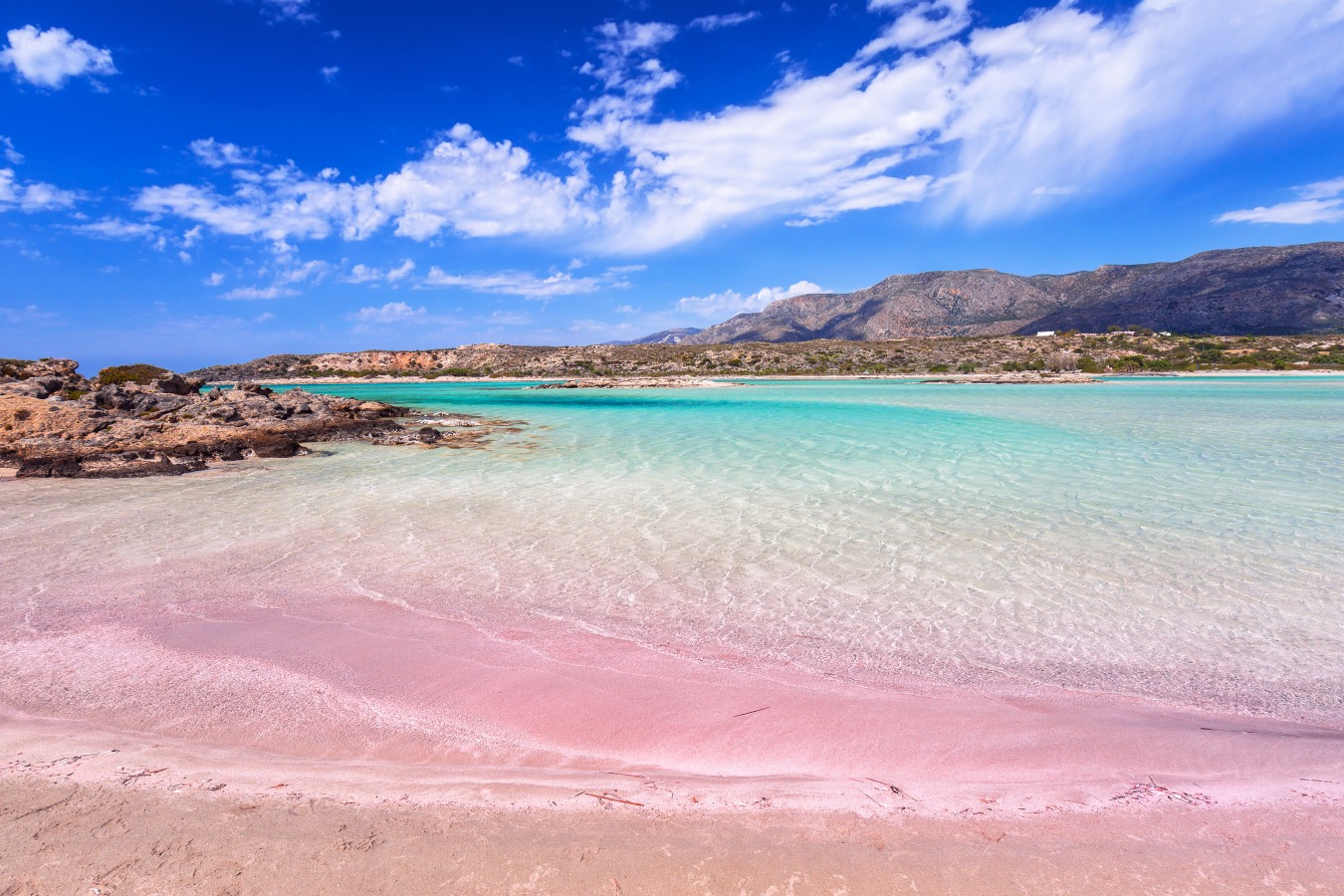
ID 90994170 ©Patryk Kosmider | Dreamstime.com
Often listed among the most beautiful beaches in Greece, Elafonissi is known for its pink-tinged sand and shallow lagoon. The official 2026 appendix includes the island of Elafonissi and its coastal marine zone, together with several protected coastal sections in the wider Chania area. This does not mean that every part of the wider tourist destination has identical access conditions, so check the exact area and local signs when you arrive.
Chrysi Island
Located south of Crete, Chrysi Island has faced strict environmental controls because of pressure on its rare juniper forest, dunes, and wider protected ecosystem. The official appendix includes several coastal sections associated with Chrysi Island, reinforcing its status as one of the most environmentally sensitive destinations in Greece. Access rules on Chrysi can be stricter than the general protected-beach rules, so confirm the current situation before booking an excursion.
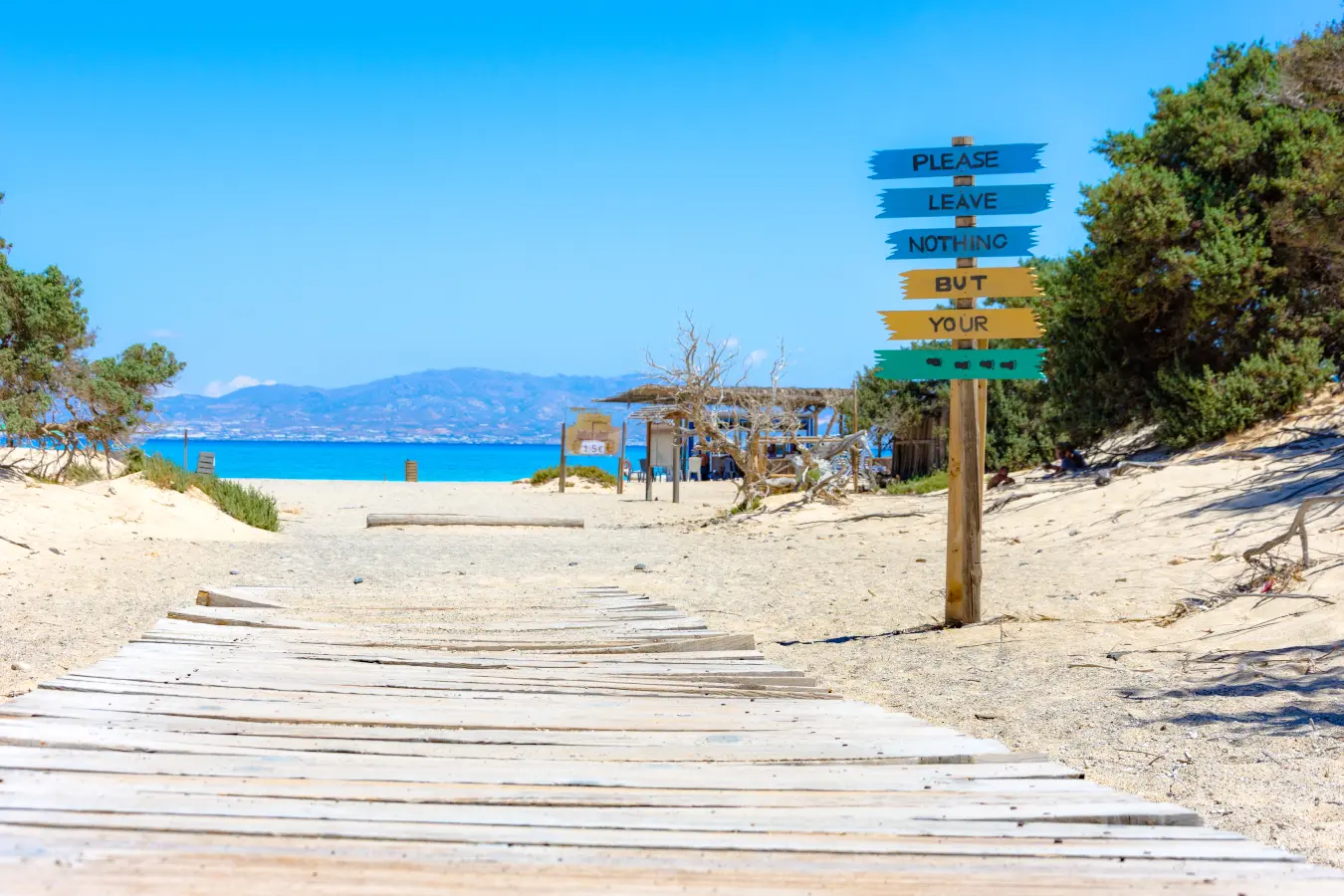
ID 153450309 ©Georgios Tsichlis | Dreamstime.com
Gramvousa and Falassarna protected area
The official appendix also identifies protected coastal sections within the wider Natura 2000 area covering Imeri and Agria Gramvousa, Tigani, Falassarna, Pontikonisi, Livadi Bay, and Vigla. This is the protected-area designation behind many searches about Balos, Gramvousa, and Falassarna, but it should not be read as a claim that every part of each destination follows exactly the same visitor arrangement.
Sporades – protected marine ecosystems, not just beaches: Alonissos Marine Park
This is not a single beach but one of Europe’s largest marine protected areas, famous for its crystal-clear waters and as a habitat for the endangered Mediterranean monk seal. Multiple coastal segments within the wider Alonissos and Northern Sporades protected region appear in the official list, which means some of its most pristine coastal areas are intended to remain free from intensive beach infrastructure.
Zakynthos – famous beaches with hidden ecological pressure: Zakynthos National Marine Park
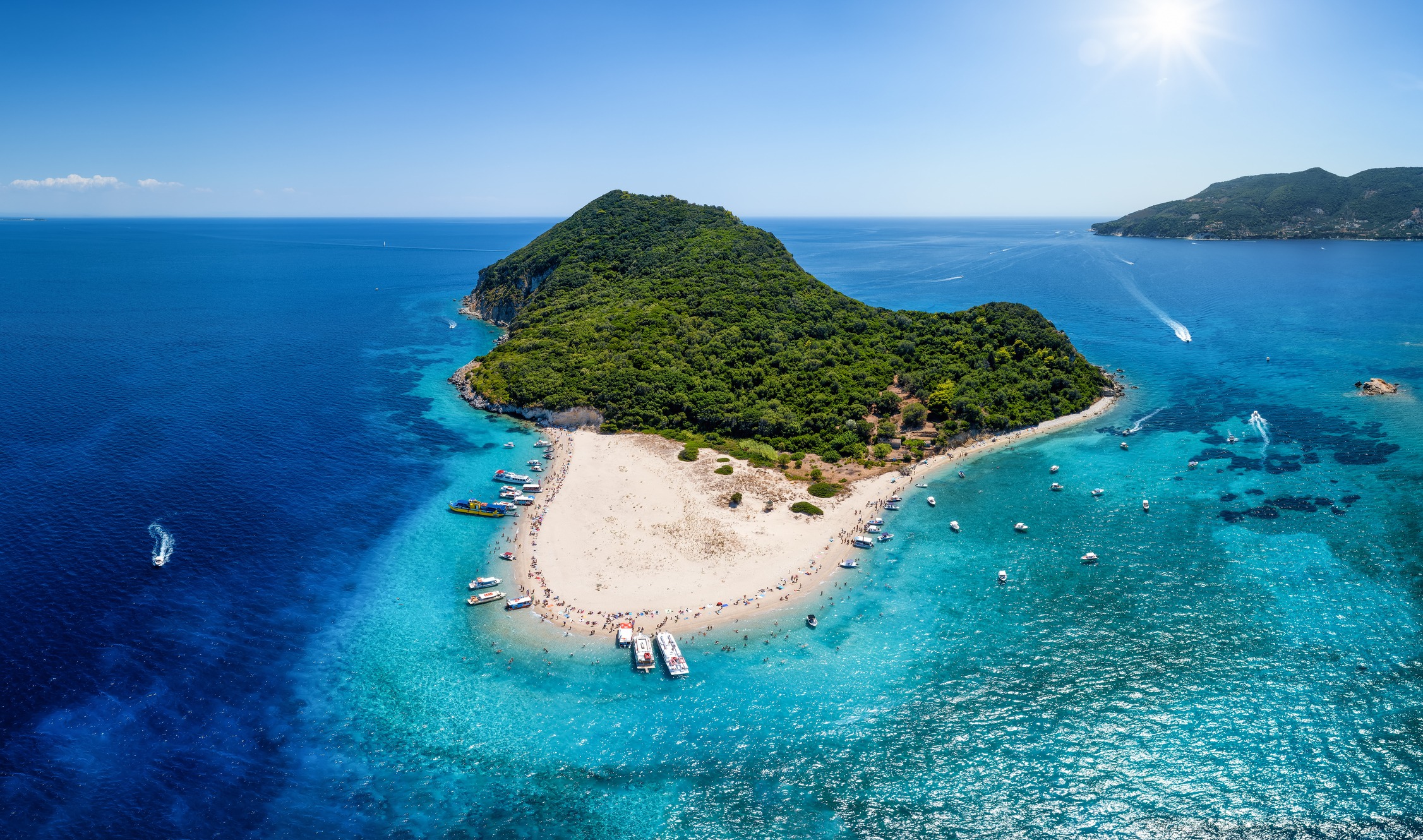
ID 303018352 ©Sven Hansche | Dreamstime.com
Zakynthos is globally known for beaches like Navagio, but its southern coastline around Laganas Bay is a critical nesting area for loggerhead sea turtles. The official list includes several coastal sections in the Laganas Gulf Natura 2000 area, including areas associated with Marathonisi and Pelouzo. These protections reinforce existing efforts to preserve one of the most biologically important coastal ecosystems in the Mediterranean.
Cyclades – protected sections across famous and quieter islands
Naxos Beaches
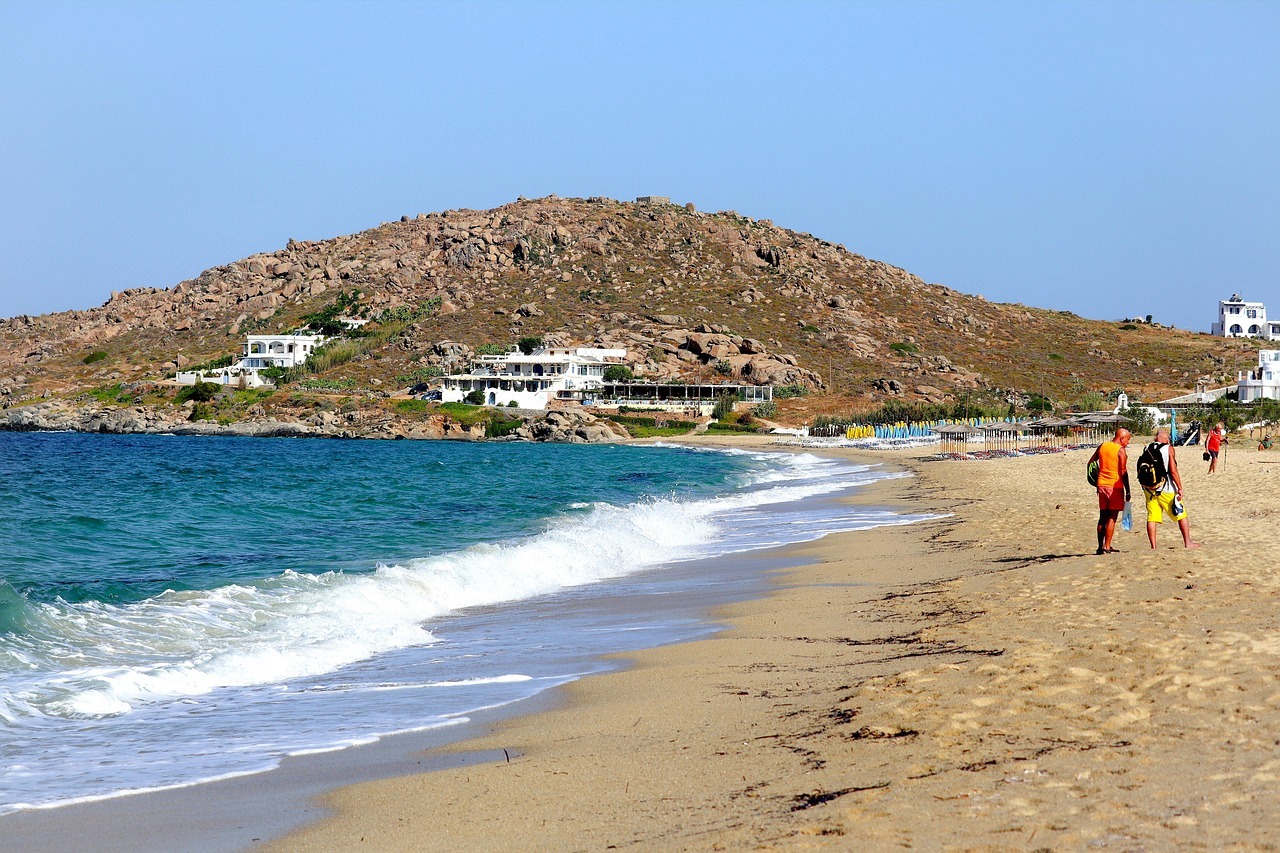
Naxos is often included in lists of the best beaches in Greece for its long sandy stretches and accessible coastline. The official appendix includes protected sections in central and southern Naxos, including coastal areas between Karades Bay and Moutsouna Bay. This does not mean that all beaches on Naxos are sunbed-free.
Amorgos Coastline
Amorgos has built its reputation on dramatic cliffs and less-developed beaches, attracting travelers looking for a quieter alternative to Mykonos or Santorini. Protected coastal sections connected with Amorgos appear in the official list, including parts of northeastern Amorgos and other coastal Natura 2000 areas.
Small Cyclades: Koufonisia, Schinoussa, Iraklia, and Keros
These islands have become increasingly popular among travelers looking for smaller and less-developed destinations. The official appendix includes defined sections inside the protected Small Cyclades Natura 2000 area covering Iraklia, Schinoussa, Koufonisia, Keros, Antikeria, and the surrounding marine zone.
Peloponnese & Western Greece – dunes, lagoons, and coastal forests
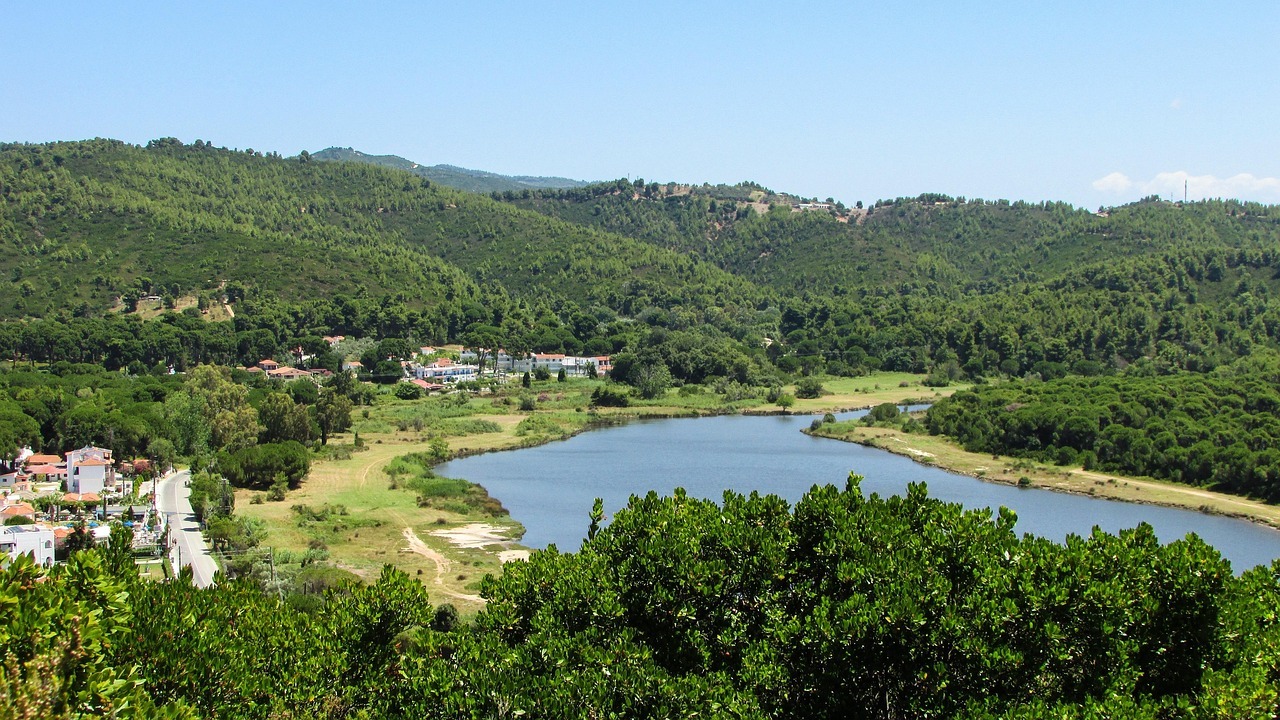
The wider Strofilia and Kalogria region combines coastal dunes, lagoons, wetlands, and one of the largest pine forests in Greece. Several protected coastal sections in this part of western Greece appear in the official list, including areas connected with Kalogria Lagoon, Strofilia Forest, Araxos, and the coastline toward Kyllini.
Aegean Islands – protected zones you might not recognize yet
Lesvos: Western Peninsula and Kalloni Gulf
Lesvos is better known for its cultural heritage, but the official list also includes coastal sections within the western peninsula and petrified-forest area, as well as the Kalloni Gulf and its coastal zone.
Samothrace and Lemnos Coastal Zones
Samothrace and Lemnos are still less internationally crowded than many Cycladic islands, but their coastal ecosystems are represented in the protected list. The appendix includes sections connected with Mount Fengari and the Samothrace coastal zone, as well as the Chortarolimni and Alyki lake area on Lemnos.
Other Protected Coastal Areas Included in the 2026 Measures
Other examples in the official appendix include protected sections around Gavdos and Gavdopoula, western Milos and nearby islets, northern Karpathos and Saria, parts of Andros, Syros, Kythera, the Korission Lagoon area in southern Corfu, the Acheloos Delta and Messolonghi-Aitoliko lagoons, and coastal zones in Lefkada.
This is deliberately not a list of all 250 entries. The government document identifies many locations through coordinates and wider Natura 2000 names rather than familiar tourist-beach names. You can consult the official 250-entry appendix when you need to check a particular protected area or municipality.
How to Check Whether a Greek Beach Has Legal Sunbeds
There is no single tourist-friendly English list that tells you exactly what you will find on every Greek beach on a particular day. Use several checks before relying on rented loungers, shade, food, or vehicle access.
Check the protected-area appendix: Search the official document for the island, municipality, or Natura 2000 area connected with your destination.
Use the official MyCoast app: The MyCoast app shows legal beach-concession areas and details such as their location, permitted use, size, and concession period. It also allows users to report unauthorized occupation or concession violations.
Understand what MyCoast does not prove: The absence of a visible concession does not automatically mean you may place any chair, tent, or umbrella you choose. Protected-area rules and local restrictions still apply.
Check current local information: Look for signs, municipal notices, protected-area guidance, or instructions from the local authority when you arrive.
What to Bring to a Protected Greek Beach
You may need to rethink your beach vacation packing list if you plan to visit a highly protected or remote coastal area.
Water and food: Do not rely on finding a beach bar, mobile refreshment unit, or nearby shop.
A towel or beach mat: The Greek protected-beach rules do not introduce a general towel ban, but follow any site-specific instructions.
Sun protection: Bring sunscreen, a hat, and suitable clothing. Natural shade may be limited, while large personal umbrellas or tents may not be allowed.
Suitable footwear: Some protected sections have rough paths, hot sand, rocks, or longer walks from legal parking areas.
Medication and essential supplies: Remote beaches may have no shops, toilets, or services nearby.
A rubbish bag: Take everything away with you and do not leave cigarette ends, food packaging, or other waste behind.
Offline directions: Save the route and parking location before you lose mobile reception.
A remote, facility-free beach may not be suitable for every traveler. Think carefully if you are visiting with very young children, someone with limited mobility, or anyone who needs guaranteed shade, toilets, food, or quick vehicle access.
Why Greece Is Protecting These Beaches
According to the official announcement, the goal is to protect beaches with particular aesthetic, geomorphological, or ecological value, while preserving their habitats, flora, and fauna.
Sand, dunes, and fragile habitats
Many of the entries are not simply attractive swimming beaches. They form part of dune systems, lagoons, wetlands, coastal forests, nesting areas, and marine habitats. Repeated commercial occupation and heavy infrastructure can alter these environments and make natural recovery more difficult.
Wildlife and nesting areas
Several protected sections are important for species such as loggerhead turtles, seabirds, and the Mediterranean monk seal. Restricting vehicles, amplified sound, large events, and commercial beach equipment reduces some of the most direct forms of disturbance.
Keeping protected coastlines free from intensive commercial use
The measures are also intended to prevent highly sensitive areas from gradually turning into dense rows of loungers, bars, rental operations, access roads, and other infrastructure. The aim is not simply to change the appearance of the beach, but to preserve its ecological function and natural form.
What Will Actually Change for Travelers This Summer?
You will need to research the exact beach before assuming that loungers, umbrellas, food, water sports, toilets, or easy vehicle access will be available.
You may also need to change how long you stay. A remote beach with no legal facilities can be wonderful for a few hours, but less practical for a full day in intense summer heat.
At the same time, the restriction can improve the experience for travelers who want a more natural coastline. You may hear the waves and birds instead of constant amplified music, see more of the beach rather than rows of equipment, and enjoy a place that has not been turned into a commercial beach club. In my opinion, that can be a real win – provided visitors prepare properly and respect the rules.
A Similar Protection Pattern Is Already Visible at La Pelosa Beach
If this feels like an isolated move, it isn’t. A different but related approach is already in place at La Pelosa Beach, one of the most famous beaches in the Mediterranean and one that has introduced strict visitor rules after years of pressure.
La Pelosa limits access and controls how visitors use the beach. One major difference is that you cannot place an ordinary towel directly on the sand there; visitors need a mat beneath it. Greece’s protected-beach measures follow a different legal system, but the wider direction is similar: famous or fragile beaches are no longer places where visitors can arrive without checking the rules first.
If Greece is part of your plans this year, these protected beaches may also inspire a few additions to your summer travel bucket list – but check the facilities and local restrictions before choosing a remote coastal area.
Conclusion
Greece has not banned sunbeds on every beach. It has expanded a highly protected network to 250 defined coastal sections where commercial concessions and potentially damaging activities are prohibited.
For travelers, the practical lesson is simple: check the exact beach, do not depend on finding rented loungers or facilities, and do not take for granted that personal umbrellas, chairs, tents, vehicles, music, or organized group activities are permitted. The official list is based on protected areas and coordinates, so a familiar island or destination name does not mean every nearby beach follows the same rules.
For a cultural read before or after your trip, I am recommending these 130 Greek proverbs and sayings with meanings 🙂
Questions About the Greece Sunbed Ban in 2026
Are sunbeds banned on all beaches in Greece?
No. Greece still has many organized beaches with legal sunbeds, umbrellas, beach bars, and other services. The restrictions apply to 250 precisely defined highly protected coastal sections.
Which beaches in Greece are affected by the sunbed ban?
The official list covers protected sections in destinations and Natura 2000 areas across Crete, Zakynthos, the Cyclades, the Sporades, Lesvos, Lemnos, Samothrace, western Greece, the Peloponnese, the Ionian Islands, and other parts of the country. It does not mean that every beach on those islands is affected.
Are Elafonissi, Balos, and Falassarna included?
The official appendix includes the island of Elafonissi and its coastal marine zone, as well as protected coastal sections in the Natura 2000 area named Imeri and Agria Gramvousa, Tigani, and Falassarna. Because the decision uses coordinates, travelers should still check the precise section and local instructions rather than treating every part of each destination as identical.
Why do some reports say 251 protected beaches?
Some English-language reports use 251. The official Greek Ministry of Environment announcement says the total increased from 238 to 250, and the official appendix ends at entry 250. This article uses the official figure.
Can tourists bring their own umbrella, chair, or beach tent?
Do not assume that personal equipment is automatically allowed. The official wording includes movable objects such as tables, chairs, umbrellas, and loungers. Check signs and local protected-area instructions before setting anything up.
Are towels banned on Greece’s protected beaches?
The national protected-beach rules do not list an ordinary towel as a generally prohibited item. This is different from La Pelosa in Sardinia, where a mat beneath the towel is required. Always follow any additional local instructions.
Are beach bars and food stalls prohibited?
Commercial concessions and mobile refreshment units are prohibited on the protected coastal sections. Facilities may still exist outside the precise protected boundary or in a nearby settlement, so check the exact location rather than relying on a general island name.
What is the MyCoast app?
MyCoast is an official Greek application that shows legal beach-concession areas and lets users report possible concession violations or unauthorized occupation. It is useful for checking licensed organized areas, but it is not a substitute for the official protected-area list or local signs.
Does a protected-beach designation mean tourists cannot swim there?
The national designation is focused on concessions and activities that could damage the coastline; it is not presented as a general swimming ban. However, particular nature reserves, islands, nesting areas, or local authorities may impose additional access rules, so check the exact destination.
Are these rules only for summer 2026?
The protection is not presented as a temporary one-summer campaign. However, lists, access conditions, and local enforcement can change, so visitors should check the latest official information before traveling.
More amazing articles for you:
Revealed: The Most Affordable City Breaks and The Most Expensive City Breaks in the World
80 Fun Labor Day Trivia Questions and Answers for Adults – Easy to Hard
A local's guide to Cusco, Peru: discover the best things to do in Cusco
Christmas and New Year's Eve - Romanian Customs and Traditions #Infographic and Video
Alternative Guide to Malta
Krakow guide: what to do in Krakow, food in Krakow, accommodation, and tips
Perseid Meteor Shower 2026: Best Time, Where to Look and Viewing Tips
She Reclined Her Seat on a Plane. What Happened Next Went Viral - Justified or Not?

Violeta-Loredana Pascal is a communications expert, business mentor, and the founder of Earth’s Attractions and PRwave INTERNATIONAL. A pioneer in the Romanian digital PR landscape since 2005, she holds a degree in Communication and Social Sciences from SNSPA Bucharest. Violeta is a senior trainer at AcademiadeAfaceri.ro, where she leverages over 20 years of experience to teach professional courses in PR strategy and workplace productivity. By blending high-level business consulting with a passion for holistic travel and wellness, she empowers solopreneurs to overcome procrastination, build profitable brands, and design a life of purposeful adventure.