
There’s a special kind of magic that arrives in early December – the kind that doesn’t wait for Christmas Eve, doesn’t ask for elaborate decorations, and doesn’t need big gifts. It’s a gentle, nostalgic magic that whispers of childhood, cosy winter evenings, and polished little boots lined up by the door.
Welcome to Saint Nicholas Day, celebrated each year on December 6, a beloved tradition in many European countries – and especially cherished in Romania, where it marks the true beginning of the winter holidays. For me, this is the day when we can really feel the holidays are here!
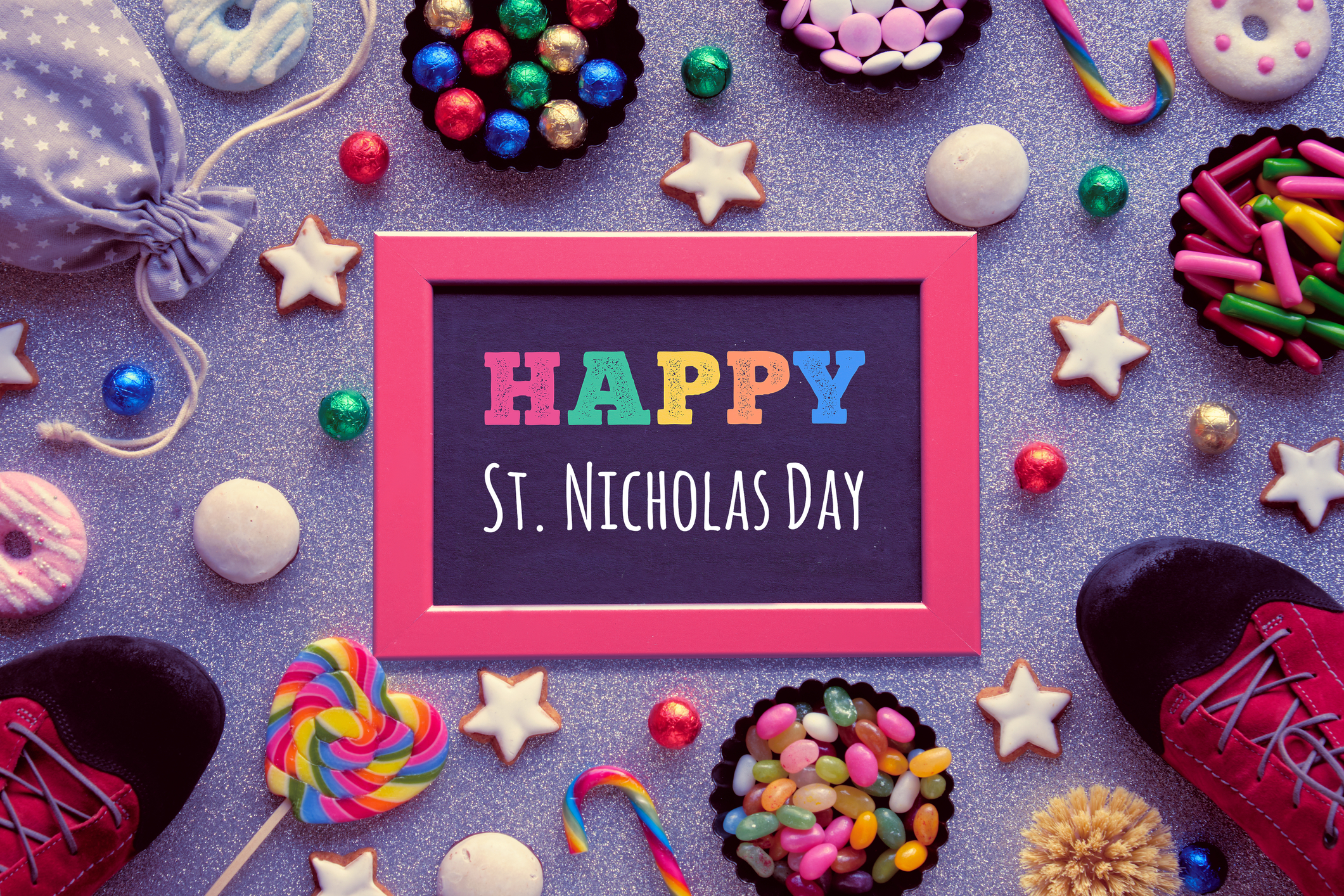
ID 259838346 ©Anyaivanova | Dreamstime.com
This guide brings you the origin of Saint Nicholas, the Romanian traditions that make this day so special, heartwarming customs from other countries, and the cultural meaning behind this early December celebration.
Saint Nicholas Day is more than a simple December 6 celebration – it’s a holiday rooted in kindness, generosity, and small acts of joy. In Romania and across Europe, these Saint Nicholas customs mark the true beginning of winter and bring families together through rituals that have lasted for generations.
This early-winter tradition is part of a wider tapestry of European winter traditions and Eastern European holiday traditions that continue to warm the season each year.
The Roots of Saint Nicholas: Who Was He?
Before Saint Nicholas Day became a holiday filled with gifts, sweets, and shiny apples, it began with a real historical figure: Saint Nicholas of Myra, a 4th-century bishop known for:
- his kindness and generosity,
- his habit of secret gift-giving,
- his protection of children, sailors, and the poor.
The most famous legend tells of Saint Nicholas secretly helping a poor family by leaving bags of gold coins at night – an act that would eventually inspire the tradition of leaving gifts in children’s shoes and the evolution of Santa Claus as we know him today.
Across Europe, this tradition grew into what we now celebrate on December 6, commonly known as:
- Moș Nicolae (Romania)
- Sinterklaas (the Netherlands)
- Mikulás (Hungary)
- Nikolaus (Germany & Austria)
- Święty Mikołaj (Poland)
What Saint Nicholas Day Represents Today
Beyond the legends, Saint Nicholas Day has come to symbolize kindness, generosity, and compassion. In many cultures, the holiday is meant to inspire small acts of giving – the kind that don’t require great expense but create meaningful memories.
For families, it’s the moment that brings warmth to early winter, a gentle reminder that the holiday season is not just about receiving gifts but about sharing joy. This symbolic meaning is what keeps Saint Nicholas Day so beloved across Europe.
And yes, children love to see what the saint put in their boots 🙂
Saint Nicholas in Romania: A Beloved Winter Tradition
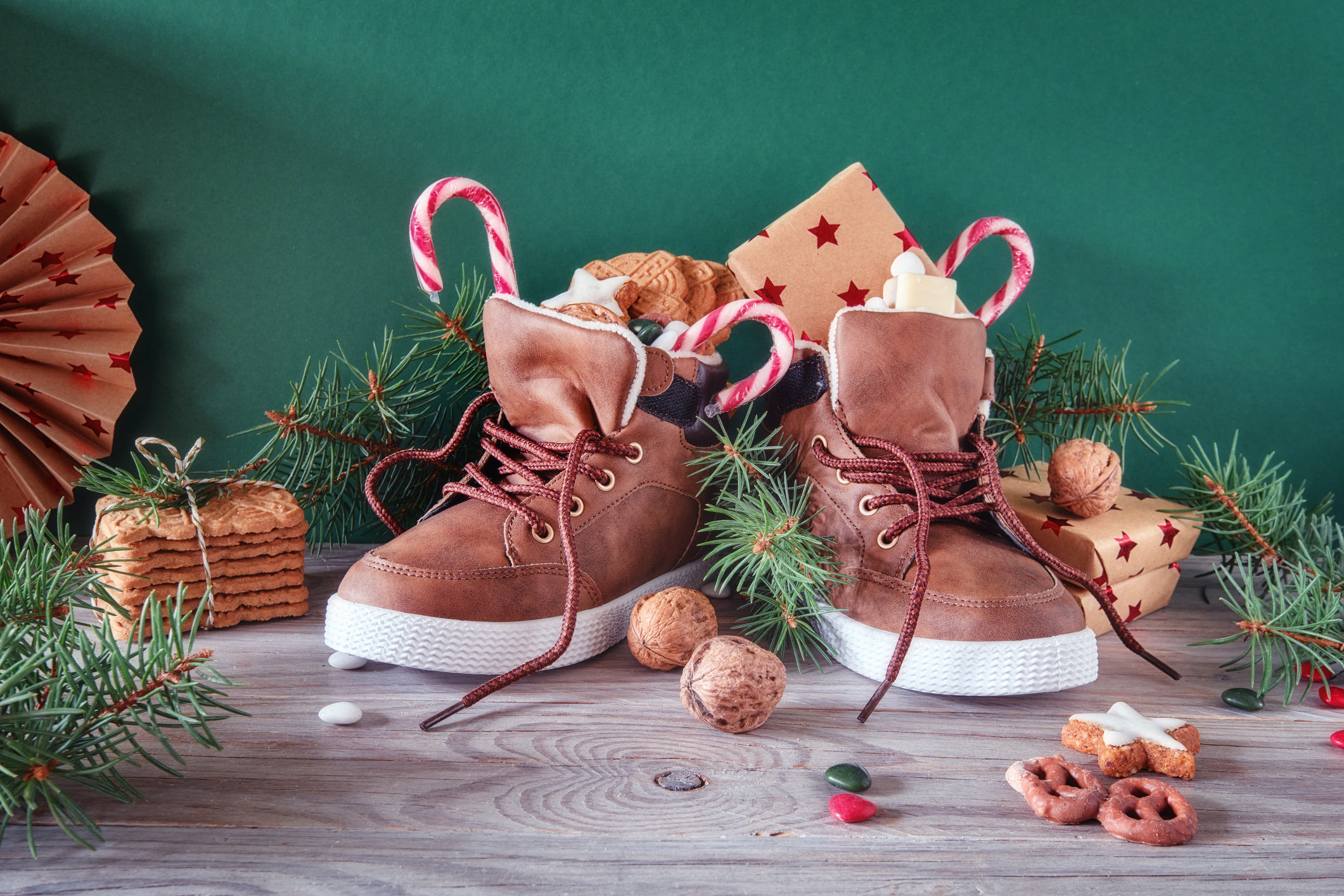
ID 293166975 ©Anyaivanova | Dreamstime.com
Growing up in Romania, Moș Nicolae was the first sign that winter had truly arrived. The cold air outside, the soft glow of the lamp inside, and the quiet excitement of cleaning your boots – because Santa may not check for dust, but Moș Nicolae certainly does.
I love this holiday!
Here’s how Saint Nicholas Day is celebrated in Romania:
1. Children Clean Their Boots on December 5
A timeless tradition: kids (and yes, even adults who still feel young at heart) clean their boots and place them by the door or windowsill.
In Romanian homes, there’s always a little laughter around the idea that “Moș Nicolae only brings gifts to kids who keep their boots clean.”
2. Gifts Appear Overnight
On the morning of December 6, kids wake up to find:
- sweets
- fruits (especially apples or oranges)
- nuts
- small toys
- chocolate figurines
- and sometimes… a symbolic stick (“nuielușă”), a gentle reminder to behave better.
The nuielușă isn’t punishment – it’s a cultural symbol, used playfully by parents and seen as a bit of folklore rather than discipline. This is the situation today, in the past, you would only receive such a stick – nuielușă – as a sign that you misbehaved and did not deserve gifts, and you have to do better next year. Yes, this resembles the sticks/switches carried by the companions of St. Nicholas in other regions (Knecht Ruprecht’s switches, Krampus’s bundle of twigs).
3. Family Breakfast and the Start of the Holiday Atmosphere
Nothing beats waking up early, cracking open the boots, comparing gifts with siblings, and starting the morning with the sweet smell of oranges.
It feels cosy, simple, intimate – the exact charm that makes Moș Nicolae in Romania so unforgettable.
If you’re curious about what you should put in boots for Saint Nicholas Day, the tradition is simple: small sweets, fruit, nuts, toys, and thoughtful gestures. These Saint Nicholas Day gifts for kids are meant to be symbolic rather than extravagant, capturing the gentle spirit of the holiday.
If you’re discovering this holiday for the first time, here’s how to celebrate Saint Nicholas Day at home: clean and place a pair of boots by the door on December 5, add a few small treats or handwritten notes, and enjoy a cosy December 6 breakfast together. These simple family traditions for Saint Nicholas Day are a lovely way to bring warmth and nostalgia into early winter.
Where Saint Nicholas Day Is Celebrated Today
Saint Nicholas Day is still widely celebrated in Europe – including Romania, Germany, the Netherlands, Hungary, Poland, the Czech Republic, Slovakia, Austria, Croatia, Belgium, Luxembourg, and parts of Switzerland.
In many regions, the holiday continues to evolve, blending traditional folklore with modern family customs. Although the United States does not observe Saint Nicholas Day nationally, some communities with German, Dutch, or Eastern European roots keep the tradition alive.
Saint Nicholas Traditions Around the World
If you’ve ever wondered why people celebrate Saint Nicholas Day on December 6, the answer lies in the many unique traditions found across Europe. While Romania has its own warm customs, Saint Nicholas Day traditions stretch across Europe – each with its own flavour and folklore.
The Netherlands – Sinterklaas Arrives by Boat
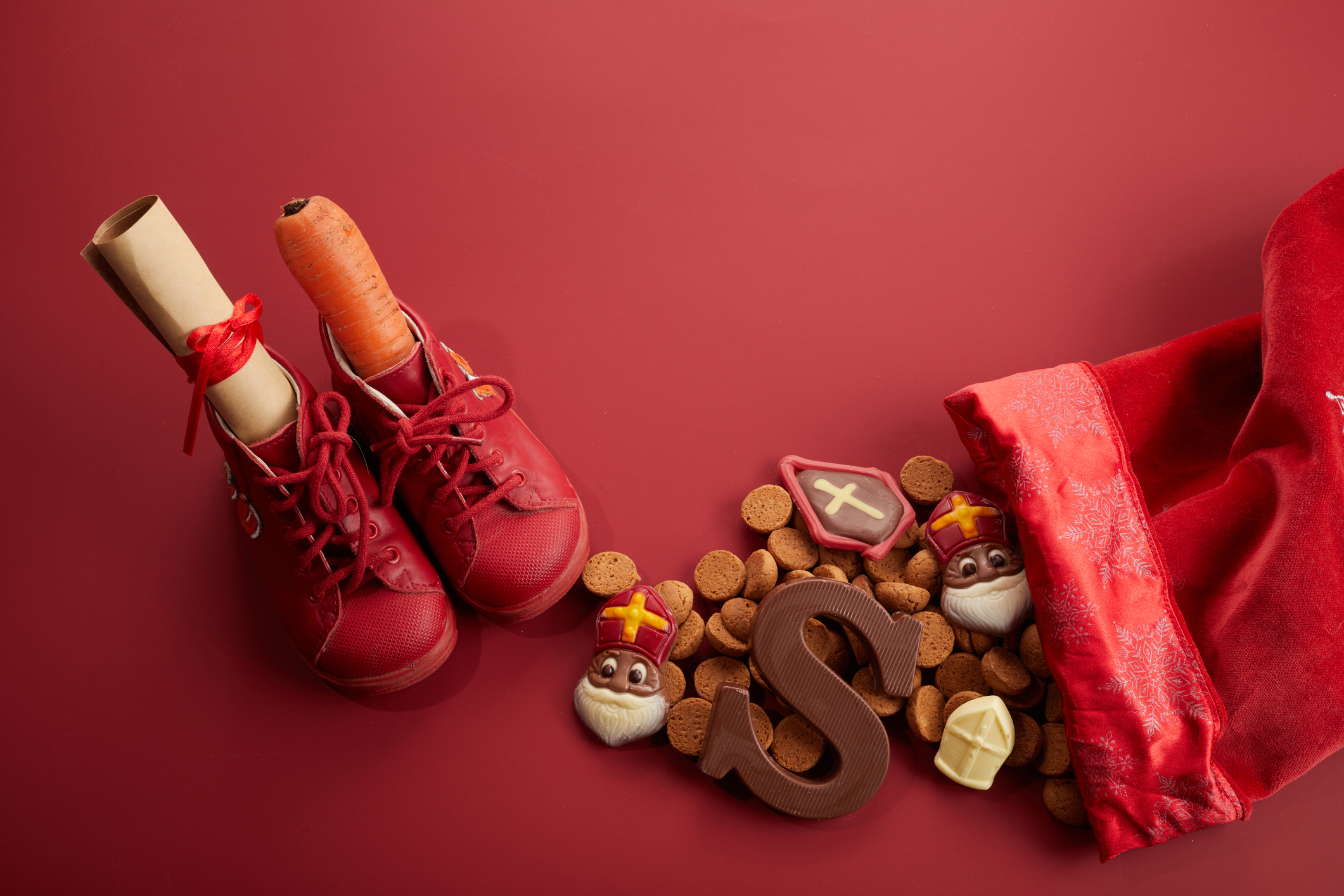
ID 262352421 ©Vetre Antanaviciute-meskauskiene | Dreamstime.com
In the Netherlands, Sinterklaas is not just a winter tradition – it is one of the most important cultural celebrations of the entire year. The festivities begin in mid-November when Sinterklaas arrives by steamboat from Spain, a beloved ritual popularized in the 19th century. His arrival is broadcast live on national television and followed by festive parades in nearly every city.
In the weeks leading up to his visit, children place their shoes by the fireplace or door – often with a carrot or hay for Sinterklaas’s white horse, Amerigo (or Ozosnel in recent years). In return, they receive small treats like chocolate letters, marzipan, pepernoten, and kruidnoten.
The main celebration, however, takes place on the evening of December 5, known as Sinterklaasavond or Pakjesavond (Presents Evening). This is when families gather to exchange gifts, often accompanied by humorous or heartfelt poems (surprises) – one of the most cherished Dutch holiday traditions.
While some families may enjoy a cosy breakfast on December 6 with leftover treats, the core gift-giving happens on the night of December 5, making it distinct from Saint Nicholas Day customs in many other countries.
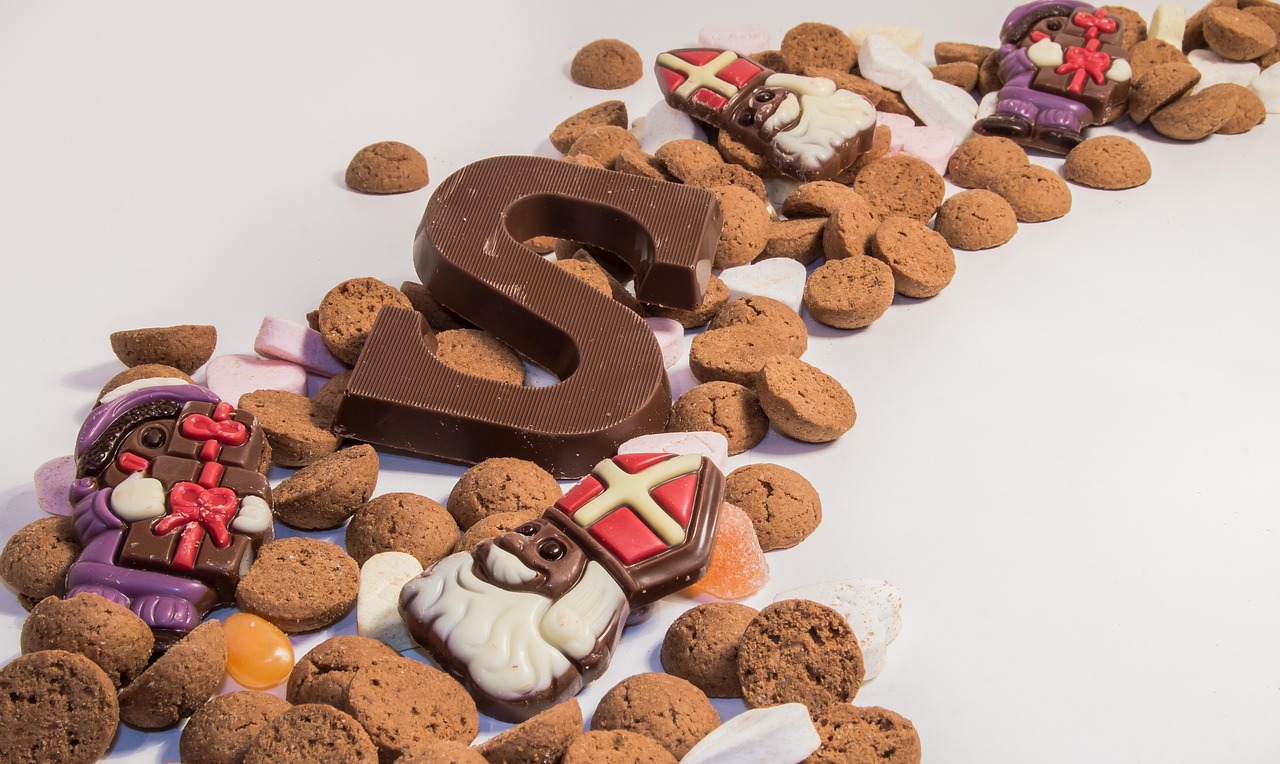
Photo source: Pixabay
Germany – Nikolaus and Knecht Ruprecht
In Germany, Nikolaustag is celebrated on December 6, and children eagerly place a polished boot (Nikolausstiefel) outside their door on the night of December 5. Saint Nicholas fills it with chocolates, nuts, oranges, and small toys.
In many regions, Nikolaus is accompanied by Knecht Ruprecht, a figure dating back to medieval morality plays. Historically, Ruprecht represented discipline and carried a sack or bundle of switches, though in modern celebrations, he is more of a symbolic reminder to behave.
In Bavaria and parts of Austria, similar roles are played by Krampus or Klaubauf. Many German towns host Nikolaus processions, and in schools, Saint Nicholas sometimes visits classrooms, reading from his “golden book” noting each child’s strengths before offering sweets.
Hungary – Mikulás Day
In Hungary, Mikulás visits on the night of December 5, leaving small gifts in children’s polished boots placed on windowsills – a detail believed to help Mikulás spot them easily as he passes by. Traditional treats include chocolate Santas, candies, mandarins, and peanuts.
Hungarian folklore also includes Krampusz, a horned, mischievous figure who may leave a symbolic bundle of twigs (virgács) for children who misbehaved. Modern celebrations, however, treat Krampusz lightly, often as a humorous or theatrical companion rather than a frightening presence.
Mikulás Day marks the start of Hungary’s festive season, and many schools and workplaces hold small gift exchanges in early December.
Czech Republic – Saint Nicholas, Angel & Devil
The Czech Republic brings Saint Nicholas traditions to life through colourful street performances held on December 5. Known as Mikuláš, he roams town squares accompanied by an angel (anděl) and a devil (čert). This trio creates a playful scene: children recite poems, sing songs, or promise to behave better in exchange for sweets or fruit.
If the devil appears with his rattling chains, it is all in good fun – he adds theatrical flair rather than fear. Mikuláš celebrations often fill the evening streets with families, lights, and laughter, making it one of the country’s most anticipated early-winter traditions.
Poland – Święty Mikołaj
In Poland, Święty Mikołaj visits children on the morning of December 6, leaving sweets, chocolate figurines, tangerines, and small gifts under pillows or in polished shoes.
Interestingly, Polish traditions vary by region. In some areas, Mikołaj also returns during the Christmas festivities on December 24 to deliver presents under the tree, while in other regions, gifts on Christmas Eve are brought by different figures – such as the “Star Man,” the Baby Jesus (Dzieciątko), or the “Little Angel.”
Schools and kindergartens in Poland often organize Mikołajki celebrations, where teachers or hired performers dress as Saint Nicholas to distribute treats.
Moș Nicolae vs. Moș Crăciun (Saint Nicholas vs. Santa Claus)
Romanians celebrate two winter gift-givers (we are lucky 🙂 ):
Moș Nicolae
- arrives on December 6
- brings small gifts in shoes
- focuses on simplicity and tradition
- rooted in early Christian legends
Moș Crăciun (Santa Claus)
- arrives on December 24–25
- brings bigger presents under the tree
- linked to modern Christmas celebrations
Think of Moș Nicolae as the warm-up to Christmas, a gentle reminder of the season’s values: generosity, kindness, and childhood wonder.
Why Saint Nicholas Day Still Matters Today
In a world full of commercial Christmas shopping, ads, and pressure for big presents, there is something deeply comforting about the simplicity of Saint Nicholas Day.
It’s not about spending.
It’s not about perfect decorations.
It’s about tradition, family, and the warmth of rituals passed from one generation to the next.
It’s a holiday where small gifts carry big meaning – an orange that tastes like childhood, a chocolate you remember for years, a tiny toy you keep as an adult.
How You Can Celebrate Saint Nicholas Day at Home
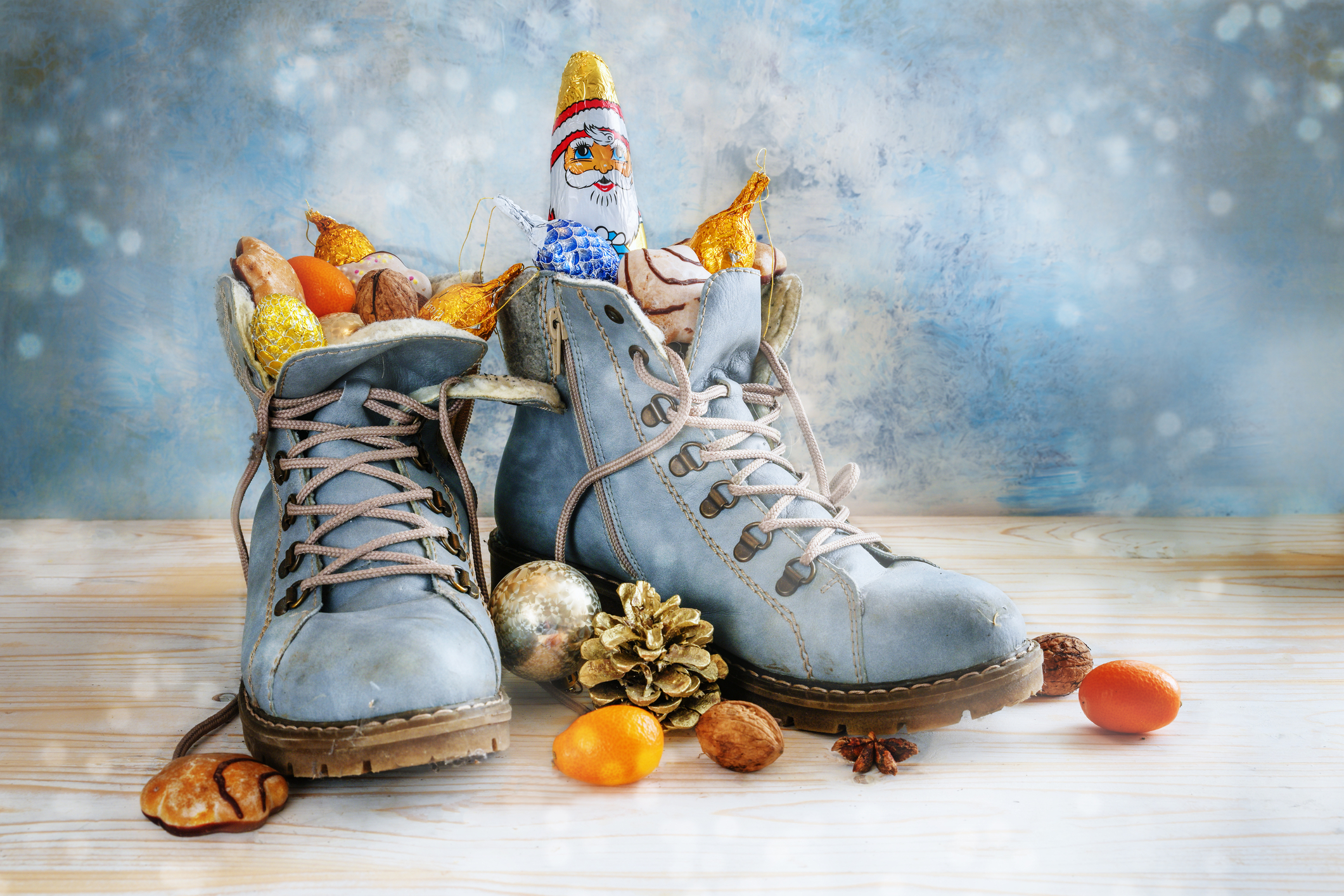
ID 297132608 ©Maren Winter | Dreamstime.com
Even if Saint Nicholas Day wasn’t part of your childhood, it’s a beautiful tradition you can start easily at home. A few simple ideas:
- Leave a pair of clean boots or shoes by the door on December 5.
- Add small surprises like a mandarin, nuts, a chocolate figure, or a handwritten note.
- Read a short story or legend about Saint Nicholas of Myra.
- Light a candle or enjoy a cosy family breakfast on December 6.
These simple gestures capture the spirit of Saint Nicholas: small gifts with big meaning.
The Charming Magic of December 6
Whether you grew up celebrating Moș Nicolae in Romania, experienced Sinterklaas in the Netherlands, or are discovering Saint Nicholas traditions for the first time, one thing is certain:
This holiday brings a special kind of joy – gentle, nostalgic, and quietly magical.
On Earth’s Attractions, where we love exploring culture through stories, food, and traditions, Saint Nicholas Day is one of those celebrations that connects people across borders.
So wherever you are this December 6:
- Polish your boots,
- light a candle,
- and let the cosy magic of Saint Nicholas arrive at your door.
If you’re searching for quick answers about Saint Nicholas traditions, these frequently asked questions will help clarify the meaning and customs of this beautiful December 6 celebration.
Saint Nicholas Day FAQ (Quick Answers)
Is Saint Nicholas the same as Santa Claus?
They share the same historical root, but Saint Nicholas (celebrated on December 6) comes from older Christian legends, while Santa Claus is the modern Christmas figure celebrated on December 24–25.
Why do people clean their boots for Saint Nicholas?
The tradition comes from legends of Saint Nicholas secretly leaving gifts for the needy. Clean shoes symbolize respect and readiness to receive kindness.
Do adults celebrate Saint Nicholas Day too?
Yes – in many countries, adults exchange small gifts or sweets, often as a nostalgic or romantic gesture.
Is Saint Nicholas Day religious?
It has Christian origins but is widely celebrated culturally, even by families who are not religious.