
If coffee is part of your morning too, you probably know the feeling. There’s the smell while it’s brewing, that first hot sip, and the sense that the day can finally begin properly. For me, it’s one of the best parts of the morning, and I enjoy the whole thing – making it, drinking it slowly, and having those few minutes before the day really starts.

Coffee has also been linked to something much bigger than a morning energy boost: in large observational studies, people who drink coffee regularly often have a lower risk of dying during the study period than people who don’t drink it.
The question I wanted answered is how much coffee seems to be associated with the best outcomes. Is it one cup, two, three, four – or does the amount matter less than we think?
The research has become more interesting in the last few years because scientists are no longer looking only at the number of cups. Newer studies have examined when people drink coffee, what they add to it, whether it is filtered or instant, and how coffee consumption relates to biological aging.
One important point to keep in mind from the start: most coffee-and-longevity research is observational. Researchers can identify strong associations, but these studies cannot prove that drinking a certain number of cups directly causes a longer life.
“Coffee is a hug in a mug.” – Unknown
Why Coffee Has Been Linked With a Longer Life
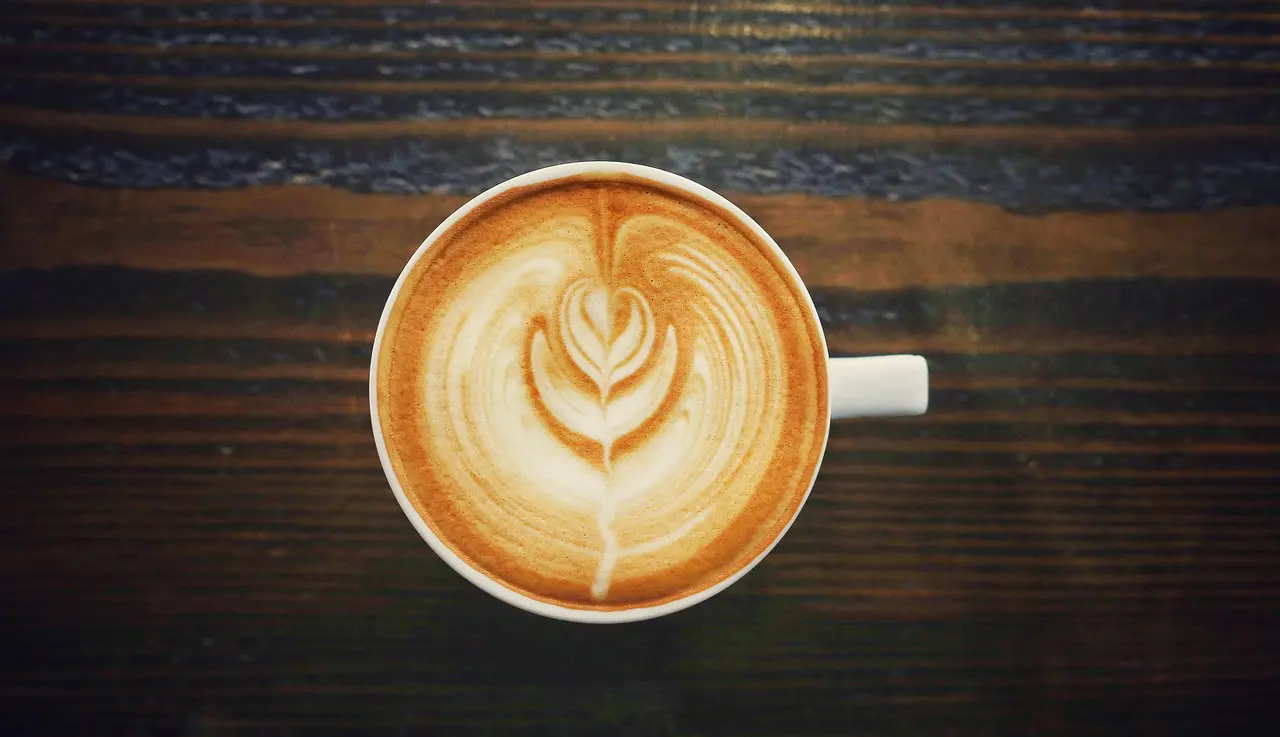
Coffee is much more than caffeine. It contains polyphenols and many other biologically active compounds, including chlorogenic acids, that researchers have studied for possible effects on inflammation, glucose metabolism, liver health and cardiovascular function.
A major BMJ umbrella review published in 2017 brought together evidence from hundreds of meta-analyses and found that coffee consumption was more often associated with benefit than harm across a wide range of health outcomes. The largest relative risk reductions for several outcomes, including all-cause mortality and cardiovascular mortality, tended to appear around three to four cups per day.
The important word is associated. Coffee drinkers and non-coffee drinkers can differ in many other ways, and even carefully adjusted observational studies cannot remove every possible confounding factor.
1. Heart and Blood Vessels
Older large reviews found moderate coffee consumption associated with lower cardiovascular mortality and lower risk of some cardiovascular outcomes, especially stroke.
Newer evidence makes the picture more nuanced rather than overturning it. A 2026 systematic review and meta-analysis of 38 studies involving more than 2.8 million participants found that higher coffee consumption was associated with a lower risk of stroke, especially ischemic stroke, and a lower pooled risk of arrhythmias. However, the analysis found no significant overall association with coronary heart disease or heart failure, while the highest coffee-intake categories were associated with a higher pooled risk of myocardial infarction.
The cardiovascular effects of coffee therefore don’t fit neatly into “coffee protects the heart” or “coffee is bad for the heart.” The outcome being studied, the amount consumed, brewing method, individual sensitivity and existing health conditions can all influence the picture.
Another large prospective UK Biobank study involving 188,091 people who were free of cardiometabolic disease at the start found that moderate coffee consumption – three drinks per day in that analysis – was associated with the lowest risk of developing cardiometabolic multimorbidity, defined as having at least two of type 2 diabetes, coronary heart disease and stroke.
2. Type 2 Diabetes
Coffee – both caffeinated and decaffeinated – has repeatedly been associated with a lower risk of type 2 diabetes.
A large dose-response meta-analysis involving more than one million participants found that both regular and decaf coffee were inversely associated with type 2 diabetes risk. The association strengthened as coffee consumption increased across the range studied, although that doesn’t mean drinking ever-larger quantities is a good idea for an individual.
3. Liver Health
Evidence on coffee and liver health is among the most consistent in coffee research.
A UK Biobank study of almost half a million people found that coffee drinkers had lower adjusted risks of chronic liver disease and death from chronic liver disease than non-drinkers. The associations were seen with decaffeinated, instant and ground coffee, with the strongest apparent benefit generally leveling off around three to four cups per day.
4. Brain and Mood
Coffee and caffeine have been studied in relation to neurological and mental-health outcomes too.
A 2020 meta-analysis found caffeine consumption associated with a lower risk of Parkinson’s disease and a slower rate of disease progression in some analyses.
Depression is a separate question and needs separate evidence. A 2023 systematic review and dose-response meta-analysis involving more than 422,000 participants found higher coffee and caffeine intake associated with a lower risk of depressive symptoms, although the authors emphasized that the evidence does not establish causation.
Coffee is also one of the foods and drinks I’ve included when looking at focus, memory and mental energy, where the amount and timing of caffeine are just as important as the temporary alertness boost.
The Flip Side: When Coffee Can Backfire
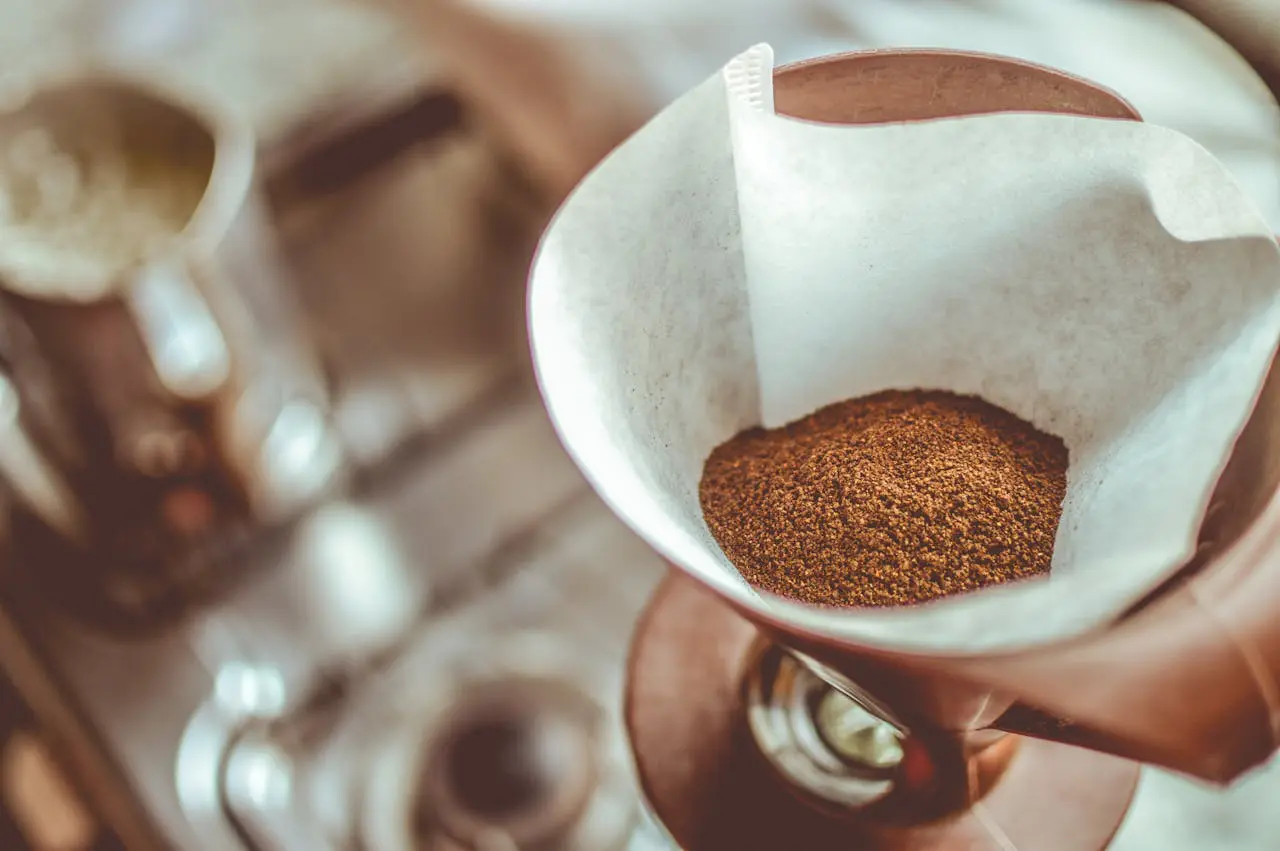
Coffee isn’t automatically beneficial for everyone, and what feels completely normal for one person can cause unpleasant symptoms in another.
Cholesterol: Unfiltered coffee – including boiled coffee, French press and Turkish-style coffee – contains more cafestol and kahweol, compounds that can raise LDL cholesterol. A long-running Norwegian study found more favorable mortality associations with filtered coffee than unfiltered coffee. If LDL cholesterol is a concern, paper-filtered coffee is the more cautious choice.
Pregnancy: Pregnancy is one of the areas where high caffeine intake has been associated with adverse outcomes in observational research. The European Food Safety Authority states that caffeine intake from all sources up to 200 mg per day does not raise safety concerns for the fetus. A 2024 study using observational and Mendelian-randomization methods found little evidence for a causal effect of maternal coffee consumption on childhood neurodevelopmental difficulties, but it did not establish that unlimited coffee during pregnancy is safe. I did not drink coffee while pregnant because my doctor recommended eliminating caffeine. Individual medical advice matters here.
Sleep: Caffeine can interfere with sleep even when you don’t feel especially stimulated. EFSA notes that a single 100 mg dose may affect sleep duration and patterns in some adults when consumed close to bedtime. How late is “too late” varies considerably because people metabolize caffeine at different rates.
Anxiety, jitters and palpitations: Higher caffeine intake can cause nervousness, tremor, a racing heartbeat or digestive symptoms in sensitive people. The FDA cites 400 mg of caffeine per day as an amount not generally associated with negative effects for most adults, but sensitivity varies widely.
Decaf Counts Too
It would be easy to think the apparent health associations disappear once caffeine is removed, but large observational studies have found otherwise.
A large JAMA Internal Medicine study of nearly 500,000 UK Biobank participants found inverse associations between coffee drinking and all-cause mortality for ground, instant and decaffeinated coffee. Similar findings for decaf have appeared in liver research as well.
The fact that decaffeinated coffee repeatedly shows similar associations suggests caffeine cannot be the whole explanation. Coffee contains many other compounds that may contribute.
For anyone who loves coffee but doesn’t tolerate much caffeine, decaf is not “cheating.” It can be a very practical way to keep the ritual without pushing caffeine intake higher.
So Where Is the Longevity “Sweet Spot”? The Best Answer Is a Range, Not a Magic Number
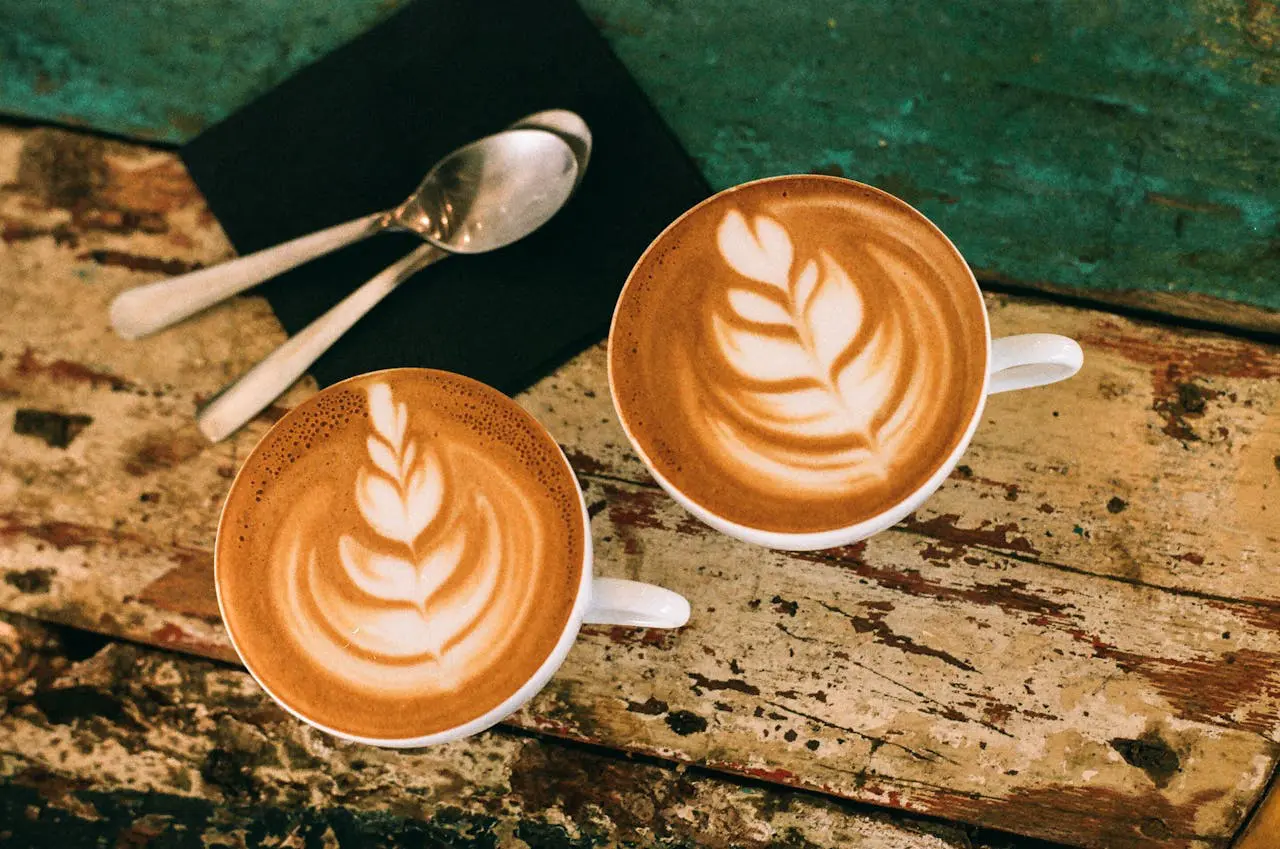
The old version of this article called three cups a “magic number.” After reviewing both the older and newer research, I no longer describe it that way.
A more accurate conclusion is that moderate coffee consumption – often somewhere around two to four cups per day in large studies – is consistently associated with favorable longevity outcomes, but there is no scientifically proven number of cups that everyone should drink.
Several major studies help explain why the two-to-four-cup range appears so often:
- A large European study involving more than half a million people across 10 countries found coffee consumption associated with lower all-cause mortality. The researchers did not establish a single universal “cup” size across Europe, so converting its findings into one exact number of milliliters would be misleading.
- The 2018 UK Biobank study found lower mortality among coffee drinkers across intake categories ranging from one cup to eight or more cups per day. That finding should not be read as advice to drink eight cups; it shows that the association was not limited to people drinking only two or three.
- The BMJ umbrella review found that the largest relative risk reductions for several outcomes were generally seen around three to four cups per day.
- A newer 2025 US prospective cohort study of 46,222 adults found lower all-cause mortality among people drinking one to less than two, two to less than three, and three or more cups per day compared with non-drinkers. The lowest hazard ratio in that study appeared in the two-to-less-than-three-cup group.
Perhaps the most attention-grabbing recent result came from another 2025 US cohort study involving 43,114 adults. Researchers estimated remaining life expectancy at age 50 and found that people drinking one to two cups of coffee per day had an estimated life expectancy about 2.02 years longer than non-drinkers.
The finding shouldn’t be read as evidence that two cups of coffee add two years to your life. The researchers modeled life expectancy from observational data. People who drink one or two cups may differ from non-drinkers in many ways that researchers cannot fully measure. The result is fascinating, but it is an association, not proof that coffee causes a two-year effect.
“What goes best with a cup of coffee? Another cup.” – Henry Rollins
How Studies Measure Coffee: Why “One Cup” Isn’t a Universal Amount

One reason coffee headlines can be confusing is that a “cup” is not standardized across every study, country or household.
Some studies ask participants how many cups they usually drink. Others measure milliliters, use dietary recalls, or analyze categories based on the distribution of coffee consumption in a particular population. An espresso, a 150 ml home-brewed cup and a large 12-ounce coffee are clearly not equivalent.
The EPIC European study, for example, collected coffee intake in milliliters and evaluated consumption within country-specific distributions. The UK Biobank study asked participants how many cups they drank per day, but it did not establish that every reported cup contained exactly 237 ml.
Caffeine varies just as much. Bean type, brewing method, serving size and preparation can change the caffeine dose considerably, which is why safety guidance is better expressed in milligrams of caffeine than in a fixed number of cups.
For most healthy adults, EFSA and the FDA use 400 mg of caffeine per day as the general upper level that is not usually associated with safety concerns. That is not permission to keep adding cups until you reach a mathematical limit; personal tolerance, medications and health conditions can change what is appropriate.
New Research Suggests When You Drink Coffee May Matter Too
One of the most interesting newer findings has nothing to do with adding or subtracting a cup.
A 2025 European Heart Journal study examined coffee-drinking timing in 40,725 US adults. Researchers identified two main patterns: people who drank coffee primarily in the morning and people who drank it throughout the day.
Compared with non-coffee drinkers, the morning coffee pattern was associated with a 16% lower adjusted risk of all-cause mortality and a 31% lower adjusted risk of cardiovascular mortality. The all-day coffee pattern was not significantly associated with lower mortality.
It is a fascinating result, especially because I naturally drink my coffee in the morning, but it needs to be interpreted carefully. This was observational research, and the authors themselves called for more work on coffee timing. People who drink coffee only in the morning may differ from all-day coffee drinkers in sleep, work schedules, diet and other habits.
The finding fits with the growing research interest in meal timing and longevity, but we are still far from being able to say that moving a cup from 3 p.m. to 9 a.m. will directly extend your life.
What You Put in Your Coffee May Change the Picture
The coffee itself isn’t always the only thing in the cup.
The 2025 Journal of Nutrition study, which followed more than 46,000 US adults, looked specifically at black coffee and coffee with added sugar and saturated fat.
The study found a lower-mortality association with black coffee and with coffee with relatively low amounts of added sugar and saturated fat. The association was diminished when those additions were higher.
This is a much better reason to watch the extras than the old idea that one spoonful of sugar somehow “cancels” coffee’s benefits. Research does not support such an all-or-nothing rule. If sweet coffee has gradually turned into dessert in a cup, though, cutting back can help, and I’ve shared several practical ways to reduce sugar without making everything taste miserable.
I drink my coffee black or with some milk, so there’s that.
Does Brewing Method Matter?
Brewing method has been part of the coffee-health discussion for years because paper filters remove much of the cafestol and kahweol found in unfiltered coffee.
A long-term Norwegian study involving more than 500,000 people found that filtered coffee had more favorable mortality associations than unfiltered coffee.
Then, in July 2026, researchers published a UK Biobank analysis of 49,414 participants looking at three measures of biological aging. Filtered coffee consumption was associated with lower biological-age acceleration, while drinking more than three cups of instant coffee per day was associated with greater acceleration on one of the main biological-age measures. Similar patterns appeared in the other aging markers.
The 2026 study did not measure whether filtered coffee made people live longer or instant coffee shortened life. It examined biomarkers of biological aging in an observational dataset. It is new evidence worth watching, not a reason to panic if you drink instant coffee.
If you already prefer paper-filtered coffee, though, the combination of cholesterol research and newer biological-aging data gives that brewing method a reasonable edge.
Coffee Around the World: More Than Just a Drink
Coffee is deeply cultural. The famous Ethiopian story of Kaldi and his energetic goats is a legend rather than established historical fact, but coffee’s global importance is very real.
The claim that coffee is “the second most traded commodity in the world” is repeated constantly online, but it isn’t a reliable fact. The Food and Agriculture Organization of the United Nations describes coffee as the world’s most widely traded tropical product and one of the most globally traded commodities.
Different cultures celebrate it differently:
- Italy: Espresso is woven into everyday café culture.
- Turkey: Coffee is traditionally prepared unfiltered, with a distinctive thick texture, and is strongly associated with hospitality.
- United States: Drip coffee, large takeaway cups and endless variations have made coffee part of the daily routine for millions.
- Nordic countries: Coffee consumption per person is among the highest in the world.
The social side matters too. Coffee can be a reason to stop working for a few minutes, meet someone, talk, or simply enjoy a quiet morning ritual. I’ve looked more closely at those everyday coffee habits in a separate article, because the drink is only one part of the routine surrounding it.
“Science may never come up with a better office communication system than the coffee break.” – Earl Wilson
Practical Tips: How to Keep the Benefits Without Chasing a “Perfect” Number
- Think moderate, not maximum. If you already enjoy coffee and tolerate it well, roughly two to four cups per day falls within the range most often associated with favorable outcomes in large observational studies. One or two cups can also fit very well with the research.
- Pay attention to caffeine, not just cups. Coffee servings vary enormously. For most healthy adults, 400 mg of caffeine per day is the commonly cited general safety level, while pregnancy guidance is lower.
- Consider a paper filter if cholesterol is a concern. It removes much of the cafestol and kahweol found in unfiltered coffee.
- Keep additions reasonable. A little milk or sugar is not a disaster, but a heavily sweetened drink with large amounts of cream, syrup and whipped topping is nutritionally very different from black coffee.
- Drink it earlier if caffeine affects your sleep. The new timing research makes morning coffee especially interesting, but good sleep is a more immediate reason to avoid caffeine late in the day.
- Decaf is a valid option. Large studies have found favorable associations with decaffeinated coffee too.
- Don’t use coffee to fight chronic exhaustion. Caffeine can improve alertness temporarily, but it cannot replace sleep or solve an underlying health problem.
- If coffee bothers your stomach, adjust the routine rather than assuming you have to quit. Whether coffee on an empty stomach causes symptoms depends a lot on the person.
So, How Many Cups a Day Should You Drink?
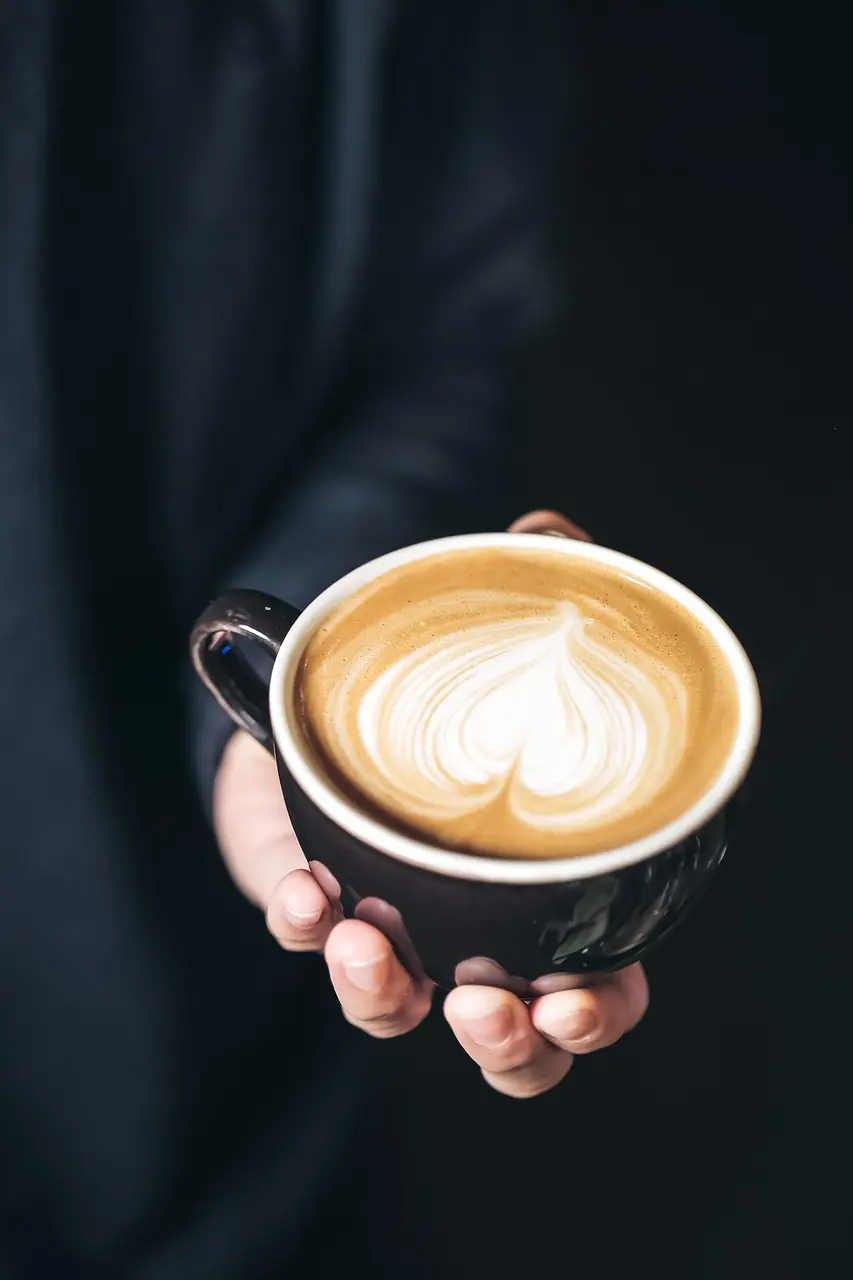
There is no scientifically proven number of cups that everyone should drink for a longer life.
If you are a healthy adult who already drinks and tolerates coffee, roughly two to four cups per day is a reasonable summary of the range that repeatedly appears in longevity research. The newer evidence does not contradict that range, but it shows why calling three cups a “magic number” would be misleading.
One or two cups can still be associated with favorable outcomes, and the 2025 life-expectancy study actually found its largest estimated difference in the one-to-two-cup group. Some studies have found lower mortality even at much higher intake levels, but that is not evidence that more coffee is better.
Your personal limit may be lower because of sleep, anxiety, palpitations, pregnancy, medications or another health condition. Decaf can make sense if you love coffee but don’t want more caffeine.
I prefer two cups of black coffee in the morning, about 200 ml each. It happens to fit comfortably within the range studied, but I don’t drink two cups because research has proved that exact amount will make me live longer.
My Conclusion
Coffee remains one of the more reassuringly studied everyday habits. Large cohorts and meta-analyses have repeatedly found that moderate coffee drinkers tend to have lower all-cause mortality than non-drinkers, and newer studies published in 2024, 2025 and 2026 have largely confirmed the association while adding important detail about timing, additives and brewing method.
The strongest scientifically responsible takeaway is not “drink three cups and live longer.” It is that moderate coffee consumption can be part of a healthy lifestyle and is consistently associated with favorable long-term health outcomes in observational research.
I wouldn’t start drinking coffee purely because of a longevity headline, and I wouldn’t increase an amount that already makes me jittery or interferes with sleep. For people who enjoy it and tolerate it well, however, there is little reason to feel guilty about that morning cup – or two.
Coffee is only one small piece of the longevity puzzle. Diet, movement, sleep, relationships and other habits linked with a longer life matter far more than trying to optimize a drink down to the last milliliter.
“Coffee is the best thing to douse the sunrise with.” – Terri Guillemets
Quick Disclaimer
This article is for informational purposes only and is not medical advice. Coffee and caffeine affect people differently. If you’re pregnant or breastfeeding, take medication that interacts with caffeine, have a heart rhythm problem, uncontrolled blood pressure, significant anxiety, sleep problems or another medical condition, ask your doctor or another qualified health professional what level of coffee or caffeine is appropriate for you.

Frequently Asked Questions About Coffee and Longevity
Is 5 cups of coffee a day too much?
Not necessarily, but the number of cups is a poor way to calculate caffeine intake because serving sizes and caffeine concentrations vary so much. For most healthy adults, the FDA and EFSA cite up to 400 mg of caffeine per day as an amount that generally does not raise safety concerns. Five small, weak coffees and five large, strong coffees can deliver very different amounts of caffeine.
Does decaf coffee have health benefits?
Yes. Large observational studies have found favorable associations between decaffeinated coffee and outcomes including all-cause mortality and liver disease. That suggests coffee’s non-caffeine compounds may contribute to the associations seen in research.
How much caffeine is considered safe per day?
For most healthy adults, EFSA and the FDA use 400 mg per day as the general level not associated with safety concerns. EFSA advises that pregnant women keep total caffeine intake from all sources at or below 200 mg per day. Personal sensitivity can be much lower than these limits.
Does coffee raise cholesterol?
It can, depending on how it is brewed. Unfiltered coffee contains cafestol and kahweol, compounds that can raise LDL cholesterol. Paper filtering removes much of these compounds, so filtered coffee is generally the better choice if LDL cholesterol is a concern.
What’s the best time of day to drink coffee?
Morning may be the most interesting answer based on current research. A 2025 observational study found that people with a morning coffee-drinking pattern had lower all-cause and cardiovascular mortality than non-coffee drinkers, while an all-day coffee pattern did not show the same significant association. The study does not prove that morning coffee causes the difference, but avoiding caffeine later in the day can also help protect sleep.
Does drinking two cups of coffee add two years to your life?
No study can currently prove that. A 2025 observational analysis estimated that adults drinking one to two cups per day had about 2.02 additional years of life expectancy at age 50 compared with non-drinkers. That is a modeled association, not proof that coffee itself caused two extra years of life.
Is filtered coffee healthier than instant coffee?
Filtered coffee has an advantage because it removes the cholesterol-raising compounds found in unfiltered preparations. A 2026 UK Biobank study also found filtered coffee associated with more favorable biological-aging markers, while higher instant-coffee consumption was associated with less favorable markers. Because that study measured biological-aging biomarkers rather than lifespan and was observational, it is too early to conclude that instant coffee shortens life.
Photo sources: 1, 2, 3, 4, 5, 6, 7, 8
More amazing articles for you:
Your Messages May Be Getting Ignored Because the Ask Feels Too Big - Here’s the Smaller Request That...
Paris in 24 Hours: The Ultimate First-Timer’s Itinerary
Your Ultimate Melbourne Guide: Top Attractions, Hidden Gems, Food & Travel Tips
Scientists Analyzed Millions of People - and Found the Personality Trait That Quietly Adds Years to ...
A Local Reveals the Best of the Dominican Republic - Go Before the Crowds Catch On
The Moment You Start Doing This, People Stop Taking You Seriously - Here’s What They Notice First
Indian Dishes You Have To Try At Least Once In Your Lifetime
This Hidden Toy Museum in Munich Will Take You Straight Back to Childhood

Violeta-Loredana Pascal is a communications expert, business mentor, and the founder of Earth’s Attractions and PRwave INTERNATIONAL. A pioneer in the Romanian digital PR landscape since 2005, she holds a degree in Communication and Social Sciences from SNSPA Bucharest. Violeta is a senior trainer at AcademiadeAfaceri.ro, where she leverages over 20 years of experience to teach professional courses in PR strategy and workplace productivity. By blending high-level business consulting with a passion for holistic travel and wellness, she empowers solopreneurs to overcome procrastination, build profitable brands, and design a life of purposeful adventure.