
Going out to a restaurant – special occasion or not – should be a pleasant experience. Enjoying a good meal, nice service, the company of those you’re with, or perhaps celebrating an event you’ve been looking forward to.
But imagine sitting down, choosing something from the menu, and then having the restaurant’s manager approach your table. You have no idea what’s coming, and what happens next is… simply unbelievable.
Unfortunately, several customers have found themselves in situations like this, and some of their experiences are quite surprising. In fact, in one famous resort town, things went so far that the mayor – yes, you read that correctly – got involved!
They Waited Two Hours for a Table at a New York Restaurant. Then the Manager Approached Them
ID 12400651 ©Retina2020 | Dreamstime.com
In December 2025, a woman named Helen Kogan left a Google review describing what she said happened to her and her boyfriend at French Diner in New York City.
According to Kogan, the couple had been visiting the restaurant for their anniversary for three years. They were both graduate students, and they saved up for a meal there to enjoy on special occasions.
On this particular Saturday, they arrived approximately ten minutes before opening, put their names down and waited two hours before they were finally seated.
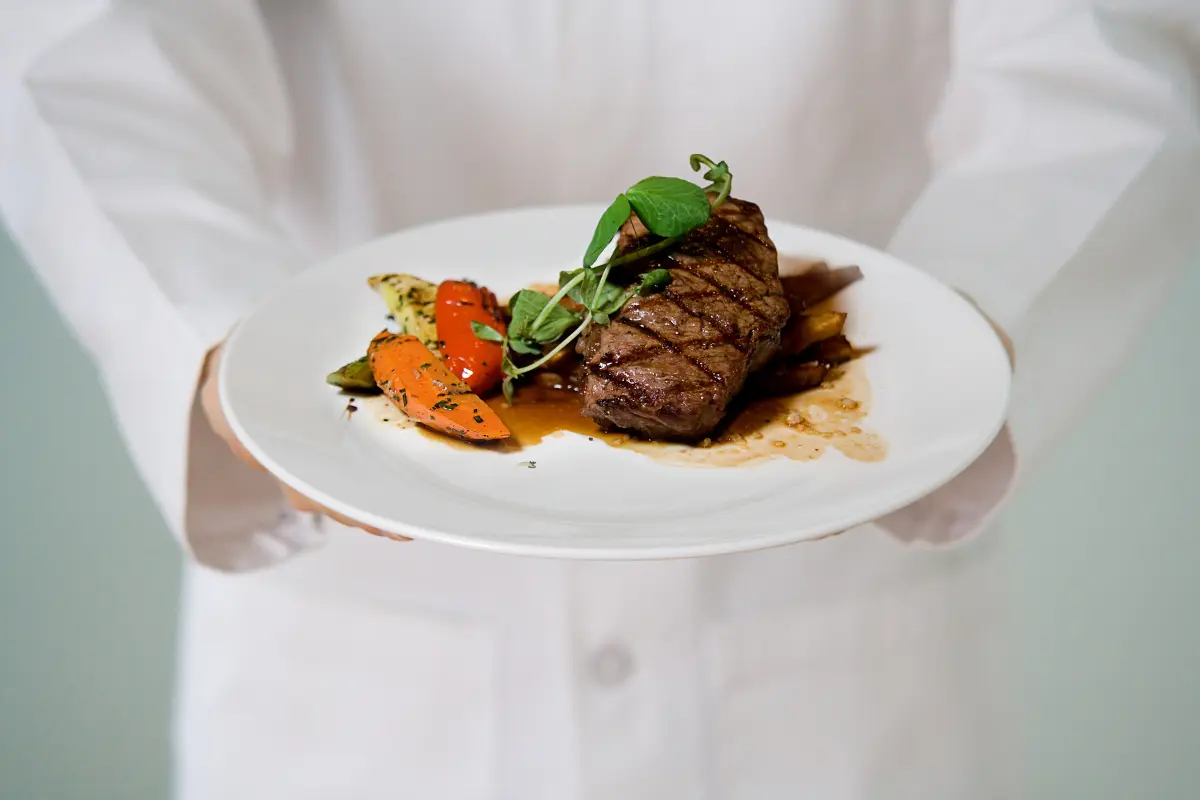
They ordered an octopus dish for $29 and a hanger steak for $45.
That’s $74 for two dishes, before any tax or tip.
For the couple, it was a meaningful expense. They had deliberately chosen a restaurant they loved and were prepared to pay for the experience.
But according to the review, someone the customer identified as the manager or owner approached their table and objected to the amount they were ordering.
Kogan alleged that the person told them the restaurant couldn’t afford to have customers spending so little on a Saturday night.
The couple said they couldn’t afford to order more. According to Kogan, they were then told that they would have to leave unless they increased their order.
Her review, reproduced on Foodeist, was titled:
“KICKED OUT FOR NOT ORDERING ENOUGH.”
She also said the couple had ordered the same combination of dishes on several previous visits without any problems.
And there was another detail in her account that I found upsetting. She described both as graduate students earning very little, saying they saved money to afford dinners like this. They had spent years choosing this restaurant for their anniversary. After waiting two hours, they were allegedly made to feel unwelcome.
“We were heartbroken.”
According to her account, they would have appreciated being told about any minimum-spend requirement before putting their names down and waiting for a table.
It seems like a reasonable request to me. If a restaurant requires customers to spend a certain amount on Saturday evenings, why wouldn’t that condition be communicated before they sit down?
I should add that this is a customer’s account published in a review, not an incident independently established by a news investigation. I haven’t found a public response from the restaurant addressing this specific allegation. Still, the situation raises a question I hadn’t considered much before: if $74 worth of food for two people isn’t enough, how much should customers be expected to spend?
And the New York couple wasn’t the only diners to report that their order wasn’t acceptable.
Four Tourists in Croatia Ordered Pancakes. The Waiter Allegedly Told Them to Leave
In 2026, Hungarian news outlet Blikk reported another dispute, this time involving four young Hungarian tourists vacationing on the Croatian island of Krk.
The story came from the mother of one of the tourists, who shared what she said had happened to her son and his three friends. The four arrived at a popular restaurant during dinner hours. It was busy, and they waited about 10 to 15 minutes for a table.
When the waiter took their order, each tourist asked for a portion of pancakes. The pancakes were on the menu and cost €7 each. The four would therefore have spent €28.
According to the mother’s account, the waiter became angry when he heard their order. He allegedly challenged them for taking a table during dinner service while other customers waited outside for full meals.
He then reportedly told all four to get up and leave.
I can see why this sparked an online argument. On the one hand, a restaurant filled with customers during the dinner rush might earn considerably more from four people ordering complete meals, drinks and dessert.
On the other hand, if the menu offers pancakes, why shouldn’t four paying customers be allowed to order them?
Some commenters defended the waiter, arguing that four people ordering €28 worth of desserts could prevent the restaurant from serving a group spending €120 or €150.
Others couldn’t understand why the restaurant would seat the tourists in the first place if it wasn’t prepared to serve what they wanted.
Blikk did something useful: it contacted the Hungarian representation of the Croatian National Tourist Board to ask whether restaurants in Croatia could impose minimum-spending requirements.
The representative explained that no general nationwide requirement existed for restaurant customers to spend a particular amount. Businesses could set their own conditions, but they had to communicate them clearly and follow them.
Customers could also complain to the establishment or approach Croatia’s State Inspectorate if they believed something improper had happened.
So, in this case, the argument wasn’t simply about whether four tourists should have ordered more food. It was about what the restaurant expected of them, and whether they knew about those expectations before being seated.
A Family in Italy Ordered Six Tiramisus. Ten Minutes Later, They Say They Were Asked to Leave
Another family described a similar experience in Rimini, Italy, a popular Adriatic seaside destination. A traveler posted a Tripadvisor review of Osteria de Borg, explaining that their family of six had wanted to try the restaurant’s tiramisu.
They were seated and ordered six portions of the dessert.
According to the review, approximately ten minutes later, a waiter approached their table and told them they couldn’t remain because they had ordered only dessert.
The reviewer said staff asked them to leave.
What makes this account frustrating is the timing. The family hadn’t simply appeared at the door demanding dessert during a busy dinner service. They said the staff had already seated them, accepted their order and left them waiting.
If the restaurant wanted to reserve its tables for full meals, wouldn’t it have been easier to explain that before taking their order?
Of course, this account comes from one review, and I haven’t found a detailed public response from the restaurant concerning the allegation.
Italy has dining customs that can surprise visitors. I’ve covered several in my guide to Italian dining etiquette, including restaurant opening hours, meal courses, tipping and what to expect when asking for the bill.
Three Tourists in Spain Wanted Chocolate Cake and Drinks. The Waitress Took Away Their Menus
Earlier this year, a traveler posting on Mumsnet described a holiday experience in Spain.
She and two other adults had eaten dinner at an Asian restaurant that didn’t serve dessert. They still wanted something sweet, so they decided to visit another restaurant for chocolate cake and coffee or other drinks.
They found a table and asked the waitress for dessert. According to the woman, the waitress asked whether they would also be ordering dinner.
They explained that they’d already eaten and only wanted dessert and drinks. The woman’s account of the waitress’s response was brief:
“no no no”
She claimed that the waitress looked disapproving, took away their menus and gestured for them to leave.
The customer estimated that the group would have spent around €30. She argued that they were tired and didn’t intend to occupy the table for hours; they only wanted to eat their desserts and return to their hotel.
She also said she’d gone to restaurants for dessert alone in the UK and had already done so during that holiday in Spain without encountering problems. The group eventually found another restaurant willing to serve them.
The Comments Were Divided – And One Restaurant Worker Shared Another Experience
The Mumsnet discussion received more than 60 replies, and the reactions reveal how differently people view restaurant tables.
One commenter explained that ordering dessert without dinner was something their group did regularly on vacation:
“We do this all the time!”
Another commenter defended restaurants setting their own rules:
“Different establishments have different rules.”
Several people argued that the tourists should have explained that they only wanted dessert before accepting a table, especially during the evening meal rush.
Then a UK restaurant worker shared a more extreme situation. According to the commenter, six people once arrived at a busy restaurant in a popular tourist area. They initially ordered six glasses of free tap water, then asked for a single £6 dessert to share among all six.
The staff told them they needed to order one plate each or leave. The group left.
I admit that this last example changes the discussion for me. Six people occupying a restaurant table while sharing a single dessert and drinking free water is a different proposition from three customers ordering three desserts and drinks.
But even among people defending the Spanish waitress, one suggestion kept coming up: ask before taking the table, so everyone knows what to expect.
And while these stories involve relatively modest amounts of money, another restaurant controversy made headlines over sums that most people could hardly imagine spending on dinner.
In Saint-Tropez, Some Restaurants Were Accused of Checking How Much Customers Had Spent Before
Saint-Tropez, on the French Riviera, has long been associated with luxury vacations, celebrities, expensive restaurants and beautiful Mediterranean scenery.
But in August 2023, reports emerged about restaurant practices that went far beyond deciding whether someone ordering dessert deserved a table. According to The Guardian, some establishments were accused of screening prospective customers based on how much they’d spent during previous visits.
The allegations, originally reported by the French newspaper Nice-Matin, suggested that certain restaurants kept records of customers’ previous bills and tips.
When someone called to reserve a table, staff could reportedly check whether the person had been a sufficiently generous customer in the past.
If their spending didn’t meet expectations, staff might simply tell them there were no tables available. Reports also described extraordinarily high minimum-spending expectations.
One customer described being offered a table with a €5,000 minimum spend. Another account mentioned a €1,500 minimum per person. For perspective, a group of four at the latter rate would need to spend €6,000.
And then there was the tipping controversy.
A Customer Reportedly Left a €500 Tip. The Waiter Still Wasn’t Happy
According to the same Guardian report, a waiter allegedly followed a wealthy Italian customer into a parking lot because he was dissatisfied with his tip.
The customer had reportedly left €500, approximately 10% of the bill. The waiter was allegedly unhappy because the tip fell short of an expected 20%.
I had to read that detail twice. We’re talking about a €500 tip, not the entire restaurant bill. In France, restaurant bills normally already include a service charge, so an additional tip is discretionary.
Yet the allegations didn’t end with excessive tipping expectations. The reports suggested that customers who didn’t spend enough could find themselves unable to secure future reservations.
The Mayor of Saint-Tropez Stepped In
The controversy became serious enough that Saint-Tropez mayor Sylvie Siri publicly condemned the reported practices.
According to The Guardian, she told local media that the accusations were shocking and, unfortunately, true.
She said the behavior was damaging the town’s reputation and warned that establishments engaging in certain improper practices could face sanctions.
There were concerns about possible unlawful customer databases, minimum-spend demands and the effect these practices could have on local residents as well as tourists.
The mayor said she would meet restaurant owners to remind them of their responsibilities. She also warned that establishments found engaging in serious misconduct could risk losing valuable late-night operating licenses.
Working with the local shopkeepers’ association, the town distributed 1,000 stickers telling customers they could contact town hall or the government’s consumer fraud service if they believed they’d been mistreated.
The situation in Saint-Tropez differed from the New York couple’s complaint and the dessert-only disputes in Croatia, Italy, and Spain. But one question connected them all: should a customer’s right to a restaurant table depend on how much the business expects to earn from them?
And how should customers know what they’re expected to spend?
One Café in Spain Displayed Its Minimum-Spend Rules – And People Still Argued About Them
Another story from Spain offers an interesting contrast. In April 2026, the hospitality-focused social-media account Soy Camarero shared a photograph of a sign reportedly displayed at a café or ice-cream establishment in Aranjuez, near Madrid.
The establishment introduced minimum-spending rules for customers who wanted to join tables. According to La Razón, customers wishing to combine two tables needed to spend at least €25. Combining three tables increased the required spending to €35.
The sign also instructed customers to ask staff for permission before moving tables.
Some social-media users criticized the rules as excessive. Others considered them a reasonable way of preventing larger groups from taking up several tables while spending very little.
But this example differs from the earlier restaurant complaints: the business displayed its conditions. Customers could see what was required before deciding whether to join tables and spend money there.
They might dislike the policy or decide to eat somewhere else. Yet at least they weren’t discovering the requirement after waiting two hours and ordering dinner.
How Much Should You Have to Spend to Keep Your Restaurant Table?
I’ve considered these cases from both perspectives, and I don’t think every situation deserves the same answer.
A restaurant has rent, employee salaries, ingredients, utilities, and countless other costs to cover. A table occupied for an hour by four people ordering dessert may generate less revenue than a table occupied by customers ordering several courses and drinks.
During a busy Saturday evening, I can understand why the restaurant would prefer the second group. Yet it seems reasonable to expect the business to communicate any restrictions before seating someone.
There’s something uncomfortable about being given a menu, choosing food from it, and then being told your order isn’t sufficient.
And how would you determine what is sufficient?
Would four people spending €28 on pancakes be acceptable if the restaurant were half-empty?
Should the answer change if 20 people were waiting outside?
Would you consider $74 for two dinner dishes too little at a New York restaurant? What if those customers had waited two hours and were celebrating their anniversary?
What if a restaurant wanted €1,500 per person just to accept a reservation?
Even the dessert question isn’t as straightforward as it first appears. Three people ordering desserts and drinks for €30 could be profitable for a business if they leave after 30 minutes, especially during a quiet period. The same group might occupy a table needed for dinner customers during the night’s busiest hour.
Of course, being profitable isn’t simply a matter of comparing the total bill. Different dishes have different costs and margins, and restaurants don’t know in advance exactly how long customers intend to remain.
Still, if a restaurant has a minimum order, a minimum spend per person or a rule requiring main courses at certain hours, I would want to know before sitting down. I wouldn’t enjoy being told after ordering that I had to spend more money to remain welcome. And the accounts I’ve shared show this can happen in different countries, across different types of restaurants, and with very different spending amounts.
Can a Restaurant Refuse to Serve Customers Who Don’t Order Enough?
Restaurants in many places can establish minimum-spending conditions, reservation requirements or rules for specific dining areas, provided those conditions comply with applicable laws. But no single international rule determines when a restaurant can refuse service, and laws can differ considerably between countries.
There’s also a difference between a restaurant explaining its policy before offering a table and changing its expectations after a customer has already placed an order. If you’re traveling and only want dessert or drinks at a restaurant that primarily serves full meals, it’s worth asking whether that’s acceptable before you’re seated, especially during peak lunch or dinner hours.
For restaurants, clearly stating any conditions in advance could prevent many of the confrontations described here.
However, asking customers to check doesn’t eliminate the business’s responsibility to explain its requirements, particularly when staff have already seated them and accepted their orders.
I’m curious how many people have experienced something similar, especially when traveling abroad.
What Would You Have Done?
Of all these stories, I keep returning to the couple in New York.
They weren’t ordering only coffee. They weren’t trying to share one inexpensive dish between six people. According to the woman’s account, they had ordered $74 worth of food at a restaurant they’d visited for three years.
They’d waited two hours, were celebrating an anniversary, and the restaurant allegedly decided their order wasn’t enough. Would you have agreed to order more food to keep the table? Would you have left immediately? Or would you have asked to speak with someone else?
I’m interested in your thoughts about the Croatian tourists, too. Four people ordering pancakes in a restaurant packed with dinner customers is arguably a more difficult situation.
So where would you draw the line?
Should a restaurant be allowed to turn away customers because they haven’t ordered enough, even when they’ve chosen food from the menu and already been seated?
And should the rules change depending on how busy the restaurant is?
I’d love to hear your thoughts.
featured image by AI
More amazing articles for you:
Italy’s Best-Kept Secret: The Locals Call It “La Grassa” (The Fat One)
7 Subtle Social Cues That Reveal Someone Has Already Judged You - And the Instant Ways to Flip the S...
If You Do These Things Naturally, You’re Probably Smarter Than You Realize
Planning a Spring Break Trip? These Smart Travel Tips Can Save You Time, Money, and Stress
117 Places in Spain So Beautiful You’ll Want to Add Them All to Your Travel Bucket List
Are You Breaking Them? The Hidden Social Rules No One Will Tell You To Your Face
The Morning Reset: 5 Tiny Habits That Instantly Boost Your Mood (Backed by Neuroscience)
The Surprising Relationship Between Trust And Longevity (According To A New Massive Study)

Violeta-Loredana Pascal is a communications expert, business mentor, and the founder of Earth’s Attractions and PRwave INTERNATIONAL. A pioneer in the Romanian digital PR landscape since 2005, she holds a degree in Communication and Social Sciences from SNSPA Bucharest. Violeta is a senior trainer at AcademiadeAfaceri.ro, where she leverages over 20 years of experience to teach professional courses in PR strategy and workplace productivity. By blending high-level business consulting with a passion for holistic travel and wellness, she empowers solopreneurs to overcome procrastination, build profitable brands, and design a life of purposeful adventure.