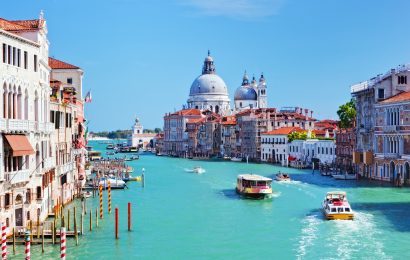
Spain offers an extraordinary range of famous places to visit, from Barcelona’s Sagrada Família and Granada’s Alhambra to Roman monuments, medieval castles, Atlantic beaches, and volcanic islands. The challenge isn’t finding something worth seeing – it’s choosing which places fit your trip.
I’ve gathered 117 places to visit in Spain, including major landmarks, beautiful towns, natural wonders, and lesser-known attractions. They’re organized by region, so you can explore nearby destinations together and build a realistic itinerary.
For a first visit, Madrid, Barcelona and Andalusia offer some of Spain’s best-known sights. If you prefer quieter places, consider the villages of northern Spain, inland castles, or the Canary Islands. You can also read my things to know before visiting Spain before planning your trip.
Food is part of the experience too: here’s my guide to what to eat in Spain. If you enjoy discovering local culture through language, I’ve also collected 150 Spanish proverbs and sayings with English translations.
117 Famous Places and Attractions in Spain, by Region
Best Places to Visit in Madrid and Central Spain
Madrid and the surrounding historic cities offer art museums, royal palaces, Roman engineering, and memorable day trips. Several destinations are reachable from the capital, though not all fit into a single day.
1. Royal Palace of Madrid
Madrid’s Royal Palace is a vast ceremonial residence with ornate state rooms, grand staircases and historic collections. Although it is the official residence of the Spanish monarch, the royal family does not normally live there. Pair it with Almudena Cathedral and the nearby gardens.
2. Museo del Prado, Madrid
The Prado is one of Europe’s great art museums, home to masterpieces by Velázquez, Goya, El Greco, and other European painters. Don’t miss Velázquez’s Las Meninas. Art lovers can pair a visit with the nearby Reina Sofía and Thyssen-Bornemisza museums along Madrid’s art boulevard.
For more masterpieces you can explore online, see my list of European art museums with virtual tours.
3. Plaza Mayor, Madrid
Madrid’s grand 17th-century square is lined with arcades, historic buildings and cafés. Walk through its archways, admire the Casa de la Panadería and explore the streets around the square. It’s an easy stop while visiting the Royal Palace, Puerta del Sol and the old center.
4. Mercado de San Miguel, Madrid
Madrid’s Mercado de San Miguel is a historic market building filled with food stalls serving tapas, seafood and Spanish specialties. Its central location makes it easy to combine with Plaza Mayor. It is popular with visitors, so expect a lively atmosphere and prices reflecting its tourist appeal.
5. Plaza de Cibeles, Madrid
Plaza de Cibeles is one of Madrid’s most recognizable squares, centered on the Cibeles Fountain and framed by imposing architecture. The nearby Palacio de Cibeles is especially striking. It’s an easy sightseeing stop while walking between the Prado, Gran Vía and Retiro Park.
6. Segovia Aqueduct, Segovia
Segovia’s Roman aqueduct is one of Spain’s most impressive ancient monuments, with towering stone arches crossing the heart of the city. Admire it from Plaza del Azoguejo and nearby viewpoints. Combine it with the Alcázar and cathedral for a rewarding day trip from Madrid.
7. Alcázar of Segovia, Segovia
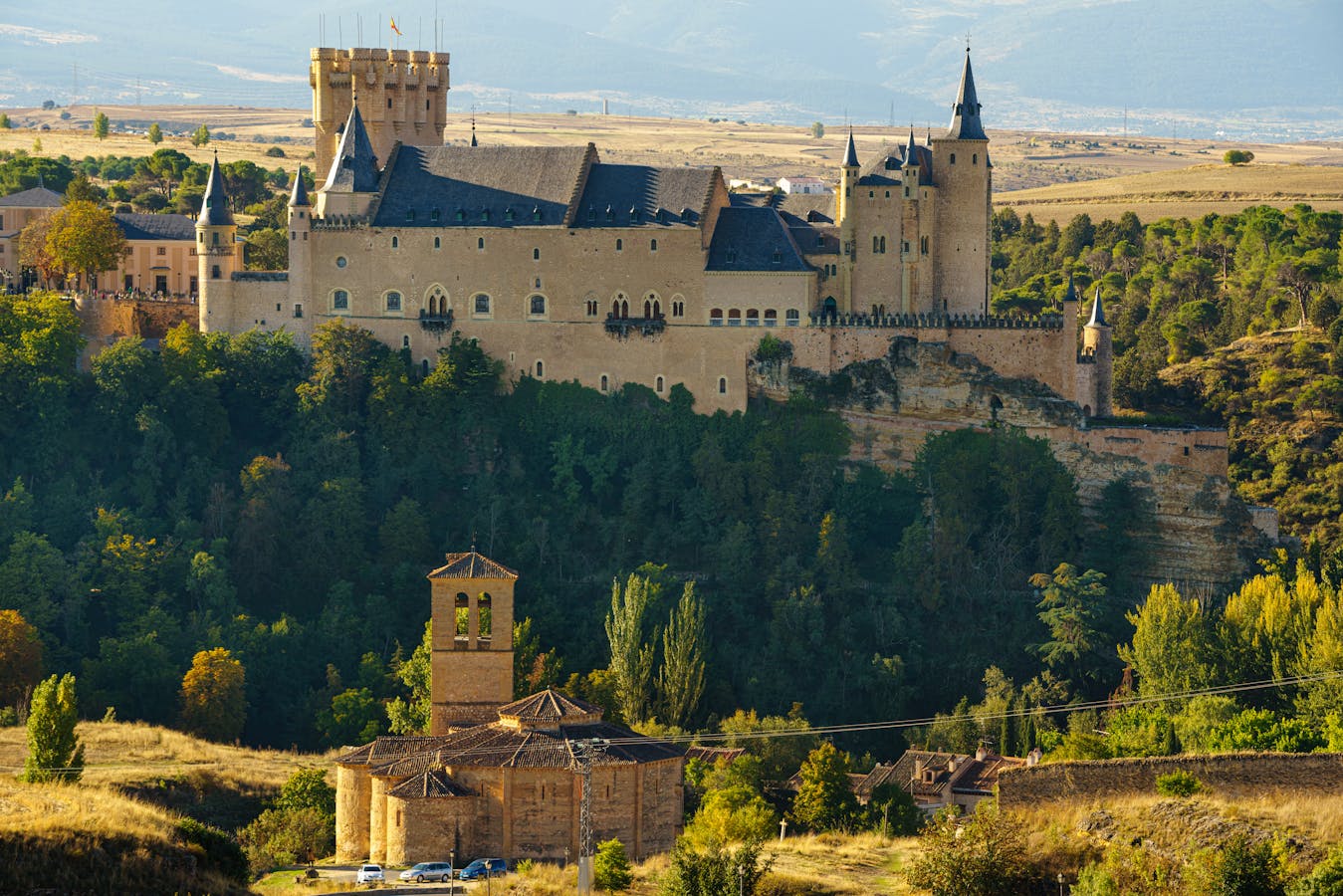
One of Spain’s most distinctive medieval castles, the Alcázar of Segovia rises above two river valleys with pointed towers and richly decorated royal rooms. Visitors can explore its interiors and climb the Tower of Juan II for panoramic views. Combine it with Segovia’s Roman aqueduct on a day trip from Madrid.
8. Toledo Old City, Toledo
Toledo’s hilltop old city preserves a remarkable mix of Christian, Jewish and Islamic heritage. Its cathedral, synagogues, former mosques and winding streets make it ideal for history lovers. The city is an easy day trip from Madrid, although staying overnight gives you more time after the busiest hours.
9. Ávila City Walls, Ávila
Ávila is famous for its remarkably complete medieval walls, with towers and gates lining the old city. Walk along an accessible section of the ramparts for views of the streets and surrounding countryside. The walled city is a top choice for a history-focused trip through central Spain.
10. El Escorial Monastery, near Madrid
El Escorial is a monumental royal monastery complex northwest of Madrid, combining a palace, basilica, library, and royal burial spaces. Its restrained architecture contrasts with Spain’s more ornate palaces. It’s a substantial cultural day trip from Madrid for travelers interested in royal history.
11. Alcalá de Henares, Madrid Region
Alcalá de Henares is a historic university city near Madrid and the birthplace of Miguel de Cervantes. Its arcaded streets, university buildings and literary connections make it a rewarding cultural day trip. Visit the Cervantes Birthplace Museum and stroll along Calle Mayor.
12. Cuenca Hanging Houses, Cuenca
Cuenca’s famous Hanging Houses stand dramatically above the Huécar gorge, with wooden balconies projecting over the cliff. The historic hilltop city has narrow streets, viewpoints and a cathedral worth exploring. Come for the architecture and stay long enough to appreciate the surrounding landscape.
13. Lagunas de Ruidera, Castilla-La Mancha
The Lagunas de Ruidera are a chain of lakes and waterfalls in Castilla-La Mancha, known for clear water and a surprisingly lush landscape. Designated swimming areas and walking paths make them appealing in warmer months. Check local rules because access and water activities vary between lagoons.
Best Places to Visit in Barcelona and Catalonia
Barcelona is famous for Gaudí, but Catalonia also offers medieval towns, Roman ruins, coastal walks and mountain scenery. Combining the city with one or two nearby excursions gives a fuller picture of the region.
14. Sagrada Familia, Barcelona
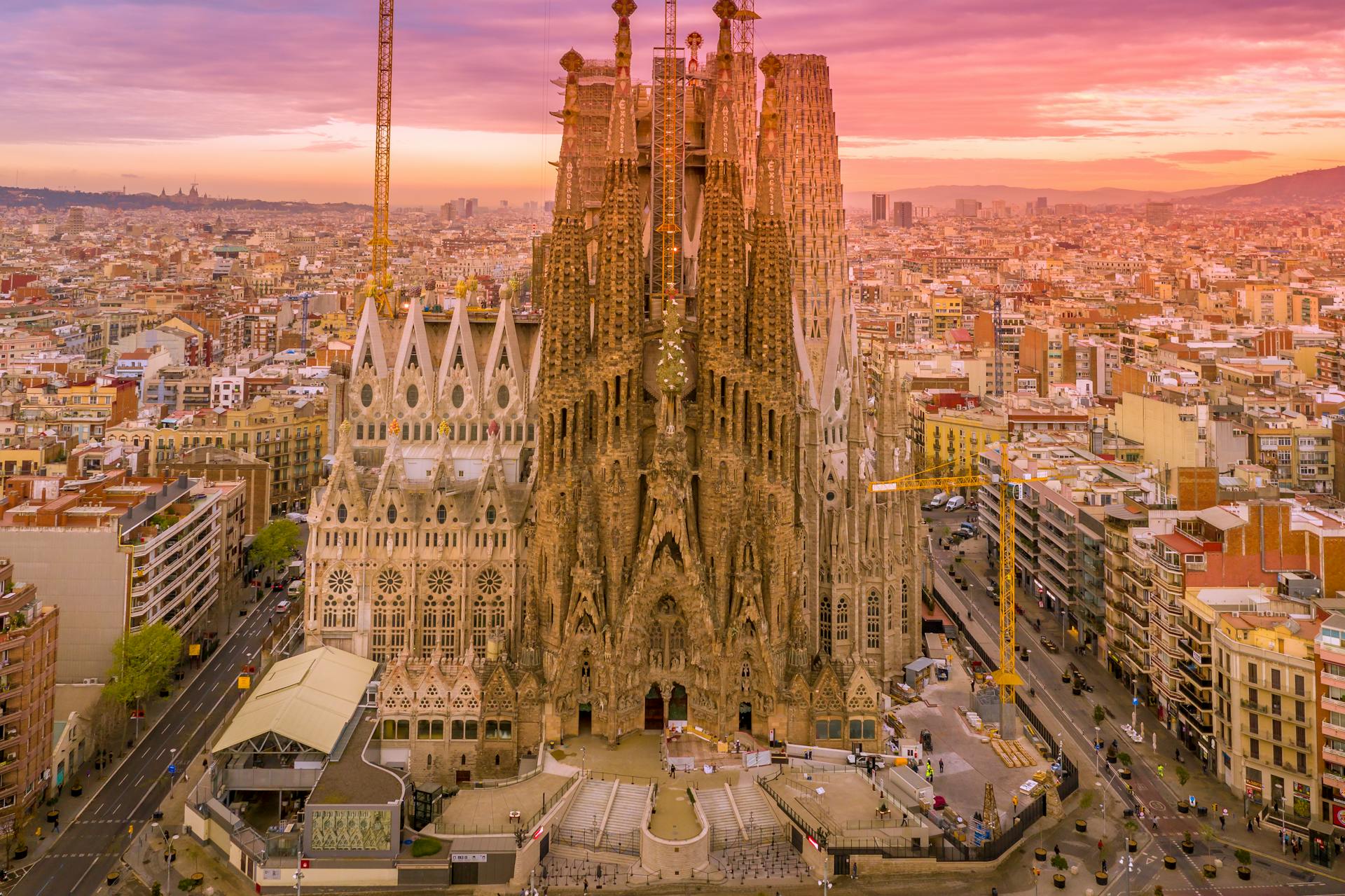
Antoni Gaudí’s extraordinary basilica is Barcelona’s signature landmark, with sculptural façades and a soaring interior filled with colored light. The exterior of its tallest central tower was completed in 2026, although work on other parts continues. Reserve a timed entry in advance, especially during busy travel periods.
15. Park Güell, Barcelona
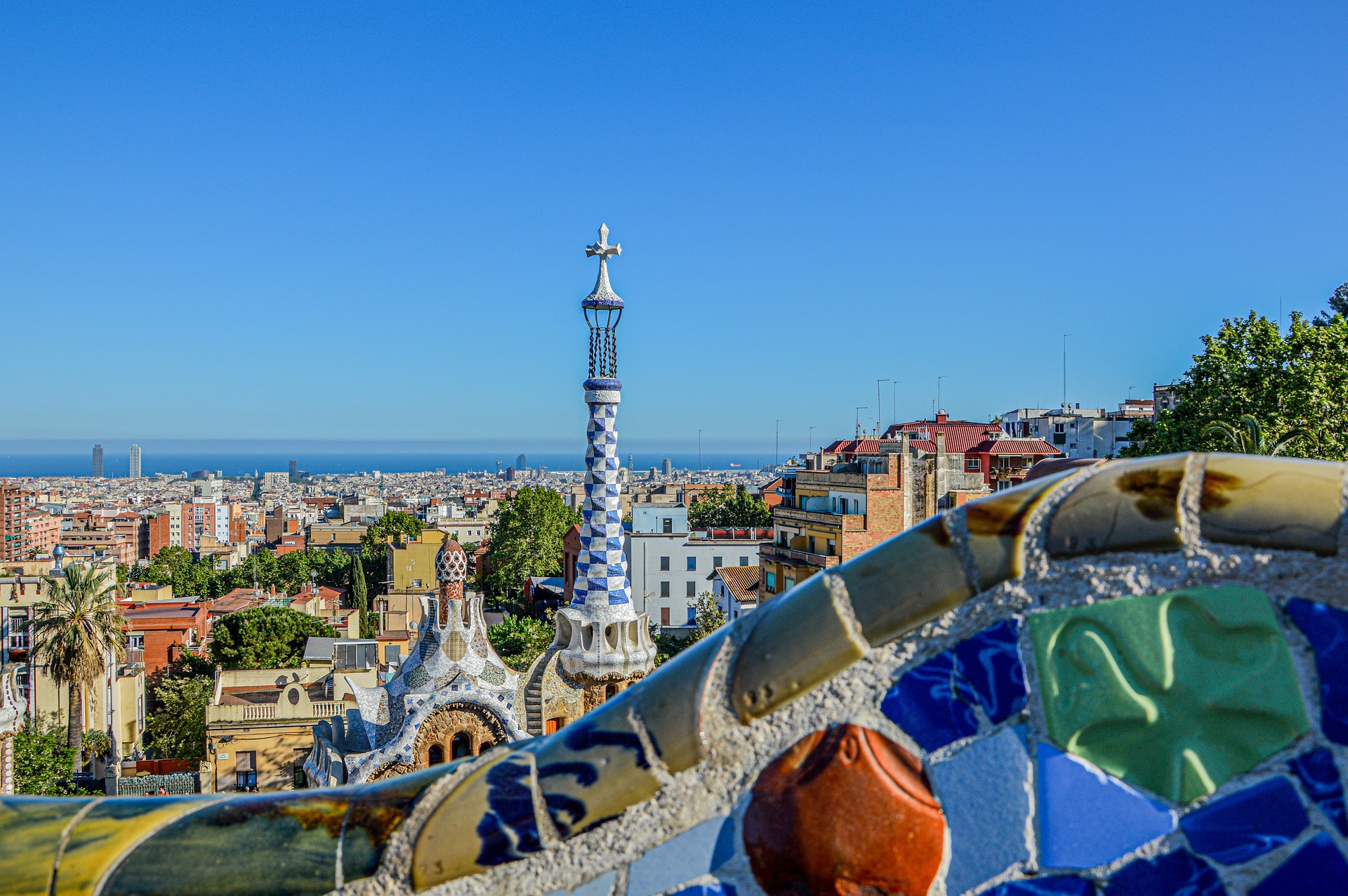
Park Güell is one of Gaudí’s most playful Barcelona creations, with mosaic-covered structures, organic forms and elevated city views. Its Monumental Zone is the main ticketed attraction, so book ahead when possible. It pairs naturally with other Gaudí landmarks such as Casa Batlló and the Sagrada Família.
16. Casa Batlló, Barcelona
Gaudí transformed this Barcelona townhouse into a building of flowing shapes, colorful mosaics and marine-inspired details. Inside, the staircase, light well and unusual rooms show how carefully he considered every part of the design. Book ahead if you want to tour the interiors, not just admire the façade.
17. Palau de la Música Catalana, Barcelona
Barcelona’s Palau de la Música Catalana is a richly decorated Modernist concert hall with stained glass, mosaics and sculptural details. A guided visit reveals its extraordinary interior, while attending a performance adds another dimension. It’s a rewarding stop for architecture and music lovers.
18. La Rambla, Barcelona
La Rambla is Barcelona’s famous pedestrian boulevard running from Plaça de Catalunya toward the waterfront. Its lively atmosphere, historic buildings, and nearby Boqueria market attract visitors. Also explore the adjacent Gothic Quarter, and take normal precautions with your belongings in crowded areas.
19. Montserrat Monastery & Mountain Complex, near Barcelona
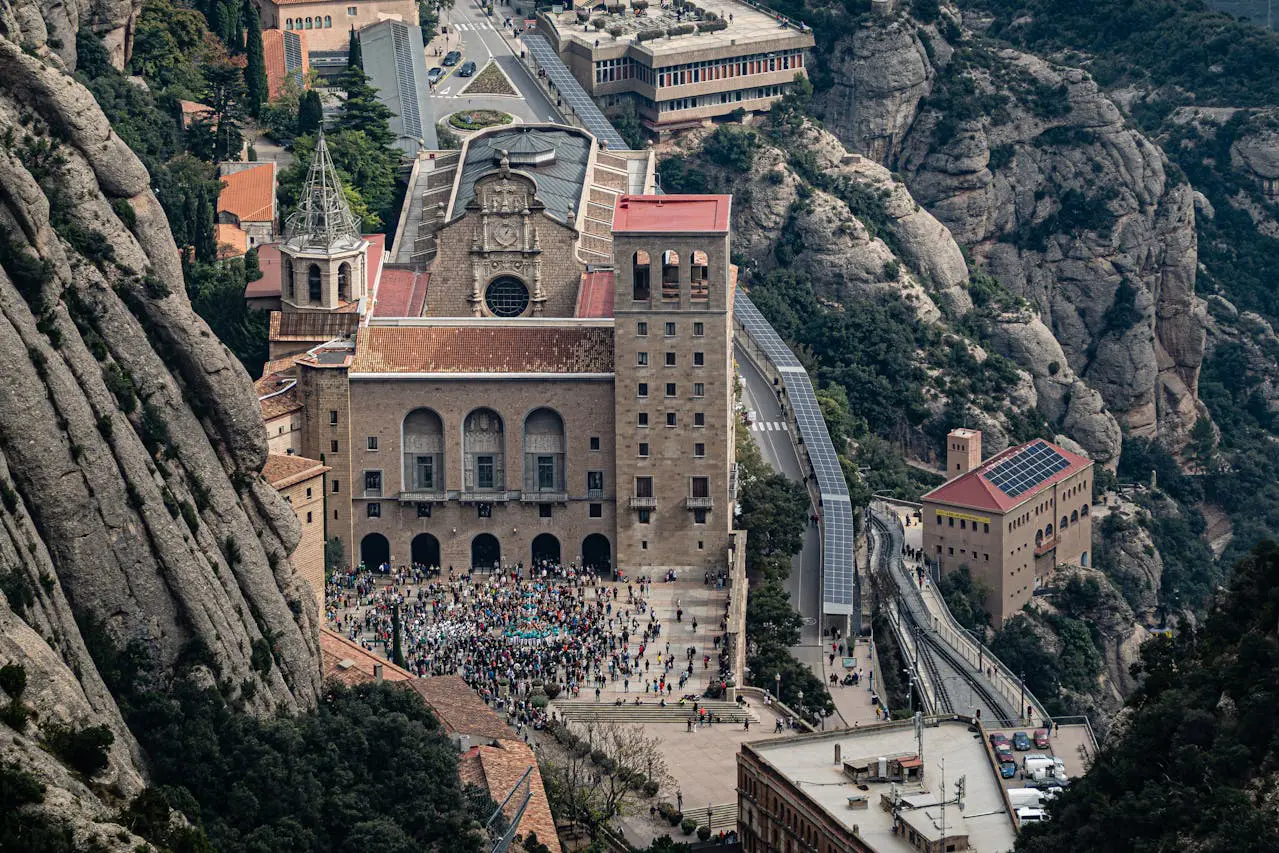
Montserrat combines a Benedictine monastery with jagged mountain formations northwest of Barcelona. Visitors come for the basilica and the revered Black Madonna, plus hiking trails and viewpoints. It is one of the most rewarding day trips from Barcelona for a mixture of nature and culture.
20. Girona Old Town, Girona
Girona’s old town rewards wandering, with medieval lanes, a monumental cathedral staircase and colorful buildings overlooking the Onyar River. Walk along sections of the historic city walls for views from the rooftops. Girona is a practical day trip from Barcelona and a useful stop when exploring the Costa Brava.
21. Cadaqués, Catalonia
Cadaqués is a whitewashed fishing village on the Costa Brava, known for its waterfront, narrow streets and connections to Salvador Dalí. The nearby Portlligat house-museum offers a deeper look at the artist’s life. Its coastal setting makes it a rewarding stop for travelers exploring northeastern Catalonia.
22. Costa Brava Camí de Ronda, Girona Province
The Camí de Ronda is a network of coastal paths along the Costa Brava, passing cliffs, coves and seaside towns. You don’t need to hike the entire route; shorter stretches near towns such as S’Agaró and Calella de Palafrugell offer memorable scenery. Choose sections according to your walking ability.
23. Tarragona Roman Amphitheater, Tarragona
Tarragona’s Roman amphitheater stands close to the Mediterranean, with ancient seating and ruins overlooking the sea. It’s a highlight of the city’s Roman heritage, alongside the old walls and archaeological sites. Tarragona makes a practical cultural stop between Barcelona and Valencia.
24. Les Ferreres Aqueduct (Pont del Diable), Tarragona
The Les Ferreres Aqueduct, also called Pont del Diable, is a remarkably preserved Roman structure outside Tarragona. Its tall arches rise above a wooded valley, showcasing the engineering behind the ancient city’s water supply. It complements Tarragona’s amphitheater and other Roman sights.
25. Montblanc Village, Tarragona Province
Montblanc is a walled medieval town in Tarragona province, with towers, stone gateways and narrow streets. Its historic center is enjoyable on foot and works well on a route through inland Catalonia. Nearby monasteries and wine country add reasons to linger.
26. Pottery Villages Empordà, Catalonia
The Empordà region of Catalonia has a strong ceramics tradition, with La Bisbal d’Empordà especially known for its pottery workshops and shops. Browse locally made pieces and combine the visit with nearby medieval villages. It’s a rewarding cultural stop on a Costa Brava road trip.
27. Castellers, Barcelona
Catalonia’s castellers build remarkable human towers during festivals, combining strength, balance, and coordinated teamwork. Barcelona and nearby towns host performances throughout the year. Check local event schedules to see a real gathering, and observe from the designated spectator areas.
28. Val d’Aran, Catalonia
Val d’Aran is a Pyrenean valley in Catalonia with mountain villages, alpine scenery and a distinct local culture. It’s known for winter sports around Baqueira Beret and for hiking in warmer months. Vielha is a useful base for exploring the area.
29. Rialp and Aigüestortes, Lleida Province
Rialp is a village in the Catalan Pyrenees, while Aigüestortes i Estany de Sant Maurici National Park is known for alpine lakes, mountain trails and dramatic peaks. They are separate destinations that can fit into a broader Pyrenees trip. Choose a suitable base and check park access before hiking.
Best Places to Visit in Andalusia and Southern Spain
Andalusia brings together Moorish palaces, monumental cathedrals, white villages, gorges and Mediterranean and Atlantic coasts. Seville, Granada and Córdoba are natural starting points, with many other places worth adding if time allows.
30. Alhambra, Granada
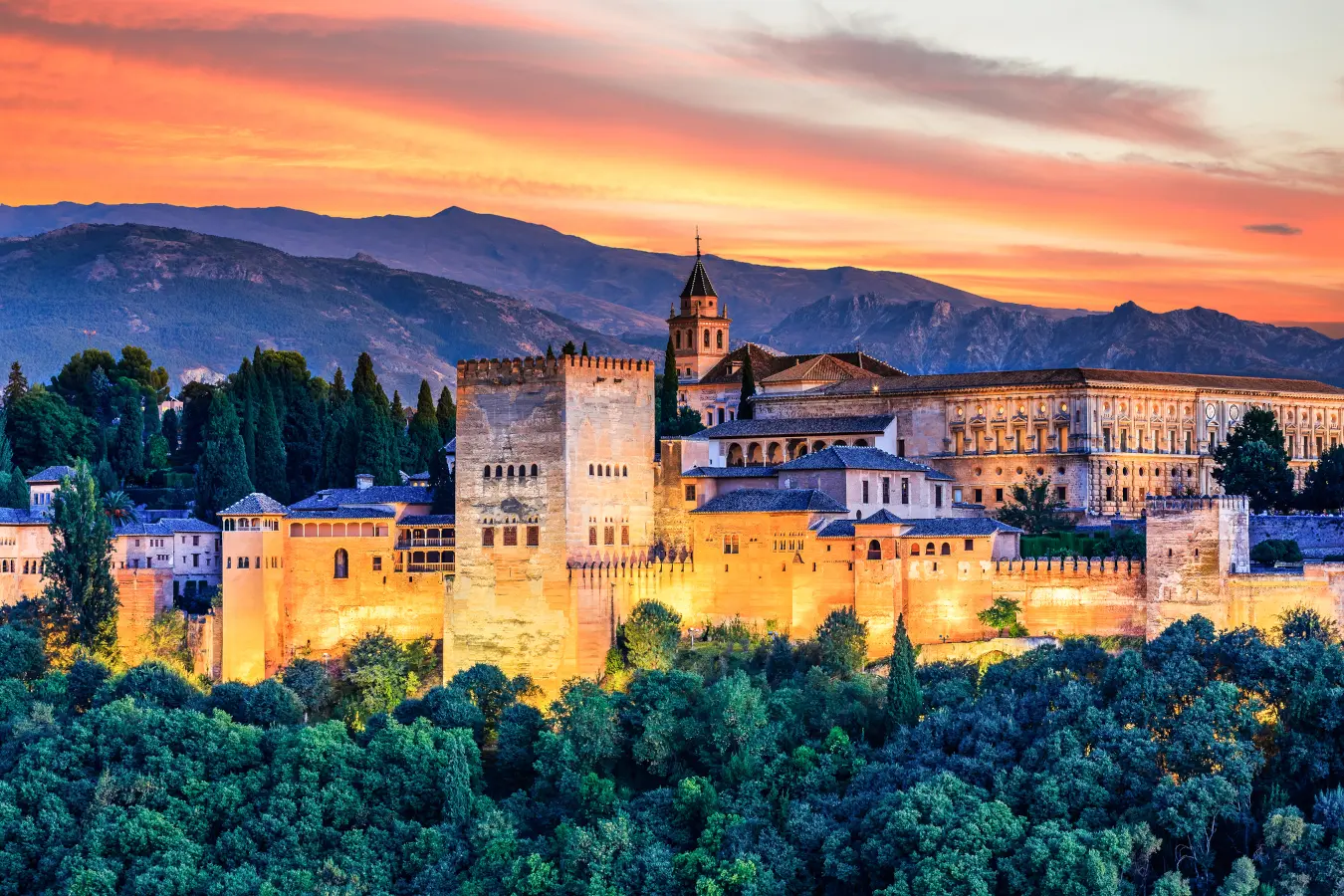
ID 96182900 | Alhambra Granada ©Sorin Colac | Dreamstime.com
Granada’s Alhambra is a vast palace and fortress complex celebrated for its Nasrid palaces, delicate stucco work, courtyards and gardens. The Generalife and views over the city add to the experience. Tickets for the Nasrid Palaces can sell out, so plan well ahead and check timed-entry conditions.
31. Cathedral of Granada, Granada
Granada Cathedral stands in the historic center, with a grand Renaissance interior and monumental columns. Combine it with the nearby Royal Chapel and a walk through the streets around Plaza Bib-Rambla. It’s a useful contrast to the city’s more famous Moorish monuments.
32. Alcázar of Seville, Seville
The Royal Alcázar of Seville combines intricate Mudéjar decoration, palace courtyards and beautiful gardens. Its tiled rooms and carved arches are among Andalusia’s most memorable sights. Book entry in advance and allow plenty of time for the gardens. See our Seville travel guide for more ideas.
33. Seville Cathedral, Seville
Seville Cathedral is a monumental Gothic church renowned for its vast interior, artworks and connection to Christopher Columbus. The adjoining Giralda tower provides city views and reveals the site’s earlier Islamic history. Visit both as part of the same historic-center itinerary.
34. Giralda Tower, Seville
Originally the minaret of Seville’s great mosque, the Giralda later became the cathedral’s bell tower. Its ramps lead toward elevated views over the historic center. Visit it together with Seville Cathedral to understand how different eras shaped one of the city’s most recognizable landmarks.
35. Plaza de España, Seville
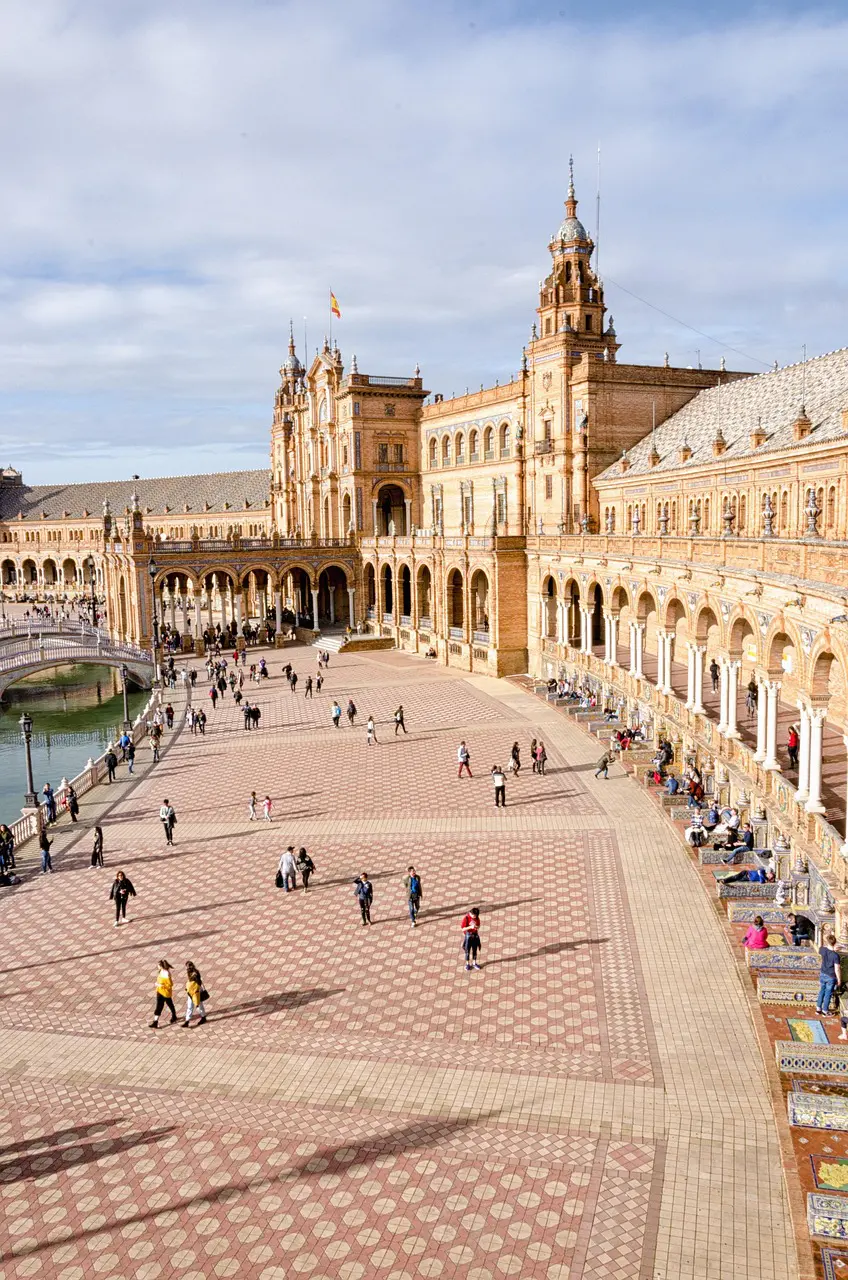
Seville’s Plaza de España is a sweeping semicircular landmark with tiled provincial alcoves, bridges and a canal. Walk around the plaza to examine its decorative ceramics, then continue into María Luisa Park. It is one of the easiest major Seville sights to enjoy without booking a ticket.
36. La Mezquita, Córdoba
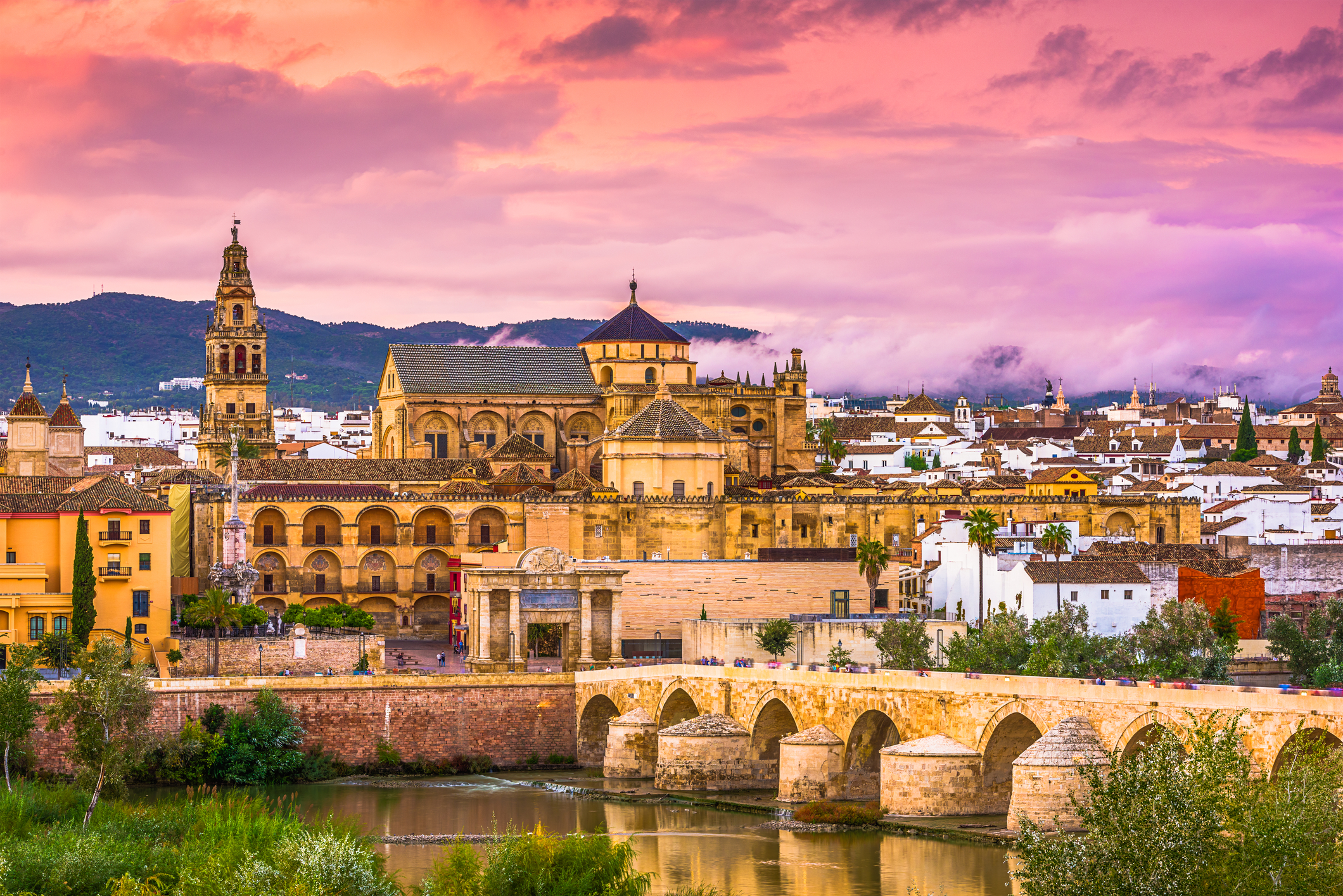
ID 114969698 ©Sean Pavone | Dreamstime.com
Córdoba’s Mosque-Cathedral is renowned for its forest of red-and-white arches and the Christian cathedral built within the former mosque. The combination of architectural traditions makes it one of Spain’s most fascinating historic interiors. Explore the surrounding Jewish Quarter and the Roman Bridge during the same visit.
37. Ronda, Málaga Province
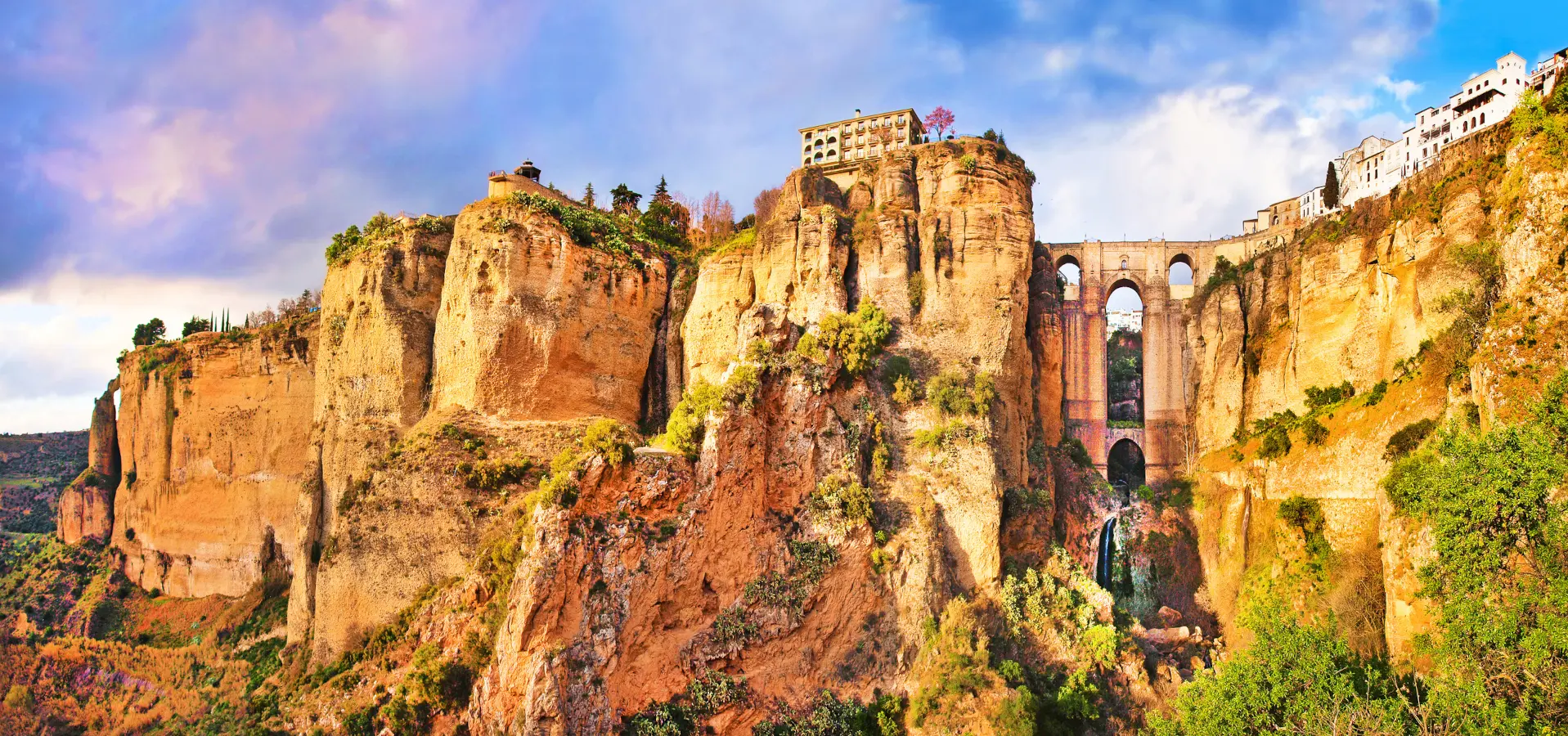
ID 26436503 ©minnystock | Dreamstime.com
Ronda is known for the Puente Nuevo bridge spanning the deep El Tajo gorge, with white buildings perched along the cliffs. Walk to different viewpoints to see how the town sits above the ravine. It makes a memorable stop on an Andalusia road trip, especially alongside nearby white villages.
38. Caminito del Rey, Málaga
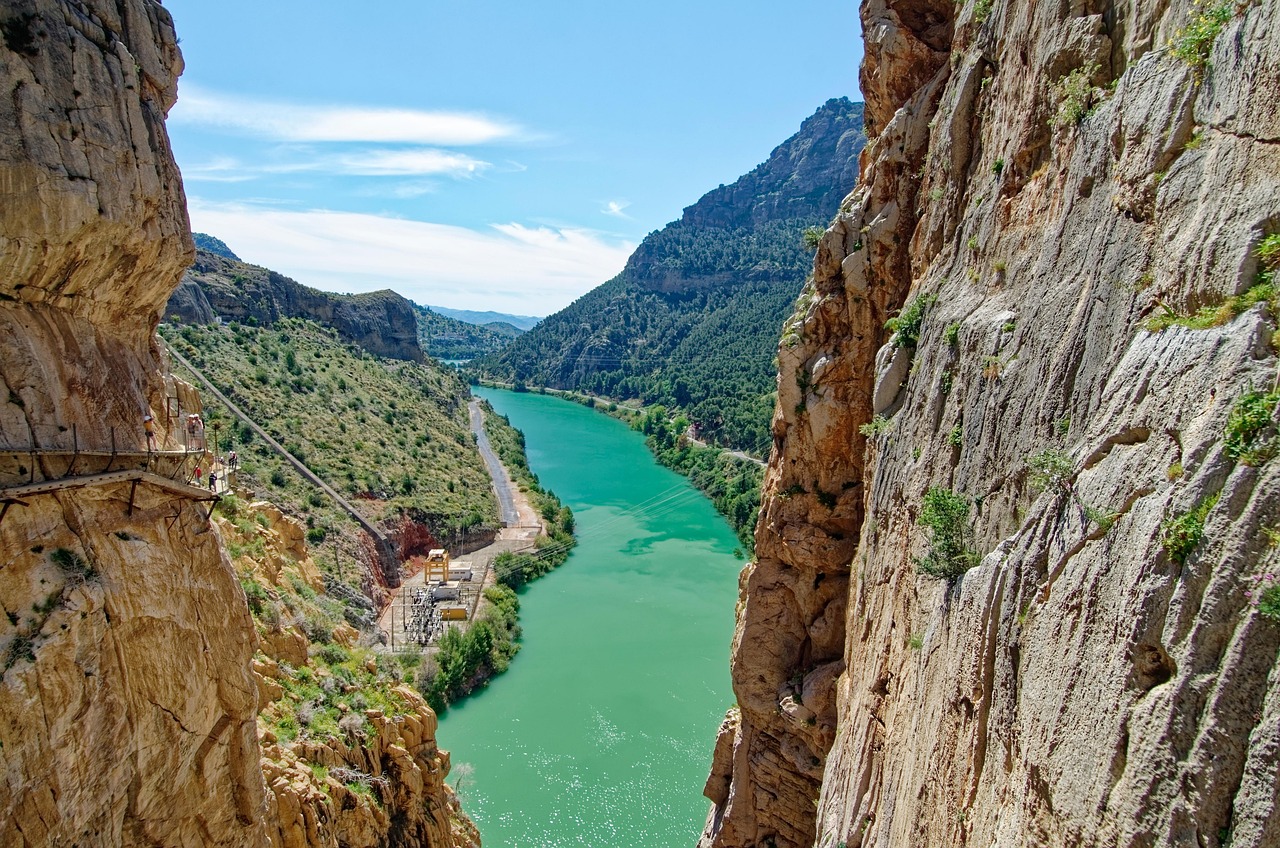
Caminito del Rey is a dramatic walking route through the Gaitanes Gorge near Málaga, with boardwalks fixed high above the river. Plan ahead for tickets and access rules, and note that the route isn’t suitable for everyone. Check the official conditions before booking, especially if heights or exposed walkways are a concern.
39. Málaga Picasso Birthplace, Málaga
Málaga’s Casa Natal de Picasso occupies the building where Pablo Picasso was born and explores his early life and family background. Pair it with the Picasso Museum and the old town for a richer cultural visit. Our Málaga guide by an insider covers more sights.
40. Costa del Sol -
The Costa del Sol stretches along Málaga province, combining beaches, resort towns and historic centers. Málaga, Nerja, Estepona and Marbella offer different experiences, from museums to seaside walks. For help choosing a base, read our Costa del Sol travel guide.
41. Frigiliana, Málaga Province
Frigiliana is one of Andalusia’s prettiest white villages, with narrow lanes, flower-filled corners and views toward the mountains and coast. Its historic Moorish quarter is the main attraction. It’s a convenient excursion from Nerja or the eastern Costa del Sol.
42. Setenil de las Bodegas, Cádiz Province
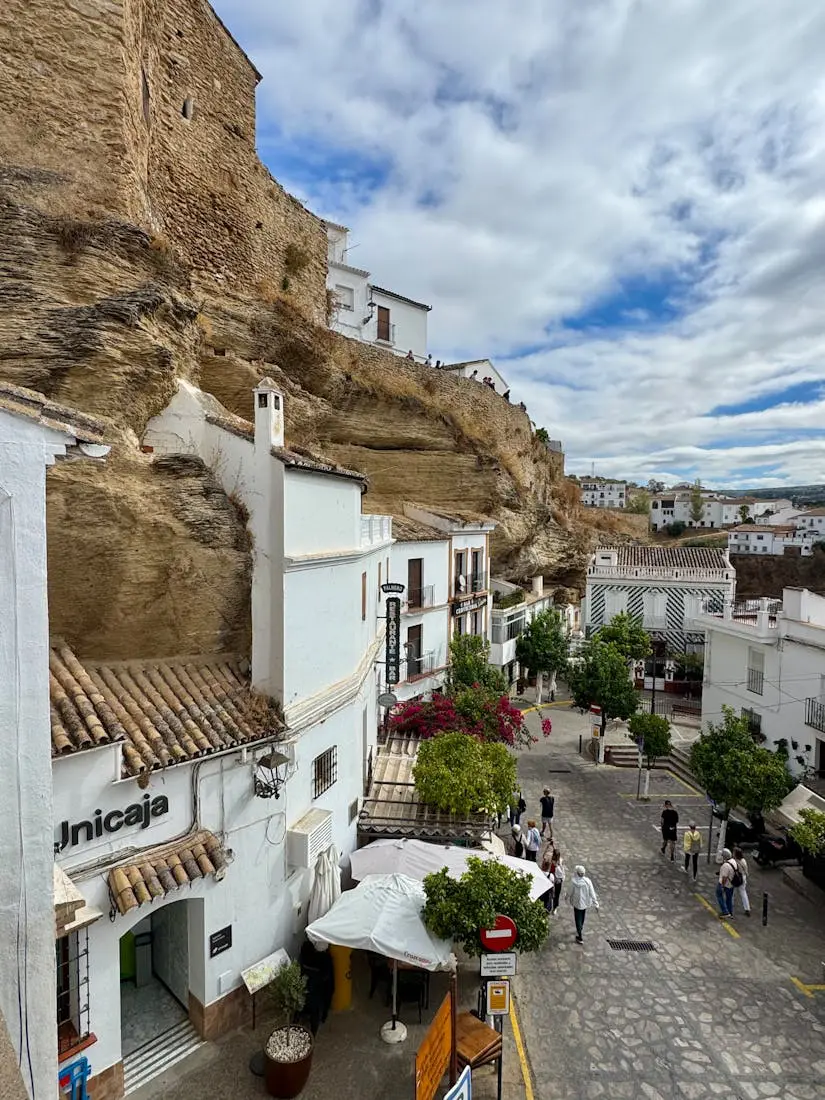
Setenil de las Bodegas is famous for whitewashed houses built beneath enormous rock overhangs. Walk along Calle Cuevas del Sol and Calle Cuevas de la Sombra to see the village’s unusual architecture. It makes an excellent stop on an Andalusian road trip that also includes Ronda.
If you enjoy smaller destinations, you may also like my article about townsizing travel.
43. Zahara de la Sierra, Cádiz Province
Zahara de la Sierra is a white village perched above a turquoise reservoir in Cádiz province, crowned by a hilltop castle. Its streets and viewpoints are a highlight of the Andalusian white-villages route. The village is especially rewarding on a road trip through the surrounding mountains.
44. Cueva de Nerja, Málaga Province
The Nerja Caves contain immense chambers, stalactites, and stalagmites, with prehistoric remains that add archaeological interest. The caves are a popular excursion from Nerja and the eastern Costa del Sol. Book a suitable visit slot and combine it with the town’s coastal viewpoints.
45. Cabo de Gata-Níjar Natural Park, Almería
Cabo de Gata-Níjar is a protected stretch of Andalusia’s Mediterranean coast with volcanic cliffs, small fishing villages and beaches such as Playa de los Genoveses. It’s an excellent alternative to heavily developed resorts. Bring water and sun protection when exploring exposed coves and walking routes.
46. Almería Old Town, Almería
Almería’s historic center is dominated by the Alcazaba, a large Moorish fortress with walls, courtyards and views across the city. The cathedral and nearby streets add to the visit. Almería is also a useful base for exploring Cabo de Gata and the Tabernas Desert.
47. Desierto de Tabernas, Almería
The Tabernas Desert near Almería is a striking landscape of dry ravines and eroded hills, famous as a filming location for Western movies. Visitors can explore designated routes and film-set attractions. Bring sun protection and water, particularly during hot months.
48. Playa de Bolonia, Cádiz
Playa de Bolonia near Tarifa combines a wide Atlantic beach with dunes and the Roman ruins of Baelo Claudia. The combination of archaeology and coastal scenery makes it an unusual day trip in Cádiz province. Expect breezy conditions and allow time for both the beach and ruins.
49. Playa de la Barrosa, Cádiz
Playa de la Barrosa near Chiclana de la Frontera is a broad Atlantic beach suited to long walks and relaxed seaside days. Its length gives visitors room to choose between busier areas and quieter stretches. It’s a good coastal stop when exploring Cádiz province.
50. Tarifa Windsurf Capital, Cádiz Province
Tarifa sits near the meeting of the Atlantic and Mediterranean, famous for windy beaches and water sports. Its historic old town adds cafés, narrow streets and a relaxed atmosphere. Conditions are excellent for experienced wind-sport enthusiasts, but the strong winds can affect beach plans.
51. Sanlúcar de Barrameda, Spain
Sanlúcar de Barrameda sits at the mouth of the Guadalquivir River, known for seafood, manzanilla sherry and views toward Doñana. Its old town and waterfront make it a rewarding stop in Cádiz province. Discover more in our local’s guide to Sanlúcar de Barrameda.
52. Flamenco Tablao, Seville
A flamenco tablao in Seville offers an intimate setting for live singing, guitar and dance. Choose a reputable performance venue and check whether the ticket includes food or drinks. The experience adds a cultural dimension to sightseeing around the Alcázar and cathedral.
53. Feria de Abril, Seville
Seville’s Feria de Abril is a spring celebration of traditional dress, music, dancing, and decorated fairground tents called casetas. Some tents are private, while others are public. Dates change each year, so check the festival calendar if you want to plan your trip around it.
54. Semana Santa, Granada
Granada’s Semana Santa processions bring religious floats, music, and large crowds into the city’s historic streets during Holy Week. The setting near the Albaicín and cathedral makes the experience memorable. For more cultural context, explore our guide to Easter traditions around the world.
55. Doñana National Park, Andalusia
Doñana National Park protects wetlands, dunes and varied habitats near the Guadalquivir estuary. Guided visits let you explore the park’s landscapes and wildlife without entering restricted areas. It’s an interesting nature-focused addition to a trip through western Andalusia.
56. Parque Nacional de Cazorla, Jaén
The Sierras de Cazorla, Segura y Las Villas Natural Park in Jaén province protects extensive mountain forests, rivers and rugged valleys. Hiking, scenic drives and small villages make it an appealing nature escape in Andalusia. It’s a large natural park, not a Spanish national park.
Best Places to Visit in Valencia, Alicante and Murcia
Spain’s eastern coast mixes futuristic architecture, old towns, beaches and archaeological sites. Valencia is an excellent city base, while Alicante and Murcia offer further coastal and cultural stops.
57. City of Arts and Sciences, Valencia
Valencia’s futuristic City of Arts and Sciences brings together striking architecture, cultural venues and the Oceanogràfic aquarium. Even a walk around the reflecting pools is rewarding, while families may want to plan time for the science museum or aquarium. For budget-friendly alternatives, explore these free things to do in Valencia.
58. Valencia Turia Gardens, Valencia
Valencia’s Turia Gardens occupy a former riverbed transformed into a long green corridor through the city. Paths, play areas and bridges connect neighborhoods and major sights, including the City of Arts and Sciences. It’s a useful route for walking or cycling between attractions.
59. Altea Old Town, Alicante Province
Altea’s old town is known for whitewashed streets, flower-filled corners, and the blue-domed church of Nuestra Señora del Consuelo. Its hilltop viewpoints overlook the Mediterranean and the Costa Blanca. Visit in the cooler part of the day to enjoy the steep streets and cafés.
60. Elche Palm Grove, Alicante Province
Elche’s Palmeral is an extensive landscape of date palms woven through the city, recognized by UNESCO for its historic irrigation and agricultural traditions. Visit the palm groves and Huerto del Cura garden to appreciate this unusual urban landscape. It’s a distinctive cultural stop in Alicante province.
61. Cartagena Roman Theatre, Murcia Region
Cartagena’s Roman Theatre is a major archaeological attraction, with tiered seating and a museum explaining its rediscovery and restoration. The theater sits within the historic city near the port. Combine it with Cartagena’s Roman remains, waterfront and modernist architecture.
62. Denia Castle, Alicante Province
Dénia Castle rises above the coastal town, with remnants of different historical periods and views toward the Mediterranean. Explore the fortress and then walk through the old center or toward the waterfront. Dénia is a useful base for visiting the Costa Blanca and nearby natural landscapes.
63. Jardines de Murcia, Murcia
Murcia offers pleasant urban green spaces, including the riverside Jardín de Floridablanca and other parks near the historic center. These gardens are useful places to rest between visits to the cathedral and old town.
Best Places to Visit in Northern Spain: Basque Country, Cantabria, Asturias and Galicia
Northern Spain is known for green mountains, dramatic Atlantic scenery, historic pilgrimage towns and Basque food. The distances can be significant, so choose a smaller area if you have only a few days.
64. Guggenheim Museum, Bilbao
Bilbao’s Guggenheim is famous for its curving titanium exterior, riverside setting and contemporary art exhibitions. Walk around the building to see its architecture from different angles and look for the large outdoor sculptures. It pairs well with a stroll along the Nervión River and the city’s old quarter.
65. Playa de la Concha, San Sebastián
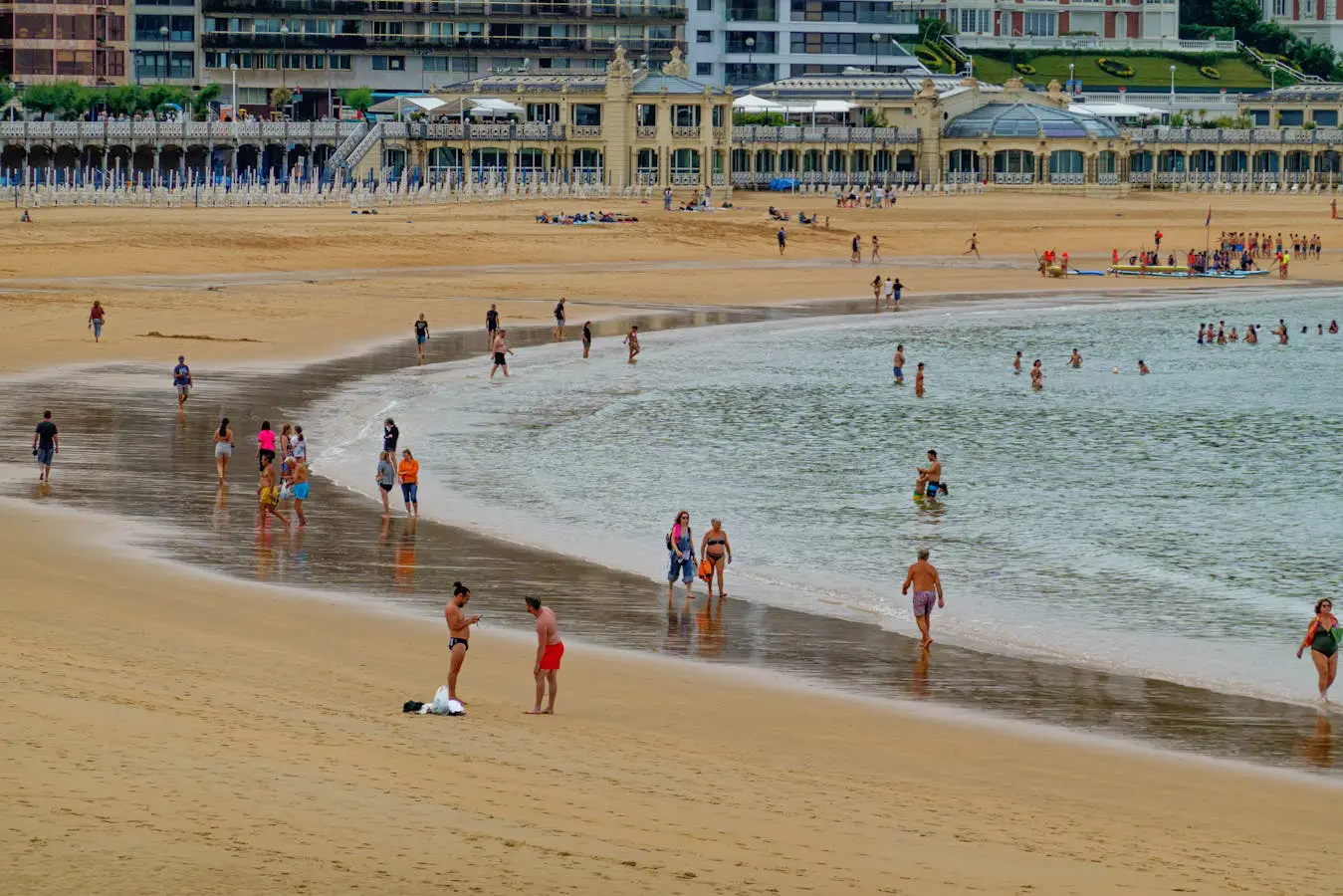
La Concha is San Sebastián’s celebrated city beach, curving around a sheltered bay with views toward Santa Clara Island. Walk the waterfront promenade or enjoy the sand before exploring the city’s pintxos bars. It offers a rare mix of a beautiful beach and a sophisticated urban destination.
66. San Juan de Gaztelugatxe, Basque Country
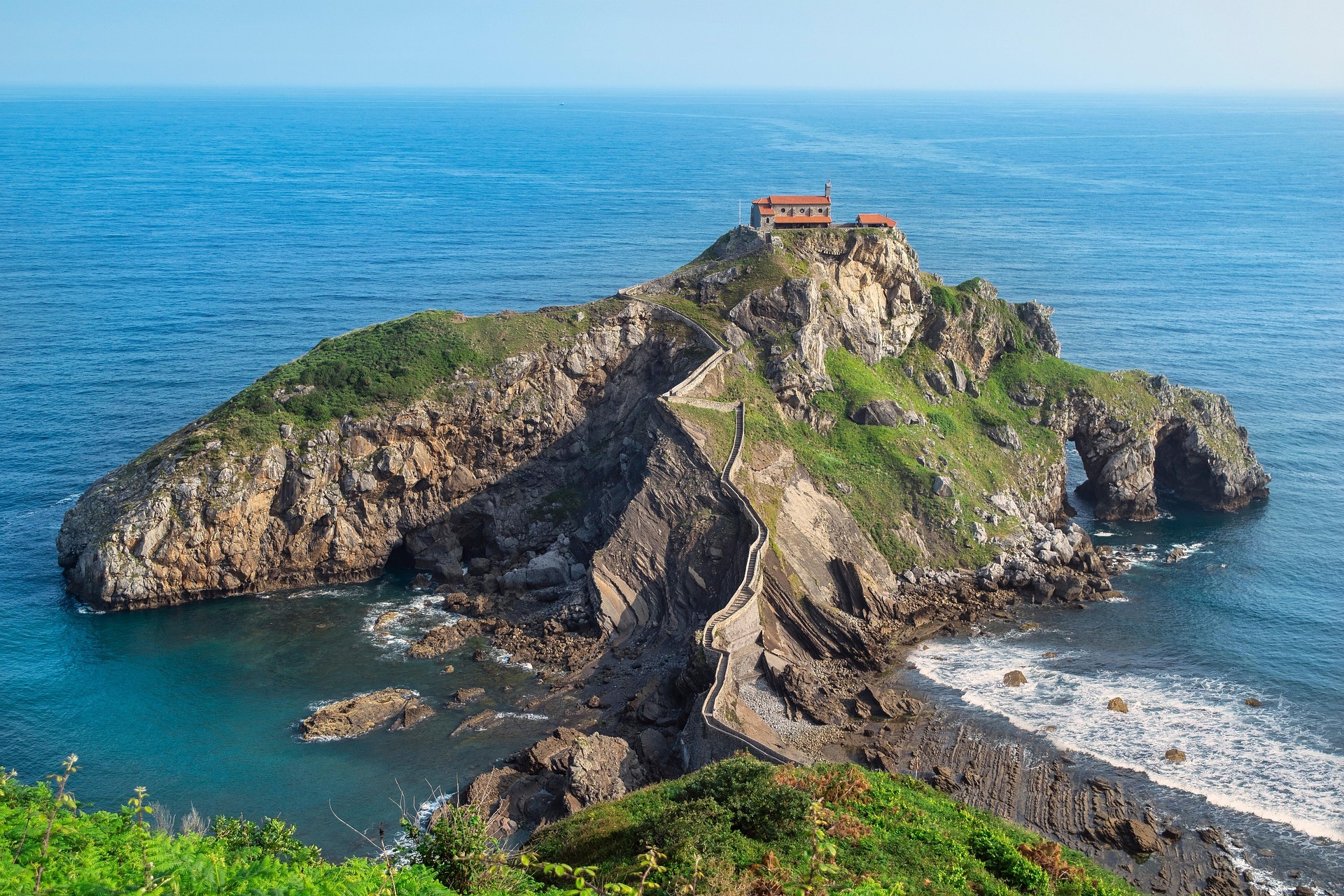
San Juan de Gaztelugatxe is a tiny chapel on a rocky islet connected to the Basque coast by a dramatic stone bridge and stairway. The climb rewards visitors with spectacular views, but it requires effort. Check reservation and access rules before traveling, especially in peak season.
67. Picos de Europa National Park, Asturias & Cantabria
ID 20396005 ©Neil Machin | Dreamstime.com
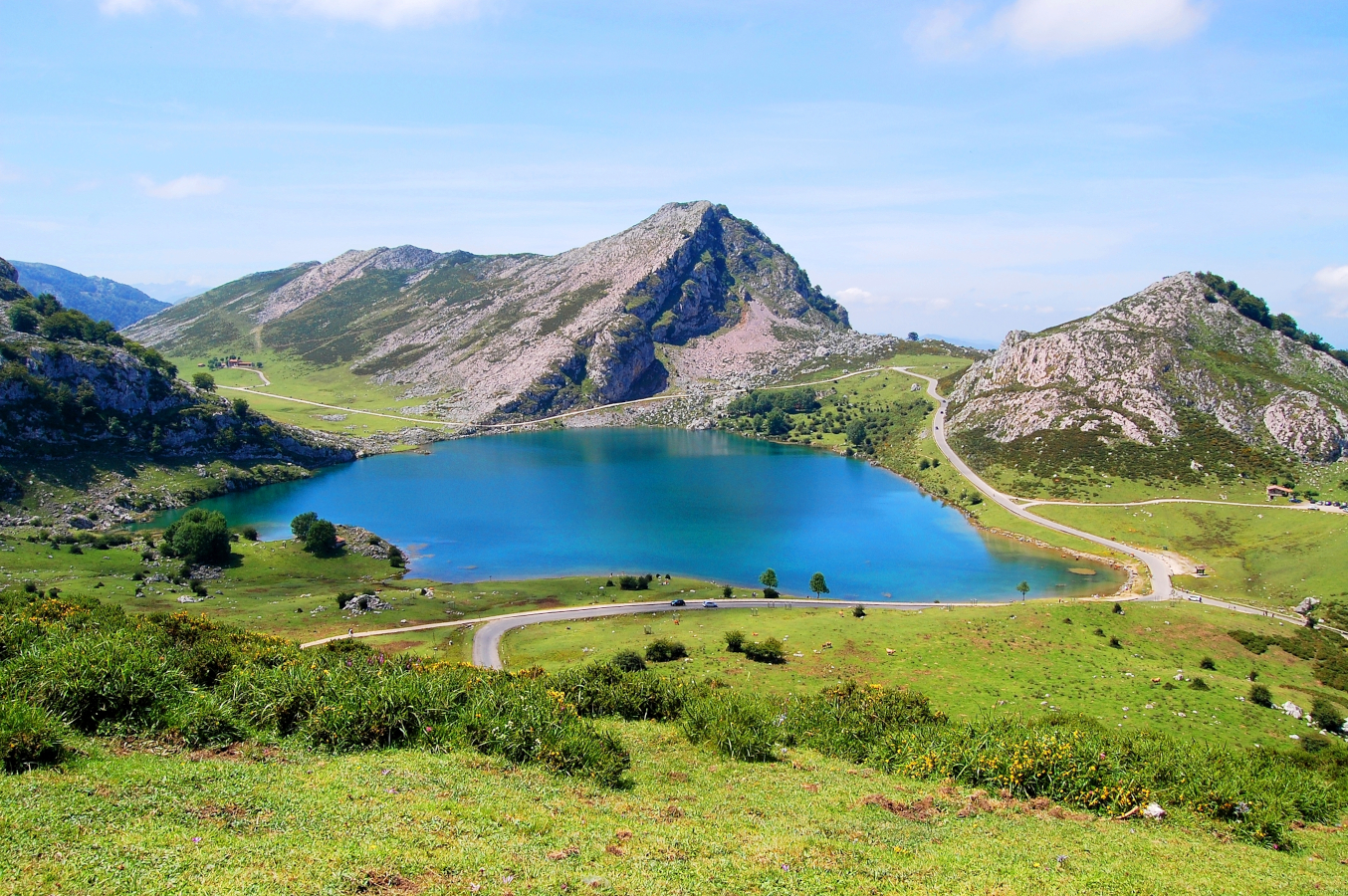
Picos de Europa National Park offers rugged limestone peaks, dramatic valleys and some of northern Spain’s most impressive mountain scenery. The Lakes of Covadonga are a famous highlight, while villages such as Potes provide useful bases. Check local access arrangements before driving into popular mountain areas.
68. La Garganta del Cares, Asturias
The Cares Gorge trail cuts through steep limestone scenery in the Picos de Europa, with dramatic drops, tunnels and mountain views. It’s a celebrated hike, but the route is long and exposed in places. Check conditions and choose a section that matches your experience and fitness.
69. Santiago de Compostela Cathedral, Galicia
Santiago de Compostela Cathedral marks the traditional destination of the Camino de Santiago pilgrimage. Its elaborate Baroque façade and historic interior dominate the city’s old town. Wander the surrounding plazas and streets to soak up the atmosphere as pilgrims arrive from across Europe.
70. Roman Walls of Lugo, Galicia
Lugo’s Roman walls form an unusually complete circuit around the historic city, recognized as a UNESCO World Heritage Site. Walking along the top offers views over rooftops and streets. They make Lugo a compelling addition to a Galicia itinerary beyond Santiago de Compostela.
71. Playa de las Catedrales, Galicia
Galicia’s Playa de las Catedrales is famous for enormous rock arches and caves revealed at low tide. Check the tide timetable carefully, and confirm whether you need access authorization for your date. At high tide, you can’t explore the formations from the beach.
72. Hondarribia, Basque Country
Hondarribia is a colorful Basque coastal town near the French border, with a walled old quarter and lively streets around the marina. Its historic houses and seafood restaurants make it a pleasant alternative to larger cities. It pairs well with San Sebastián on a northern Spain itinerary.
73. Vitoria-Gasteiz Medieval Core, Basque Country
Vitoria-Gasteiz has a compact medieval center, historic squares and green spaces that make it enjoyable on foot. The old cathedral and atmospheric streets are highlights, while the city’s food scene reflects Basque traditions. It’s a worthwhile stop between Bilbao and La Rioja.
74. Santillana del Mar, Cantabria
Santillana del Mar is a beautifully preserved medieval town in Cantabria, with stone houses, cobbled lanes and a historic collegiate church. Nearby Altamira adds prehistoric interest, although access to the original cave is restricted. It’s a strong stop on a northern Spain road trip.
75. Santander El Palacio de La Magdalena, Cantabria
Santander’s Palacio de la Magdalena stands on a green peninsula overlooking the Bay of Biscay. The former royal summer residence is surrounded by coastal paths and scenic viewpoints. It’s a pleasant addition to a day exploring Santander’s waterfront and beaches.
76. Avilés Old Town, Asturias
Avilés has a charming historic center of arcaded streets, squares, and colorful buildings, alongside the modern Niemeyer Center by the estuary. The contrast makes it an interesting stop in Asturias. Combine it with nearby coastal towns or a visit to Oviedo.
77. Cabo Finisterre, Galicia
Cabo Fisterra, or Cape Finisterre, is a windswept headland on Galicia’s Atlantic coast, long associated with the edge of the known world. Its lighthouse and sea views draw visitors and Camino walkers who continue beyond Santiago. Sunset can be beautiful when weather allows.
78. Pilgrim Route Santiago de Compostela, Galicia
The Camino de Santiago is a network of pilgrimage routes leading to Santiago de Compostela. Travelers can walk the full route or choose a shorter section through towns and countryside. Even if you’re not hiking, the cathedral and old town provide a memorable introduction to the Camino’s history.
79. Basque Gastronomy San Sebastián, San Sebastián
San Sebastián is famous for pintxos, the small bar snacks enjoyed throughout the city’s old town, as well as ambitious restaurants. An evening spent visiting several bars is an enjoyable way to sample Basque flavors. Combine the food scene with La Concha beach and coastal walks.
80. Salto del Nervión, Burgos
Salto del Nervión is a seasonal waterfall plunging from high cliffs on the border of Burgos and Álava. The viewpoint is impressive even when the falls are dry, but flowing water depends on recent rainfall. Check conditions before traveling specifically to see the waterfall.
Best Places to Visit in Inland Spain, Aragón, Extremadura and La Rioja
Away from the busiest coastal routes, inland Spain has extraordinary Roman remains, Gothic cathedrals, fortified towns, wine regions and mountain landscapes. These places reward a slower itinerary, often with a car.
81. Roman Theatre, Mérida
Mérida’s Roman Theatre is one of Spain’s finest surviving Roman performance spaces and still hosts cultural events. The semicircular seating and columned stage backdrop make its original purpose easy to imagine. Combine it with the city’s Roman amphitheater, bridge and archaeological museum for a fuller picture of ancient Augusta Emerita.
82. Cáceres Old Town, Extremadura
Cáceres has one of Spain’s best-preserved medieval old towns, with stone palaces, towers and quiet squares. Its historic streets are atmospheric after dark and reward unhurried wandering. The city makes a useful base for exploring Extremadura’s Roman sites and rural landscapes.
83. Cathedral of Burgos, Castile and León
Burgos Cathedral is a masterpiece of Gothic architecture, famous for its intricate spires, chapels and sculptural detail. Its UNESCO World Heritage status reflects its artistic and historical importance. The cathedral is the centerpiece of Burgos’s walkable historic center and a highlight of the Camino de Santiago route.
84. Cathedral of León, León
León Cathedral is celebrated for its extensive medieval stained-glass windows, which fill the Gothic interior with color. The soaring nave and detailed stonework make it a highlight of northern Castile. Explore the old town and nearby historic buildings during the same visit.
85. Salamanca Plaza Mayor, Salamanca
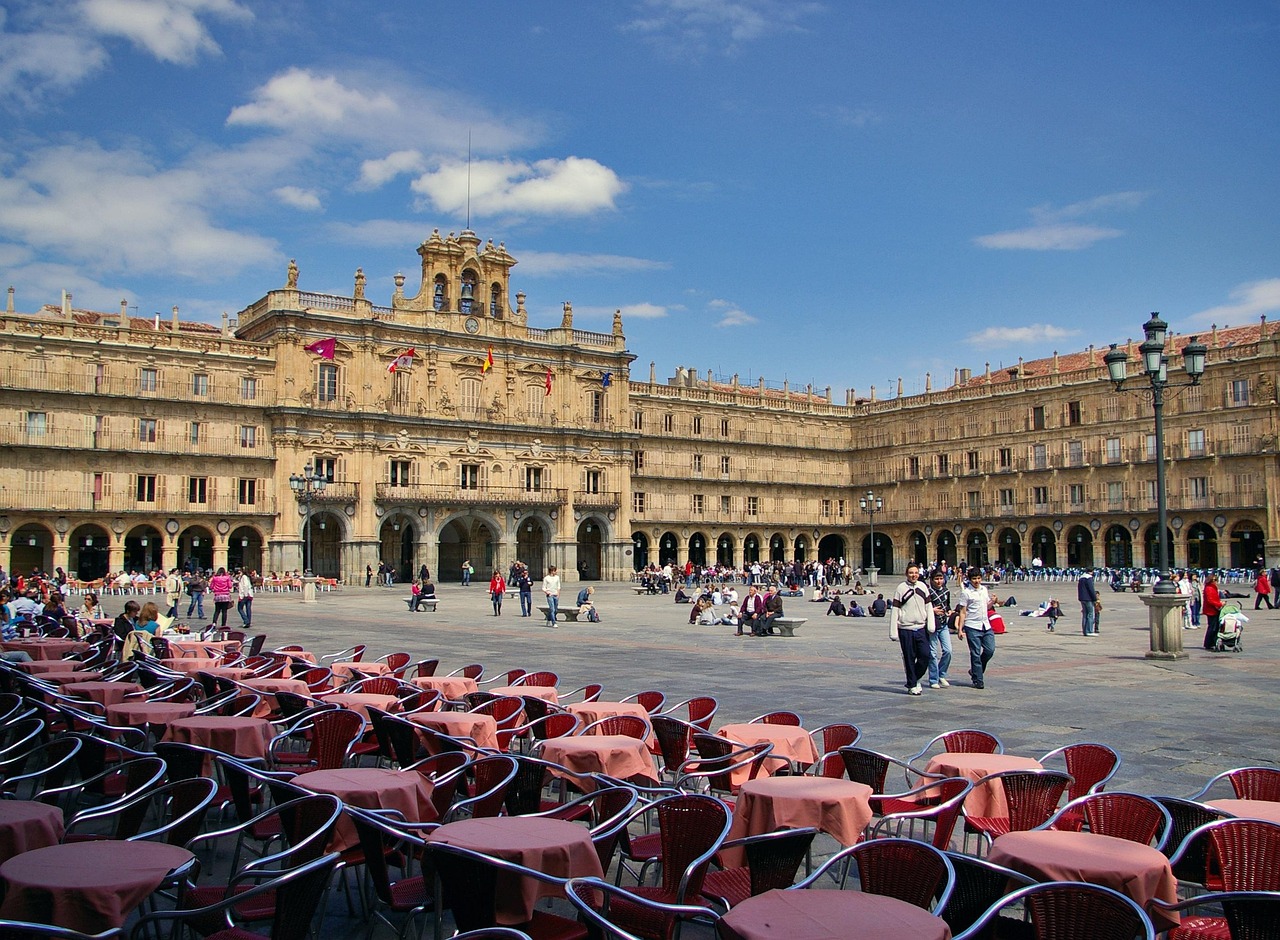
Salamanca’s Plaza Mayor is an elegant sandstone square framed by arcades and historic façades. It’s lively by day and beautifully illuminated after dark. The nearby university buildings and two cathedrals make Salamanca a strong choice for travelers interested in Spain’s architectural heritage.
86. Las Médulas, León province
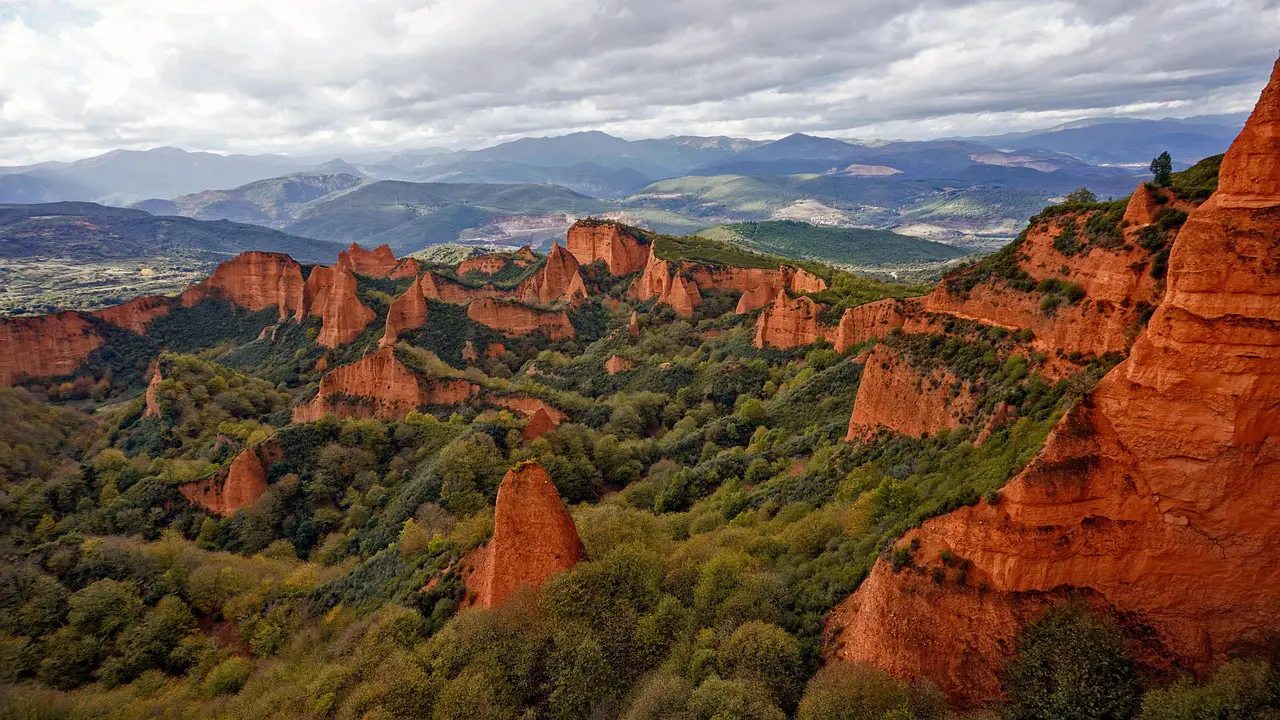
Las Médulas is an extraordinary landscape of red rock formations and wooded valleys shaped by large-scale Roman gold mining. Viewpoints reveal the unusual terrain, while walking routes help explain the site’s history. It’s one of Spain’s most distinctive UNESCO-listed cultural landscapes.
87. Olite Palace, Navarra
The Royal Palace of Olite is a striking medieval palace in Navarra, known for its towers, courtyards and picturesque skyline. Visitors can explore the complex and enjoy views over the town. It’s an excellent choice for castle lovers traveling between Pamplona and central Spain.
88. Bardenas Reales, Navarra
Bardenas Reales is a semi-arid landscape in Navarra, with eroded hills, ravines and striking rock formations. The Castildetierra formation is among its best-known sights. Check permitted routes and access restrictions, and prepare for exposed conditions and limited shade.
89. Basílica del Pilar, Zaragoza
Zaragoza’s Basilica of Our Lady of the Pillar stands beside the Ebro River, with a grand Baroque exterior and distinctive towers. Its interior and riverside setting make it the city’s signature landmark. Combine it with Zaragoza’s old town and nearby Roman remains.
90. Teruel Mudéjar Architecture, Aragón
Teruel is known for its distinctive Mudéjar towers, where brickwork and glazed ceramic decoration reflect medieval cultural influences. Several monuments form part of a UNESCO-listed heritage ensemble. It’s a rewarding city for architecture lovers exploring Aragón beyond Zaragoza.
91. Soria Laguna Negra, Castilla y León
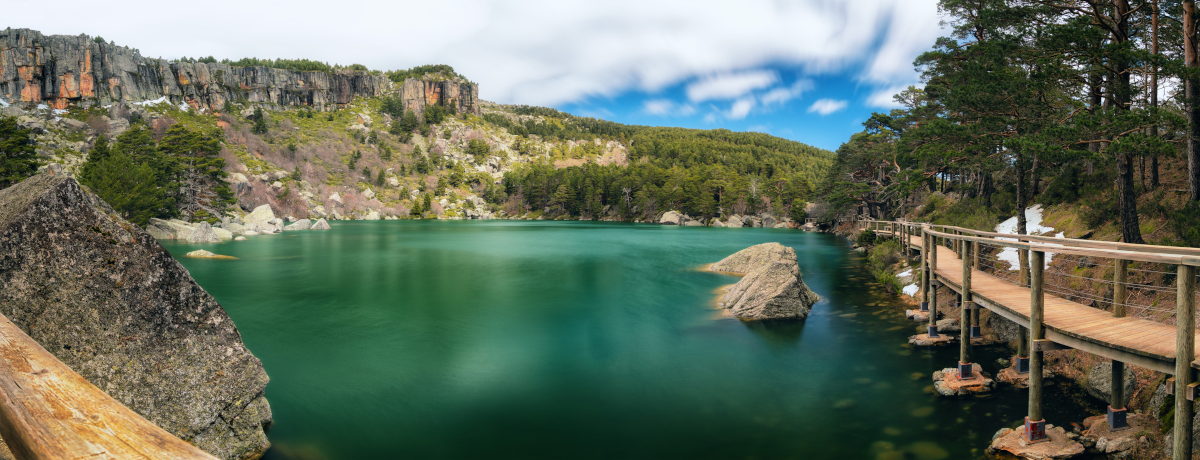
ID 317919991 ©Sebastian Millan Gil | Dreamstime.com
Laguna Negra de Urbión is a dark glacial lake surrounded by pine forests and mountain scenery in Soria province. A walk to the lake offers a peaceful escape into nature, while local legends add to its atmosphere. It’s a good stop for travelers exploring Castilla y León beyond the major cities.
92. Sierra de la Demanda, Burgos–Soria–La Rioja
The Sierra de la Demanda is a quieter mountain area spanning parts of Burgos and La Rioja, with forests, trails and historic villages. It suits travelers looking for rural scenery away from Spain’s busiest attractions. Nearby monasteries and small towns can turn a hike into a longer cultural outing.
93. Frías, Burgos
Frías is a tiny medieval town in Burgos province, with houses perched above a rocky ridge and a castle overlooking the valley. Its steep streets and unusual setting appeal to photographers and history lovers. Combine it with nearby villages on a northern Castile road trip.
94. Las Hurdes, Extremadura
Las Hurdes is a remote region of Extremadura known for rugged valleys, small villages and scenic drives. Its appeal lies in rural landscapes and traditional settlements, making it best for travelers with time to explore slowly. A car is useful for reaching its dispersed sights.
95. Badajoz Fortifications, Extremadura
Badajoz’s Alcazaba is a substantial historic fortress overlooking the Guadiana River near the Portuguese border. Its walls and towers reflect the city’s strategic importance over centuries. Combine it with the old town and riverfront when exploring western Extremadura.
96. Laguna de Gredos, Castilla y León
Laguna Grande de Gredos is a mountain lake set among granite peaks in the Sierra de Gredos. Reaching it requires a hike through highland scenery, making it better suited to active travelers than casual sightseeing. Weather can change quickly at elevation, so plan your route carefully.
97. Sierra de Guara, Aragón
Sierra de Guara in Aragón is a landscape of limestone canyons, rock formations and hiking routes. It’s popular for canyoning and outdoor adventures, while quieter villages offer a different pace. Choose guided activities if you’re unfamiliar with the area’s technical routes.
98. Ordesa and Monte Perdido National Park, Aragón
Ordesa y Monte Perdido National Park in the Aragón Pyrenees is known for its enormous glacial valley, waterfalls and towering cliffs. Walking routes range in difficulty, and access arrangements may change seasonally. It’s one of Spain’s strongest destinations for mountain scenery and hiking.
99. Wine Cellars La Rioja, La Rioja
La Rioja’s bodegas offer an introduction to one of Spain’s most famous wine regions, with vineyard landscapes, cellar tours and tastings. Haro and Logroño make useful bases, and some wineries require advance booking. The region is especially appealing for food and wine-focused road trips.
100. Haro Wine Town, La Rioja
Haro is a historic wine town in La Rioja, celebrated for its bodegas and the concentration of wineries around the railway station. Cellar tours and tastings are the main draw, but the old center is also worth exploring. Reserve winery visits ahead where required.
101. Pamplona Fiesta, Navarra
Pamplona’s San Fermín festival is internationally known for its running of the bulls, but also includes music, parades and traditional celebrations. The event draws large crowds and raises animal-welfare concerns. Visitors can also enjoy Pamplona’s old town and historic streets at other times of year.
Best Places to Visit in Balearic Islands: Mallorca, Menorca, Ibiza and Formentera
The Balearic Islands offer far more than beaches. Mallorca has mountain villages and historic sites, Menorca has coastal walking trails, and Ibiza and Formentera combine distinctive landscapes with island culture.
102. Mallorca Serra de Tramuntana, Majorca
Mallorca’s Serra de Tramuntana is a mountain range of stone villages, terraced hillsides and coastal viewpoints. Valldemossa, Deià and Sóller are popular stops along its winding roads. The area is ideal for a scenic drive or hiking trip away from the island’s busiest beaches.
103. Bellver Castle, Palma de Mallorca
Bellver Castle is unusual for its circular Gothic design, a rarity among European fortresses. Set on a wooded hill above Palma, it offers views of the city, harbor and surrounding coastline. It’s an appealing stop for history buffs who also want a scenic viewpoint on Mallorca.
104. Mallorca Valldemossa, Majorca
Valldemossa is a stone-built village in Mallorca’s Tramuntana mountains, with flower-lined streets and a historic charterhouse associated with Chopin and George Sand. Its cafés and mountain setting make it a popular half-day stop. Combine it with Deià or Sóller on a scenic drive.
105. Port de Sóller Tram, Mallorca
The historic tram between Sóller and Port de Sóller passes through an attractive valley before reaching the harbor. Its wooden carriages make the journey an experience in itself. Combine the tram with a walk along the waterfront or a wider excursion through Mallorca’s Tramuntana mountains.
106. Playa de Muro, Mallorca
Playa de Muro is one of Mallorca’s best-known sandy beaches, with a long shoreline and shallow water in many sections. It suits families and travelers looking for a relaxed beach day near Alcúdia. Facilities and atmosphere vary along the beach, so choose your stretch accordingly.
107. Cala Macarelleta, Menorca
Cala Macarelleta is a small Menorcan cove with clear turquoise water and pine-covered cliffs. Its striking setting makes it popular, especially in summer, when access can require extra planning. Bring what you need and respect the fragile coastal environment.
108. Menorca Camí de Cavalls, Menorca
The Camí de Cavalls circles Menorca along coastal paths, passing coves, cliffs, pinewoods and small beaches. Walk a short section for an accessible taste of the island, or plan a longer hike. Conditions vary considerably between stages, especially in summer heat.
109. Cala Benirràs, Ibiza
Benirràs is a picturesque cove on Ibiza, surrounded by rocky hills, known for sunset views and its long-standing drumming associations. It attracts visitors seeking a different side of the island from the big nightlife resorts. Arrive early in busy periods and check local access arrangements.
110. Las Salinas, Ibiza
Ibiza’s Ses Salines area combines salt flats, protected landscapes and nearby beaches. It offers a glimpse of the island’s traditional salt-making heritage alongside its coastal scenery. The beaches can be lively in summer, while the wetlands and salt ponds are worth seeing in their own right.
111. Formentera Ses Illetes, Balearic Islands
Ses Illetes on Formentera is celebrated for pale sand and shallow turquoise water, with the sea visible on both sides of parts of the narrow peninsula. It can get busy in summer, so consider visiting early. You can reach Formentera by ferry, most commonly from Ibiza.
Best Places to Visit in Canary Islands
The Canary Islands are famous for volcanic landscapes, beaches and year-round outdoor possibilities. Each island has its own character, from Tenerife’s high mountains to Fuerteventura’s dunes and La Palma’s night skies.
112. Teide National Park, Tenerife
Teide National Park on Tenerife surrounds Spain’s highest mountain, with volcanic rock formations and otherworldly landscapes. Viewpoints and walking trails reveal different sides of the terrain, while the area is renowned for clear night skies. Access to the summit requires separate planning and any applicable permits.
113. Gran Canaria Roque Nublo, Canary Islands
Roque Nublo is one of Gran Canaria’s most recognizable volcanic rock formations, rising above the island’s mountainous interior. The surrounding viewpoints offer wide views in clear weather. Check access arrangements and trail conditions before visiting, especially during busy periods.
114. Fuerteventura Corralejo Dunes, Canary Islands
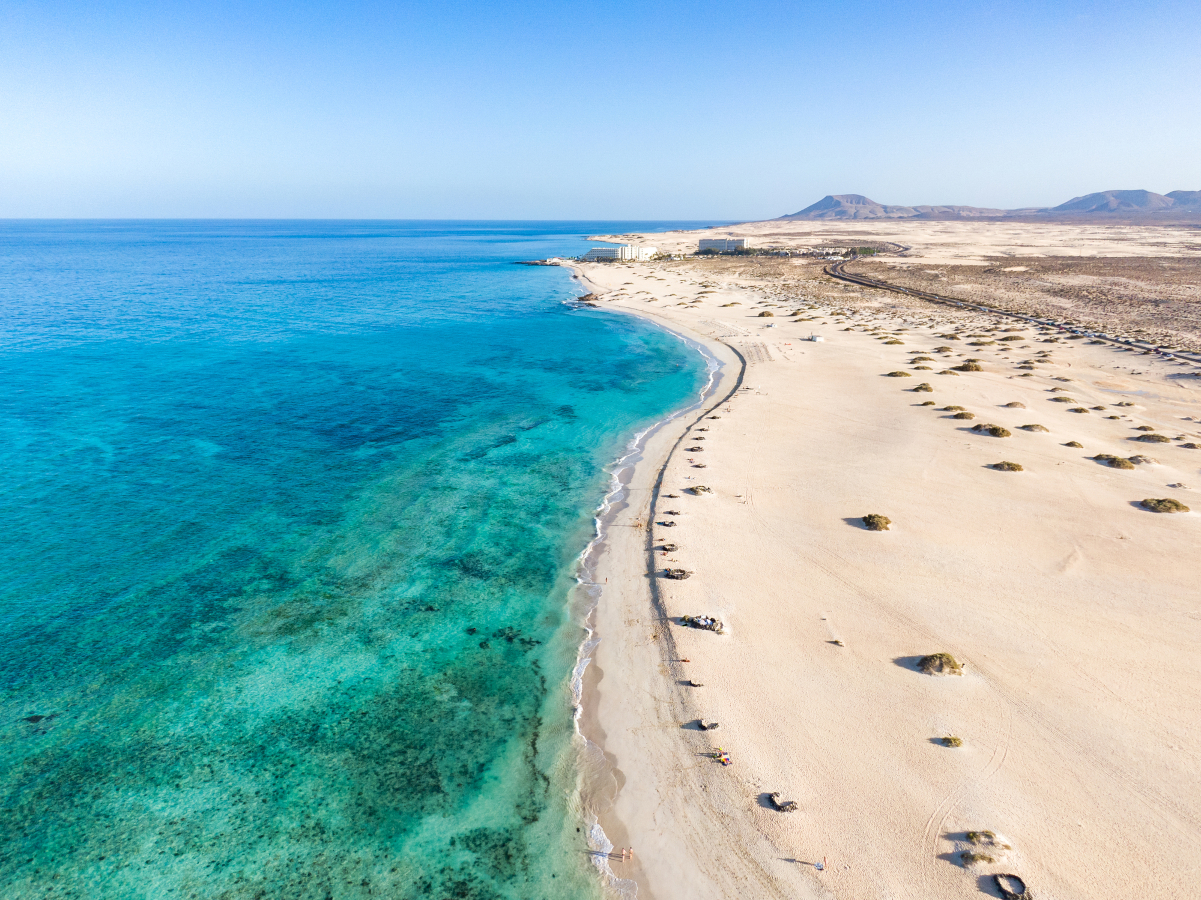
ID 159649837 ©Juergen Wallstabe | Dreamstime.com
Corralejo Natural Park on Fuerteventura is famous for broad, pale sand dunes that meet the Atlantic Ocean. The contrasting colors of sand and sea make for striking photography and beach walks. Respect protected areas and be prepared for strong winds.
115. Lanzarote Papagayo Beaches, Canary Islands
Lanzarote’s Papagayo beaches are a group of coves near Playa Blanca with golden sand and clear water. Their sheltered setting contrasts with the island’s volcanic landscape. Access may involve an unpaved road or a walk, so check conditions before visiting.
116. Isla de La Graciosa, Canary Islands
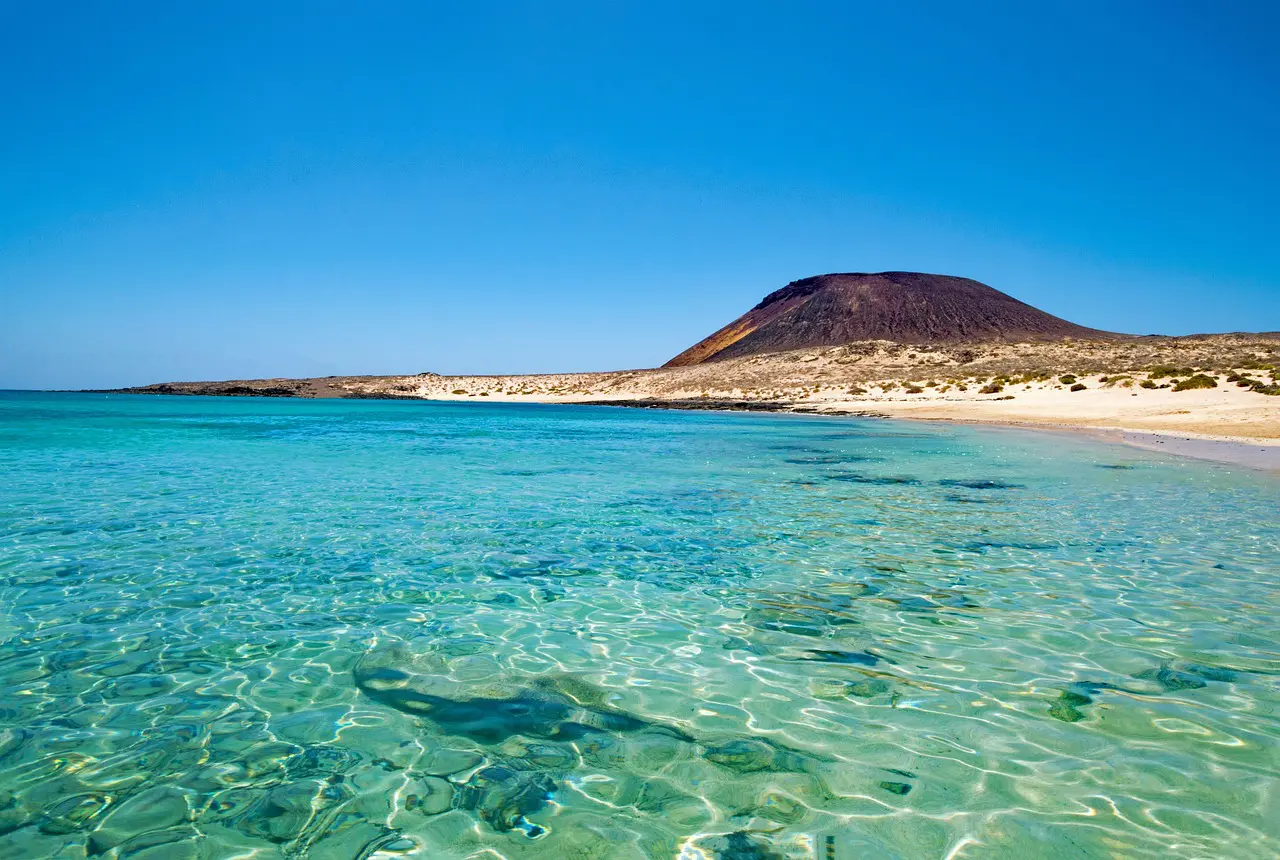
La Graciosa is a small Canary Island north of Lanzarote, with sandy tracks, volcanic hills and quiet beaches. Visitors generally arrive by ferry from Órzola. With limited roads and a slower pace, it’s a good choice for travelers seeking a less-developed island escape.
117. La Palma Star Gazing Site, Canary Islands
La Palma is one of the Canary Islands’ best stargazing destinations, with observatories and protected dark skies. Mountain viewpoints offer a dramatic setting above the clouds. Guided astronomy experiences can be a good choice, but clear skies aren’t guaranteed.
Best Places to Visit in Spain at a Glance
If you are deciding where to go first, these 15 destinations offer a good mix of Spain’s most famous landmarks, historic cities, coastal scenery and natural attractions. Each link takes you to the full description above.
- Sagrada Familia, Barcelona – Gaudí architecture in Barcelona
- Alhambra, Granada – Moorish palaces and gardens in Granada
- Royal Palace of Madrid – royal history in Madrid
- Museo del Prado, Madrid – world-class art in Madrid
- Alcázar of Seville, Seville – palaces and gardens in Seville
- La Mezquita, Córdoba – extraordinary architecture in Córdoba
- Segovia Aqueduct, Segovia – Roman engineering in Segovia
- Alcázar of Segovia, Segovia – a medieval castle near Madrid
- Ronda, Málaga Province – dramatic gorge views in Andalusia
- City of Arts and Sciences, Valencia – modern architecture in Valencia
- Montserrat Monastery & Mountain Complex, near Barcelona – mountains and a monastery near Barcelona
- Playa de la Concha, San Sebastián – a city beach and Basque food
- Picos de Europa National Park, Asturias & Cantabria – spectacular northern mountains
- Teide National Park, Tenerife – volcanic landscapes on Tenerife
- Playa de las Catedrales, Galicia – Galicia’s extraordinary coastal rock arches
Where to Go in Spain Based on Your Interests
History and famous landmarks
Consider Alhambra, La Mezquita, Alcázar of Segovia, Segovia Aqueduct, Royal Palace of Madrid and Roman Theatre. These destinations offer different experiences, so choose based on the region you are visiting and how much time you have.
Beaches and island escapes
Consider Playa de la Concha, Playa de Muro, Formentera Ses Illetes, Playa de las Catedrales, Lanzarote Papagayo Beaches and Isla de La Graciosa. These destinations offer different experiences, so choose based on the region you are visiting and how much time you have.
Beautiful small towns and villages
Consider Setenil de las Bodegas, Frigiliana, Mallorca, Valldemossa, Santillana del Mar, Cadaqués y Zahara de la Sierra. These destinations offer different experiences, so choose based on the region you are visiting and how much time you have.
Nature, mountains and hiking
Consider Picos de Europa National Park, Teide National Park, Ordesa and Monte Perdido National Park, Montserrat Monastery & Mountain Complex, Fuerteventura Corralejo Dunes and Bardenas Reales. These destinations offer different experiences, so choose based on the region you are visiting and how much time you have.
Art, museums and architecture
Consider Museo del Prado, Sagrada Familia, Casa Batlló, Guggenheim Museum, Palau de la Música Catalana and City of Arts and Sciences. These destinations offer different experiences, so choose based on the region you are visiting and how much time you have.
Family trips
Consider the City of Arts and Sciences, Valencia Turia Gardens, Playa de Muro, Girona Old Town, Park Güell, and the Segovia Aqueduct. These destinations offer different experiences, so choose based on the region you are visiting and how much time you have.
How to Choose Which Parts of Spain to Visit
Spain is large, and trying to fit too many distant regions into one trip can mean spending more time in transit than sightseeing. A focused route is usually more enjoyable.
Spain in 5 Days
Choose one major city and nearby excursions. Madrid with Segovia or Toledo works well; Barcelona with Montserrat or Girona is another option. You could also spend five days exploring Seville and Córdoba.
Spain in 7 Days
Focus on one region, such as Andalusia, with Seville, Córdoba and Granada. Alternatively, combine Madrid and Barcelona if you’re comfortable with a city-focused trip and the transfer between them.
Spain in 10 Days
Madrid, Seville and Granada make a satisfying history-focused itinerary. Another option is Barcelona and the Costa Brava, with time for Girona and smaller coastal towns. Leave room for travel days.
Spain in 14 Days
Two weeks lets you combine several cities, such as Madrid, Córdoba, Seville, Granada, and Barcelona, or explore a smaller region more thoroughly. For a road trip, northern Spain offers an excellent combination of coastal towns, mountains and food.
Practical Tips for Visiting Spain’s Famous Places
Book tickets for major attractions such as the Alhambra and Sagrada Família in advance, especially during popular travel periods. Check official opening hours and entry conditions, as some attractions require timed tickets or have seasonal access restrictions.
Spring and autumn are comfortable for city sightseeing, though the best season varies widely between northern Spain, inland cities, and the islands. In Andalusia, summer afternoons can be extremely hot; for mountain destinations, pay extra attention to weather and trail conditions.
For longer itineraries, group nearby places together instead of crossing the country repeatedly. Spain’s rail network works well for many city-to-city journeys, while a rental car is more practical for dispersed villages and natural areas.
Frequently Asked Questions About Places to Visit in Spain
What are the most famous places in Spain?
Some of Spain’s best-known attractions are the Sagrada Família and Park Güell in Barcelona, the Alhambra in Granada, Madrid’s Royal Palace and Prado Museum, the Mosque-Cathedral of Córdoba, Seville Cathedral and Segovia’s Roman aqueduct.
What are the best cities in Spain for first-time visitors?
Madrid, Barcelona, Seville, Granada and Valencia are strong choices for a first visit. Madrid and Barcelona offer major museums and architecture, while Seville and Granada are excellent for Andalusian history. Choose two or three destinations according to your trip length.
What are the best hidden gems in Spain?
Setenil de las Bodegas, Frías, Las Médulas, Bardenas Reales and Santillana del Mar are memorable alternatives to Spain’s busiest sights. Some are well known within Spain, so don’t expect them all to be empty of visitors.
Is one week enough to visit Spain?
Yes, if you focus on a manageable area. Seven days is enough for a satisfying visit to Madrid and nearby historic cities, Barcelona and Catalonia, or a route through Seville, Córdoba and Granada. Trying to see the whole country in one week would be rushed.
What is the best time of year to visit Spain?
Spring and autumn are often comfortable for city breaks and sightseeing, while summer suits many beach holidays. Northern Spain, the Pyrenees and the Canary Islands have different seasonal patterns, so the ideal time depends on where you plan to go.
Final Thoughts on Visiting Spain
Spain offers an extraordinary range of places to explore, from famous landmarks to mountain villages, Roman ruins and islands with landscapes unlike anywhere else in Europe. You don’t need to visit all 117 attractions to have a memorable trip. Choose the region that interests you most, allow time to enjoy it and keep a few less-famous places on your itinerary.
Save this guide for your next trip, and use the regional sections to build a route that works for you.
Save These Spain Travel Ideas for Later
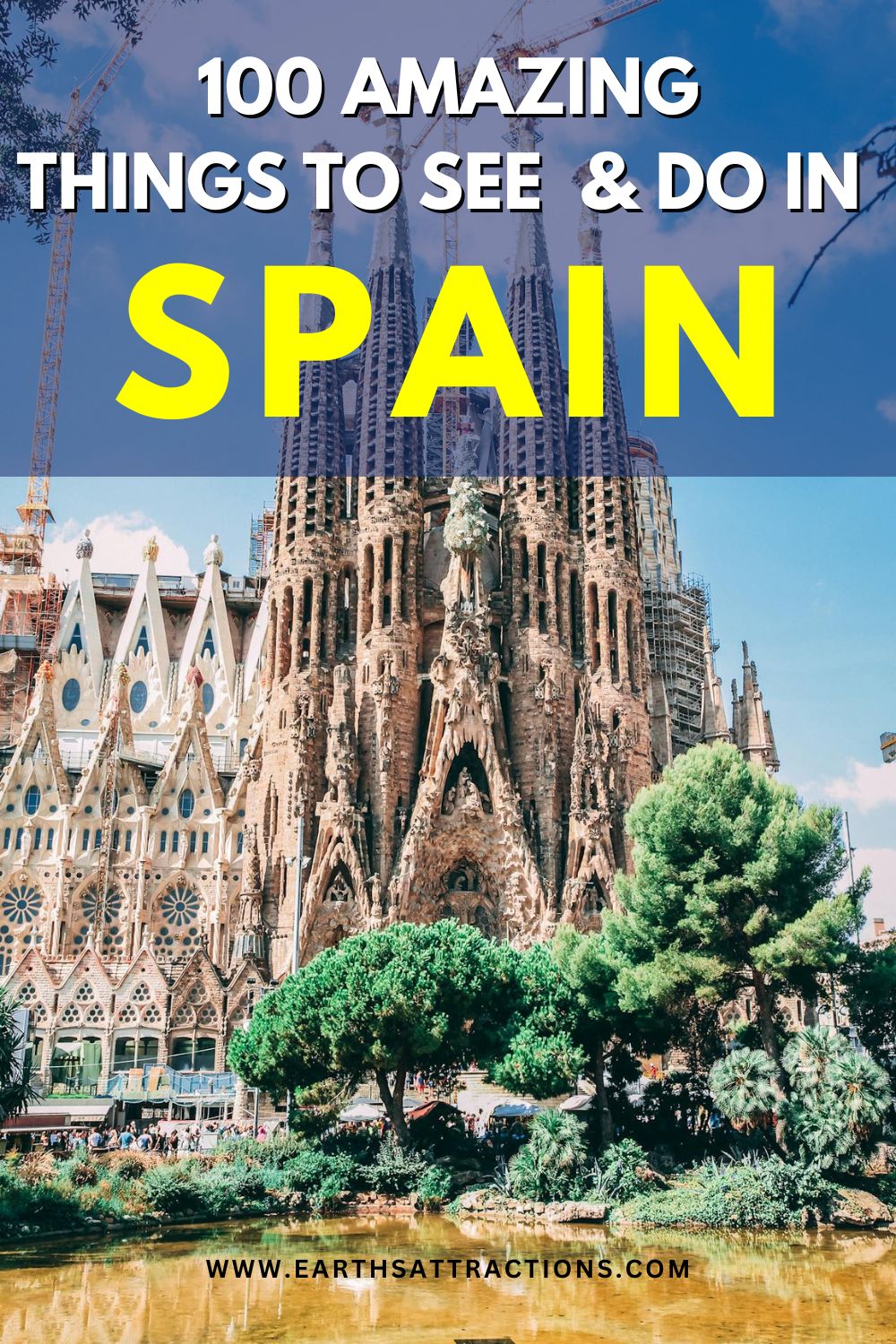
Photo sources (except Dreamstime): 1, 2, 3, 4, 5, 6, 7, 8, 9, 10, 11, 12, photo pin 2, San Juan de Gaztelugatxe photo
More amazing articles for you:
Sydney Like You’ve Never Seen It: Hidden Spots, Epic Views, and Must-Do Experiences - Locals Approve...
Why You Snap at People You Care About - And Regret It Seconds Later
Official Report Reveals Europe’s Top 50 Bucket List Attractions - And #1 Isn’t in Paris, Rome, or Lo...
Forget London - York Is the Storybook City You’ll Never Want to Leave
If You Do These 11 Behaviors Naturally, Research Says Your Intelligence Is Likely Above Average - Mo...
These 20 Travel Hacks Actually Work - Airlines Wish You Didn’t Know #6
5 Unmissable Places to Visit in Macau - From Iconic Towers to Cultural Gems
‘Airport Theory’ Went Viral in 2025. The People Still Trying It in 2026 Are Getting Very Different R...

Violeta-Loredana Pascal is a communications expert, business mentor, and the founder of Earth’s Attractions and PRwave INTERNATIONAL. A pioneer in the Romanian digital PR landscape since 2005, she holds a degree in Communication and Social Sciences from SNSPA Bucharest. Violeta is a senior trainer at AcademiadeAfaceri.ro, where she leverages over 20 years of experience to teach professional courses in PR strategy and workplace productivity. By blending high-level business consulting with a passion for holistic travel and wellness, she empowers solopreneurs to overcome procrastination, build profitable brands, and design a life of purposeful adventure.