Spain is one of those European countries people keep returning to, and I understand why. It is a popular place for expats, but also one of the most loved vacation destinations in Europe. I have many friends who love Spain, my husband has colleagues from Spain, and I love the country too: the atmosphere, the food, the architecture, the beautiful places to visit, and the way everyday life often feels more social and connected.
The country is also famous for a lifestyle that supports longevity. Speaking of that lifestyle, I discovered htrough a conversation with some of my husbands colleagues, that many Spanish proverbs and sayings are warm, sometimes old-fashioned, practical, direct, funny, and very often connected to food, family, patience, and making the best of life. So I decided to go deeper and learn more about them.
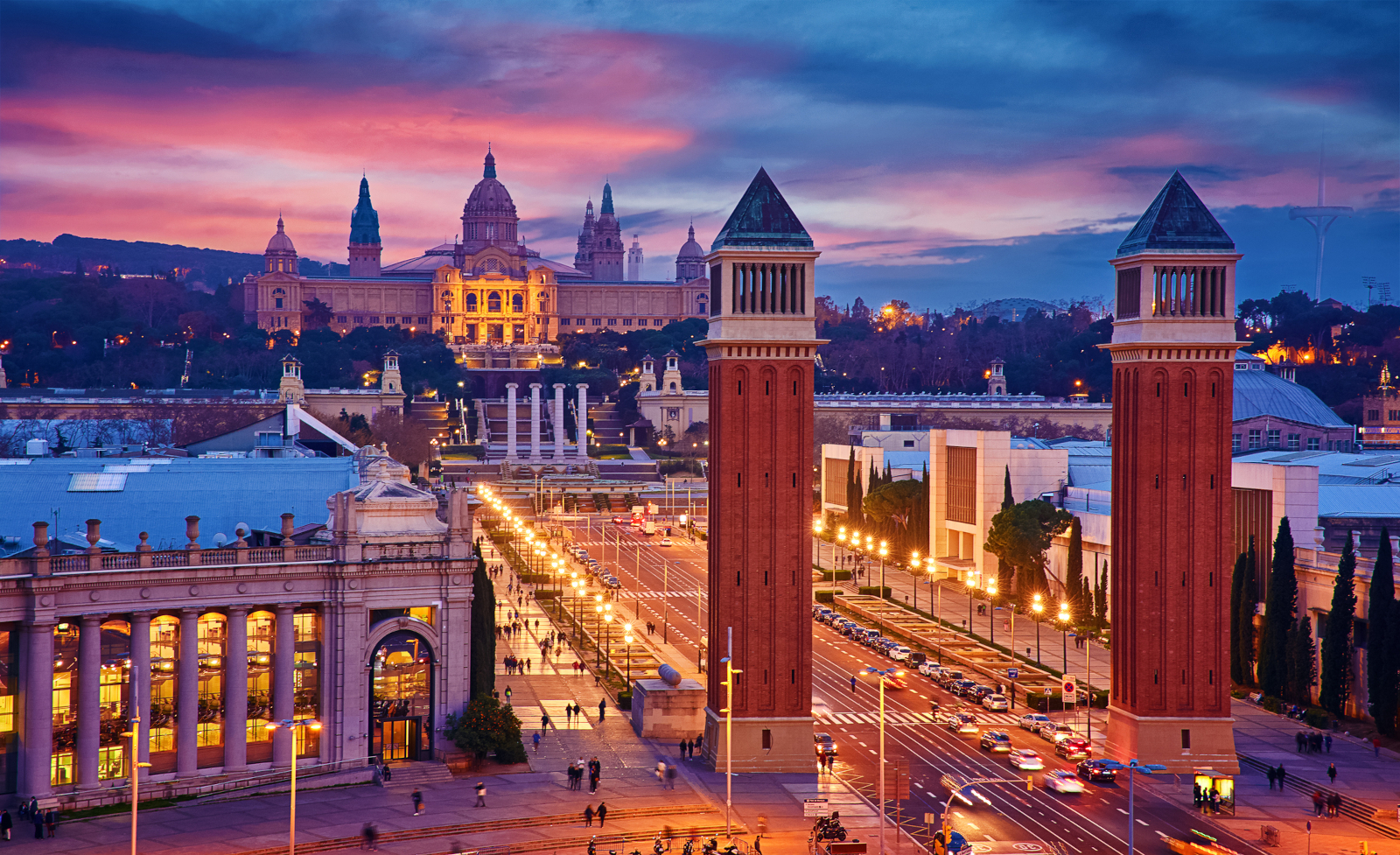
ID 155443421 ©Yasonya | Dreamstime.com
This article includes 150 Spanish proverbs and sayings with English translations, meanings, and context. I’m not only adding the literal translation. For many of these sayings, the literal English version sounds strange, so I’m also adding the real meaning, the closest English equivalent where there is one, and when the phrase actually fits: conversation, food photos, family captions, Spain travel posts, messages, or everyday life.
I think you will find many that will surprise you, will amuse you or will make you say: so true. Read on to discover when Spaniards say the equivalent of to give pumpkins, or the meaning for clear accounts and thick chocolate, or what it means to be like a cheese. While these examples are food-related, not all of the Spanish sayings or proverbs are food-focused 😀
I also included a section near the end with Spanish captions, and Spain quotes you can copy for travel photos, food photos, and family posts.
If you like to discover various countries through their sayings, I also have articles about Italian proverbs, Japanese proverbs and sayings, 130 Latin phrases still used today, 65 British sayings that confuse people, Italian proverbs and meanings, French proverbs and sayings, and Greek proverbs and sayings.
What Is a Spanish Proverb? Refrán, Proverbio, and Dicho Explained
Before getting to the Spanish proverbs with English translation, I think it is good to know the distintion between a few words used. In Spanish, a refrán is usually a traditional popular saying. A proverbio is close to a proverb, maxim, or adage. A dicho is broader and can mean a saying, expression, or phrase people use often.
That is why this article uses both “Spanish proverbs” and “Spanish sayings.” A few near the end are modern Spanish captions and Spain quotes, and I’m separating those from the traditional proverbs so you don’t accidentally treat an Instagram-style caption as an old saying.
How to Use This Guide
If you are looking for famous Spanish proverbs about life with English translation, start with the first section. If you need traditional Spanish sayings about food and family, those sections are separate. If you want aesthetic short Spanish quotes for captions, Spanish captions for Instagram, or meaningful quotes about Spain for travel captions, those are near the end.
Each entry is written to be useful. You’ll see the Spanish phrase, the literal translation, the real meaning, and the best use. Some sayings are perfect for tapas photos, travel photos, family posts, or funny captions. Others are better kept for conversation because they may sound harsh, too old-fashioned, or confusing without context.
Spanish Proverbs About Life and Wisdom
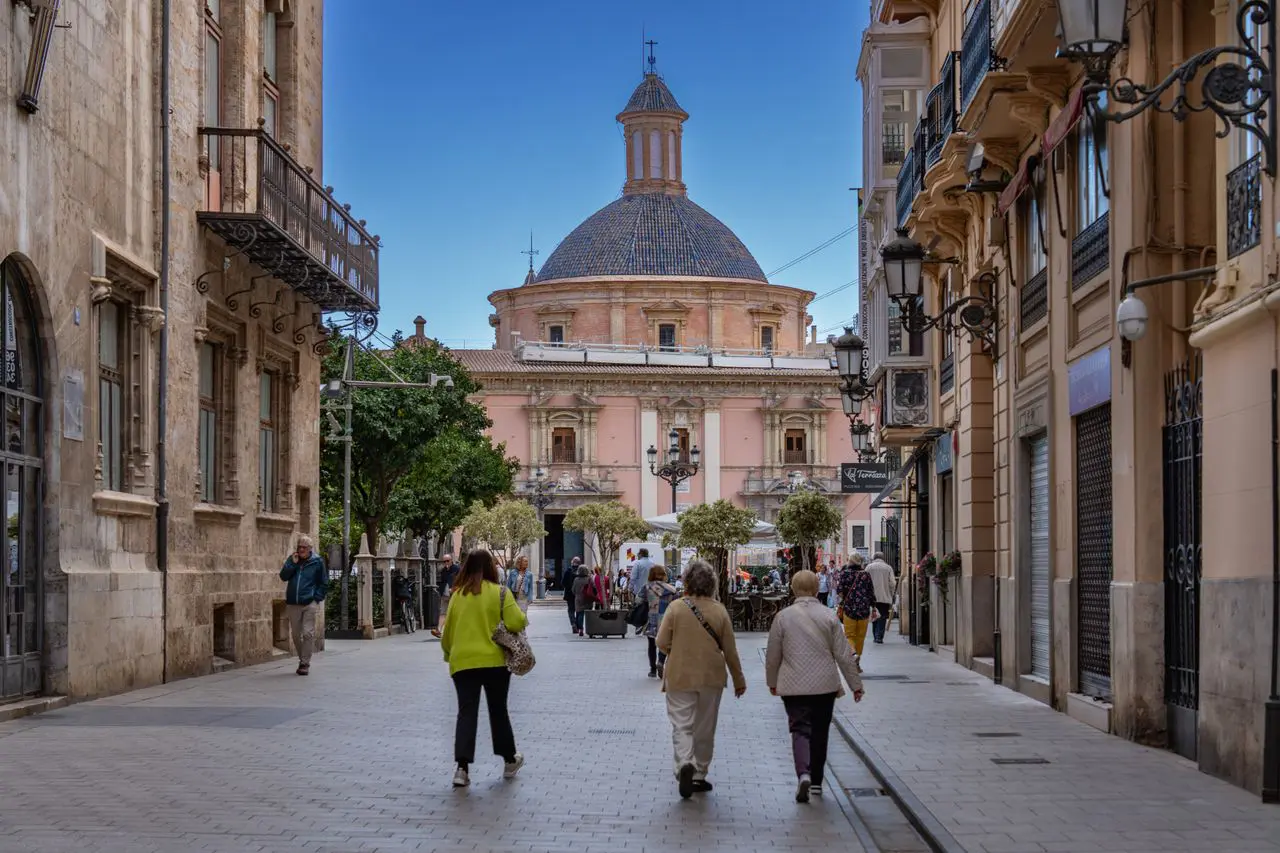
Many Spanish proverbs about life are direct and practical. They talk about patience, effort, bad luck, hope, mistakes, pride, and the difference between what people say and what they actually do. This section is the best place to start if you want famous Spanish proverbs with meanings, short Spanish wisdom quotes, or Spanish sayings that work as life advice.
1. A quien madruga, Dios le ayuda
Literal translation: God helps the one who wakes up early.
Meaning and use: Initiative, discipline, and early action give you an advantage. The closest English equivalent is “The early bird catches the worm.” It works as a serious life proverb, a productivity line, or a caption for a sunrise photo in Spain.
2. No hay mal que por bien no venga
Literal translation: There is no bad thing from which good does not come.
Meaning and use: A bad situation can still lead to something good. The closest English equivalent is “Every cloud has a silver lining.” It is good for travel setbacks, difficult moments, and life posts where something unexpected turned out better than planned.
3. No hay mal que cien años dure
Literal translation: There is no bad thing that lasts one hundred years.
Meaning and use: Bad times don’t last forever. This is one of the best Spanish proverbs about resilience because it is short, clear, and easy to understand.
4. Al mal tiempo, buena cara
Literal translation: To bad weather, a good face.
Meaning and use: Keep a good attitude when things go wrong. This is one of the best Spanish sayings for travel captions because it works for rainy city photos, delayed plans, or any day when you had to adapt and still enjoy the experience.
5. Más vale tarde que nunca
Literal translation: Better late than never.
Meaning and use: This one translates almost directly into English. Use it when something happened late, but still happened. It can work for delayed trips, late arrivals, late decisions, and postponed dreams. It is also a proverb that we have it in Romanian too, word for word 🙂
6. No por mucho madrugar amanece más temprano
Literal translation: Waking up very early doesn’t make the sun rise sooner.
Meaning and use: Some things need time, no matter how impatient you are. It is a good Spanish proverb about patience, especially when effort is useful, but forcing the timing won’t help.
7. Del dicho al hecho hay mucho trecho
Literal translation: From the saying to the deed, there is a long stretch.
Meaning and use: Saying something is much easier than doing it. The closest English idea is “Easier said than done.” It is useful for goals, promises, plans, travel planning, business, and any situation where words sound better than action.
8. Más vale prevenir que curar
Literal translation: It is better to prevent than to cure.
Meaning and use: Avoiding a problem is easier than fixing it later. It works well for travel planning, health, money, documents, packing, insurance, and anything where preparation saves stress.
9. El que mucho abarca, poco aprieta
Literal translation: The one who embraces too much squeezes little.
Meaning and use: If you try to do too many things, you may not do any of them well. So true! This is also very relevant for travel itineraries. Trying to see ten places in one day can leave you tired and unsatisfied instead of making the trip richer.
10. El tiempo todo lo cura
Literal translation: Time cures everything.
Meaning and use: Time softens pain, disappointment, anger, and grief. It is a simple Spanish proverb about healing and patience, and it can also work as a short Spanish quote with meaning.
11. La esperanza es lo último que se pierde
Literal translation: Hope is the last thing that is lost.
Meaning and use: Even when things are difficult, people hold on to hope. It is a warm, serious line for hard moments, personal posts, and reflective captions.
12. Quien no arriesga, no gana
Literal translation: Whoever does not risk does not win.
Meaning and use: You need some courage if you want a better result. It is similar to “Nothing ventured, nothing gained.” It can work as a travel caption if the photo shows a bold choice, a new destination, or a personal challenge.
13. A lo hecho, pecho
Literal translation: To what is done, chest.
Meaning and use: Face the consequences of what has already happened. The literal translation is strange, but the meaning is practical: don’t hide from the result. Own it and continue.
14. Rectificar es de sabios
Literal translation: Correcting oneself is for wise people.
Meaning and use: Changing your mind after you realize something is wrong is a sign of wisdom, not weakness. This is useful in life, work, relationships, and travel planning.
15. Obras son amores, y no buenas razones
Literal translation: Deeds are love, not good reasons.
Meaning and use: Real care is shown through action, not speeches. This Spanish proverb is strong for relationships, friendship, family, and even work because it cuts through empty promises.
16. A palabras necias, oídos sordos
Literal translation: To foolish words, deaf ears.
Meaning and use: Ignore stupid comments, insults, or useless criticism. It is direct and very practical. It can also work as a sassy Spanish caption, but only if the tone fits the photo.
17. En boca cerrada no entran moscas
Literal translation: Flies do not enter a closed mouth.
Meaning and use: Sometimes it is better to stay quiet. The image is funny, but the message is serious: talking too much can create problems.
18. No es oro todo lo que reluce
Literal translation: Not everything that shines is gold.
Meaning and use: Appearances can be misleading. The closest English equivalent is “All that glitters is not gold.” It works for people, travel expectations, luxury images, and anything that looks better from the outside.
19. Más vale pájaro en mano que ciento volando
Literal translation: A bird in the hand is worth more than one hundred flying.
Meaning and use: A sure thing can be better than a risky possibility. The English equivalent is “A bird in the hand is worth two in the bush.” It is useful when choosing between something certain and something tempting but uncertain.
20. El hábito no hace al monje
Literal translation: The habit does not make the monk.
Meaning and use: Clothes, titles, and appearances don’t prove character. This is another Spanish proverb about judging people carefully, not only by what they show on the outside.
21. Zapatero, a tus zapatos
Literal translation: Shoemaker, to your shoes.
Meaning and use: Focus on what you know. It is used when someone gives opinions outside their area or tries to interfere where they don’t understand enough.
22. Cada maestro tiene su librillo
Literal translation: Every teacher has his little book.
Meaning and use: Everyone has their own method. This can be useful when talking about habits, cooking, work, teaching, travel style, or family routines.
23. Nadie escarmienta en cabeza ajena
Literal translation: Nobody learns from someone else’s head.
Meaning and use: People often need to make their own mistakes before they understand. It is a little pessimistic, but very accurate in many situations.
24. Más sabe el diablo por viejo que por diablo
Literal translation: The devil knows more because he is old than because he is the devil.
Meaning and use: Experience teaches more than cleverness alone. It is a strong Spanish proverb about age, experience, and practical wisdom.
25. El mejor escribano echa un borrón
Literal translation: The best scribe makes a blot.
Meaning and use: Even skilled people make mistakes. It is a kinder way to talk about errors because it doesn’t pretend expertise means perfection.
26. Cría fama y échate a dormir
Literal translation: Build a reputation and go to sleep.
Meaning and use: Once people label you, that reputation can follow you, whether fairly or unfairly. It can be positive or negative depending on the context.
27. Nunca llueve a gusto de todos
Literal translation: It never rains to everyone’s liking.
Meaning and use: You cannot please everyone. It is useful in family plans, travel decisions, work, content, and any situation where every option disappoints someone.
28. La avaricia rompe el saco
Literal translation: Greed breaks the sack.
Meaning and use: Wanting too much can make you lose what you already have. The image is simple and strong: overfilling the sack destroys it.
29. Quien siembra vientos recoge tempestades
Literal translation: Whoever sows winds reaps storms.
Meaning and use: Bad actions can create bigger consequences later. It is close to “You reap what you sow,” but with a stronger dramatic image.
30. Dime de qué presumes y te diré de qué careces
Literal translation: Tell me what you brag about, and I will tell you what you lack.
Meaning and use: People often show off the thing they are insecure about. It is sharp, direct, and not exactly gentle, so use it carefully.
31. Querer es poder
Literal translation: To want is to be able.
Meaning and use: Determination can make things possible. It is close to “Where there’s a will, there’s a way.” As a caption, it works better for goals and personal progress than for casual travel photos.
32. Haz el bien y no mires a quién
Literal translation: Do good and don’t look at whom.
Meaning and use: Help people without calculating too much who deserves it. It is a simple moral proverb about generosity.
33. La curiosidad mató al gato
Literal translation: Curiosity killed the cat.
Meaning and use: Curiosity can lead to trouble. It can work as a playful caption for exploring alleys, markets, museums, or unusual places.
34. A buen entendedor, pocas palabras bastan
Literal translation: To a good understander, few words are enough.
Meaning and use: Smart or perceptive people don’t need long explanations. It can be sincere, elegant, or slightly pointed depending on tone.
35. Cada loco con su tema
Literal translation: Every crazy person with their topic.
Meaning and use: Everyone has their obsession, preference, or favorite subject. It is informal and funny, and it works well when someone is very passionate about food, architecture, travel, history, or any personal interest.
36. Quien adelante no mira, atrás se queda
Literal translation: Whoever does not look ahead stays behind.
Meaning and use: Plan ahead and pay attention to what is coming. It is useful for life, work, travel planning, and any situation where ignoring the future can cost you.
37. A la vejez, viruelas
Literal translation: In old age, smallpox.
Meaning and use: This old saying is used when someone does something unexpected later in life, sometimes with humor, sometimes with criticism. It needs context because the literal translation sounds harsh and strange in English.
38. El arte de vencer se aprende en las derrotas
Literal translation: The art of winning is learned in defeats.
Meaning and use: This is more of a quote-style saying than a classic proverb, but it is useful because the message is clear: failure can teach you how to improve. Use it for sports, creative projects, study, or personal growth.
Spanish Proverbs About Food, Bread, Wine, and the Table
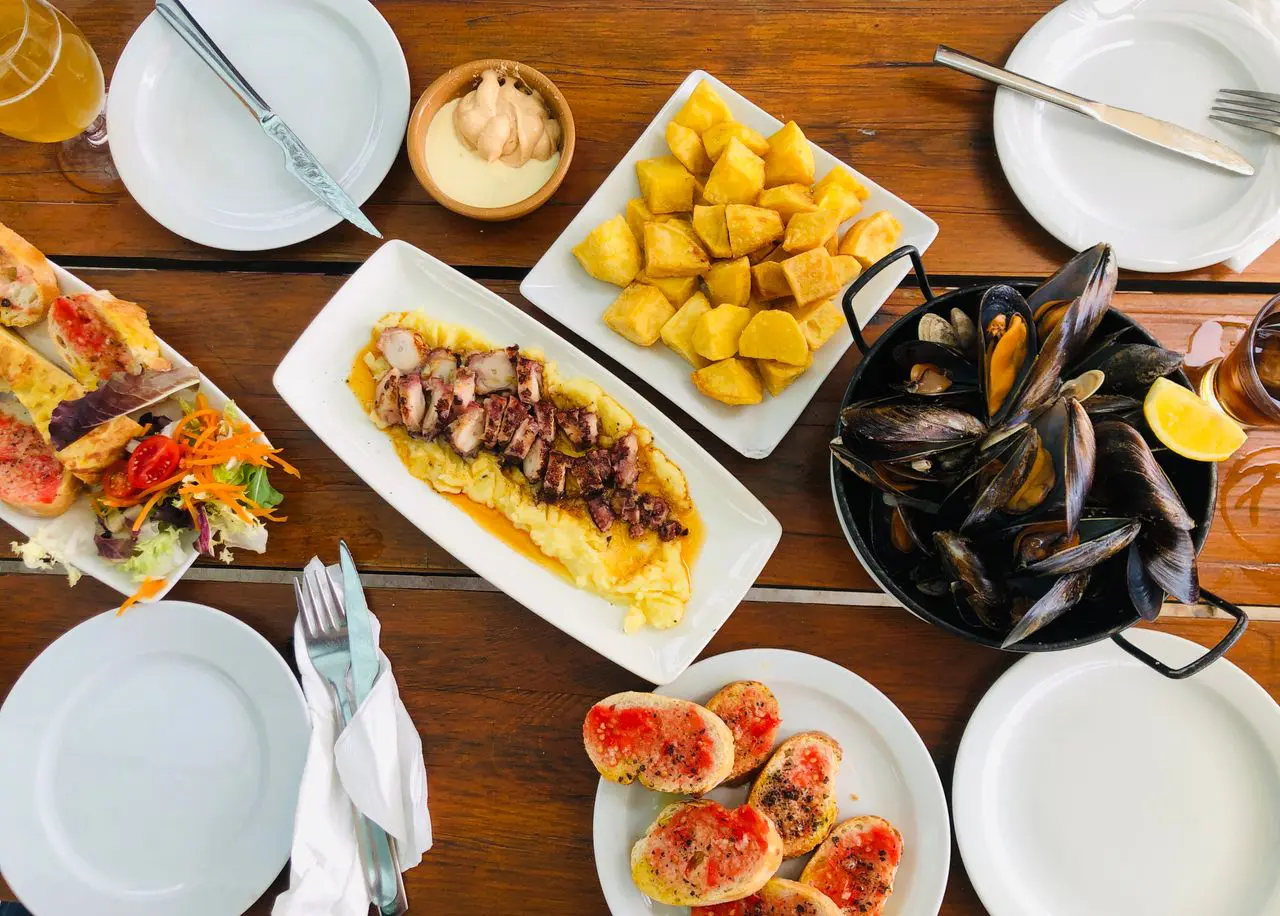
Food appears often in Spanish proverbs and sayings because the table is a place where daily life, family, hospitality, and practical wisdom meet. These traditional Spanish sayings about food and family are useful for language learners, but they are also perfect for food captions, tapas photos, Spanish cooking posts, and travel memories from markets, cafés, and long meals.
39. Barriga llena, corazón contento
Literal translation: Full belly, happy heart.
Meaning and use: Good food brings comfort and happiness. This is one of the best Spanish food captions for tapas, paella, churros, family meals, markets, and restaurant photos.
40. A buen hambre no hay pan duro
Literal translation: To good hunger, there is no hard bread.
Meaning and use: When you are truly hungry, simple food tastes good. It works for casual meals, long sightseeing days, and food photos that are not fancy but still perfect in the moment.
41. Las penas con pan son menos
Literal translation: Sorrows are less with bread.
Meaning and use: Food doesn’t solve everything, but it can make a hard moment easier. It is warm, human, and very good for food writing, comfort food, and Spain captions connected to bread, tapas, or family meals.
42. Al pan, pan, y al vino, vino
Literal translation: To bread, bread, and to wine, wine.
Meaning and use: Call things by their real name. The closest English equivalent is “Call a spade a spade.” It is not only about food; it is about being direct.
43. A falta de pan, buenas son tortas
Literal translation: When there is no bread, cakes are good.
Meaning and use: If the ideal option is not available, a decent alternative can still be useful. This is a practical proverb for travel changes, cooking, money, and everyday compromises.
44. Pan para hoy, hambre para mañana
Literal translation: Bread for today, hunger for tomorrow.
Meaning and use: A short-term solution can create a longer-term problem. It is a strong proverb for money, planning, rushed decisions, and temporary fixes.
45. No se puede hacer tortilla sin romper los huevos
Literal translation: You can’t make an omelet without breaking eggs.
Meaning and use: Some results require disruption, effort, or sacrifice. The English equivalent is almost identical. It works in food, work, creativity, and life decisions.
46. Con pan y vino se anda el camino
Literal translation: With bread and wine, the road is walked.
Meaning and use: Simple food, energy, and good company can carry you through a journey. It is excellent for Spain travel captions, walking days, countryside meals, and food photos that feel relaxed rather than polished.
47. Uvas con queso saben a beso
Literal translation: Grapes with cheese taste like a kiss.
Meaning and use: Some combinations are naturally delicious. This is one of the most beautiful Spanish food sayings for a cheese board, wine night, picnic, or food photo.
48. El comer y el rascar, todo es empezar
Literal translation: Eating and scratching are all about starting.
Meaning and use: Once you begin something pleasant or tempting, it is hard to stop. It is funny and very usable for food posts, especially when the meal keeps going.
49. Cada uno arrima el ascua a su sardina
Literal translation: Everyone brings the ember close to their sardine.
Meaning and use: People often act in their own interest. The image is food-related, but the meaning is social and practical. It is useful when someone is clearly trying to benefit themselves.
50. En todas partes cuecen habas
Literal translation: Beans are cooked everywhere.
Meaning and use: Problems exist everywhere. No country, family, workplace, or group is perfect. It is a good reminder when a place looks ideal from the outside.
51. De la mar, el mero; de la tierra, el cordero
Literal translation: From the sea, grouper; from the land, lamb.
Meaning and use: It praises excellent foods from sea and land. It is more culinary than philosophical, but it gives a nice cultural flavor to a section about Spanish food sayings.
52. Aceite y vino, bálsamo divino
Literal translation: Oil and wine, divine balm.
Meaning and use: Olive oil and wine are treated as precious, almost healing staples. Use it as a cultural food saying, not as medical advice.
53. Donde no hay harina, todo es mohína
Literal translation: Where there is no flour, everything is gloom.
Meaning and use: Lack of basic resources creates tension. It is an old-fashioned but useful proverb because it shows how food staples carried emotional and practical weight.
54. No se hizo la miel para la boca del asno
Literal translation: Honey was not made for the donkey’s mouth.
Meaning and use: Some people do not appreciate what is valuable. It can sound insulting, so avoid it as a caption unless you want a sharper tone.
55. El hambre agudiza el ingenio
Literal translation: Hunger sharpens ingenuity.
Meaning and use: Need can make people resourceful. It is useful for survival, creativity, budgeting, simple cooking, and travel days when you improvise.
56. A cada cerdo le llega su San Martín
Literal translation: Every pig gets its Saint Martin’s Day.
Meaning and use: Everyone eventually faces consequences. The image comes from the traditional time of pig slaughter, so it is not a cute food caption. It belongs in cultural context, not on a pretty dinner photo.
57. Ser pan comido
Literal translation: To be eaten bread.
Meaning and use: It means something is very easy. It is an expression rather than a proverb, but readers often search for this kind of Spanish saying because the literal translation is confusing.
58. Estar en su salsa
Literal translation: To be in one’s sauce.
Meaning and use: To feel comfortable and in your element. It is perfect for food lovers, markets, cooking classes, and anyone who looks completely happy in a Spanish food setting.
59. Dar calabazas
Literal translation: To give pumpkins.
Meaning and use: This common expression can mean rejecting someone romantically. In school contexts, it can also refer to failing someone. It is not a proverb, but it is memorable because the literal translation gives English speakers no real clue.
60. Mucho ruido y pocas nueces
Literal translation: A lot of noise and few walnuts.
Meaning and use: A lot of talk, drama, or hype with little substance. The English ideas are “all bark and no bite” or “much ado about nothing.” It is good for people who promise more than they deliver.
Spanish Proverbs About Family, Parents, Home, and Hospitality
Spanish proverbs about family often sound warm, but some are very direct. This section includes Spanish family quotes with English translation, traditional Spanish sayings about home, and a few hospitality phrases that connect beautifully with food and shared meals.
61. De tal palo, tal astilla
Literal translation: From such a stick, such a splinter.
Meaning and use: Children often resemble their parents in character, habits, looks, or behavior. The closest English equivalent is “A chip off the old block.” It is one of the best Spanish family captions.
62. Donde comen dos, comen tres
Literal translation: Where two eat, three eat.
Meaning and use: There is always room for one more person at the table. It is a beautiful Spanish saying about hospitality, family meals, generosity, and stretching what you have.
63. Madre no hay más que una
Literal translation: There is only one mother.
Meaning and use: A mother is unique and irreplaceable. This works as a warm family line, especially for Mother’s Day, family photos, or personal notes.
64. La sangre tira
Literal translation: Blood pulls.
Meaning and use: Family bonds can remain strong even when people are far apart or complicated. The closest English idea is “Blood is thicker than water,” though the emotional tone can depend on context.
65. En casa del herrero, cuchillo de palo
Literal translation: In the blacksmith’s house, a wooden knife.
Meaning and use: People often lack at home the thing they provide professionally to others. It is funny because it is so recognizable: the expert does not always apply their expertise at home.
66. Hijo de gato, caza ratón
Literal translation: The son of a cat hunts mice.
Meaning and use: Children often inherit abilities or habits from their parents. It is similar to “Like father, like son,” but the animal image makes it more vivid.
67. Cada gallo canta en su corral
Literal translation: Every rooster sings in his own yard.
Meaning and use: People feel stronger, louder, or more confident in their own home or familiar space. It can be used for family, local pride, or home territory.
68. Casa con dos puertas, mala es de guardar
Literal translation: A house with two doors is hard to guard.
Meaning and use: Too many openings, options, or secrets can make control difficult. It is older in tone, but the image is easy to understand.
69. Quien tiene padrino, se bautiza
Literal translation: Whoever has a godfather gets baptized.
Meaning and use: Connections help. It is a sharp saying about social networks, influence, and the advantage of having someone open doors for you.
70. El casado casa quiere
Literal translation: The married person wants a house.
Meaning and use: Couples often need their own home and space. It is traditional, simple, and mostly useful when talking about family independence.
71. La ropa sucia se lava en casa
Literal translation: Dirty laundry is washed at home.
Meaning and use: Family problems should not always be exposed publicly. The English equivalent is “Don’t air your dirty laundry in public.”
72. Quien a buen árbol se arrima, buena sombra le cobija
Literal translation: Whoever leans on a good tree is sheltered by good shade.
Meaning and use: Good company, strong family support, or wise alliances can protect you. It is a warm proverb for mentorship, family, friendship, and support.
73. Cada oveja con su pareja
Literal translation: Every sheep with its partner.
Meaning and use: People tend to pair with others like them. It can be used for couples, friendship groups, social circles, and sometimes with a joking tone.
74. Amor de madre, ni la nieve lo enfría
Literal translation: A mother’s love, not even snow cools it.
Meaning and use: A mother’s love is strong and lasting. It is poetic and warm, but use it as a traditional-style saying rather than a line everyone uses daily.
75. De padres gatos, hijos michinos
Literal translation: From cat parents, kitten children.
Meaning and use: Children resemble their parents. It is similar in idea to “De tal palo, tal astilla,” but with a more playful animal image.
76. Quien bien te quiere, te hará llorar
Literal translation: Whoever loves you well will make you cry.
Meaning and use: Traditionally, it suggests that real love may include hard truths or correction. Be careful with this one. It can sound harsh today and is not ideal as a romantic caption without context.
77. Entre padres y hermanos, no metas las manos
Literal translation: Between parents and siblings, don’t put your hands.
Meaning and use: Family conflicts can be complicated, and outsiders may not understand the history behind them. It is not a warm caption, but it is useful as a social observation.
78. Familia y trastos viejos, pocos y lejos
Literal translation: Family and old junk, few and far away.
Meaning and use: This is a sharper, ironic saying about family distance and complications. Use it only in a humorous or cynical section, not as a universal family quote.
Spanish Proverbs About Love, Friendship, and Relationships

Spanish sayings about love and friendship can be romantic, practical, funny, or painfully direct. Some make good captions. Others are better used as cultural expressions because they can sound too sharp if you put them under a soft photo. This section is useful for Spanish quotes with English translation, friendship sayings, and relationship proverbs.
79. El amor es ciego
Literal translation: Love is blind.
Meaning and use: Love can make people ignore flaws, warnings, or reality. The English equivalent is exactly the same, so this is easy to remember.
80. Ojos que no ven, corazón que no siente
Literal translation: Eyes that do not see, heart that does not feel.
Meaning and use: If you do not see something, it may hurt less. The closest English equivalent is “Out of sight, out of mind,” but the Spanish version feels more emotional.
81. Amor con amor se paga
Literal translation: Love is paid with love.
Meaning and use: Affection, care, and loyalty should be returned with the same warmth. This works beautifully for friendship, family, and romantic posts.
82. Más vale solo que mal acompañado
Literal translation: Better alone than badly accompanied.
Meaning and use: Being alone is better than being with the wrong people. It is a strong Spanish proverb about self-respect, friendships, relationships, and travel companions.
83. Dime con quién andas, y te diré quién eres
Literal translation: Tell me who you walk with, and I will tell you who you are.
Meaning and use: The people around you say something about your character. The closest English ideas are “You are known by the company you keep” and “Birds of a feather flock together.”
84. Hoy por ti, mañana por mí
Literal translation: Today for you, tomorrow for me.
Meaning and use: We help each other because one day the situation may be reversed. It is a good friendship saying and works well for teamwork, travel companions, and family support.
85. Las cuentas claras y el chocolate espeso
Literal translation: Clear accounts and thick chocolate.
Meaning and use: Good relationships need clarity, especially with money. The chocolate image makes the saying memorable, but the message is very practical.
86. Donde hubo fuego, cenizas quedan
Literal translation: Where there was fire, ashes remain.
Meaning and use: Old feelings, memories, or attraction may not completely disappear. It is good for nostalgic writing, but be careful with it as a caption because the implication is strong.
87. Amigo en la adversidad, amigo de verdad
Literal translation: A friend in adversity is a true friend.
Meaning and use: Real friends show up when things are hard. It is a warm and useful friendship proverb.
88. Quien tiene un amigo, tiene un tesoro
Literal translation: Whoever has a friend has a treasure.
Meaning and use: True friendship is valuable. This is one of the easiest Spanish friendship quotes to use as a caption.
89. El roce hace el cariño
Literal translation: Contact creates affection.
Meaning and use: Spending time together can create closeness. It can refer to friendship, romance, family, or people who become close through shared daily life.
90. Amores reñidos son los más queridos
Literal translation: Quarreling loves are the most loved.
Meaning and use: This old saying suggests that arguments can exist alongside affection. Use it cautiously because it can sound outdated or too forgiving of conflict.
91. Cada cual con su cada cual
Literal translation: Each one with their each one.
Meaning and use: Everyone has their person or place. It is informal and playful, and it can work for couples or friendship groups.
92. De la vista nace el amor
Literal translation: Love is born from sight.
Meaning and use: Attraction often begins with what we see. It is more common in Latin American Spanish, but English-speaking readers searching Spanish love sayings may find it useful.
93. Amor de lejos, amor de tontos
Literal translation: Love from far away, love of fools.
Meaning and use: Long-distance love can be difficult or unwise. It is blunt and not very romantic, so don’t use it as a sweet caption unless the tone is joking.
94. Amor viejo ni te olvido ni te dejo
Literal translation: Old love, I neither forget you nor leave you.
Meaning and use: Old love can remain emotionally complicated. It works better in a literary or nostalgic context than in everyday conversation.
95. A la fuerza, ni los zapatos entran
Literal translation: By force, even shoes do not go in.
Meaning and use: You cannot force feelings, decisions, or relationships. It is a useful line for boundaries and emotional clarity.
96. Amor y celos, hermanos gemelos
Literal translation: Love and jealousy, twin siblings.
Meaning and use: This traditional-style saying links love and jealousy, but the idea can feel old-fashioned today. Add context if you use it.
97. Ni contigo ni sin ti
Literal translation: Neither with you nor without you.
Meaning and use: It describes a complicated relationship where being together and being apart both feel difficult. It is common as a phrase and very usable in captions with a dramatic tone.
98. El que con niños se acuesta, mojado se levanta
Literal translation: Whoever lies down with children wakes up wet.
Meaning and use: If you get involved with immature people or situations, you should expect messy consequences. It is not about romance only, but it often applies to relationships and poor choices.
Funny Spanish Sayings and Expressions That Sound Strange in English
Funny Spanish sayings often get attention because the literal translation sounds ridiculous in English. This section includes funny Spanish proverbs, idioms, and expressions. Some are not traditional refranes, so I am labeling them as sayings and expressions rather than pretending they all belong in the same category.
99. Estar como un queso
Literal translation: To be like a cheese.
Meaning and use: It means someone is very attractive. It is slangy and funny, not a traditional proverb. Use it with care because it is playful and informal.
100. Me importa un pimiento
Literal translation: It matters a pepper to me.
Meaning and use: It means “I don’t care at all.” It is a funny Spanish expression because the literal food image does not explain the emotional meaning unless you know the phrase.
101. No está el horno para bollos
Literal translation: The oven is not ready for buns.
Meaning and use: The situation is tense or not suitable for jokes, requests, or extra problems. It is useful when people are already irritated.
102. Éramos pocos y parió la abuela
Literal translation: We were few, and grandmother gave birth.
Meaning and use: A bad or chaotic situation got even more complicated. It is funny, dramatic, and very memorable.
103. A otro perro con ese hueso
Literal translation: To another dog with that bone.
Meaning and use: Try that lie, excuse, or trick on someone else. It is direct and dismissive, so it works better in conversation than as a pretty caption.
104. Meterse en camisa de once varas
Literal translation: To get into an eleven-yard shirt.
Meaning and use: To get involved in a complicated situation you should probably have avoided. It is a great phrase for travel trouble, bureaucracy, or overcomplicated plans.
105. Irse por los cerros de Úbeda
Literal translation: To go through the hills of Úbeda.
Meaning and use: To go off topic or take a long detour in conversation. It can also work as a funny travel caption if you literally got lost or wandered away from the plan.
106. Estar como una cabra
Literal translation: To be like a goat.
Meaning and use: To be crazy, eccentric, or acting wildly. It is informal and can be affectionate or insulting depending on tone.
107. Costar un ojo de la cara
Literal translation: To cost an eye from the face.
Meaning and use: To be very expensive. The English equivalent is “to cost an arm and a leg.” It is useful for travel costs, restaurants, hotels, and souvenirs.
108. Buscarle tres pies al gato
Literal translation: To look for three feet on the cat.
Meaning and use: To overcomplicate something or look for problems where there may not be any. The image is absurd, which makes it easy to remember.
109. Matar moscas a cañonazos
Literal translation: To kill flies with cannon shots.
Meaning and use: To use a solution that is far too extreme for the problem. It is similar to “using a sledgehammer to crack a nut.”
110. No tener pelos en la lengua
Literal translation: To have no hairs on the tongue.
Meaning and use: To speak openly and directly. It can be positive or negative depending on whether the honesty is helpful or too blunt.
111. A buenas horas, mangas verdes
Literal translation: At good hours, green sleeves.
Meaning and use: It means help or action arrived too late. The literal translation is confusing, so this is a good example of why Spanish sayings need context.
112. Dormirse en los laureles
Literal translation: To fall asleep on the laurels.
Meaning and use: To relax too much after success. The English equivalent is “to rest on one’s laurels.”
113. Tirar la casa por la ventana
Literal translation: To throw the house out the window.
Meaning and use: To spend a lot or celebrate extravagantly. It is useful for parties, celebrations, weddings, and big travel splurges.
114. Ahogarse en un vaso de agua
Literal translation: To drown in a glass of water.
Meaning and use: To get overwhelmed by a small problem. It is a useful expression for stress, anxiety, planning, and everyday drama.
115. Estar en las nubes
Literal translation: To be in the clouds.
Meaning and use: To be distracted or daydreaming. It is easy to understand and can work as a dreamy travel caption too.
116. Tomar el pelo
Literal translation: To take the hair.
Meaning and use: To tease someone or pull someone’s leg. It is a common expression, and the literal translation does not help much without context.
117. Hacer la vista gorda
Literal translation: To make the fat sight.
Meaning and use: To look the other way or pretend not to notice. It is useful in social situations, rules, small mistakes, and daily life.
118. Ponerse las botas
Literal translation: To put on the boots.
Meaning and use: To enjoy something a lot, often food or abundance. It can mean eating very well, so it is excellent for food travel content.
Spanish Proverbs About Work, Money, Luck, and Success
Many Spanish proverbs about work and money are practical rather than inspirational. They talk about effort, saving, greed, timing, reputation, and luck. This section is useful for readers looking for Spanish sayings with English translation beyond love and family.
119. El que algo quiere, algo le cuesta
Literal translation: Whoever wants something, something it costs them.
Meaning and use: Worthwhile things require effort, money, patience, or sacrifice. It is very useful for work, goals, and travel dreams.
120. No dejes para mañana lo que puedas hacer hoy
Literal translation: Don’t leave for tomorrow what you can do today.
Meaning and use: Don’t procrastinate. The English equivalent is very close. It works for planning, work, documents, bookings, and tasks you keep delaying.
121. Quien no trabaja, no come
Literal translation: Whoever does not work does not eat.
Meaning and use: Survival and comfort require effort. It is blunt and traditional, so use it more as cultural wisdom than soft motivation.
122. El dinero llama al dinero
Literal translation: Money calls money.
Meaning and use: Money can create more opportunities for money. It is a practical saying about advantage, investment, and resources.
123. El que guarda, siempre tiene
Literal translation: The one who saves always has.
Meaning and use: Saving something for later gives you security. It is simple, direct, and easy to connect with money habits.
124. El que la sigue, la consigue
Literal translation: The one who follows it gets it.
Meaning and use: Persistence can bring results. It is a common motivational Spanish saying for goals, learning, work, and personal projects.
125. El que no corre, vuela
Literal translation: Whoever does not run, flies.
Meaning and use: People move quickly when there is an opportunity. It can also imply that if you hesitate, others will take the advantage.
126. Camarón que se duerme se lo lleva la corriente
Literal translation: The shrimp that falls asleep is carried away by the current.
Meaning and use: If you are careless or slow, you may lose your chance. It is more common in Latin American Spanish, but many English-speaking readers know or search it.
127. La ocasión la pintan calva
Literal translation: Opportunity is painted bald.
Meaning and use: You need to grab an opportunity quickly because it may not be easy to catch later. The image comes from the idea of grabbing opportunity by the hair before it passes.
128. No vendas la piel del oso antes de cazarlo
Literal translation: Don’t sell the bear’s skin before hunting it.
Meaning and use: Don’t count on a result before it is certain. It is close to “Don’t count your chickens before they hatch.”
129. A río revuelto, ganancia de pescadores
Literal translation: In a stirred-up river, fishermen gain.
Meaning and use: Some people benefit from confusion or disorder. It is useful for politics, business, family arguments, travel chaos, or any messy situation where someone profits.
130. Cuando el río suena, agua lleva
Literal translation: When the river sounds, it carries water.
Meaning and use: Rumors or signs may have some truth behind them. The English equivalent is “Where there’s smoke, there’s fire.”
131. Quien mucho corre, pronto para
Literal translation: Whoever runs a lot stops soon.
Meaning and use: Rushing can lead to exhaustion, mistakes, or stopping earlier than planned. It is useful for work, exercise, travel itineraries, and life pace.
132. No por mucho correr se llega antes
Literal translation: Running a lot does not necessarily make you arrive earlier.
Meaning and use: Speed is not always the answer. Sometimes the better choice is steady progress, clear direction, and not wasting energy.
133. Poco a poco se llega lejos
Literal translation: Little by little, one goes far.
Meaning and use: Small consistent effort can lead to big results. It is a good short Spanish quote for learning, work, health, and travel savings.
134. La práctica hace al maestro
Literal translation: Practice makes the master.
Meaning and use: Skill comes from repetition. The English equivalent is “Practice makes perfect.”
135. El saber no ocupa lugar
Literal translation: Knowledge does not take up space.
Meaning and use: Learning is never wasted. This is a good line for language learning, travel culture, books, museums, and curiosity.
Spanish Proverbs and Sayings for Travel, Roads, and Spain Captions
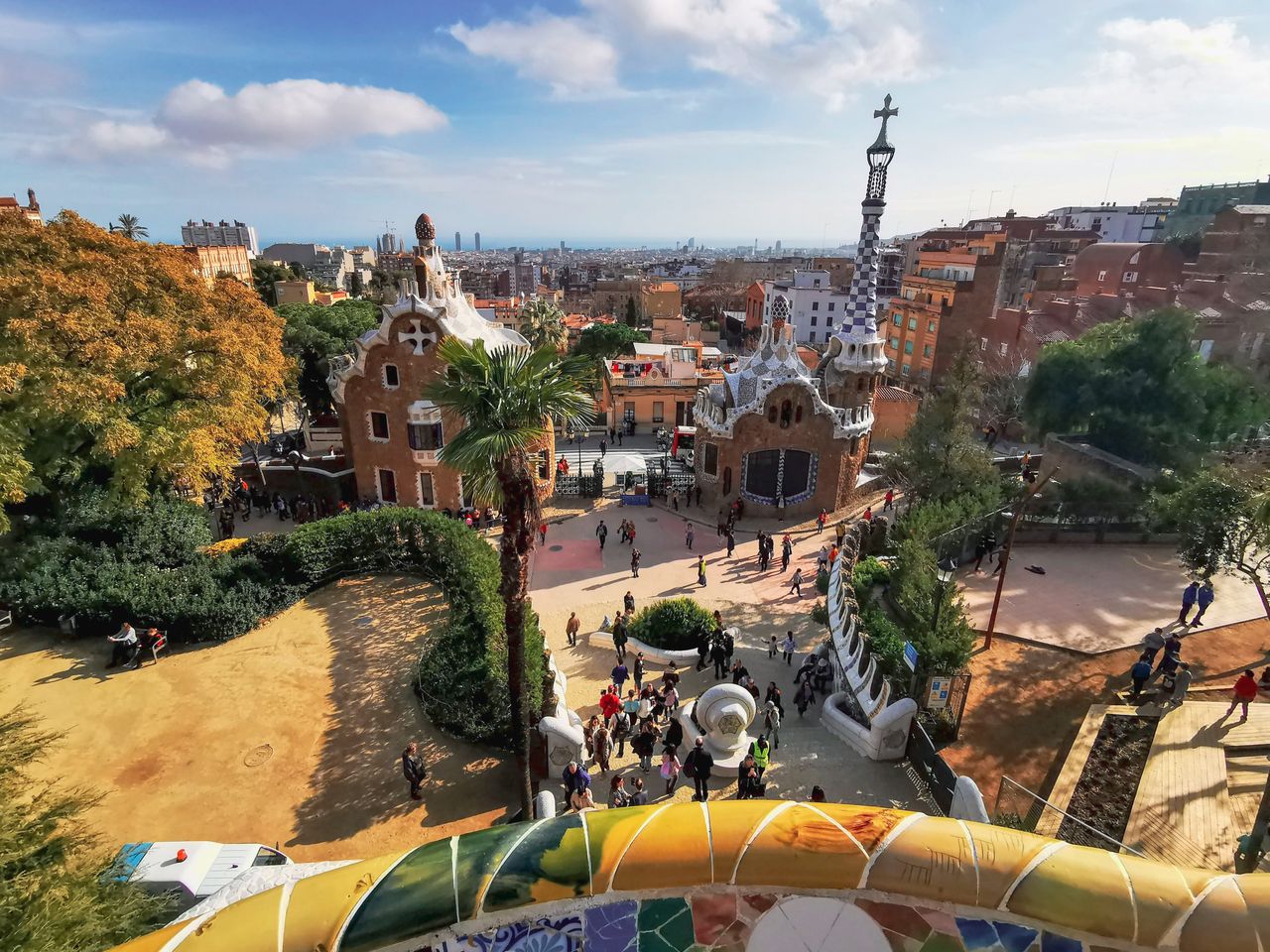
Because this is a travel site, I wanted a section that connects Spanish sayings with actual travel use. Spain is not only one city or one postcard image. It has historic cities, coastlines, islands, food regions, architecture, and places that attract travelers for very different reasons. One of my friends who visited Spain is in love with Gaudí’s architecture, and I understand that completely because Gaudí’s architecture has that rare quality of making people remember the place through shapes, color, and emotion.
These Spanish travel captions and sayings are useful for Spain photos, city breaks, old streets, long walks, itinerary changes, and food memories. They also help if you want meaningful quotes about Spain for travel captions without using the same generic travel quote everyone else uses.
136. Donde fueres, haz lo que vieres
Literal translation: Wherever you go, do what you see.
Meaning and use: Respect local customs and adapt to the place you visit. It is one of the best Spanish sayings for cultural travel, local etiquette, and Spain captions.
137. Todos los caminos llevan a Roma
Literal translation: All roads lead to Rome.
Meaning and use: Different paths can lead to the same result. It is not Spain-specific, but it is widely understood and works well for road trips, old streets, and itinerary changes.
138. No se ganó Zamora en una hora
Literal translation: Zamora was not won in an hour.
Meaning and use: Big things take time. This is a very useful Spanish saying for slow travel, historic places, long projects, and patience.
139. El que lee mucho y anda mucho, ve mucho y sabe mucho
Literal translation: Whoever reads a lot and walks a lot sees a lot and knows a lot.
Meaning and use: Reading and traveling both expand your understanding. It is often associated with Cervantes and works beautifully for cultural travel, museums, old cities, and readers who travel.
140. Caminante, no hay camino, se hace camino al andar
Literal translation: Traveler, there is no path; the path is made by walking.
Meaning and use: This is a famous line by Antonio Machado, not a traditional proverb. It is still one of the most meaningful Spanish quotes for travel captions, especially for walking photos, solo travel, or a reflective Spain post.
141. A donde el corazón se inclina, el pie camina
Literal translation: Where the heart leans, the foot walks.
Meaning and use: People move toward what they love. It works as a poetic travel caption, especially if you are returning to a place that feels personally important.
142. Quien se fue a Sevilla perdió su silla
Literal translation: Whoever went to Seville lost their chair.
Meaning and use: If you leave your place, someone else may take it. The phrase has a playful connection to Seville, and if it makes you curious about the city, a Seville travel guide can help you understand why the city leaves such a strong impression.
143. Madrid al cielo
Literal translation: From Madrid to heaven.
Meaning and use: This is a famous saying about Madrid, often used to praise the city. It is short, memorable, and very good for a Madrid photo caption.
144. Ancha es Castilla
Literal translation: Castile is wide.
Meaning and use: The phrase suggests space, freedom, or doing something without much restraint. It is more cultural and regional than a universal proverb, so add context if you use it.
145. Buen camino
Literal translation: Good path.
Meaning and use: This is not a proverb, but it is one of the most recognizable Spanish travel wishes, especially connected with the Camino de Santiago. Use it for walking routes, pilgrimages, personal journeys, and meaningful travel posts.
Spanish Proverbs With Similar English Equivalents
Many readers search for Spanish proverbs with English equivalents because the literal translation alone can be confusing. This section gives you a fast way to recognize the closest English idea, especially when the Spanish wording uses food, animals, weather, roads, or old images that do not translate naturally.
A caballo regalado no le mires el diente means “Don’t look a gift horse in the mouth.” The literal Spanish image is almost identical, which makes it easy to remember.
Más vale tarde que nunca means “Better late than never.” This is one of the easiest Spanish proverbs for English speakers because the structure matches so closely.
No es oro todo lo que reluce means “All that glitters is not gold.” It is useful in travel too, because beautiful photos do not always show the whole experience.
Más vale pájaro en mano que ciento volando means “A bird in the hand is worth two in the bush.” The numbers change, but the idea is the same: a sure thing may be better than a risky promise.
Dime con quién andas, y te diré quién eres means “You are known by the company you keep.” It is one of the strongest Spanish proverbs about friendship, reputation, and social circles.
No se puede hacer tortilla sin romper los huevos means “You can’t make an omelet without breaking eggs.” This one is also easy because the image is familiar in English.
No vendas la piel del oso antes de cazarlo is close to “Don’t count your chickens before they hatch.” The images are different, but the warning is the same.
Cuando el río suena, agua lleva is close to “Where there’s smoke, there’s fire.” It means signs or rumors may point to something real.
Spanish Proverbs and Sayings You Shouldn’t Use Without Context
Some Spanish sayings look interesting in a list, but they are not always good captions. A phrase can be traditional and still sound too harsh, too old-fashioned, or too strange under a pretty photo. This section helps if you are choosing Spanish captions for Instagram and don’t want to accidentally use something that means more than you intended.
Quien bien te quiere, te hará llorar can sound harsh today. It may be useful when explaining old-style tough love, but it is not a soft romantic caption.
La letra con sangre entra literally means “The letter enters with blood.” It reflects an old, harsh idea about education and discipline. I wouldn’t use it as a motivational caption.
A cada cerdo le llega su San Martín means everyone eventually faces consequences. It is vivid and traditional, but the image is not gentle.
Muerto el perro, se acabó la rabia literally means “Once the dog is dead, the rabies is over.” It means removing the cause removes the problem, but the wording is harsh.
Cría cuervos y te sacarán los ojos literally means “Raise crows and they will take out your eyes.” It is about ingratitude, and it is very strong.
Cuando seas padre, comerás huevos is traditional and family-related, but it can sound authoritarian or old-fashioned. It is better explained as cultural context than used as a warm family quote.
Spanish Captions and Spain Quotes You Can Copy for Travel, Food, and Family Photos
If you came here because you need Spanish captions for Instagram or meaningful quotes about Spain for travel captions, this is the section to save. The traditional proverbs above are better for meaning and cultural context. These shorter lines are easier to use when you want a caption for a tapas table, a sunny street, a family meal, a Spain city break, or a travel memory.
For more caption inspiration outside Spanish, you may also enjoy these travel quotes. And if you like language, culture, and short memorable lines, there are also collections of Italian proverbs, Japanese proverbs, and French sayings that attract the same type of reader who enjoys travel through language.
146. Uno siempre vuelve a los lugares donde amó a la vida
Translation: One always returns to the places where they loved life.
Best use: This is a modern caption-style Spanish quote, not a traditional proverb. It works for a nostalgic Spain photo, a favorite city, or a destination you still think about after leaving.
147. Ya que estamos de paso, dejemos huellas bonitas
Translation: Since we are just passing through, let’s leave beautiful footprints.
Best use: This works as an aesthetic Spanish travel caption for cobblestone streets, old towns, scenic walks, or a thoughtful travel post.
148. Viajar es cambiarle la ropa al alma
Translation: To travel is to change the clothes of the soul.
Best use: This is a poetic modern caption, not a proverb. It is better for emotional travel photos than practical city-guide posts.
149. Vivamos y que pase lo que tenga que pasar
Translation: Let’s live, and let happen whatever has to happen.
Best use: Use it for carefree travel photos, laughing moments, beach photos, or a day that didn’t need a perfect plan.
150. Comer, beber, que la vida es breve
Translation: Eat, drink, because life is short.
Best use: This is excellent for Spanish food captions, tapas tables, wine nights, and food travel. It feels casual, festive, and easy to understand.
Si la vida te da limones, pide sal y tequila means “If life gives you lemons, ask for salt and tequila.” This is a playful modern caption, not a traditional Spain proverb. It works for night-out photos, cocktails, friends, and funny vacation posts.
Sin prisa, pero sin pausa means “Without hurry, but without stopping.” This is one of the best short Spanish captions because it is useful, elegant, and easy to understand. It works for slow travel, walking photos, long-term goals, and personal progress.
Perderse también es encontrar algo means “Getting lost is also finding something.” This is a modern caption-style phrase. It works for wandering through old streets, unexpected discoveries, and travel days where the detour became the best part.
La vida se mide en momentos, no en minutos means “Life is measured in moments, not minutes.” This is a reflective caption for travel memories, family photos, sunsets, and meaningful experiences. It is not a traditional proverb, so don’t present it as one.
Hoy se vive bonito means “Today we live beautifully.” This is short, warm, and easy to use for food, travel, family, or a simple happy day. It is more caption than proverb, but it works well for social media.
How to Choose the Right Spanish Proverb or Caption
When you need a Spanish proverb for a caption, start with the photo or the feeling, not with the fanciest phrase. A tapas table needs something different from a family photo, and a rainy travel day needs something different from a romantic sunset.
For food photos, Barriga llena, corazón contento, Las penas con pan son menos, and A buen hambre no hay pan duro are stronger than deep life proverbs because they match the image immediately. They are also easy for readers to understand.
For family photos, De tal palo, tal astilla, Madre no hay más que una, and Donde comen dos, comen tres are better choices because they sound warm and recognizable. Avoid harsh old sayings unless your caption explains the tone.
For Spain travel photos, Donde fueres, haz lo que vieres, Al mal tiempo, buena cara, No se ganó Zamora en una hora, and Sin prisa, pero sin pausa work better than generic travel captions because they connect the Spanish language with the travel experience.
For city photos, architecture, landmarks, and cultural trips, the proverb can also sit beside practical travel content. If someone is curious about Spain after reading these sayings, they may also enjoy Spanish cities, Malaga, or the free things to do in Valencia. A proverb can be a small doorway into a much bigger cultural trip.
If the article made you want something lighter after all these sayings, try travel riddles, test yourself with famous landmark quiz questions, or explore Europe travel trivia. Proverbs, riddles, quotes, and trivia are different, but they all make travel feel more connected to culture, memory, and curiosity.
Conclusion
Spanish proverbs and sayings are memorable because they use bread, wine, weather, roads, animals, family, work, and everyday problems to say something people recognize quickly.
Some are warm. Some are blunt. Some are funny only after you understand the real meaning. And some are better as cultural context than captions. That is why the literal translation alone is never enough.
If you are learning Spanish, planning a trip to Spain, looking for Spanish captions for Instagram, or simply enjoy the kind of sayings that reveal how people think, bookmark this page. The right phrase is often easier to find when you know not only what it says, but when it actually fits.
FAQ About Spanish Proverbs, Sayings, and Captions
What is the most famous Spanish proverb?
There is not only one famous Spanish proverb, but A quien madruga, Dios le ayuda, No hay mal que por bien no venga, Más vale tarde que nunca, Al mal tiempo, buena cara, and Dime con quién andas, y te diré quién eres are among the common ones English-speaking learners often encounter.
What is a Spanish proverb about life?
No hay mal que cien años dure is a good Spanish proverb about life. It means that bad times do not last forever. Another useful one is Al mal tiempo, buena cara, which means keeping a good attitude when life becomes difficult.
What is a Spanish proverb about food?
Barriga llena, corazón contento is one of the best Spanish proverbs about food. It literally means “full belly, happy heart” and is perfect for food captions, tapas photos, and family meals.
What is a Spanish proverb about family?
De tal palo, tal astilla is a popular Spanish family proverb. It literally means “from such a stick, such a splinter” and is similar to “a chip off the old block.”
What Spanish saying means “better late than never”?
Más vale tarde que nunca means “better late than never.” It is one of the easiest Spanish proverbs for English speakers because the meaning and structure are almost identical.
What Spanish proverb means “every cloud has a silver lining”?
No hay mal que por bien no venga is close to “every cloud has a silver lining.” It means that something good can come from a bad situation.
What is the difference between a Spanish proverb and a Spanish saying?
A Spanish proverb, or refrán, is usually a traditional saying that expresses popular wisdom. A Spanish saying, or dicho, is broader and can include expressions, idioms, and common phrases. That is why some phrases in this article are labeled as sayings or expressions, not traditional proverbs.
Can I use Spanish proverbs as Instagram captions?
Yes, many Spanish proverbs work well as Instagram captions, especially short ones such as Al mal tiempo, buena cara, Barriga llena, corazón contento, Más vale tarde que nunca, and Sin prisa, pero sin pausa. Some older or harsher sayings need context, so they are not always good for captions.
What are good Spanish captions for Spain travel photos?
Good Spanish captions for Spain travel photos include Donde fueres, haz lo que vieres, Al mal tiempo, buena cara, No se ganó Zamora en una hora, Sin prisa, pero sin pausa, and Uno siempre vuelve a los lugares donde amó a la vida.
Are Spanish proverbs used only in Spain?
No. Many Spanish proverbs are understood across the Spanish-speaking world, but wording and frequency can vary by country. Some sayings are more common in Spain, while others are more common in Latin America.
Are Spanish proverbs and Latin American sayings the same?
Some are the same or very similar, but not all. Spanish-speaking countries share many expressions, but each country also has local sayings, regional wording, and cultural references.
Should I translate Spanish proverbs literally?
You should include the literal translation, but you should not stop there. Many Spanish proverbs and sayings use images that sound strange in English, so the real meaning and closest English equivalent are often more useful than the literal wording alone.
Photo sources, apart from Dreamstime: 1, 2, 3, 4
More amazing articles for you:
Personal Goals for 2025: A Year of Health, Exploration, and Growth
An American Airlines Passenger Was Moved to Another Seat. What Happened Next Left Him Shaken and Nea...
Spitting, Assaults, and Nonstop Filming: What’s Happening on Flights Right Now - and Why It’s Disrup...
Never Wear These on a Plane, Warns Flight Attendant in a Viral Video - Her Reasons Will Blow Your Mi...
He Was Waiting for His Suitcase at Baggage Claim. Then a Sock Appeared - What Happened Next Had Peop...
Going to France? 75+ French Words and Phrases You’ll Be Glad You Know
How to get best E-juices when traveling?
SEA LIFE Munich Review: Tickets, Tips & Is It Worth It?

Violeta-Loredana Pascal is a communications expert, business mentor, and the founder of Earth’s Attractions and PRwave INTERNATIONAL. A pioneer in the Romanian digital PR landscape since 2005, she holds a degree in Communication and Social Sciences from SNSPA Bucharest. Violeta is a senior trainer at AcademiadeAfaceri.ro, where she leverages over 20 years of experience to teach professional courses in PR strategy and workplace productivity. By blending high-level business consulting with a passion for holistic travel and wellness, she empowers solopreneurs to overcome procrastination, build profitable brands, and design a life of purposeful adventure.