I first became interested in French proverbs after a dinner conversation in Paris with a friend of my husband’s and his wife, when he used a proverb that exists in Romanian too, word for word. The meaning was identical, of course, but what fascinated me was hearing the same idea expressed in exactly the same way in two different languages.
After that evening, I wanted to learn more. I started reading French proverbs and sayings, and I discovered what I always enjoy about this kind of cultural research: every country has its own images, tone, humour, and way of giving advice, but every now and then, you find a proverb that crosses borders almost unchanged. Those moments are fascinating because they show both the uniqueness of a language and the shared wisdom people arrive at in different parts of the world.

ID 92248026 ©Audioundwerbung | Dreamstime.com
This article includes 150 French proverbs and sayings, with English translations and clear meanings, so you can enjoy the language, understand the idea behind each expression, and maybe notice a few that exist in your own language too. I am including French proverbs on numerous topics, from life to effort and patience, from wine and food to daily life, love, and money, from animals and nature to truth and reputation, but also funny French sayings. It was fascinating for me to discover them, so I hope you will have an amazing time reading them and seeing their meaning – maybe find some you will love!
If you enjoy this type of cultural article, you may also like my guides to Italian proverbs and meanings and Japanese proverbs and sayings. And if France is on your travel list, you can continue with my guides to the best places to visit in France, Paris landmarks, and first-time Paris travel tips.
How to Actually Use These French Proverbs in Real Life
Knowing proverbs is great, but using them is what connects you to the French language and culture. Don’t try to memorize all 150 at once. Instead, pick three or four that match your personal lifestyle and use them in these specific scenarios:
- For French Learners: Pick short, rhythmic ones like “Petit à petit, l’oiseau fait son nid” to practice pronunciation. Write them at the top of your journal or use them to wrap up a conversation with a language partner to sound more natural.
- For Travelers in France: French people deeply appreciate when visitors show an interest in their cultural nuances. If you are chatting with a local at a café or a boutique owner about a minor delay or setback, dropping a casual “Après la pluie, le beau temps” (After the rain, good weather) instantly shows you understand the quiet resilience embedded in French etiquette.
- As Meaningful Social Captions: If you share photos of your travels, cooking, or slow daily moments on Flipboard, Instagram, or a personal blog, use these proverbs as your hook. Instead of a generic description, use “Chacun voit midi à sa porte” to share a personal point of view on perspective.
Famous French Proverbs and Meanings
1. Proverb: Petit à petit, l’oiseau fait son nid.
Translation: Little by little, the bird builds its nest.
Meaning: Big results come through steady effort. It is one of the most famous French proverbs and works beautifully for learning, saving, building a business, or slowly improving any part of your life.
2. Proverb: Après la pluie, le beau temps.
Translation: After the rain, good weather.
Meaning: Hard times do not last forever. The proverb is simple, visual, and comforting.
3. Proverb: Quand le chat n’est pas là, les souris dansent.
Translation: When the cat is away, the mice dance.
Meaning: When authority is absent, people often do what they want, including misbehaving. The English equivalent is “When the cat’s away, the mice will play.” The exact same proverb can be found in Italian and Romanian.
4. Proverb: Il ne faut pas vendre la peau de l’ours avant de l’avoir tué.
Translation: You should not sell the bear’s skin before killing it.
Meaning: Do not celebrate success before it is certain. It is the French equivalent of “Don’t count your chickens before they hatch.”
5. Proverb: L’habit ne fait pas le moine.
Translation: The robe does not make the monk.
Meaning: Appearances can mislead. Clothes, status, titles, and polished presentation do not prove character or competence.
6. Proverb: Tout ce qui brille n’est pas or.
Translation: All that glitters is not gold.
Meaning: Something can look attractive and still be false, shallow, or disappointing. It applies to people, offers, luxury images, promises, and social media perfection.
7. Proverb: Mieux vaut tard que jamais.
Translation: Better late than never.
Meaning: Doing something late is still better than never doing it at all. It is used in French almost exactly as in English – and we have it in Romanian as well, and it is in Italian too – like a universal truth?
8. Proverb: On ne fait pas d’omelette sans casser des œufs.
Translation: You cannot make an omelet without breaking eggs.
Meaning: Progress usually requires some disruption or sacrifice. You cannot create change while keeping absolutely everything untouched.
9. Proverb: Il faut battre le fer pendant qu’il est chaud.
Translation: You must strike the iron while it is hot.
Meaning: Act while the opportunity is there. Waiting too long can make the same action harder or impossible.
10. Proverb: Chacun voit midi à sa porte.
Translation: Everyone sees noon at their own door.
Meaning: People interpret situations from their own perspective. It is a very useful proverb for bias, arguments, family conflict, politics, business, and travel expectations.
11. Proverb: Il n’y a pas de fumée sans feu.
Translation: There is no smoke without fire.
Meaning: Rumors often come from something, even if the full story is not clear. It should be used carefully because a rumor is still not proof.
12. Proverb: Les absents ont toujours tort.
Translation: The absent are always wrong.
Meaning: If you are not present to explain yourself, correct the story, or defend your position, other people may decide the narrative for you.
13. Proverb: Il n’est pire sourd que celui qui ne veut pas entendre.
Translation: There is no worse deaf person than the one who does not want to hear.
Meaning: You cannot convince someone who refuses to listen. The problem is not always a lack of information; sometimes it is refusal.
14. Proverb: Qui vivra verra.
Translation: Whoever lives will see.
Meaning: Time will show what happens. It is useful when the future is uncertain, and nobody can honestly predict the outcome.
15. Proverb: Il ne faut jamais dire « Fontaine, je ne boirai pas de ton eau ».
Translation: Never say, “Fountain, I will never drink your water.”
Meaning: Never say never. Life changes, and one day you may need or want something you once rejected.
French Proverbs About Life

When looking at French sayings about life, you quickly notice a distinct blend of deep emotional realism and practical resilience. The French culture doesn’t shy away from the blunt truths of existence, but these traditional French expressions always offer a clever way to reframe daily struggles. From managing personal energy to navigating unexpected changes, these lines show how locals find clarity when life gets complicated.
16. Proverb: La nuit porte conseil.
Translation: The night brings advice.
Meaning: Sleep before making an important decision. A problem that feels impossible at midnight can look clearer in the morning.
17. Proverb: À chaque jour suffit sa peine.
Translation: Each day has enough trouble of its own.
Meaning: Do not overload today with tomorrow’s worries. It is a practical proverb for stress, anxiety, and planning.
18. Proverb: Vouloir, c’est pouvoir.
Translation: To want is to be able.
Meaning: Where there is a will, there is a way. It does not mean everything is easy, but determination changes what a person attempts.
19. Proverb: Qui ne risque rien n’a rien.
Translation: Whoever risks nothing has nothing.
Meaning: If you avoid every risk, you also avoid many opportunities. It works for career decisions, travel, relationships, and creative projects.
20. Proverb: Aide-toi, le ciel t’aidera.
Translation: Help yourself, and heaven will help you.
Meaning: Do your part instead of waiting passively. Support, luck, or divine help may come, but effort comes first.
21. Proverb: Il faut de tout pour faire un monde.
Translation: It takes all kinds to make a world.
Meaning: People are different, and society includes many personalities, talents, habits, and flaws. It can be said with tolerance, amusement, or resignation.
22. Proverb: Chassez le naturel, il revient au galop.
Translation: Drive away nature, and it comes galloping back.
Meaning: A person’s true nature eventually returns. Someone can hide habits or tendencies for a while, but not forever.
23. Proverb: Les chiens aboient, la caravane passe.
Translation: The dogs bark, the caravan moves on.
Meaning: Criticism and noise should not always stop you. People may complain from the sidelines while you continue doing the work.
24. Proverb: Rien ne sert de courir, il faut partir à point.
Translation: There is no use running; you must leave at the right time.
Meaning: Preparation and timing beat panic. It comes from La Fontaine’s fable of the tortoise and the hare and is still widely recognized.
25. Proverb: Il vaut mieux prévenir que guérir.
Translation: It is better to prevent than to cure.
Meaning: Prevention is easier than repair. This applies to health, money, travel documents, relationships, and almost every practical area of life.
26. Proverb: L’erreur est humaine.
Translation: To err is human.
Meaning: Everyone makes mistakes. The question is whether the person learns, corrects the situation, and avoids repeating the same mistake.
27. Proverb: Il n’y a que les imbéciles qui ne changent pas d’avis.
Translation: Only fools never change their mind.
Meaning: Changing your opinion after new information is not a weakness. Stubbornness can look strong, but it can also be a refusal to think.
28. Proverb: À quelque chose malheur est bon.
Translation: Misfortune is good for something.
Meaning: Something useful can come from a bad situation. The difficulty itself may not be welcome, but it can still leave a lesson, a warning, or a better direction.
29. Proverb: Il faut tourner sept fois sa langue dans sa bouche avant de parler.
Translation: You must turn your tongue seven times in your mouth before speaking.
Meaning: Think before you speak. One careless sentence can create unnecessary trouble.
30. Proverb: Aux grands maux les grands remèdes.
Translation: Great evils require great remedies.
Meaning: Serious problems may require serious solutions. It is used when a small fix is not enough.
31. Proverb: Tant qu’il y a de la vie, il y a de l’espoir.
Translation: As long as there is life, there is hope.
Meaning: A situation is not completely lost while there is still possibility. It is one of the most direct French sayings about resilience.
32. Proverb: À la guerre comme à la guerre.
Translation: In war as in war.
Meaning: You deal with the situation you have, not the ideal version you wanted. It is a proverb about adapting when conditions are difficult.
33. Proverb: La vie est un combat.
Translation: Life is a struggle.
Meaning: Life often requires effort, endurance, and resistance. It is blunt rather than poetic, but that is exactly why it works.
34. Proverb: Il faut cultiver notre jardin.
Translation: We must cultivate our garden.
Meaning: This famous line from Voltaire’s Candide is often used like a proverb. It suggests focusing on your own responsibilities, work, peace, and immediate life instead of getting lost in endless abstract worries.
35. Proverb: Tout est bien qui finit bien.
Translation: All is well that ends well.
Meaning: If the final outcome is good, the difficulties along the way become easier to accept. It is common in English too.
French Proverbs About Patience, Work, and Effort
Success doesn’t usually happen overnight, and the French language has a wonderful vocabulary for the discipline of steady progress – and I love it! These French proverbs about hard work and patience offer a fascinating window into the local professional mindset, emphasizing craftsmanship over frantic rushing. Whether you are building a business or learning a new skill, these short French sayings serve as an excellent reminder that great things require time and focus.
36. Proverb: C’est en forgeant qu’on devient forgeron.
Translation: It is by forging that one becomes a blacksmith.
Meaning: Practice creates skill. You become good by doing the thing, not only by reading about it.
37. Proverb: Paris ne s’est pas fait en un jour.
Translation: Paris was not built in a day.
Meaning: Big things take time. You may also hear “Rome ne s’est pas faite en un jour,” but the Paris version is especially fitting for this article.
38. Proverb: Qui veut voyager loin ménage sa monture.
Translation: Whoever wants to travel far takes care of their mount.
Meaning: If you want long-term results, protect your energy and resources. It works for health, work, money, travel planning, and business.
39. Proverb: Le mieux est l’ennemi du bien.
Translation: The better is the enemy of the good.
Meaning: Perfectionism can ruin something that is already good enough. Writers, business owners, parents, and travelers can all recognize this one.
40. Proverb: Tout vient à point à qui sait attendre.
Translation: Everything comes at the right time to the one who knows how to wait.
Meaning: Patience can be useful when timing is not fully under your control. It does not mean doing nothing; it means not forcing the wrong moment.
41. Proverb: Les petits ruisseaux font les grandes rivières.
Translation: Small streams make great rivers.
Meaning: Small actions, savings, and habits add up. This is a strong proverb for long-term progress.
42. Proverb: Il n’est jamais trop tard pour bien faire.
Translation: It is never too late to do well.
Meaning: A late correction is still worth making. It can apply to apologizing, learning, restarting, or fixing a mistake.
43. Proverb: Faute de grives, on mange des merles.
Translation: For lack of thrushes, one eats blackbirds.
Meaning: When the ideal option is unavailable, you use what you have. It is a practical proverb about adaptation.
44. Proverb: Il ne faut pas jeter le manche après la cognée.
Translation: You should not throw the handle after the axe head.
Meaning: Do not give up after a setback. Losing part of the tool does not mean everything is lost.
45. Proverb: Qui trop embrasse mal étreint.
Translation: Whoever embraces too much holds badly.
Meaning: If you try to do too many things at once, you may do them poorly. It is an excellent proverb for overcommitment.
46. Proverb: Hâte-toi lentement.
Translation: Hasten slowly.
Meaning: Move with purpose, but do not rush so much that you create mistakes. It is a short proverb with a very useful paradox.
47. Proverb: Le temps, c’est de l’argent.
Translation: Time is money.
Meaning: Time has value and should not be wasted. The saying exists in many cultures, but it is also used in French.
48. Proverb: Chose promise, chose due.
Translation: A promised thing is owed.
Meaning: If you promise something, you are expected to keep your word. It is simple, practical, and very useful.
49. Proverb: Un homme averti en vaut deux.
Translation: A warned man is worth two.
Meaning: Being prepared gives you an advantage. This is useful for travel, money, work, and difficult conversations.
50. Proverb: Les années apprennent plus que les livres.
Translation: Years teach more than books.
Meaning: Experience teaches lessons that theory cannot fully replace. Books matter, but life has its own classroom.
51. Proverb: La patience est amère, mais son fruit est doux.
Translation: Patience is bitter, but its fruit is sweet.
Meaning: Waiting and working steadily can be unpleasant, but the result may be worth it. It is a beautiful proverb for long-term effort.
52. Proverb: Le monde appartient à ceux qui se lèvent tôt.
Translation: The world belongs to those who rise early.
Meaning: Early action gives an advantage. The English equivalent is close to “The early bird catches the worm.”
53. Proverb: Il faut casser le noyau pour avoir l’amande.
Translation: You must crack the shell to get the almond.
Meaning: The valuable part often requires effort. Good results are not always immediately accessible.
54. Proverb: On reconnaît l’ouvrier à l’œuvre.
Translation: The worker is recognized by the work.
Meaning: Results reveal skill. Talk, titles, and promises matter less than what someone actually produces.
55. Proverb: Les grands diseurs ne sont pas les grands faiseurs.
Translation: Great talkers are not great doers.
Meaning: People who talk the most are not always the ones who do the work. It is a useful reality check in business and life.
French Proverbs About Love, Family, and Friendship

Relationships are complex in any language, but French expressions about love and family are particularly famous for their combination of romantic idealism and sharp social boundaries. Privacy is highly valued in France, and these traditional French sayings reflect a strong belief in protecting your inner circle and managing conversational boundaries carefully. They offer timeless wisdom on choosing your inner circle and maintaining healthy emotional ties.
56. Proverb: Loin des yeux, loin du cœur.
Translation: Far from the eyes, far from the heart.
Meaning: Distance can weaken affection. The English equivalent is “out of sight, out of mind.”
57. Proverb: Les bons comptes font les bons amis.
Translation: Good accounts make good friends.
Meaning: Clear money arrangements protect relationships. This proverb is painfully practical because vague financial expectations can damage friendships quickly.
58. Proverb: Qui se ressemble s’assemble.
Translation: Those who resemble each other gather together.
Meaning: Similar people often find each other. The English equivalent is “Birds of a feather flock together.”
59. Proverb: Tel père, tel fils.
Translation: Like father, like son.
Meaning: Children often resemble their parents in habits, behavior, talent, or personality.
60. Proverb: Telle mère, telle fille.
Translation: Like mother, like daughter.
Meaning: This is the feminine version of “like father, like son.” It can be affectionate, amused, or critical, depending on context.
61. Proverb: Entre l’arbre et l’écorce il ne faut pas mettre le doigt.
Translation: Between the tree and the bark, you should not put your finger.
Meaning: Do not interfere too deeply in couple or family conflicts. Outsiders can easily get hurt when they step into relationships they do not fully understand.
62. Proverb: On choisit ses amis, on ne choisit pas sa famille.
Translation: You choose your friends; you do not choose your family.
Meaning: Family is given, not selected. The saying can sound affectionate, resigned, or brutally honest.
63. Proverb: L’amour est aveugle.
Translation: Love is blind.
Meaning: Love can make people ignore flaws, warnings, or obvious problems. The same proverb exists in English.
64. Proverb: Heureux au jeu, malheureux en amour.
Translation: Lucky in games, unlucky in love.
Meaning: Someone may win in one area and lose in another. It is usually said lightly, especially around games or chance.
65. Proverb: Mariage pluvieux, mariage heureux.
Translation: Rainy wedding, happy marriage.
Meaning: Rain on a wedding day is traditionally seen as a good sign. At the very least, it comforts the couple when the weather ruins the photos they imagined.
66. Proverb: Le cœur a ses raisons que la raison ne connaît point.
Translation: The heart has its reasons that reason does not know.
Meaning: This famous line from Blaise Pascal is often used like a proverb. It captures the fact that love and emotion do not always obey logic.
67. Proverb: Mieux vaut être seul que mal accompagné.
Translation: Better to be alone than badly accompanied.
Meaning: Bad company is worse than solitude. It applies to friendship, romance, travel companions, and business partnerships.
68. Proverb: Un ami dans le besoin est un ami véritable.
Translation: A friend in need is a true friend.
Meaning: Real friendship proves itself in difficulty. Easy moments do not reveal as much as difficult ones.
69. Proverb: Les paroles s’envolent, les écrits restent.
Translation: Words fly away, writings remain.
Meaning: Spoken words can disappear, but written words last. This is useful for promises, contracts, work, family decisions, and delicate conversations.
70. Proverb: Pour vivre heureux, vivons cachés.
Translation: To live happily, let us live hidden.
Meaning: Privacy protects peace. It is a very French-feeling proverb in a world obsessed with showing everything.
71. Proverb: Qui aime bien châtie bien.
Translation: Whoever loves well corrects well.
Meaning: Traditionally, this means correction can come from care. Modern readers may dislike the harsh literal wording, so it should be understood as an old proverb, not universal relationship advice.
72. Proverb: Ami de tous, ami de personne.
Translation: A friend to everyone is a friend to no one.
Meaning: Someone who tries to please everyone may not be truly loyal to anyone. It is a sharp proverb about social positioning.
73. Proverb: On ne saurait plaire à tout le monde.
Translation: One cannot please everyone.
Meaning: No matter what you do, someone may disagree, criticize, or dislike it. This is useful to remember before making yourself miserable trying to satisfy everyone.
74. Proverb: Qui se marie à la hâte se repent à loisir.
Translation: Whoever marries in haste repents at leisure.
Meaning: Big emotional decisions made too quickly can bring long consequences. It is an old proverb, but the warning still makes sense.
75. Proverb: Bon sang ne saurait mentir.
Translation: Good blood cannot lie.
Meaning: Family traits eventually show. It is a traditional saying and should be read in that older context.
French Proverbs About Food, Wine, Money, and Daily Life
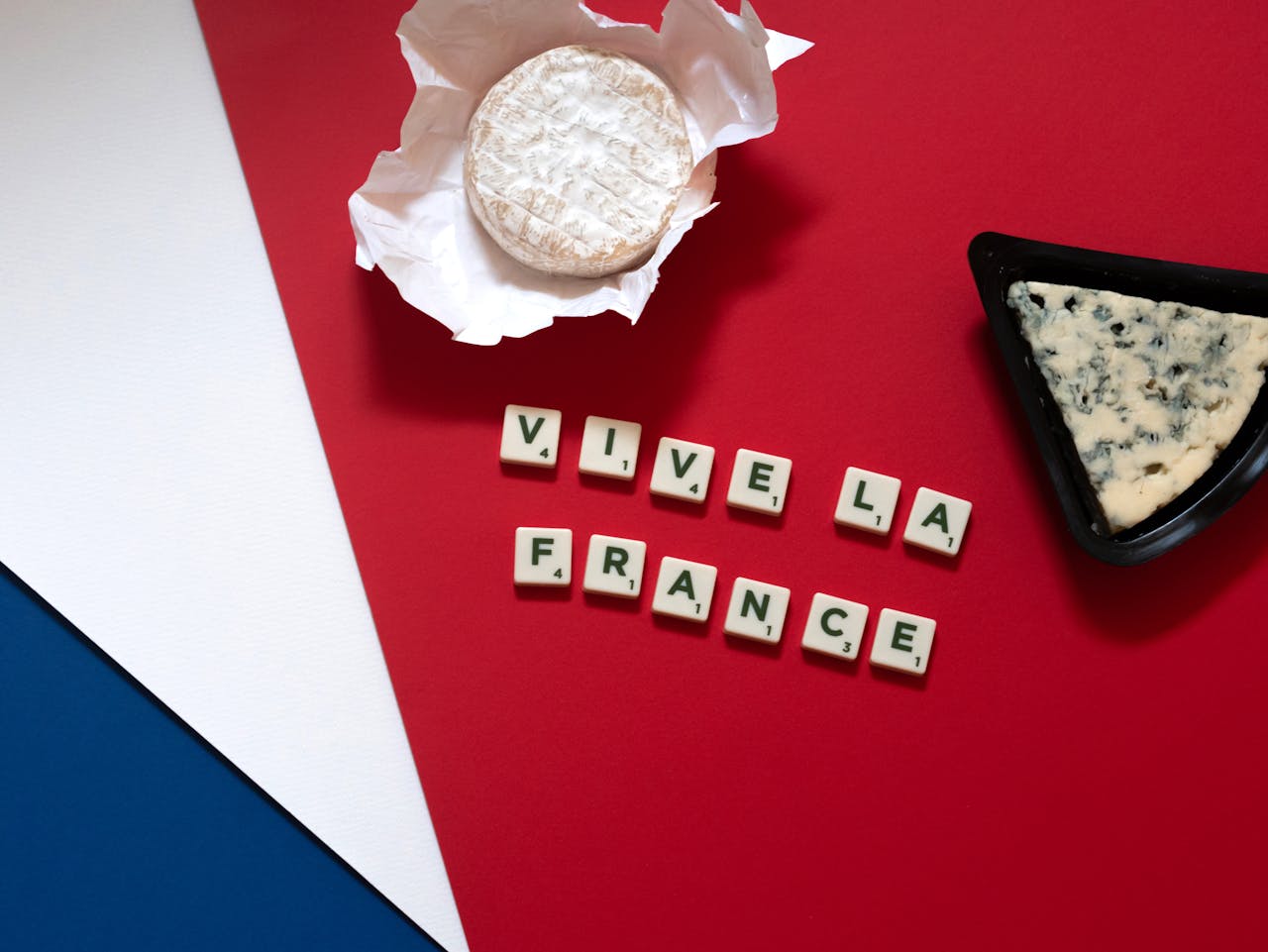
It is impossible to separate the local language from the sensory pleasures of the kitchen and the practicalities of a well-managed household. Many of the most common French sayings about food and money use highly visual, everyday images – like butter, wine, and cheese – to explain complex financial realities or human behaviors. These practical French idioms show exactly how deeply culinary heritage and daily logic are woven into the culture.
76. Proverb: L’appétit vient en mangeant.
Translation: Appetite comes while eating.
Meaning: Interest often grows after you begin. You may not feel motivated before starting, but action can create momentum.
77. Proverb: Mettre de l’eau dans son vin.
Translation: To put water in one’s wine.
Meaning: To calm down, soften your position, or compromise. It is a very useful expression when a discussion becomes too intense.
78. Proverb: Quand le vin est tiré, il faut le boire.
Translation: When the wine is drawn, it must be drunk.
Meaning: Once you have started something, you must deal with the consequences. The image is very French and very practical.
79. Proverb: On ne peut pas avoir le beurre et l’argent du beurre.
Translation: You cannot have the butter and the money from the butter.
Meaning: You cannot have it both ways. The English equivalent is “You can’t have your cake and eat it too.”
80. Proverb: Ventre affamé n’a point d’oreilles.
Translation: A hungry stomach has no ears.
Meaning: People do not listen well when their basic needs are not met. Hunger, exhaustion, and stress can make reason disappear.
81. Proverb: L’argent ne fait pas le bonheur.
Translation: Money does not make happiness.
Meaning: Money helps with comfort and security, but it does not automatically create a happy life.
82. Proverb: Plaie d’argent n’est pas mortelle.
Translation: A money wound is not fatal.
Meaning: Financial loss hurts, but it can often be repaired. It is useful after a bad purchase, a fee, or an expensive mistake.
83. Proverb: Il n’y a pas de petites économies.
Translation: There are no small savings.
Meaning: Small savings add up. This is practical for travel budgets, groceries, daily spending, and long-term financial habits.
84. Proverb: Qui paie ses dettes s’enrichit.
Translation: Whoever pays their debts grows richer.
Meaning: Paying debts improves your position, even if money leaves your hand in the moment. It also protects peace of mind and reputation.
85. Proverb: À cheval donné, on ne regarde pas les dents.
Translation: You do not look at the teeth of a gifted horse.
Meaning: Do not criticize a gift too closely. The English equivalent is “Don’t look a gift horse in the mouth.”
86. Proverb: Pierre qui roule n’amasse pas mousse.
Translation: A rolling stone gathers no moss.
Meaning: A person who constantly moves may not build stability. In French, it often warns against restlessness rather than praising freedom.
87. Proverb: À bon vin point d’enseigne.
Translation: Good wine needs no signboard.
Meaning: Quality speaks for itself. Something genuinely good does not always need loud advertising.
88. Proverb: Bon vin réjouit le cœur de l’homme.
Translation: Good wine gladdens the heart of man.
Meaning: Good food and drink are tied to pleasure, hospitality, and social life. It fits naturally into French food culture.
89. Proverb: Il ne faut pas mélanger les torchons et les serviettes.
Translation: You should not mix dishcloths and napkins.
Meaning: Do not mix things of different quality, role, or status. It can be used socially, though it can also sound class-conscious.
90. Proverb: Abondance de biens ne nuit pas.
Translation: An abundance of goods does no harm.
Meaning: It is better to have more useful things than not enough. The proverb is often used when extra resources may come in handy.
91. Proverb: Il n’y a pas de petit profit.
Translation: There is no small profit.
Meaning: Every gain counts. It can refer to money, small opportunities, or modest advantages.
92. Proverb: L’argent est un bon serviteur et un mauvais maître.
Translation: Money is a good servant and a bad master.
Meaning: Money is useful when it serves life, but dangerous when life starts serving money. It is a strong proverb for priorities.
93. Proverb: Il ne faut pas mettre tous ses œufs dans le même panier.
Translation: You should not put all your eggs in the same basket.
Meaning: Do not risk everything on one option. It applies to money, work, investments, travel plans, and content traffic.
94. Proverb: Un tiens vaut mieux que deux tu l’auras.
Translation: One “you have it” is better than two “you will have it.”
Meaning: A sure thing now may be better than a bigger promise later. It is the French equivalent of “A bird in the hand is worth two in the bush.”
95. Proverb: Nécessité fait loi.
Translation: Necessity makes law.
Meaning: Urgent circumstances change normal rules and priorities. People behave differently when necessity forces them.
Funny French Sayings and Expressions With Meanings
Some of the best linguistic discoveries happen when a literal translation makes absolutely no sense in English. These funny French idioms and eccentric expressions show the lighter side of the language, replacing rigid logic with colorful, memorable imagery involving cows, apples, and grandma. Learning (or reading) these common French phrases is the fastest way to understand the specific wit and casual humor used in everyday conversations.
96. Proverb: Les carottes sont cuites.
Translation: The carrots are cooked.
Meaning: The situation is finished; nothing can be done. It sounds funny in English, but it is common in French.
97. Proverb: Ce n’est pas la mer à boire.
Translation: It is not the sea to drink.
Meaning: It is not that difficult. It is used when someone is making a task look bigger than it really is.
98. Proverb: Chercher midi à quatorze heures.
Translation: To look for noon at two o’clock.
Meaning: To overcomplicate something simple. It is a good expression for unnecessary complexity.
99. Proverb: Il ne faut pas pousser mémé dans les orties.
Translation: Do not push grandma into the nettles.
Meaning: Do not go too far. It is vivid, funny, and useful when someone abuses another person’s patience.
100. Proverb: Il pleut comme vache qui pisse.
Translation: It is raining like a peeing cow.
Meaning: It is raining extremely hard. Not elegant, but very memorable.
101. Proverb: Revenons à nos moutons.
Translation: Let us return to our sheep.
Meaning: Let us get back to the topic. It is useful when a conversation has gone too far away from the point.
102. Proverb: Il n’a pas inventé l’eau chaude.
Translation: He did not invent hot water.
Meaning: He is not very bright. It is sarcastic, so use it carefully.
103. Proverb: Mettre son grain de sel.
Translation: To put in one’s grain of salt.
Meaning: To add your opinion, often when nobody asked for it. The English equivalent is close to “put in your two cents.”
104. Proverb: Avoir le cul entre deux chaises.
Translation: To have your backside between two chairs.
Meaning: To be caught between two options, groups, or positions. It is informal but very expressive.
105. Proverb: Tomber dans les pommes.
Translation: To fall into the apples.
Meaning: To faint. This is more idiom than proverb, but French learners usually remember it because the literal image is strange.
106. Proverb: Être haut comme trois pommes.
Translation: To be as tall as three apples.
Meaning: To be very small, usually said about a child. It is visual and often affectionate.
107. Proverb: Raconter des salades.
Translation: To tell salads.
Meaning: To tell nonsense or lies. It is casual, funny, and easy to remember.
108. Proverb: En faire tout un fromage.
Translation: To make a whole cheese out of it.
Meaning: To make a big deal out of something minor. The image is very French and very clear.
109. Proverb: Avoir d’autres chats à fouetter.
Translation: To have other cats to whip.
Meaning: To have other things to do. The literal translation sounds harsh, but the meaning is simply that you have more urgent priorities.
110. Proverb: Donner sa langue au chat.
Translation: To give one’s tongue to the cat.
Meaning: To give up guessing. You might use it when you cannot answer a riddle or question.
111. Proverb: Avoir un poil dans la main.
Translation: To have a hair in the hand.
Meaning: To be lazy or avoid work. It is informal and slightly mocking.
112. Proverb: Tourner autour du pot.
Translation: To turn around the pot.
Meaning: To avoid saying something directly. It is used when someone talks around the issue instead of getting to the point.
113. Proverb: Faire d’une mouche un éléphant.
Translation: To make an elephant out of a fly.
Meaning: To exaggerate a small problem. It is the French equivalent of making a mountain out of a molehill.
114. Proverb: Quand les poules auront des dents.
Translation: When hens have teeth.
Meaning: Never, or almost never. The English equivalent is “when pigs fly.”
115. Proverb: Il fait un temps de chien.
Translation: It is dog weather.
Meaning: The weather is awful. Short, common, and very useful in daily conversation.
French Proverbs About Animals, Nature, and Weather

For centuries, rural life and changing seasons have shaped how wisdom is passed down through generations. These French nature proverbs and animal-based sayings use simple, rustic analogies to describe complicated human traits and warning signs. From sharp observations about clever opponents to timeless weather rules, these lines demonstrate how deeply connected old French expressions are to the natural world.
116. Proverb: Une hirondelle ne fait pas le printemps.
Translation: One swallow does not make spring.
Meaning: One positive sign does not prove that everything has changed. Do not build a conclusion on one small signal.
117. Proverb: Chat échaudé craint l’eau froide.
Translation: A scalded cat fears cold water.
Meaning: A bad experience makes a person cautious afterward. The English equivalent is “Once bitten, twice shy.”
118. Proverb: À bon chat, bon rat.
Translation: To a good cat, a good rat.
Meaning: A clever opponent deserves an equally clever response. It suggests a match between two capable sides.
119. Proverb: Donner de la confiture aux cochons.
Translation: To give jam to pigs.
Meaning: To give something valuable to someone who cannot appreciate it. The English equivalent is close to “casting pearls before swine.”
120. Proverb: Appeler un chat un chat.
Translation: To call a cat a cat.
Meaning: To speak plainly and call things by their real name. It is a useful expression for direct communication.
121. Proverb: La nuit, tous les chats sont gris.
Translation: At night, all cats are gray.
Meaning: In some conditions, differences become hard to see. It can refer to poor judgment, unclear situations, or appearances.
122. Proverb: Bon chien chasse de race.
Translation: A good dog hunts by breed.
Meaning: Qualities can run in the family. It is an old proverb and should be read in that traditional context.
123. Proverb: On ne prend pas les mouches avec du vinaigre.
Translation: You do not catch flies with vinegar.
Meaning: Kindness or charm can be more effective than harshness. The English equivalent is close to “You catch more flies with honey than with vinegar.”
124. Proverb: Il ne faut pas mettre la charrue avant les bœufs.
Translation: You should not put the cart before the oxen.
Meaning: Do things in the right order. It is used when someone skips necessary steps.
125. Proverb: À brebis tondue Dieu mesure le vent.
Translation: God measures the wind to the shorn sheep.
Meaning: This old proverb suggests that hardship may be moderated according to what someone can bear. It has a religious tone and may feel old-fashioned today, but it is a recognized saying.
126. Proverb: Il ne faut pas réveiller le chat qui dort.
Translation: You should not wake the sleeping cat.
Meaning: Do not disturb a problem that is currently quiet. The English equivalent is “Let sleeping dogs lie.”
127. Proverb: La plus belle plume ne fait pas le plus bel oiseau.
Translation: The finest feather does not make the finest bird.
Meaning: Decoration does not create real value. Appearance alone is not enough.
128. Proverb: À chaque oiseau son nid est beau.
Translation: To every bird, its own nest is beautiful.
Meaning: People are attached to their own home, family, or familiar place. What looks ordinary to others may feel precious to the person who belongs there.
129. Proverb: Il ne faut pas prendre les enfants du bon Dieu pour des canards sauvages.
Translation: You should not take God’s children for wild ducks.
Meaning: Do not treat people as fools. It is a colorful way to say someone is not as naive as you think.
130. Proverb: À mauvais chien, court lien.
Translation: For a bad dog, a short leash.
Meaning: Someone who behaves badly may need stricter limits. It is an old saying about control and consequences.
French Proverbs About Truth, Reputation, and Human Nature
Understanding the subtle social psychology of a country often starts with how people talk about honor, gossip, and public perception. These French quotes about truth and human nature offer a fascinating look at how locals protect their reputation and navigate difficult conversations. They remind us that silence is frequently a deliberate choice, and that appearances rarely tell the full story.
131. Proverb: Qui vole un œuf vole un bœuf.
Translation: Whoever steals an egg steals an ox.
Meaning: A small dishonest act can reveal a bigger problem. It warns that minor theft or dishonesty should not be ignored.
132. Proverb: Bien mal acquis ne profite jamais.
Translation: Ill-gotten goods never profit.
Meaning: What is gained dishonestly does not bring lasting benefit. It is a proverb about ethics and consequences.
133. Proverb: Qui sème le vent récolte la tempête.
Translation: Whoever sows the wind reaps the storm.
Meaning: Reckless actions bring serious consequences. It is one of the strongest French proverbs about cause and effect.
134. Proverb: L’enfer est pavé de bonnes intentions.
Translation: Hell is paved with good intentions.
Meaning: Good intentions do not guarantee good results. A person can cause harm while believing they are helping.
135. Proverb: Toute vérité n’est pas bonne à dire.
Translation: Not every truth is good to say.
Meaning: Honesty does not mean saying everything at every moment. Timing, context, and kindness matter.
136. Proverb: La vérité sort de la bouche des enfants.
Translation: Truth comes from the mouths of children.
Meaning: Children often say what adults avoid saying. Their honesty can be funny, uncomfortable, or revealing.
137. Proverb: Nul n’est prophète en son pays.
Translation: No one is a prophet in their own land.
Meaning: People are often not appreciated in the place where they are most familiar. Recognition sometimes comes more easily from outsiders.
138. Proverb: Comparaison n’est pas raison.
Translation: Comparison is not reason.
Meaning: Comparing two things does not automatically prove an argument. It is very useful in debates and lazy reasoning.
139. Proverb: La fin justifie les moyens.
Translation: The end justifies the means.
Meaning: This proverb expresses the idea that the result can justify the method. It is often quoted, debated, and challenged rather than accepted blindly.
140. Proverb: Les conseilleurs ne sont pas les payeurs.
Translation: Those who give advice are not the ones who pay.
Meaning: People may give bold advice because they do not carry the consequences. It is a very useful proverb when everyone has an opinion about your life.
141. Proverb: Qui ne dit mot consent.
Translation: Whoever says nothing consents.
Meaning: Silence can be interpreted as agreement. In real life, context matters, but the proverb warns that not speaking up may be read as approval.
142. Proverb: La parole est d’argent, mais le silence est d’or.
Translation: Speech is silver, but silence is golden.
Meaning: Speaking has value, but knowing when not to speak can be even more valuable.
143. Proverb: Les murs ont des oreilles.
Translation: The walls have ears.
Meaning: Be careful what you say because someone may be listening. It is useful in offices, families, cafés, and any public place.
144. Proverb: À bon entendeur, salut.
Translation: To a good listener, farewell.
Meaning: A smart person will understand the warning without needing more explanation. It can sound elegant, sharp, or slightly threatening.
145. Proverb: Pas de nouvelles, bonnes nouvelles.
Translation: No news, good news.
Meaning: If nothing bad has been reported, the situation is probably fine. It is familiar in English too.
146. Proverb: Autres temps, autres mœurs.
Translation: Other times, other customs.
Meaning: Values, habits, and social rules change with time. It is useful when comparing generations or old traditions with current life.
147. Proverb: Plus ça change, plus c’est la même chose.
Translation: The more it changes, the more it is the same thing.
Meaning: Some changes are only surface changes. The appearance shifts, but the pattern remains familiar.
148. Proverb: Tel est pris qui croyait prendre.
Translation: The one who thought he would catch is caught.
Meaning: Someone who tries to trick another person may fall into their own trap. It is a compact proverb about reversal and poetic justice.
149. Proverb: Rira bien qui rira le dernier.
Translation: He laughs well who laughs last.
Meaning: Do not assume the current winner will remain the winner. The final outcome decides more than the early reaction.
150. Proverb: C’est la vie.
Translation: That is life.
Meaning: Some things happen and cannot be controlled. The phrase can express acceptance, resignation, or a very French shrug.
Go Beyond These French Proverbs
If you read these 150 French proverbs and sayings and got here, I am sure you found some that resonated deeply with you. Maybe you will even memorize some – you can start with the ones that feel useful or memorable: Petit à petit, l’oiseau fait son nid, Après la pluie, le beau temps, Mieux vaut tard que jamais, L’habit ne fait pas le moine, and On ne fait pas d’omelette sans casser des œufs.
For more France travel inspiration, you can also read my guide to where to stay in France for first-time visitors, my list of the best museums to visit in Paris, and my guide to favorite places in Paris.
And if you enjoy cultural games and quizzes, continue with the travel trivia section, including Europe travel trivia questions and travel trivia around the world.
Conclusion
French proverbs are not just pretty lines. They are practical, observant, sometimes funny, sometimes severe, and often very honest about people. They talk about love, money, effort, pride, appearances, timing, hunger, patience, friendship, family, reputation, and the difference between what people say and what they actually do.
That is why I like placing them next to travel content. A country is not only its landmarks. France is not only Paris, castles, museums, wine regions, and beautiful villages. It is also language, humor, social instinct, old warnings, and short sayings people still recognize because the truth behind them has not disappeared.
Which French proverb did you like the most?
French Proverbs and Meanings: Frequently Asked Questions
What is the most famous French proverb?
One of the most famous French proverbs is Petit à petit, l’oiseau fait son nid, which means “Little by little, the bird builds its nest.” It is used to describe steady effort, patience, and progress.
What are some beautiful French proverbs about life?
Beautiful French proverbs about life include Après la pluie, le beau temps (“After the rain, good weather”), La nuit porte conseil (“The night brings advice”), and Tout vient à point à qui sait attendre (“Everything comes at the right time to the one who knows how to wait”).
What is a funny French proverb?
A funny French proverb is On ne peut pas avoir le beurre et l’argent du beurre, which literally means “You cannot have the butter and the money from the butter.” It means you cannot have it both ways.
Are French proverbs and French idioms the same?
No. A proverb usually expresses advice, wisdom, or a general truth. An idiom is a fixed expression whose meaning is not obvious from the individual words. In everyday lists, the two often overlap because some idioms are used like proverbs.
What is the French proverb for “better late than never”?
The French proverb for “better late than never” is Mieux vaut tard que jamais. It has the same meaning as the English version.
What French proverb means “appearances can be deceiving”?
L’habit ne fait pas le moine means “The robe does not make the monk.” It warns that appearance, clothing, title, or presentation does not prove what someone is really like.
What French proverb means “don’t count your chickens before they hatch”?
The French equivalent is Il ne faut pas vendre la peau de l’ours avant de l’avoir tué, which means “You should not sell the bear’s skin before killing it.” It warns against celebrating before the result is certain.
What French proverb is similar to “when pigs fly”?
The French expression is Quand les poules auront des dents, which means “when hens have teeth.” It refers to something that is extremely unlikely or will never happen.
What is the French proverb about money and happiness?
L’argent ne fait pas le bonheur means “Money does not make happiness.” It suggests that money can help with comfort and security, but it does not automatically create a happy life.
What French proverb is useful for learning French?
Petit à petit, l’oiseau fait son nid is one of the best French proverbs for language learning. It reminds you that fluency comes through repeated small efforts, not one perfect study session.
Photo sources, apart from Dreamstime: 1, 2, 3, 4.
More amazing articles for you:
Top 10 Christmas vacation destinations
11 Top Things to Do in Chattanooga TN: Top-Rated Attractions and Sites
A Walking Tour of Liverpool’s UNESCO World Heritage Sites
Best Easter Destinations in Europe: Markets, Traditions & Cities to Visit (2026 Guide)
Unplug & Rewild: How Regenerative‑Farm Escapes Are the Wellness Trips You’ve Been Craving
These Places Don’t Feel Like December at All
What to Do In Warwickshire
Top Vacation Destinations on Instagram

Violeta-Loredana Pascal is a communications expert, business mentor, and the founder of Earth’s Attractions and PRwave INTERNATIONAL. A pioneer in the Romanian digital PR landscape since 2005, she holds a degree in Communication and Social Sciences from SNSPA Bucharest. Violeta is a senior trainer at AcademiadeAfaceri.ro, where she leverages over 20 years of experience to teach professional courses in PR strategy and workplace productivity. By blending high-level business consulting with a passion for holistic travel and wellness, she empowers solopreneurs to overcome procrastination, build profitable brands, and design a life of purposeful adventure.