I like looking up proverbs before visiting a country because they often say things a normal travel guide never does. Attractions show you what people built. Food shows you what they enjoy. Proverbs give you a glimpse of how people think about family, luck, patience, work, love, money, and all the everyday situations that keep repeating from one generation to another.
Italian proverbs are especially interesting because many of them are practical, funny, dramatic, and very direct at the same time. Some sound beautiful in Italian. Some become almost comical when translated literally. And some explain everyday Italian culture in a way a museum visit cannot, because they show what people repeat, joke about, warn against, and pass on.
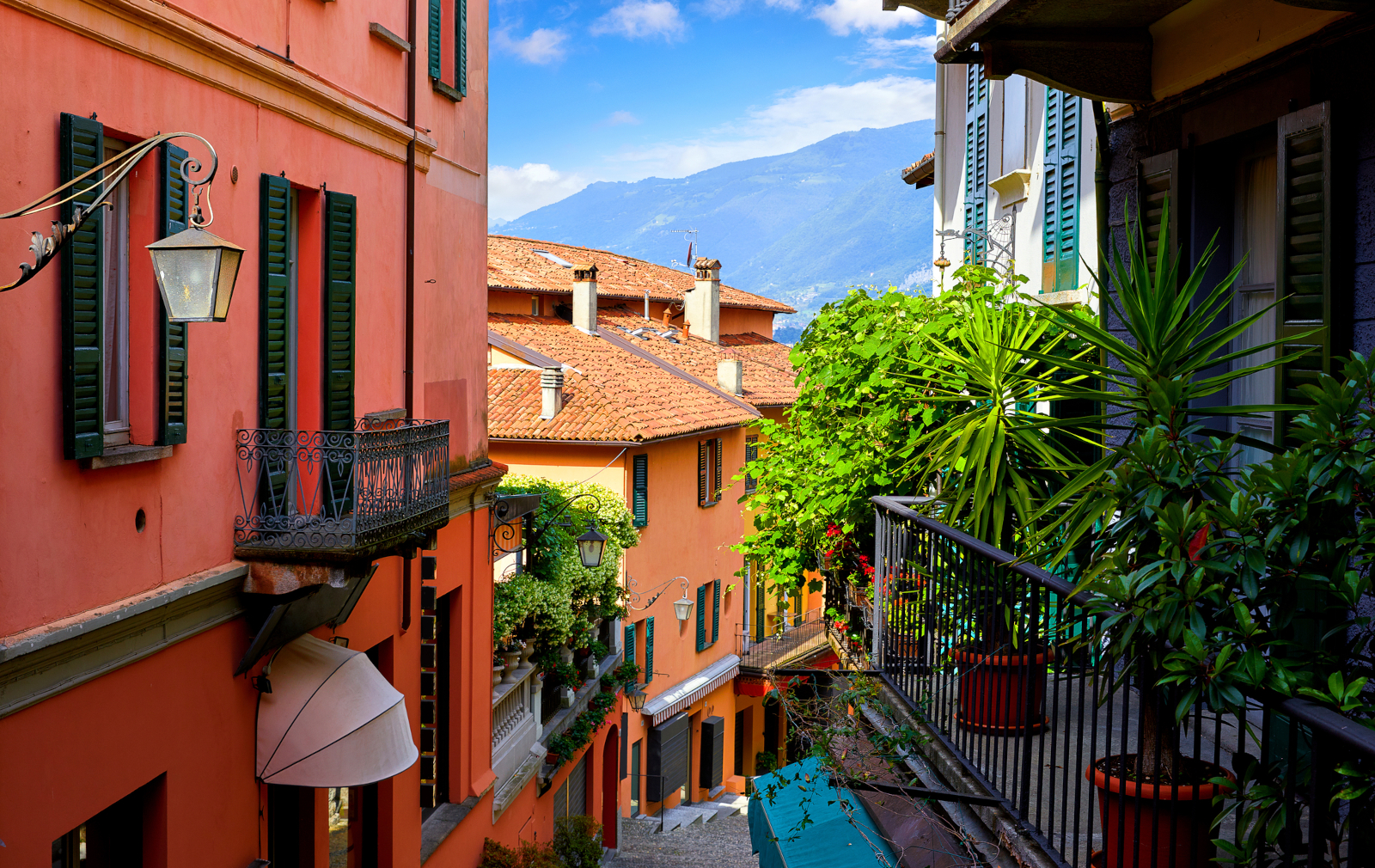
ID 197154265 ©Yasonya | Dreamstime.com
If you enjoy Italian culture, travel trivia, and the kind of sayings people actually remember, this list of Italian proverbs and meanings is for you. You can also test yourself with my Italy trivia questions, try the Italian food trivia quiz, or browse my guide to the best things to see in Italy if this makes you want to plan a trip.
A small note before the list: Italian proverbs often have regional or slightly different versions. I used widely recognized forms and kept modern phrases like carpe diem, al dente, and la dolce vita out of the numbered proverb list because they are not really Italian proverbs, even if people often use them in Italy-themed content.
The Italian Art of Conversation: How to Use These Sayings
Italy is a culture built on expressive communication, shared meals, and deep community roots. Italian proverbs aren’t dusty literary phrases; people shout them across markets and whisper them over espresso. To make them a part of your own life:
- At the Dinner Table: Food is a language of its own in Italy. If you are enjoying a long, slow meal with friends or family, toast with “A tavola non si invecchia” (At the table, one does not grow old). It perfectly validates the Italian philosophy of slowing down to appreciate life’s simple pleasures (la dolce vita).
- To Set Gentle Boundaries: Italians are famously passionate, but they also value clear financial and social dynamics. If you are organizing a trip with friends, splitting costs, or managing a joint project, use the classic “Patti chiari, amicizia lunga” (Clear agreements, long friendship). It’s a polite, face-saving way to handle money boundaries without sounding cold.
- For Daily Motivation: Write “Chi va piano va sano e va lontano” (Whoever goes slowly goes safely and goes far) on a sticky note if you struggle with pacing yourself. It’s the perfect antidote to modern hustle culture and a reminder to embrace a more intentional, European pace of life.
Famous Italian Proverbs and Their Meanings
1. Chi va piano va sano e va lontano
Literal translation: Whoever goes slowly goes safely and goes far.
Meaning: This is one of the best-known Italian proverbs about patience. It praises steady progress, careful decisions, and not destroying something good by rushing it.
2. Meglio tardi che mai
Literal translation: Better late than never.
Meaning: Something can still have value even if it happens later than expected. It can apply to apologies, personal changes, travel plans, decisions, or anything someone postponed for too long.
3. Tra il dire e il fare c’è di mezzo il mare
Literal translation: Between saying and doing, there is the sea.
Meaning: Talking is easy. Doing is harder. This proverb points to the large distance between making promises and actually following through.
4. L’abito non fa il monaco
Literal translation: The robe does not make the monk.
Meaning: Appearance is not proof of character. Someone can look elegant, respectable, rich, or important and still not be what they seem.
5. A buon intenditor poche parole
Literal translation: To a good listener, few words.
Meaning: A person who understands the situation does not need everything explained in detail. A hint, a look, or a short sentence may be enough.
6. Chi cerca trova
Literal translation: Whoever searches finds.
Meaning: This is a proverb about effort and persistence. If you really look for something — an answer, an opportunity, a solution, even a hidden place in Italy — you have a better chance of finding it.
7. Chi fa da sé fa per tre
Literal translation: Whoever does it alone does the work of three.
Meaning: This saying praises independence and self-reliance. Sometimes doing something yourself is faster and cleaner than waiting for help that complicates everything.
8. Chi trova un amico trova un tesoro
Literal translation: Whoever finds a friend finds a treasure.
Meaning: Real friendship is rare and valuable. This proverb is often used for loyal friends, the kind who are still there when life becomes uncomfortable.
9. Chi la fa l’aspetti
Literal translation: Whoever does it should expect it.
Meaning: Actions have consequences. If someone cheats, lies, hurts others, or plays tricks, they should not be surprised when something similar comes back to them.
10. Tutto è bene quel che finisce bene
Literal translation: All is well that ends well.
Meaning: A stressful situation feels less terrible when the final result is good. The journey may have been chaotic, but the ending changes how people remember it.
11. Non tutto quel che luccica è oro
Literal translation: Not everything that glitters is gold.
Meaning: Something attractive on the outside may not be valuable, safe, honest, or worth wanting. It works for people, offers, trips, jobs, and “perfect” opportunities.
12. Il buongiorno si vede dal mattino
Literal translation: A good day is seen from the morning.
Meaning: Early signs can tell you how something may go. It can apply to a day, a person, a project, a meeting, or even a trip that starts badly before breakfast.
13. Volere è potere
Literal translation: To want is to be able.
Meaning: Strong will can move a person into action. It does not mean everything is easy, but it does suggest that determination often creates possibilities.
14. Sbagliando s’impara
Literal translation: By making mistakes, one learns.
Meaning: Mistakes are not just failures. They are part of learning. It is useful for children, students, travelers, business owners, and anyone trying something unfamiliar.
15. Aiutati che il Ciel ti aiuta
Literal translation: Help yourself and Heaven will help you.
Meaning: Do not wait passively for luck, rescue, or perfect timing. Start doing your part first, and help is more likely to come.
Funny Italian Proverbs and Sayings
Some Italian proverbs are funny because the image is so specific. Cats, wolves, soup, old hens, lard, cheese, pears — everyday life becomes advice.
16. La gatta frettolosa fece i gattini ciechi
Literal translation: The hasty cat gave birth to blind kittens.
Meaning: Rushing a process before it is ready leads to poor results. It is a memorable way of saying that impatience can ruin the final outcome.
17. Tanto va la gatta al lardo che ci lascia lo zampino
Literal translation: The cat goes to the lard so often that she leaves her little paw there.
Meaning: Someone who keeps taking risks will eventually get caught. It is often used for repeated bad behavior, especially when the person thinks they are too clever to be discovered.
18. Il lupo perde il pelo ma non il vizio
Literal translation: The wolf loses its fur but not its vice.
Meaning: People may change appearance, age, style, job, or public image, but old habits often remain. This is the proverb people use when someone repeats the same behavior after promising to change.
19. Quando il gatto non c’è, i topi ballano
Literal translation: When the cat is away, the mice dance.
Meaning: When authority disappears, people relax, misbehave, or take advantage. It is very close to the English “when the cat’s away, the mice will play.”
20. Can che abbaia non morde
Literal translation: A dog that barks does not bite.
Meaning: People who make the most noise are not always the most dangerous. A person may threaten, complain, or shout a lot without actually doing much.
21. O mangi questa minestra o salti dalla finestra
Literal translation: Either you eat this soup or you jump out the window.
Meaning: You may not love the option in front of you, but the alternative is worse. It is a very Italian-sounding way of saying: this is what there is.
22. Gallina vecchia fa buon brodo
Literal translation: An old hen makes good broth.
Meaning: Experience has value. The image is funny, but the message is not dismissive: older people often know things younger people have not lived long enough to understand.
23. Rosso di sera, bel tempo si spera
Literal translation: Red in the evening, good weather is hoped for.
Meaning: This is an old weather saying connected to the hope of good weather after a red evening sky. It is not a modern forecast, of course, but it is one of those sayings people remember easily.
24. Al contadino non far sapere quanto è buono il formaggio con le pere
Literal translation: Do not let the farmer know how good cheese is with pears.
Meaning: This old proverb has different interpretations, but it is often used as a humorous warning about keeping certain advantages or pleasures to yourself. It also says something about food, class, and old rural wit.
25. Moglie e buoi dei paesi tuoi
Literal translation: Wives and oxen from your own towns.
Meaning: This is an old traditional proverb, and it sounds dated today. Historically, it suggested choosing a spouse and important possessions from familiar surroundings. It belongs here as a cultural proverb, not as modern advice.
26. A caval donato non si guarda in bocca
Literal translation: You do not look in the mouth of a gifted horse.
Meaning: When someone gives you something, do not inspect it for flaws or complain about its quality. The polite thing is to appreciate the gesture.
27. Fare d’una mosca un elefante
Literal translation: To make an elephant out of a fly.
Meaning: This is used when someone exaggerates a small problem until it becomes enormous. It is the Italian version of making a mountain out of a molehill.
28. Sputare nel piatto dove si mangia
Literal translation: To spit in the plate where one eats.
Meaning: This describes ingratitude toward a person, place, employer, country, or system that supports you. It is a sharp saying because the image is so unpleasant.
29. Dare le perle ai porci
Literal translation: To give pearls to pigs.
Meaning: Do not offer something valuable to someone who cannot appreciate it. It can refer to advice, art, kindness, work, or even an explanation wasted on someone determined not to understand.
30. Non avere peli sulla lingua
Literal translation: To have no hairs on the tongue.
Meaning: This describes someone who speaks directly and does not hide what they think. It can be a compliment or a warning, depending on the person.
Italian Proverbs About Life, Luck, and People

ID 161459087 ©Fedecandoniphoto | Dreamstime.com
This is probably the section where Italian proverbs feel closest to everyday life. They talk about trust, missed chances, patience, envy, bad company, promises, luck, and the kind of human behavior you recognize immediately, even if you have never heard the proverb before.
31. Finché c’è vita c’è speranza
Literal translation: As long as there is life, there is hope.
Meaning: Even when things are difficult, the possibility of improvement remains. This proverb is about resilience without pretending that life is always easy.
32. Uomo avvisato, mezzo salvato
Literal translation: A warned person is half saved.
Meaning: If someone has been warned, they already have an advantage. Preparation can prevent trouble, whether you are traveling, signing a contract, or entering a situation you do not fully know.
33. Meglio soli che male accompagnati
Literal translation: Better alone than badly accompanied.
Meaning: Bad company is worse than solitude. This applies to friendships, relationships, travel partners, business partners, and anyone who drains your peace.
34. Fidarsi è bene, non fidarsi è meglio
Literal translation: Trusting is good, not trusting is better.
Meaning: This is a cautious proverb. It does not say that everyone is bad, but it warns against blind trust.
35. Mal comune, mezzo gaudio
Literal translation: Shared trouble is half joy.
Meaning: A problem can feel lighter when other people are going through it too. Not because the problem disappears, but because being alone with it is worse.
36. Chi si contenta gode
Literal translation: Whoever is content enjoys.
Meaning: Satisfaction often comes from knowing when enough is enough. It is not against ambition, but it warns against ruining life by constantly wanting more.
37. La fortuna aiuta gli audaci
Literal translation: Fortune helps the bold.
Meaning: Luck often favors people who act. A calculated risk, a direct request, or a brave decision can create opportunities that passive waiting never brings.
38. Meglio un uovo oggi che una gallina domani
Literal translation: Better an egg today than a hen tomorrow.
Meaning: A smaller certain benefit may be better than a bigger uncertain one later. It is close to “a bird in the hand is worth two in the bush.”
39. Tutto il mondo è paese
Literal translation: The whole world is one town.
Meaning: People are more similar than they think. Travel far enough and you still find familiar habits, emotions, arguments, kindness, jealousy, humor, and family dynamics.
40. Dimmi con chi vai e ti dirò chi sei
Literal translation: Tell me who you go with and I will tell you who you are.
Meaning: The people around you say something about your values. It is often used as a warning about bad influence.
41. Una rondine non fa primavera
Literal translation: One swallow does not make spring.
Meaning: One positive sign is not enough to prove that everything has changed. A single success, apology, promise, or lucky moment should not be overread.
42. Il tempo è denaro
Literal translation: Time is money.
Meaning: Time has value and should not be wasted. This short proverb is common in work, business, and practical conversations.
43. Ogni promessa è debito
Literal translation: Every promise is a debt.
Meaning: If you promise something, you owe it. Words create responsibility, especially when another person relies on them.
44. Ogni lasciata è persa
Literal translation: Every opportunity left behind is lost.
Meaning: Some chances do not come back. The proverb is often used when hesitation, fear, or laziness makes someone miss something valuable.
45. Chi dorme non piglia pesci
Literal translation: Whoever sleeps catches no fish.
Meaning: Opportunities do not usually go to people who do nothing. It is a direct proverb about effort, timing, and not sleeping through life.
46. La pazienza è la virtù dei forti
Literal translation: Patience is the virtue of the strong.
Meaning: Patience is not weakness. It often takes more strength to wait, stay calm, and choose the right moment than to react immediately.
47. Il mattino ha l’oro in bocca
Literal translation: The morning has gold in its mouth.
Meaning: Starting early can bring advantages. The proverb connects the morning with productivity, clarity, and opportunity.
48. Chi semina vento, raccoglie tempesta
Literal translation: Whoever sows wind, reaps storm.
Meaning: Bad actions can return in a much larger form. If someone creates chaos, lies, or conflict, they should not be shocked when consequences arrive.
49. L’erba del vicino è sempre più verde
Literal translation: The neighbor’s grass is always greener.
Meaning: Other people’s lives often look better from a distance. This proverb warns against envy and the illusion that everyone else has things easier.
50. Chi troppo vuole nulla stringe
Literal translation: Whoever wants too much holds nothing.
Meaning: Greed or excessive ambition can make someone lose even what they already had. Wanting everything can end with having nothing.
Italian Proverbs About Love, Family, and Friendship
Italian culture is often associated with family, but the proverbs are not all sentimental. As you will notice, they are soooo varied: love can be blind, friendship can be a treasure, clear agreements can save a relationship, and family can be complicated enough to deserve its own sharp little proverb.
51. Al cuor non si comanda
Literal translation: The heart cannot be commanded.
Meaning: Feelings do not always obey logic. People fall in love, forgive, miss someone, or care too much even when reason tells them to stop.
52. Lontano dagli occhi, lontano dal cuore
Literal translation: Far from the eyes, far from the heart.
Meaning: Distance can weaken feelings. It is often used for love, friendship, and relationships that fade when people no longer see each other.
53. Patti chiari, amicizia lunga
Literal translation: Clear agreements, long friendship.
Meaning: Good relationships need clear expectations. This applies to friends, family arrangements, business partnerships, travel plans, and money conversations.
54. Parenti serpenti
Literal translation: Relatives, snakes.
Meaning: This short saying refers to family conflict. It does not mean all relatives are bad, of course, but it captures the reality that family relationships can become difficult.
55. Casa mia, casa mia, per piccina che tu sia, tu mi sembri una badia
Literal translation: My home, my home, however small you are, you seem like an abbey to me.
Meaning: Home has emotional value beyond size, luxury, or appearance. Even a modest home can feel grand when it belongs to you.
56. L’amore è cieco
Literal translation: Love is blind.
Meaning: Love can make people overlook flaws that are obvious to everyone else. It is simple, familiar, and still useful because people keep proving it true.
57. Il sangue non è acqua
Literal translation: Blood is not water.
Meaning: Family bonds can remain powerful even when relationships are imperfect. The proverb suggests that blood ties carry weight.
58. Amor vecchio non fa ruggine
Literal translation: Old love does not rust.
Meaning: A deep or old love may survive time, distance, silence, and life changes. It is often used for feelings that do not disappear easily.
59. Chi si somiglia, si piglia
Literal translation: Those who resemble each other take each other.
Meaning: People with similar values, habits, personalities, or flaws often end up together. It can be affectionate or ironic, depending on the couple.
60. Tra moglie e marito non mettere il dito
Literal translation: Do not put your finger between husband and wife.
Meaning: Do not interfere too much in a couple’s private problems. Outsiders rarely know the full story, and taking sides can backfire.
Italian Proverbs About Food and Wine

ID 96608861 ©Tomasz Tulik | Dreamstime.com
Food proverbs fit Italy perfectly because food is rarely just food. It can mean family, honesty, comfort, health, pleasure, or the rhythm of the day. If you like this part of Italian culture, you may enjoy my Italian food trivia quiz, which covers Italian food habits, customs, and dining details.
61. Una mela al giorno leva il medico di torno
Literal translation: An apple a day keeps the doctor away.
Meaning: Simple daily habits can support health. This proverb is almost identical to the English version and is one of the easiest Italian food proverbs to remember.
62. A tavola non si invecchia
Literal translation: At the table, one does not grow old.
Meaning: Meals are not only about eating. They are about conversation, family, friendship, pleasure, and taking time to enjoy the moment.
63. Buon vino fa buon sangue
Literal translation: Good wine makes good blood.
Meaning: This is an old cultural saying that praises good wine and good living. It is not medical advice, but it does show how wine has long been connected with pleasure and vitality.
64. Pane al pane, vino al vino
Literal translation: Bread to bread, wine to wine.
Meaning: Say things plainly. Do not hide the truth behind elegant words or unnecessary politeness. It is close to “call a spade a spade.”
65. Chi ha il pane non ha i denti e chi ha i denti non ha il pane
Literal translation: Whoever has bread has no teeth, and whoever has teeth has no bread.
Meaning: Life often gives resources to one person and ability or desire to another. It is a sharp proverb about bad timing and unfairness.
66. L’appetito vien mangiando
Literal translation: Appetite comes with eating.
Meaning: Desire can grow once you begin. It works literally at the table, but also for travel, ambition, learning, and projects that become more interesting after you start.
67. Non si vive di solo pane
Literal translation: One does not live by bread alone.
Meaning: People need more than physical survival. Beauty, love, culture, purpose, friendship, faith, art, and curiosity also feed life.
68. Anche l’occhio vuole la sua parte
Literal translation: The eye also wants its share.
Meaning: Appearance matters too. Food, homes, clothes, gifts, and travel experiences are not only practical; how they look can affect how people enjoy them.
69. Tutto fa brodo
Literal translation: Everything makes broth.
Meaning: Every little bit helps. Even a small contribution, small saving, small idea, or small advantage can be useful.
70. Pancia piena non crede al digiuno
Literal translation: A full belly does not believe in hunger.
Meaning: People who are comfortable often struggle to understand those who are not. It is a food proverb, but the meaning goes far beyond food.
Short Italian Proverbs and Sayings You Can Use as Captions
Not every Italian proverb works naturally as a caption or short note. Some are too long, too specific, or simply better inside a real conversation. The ones below are easier to remember, easier to use, and still say something clear – which is why they work well for your Italy Instagram captions, travel photos, journals, or quick language-learning notes. If you visit the country and want to post something online with a local saying, these Italian proverbs and sayings are a good place to start:
- Chi cerca trova — Whoever searches finds.
- Volere è potere — Where there is a will, there is a way.
- Sbagliando s’impara — One learns by making mistakes.
- Meglio tardi che mai — Better late than never.
- Il tempo è denaro — Time is money.
- Al cuor non si comanda — The heart cannot be commanded.
- La speranza è l’ultima a morire — Hope is the last to die.
- Una rondine non fa primavera — One swallow does not make spring.
- Ogni promessa è debito — Every promise is a debt.
- Patti chiari, amicizia lunga — Clear agreements, long friendship.
- Chi dorme non piglia pesci — Whoever sleeps catches no fish.
- Tutto passa — Everything passes.
Italian Expressions People Often Mistake for Proverbs
I am including this section because these phrases show up everywhere in Italy-themed content, and it is easy to throw them into the same basket as proverbs. They are useful, and some are very famous, but they are not the same thing as traditional Italian proverbs.
Dolce far niente
Translation: The sweetness of doing nothing.
Meaning: This expression describes the pleasure of doing nothing without guilt. It fits the image of sitting in a café, watching people pass, enjoying the light, and not turning every minute into a task.
La dolce vita
Translation: The sweet life.
Meaning: This famous phrase is tied to pleasure, beauty, elegance, and the idea of enjoying life. It is more of a cultural expression than a proverb.
Al dente
Translation: To the tooth.
Meaning: This is a cooking term for pasta that is firm when bitten. It is not a proverb, but it is one of the Italian food expressions travelers recognize quickly.
These expressions are useful for Italy-themed content, but they should not be mixed into a proverb list without explanation.
Conclusion About The Italian Proverbs

ID 77196594 ©Jacek Sopotnicki | Dreamstime.com
Italian proverbs are short, but they carry a lot of life. They talk about patience, work, loyalty, mistakes, food, love, family, trust, timing, and the strange way life gives the right thing to the wrong person at the wrong moment.
Some sound beautiful. Some sound funny. Some are harsher than expected. That mix is exactly what makes them interesting; they are small pieces of everyday wisdom that survived because people kept recognizing themselves in them.
If you enjoyed this list, you may also like my Italy trivia questions, my Italian food trivia quiz, and my guide to the best things to see in Italy. If you are planning a real trip, read my article about tourist fines and rules in Italy before you go. And if you enjoy cultural comparisons, you may also like France vs. Italy: Which Is Better?
You can also browse more quizzes and cultural articles in my travel trivia section.
FAQ About Italian Proverbs
What is the most famous Italian proverb?
One of the most famous Italian proverbs is “Chi va piano va sano e va lontano,” which means “whoever goes slowly goes safely and goes far.” It is used to praise patience, steady progress, and careful decisions.
What does “Chi va piano va sano e va lontano” mean?
It means that moving carefully and patiently often brings better results than rushing. The proverb can apply to work, travel, relationships, learning, money, business, and personal goals.
What are some Italian proverbs about life?
Some Italian proverbs about life include “Sbagliando s’impara,” “Finché c’è vita c’è speranza,” “Chi si contenta gode,” “Una rondine non fa primavera,” and “Tra il dire e il fare c’è di mezzo il mare.” They focus on patience, mistakes, hope, action, and human behavior.
What are some funny Italian proverbs?
Funny Italian proverbs include “La gatta frettolosa fece i gattini ciechi,” “O mangi questa minestra o salti dalla finestra,” “Gallina vecchia fa buon brodo,” and “Tanto va la gatta al lardo che ci lascia lo zampino.” They are funny because the images are so specific, but the meanings are practical.
What are some Italian proverbs about food?
Italian food proverbs include “A tavola non si invecchia,” “Una mela al giorno leva il medico di torno,” “Pane al pane, vino al vino,” “Buon vino fa buon sangue,” and “L’appetito vien mangiando.” They connect food with health, honesty, pleasure, desire, and social life.
What are some Italian proverbs about love and family?
Italian proverbs about love and family include “Al cuor non si comanda,” “L’amore è cieco,” “Il sangue non è acqua,” “Lontano dagli occhi, lontano dal cuore,” and “Patti chiari, amicizia lunga.” Some are romantic, but others are very realistic about distance, family ties, and relationship boundaries.
Are Italian proverbs still used today?
Yes, many Italian proverbs are still used today, especially short and practical ones. Sayings such as “Meglio tardi che mai,” “Chi cerca trova,” “L’abito non fa il monaco,” “Chi dorme non piglia pesci,” and “Tra il dire e il fare c’è di mezzo il mare” are still easy to recognize.
What is the difference between an Italian proverb, saying, and idiom?
A proverb usually gives general wisdom or advice, such as “Chi va piano va sano e va lontano.” A saying may be a common expression without the same advice structure. An idiom is a phrase whose meaning is not obvious from the literal words, such as “non avere peli sulla lingua,” which means speaking very directly.
More amazing articles for you:
Carnival Cruise Passenger Uses a Dining Fork to Scratch Her Foot in Viral Video - What Happened Next
200 France Trivia Questions and Answers - Easy to Hard. How Well Do You Know France?
70 Italian Proverbs That Say More About Life Than a Whole Travel Guide
Best Christmas Markets in Europe recommended by travel bloggers
Perseid Meteor Shower 2026: Best Time, Where to Look and Viewing Tips
Escape to These Hidden Gem Destinations for a Memorable Spring Holiday
100 Best Places to Visit in France – Ultimate France Travel Guide
A local's guide to Koh Samui, Thailand

Violeta-Loredana Pascal is a communications expert, business mentor, and the founder of Earth’s Attractions and PRwave INTERNATIONAL. A pioneer in the Romanian digital PR landscape since 2005, she holds a degree in Communication and Social Sciences from SNSPA Bucharest. Violeta is a senior trainer at AcademiadeAfaceri.ro, where she leverages over 20 years of experience to teach professional courses in PR strategy and workplace productivity. By blending high-level business consulting with a passion for holistic travel and wellness, she empowers solopreneurs to overcome procrastination, build profitable brands, and design a life of purposeful adventure.