Paris, France, is a dream destination in Europe and a city I love. There are so many things to do in Paris, places to see, that it’s impossible not to find something regardless of preferences and age.
But when it comes to Paris museums, the choice can get overwhelming fast. The Louvre is the first name that comes to mind, but it’s not the only museum worth adding to your itinerary. There’s Orsay for Impressionism, Orangerie for Monet’s Water Lilies, Rodin for sculpture, Carnavalet for Paris history, Petit Palais for a beautiful free museum, and many smaller museums focused on perfume, photography, fashion, money, magic, music, science, and more.
ID 102367654 ©Mickem | Dreamstime.com
I already presented you with a potential bucket list for Paris, as well as a travel guide for a day in France’s capital. And, if you are planning a longer trip, my guide to the best places to visit in France can help you add more stops beyond Paris. In this article, I’m focusing solely on museums.
I am creating a list of the best museums to visit in Paris with places in multiple domains, going from the obvious, famous ones, but also including some museums that are more niched, but still exciting and pleasant surprises for their visitors.
When you are planning your Paris trip, keep in mind these tips and tricks, and if you are still asking yourself whether you should visit this city or not, then read this article on why you shouldn’t go to Paris. But let’s move forward to the unmissable museums in Paris.
First of all, a note: I will say only a few words about each museum. About some of them, I’ve written dedicated articles, while about others I didn’t manage to say anything here so far.
I want this guide to help you decide what to visit in Paris, not make the choice harder with endless details. Paris has museums that can take almost a full day and museums you can visit in one or two hours, so it helps to know which ones fit your interests, time, and budget.
Also, I only included museums in Paris – not near the city, though even I visited some, as I wanted to check them out. While they are accessible by RER (many of them), I want to keep this article exclusively about Museums in Paris (as you will see, there are many!) and can be visited no matter when you go to Paris.
Tips for Visiting Paris Museums: Tickets, Reservations, and the Paris Museum Pass
Before the list, one practical point: check the ticket and reservation rules on the official websites before you go, especially for the Louvre and for very popular temporary exhibitions.
The Paris Museum Pass can be useful if you want to visit several paid museums and monuments in a short time, but it doesn’t automatically guarantee entry at any hour you want. For the Louvre, for instance, you still need to reserve a time slot with the pass if you want guaranteed access.
Also keep in mind that free admission doesn’t always mean you can just show up without checking anything. Some museums and special free-entry days may still require online booking.
Museum tickets, temporary exhibitions, transport, and booking rules are exactly the kind of details that can change the real cost of a trip, so they are worth checking before you finalize the itinerary.
Opening days, free-entry rules, temporary exhibitions, and reservation requirements can change, so check the official museum website before you finalize your Paris itinerary.
Which Paris Museum Should You Visit First?
If this is your first trip to Paris and you only have time for one major museum, I’d choose the Louvre for the classic Paris museum experience, famous works, and the scale. I’d choose Musée d’Orsay if Impressionism is your main reason for visiting art museums in Paris.
I’d choose Musée de l’Orangerie if Monet’s Water Lilies are your priority and you want a shorter visit. I’d choose Musée Rodin if you prefer sculpture, gardens, and a calmer museum experience. I’d choose Musée Carnavalet if you want Paris history and a free museum that fits well into a day in Le Marais.
A few closing days are useful to know from the start: the Louvre is closed on Tuesday, Musée d’Orsay is closed on Monday, and Musée de l’Orangerie is closed on Tuesday. Centre Pompidou’s main Paris building is closed for renovation until 2030, so check the current programme before adding it to your itinerary.
Best Free Museums in Paris
Paris can get expensive, but not every museum visit has to add to the cost of your trip. Several City of Paris museums offer free entry to their permanent collections, including Petit Palais, Musée Carnavalet, Musée d’Art Moderne de Paris, Maison de Victor Hugo, Musée Bourdelle, and others.
Temporary exhibitions may still require a ticket, but these free permanent collections are very useful if you want to add culture to your Paris itinerary without paying for every single stop.
Where to See Monet in Paris
If Monet is one of the main reasons you want to visit Paris museums, you have three strong choices. Musée de l’Orangerie is the place for the famous Water Lilies rooms. Musée Marmottan Monet has the world’s largest collection of works by Monet.
Musée d’Orsay gives you the wider Impressionist and Post-Impressionist context, with Monet, Manet, Degas, Renoir, Van Gogh, Cézanne, and others in one place.
Let’s begin.
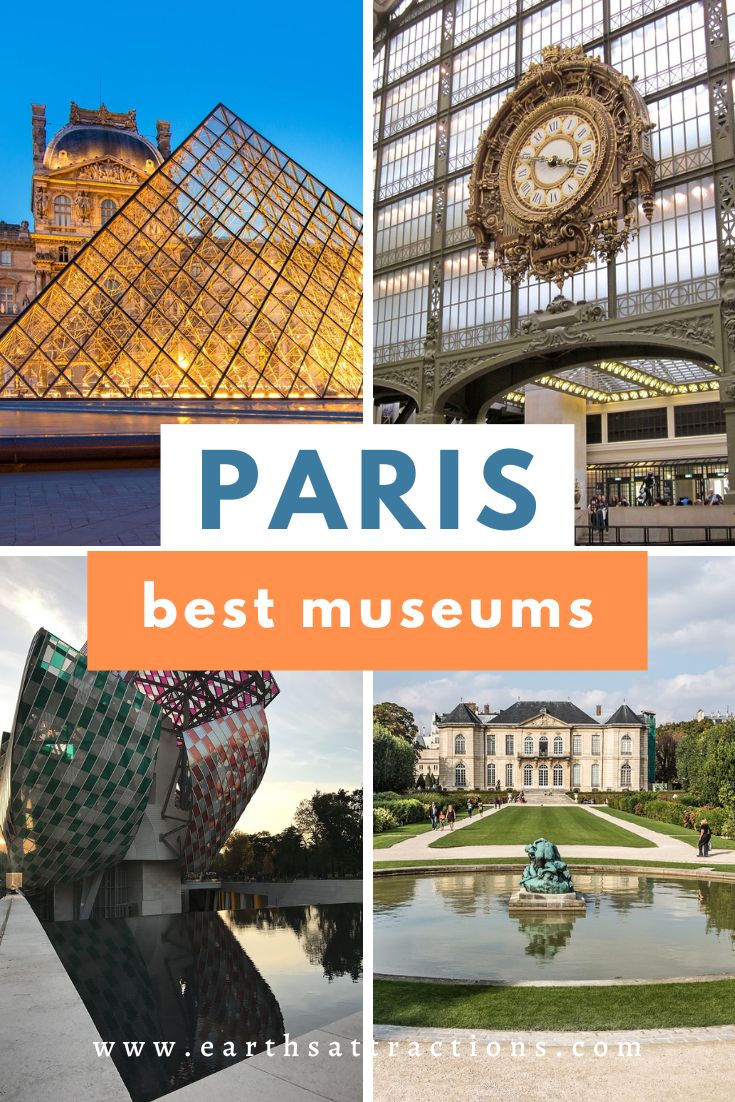
Louvre
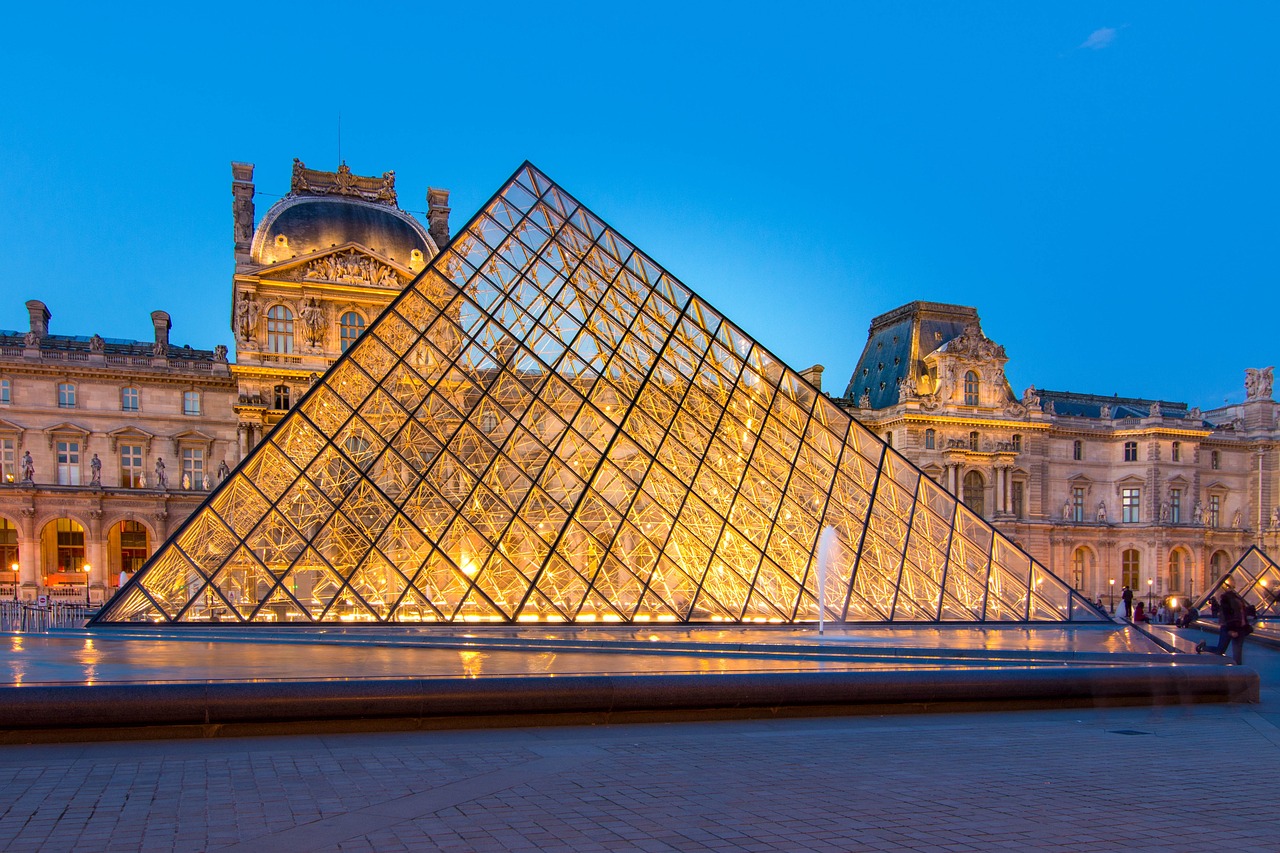
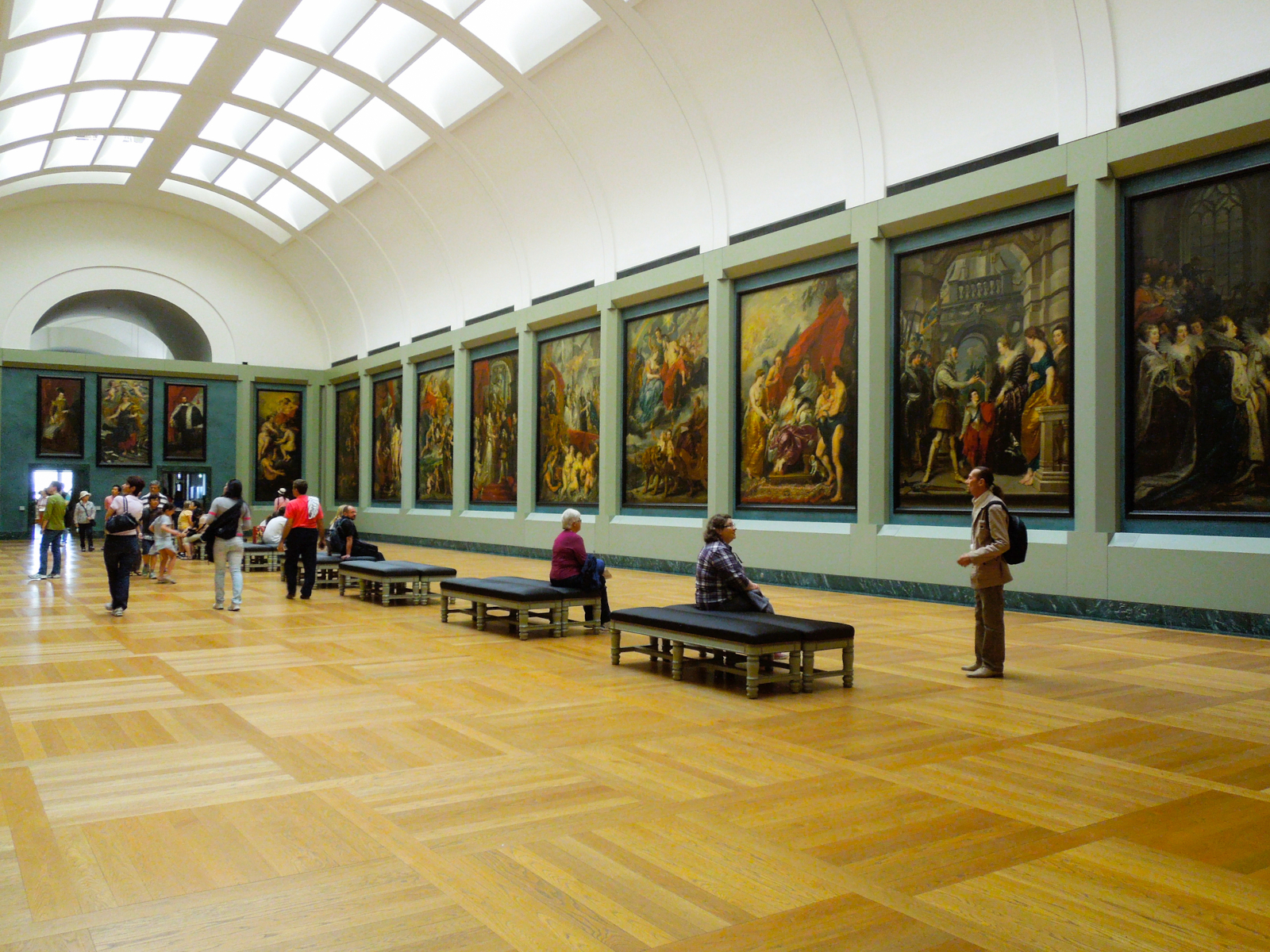
While it was not the first museum I visited in Paris, it is definitely the first museum I would recommend. It is a huge museum, with collections on multiple topics – from Napoleon III’s Apartments to Egypt, from ancient history to almost all periods in art and sculpture. The Louvre is home to the Mona Lisa, Venus de Milo, the Winged Victory of Samothrace, the Code of Hammurabi, Egyptian antiquities, mummies, and so much more.
It is hard to see it all in one day (as you don’t really have time to enjoy each exhibit, each item), but, even if you only have a few hours to spend here, this is a must-visit museum in Paris and, of course, one of the Paris landmarks.
Practical tip: make sure you reserve a lot of time for the Louvre. See it as a short stop between other major sights only if you don’t go inside. If you only have a few hours, choose the works or wings you care about most before entering, because walking without a plan can take a lot of your time here.
Musée d’Orsay
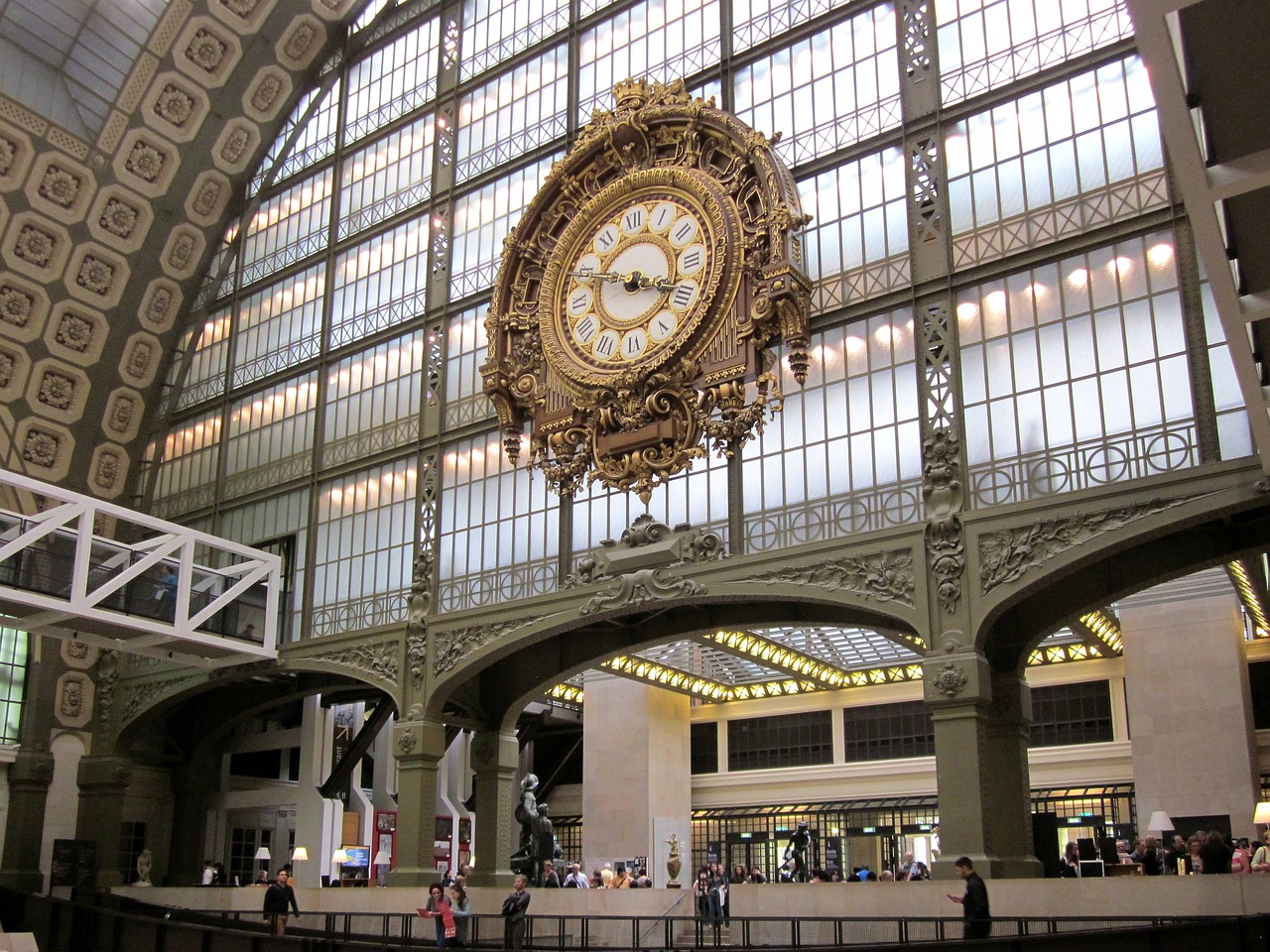
The Orsay Museum was the first museum I visited in Paris. I admit I was sad that taking pictures was not allowed when I visited (I would have loved to be able to take photos as memories). The rules are better now for visitors who want their own memories: you can take private photos in the permanent exhibition rooms, without flash, tripods, or mounts, unless a specific work or exhibition says otherwise.
And this museum is a treasure trove for those who love the Impressionists and Post-Impressionist painters – including Monet, Manet, Degas, Renoir, Cézanne, and Van Gogh. It is also where you can see Van Gogh’s Starry Night Over the Rhône in Paris, plus beautiful sculptures, including works by Rodin.
If you are trying to choose between the Louvre and Orsay, I wouldn’t see them as interchangeable. The Louvre is broader and more famous, but Orsay is easier to enjoy if Impressionism is one of the main reasons you want to visit museums in Paris.
Musée Marmottan Monet
Ok, I admit it: I like Impressionist painters – therefore the numerous museums in Paris dedicated to this period in this article.
But if you like Monet’s paintings, you don’t want to miss this museum, believe me. Musée Marmottan Monet has the world’s largest collection of works by Monet, including Impression, Sunrise, the painting that gave Impressionism its name, along with Water Lilies and works from different moments of his career.
This is a very good museum to consider if you already know you love Monet and want something more specific than Orsay.
Petit Palais
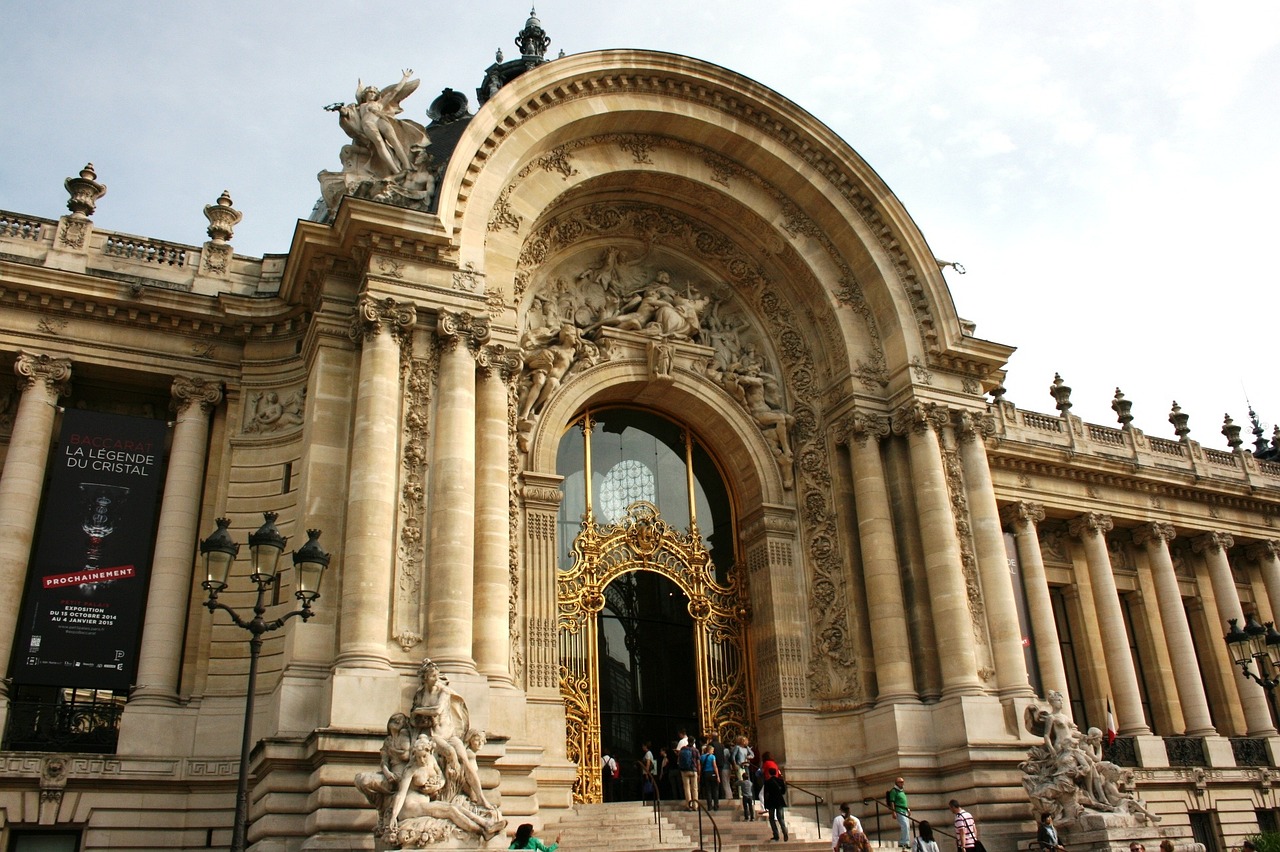
Don’t be fooled by the name. It is not a small museum – though yes, it is smaller than the Louvre, for instance.
It is a wonderful experience for all those who like fine arts, applied arts, beautiful interiors, and museums that don’t feel as intense as the Louvre. It features works by famous artists such as Boucher, Fragonard, David, Watteau, and Delacroix (and others).
The permanent collection is free, which makes Petit Palais one of the best free museums in Paris to keep on your list. It is also a good choice if you want a museum that feels special without needing to commit half a day to it.
Fondation Louis Vuitton
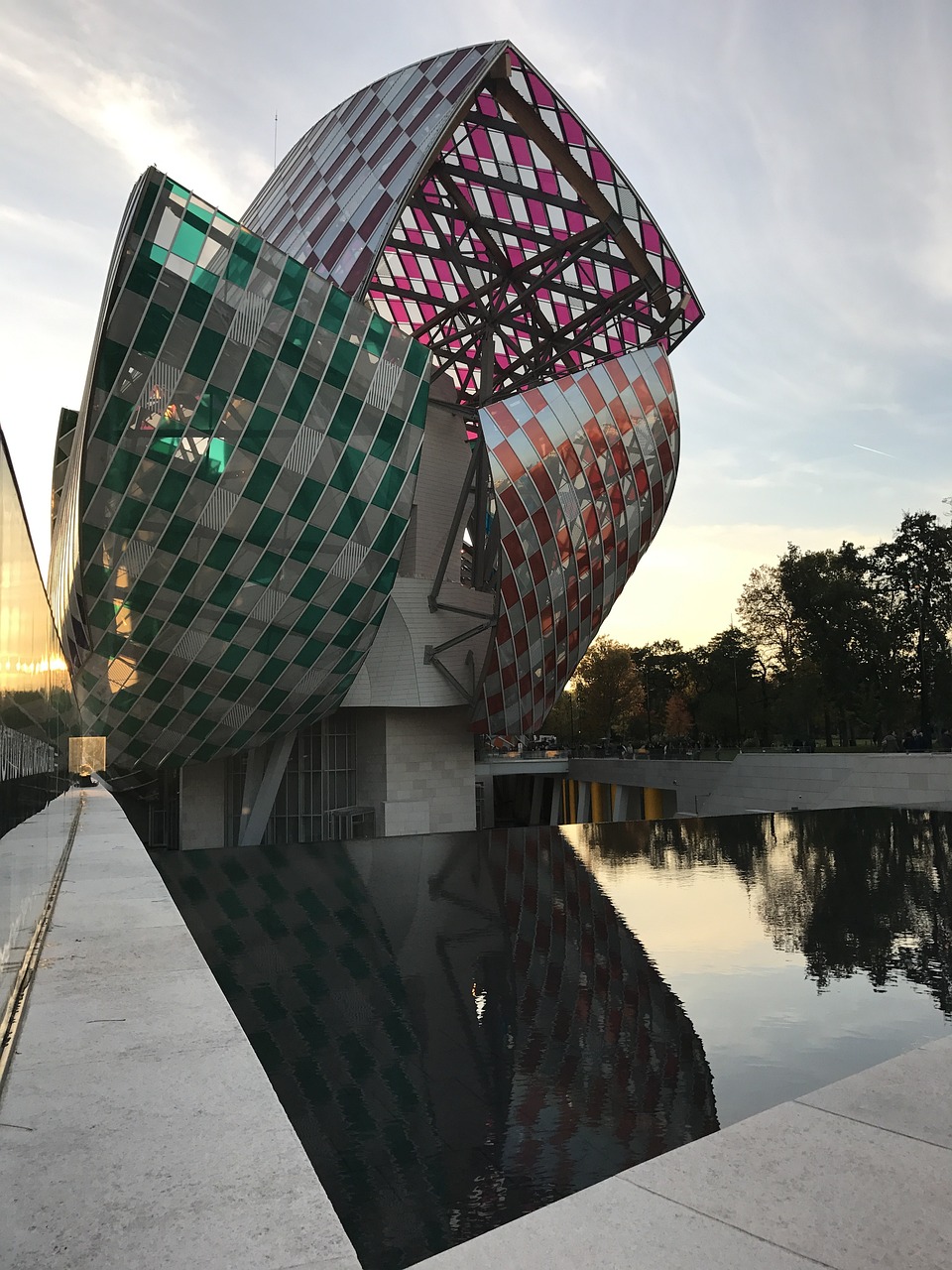
Yes, Louis Vuitton – but not about fashion. The Louis Vuitton Foundation was created as a place dedicated to art and culture and houses interesting exhibitions all the time. The building is also interesting, in terms of architecture. According to its official site, “The Collection of the Fondation comprises a constantly evolving body of works that naturally falls into four categories: Contemplative, Pop, Expressionist, Music & Sound.”
This is a good museum to consider if you like contemporary art, temporary exhibitions, and striking architecture. It is also a different Paris museum experience from the older palace-style museums in the centre of the city.
Centre Georges Pompidou
Centre Georges Pompidou is one of the major names in Paris for 20th-century and contemporary art, with an extensive collection of modern paintings, sculptures, and photographs.
Important update: Centre Pompidou’s main Paris building is closed for renovation until 2030. I wouldn’t plan it as a regular museum visit right now, but you can check the official programme because some Centre Pompidou exhibitions and events continue through other venues.
Musée Rodin
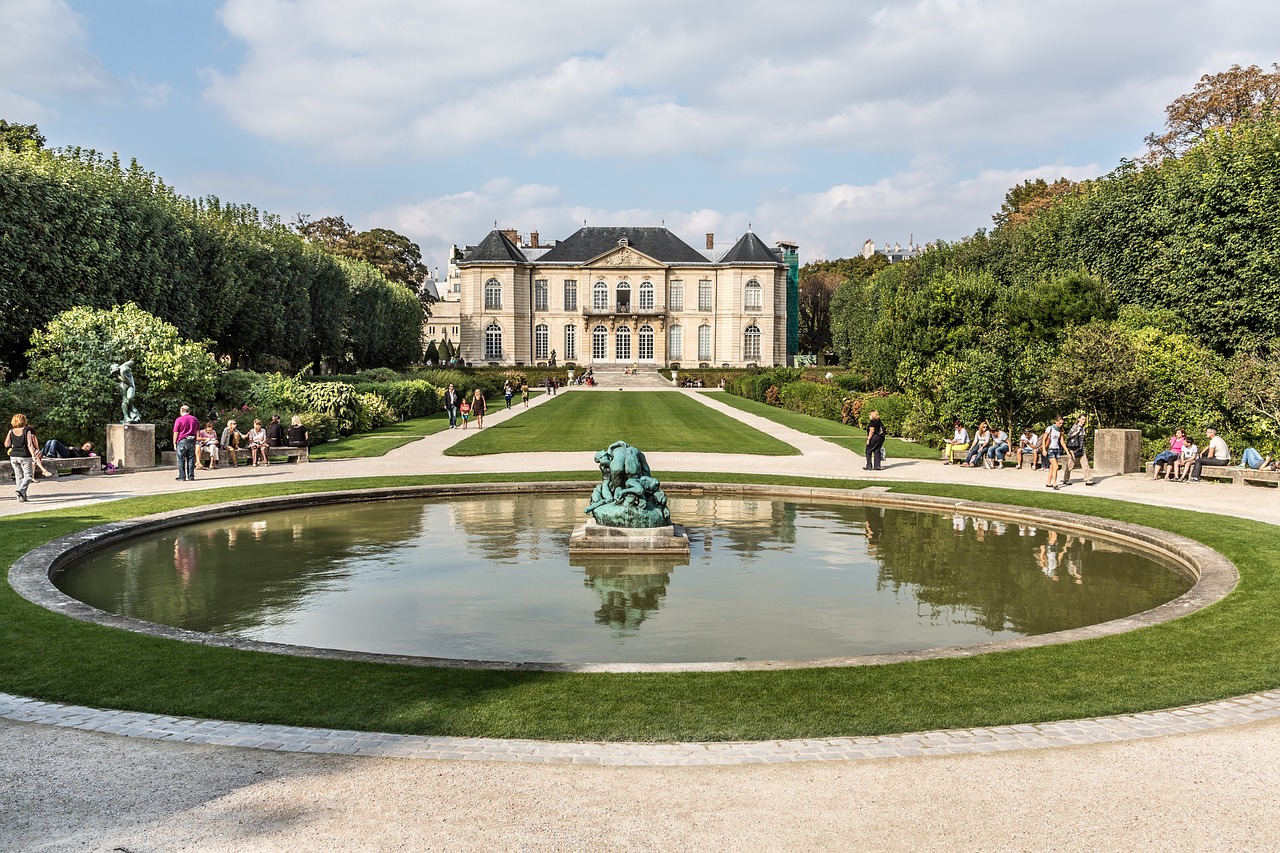
At the Orsay Museum you can see a few sculptures by Rodin, but if you want to see more of his art, then you should go to this museum.
It is dedicated to the works of the famous sculptor Auguste Rodin, and includes his bronze and marble sculptures, including “The Thinker” and “The Kiss.”
The gardens are part of the appeal too, so this museum can be a very good choice if you want sculpture, art, and a more relaxed pace than the huge Paris museums.
Musée Picasso
As the name suggests, this is a museum dedicated to the works of Pablo Picasso, showcasing his paintings, drawings, and sculptures from throughout his career.
If you haven’t been to another museum dedicated to Picasso – or if you are a fan of his and want to visit all possible museums and exhibitions with his works of art, then this museum is a must so make sure you include it on your Paris bucket list.
It is also located in Le Marais, so it can work well with Musée Carnavalet if you want to build part of your day around this area.
Musée Carnavalet – Histoire de Paris
This is one museum I would add because the article is about Paris museums and the main museum dedicated to the history of Paris belongs here. Musée Carnavalet is in Le Marais and is a very good choice if you want to understand the city itself, not only look at paintings.
The permanent collection is free, which makes it useful for travelers who want a strong cultural stop without adding another ticket to the budget. If you like Paris as a city – its streets, history, interiors, objects, and different periods – this museum makes a lot of sense.
Musée de l’Armée – Les Invalides
If you want history, not only art, Musée de l’Armée at Les Invalides deserves a place on this list. Many visitors know the site because of Napoleon’s tomb, but the museum is also about French military history, armor, weapons, uniforms, wars, and the long history of Les Invalides itself.
It is a good choice if you are traveling with someone who is less interested in painting-focused museums but still wants a major Paris museum experience.
Musée de Cluny – Musée National du Moyen Âge
If you are interested in medieval art and history, then Musée de Cluny – Musée National du Moyen Âge is the place to go. It is located in the Latin Quarter and combines medieval collections with the remains of ancient Roman baths, which already makes the visit more interesting than a standard art display.
Here you will be able to admire the famous Lady and the Unicorn tapestries, but you can also see stained glass, manuscripts, sculptures, and other objects connected to medieval life and art.
Maison de Victor Hugo
Not a painter or sculptor, yes, but Victor Hugo is huge in literature.
This museum (not very big) is dedicated to his life and works, showcasing his manuscripts, letters, and personal belongings.
The permanent collection is free, and the museum is located on Place des Vosges, so it is easy to combine with a walk through Le Marais.
Musée National Gustave Moreau
Gustave Moreau Museum is – as the name suggests – a museum dedicated to the works of the Symbolist painter Gustave Moreau, featuring his paintings, drawings, and watercolors.
This is one of those smaller Paris museums that can be very rewarding if the artist or the atmosphere of an artist’s house-museum interests you.
Musée d’Art Moderne de Paris
Dedicated to modern and contemporary art, this museum has about 15,000 works by many artists. Some of the famous names are Marc Chagall, Raoul Dufy, Gaston Suisse, Amedeo Modigliani, and Henri Matisse.
The permanent collection is free, so it is worth considering if you want modern art in Paris but Centre Pompidou’s main building is closed during your trip.
Musée des Arts Décoratifs
The Museum of Decorative Arts is housed inside one of the wings of the Louvre Palace and it showcases a wide range of decorative objects and furnishings, including furniture, textiles, jewelry, ceramics, glass, and design pieces.
It is a good museum to consider if you like interiors, beautiful objects, craftsmanship, and the way taste changed across different periods.
Palais Galliera
Paris and fashion are impossible to separate, so Palais Galliera deserves a mention in a guide to the best museums in Paris. It is the City of Paris fashion museum, but there is one practical detail to know before you go: the visit depends on the exhibitions running at the time, because the museum doesn’t present permanent collections in the usual way.
Check the current exhibition before adding it to your itinerary, especially if fashion history, couture, textiles, or craftsmanship are part of what you want from Paris.
Musée National des Arts Asiatiques Guimet
We remain in the art domain and talk next about Asian art. With items from many Asian countries, this museum is a gem for those who want to discover the Asian arts.
It is a good choice if you want a museum in Paris that moves away from the usual European art itinerary.
Musée du Quai Branly – Jacques Chirac
Fun fact: the museum’s collection includes around a million objects. True, not all of them are exhibited at the same time – around 3,500, but that is quite a collection, I’d say!
Jacques Chirac Museum of Branly Quay is a museum designed by French architect Jean Nouvel and it is focused on the indigenous art and cultures of Africa, Asia, Oceania, and the Americas.
It is also close to the Eiffel Tower area, so it can be useful if you want to add a museum to that part of your Paris itinerary.
Fondation Henri Cartier-Bresson
Do you like to take pictures? Do you like to discover photographers and their best photos? Fondation Henri Cartier-Bresson invites you to discover the life and works of the famous photographer Henri Cartier-Bresson.
This is a good option for photography lovers, especially if you want a smaller museum or exhibition space rather than another huge museum.
Musée de l’Orangerie
Given the many famous Impressionist painters, apart from the Orsay Museum, there is another museum dedicated to Impressionist and Post-Impressionist art. Musée de l’Orangerie is one of the best museums in Paris if you want to see Monet’s Water Lilies.
The famous Water Lilies rooms are the main reason many people visit, but the museum also includes the Walter-Guillaume collection, with works by artists such as Renoir, Cézanne, Matisse, Picasso, Modigliani, and others. An unmissable museum in Paris for art lovers!
It is also easier to fit into an itinerary than the Louvre, so keep it in mind if you want a major art experience but don’t have a full day for museums.
Musée du Parfum Fragonard
France is famous for its perfumes. If you’ve ever been curious about the history of perfume, then this is a museum to visit while in Paris.
The museum is showcasing the history of perfume-making, including displays of historic perfumes and scent-making tools and techniques.
This can be a nice addition if you want a short museum visit that feels very connected to France, but not to painting or sculpture.
Musée de la Monnaie
I admit I like coins and money. I try to keep some – as souvenirs, from all my trips.
So I do not miss a museum dedicated to this topic. The museum dedicated to the history of money and coinage in Paris has a wide range of coins, medals, and currency from around the world. Plus, it is housed inside a spectacular building.
It is also a good option if you want a Paris museum that is not built around art in the usual sense.
Musée de la Magie
Magic is an art and many are smitten with magic tricks – while others try to figure out how they are performed.
This is a museum dedicated to the history of magic, and you can learn a lot about the history of magic and illusions, and see many magic props and tricks, and a collection of historical magic posters.
It is a more unusual Paris museum, so it can be fun if you want something different from the big-name museums.
Musée de la Musique
Music – another art we love. A museum dedicated entirely to it is a must-see for everyone liking music, even a little bit. You can find out many things here about the history of music in general, but also about the history of music and its development in France; you can also see a wide range of musical instruments and sheet music.
This is a good museum to consider if you want something connected to culture, but not another painting-focused visit.
Musée des Arts et Métiers
This museum allows you to take a short trip back in time as it includes historical scientific equipment and early technological innovations along with several scientific instruments and machines.
It is one of the best Paris museums for people who like science, technology, inventions, engineering, and old machines. It also helps balance an itinerary that already has a lot of art.
Cité des Sciences et de l’Industrie
Cité des Sciences et de l’Industrie is one of the best museums in Paris to consider if you are traveling with children, teens, or anyone who prefers science and interactive exhibitions to paintings.
It is located in Parc de la Villette and includes science-focused exhibitions, a planetarium, and spaces that make it a strong option for families or for travelers who want a non-art museum in Paris.
Musée National de la Marine
The Musée National de la Marine has reopened after a major renovation, so it no longer needs to be treated as a closed-museum note. It is a good choice if you are interested in maritime history, ships, navigation, naval objects, and France’s rich maritime history.
It is also located at Trocadéro, which makes it easier to combine with Eiffel Tower views if you are already in that area.
Best Paris Museums by Interest
For famous works and a classic first trip to Paris: Louvre.
For Impressionism: Musée d’Orsay, Musée de l’Orangerie, and Musée Marmottan Monet.
For Monet: Musée de l’Orangerie and Musée Marmottan Monet.
For free museums: Petit Palais, Musée Carnavalet, Musée d’Art Moderne de Paris, Maison de Victor Hugo, and other City of Paris museums with free permanent collections.
For Paris history: Musée Carnavalet.
For medieval art: Musée de Cluny – Musée National du Moyen Âge.
For sculpture: Musée Rodin.
For photography: Fondation Henri Cartier-Bresson.
For fashion: Palais Galliera.
For science and technology: Musée des Arts et Métiers and Cité des Sciences et de l’Industrie.
For perfume: Musée du Parfum Fragonard.
For music: Musée de la Musique.
And if this Paris museum guide makes you want more French culture beyond buildings and collections, you can also explore these French proverbs and meanings – they are a different way to see how language, daily life, humor, love, food, and practical wisdom appear in French culture.
Conclusion
The best museums in Paris are not only the biggest or the most famous ones. The Louvre, Orsay, and Orangerie are obvious choices for a reason, but Paris also has free museums, smaller collections, history museums, science museums, fashion exhibitions, photography museums, and places that are easier to fit into a short itinerary.
If this is your first trip to Paris, I’d start with one major museum and then add one smaller museum that matches your interests. That usually gives you a better experience than trying to force too many famous names into the same trip.
FAQ About Paris Museums
Which museums in Paris are free?
Several City of Paris museums offer free entry to their permanent collections, including Petit Palais, Musée Carnavalet, Musée d’Art Moderne de Paris, Maison de Victor Hugo, and others. Temporary exhibitions may still require a paid ticket.
Is the Paris Museum Pass worth it?
The Paris Museum Pass can be worth it if you plan to visit several paid museums and monuments in a short time. Check the included places, the pass duration, and the reservation rules before buying it, because some museums still require timed-entry booking.
Do I need to book Paris museum tickets in advance?
For the most famous museums, booking ahead is the safest option, especially in busy seasons. The Louvre is the big one to plan carefully, and some free-entry days or temporary exhibitions may also require online booking.
Which Paris museum is best if I only have time for one?
For a first trip and the classic Paris museum experience, choose the Louvre. For Impressionism, choose Musée d’Orsay. For Monet’s Water Lilies, choose Musée de l’Orangerie. For Paris history, choose Musée Carnavalet.
Where can I see Monet paintings in Paris?
You can see Monet in several Paris museums. Musée de l’Orangerie is famous for the Water Lilies rooms, Musée Marmottan Monet has the world’s largest collection of Monet works, and Musée d’Orsay includes Monet in its Impressionist and Post-Impressionist collections.

More amazing articles for you:
What Really Happens in Your Hotel Room When You're Not There? A Guide to Guest Rights and Room Secur...
Top places to see and things to do in Las Vegas, USA
“I Would Crash Out”: The Disgusting Mid-Flight Habit Passengers and Flight Attendants Beg People to ...
Think You Know the World? Try These 100 Geography Trivia Questions and See How Many You Get Right
5 Tips For Travellers Who Want To Travel To Thessaloniki
You Just Embarrassed Yourself in Front of Everyone - Research Found One Reaction That Can Improve Ho...
Staycation Ideas For Ultimate Luxury And Relaxation
How to Move Heavy Furniture by Yourself

Violeta-Loredana Pascal is a communications expert, business mentor, and the founder of Earth’s Attractions and PRwave INTERNATIONAL. A pioneer in the Romanian digital PR landscape since 2005, she holds a degree in Communication and Social Sciences from SNSPA Bucharest. Violeta is a senior trainer at AcademiadeAfaceri.ro, where she leverages over 20 years of experience to teach professional courses in PR strategy and workplace productivity. By blending high-level business consulting with a passion for holistic travel and wellness, she empowers solopreneurs to overcome procrastination, build profitable brands, and design a life of purposeful adventure.