
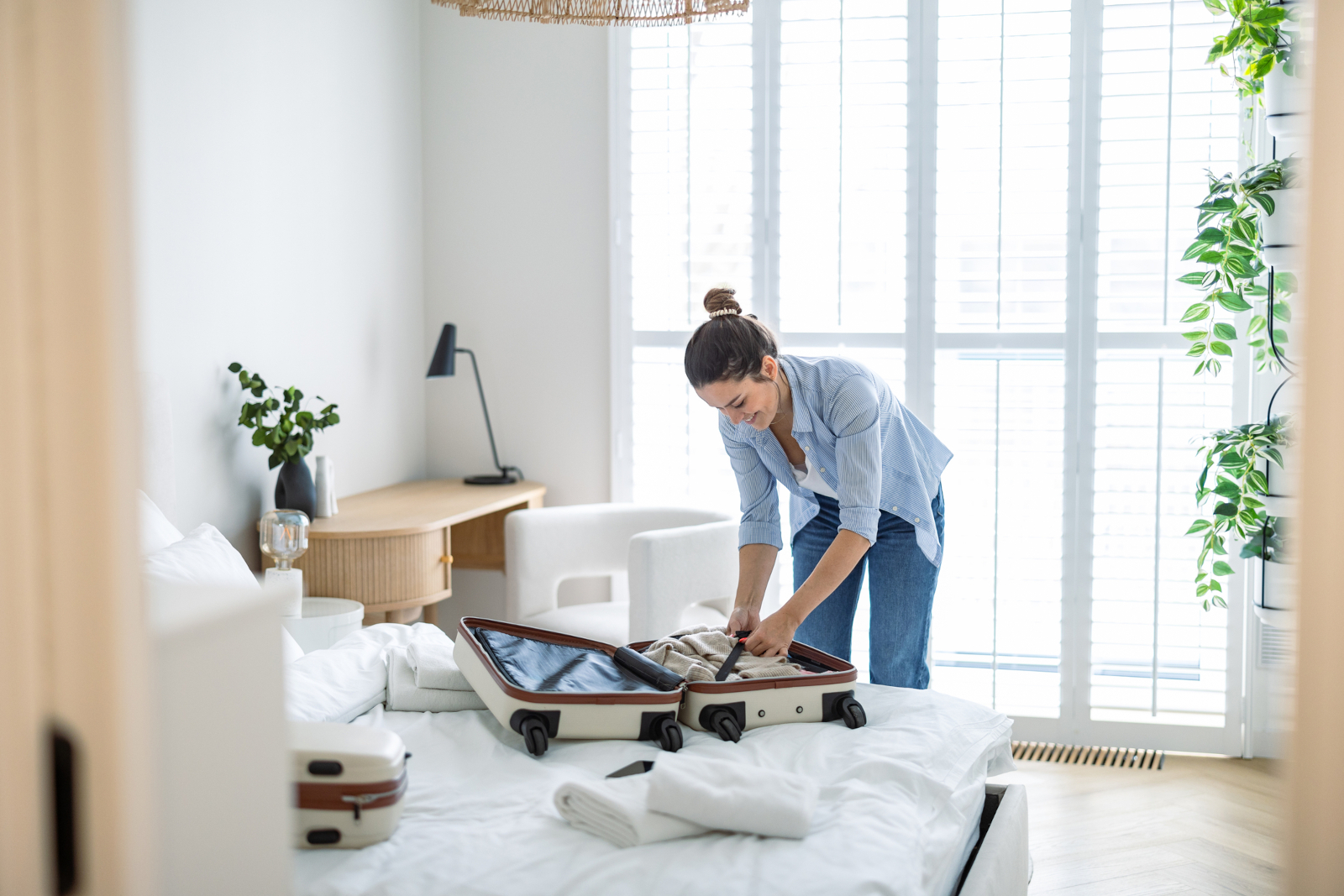
Hotel checkout can be very stressful, especially when things (suitcases, backpacks, etc) are not almost prepared the night before. You’re trying to close the suitcase, check the time, make sure the taxi is ordered, or check the bus time, and leave before the checkout deadline. With all this pressure and being in a rush, things often get forgotten.
I’ve forgotten small things in hotel rooms too: a toothbrush, a hairbrush (different trips). Nothing impossible to replace, but still annoying. One time, I almost forgot a pair of earrings. They weren’t very expensive, but they had personal value, and I would’ve been very sad to leave them behind. Going back wasn’t realistic, and asking the hotel to ship them would’ve cost a lot more than the earrings themselves. So yes, I’m much more careful now before I close a hotel room door for the last time.
ID 315004856 ©Piksel | Dreamstime.com
This hotel checkout checklist is not about packing perfectly. It’s a simple five-minute sweep you can do before leaving the room, especially when you’re tired, rushing, traveling with family, thinking about breakfast, or already focused on the next part of the trip.
Chargers and adaptors have been reported as some of the most common items guests leave behind in hotels, according to some reports. Clothes, shoes, reading materials, glasses, and toiletries also appear often in hotel lost-and-found reports.
The easiest way to avoid the “Did I forget something?” feeling is to stop relying on memory. When you’re tired or rushing, memory is not enough. A fixed route through the room is better.
Here is my routine.
Zone 1: The Door, Entry Area, and Key Drop Zone
The hotel room door area is easy to ignore because you don’t spend a lot of time there- you walk in, drop something “just for a minute,” and then stop seeing it.
Before you move deeper into the room, check the entry area first. Look behind the door, on wall hooks, on small shelves, on the floor, near the luggage rack, and anywhere you placed a bag when you arrived.
This is where people leave umbrellas, scarves, hats, sunglasses, reusable water bottles, shopping bags, wet jackets, room key cards, luggage tags, kids’ toys, and small souvenirs.
If the room has a hallway-style entrance, check both sides. Some hotel rooms have hooks or narrow shelves near the bathroom or closet, and those are exactly the places where a jacket, tote bag, or cap can become invisible during a rushed checkout.
Zone 2: The Power and Tech Check
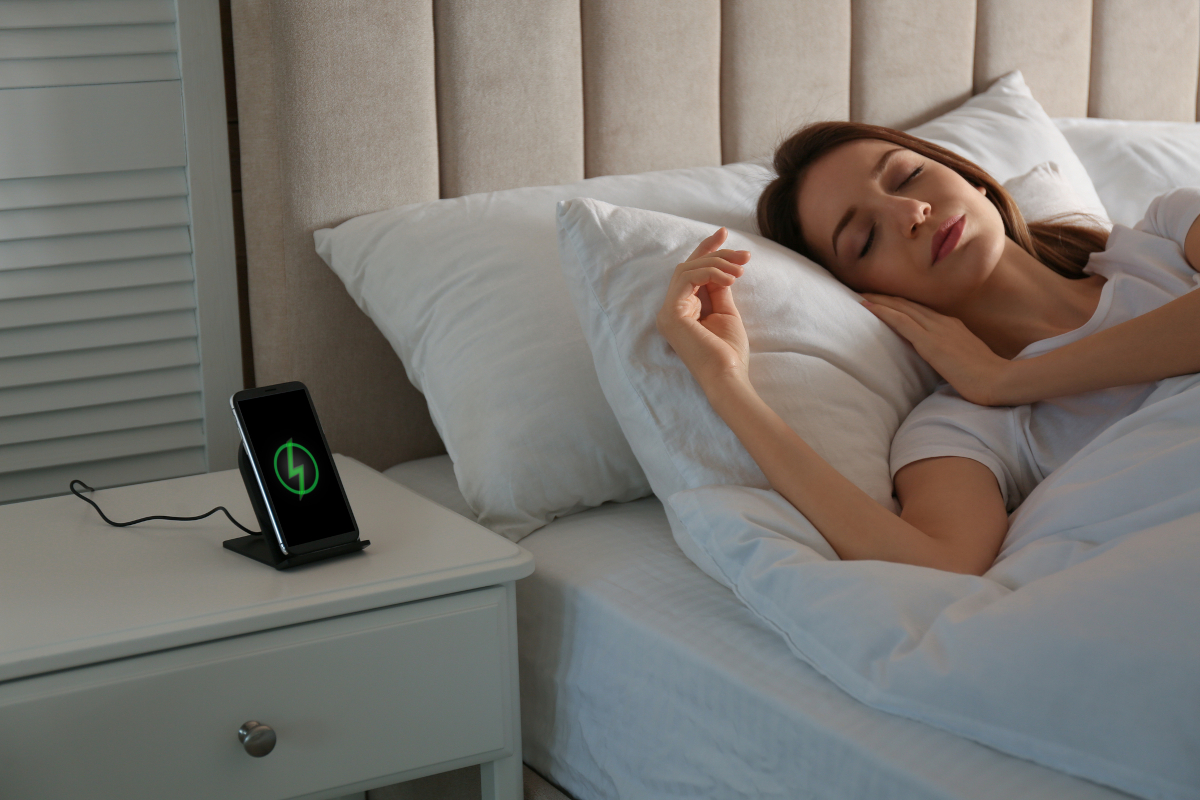
Chargers are probably the most predictable hotel-room casualty. I almost forgot one too.
They’re small, often white or black, and usually plugged into awkward sockets behind the bed, under the desk, near the TV, beside the kettle, or low on a wall where you don’t naturally look before leaving.
Check every outlet in the room. Don’t only check the outlets you remember using, because you may have used a different one on the first night and forgotten about it by checkout.
Look for phone charger blocks, USB cables, laptop chargers, tablet chargers, smartwatch chargers, e-reader cables, camera battery chargers, earbuds cases, portable Wi-Fi devices, and plug adapters.
If you travel internationally, adapters deserve extra attention. They’re easy to leave behind because they stay attached to the wall, not to the cable. You unplug the cable and think you’re done, while the adapter is still sitting in the socket.
Also check the area around the TV. Many hotel TVs have USB ports, and it’s common to plug a device there for charging. The cable can hang behind the TV or blend into dark furniture.
Before leaving the room, put all tech into one bag or pouch. If you keep chargers scattered between your backpack, purse, suitcase, and jacket pocket, it’s much harder to notice that something is missing.
This also connects with a bigger pre-trip habit. I like having documents, confirmations, and key travel details saved offline, but I also know that a phone only helps if it has battery. If you haven’t already organized the digital side of your trip, my guide on what to have on your phone when traveling covers the essentials that are worth preparing before you even reach the hotel.
Zone 3: The Desk, Nightstands, and Drawers
ID 177661033 ©Chernetskaya | Dreamstime.com
Hotel drawers are deceptive. You may think you didn’t use them, but that doesn’t mean you shouldn’t open them.
Open every drawer in the room. Desk drawers, nightstand drawers, TV-console drawers, wardrobe drawers, and any small compartment near the bed should be checked before checkout.
Look inside hotel folders, under menus, behind notepads, under receipts, and beside the hotel phone. Small items can slide under paper very easily.
This is where you may find glasses, medication, jewelry, charging cables, notebooks, pens, receipts, passports, wallets, cash envelopes, memory cards, lip balm, earplugs, or a child’s small toy.
The Bright Item Drawer Rule
If you use a hotel drawer, add something bright inside it as a visual anchor. Of course, that is if you have something bright. But it can be improvised.
Hotel drawers are often dark wood, black plastic, or shadowy inside. Dark socks, black cables, a dark wallet, a small camera accessory, or a jewelry pouch can disappear against the background.
Use a colorful pouch, a white tissue, a neon luggage tag, a paper envelope, or even a clean light-colored towel. It doesn’t have to look elegant. It has to make the drawer look “used” so you remember to open it before checkout.
Zone 4: The Bed and Bedding Strip
The bed is not just where you sleep. It’s where you scroll your phone, charge devices, read, check your passport, remove jewelry, pack half a suitcase, and place things “for one second.”
Before you leave, pull back the pillows. Lift the blanket edge. Check between the mattress and headboard. Look under the bedside table and under the bed.
Use your phone flashlight. Hotel beds, especially those with dark frames or deep shadows underneath, can hide socks, toys, earbuds, medicine blister packs, jewelry, chargers, and small electronics.
Also check the space between the bed and wall. Phones, Kindles, glasses, and passports can slide down there without making much noise.
If you traveled with children, check the bed even more carefully. Stuffed animals, small cars, figurines, hair clips, game cards, and comfort items can get buried in sheets or fall behind pillows. Losing one of those at checkout can become a much bigger problem than losing a toothbrush.
This is also a good moment to check anything you packed the night before. A night before a flight checklist can reduce the morning rush, but hotel checkout still needs its own final sweep because items move during the last few hours.
Zone 5: The Closet, Hangers, and Hotel Safe
The closet is one of the easiest places to miss things.
Slide every hanger to one side. Don’t just glance at the closet. Move the clothes, touch the shelves, and check the floor.
Look for jackets, coats, dresses, formal clothes, scarves, belts, shoes, laundry bags, shopping bags, hats, and anything placed on a top shelf. If the closet has sliding doors or a curtain, open everything fully.
Also check whether you used the hotel laundry bag. People sometimes place dirty clothes or shoes inside it and then forget the whole bag because it looks like part of the hotel room.
The Hotel Safe Check
The safe deserves a full stop.
Open it before checkout even if you’re convinced it’s empty. Look inside. Touch the back and bottom if needed. Small items can sit in a dark corner, especially jewelry, cards, envelopes, cash, medication, watches, and keys.
Passports are the big fear, of course. A passport left in a hotel safe can ruin the rest of the trip, especially if you’re already on your way to the airport or crossing a border. Before any international trip, it’s already worth checking validity, blank pages, visas, ETAs, transit rules, and name spelling; I covered those details separately in my international travel document checklist. But once you’re on the trip, the most basic passport rule is much simpler: know exactly where it is before you leave the room.
The Left Shoe Safe Trick
I remember a friend telling me, years ago, this tip. If you put your passport, cash, jewelry, cards, or important documents in the hotel safe, put one shoe you plan to wear home either inside the safe or directly on top of it.
You can forget that you placed earrings in the safe. You can forget that you moved your passport there after check-in. You’re much less likely to leave the room wearing only one shoe.
It’s not a beautiful travel system. It’s just practical. And practical is useful when you’re packing in a hurry.
My almost-forgotten earrings changed how I treat hotel safes and small surfaces. They weren’t expensive in a financial sense, but they meant something to me. That’s the thing with travel items: the replacement cost and the personal value are not always the same.
I admit I don’t use this trick, but I check the hotel safe every time, even if I know I didn’t use it.
Zone 6: The Bathroom and Shower Sweep
ID 209902453 ©Brizmaker | Dreamstime.com
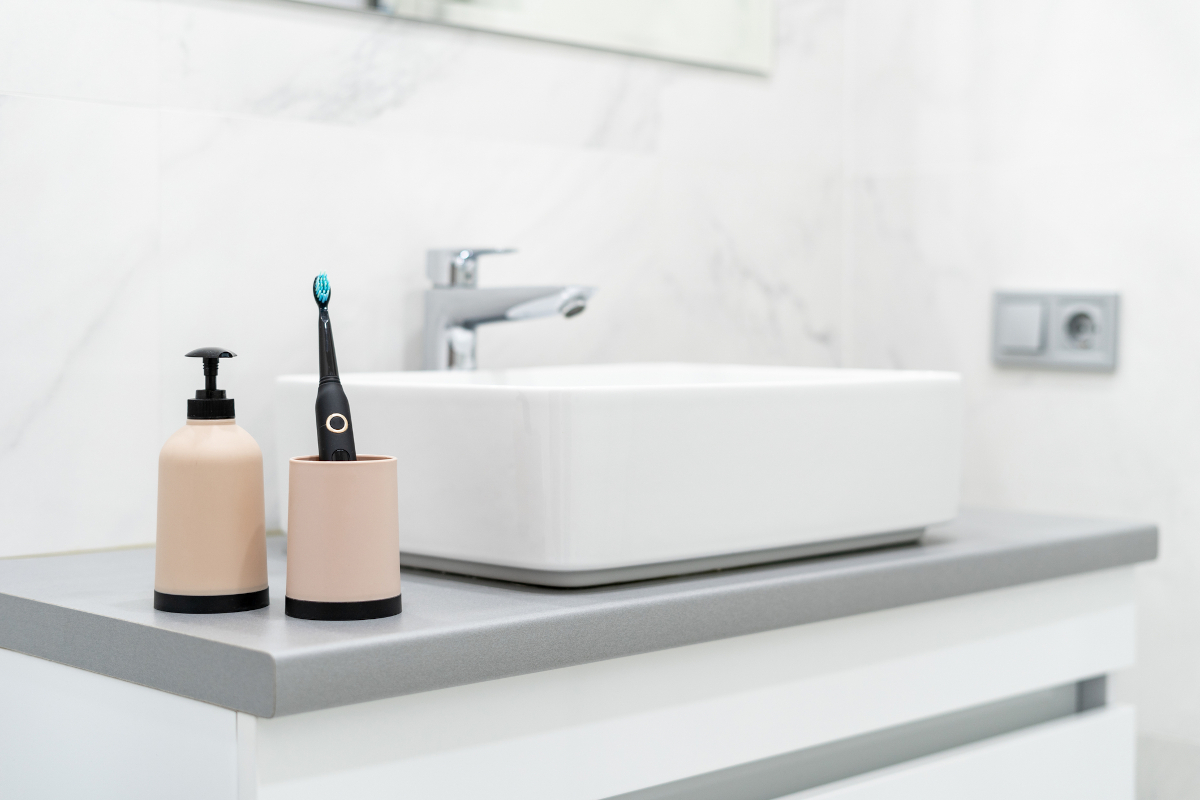
Check the vanity, sink area, shelves, shower ledges, towel rails, robe hooks, the back of the bathroom door, and the area near the toilet. Then check them again from the opposite direction, because bathroom lighting and mirrors can make items blend in.
Look for toothbrushes, electric toothbrush heads, electric toothbrush chargers, razors, skincare, makeup, perfume, contact lenses, glasses, medication, retainers, hairbrushes, hair clips, hair tools, jewelry, and small toiletry bottles.
Be careful with tissues and towels. Rings, earrings, necklaces, and small medication packs can sit on a tissue and get thrown away by mistake. If you remove jewelry in the bathroom, place it in a pouch or directly inside your bag, not on a piece of tissue, not on the sink edge, and not beside the mirror.
Slide the Shower Curtain Fully Open
If the room has a shower curtain, slide it fully open before checkout. If it has glass panels, look behind every panel.
Swimsuits, underwear, socks, delicate laundry, face cloths, and small travel towels are often hung to dry and then forgotten because they’re no longer part of the packing area. They’re also easy to miss if the shower curtain blocks them.
This is one reason I don’t trust a quick bathroom glance. You need to physically look into the shower and behind the curtain.
Zone 7: The Mini-Fridge, Coffee Area, and Food Check
The mini-fridge is one of the easiest places to forget something because it’s a closed door. It doesn’t look like part of your luggage, so your brain may skip it.
Open the mini-fridge before checkout. Look for medication, insulin, baby formula, breast milk, local food souvenirs, leftovers, drinks you bought outside the hotel, snacks, reusable ice packs, and anything you placed there “just for the morning.”
Also, check the coffee and kettle area. People leave reusable cups, tea, small snacks, vitamins, medication, baby items, water bottles, and local food gifts near the kettle because that area becomes a small morning station.
The Mini-Fridge Trap
The mini-fridge trap is simple: because the door is closed, you don’t see the item during your final room scan.
If you store anything important in the fridge, set a phone alarm labeled “Check hotel fridge” for 10 minutes before checkout. If the item is essential, place your house keys, car keys, or room key card near the fridge handle the night before so you’re forced to look there before leaving.
There’s another reason to think carefully about hotel mini-fridges. Some are beverage coolers, not true refrigerators, and may not keep items cold enough for medication or perishable food. Good Housekeeping recently covered this warning, and it’s worth remembering if you travel with insulin, baby formula, or anything that needs reliable temperature control. If the item really needs proper refrigeration, ask the hotel in advance instead.
Zone 8: Souvenirs, Gifts, and New Purchases
Souvenirs are easy to forget for a very simple reason: they’re new. They don’t already have a fixed place in your luggage, and you may have bought them casually after dinner, during a museum visit, or on the last full day of the trip.
That makes them easy to misplace in a hotel room. So my tip is to check the desk, wardrobe shelves, windowsill, entry table, fridge, balcony, shopping bags, bathroom counter, and the area beside your suitcase. Small souvenirs can sit in plain sight and still get missed because your brain doesn’t connect them with your usual packing routine.
For me, fridge magnets are a classic example. They’re small, usually flat, and easy to slide into a pocket, bag, drawer, or book. I love them as souvenirs, and I’ve written before about why we buy fridge magnets, but they’re also exactly the kind of thing that can vanish inside a hotel room if you don’t pack them deliberately.
On a recent trip to Munich, I made sure that whatever we bought as souvenirs went directly into the suitcase or backpack each day, depending on where it fit better and where it would be safer. We traveled by car, so the issue wasn’t airport baggage space. It was making sure nothing stayed behind in the hotel room and that delicate items wouldn’t get damaged.
One of the souvenirs I bought in Munich was a lovely replica of the Rathaus Glockenspiel in Munich. It was a present for a friend, and I really wanted it to arrive safely. So it didn’t stay in a random shopping bag near the desk. It went where I knew it would be protected.
That’s the rule I’d use for souvenirs: don’t leave them loose. If you buy something during the trip, give it a place in your luggage the same day. Don’t wait until checkout morning to gather every small bag from around the room.
Zone 9: The Under-Bed, Sofa, and Floor Check
Once the obvious surfaces are done, check the places where things fall.
Use your phone flashlight under the bed, under chairs, behind curtains, between sofa cushions, near the luggage rack, beside the trash bin, and around the area where your suitcase was open.
If the room has a balcony, check it too. People leave swimsuits, sandals, water bottles, books, children’s toys, and clothing outside, especially if they used the balcony to dry things.
The sofa and armchair check is fast but useful. Phones, cards, earbuds, coins, receipts, room keys, and small toys can slide between cushions. If you sat there in jeans, a jacket, or a hoodie, check the cushion cracks before leaving.
The floor check is also a good moment to look for medication strips, contact lens cases, hair clips, and small jewelry. These are the items that can fall without making enough noise to notice.
Take 30 Seconds to Photograph the Room Before Leaving
Before you close the hotel room door, take a few quick photos if there’s any reason you may need proof later.
You don’t need a full photoshoot. Take clear photos of the bed area, desk area, bathroom, shower or tub, minibar area, and any visible damage you noticed. If the safe was used, take a photo of it open and empty. If you reported a broken item during your stay, keep a photo and any message you sent to the hotel.
This is not about assuming the hotel will do something wrong. It’s about protecting yourself from confusion after checkout. Rooms are cleaned, inspected, and reused quickly. If a question appears later, a few photos can help you remember what the room looked like when you left.
Hotels can charge guests after checkout for certain costs, including damage, and Bankrate recommends contacting the hotel first if you believe a charge is wrong, then disputing it with the card issuer if needed. True, a lot of people steal from hotels, including 4 and 5-star hotels…
The best habit is to document obvious problems when you arrive, not only when you leave. That fits naturally with a quick check when entering a hotel room, especially if something is broken, stained, missing, or strange from the beginning.
Check the Bill Before You Leave the Hotel
Hotel checkout is not only about forgotten objects. It’s also the moment to check money details while you can still speak to the front desk in person.
Before leaving the hotel, look at the folio or final bill. Check minibar charges, breakfast charges, parking, late checkout, early check-in, destination or resort fees, city tax, laundry, room service, duplicate charges, and the difference between a card hold and the final amount.
Some charges are much easier to question at reception than after you’re at the airport or already in another city. If something looks wrong, ask politely and directly. Keep the receipt, take a photo of the final folio, and save any email confirmation.
This is one of the reasons I like looking at the full cost of a trip, not only flights and hotel rates. Hotel taxes, resort fees, breakfast, parking, deposits, and luggage storage can change the real price of a trip. I covered many of these in my article about hidden travel expenses, and checkout is where some of them become visible.
The Passport, Ticket, and Transit Check Before the Door Closes
Before you leave the room, do one final high-stakes check.
Don’t ask yourself, “Do I have my passport?” Put your hand on it. Don’t think, “My phone is probably in my bag.” Look at it. Don’t assume medication is packed because you remember packing it yesterday. Check the pocket or pouch where it should be.
Physically confirm your passport or ID, wallet, phone, payment cards, boarding pass or train ticket, hotel key card, medication, glasses or contact lenses, house keys, car keys, power bank, and any essential item for a child.
If your next stop is the airport, this check can reduce the stress of the next stage of the trip. A rushed hotel checkout can feed directly into airport problems, especially if you discover something missing only when you need it. Many of the items people forget before a trip are the same ones that cause problems at checkout too, from chargers and documents to medication and glasses.
If you keep important documents only on your phone, add one more layer of caution. Batteries die, screens break, phones get lost, and internet access can fail. Digital backups are useful, but they shouldn’t be your only version of everything. That’s why I also wrote about things you should never keep only on your phone, especially for travel documents and booking confirmations.
A Screenshot-Friendly Hotel Checkout Checklist – The 5-Minute Hotel Checkout Sweep: Start at the Door, End at the Door
Use this hotel checkout checklist before leaving the room. It’s designed to be quick and useful.
Door and entry area: room keys, wallet, sunglasses, umbrella, hats, jackets, bags, reusable water bottle, souvenirs, kids’ toys.
Power and tech: phone charger, plug adapter, laptop charger, tablet charger, smartwatch charger, camera battery charger, earbuds, power bank, portable Wi-Fi device.
Desk and nightstands: drawers, hotel folders, papers, receipts, jewelry, glasses, medication, notebooks, cash, cards, cables.
Bed and bedding: pillows, sheets, under the bed, between mattress and headboard, bedside table, phone, Kindle, passport, glasses, toys, earbuds.
Closet and safe: hangers, shelves, coats, shoes, laundry bags, shopping bags, passport, cash, jewelry, cards, keys, documents.
Bathroom: shower, ledges, hooks, towel rails, vanity, toothbrush, razor, skincare, makeup, medication, hairbrush, jewelry, wet swimsuits, laundry.
Mini-fridge and coffee area: medication, insulin, baby formula, breast milk, local food souvenirs, leftovers, snacks, drinks, reusable ice packs, vitamins.
Souvenirs and gifts: fridge magnets, museum-shop bags, local food gifts, postcards, small decorations, fragile items, presents bought for other people.
Floor and furniture: under bed, under chairs, sofa cushions, behind curtains, balcony, luggage rack area, trash-bin area, small dropped items.
Photos: room condition, bathroom, minibar area, visible damage, safe open and empty, any issue you reported.
Bill: minibar, breakfast, parking, fees, city tax, room service, laundry, late checkout, duplicate charges, card hold.
Final transit check: passport, ID, phone, wallet, cards, tickets, medication, glasses, keys, power bank, child’s essential item.
Take a screenshot of this section if you want the fast version. The full sweep above explains why each zone deserves attention, but this is the version to use when checkout is close and everyone is ready to leave.
What to Do If You Forgot Something in a Hotel Room
If you realize you forgot something after leaving the hotel, contact the hotel as soon as possible. Speed helps.
Call the front desk and ask for housekeeping or lost and found. Give your name, room number, checkout date, and a clear description of the item. Say exactly where you think it was left: in the safe, on the bathroom shelf, behind the bed, inside the drawer, in the mini-fridge, hanging in the closet, or sitting near the desk.
If you have a photo of the item, send it by email. If the item has emotional value, say that too. Hotels deal with many generic descriptions, so the more specific you are, the easier it is for someone to identify the right item.
Ask how long they keep lost property, whether they can ship it, what shipping costs, and whether you need to arrange courier pickup yourself. Policies vary, and shipping may not be worth it for small items.
This is why I now try very hard not to leave anything behind in the first place. A forgotten toothbrush is annoying but replaceable. Earrings with sentimental value, documents, medication, or a child’s favorite toy are a different story.
What to Do If You’re Charged After Checkout
If you see a hotel charge after checkout that doesn’t look right, start with the hotel.
Check the final bill, booking confirmation, email receipts, card statement, and any photos you took before leaving the room. Then contact the hotel and ask for an explanation of the charge.
If it’s a minibar charge, ask for the itemized detail. If it’s a damage charge, ask what damage was found, when it was found, and whether they can provide photos or documentation. If you reported a problem earlier during the stay, mention the date and who you contacted.
Keep the conversation in writing when possible. Email gives you a record of what was said, what was requested, and how the hotel responded.
If the hotel doesn’t resolve the issue and you believe the charge is wrong, contact your card issuer and ask about the dispute process. Don’t delete receipts, photos, or emails until the issue is closed.
Conclusion
A hotel checkout checklist doesn’t need to be complicated. It just needs to be consistent.
Start at the door, move through the room in one direction, open the closed spaces, check the power outlets, look inside the safe, inspect the bathroom properly, open the mini-fridge, confirm your bill, and physically touch the items you need for transit.
Five minutes can save you from lost chargers, missing documents, forgotten medication, surprise charges, damaged souvenirs, and the awful feeling of realizing too late that something valuable stayed behind.
I learned this the simple way: after forgetting small things and almost leaving behind earrings I cared about. Now I don’t trust memory at checkout. I trust the sweep.
FAQ About Hotel Checkout Checklists
What should I check before leaving a hotel room?
Before leaving a hotel room, check the door area, outlets, desk, nightstands, drawers, bed, closet, safe, bathroom, mini-fridge, floor, sofa cushions, balcony, bill, souvenirs, and travel documents. The most important items to physically confirm are your passport or ID, wallet, phone, cards, medication, glasses, tickets, keys, chargers, and anything valuable or hard to replace.
What are the most common things people forget in hotel rooms?
Common items left behind in hotel rooms include phone chargers, plug adapters, clothes, shoes, toiletries, glasses, reading materials, jewelry, medication, small electronics, souvenirs, and children’s items. Chargers are especially easy to forget because they stay plugged into sockets behind beds, desks, TVs, or furniture.
Should I photograph a hotel room before checkout?
Yes, it can be useful to photograph the room before checkout, especially if there was visible damage, a minibar, broken fixtures, stains, or anything you already reported. Photos of the room condition, bathroom, minibar area, and open empty safe can help if a question or charge appears later.
Can a hotel charge you after checkout?
Yes, hotels may charge guests after checkout for certain costs, including damage, minibar use, unpaid services, or fees listed in the booking terms. If a charge looks wrong, contact the hotel first, ask for details, keep written records, and contact your card issuer if the issue isn’t resolved.
What should I do if I forgot something in a hotel room?
Call the hotel as soon as possible and ask for lost and found or housekeeping. Give your room number, checkout date, item description, and the exact place where you think the item was left. Follow up by email, send a photo if you have one, and ask about shipping options, storage time, and any costs.
How do I make sure I don’t forget souvenirs in a hotel room?
Give souvenirs a fixed place in your luggage as soon as possible after buying them. Don’t leave fridge magnets, museum-shop bags, postcards, food gifts, or fragile items loose on desks, shelves, windowsills, or inside shopping bags. If the item is fragile, pack it where it won’t be crushed before checkout morning.
Should I use the hotel safe?
A hotel safe can be useful for passports, cash, jewelry, cards, and important documents, but you need a reminder system. One practical trick is to place one shoe you plan to wear home inside the safe or directly on top of it. That way, you’re forced to open the safe before leaving the room.
How long should a hotel checkout sweep take?
A good hotel checkout sweep usually takes about five minutes. It may take longer if you’re traveling with children, carrying medication, using the safe, storing food in the mini-fridge, or packing several bags. The goal is not to move slowly; it’s to follow the same route every time so you don’t miss closed spaces or hidden corners.
More amazing articles for you:
Cheapest European City Breaks 2025: 10 Budget-Friendly Cities with Hidden Gems You’ll Love
Study: 40% of Millennials value “instagrammability” the most when choosing a holiday destination
15 Once-in-a-Lifetime U.S. Cities You Need on Your Bucket List
150 US State Trivia Questions and Answers for All 50 States - Can You Get 3 Right for Every State?
How to decide where to travel next: Tips for choosing your next destination
Barometer Reveals The 10 Most Expensive City Breaks in Europe in 2025 (And Why You’ll Want to Visit ...
Europe Between January and March: Smartest Trip You’ll Ever Take or Your Biggest Regret? Here’s How ...
Responsible travel: 15 things you should never do while travelling abroad

Violeta-Loredana Pascal is a communications expert, business mentor, and the founder of Earth’s Attractions and PRwave INTERNATIONAL. A pioneer in the Romanian digital PR landscape since 2005, she holds a degree in Communication and Social Sciences from SNSPA Bucharest. Violeta is a senior trainer at AcademiadeAfaceri.ro, where she leverages over 20 years of experience to teach professional courses in PR strategy and workplace productivity. By blending high-level business consulting with a passion for holistic travel and wellness, she empowers solopreneurs to overcome procrastination, build profitable brands, and design a life of purposeful adventure.