
I think that there are a few things we expect to hear when someone talks about hotel guests taking things from a room. The tiny toiletries, a pen… Maybe, if someone wants to push it, a towel or a mug/glass that somehow ends up in the suitcase.
But hotel theft surveys show a much stranger picture. Towels are the item hotel staff and owners report missing most often, but the list moves quickly beyond anything a guest could mistake for a complimentary amenity.
There are common things, expensive things, and a few objects that make you wonder how anyone managed to get them out of the building. I had to read some of the cases twice – yes, really, and you will see why below!
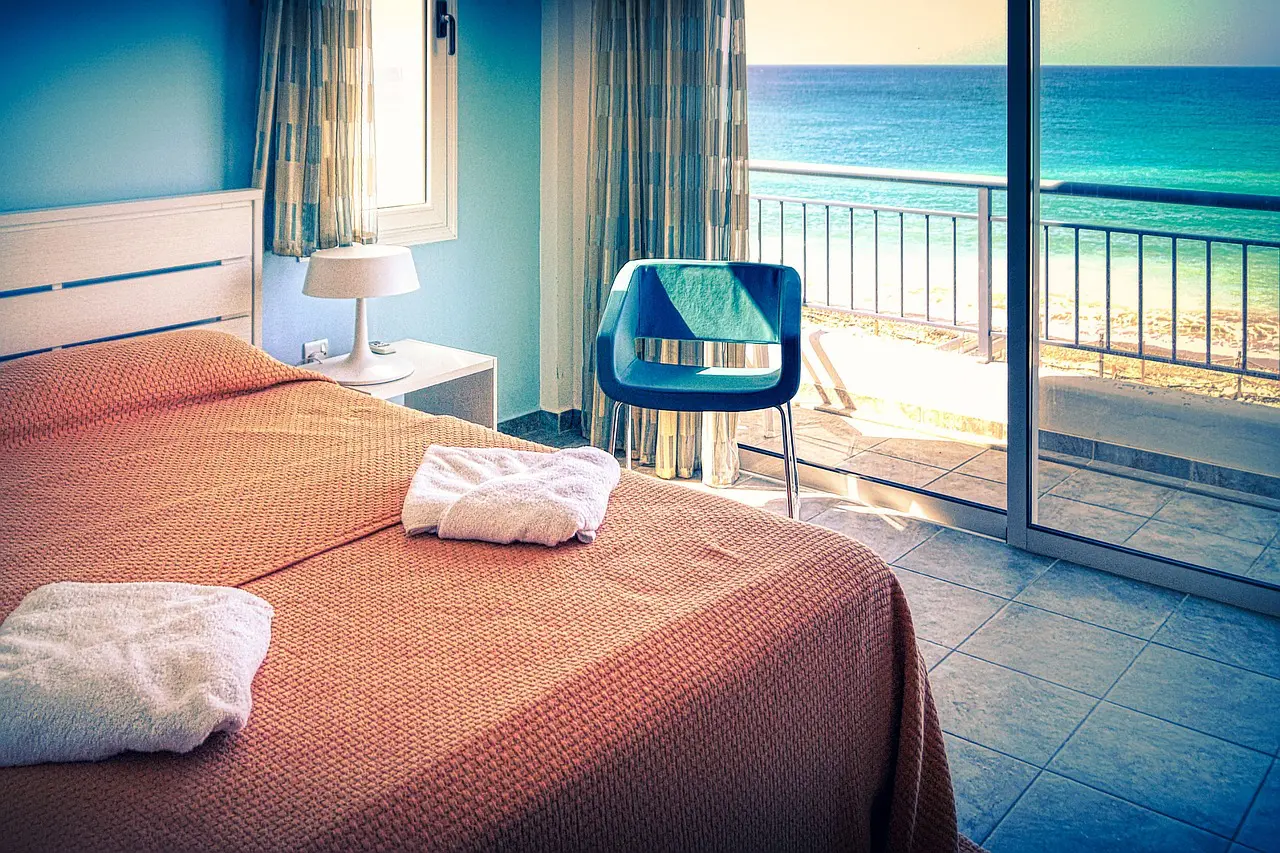
What Are the Most Stolen Items From Hotel Rooms?
A 2026 survey from Deluxe Holiday Homes, reported by Travel + Leisure, asked more than 1,200 hotel staff members and hotel owners which items they had seen or heard about being taken from rooms.
The percentages show how many respondents identified each item. They don’t mean that 88% of hotel guests steal towels.
Towels came first, with approximately 88% of respondents reporting them as commonly stolen. The explanation given in the findings was simple: towels are easy to pack and take out of a room unnoticed.
That number did not surprise me as much as it probably should have, because I have heard a smaller version of this in real life. When my son came back from a short school trip years ago, he told me that one of the boys in his room packed a hotel towel in the morning. They were younger, so part of it may have been confusion, but my son told him the towels were there to use in the bathroom, not to take home. The boy insisted it was fine and packed it anyway.
The rest of the 2026 list gets expensive quickly. Bathrobes came second, with approximately 66% of respondents identifying them as commonly taken. Travel + Leisure quoted a Deluxe Holiday Homes travel expert saying guests sometimes think robes are free, although they aren’t, and that a robe can cost a hotel at least $50.
Hangers ranked third. Around 685 survey participants, representing approximately 55% of respondents, said they had seen or heard about guests taking them. Toiletries ranked fourth, followed by blankets. The report noted that blankets can cost between $75 and $150, depending on the brand.
The remaining items in the top ten were pillows, hair dryers, pens, dishes, and remote controls. Pillows were identified by nearly one in three respondents, while more than a quarter included hair dryers. Pens may sit closer to the “freebie” category for many guests; dishes and remote controls are harder to explain that way.
Deluxe Holiday Homes estimated that hotel theft costs the hospitality industry approximately $100 million annually in the United States. The company also pointed to confusion about what guests can take home. Branded pens and mini soaps may look like complimentary items. Blankets and bathrobes are reusable hotel property.
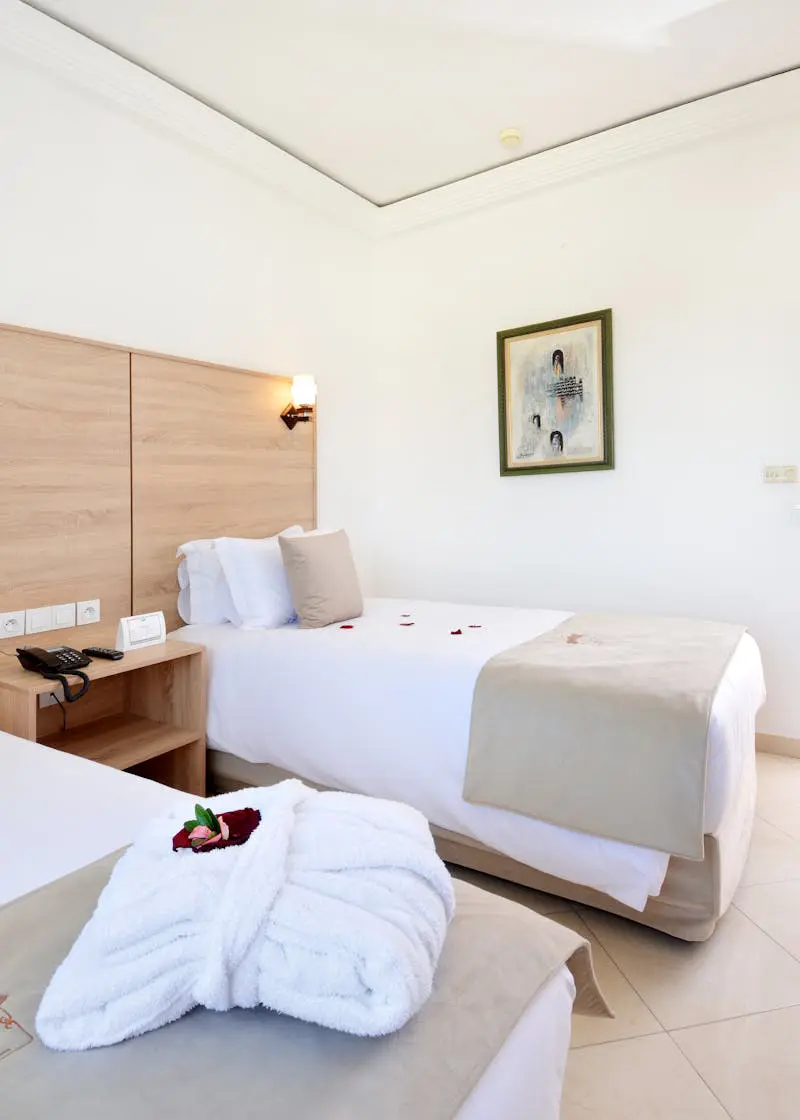
4-Star Hotel vs 5-Star Hotel Theft: What Changes?
The strongest source I found for the luxury hotel angle is the Wellness Heaven hotel theft study. The survey was conducted in September and October 2023 and published on January 15, 2024.
It included responses from 1,376 hotel managers, primarily in Europe: 740 from 4-star hotels and 636 from 5-star hotels. Multiple answers were allowed, so the percentages show the share of hotel managers who reported that an item had been stolen at their hotel. They aren’t the percentage of guests who took it.
The basic list includes many familiar items. Towels and bathrobes were reported most often, followed by hangers, pens, cosmetics, batteries, cutlery, artwork, tablets, blankets, pillows, dishes, coffee machines, remote controls, light bulbs, hair dryers, televisions, mattresses, telephones, curtains, lamps, and bathroom fixtures.
But the difference between 4-star and 5-star hotels is where the study becomes more interesting. Four-star hotels reported more theft of practical items such as towels, hangers, batteries, remote controls, and toilet paper. Five-star hotels reported more theft of expensive items, including tablets, artwork, televisions, coffee machines, mattresses, and blankets.
The numbers are striking – or, again, they are to me, because I did not expect stealing at 5-star hotels, let alone these items. According to the study, tablet computers were reported stolen 6 times more often in 5-star hotels than in 4-star hotels. Mattresses were 5.4 times more likely to be reported stolen from 5-star hotels. Televisions were 4.9 times more likely, coffee machines 4.8 times more likely, and artwork 4.3 times more likely.
The mattress detail is probably the one that made me stop. Wellness Heaven says 11.8% of the surveyed 5-star hotel managers reported mattress theft, compared with 2.2% of the 4-star hotel managers. In total, 91 hoteliers included mattresses among the stolen items reported at their properties.
But how do you steal a mattress as a guest? Where do you hide it, how do you move it, and who gets it out of the building?
Wellness Heaven says some hoteliers told the researchers that mattresses had been removed in the middle of the night using elevators with direct access to underground parking. I still can’t imagine carrying out something that large without attracting attention.
The study also compared the findings with its 2019 survey. Reports of coffee maker theft increased from 6.9% to 11.4%, mattress theft from 4.2% to 6.6%, and tablet theft from 12% to 18.3%. Mini fridges also appeared as a newer stolen item, with 3.3% of surveyed hoteliers reporting their theft.
I know that sometimes there are all sorts of weird things happening in hotel rooms when guests are not there. But I was puzzled to see artwork and coffee machines on the list.
I sometimes make coffee or tea in a hotel room, although I started looking at those machines differently after discovering this bizarre hotel coffee-machine hack. Using a coffee machine in the room and stealing one are, obviously, very different things. I wouldn’t take one – or anything else from the room – even if it were something I liked, such as the artwork.
Weird Things Stolen From Hotels
This was, for me, the most surprising part of the Wellness Heaven study.
One Italian hotel manager reported that three unknown men in overalls carried a grand piano out of the lobby. It never reappeared.
The same study mentions bathroom fittings, a rain shower head, a massage table, a hi-fi system from a spa area, sauna benches, room numbers, a stuffed boar’s head, and flower arrangements.
Stop for a second: You go to a 4 or 5-star hotel and steal sauna benches? Room numbers???? Shower heads??? I know some people do strange things at hotels, but I honestly don’t get stealing.
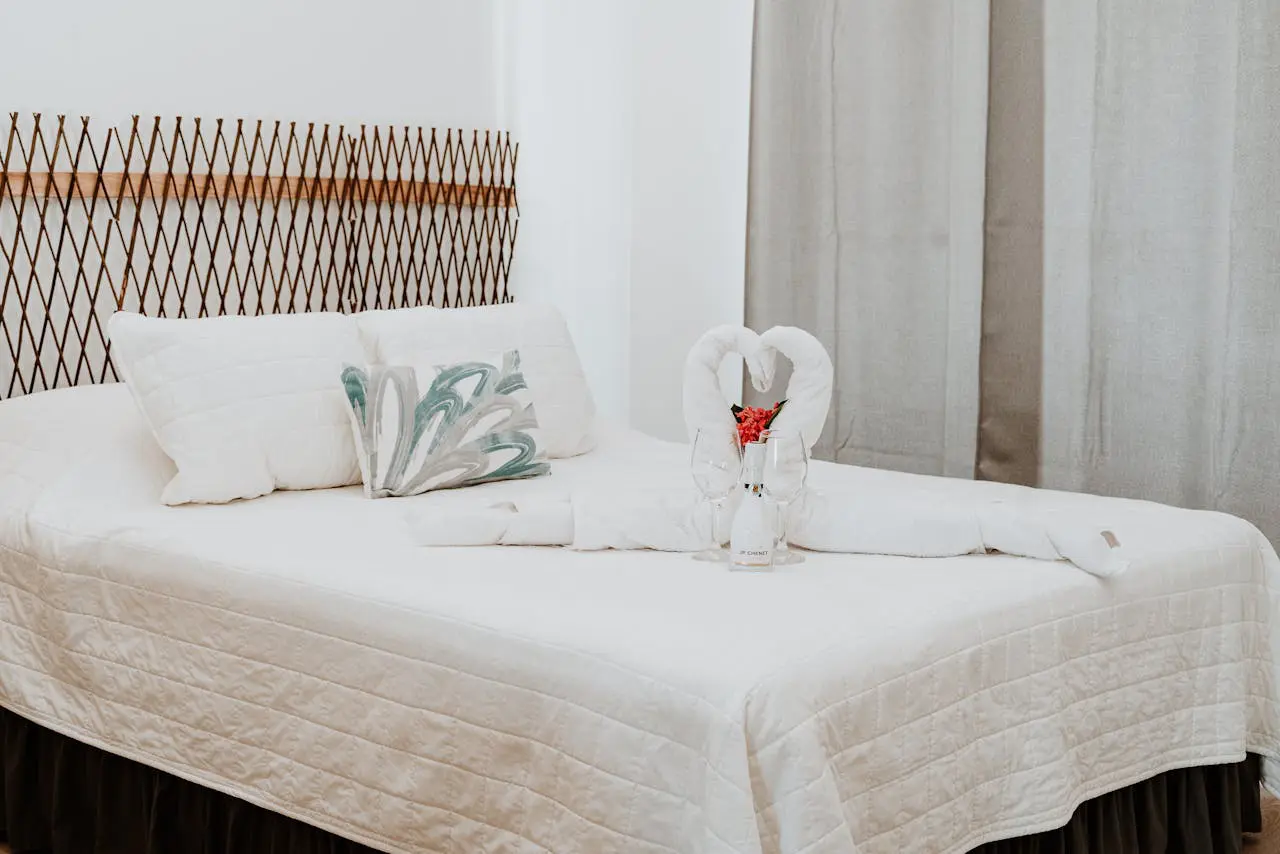
Are Hotel Toiletries Free to Take?
Hotel toiletries are one of the few categories where the answer can be yes, but only in specific cases.
Small, individually packaged toiletries are usually provided for one guest’s personal use. If a hotel leaves a mini shampoo bottle, conditioner, lotion, soap, shower cap, or small sewing kit in the room, it may expect the guest to use it or take the unused portion.
But that doesn’t apply to everything in the bathroom.
Refillable wall dispensers are not souvenirs. Soap dishes are not souvenirs. Towels, robes, bath mats, hair dryers, mirrors, shower heads, and bathroom fixtures are hotel property.
So, can you take hotel toiletries? Usually, yes, when they are small, disposable, individually provided, and clearly meant for your personal use. No, when they are fixed, refillable, reusable, or part of the room.
Can You Take Bathrobes From Hotels?
No.
Bathrobes are not the same as mini shampoo bottles. They are washable, reusable hotel property. If the hotel sells robes, you can buy one. If the hotel explicitly says the robe is included in your stay, that is different. Unless that is made clear, the robe should stay in the room.
What Can You Take From a Hotel Room?
You can usually take small disposable or complimentary items that are clearly provided for one guest. That may include:
- small individually packaged toiletries
- tea bags
- coffee pods
- sugar and creamer packets
- shower caps
- sewing kits
- shoe mitts
- disposable slippers, if they are clearly single-use
- branded pens and notepads in many hotels, although not always
When you are uncertain, ask the front desk. A hotel may also place prices beside items that guests can purchase, including robes, pillows, mugs, umbrellas, or decorative products. A price list means the item is available to buy, not that it is included in the room rate.
What Not to Take From a Hotel Room
If it needs to be said… Do not take:
- towels
- bathrobes
- pillows
- blankets
- sheets
- mattress protectors
- hangers
- hair dryers
- mugs
- glasses
- dishes
- cutlery
- remote controls
- batteries from remotes
- coffee machines
- kettles
- lamps
- curtains
- artwork
- tablets
- phones
- televisions
- bathroom fixtures
- shower heads
- mirrors
- room numbers
- anything attached to the wall, furniture, bathroom, or bed
A final hotel checkout check can help you notice if a towel, remote control, hanger, or another hotel item was accidentally mixed in with your belongings.
Can Hotels Charge You for Stolen Items?
Hotels may charge guests for missing or damaged property, particularly when the item is clearly reusable hotel property and the hotel’s terms allow a replacement charge.
That may include robes, pillows, blankets, electronics, hair dryers, damaged fixtures, missing remotes, or other items removed from the room. Policies and consumer-protection rules vary by hotel, country, booking platform, and payment method, so the exact process isn’t the same everywhere.
Some hotels and commercial laundries use washable RFID tags inside towels, robes, and bed linen. The tags help them monitor inventory, laundry movements, wash cycles, and patterns of loss.
They aren’t normally GPS trackers, and they don’t necessarily identify an individual guest or automatically connect a missing towel to a particular room. According to Condé Nast Traveller Middle East, higher-value items such as robes are more likely to result in a charge after departure, while ordinary towel losses are often included in a hotel’s overall loss calculations.

FAQ: Most Stolen Items From Hotels
What is the most stolen item from hotel rooms?
Towels are usually reported as the most stolen item from hotel rooms. In the 2026 Deluxe Holiday Homes survey, approximately 88% of respondents identified towels as an item commonly taken from hotel rooms.
What do people steal from hotels most often?
The items reported most often in the 2026 Deluxe Holiday Homes survey were towels, bathrobes, hangers, toiletries, blankets, pillows, hair dryers, pens, dishes, and remote controls.
What are the weirdest things stolen from hotels?
Some of the weirdest things reported in the Wellness Heaven hotel theft study include a grand piano, bathroom fittings, a rain shower head, sauna benches, a massage table, a hi-fi system from a spa area, room numbers, flower arrangements, and a stuffed boar’s head.
What do guests steal from 5-star hotels?
According to the Wellness Heaven study, managers of 5-star hotels were more likely than managers of 4-star hotels to report expensive items being stolen, including tablets, mattresses, televisions, coffee machines, and artwork.
Can you take hotel towels?
No. Hotel towels are meant to be used during your stay and left in the room. Towels are reusable hotel property, and a hotel may charge for a missing towel under its policies.
Can you take hotel toiletries?
You can usually take small, individually packaged hotel toiletries that are provided for personal use. You shouldn’t take refillable dispensers, bathroom fixtures, soap dishes, towels, robes, or anything meant to stay in the room.
Can you take hotel shampoo and soap?
Small bottles or individually wrapped soap provided for one guest can usually be used or taken. Refillable bottles and dispensers attached to the wall should remain in the hotel.
Can you take hotel slippers?
You can usually take disposable hotel slippers when they are individually wrapped and clearly intended for one guest. Reusable slippers, spa footwear, or items offered for sale should stay at the hotel unless you buy them.
Can you take bathrobes from hotels?
Usually, no. Hotel bathrobes are reusable hotel property unless the hotel clearly says the robe is included with your stay or offers it as a gift. Some hotels sell robes separately.
What should you never take from a hotel room?
You should never take towels, robes, pillows, blankets, sheets, hangers, hair dryers, dishes, glasses, remote controls, batteries, coffee machines, artwork, tablets, electronics, lamps, curtains, bathroom fixtures, or anything attached to the room.
What can you take from a hotel room?
You can usually take disposable or complimentary guest amenities such as small toiletries, tea and coffee sachets, sugar packets, shower caps, sewing kits, shoe mitts, disposable slippers, and sometimes branded pens or notepads.
Do hotels charge for missing towels?
Some hotels may charge a replacement fee when a towel is missing, depending on the hotel’s policy and whether the loss can be connected to a particular room. Other hotels include ordinary towel losses in their operating costs.
Can hotels charge you for stolen items?
Hotels may charge for missing or damaged property when their policies and the applicable rules allow it. Charges are more likely for reusable or high-value items such as robes, pillows, electronics, hair dryers, coffee machines, or fixtures.
More amazing articles for you:
Chicago Travel Guide: Best Things to Do, Where to Stay & Local Tips
BMW Welt and BMW Museum: Unmissable attractions in Munich
Is Hotel Breakfast Worth It? When Paying Extra Makes Sense - And When It Doesn’t (Hint: It’s NOT Jus...
A Passenger Tried “Air Curling” Mid-Flight: Genius Time Management or an In-Flight Safety Risk?
Everything You Need to Know Before Visiting Milan: Attractions, Travel Tips, Mistakes, Food, and Mor...
My Guide To Ceaușescu Mansion Bucharest: Tickets, Tour & What to See
What to do in Cincinnati: Your comprehensive local's guide to Cincinnati
2 awesome Dominican Republic itineraries - with and without Punta Cana

Violeta-Loredana Pascal is a communications expert, business mentor, and the founder of Earth’s Attractions and PRwave INTERNATIONAL. A pioneer in the Romanian digital PR landscape since 2005, she holds a degree in Communication and Social Sciences from SNSPA Bucharest. Violeta is a senior trainer at AcademiadeAfaceri.ro, where she leverages over 20 years of experience to teach professional courses in PR strategy and workplace productivity. By blending high-level business consulting with a passion for holistic travel and wellness, she empowers solopreneurs to overcome procrastination, build profitable brands, and design a life of purposeful adventure.