
Last updated: September 2026
When I first published this article, I already had several unsettling cases involving hotel rooms, staff access, missing belongings, and guests discovering that things had happened while they were away. Since then, more cases have emerged – including several in the United States and Europe – and some raise questions I hadn’t even considered before.
We tend to think of a locked hotel-room door as the dividing line between our private space and the rest of the hotel. We leave for breakfast, sightseeing, dinner, or a day at the beach and expect that whatever we left behind will still be there when we return.
But what happens in hotels when guests are away can be disturbing. Some of these hotel incidents involve personnel, others include other guests or strangers, and in some cases the police were involved. I’ve pulled together these real incidents to show what has happened when hotel guests were out. And some of the stories are… truly incredible/shocking – even disgusting. But you will see!
And the newest case I found, from Florida in September 2026, doesn’t fit the usual scenario at all. The couple hadn’t gone out and left their room unattended.
They were still inside it.
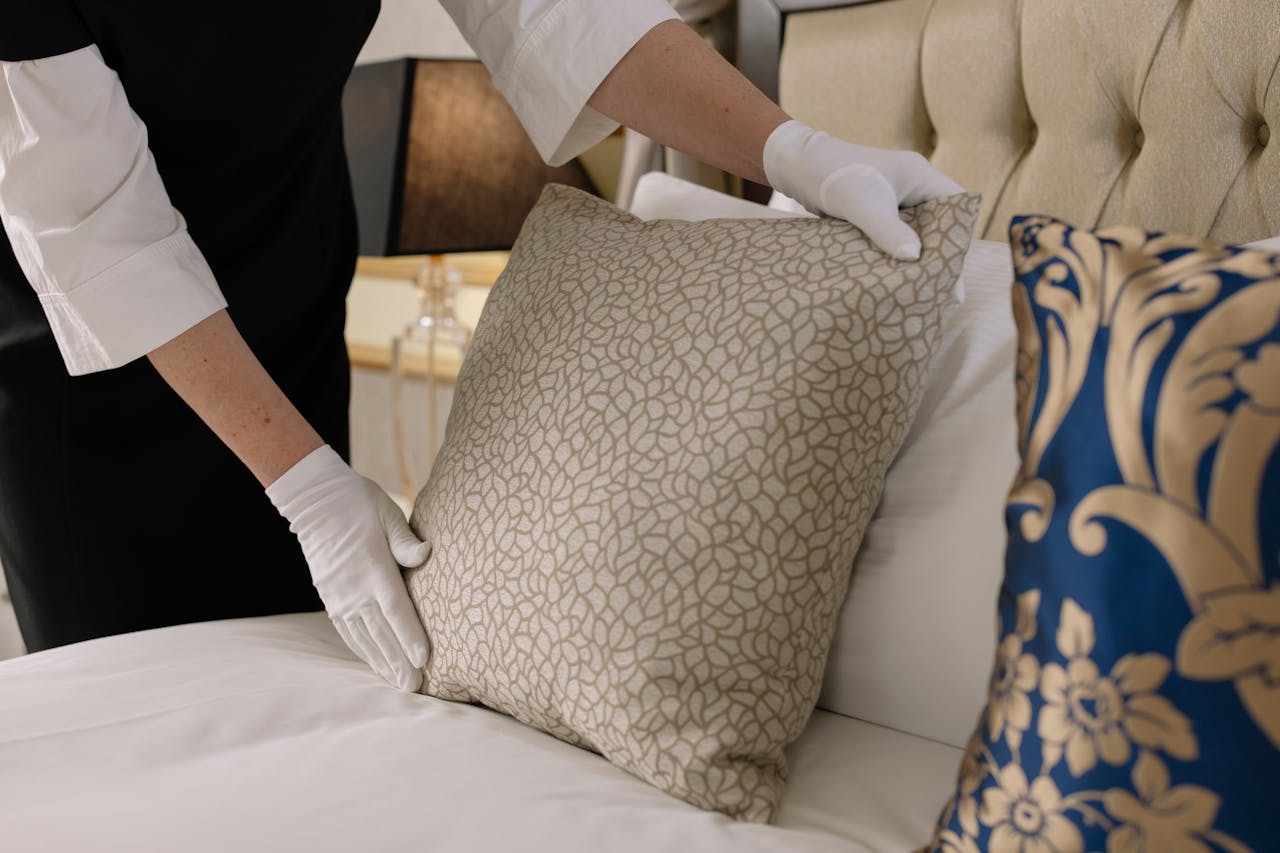
A Couple Slept While a Man Was Hiding Under Their Hotel Bed in Florida
A couple checked into Provident Doral in Florida on September 9, 2026, closed the blinds to the rear sliding glass door, and went to sleep.
In the early hours of the next morning, the woman woke to movement near the bed. She went back to sleep, but at around 6:30 a.m. she felt movement underneath it again.
About an hour later, while checking under the bed to make sure she hadn’t forgotten any belongings, she found a man hiding there, according to the arrest report.
The couple left the room and contacted security. When a police officer arrived, the man was reportedly still under the bed and was taken into custody.
Police said he had previously stayed at the property and had been told not to return. Investigators allege that he got into the occupied room by jumping over a balcony fence and entering through the rear sliding glass door, then hid underneath the bed while the couple slept.
A Man Allegedly Pretended to Be a Hotel Guest in Spain – And Got a Duplicate Key
Two Norwegian tourists visiting Alicante initially went to the police after a backpack was stolen while they were out in the city. Inside were personal belongings, cards, €600 in cash and a high-end phone worth around €1,300.
Their problems didn’t end with the missing backpack. The following day, they returned to the police because more belongings had disappeared – this time from their hotel room.
According to Spain’s National Police, the person suspected of taking the backpack had allegedly found information revealing where one of the tourists was staying and the room number.
Police said the man then went to the hotel around midnight, provided the guest’s name and requested a duplicate magnetic key card while allegedly pretending to be him. He apparently received one. Investigators linked the backpack theft to the later hotel-room theft and arrested a 36-year-old man from the United Kingdom near the hotel.
A Las Vegas Guest Claimed His Toothbrush Had Been Used for Cleaning
Lavell Jackson said he discovered something was wrong with his toothbrush after a stay at Mandalay Bay in Las Vegas. In a video he posted about the incident, Jackson claimed hotel housekeeping had used the toothbrush for cleaning.
He said he noticed a difference in the bristles as soon as he put it in his mouth the next morning. According to reports about his complaint, he said the hotel offered him a $50 credit and a replacement toothbrush.
The claim wasn’t independently verified.
A Hotel Maintenance Worker in Mallorca Was Accused of 10 Thefts
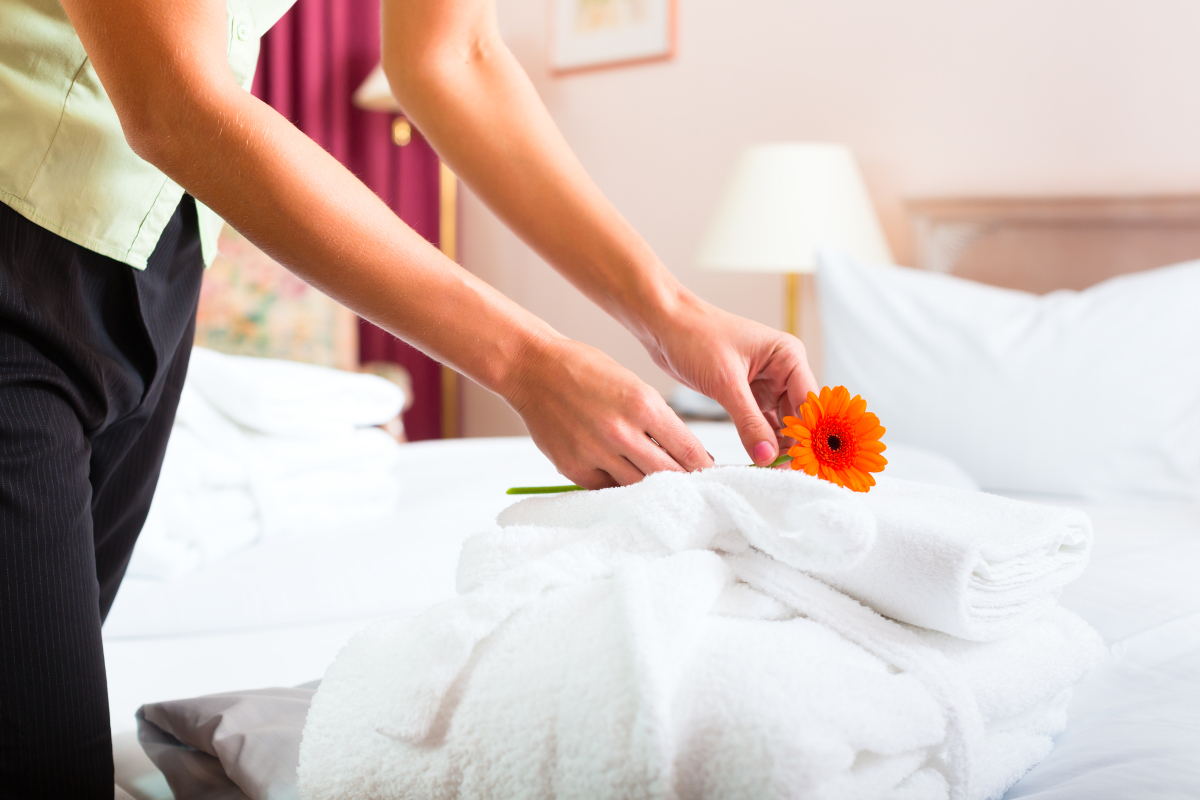
ID 28158731 ©Arne9001 | Dreamstime.com
Spanish police arrested a 28-year-old maintenance worker in Portocristo, Mallorca, in August after a series of theft complaints from guests.
According to the investigation, the employee had keys to all of the rooms. He reportedly knew where the property’s security cameras were installed, whether they were operating, and when guests had left their rooms.
Police accused him of 10 thefts and unlawful entries. The reported losses included cash, electronics and jewelry. One guest reported a Rolex Daytona valued at €30,000 missing after leaving the room for the beach.
Another traveler returned from breakfast and discovered money missing. A British guest reported gold rings and earrings gone. One French tourist allegedly lost jewelry and €500 stored in a waist bag hidden in the room’s wardrobe. Investigators said none of the guests involved had noticed signs of forced entry on their doors or windows.
Hidden Footage in Thailand Reportedly Showed Staff Using Guests’ Personal Items
A traveler in Thailand set up a camera in her hotel room after becoming suspicious about what happened during previous stays.
The resulting hidden-camera footage reportedly showed housekeeping employees opening and using personal belongings, including makeup and perfume.
The staff could allegedly be seen handling and trying the products while the guest was away. After the footage circulated online, other travelers shared experiences involving belongings they believed had been moved, opened or handled during hotel stays.
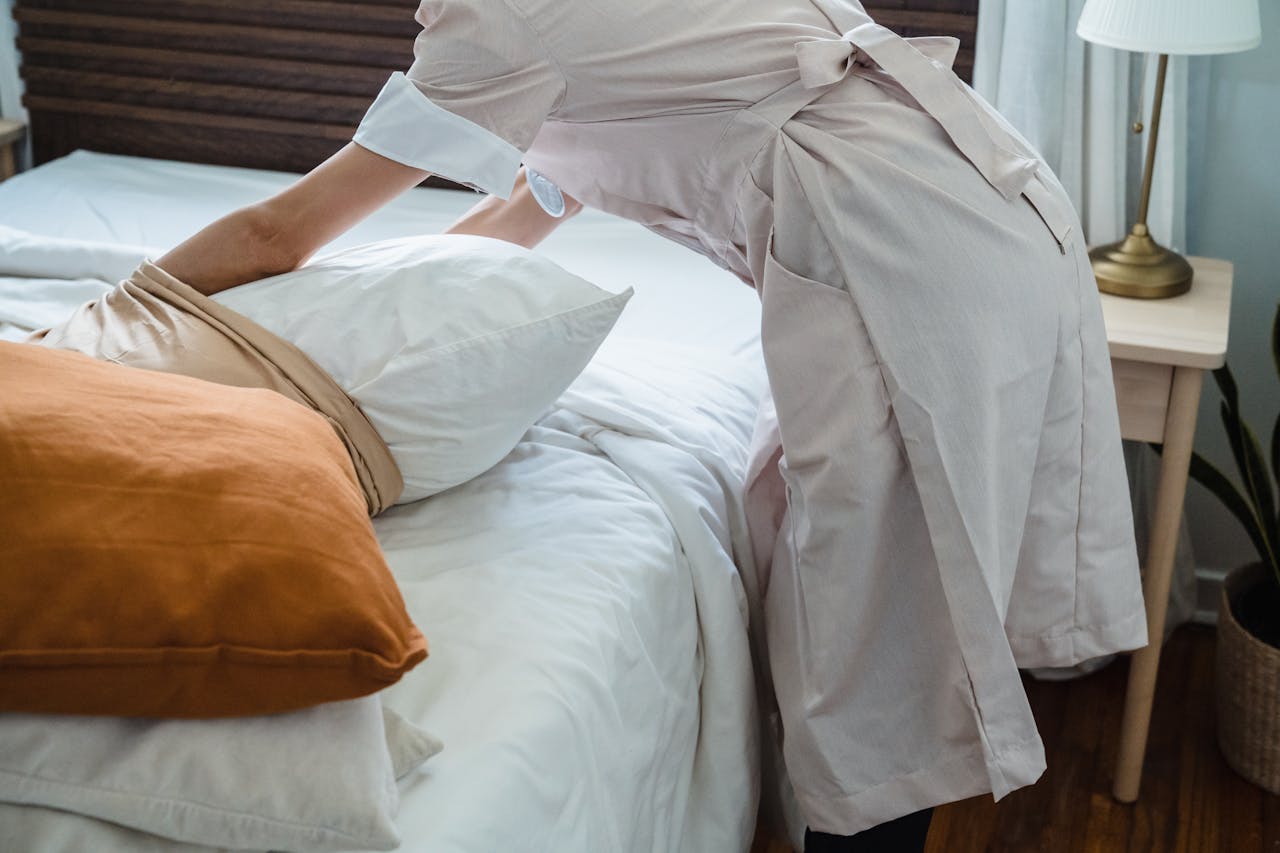
A Couple in Scotland Woke Up to a Shirtless Stranger in Their Hotel Room
Kim Hutchison and Harry Grieve were staying at a Travelodge in Dundee when Hutchison heard their door click shortly after 2 a.m. on July 11.
She opened her eyes and saw a shirtless man wearing shorts standing at the foot of the bed. The stranger insisted that it was his room and repeatedly referred to room 316. The couple was actually staying in room 313.
He eventually left after a brief argument, and the couple put a chair against the door before trying to sleep again.
Travelodge later confirmed that the man had been mistakenly given a key card to their room. The company apologized and said it had not followed its updated room-access security procedures correctly.
The couple cut their trip short.
A Hotel Employee in San Sebastián Was Arrested After €63,000 in Valuables Disappeared
In July, guests at a hotel in San Sebastián reported a Rolex watch, gold earrings, a diamond bracelet and $600 in cash missing from their room. The combined value of the property was estimated at around €63,000.
Municipal police secured the room and began investigating. Officers subsequently arrested a hotel employee.
Police said they initially found the diamond bracelet in her possession. Police reportedly recovered the missing earrings and Rolex later when they searched her before taking her into custody. Police recovered all reported stolen items.
A Hotel Guest in China Recorded How the Bathroom Was Being Cleaned
At a hotel in Jinan, eastern China, a guest recorded a cleaner using a bathroom towel intended for guests to wipe several surfaces.
The recording showed the towel being used on the toilet seat, followed by the sink and mirror.
After the video spread on Chinese social media, the cleaner reportedly acknowledged using the towel improperly. The hotel dismissed both the cleaner and a manager, apologized and said it would strengthen staff training and supervision.
Two Employees at the Same Florida Resort Were Arrested Within Days
In July, two separate guests at the same Sunny Isles Beach resort reported that property had disappeared from their rooms.
In the first case, a guest staying at the Trump International Beach Resort left a bag containing approximately $6,500 in cash on a dresser before going to a soccer match.
When he checked the bag the next day, the cash was gone.
Detectives examined hotel surveillance footage and employee key-card access logs. According to the arrest report, an employee’s assigned key card was used to enter the room at about 6:11 p.m. while the guest was away.
Investigators said the employee wasn’t assigned to clean or otherwise service that room. Police arrested her and charged her with grand theft.
Only days later, police arrested another employee at the resort after a different guest reported that her suitcase had disappeared.
According to police, surveillance footage showed a housekeeper leaving the floor where the guest’s room was located and later leaving the hotel carrying a suitcase matching the description of the missing luggage.
Electronic records reportedly showed that his assigned key card had been used twice to enter the room. Police said they later recovered the suitcase and returned it to the guest.
Disney Investigators Staged an Occupied Hotel Room During a Theft Investigation
According to reporting about an April incident at Disney’s Art of Animation Resort, Disney’s internal security team staged a vacant room to look occupied and installed surveillance cameras inside.
Investigators placed a wallet containing $300 in the room and recorded the bills’ serial numbers. They then assigned a housekeeper to clean it as part of her normal rounds.
According to the report, investigators watched from another room as she handled and moved the wallet several times, eventually wrapped it in a cleaning cloth and left with it.
The wallet was later found among dirty linens on the housekeeping cart with the $300 still inside. The employee was arrested and charged with theft from a public lodging establishment.
A Hotel Guest in Canada Found Their Key No Longer Worked – Then Discovered a Theft
At around 11:20 p.m. on August 3, a hotel guest in Vernon, British Columbia, reported that their room key card wasn’t working.
After getting help from the front desk and returning inside, the guest discovered that electronics and cash were missing.
Hotel surveillance footage showed two people leaving the room, according to the Vernon North Okanagan RCMP.
Police released images of a man and woman and asked the public for help identifying them. The available report did not establish how the pair had entered the room, so I would not attribute this one to hotel staff or a failure at reception.
About 10 Tourists Reported Thefts From Their Hotel Rooms in Cala Millor
About 10 tourists staying at a property in Cala Millor, Mallorca, reported money and wallets missing from their rooms in August.
Most of the alleged thefts happened during dinner, between roughly 7 p.m. and 8 p.m. One older guest reportedly lost around €750.
The tourists said their rooms had been locked. Hotel representatives told Europa Press that none of the affected rooms showed signs of forced entry.
Local police and the Guardia Civil were notified. At the time of the report, authorities had not publicly identified who was responsible or explained how the rooms had been accessed.
A Camera in Bali Reportedly Captured Money Being Taken From a Hotel Room
In Bali, a guest installed a camera after becoming suspicious about the position of belongings inside the room.
The footage reportedly captured a hotel employee entering the room and taking money.
The employee involved was reportedly dismissed after the recording came to light.
A Woman in Tokyo Found a Stranger Hiding Under Her Hotel Bed
The 2026 Florida incident wasn’t the first reported case of a hotel guest discovering someone underneath the bed.
In March 2025, Natali Khomenko was visiting Tokyo when she returned to her hotel after a day out. After spending about 20 minutes in the room, she noticed an unusual smell and looked under the bed.
Two eyes were staring back at her.
In her account of what happened, Khomenko said the man climbed out and initially blocked her route to the door before eventually running from the room.
Other hotel guests came to help after hearing her screams, followed by hotel staff and police.
Police searched underneath the bed and found a USB cable and power bank. Khomenko said the discovery made her wonder whether the man intended to record her, although his intentions were never established.
She left the hotel and booked somewhere else for the night.
A Couple in India Challenged an Unauthorized Hotel-Room Entry
A Chennai couple took their complaint against a luxury hotel in Udaipur to a consumer disputes commission after alleging that a housekeeping employee entered their room while both were in the bathroom.
According to their complaint, they repeatedly called out “No service,” but the employee still came into the room and allegedly looked through a damaged bathroom door.
The consumer commission found that allowing staff to enter an occupied guest room without consent amounted to a deficiency in service.
The hotel was ordered to refund the room tariff of Rs 55,500 with interest and pay Rs 10 lakh in compensation, plus litigation costs.
The Leela said the order was under review and that it was evaluating appropriate legal measures.
How Can Someone Get Into a Locked Hotel Room?
Hotel employees can have master keys or staff credentials because entering rooms is part of housekeeping, maintenance and other legitimate work. Electronic locking systems may record which card opened a particular door and when, which is why key-card logs became important in the Florida investigations.
Front-desk staff can normally issue replacement keys to registered guests. The Alicante case involved an allegation that someone used information stolen from the guest to impersonate him and obtain another key.
A hotel can also simply make a mistake, as Travelodge acknowledged after the Dundee incident.
Other rooms can have different possible entry points. Connecting doors, balconies, terraces and sliding glass doors are worth checking when you first arrive. In the recent Doral case, police said the intruder entered through a rear sliding door rather than the main hotel-room entrance.
What I Check in a Hotel Room Before Settling In
I start with the main door and make sure both the lock and secondary latch or deadbolt work. If the room has a connecting door, balcony, terrace, large window or sliding glass door, check those locks too.
Look inside the wardrobe and around the room before unpacking. After the Tokyo and Florida cases, looking underneath the bed no longer feels like such an unusual precaution.
Don’t leave personal documents, cash, expensive jewelry, or electronics openly visible when you go out. An in-room safe adds another barrier, although hotel safes shouldn’t be seen as completely inaccessible to others.
I would put personal hygiene products away as well. A closed toiletry bag takes seconds, and it keeps toothbrushes, razors, cosmetics and medication away from the surfaces housekeeping is cleaning.
If you don’t want housekeeping, use the Do Not Disturb sign or the property’s electronic privacy setting. Hotel policies differ, however, and refusing housekeeping does not create an absolute barrier that prevents hotel staff from entering under every circumstance.
What to Do If You Think Someone Entered Your Hotel Room
A moved bag or object doesn’t prove that somebody went through your belongings, especially if housekeeping has serviced the room. Missing money, damaged locks, a deactivated key card, unfamiliar items or other signs of access deserve more attention.
If you believe something has been stolen, photograph the room before moving anything. Make a note of when you left, when you came back and when you noticed the problem.
Report it to hotel management and ask them to document the complaint. If the property uses electronic locks, ask that it preserve the relevant room-access records. The same applies to hallway, elevator or lobby surveillance footage if cameras cover the area.
Hotels may not hand those records directly to a guest, but preserving them can help if security staff or police investigate later.
For suspected theft, unauthorized entry, surveillance or another possible crime, contact local authorities rather than relying solely on an internal hotel investigation.
If you find another person in your room, getting yourself out safely comes first. Go to reception or another populated area and contact hotel security and police.
Can Hotel Staff Enter Your Room When You’re Away?
Hotel staff can enter guest rooms for legitimate reasons. Routine housekeeping is the most familiar one, but maintenance, emergencies, safety concerns and other operational needs can also require access.
A Do Not Disturb sign generally tells staff not to perform normal housekeeping. It isn’t a legal lock on the door.
Properties can have rules allowing entry despite a Do Not Disturb request when staff believes an emergency or safety problem exists, when urgent maintenance is required, or when a room has remained inaccessible for an extended period. Exact policies vary by hotel and jurisdiction.
If privacy matters during a particular stay, ask the hotel about its housekeeping and Do Not Disturb policies rather than relying on one universal rule.
What Rights Do Hotel Guests Have After Unauthorized Entry or Theft?
Hotel-guest rights vary significantly by country and, in places such as the United States, can also vary by state.
A guest can report suspected theft, unauthorized room access, inappropriate staff conduct or a security problem to management and request that the incident be documented.
You can also contact police directly when you believe a crime has occurred. A hotel doesn’t have to be the only party handling the complaint.
Compensation is much less universal. A refund, room change, hotel credit or payment for missing property can depend on the circumstances, hotel policy, local consumer law and the evidence available.
The Indian case above shows how serious privacy disputes can reach consumer courts or commissions, but its outcome shouldn’t be treated as a rule that automatically applies to hotel guests elsewhere.
If valuable property is stolen, travel insurance or another insurance policy may have notification deadlines or documentation requirements, so keeping receipts, police reports and written correspondence with the hotel can become important.
Frequently Asked Questions About Hotel Room Privacy and Security
Can hotel staff enter my room if I have a Do Not Disturb sign?
Yes, in some circumstances. A Do Not Disturb request normally prevents routine housekeeping, but hotels can have policies permitting entry for emergencies, safety concerns, urgent maintenance, welfare checks or other defined situations. Policies and applicable laws vary.
Can hotel staff enter my room when I am not there?
Yes. Housekeeping and maintenance staff routinely enter unoccupied guest rooms as part of legitimate hotel operations. The issue becomes different when someone enters without a valid work-related reason or uses legitimate access for another purpose.
Can someone get a replacement hotel-room key without me?
Hotels normally require identity verification before issuing replacement or duplicate keys. The 2026 Alicante case involved allegations that a man used information from a stolen backpack to impersonate a registered guest and obtain a duplicate room key.
Can a hotel tell who entered my room?
Many modern electronic lock systems retain records of key-card activity. Depending on the system, those logs can show when a door was opened and which guest or staff credential was used. The July 2026 Florida investigations included reviews of employee key-card records.
What should I do if my hotel-room key suddenly stops working?
Key cards stop working for many harmless reasons, including technical problems or accidental deactivation. If the problem happens at the same time belongings go missing or something appears wrong in the room, report it and ask management to preserve access records and relevant surveillance footage.
What should I do if money or valuables disappear from my hotel room?
Document what is missing and where it had been kept, report it to hotel management and ask for a written incident report. If you suspect theft, contact local police and ask the hotel to preserve electronic access logs and surveillance footage that could help an investigation.
Should I check underneath the bed when I enter a hotel room?
It takes only a few seconds to look underneath and around a hotel bed while checking the room. Reported incidents in Tokyo in 2025 and Florida in 2026 involved guests finding strangers underneath hotel beds.
Is a hotel safe completely secure?
No security measure is completely impossible to bypass. An in-room safe can still offer more protection against casual access than leaving cash, passports, jewelry or small electronics visible in the room.
Should I leave my toothbrush out in a hotel bathroom?
You can, but storing personal hygiene products inside a closed toiletry bag keeps them away from surfaces being cleaned and prevents accidental handling. The Las Vegas allegation in this article is one reason some travelers prefer to put toothbrushes away.
What should I do if I find someone inside my hotel room?
Leave the room safely, if you can, and move to a populated area. Contact hotel security and local authorities. Avoid confronting the person or trying to detain them yourself.
Photo sources: Pexels, Pexels.
More amazing articles for you:
Dubai on a budget: The best places to visit in Dubai for free
Things to Know Before Visiting Munich: Practical Tips First-Timers Often Miss
A complete travel guide to Arches National Park, USA
How to travel with an electric car: Ultimate EV travel guide
The Ultimate Snowdonia Travel Guide: Best Things to Do, Hidden Gems & Insider Tips
Boarding Denied: The Simple Mistake That Can Cost You Your Flight (Read This Before You Pack)
International Travel Document Checklist: What to Check Before Booking a Flight
A local's guide to Hong Kong

Violeta-Loredana Pascal is a communications expert, business mentor, and the founder of Earth’s Attractions and PRwave INTERNATIONAL. A pioneer in the Romanian digital PR landscape since 2005, she holds a degree in Communication and Social Sciences from SNSPA Bucharest. Violeta is a senior trainer at AcademiadeAfaceri.ro, where she leverages over 20 years of experience to teach professional courses in PR strategy and workplace productivity. By blending high-level business consulting with a passion for holistic travel and wellness, she empowers solopreneurs to overcome procrastination, build profitable brands, and design a life of purposeful adventure.