How many Thanksgiving “facts” have you heard so many times that you’ve never thought to question them?
Some Thanksgiving stories are true. Others have been simplified, mixed together, or repeated for so long that they sound far more certain than the historical record allows. A few real stories are stranger than the myths.
This Thanksgiving myths quiz has 19 questions covering Thanksgiving history, the 1621 harvest celebration, turkey facts, traditional Thanksgiving foods, the Macy’s Thanksgiving Day Parade, football, and a few holiday stories that sound almost too odd to be real.
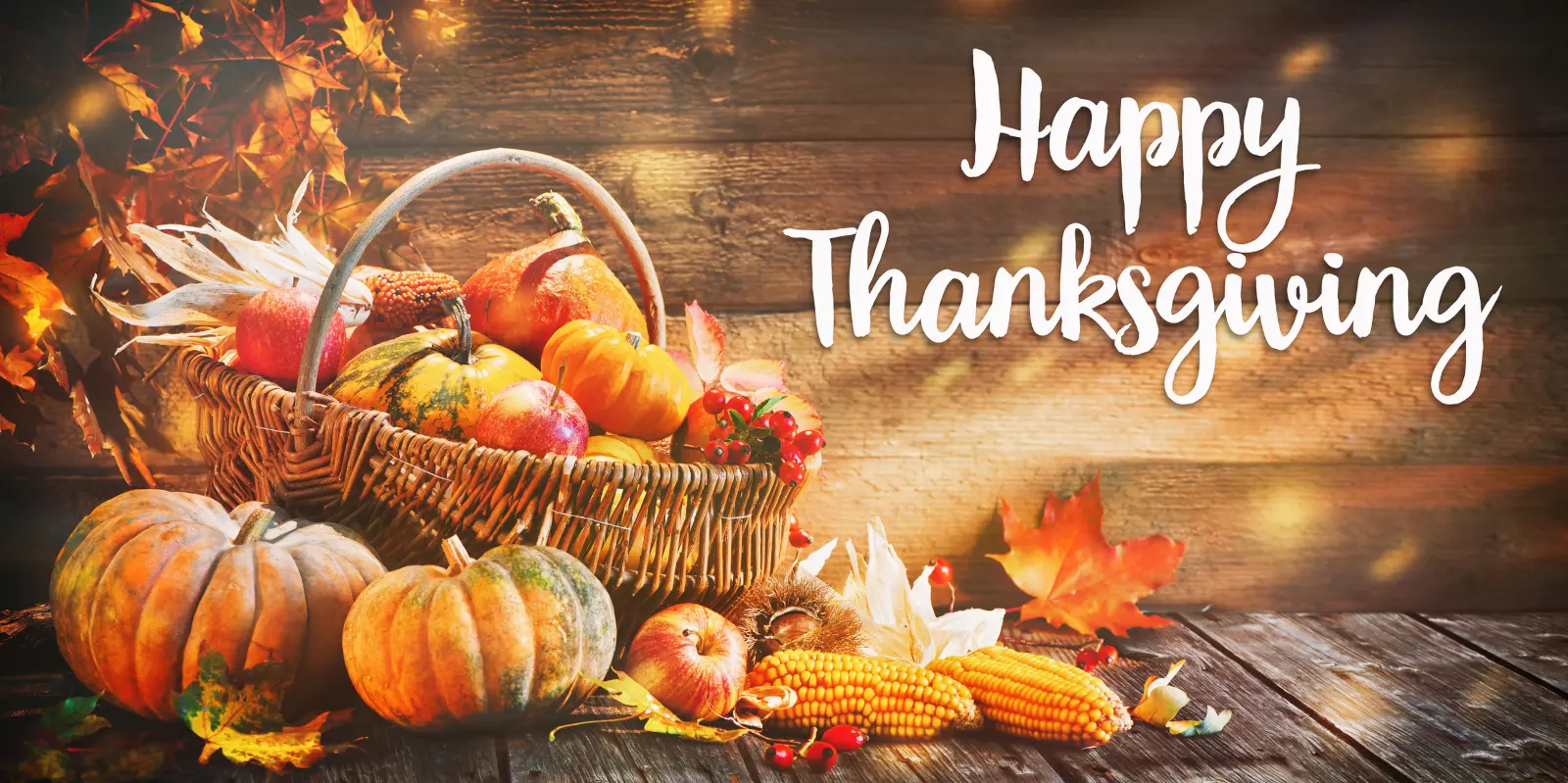
ID 126940668 ©Alexander Raths | Dreamstime.com
Choose your answer and you’ll see the explanation immediately. Some questions are easy, some are designed to catch a very convincing misconception, and several have an extra fact worth knowing even if you get the answer right.
If you want a broader challenge after this one, try my Thanksgiving trivia quiz, which covers different Thanksgiving facts, traditions, food, presidents, and history.
Ready? See how many Thanksgiving myths you can spot.
Question 1 of 19
Wild turkeys look far too heavy to get airborne. Can they actually fly?
Wild turkeys spend much of their time walking and running, but they can fly. They use powerful short flights to escape danger and reach places such as their nighttime roosts.
Question 2 of 19
If you went looking for wild turkeys after dark, where might you find them sleeping?
Wild turkeys commonly fly into trees around sunset and roost there overnight, helping them stay away from many predators on the ground.
Question 3 of 19
Which food do we actually know was served at the famous 1621 harvest gathering?
Venison is specifically documented. Edward Winslow wrote that the Wampanoag killed five deer and brought them to the settlement. The other three familiar Thanksgiving foods aren't documented as part of the 1621 meal.
Question 4 of 19
Cranberries grew in New England. Does that mean cranberry sauce was probably served at the 1621 gathering?
Cranberries were available in the region, but there's no evidence that cranberry sauce was served at the 1621 gathering. An English description of boiling cranberries with sugar into a sauce appeared decades later.
Question 5 of 19
Which modern Thanksgiving favorite would NOT have appeared in its familiar form at the 1621 feast?
Pumpkins existed, but familiar pumpkin pie was another matter. The colonists didn't have the butter and wheat flour needed to make the pastry crust we associate with pumpkin pie today. Corn, wildfowl and venison all fit what historians know about the feast.
Question 6 of 19
The famous 1621 gathering is often pictured as one enormous Thanksgiving dinner. How long did the celebration actually last?
It lasted three days. Edward Winslow's surviving account describes several days of feasting and entertainment with Ousamequin, also known as Massasoit, and about 90 of his men.
Question 7 of 19
Imagine eating at Plymouth in 1621. Which familiar item would be missing from your place setting?
No fork! English diners used knives and spoons as well as their hands. Large linen napkins were useful for both wiping hands and handling hot food.
Question 8 of 19
Was Plymouth’s 1621 celebration unquestionably the first Thanksgiving held in what is now the United States?
No. Earlier European thanksgiving observances are documented in North America, and Indigenous peoples had traditions of giving thanks long before 1621. Plymouth became the event most closely associated with America's Thanksgiving origin story, but calling it unquestionably the first oversimplifies the history.
Question 9 of 19
That classic loud "gobble" we associate with turkeys is primarily made by...
Adult male turkeys are commonly called gobblers or toms. Turkeys make a variety of sounds, but the famous loud gobble is primarily associated with males, especially during courtship.
Question 10 of 19
Here’s a strange one: Why does an American bird have the English name “turkey”?
The name has a complicated history. Europeans had already associated the word "turkey" with guinea fowl connected with trade through Ottoman lands. Amid confusion about exotic birds and where they came from, the name was eventually applied to the very different North American bird.
Question 11 of 19
Macy’s Thanksgiving Day Parade is famous enough that it feels like the original. Was it America’s first Thanksgiving parade?
No. Macy's first parade was held in 1924, but Thanksgiving parades were already taking place elsewhere. Philadelphia's Gimbels parade began in 1920.
Question 12 of 19
What could spectators see in the first Macy’s parade in 1924 that they wouldn’t see in today’s parade?
The first Macy's parade featured live animals from the Central Park Zoo. The enormous character balloons that became one of the parade's signatures arrived a few years later.
Question 13 of 19
Thanksgiving football feels made for television. How old is the tradition?
Thanksgiving football is much older than television. College teams were playing on Thanksgiving in the 19th century, including a Princeton-Yale Thanksgiving game in 1876. The Detroit Lions later helped establish the NFL Thanksgiving tradition, but football and the holiday were already old companions.
Question 14 of 19
Sweet potatoes and yams often get treated as the same thing on Thanksgiving. Botanically, are they?
They're different plants. True yams and sweet potatoes belong to different plant families. Confusion persists in the United States because some varieties of sweet potatoes have long been marketed and casually called "yams."
Question 15 of 19
Green bean casserole feels like the kind of recipe families might have been making forever. Where did the famous version actually originate?
The famous recipe was developed by Dorcas Reilly at Campbell's test kitchen in 1955. Its combination of green beans, cream of mushroom soup and crispy onions went on to become a Thanksgiving staple in millions of American homes.
Question 16 of 19
Which Thanksgiving leftover is tied to the story behind the rise of the TV Dinner?
Turkey. In 1953, Swanson found itself with an enormous surplus of frozen turkey after Thanksgiving — commonly reported as about 260 tons. The company turned the excess turkey into frozen meals with side dishes. Frozen complete meals already existed, but Swanson's hugely successful product helped turn the TV Dinner into an American phenomenon.
Question 17 of 19
Should you wash a raw turkey before putting it in the oven?
Washing raw turkey can splash bacteria onto the sink, counters and nearby surfaces. Proper cooking, not rinsing, is what destroys harmful bacteria.
Question 18 of 19
Your Thanksgiving turkey has one of those little pop-up timers. Once it pops, is that enough to know the entire bird is safely cooked?
Pop-up timers do respond to temperature, but they shouldn't be your only check. USDA recommends using a food thermometer too, checking the thickest part of the breast and the innermost portions of the thigh and wing. The turkey should reach at least 165°F (74°C).
Question 19 of 19
For several years in the early Macy’s parade, what happened to some of the giant balloons after the parade ended?
Macy's really did release giant balloons into the sky after the parade. Beginning in 1928, some were designed to slowly lose helium and eventually come back down, and people who found and returned them could receive a reward. The plan produced some unpredictable adventures: balloons ended up in places including the East River, while another reportedly headed out to sea. People even tried retrieving them from airplanes. In 1932, a balloon became wrapped around an airplane's wing and sent the aircraft into a tailspin. The pilot recovered, but the airborne balloon-recovery experiment didn't continue.
Your result
You got 0 out of 19
How Many Thanksgiving Myths Fooled You?
Some Thanksgiving myths survive because they fit the version of the holiday we already know. Pumpkin pie feels as if it should belong at the 1621 feast. Giant balloons feel inseparable from the Macy’s parade. And a turkey looks much more like a bird that should stay on the ground than one you might find sleeping high in a tree.
The historical record is often more interesting. The 1621 gathering lasted three days; we can document venison, forks were missing from the table, and Thanksgiving football was already being played long before television existed. Then there are the stories nobody needs to embellish – including Macy’s once releasing enormous parade balloons into the sky and offering rewards when they came back down.
A Thanksgiving Trivia Game for Adults, Families, and Friends
Looking for a Thanksgiving trivia game that goes beyond the usual questions about the Pilgrims and the first Thanksgiving? This 19-question challenge mixes familiar holiday traditions with surprising history, food myths, parade stories, and facts that even longtime Thanksgiving fans may not know.
Play on your own, challenge friends to beat your score, or use the questions for a Thanksgiving party or Friendsgiving gathering. Each question has four possible answers, with an explanation revealed after you make your choice.
For a group activity, have everyone choose their answers before revealing the explanations, then compare scores at the end. You could even divide guests into teams and turn the quiz into a friendly Thanksgiving trivia competition.
If you’d prefer a game that gets people talking instead of testing what they know, my Thanksgiving Would You Rather questions include 150 choices for kids, adults, families, and Friendsgiving.
If the conversation needs a new direction during dinner, these Thanksgiving conversation starters include 100 questions, from funny food debates to family memories, plus easy prompts for guests who don’t know one another well.
Thanksgiving Myths Quiz: Frequently Asked Questions
What are some common Thanksgiving myths?
Common Thanksgiving myths and misconceptions include what was eaten at the 1621 Plymouth harvest celebration, whether that event was unquestionably the first Thanksgiving in what is now the United States, how modern Thanksgiving foods and traditions began, and details that popular culture has attached to the holiday. Some familiar claims contain a piece of truth but lose important context when they are repeated.
Was pumpkin pie served at the first Thanksgiving?
There is no evidence that the familiar pumpkin pie served at modern Thanksgiving dinners appeared at the 1621 Plymouth harvest celebration. Pumpkins were available, but the colonists lacked the ingredients and cooking setup needed to make pumpkin pie as Americans recognize it today.
Was the 1621 Plymouth feast really the first Thanksgiving?
Calling the 1621 Plymouth gathering the first Thanksgiving oversimplifies history. Earlier European Thanksgiving observances are documented in North America, while Indigenous peoples had their own traditions of giving thanks long before the Plymouth colonists arrived. The 1621 event later became the celebration most closely associated with the American Thanksgiving story.
What food is known to have been served at the 1621 Thanksgiving gathering?
Venison is specifically documented in Edward Winslow’s account of the 1621 harvest celebration. Wildfowl was mentioned as well. Many foods strongly associated with Thanksgiving today, including cranberry sauce and pumpkin pie in their familiar forms, are not documented as part of that meal.
Can wild turkeys fly?
Yes. Wild turkeys spend a great deal of time on the ground, but they can fly for short distances. They also fly into trees to roost at night, which surprises many people who are used to seeing much heavier domestic turkeys.
Are sweet potatoes and yams the same thing?
No. Sweet potatoes and true yams are botanically different plants. In the United States, however, some sweet potatoes have long been marketed and commonly described as “yams,” so people often use the names interchangeably around Thanksgiving.
Did Macy’s Thanksgiving Day Parade once release balloons into the sky?
Yes. Beginning in 1928, Macy’s released some of its giant Thanksgiving parade balloons into the sky after the event. The balloons were designed to slowly lose helium, and they offered rewards for their return. The practice ended after incidents involving aircraft, including a dangerous 1932 encounter when a balloon became entangled with an airplane’s wing. The pilot managed to recover control.
When did Thanksgiving football become a tradition?
Thanksgiving football dates back to the 19th century. Princeton and Yale played a Thanksgiving Day college football game in 1876, decades before televised football. The Detroit Lions later established their annual NFL Thanksgiving game tradition in 1934.
Who invented green bean casserole?
Dorcas Reilly developed the famous green bean casserole recipe in 1955 while working in Campbell’s test kitchen. The dish, made with green beans, cream of mushroom soup and crispy onions, became a popular Thanksgiving side dish.
Should you wash a raw Thanksgiving turkey before cooking it?
No. The USDA advises against washing raw turkey because water can splash harmful bacteria onto kitchen surfaces. The recommended approach is to cook the turkey to a safe internal temperature of 165°F (74°C), verified with a food thermometer.
How can I use this Thanksgiving quiz at a family gathering?
You can play individually, compare scores, or read the questions aloud and have everyone choose an answer before you reveal the explanation. Because each question includes the story behind the answer, the quiz can work as both a Thanksgiving trivia game and a conversation starter for family dinners, Friendsgiving, classrooms, or holiday parties.
More Trivia to Try This November
Thanksgiving is only one part of November’s history and traditions. The month also includes memorable scientific discoveries, famous birthdays, cultural events, sports milestones, and seasonal celebrations.
If you enjoyed testing your knowledge here, my November trivia questions go beyond Thanksgiving to cover history, entertainment, science, nature, sports, food, and other month-related events.
Sources and Further Reading
For readers interested in exploring the historical accounts and food-safety guidance behind some of these Thanksgiving facts and misconceptions:
- Plimoth Patuxet Museums – Edward Winslow’s eyewitness account of the 1621 harvest celebration.
- Library of Congress – historical resources about Thanksgiving and its traditions.
- USDA Food Safety and Inspection Service – Thanksgiving turkey preparation and safe cooking recommendations.
Pin created by ChatGPT.
More amazing articles for you:
Which Country Is This Famous Landmark In? 55 Places That Trip People Up - Can You Get 40 or More Rig...
170 Korean Proverbs and Sayings With English Translations, Meanings, and Equivalents
150 General Knowledge Questions and Answers - Can You Score 130/150?
Try This Fun Interactive Italian Travel Phrases Quiz: How Much Would You Understand on Your First Da...
Pick Your Fall Favorites and Find Out Which of These 5 October Vibes Is Most Like You
200 90s Trivia Questions and Answers for a Nostalgia Quiz Night - How Much of the Decade Do You Reme...
150 French Proverbs and Meanings: Famous French Sayings About Life, Love, Food, Work, and Everyday W...
50 Surprising Thanksgiving Facts About History, Food and Traditions - #35 Is Hard to Forget

Violeta-Loredana Pascal is a communications expert, business mentor, and the founder of Earth’s Attractions and PRwave INTERNATIONAL. A pioneer in the Romanian digital PR landscape since 2005, she holds a degree in Communication and Social Sciences from SNSPA Bucharest. Violeta is a senior trainer at AcademiadeAfaceri.ro, where she leverages over 20 years of experience to teach professional courses in PR strategy and workplace productivity. By blending high-level business consulting with a passion for holistic travel and wellness, she empowers solopreneurs to overcome procrastination, build profitable brands, and design a life of purposeful adventure.