We see some landmark names so often that they almost stop looking like words. Taj Mahal. Machu Picchu. Angkor Wat. Sagrada Família. Alhambra. You recognize the place right away, maybe you already know the country, maybe you’ve even tested yourself with a famous landmark quiz, and yet the name itself can still be hiding something you never bothered to check.
This is one of my favorite parts of travel, honestly. Whenever I’m in a new place, I pay close attention to the small, slightly odd facts that tour guides mention, or the ones included in an audio guide or on an info panel nobody reads. A tiny story like that is what actually stays in your memory, more than the name of the architect or the year it was built. I like collecting these bits and bringing them here.
And the detail isn’t always a legend or a statue or something you find inside the building. In Munich, for instance, one of the things people notice inside Frauenkirche is the famous Devil’s Footprint. But in plenty of other places, the surprise is sitting right there in the name. A palace can mean “crown palace.” A bay can mean “descending dragon.” A rock formation can have a name that is basically a warning not to walk there barefoot.
So here are 25 places whose names tell you something useful, funny, or unexpected once you actually translate them — perfect for trivia games, or just for the fun of knowing.
Famous landmarks whose names make more sense once you translate them
1. Taj Mahal, India
ID 108954918 ©Byelikova | Dreamstime.com
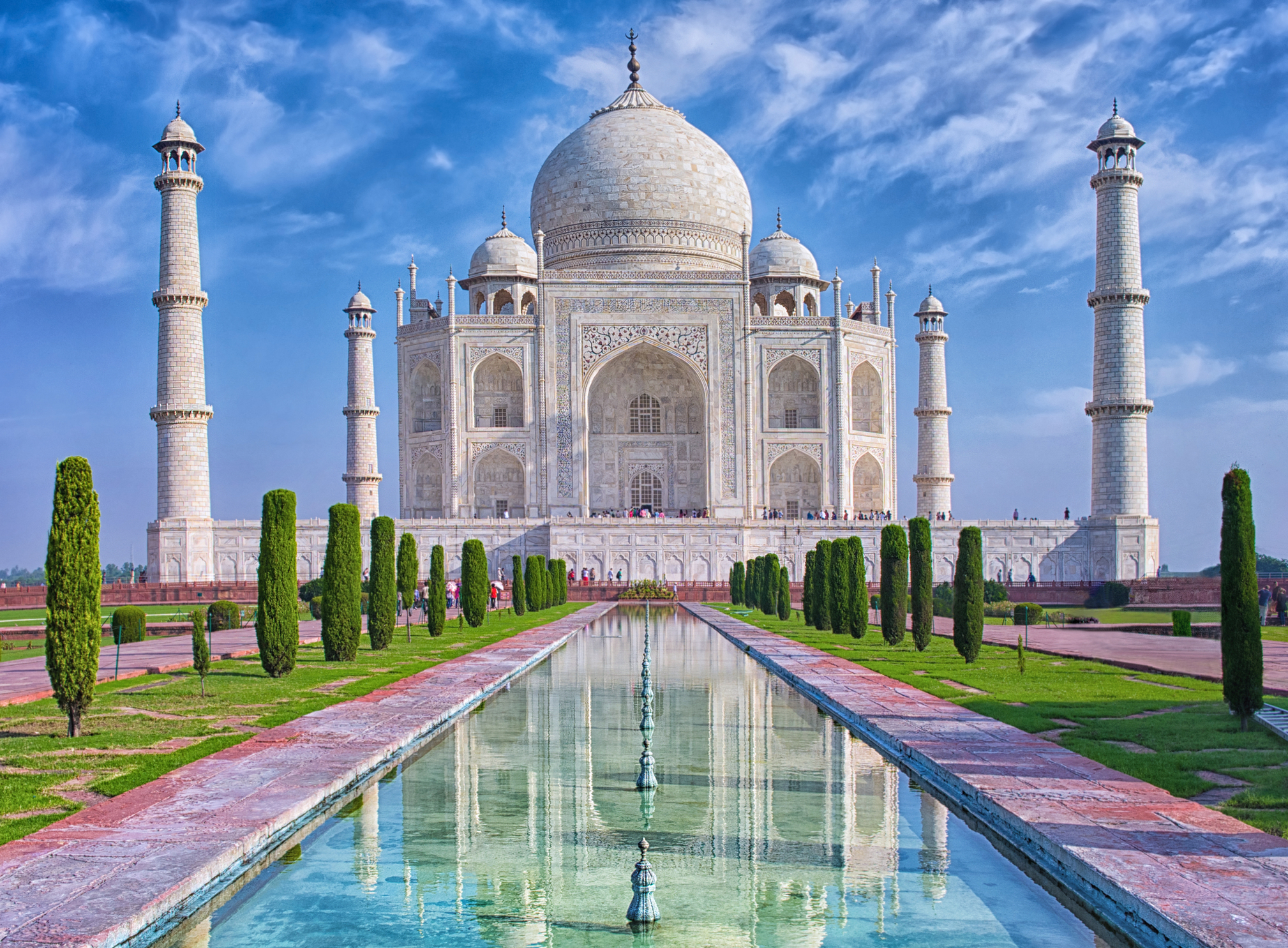
We might associate Taj Mahal with love and marble before anything else, that one perfect, symmetrical silhouette everyone recognizes even without ever having been to Agra. What gets left out of that picture is the name itself: Taj Mahal usually translates as “Crown Palace,” or “Crown of the Palace.”
So it isn’t only a love story frozen in stone. It is also, quite literally, a crown.
2. Machu Picchu, Peru
Here’s a small experiment. Picture Machu Picchu – the terraces, the stone walls, the mist drifting over the Andes – and now try to guess what the name means. “Old Mountain” or “Old Peak,” from Quechua, is the usual answer, and it never quite matches the mental image. One of the most photographed archaeological sites on the planet is named after something this plain.
There’s a caveat worth knowing here, too. The name in everyday use today may not even be the original one. Some researchers think the site was once called Huayna Picchu, or simply Picchu, and that the labels got swapped somewhere along the way. Either way, “old mountain” remains the explanation you’ll find almost everywhere. For more on the region, I also put together a guide to Cusco and Machu Picchu.
3. Huayna Picchu, Peru
I couldn’t write about Machu Picchu without including its neighbor. Huayna Picchu is the steep peak rising behind it in every classic photo, and the name means “Young Mountain” or “Young Peak.” Old mountain, young mountain, standing side by side – it’s too good a pair to skip.
4. Angkor Wat, Cambodia
If I had to pick the single most accurate landmark name on this whole list, it might be this one. Angkor Wat translates as “Temple City,” or “City of Temples,” and given the size of the place, the name isn’t exaggerating at all.
Angkor comes from a Khmer form linked to the Sanskrit and Pali word for city, while wat simply means temple, or temple grounds. Two simple words, but so well chosen!
5. Chichén Itzá, Mexico
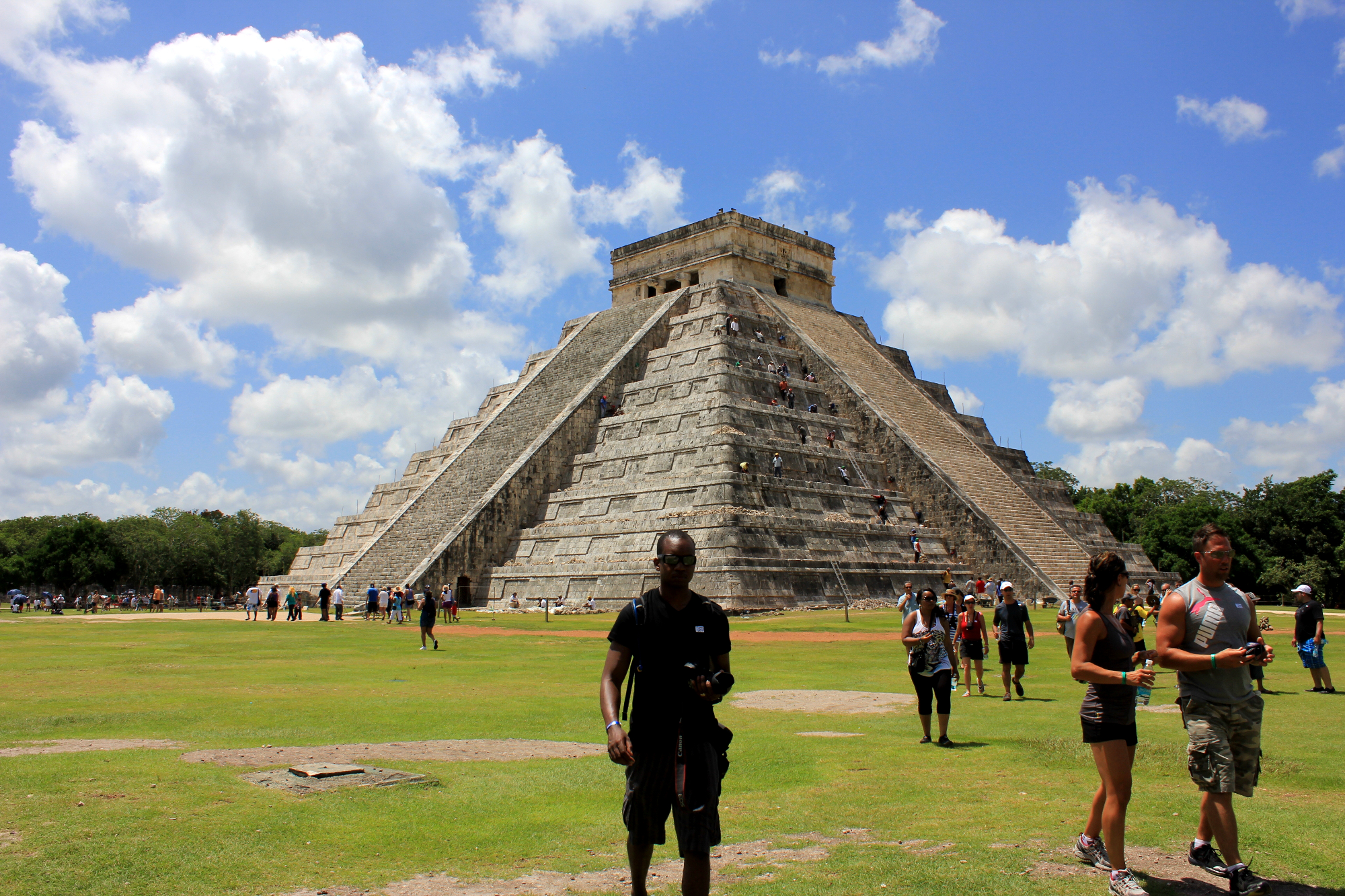
Most of us picture the pyramid first when Chichén Itzá comes up – that’s the image on every postcard, every quiz, every “wonders of the world” list. The name, though, points somewhere else entirely. It’s usually translated as “at the mouth of the well of the Itzá”: “Chichén” relates to the mouth or edge of a well, and Itzá refers to the people who lived there.
Given how much the Yucatán is known for its cenotes, that detail feels almost too fitting. The name leads you toward water and settlement long before it gets anywhere near a pyramid.
6. Cenote Ik Kil, Mexico
If you’ve seen photos of Ik Kil, you already know the look: a circular sinkhole open to the sky, vines trailing down the limestone walls, water sitting far below in near-perfect stillness. The name fits that picture surprisingly well – Ik Kil is usually translated as “the place of the winds,” which is both poetic and, once you imagine the open space and the air moving through it, easy to understand.
This cenote near Chichén Itzá isn’t just a swimming hole someone built a fence around. The name gives it a personality before you even climb down.
Names that describe color, shape, or what people saw
7. Alhambra, Spain
Stand outside the Alhambra and the first thing you actually notice isn’t the courtyards or the famous tilework inside, it’s the color of the walls. Reddish stone, glowing almost orange at sunset. Alhambra, coming from Arabic, is usually explained as “the red one,” or “the red fortress.”
There is such a strong connection between the name and the place, don’t you think?
Spain is full of names like this, layered with centuries of Roman, Islamic, Christian, Jewish, and regional history. If you’re collecting famous places there, I included both the Alhambra and the Sagrada Família in my bigger roundup of things to see in Spain.
8. Sagrada Família, Spain
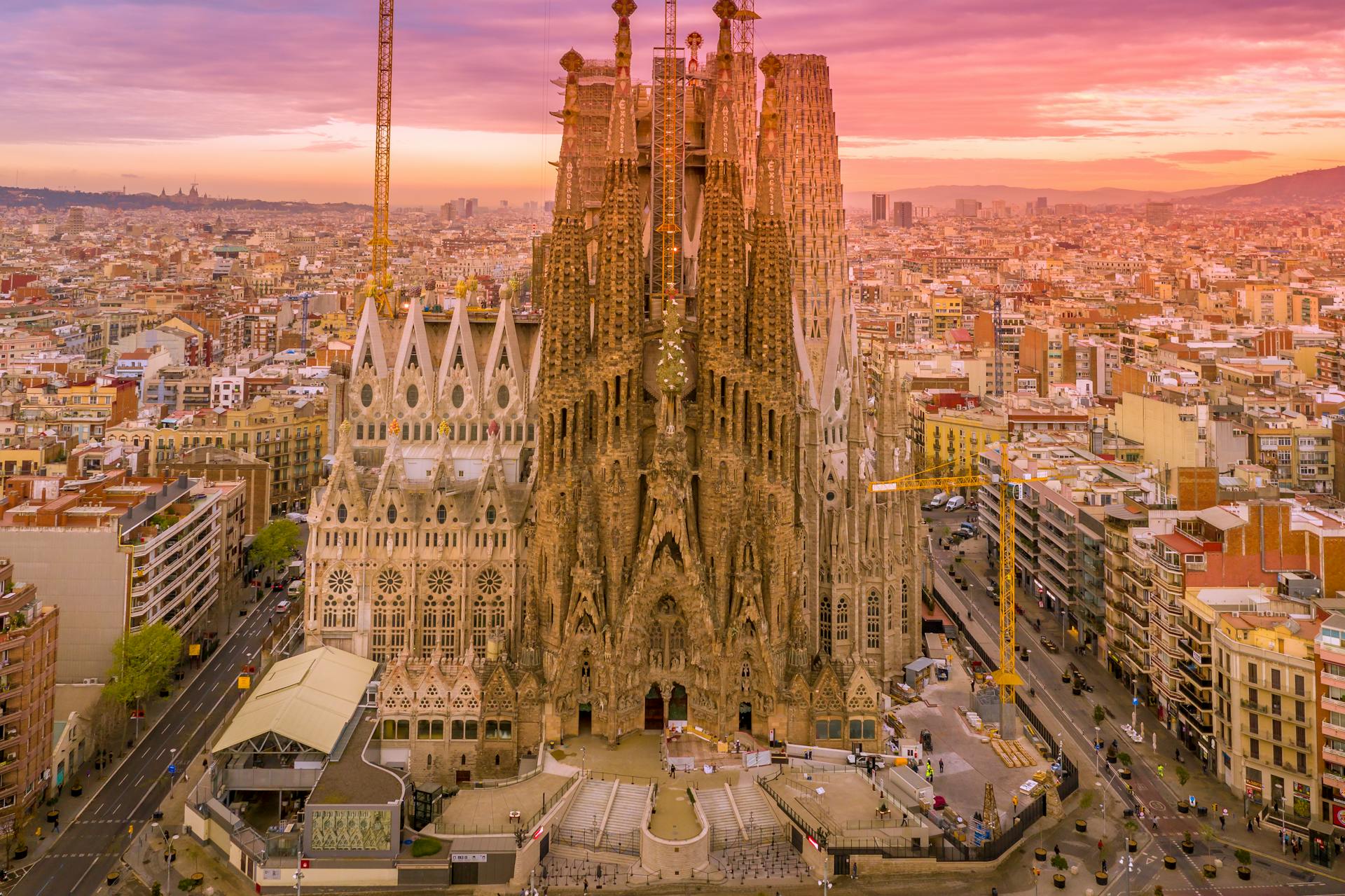
Because the building looks so unusual, most conversations about it start with Gaudí, the towers, the unfinished façades – though the building is close to being finished, the decades it’s taken to build – and barely ever mention the name itself.
Which is a shame, because Sagrada Família simply means “Holy Family” in Catalan: a basilica dedicated to Jesus, Mary, and Joseph. I find that contrast genuinely lovely: a traditional name attached to one of the most original religious buildings in Europe.
9. Hagia Sophia, Turkey
Read “Sophia” on its own and your brain probably jumps to a woman’s name. Here it means wisdom instead – divine wisdom – so Hagia Sophia translates as “Holy Wisdom” in Greek.
This building has lived several lives already: church, mosque, museum, mosque again, and most of what gets written about it focuses on that layered history rather than the name. But the name was theological from day one. I mention Hagia Sophia in my broader Turkey travel guide too, because Istanbul is genuinely hard to picture without it.
10. Neuschwanstein Castle, Germany
“Neu” means new, “Schwan” means swan, “Stein” means stone or rock. Put together, Neuschwanstein is usually translated as “New Swan Stone,” which sounds almost like a fairy-tale title, fittingly enough.
The castle was originally conceived as a grander, newer version of Hohenschwangau, the older “swan” castle nearby, so the swan theme was already part of the local royal landscape long before this one became the most photographed castle in Bavaria. If you’re in the region, it’s often paired with a Munich trip, even though the castle itself sits well outside the city.
11. Kinkaku-ji, Japan
ID 127796908 | View ©Sean Pavone | Dreamstime.com
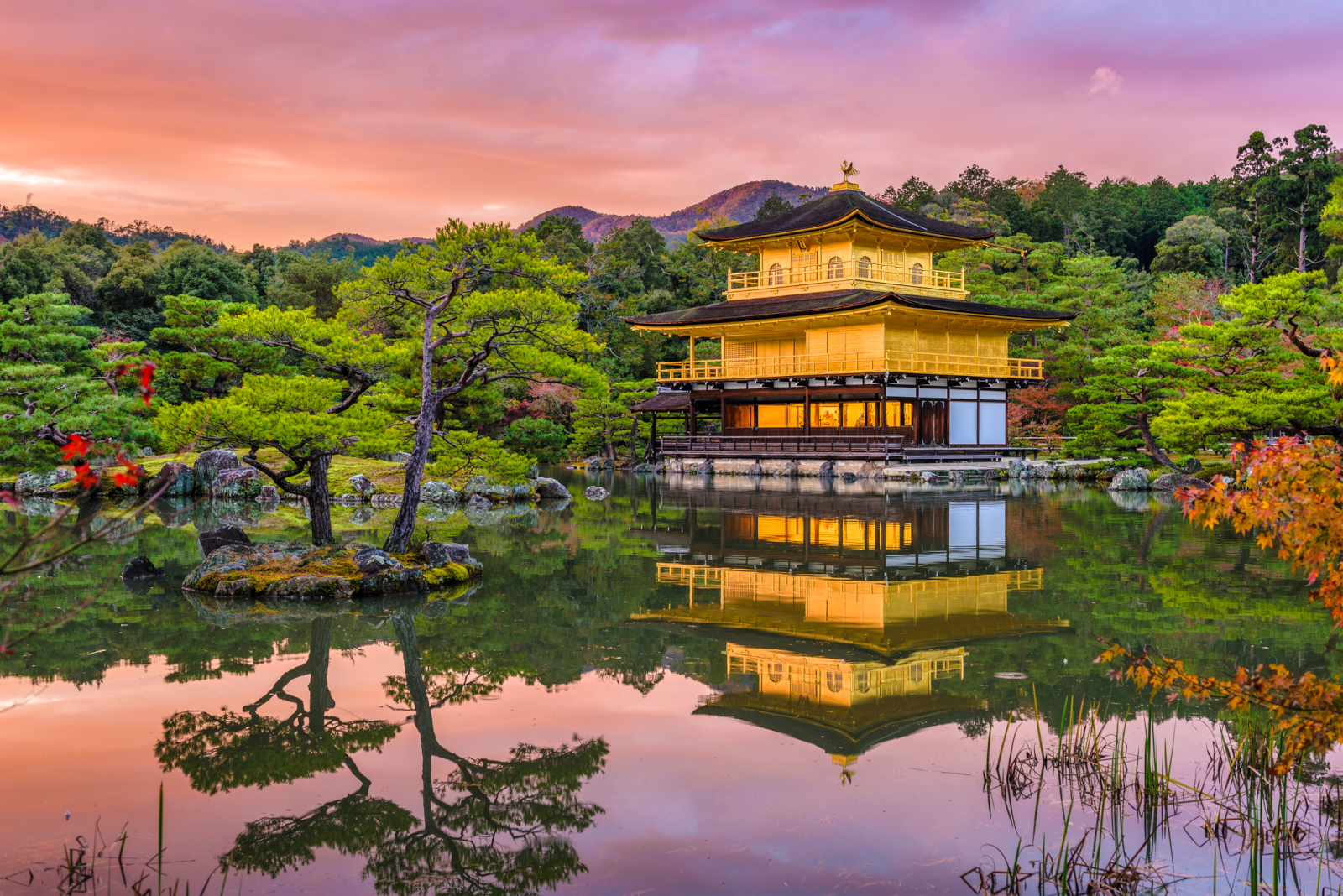
It is known as the Golden Pavilion in English, a name used by many people, and the name already suggests a lot – the gold-covered pavilion reflected in still water, framed by a carefully designed garden, is the image everyone remembers.
The full name, Kinkaku-ji, means “Temple of the Golden Pavilion,” and there’s a useful detail in that ending: “ji” usually marks a temple in Japanese place names, so it tells you what you’re looking at before you read another word. If Japanese culture is your thing, I also put together 100 Japanese proverbs and sayings that are wonderfully sharp.
12. Montserrat, Spain
One look at the mountain range near Barcelona, jagged and almost saw-toothed against the sky, and the meaning announces itself. Montserrat means “serrated mountain” in Catalan.
The monastery and the Virgin of Montserrat add a whole separate, religious layer to the place, but the landscape alone gets you there first.
Names that sound ordinary until you know the image behind them
13. Tsingy de Bemaraha, Madagascar
This might be my favorite practical name on the entire list. Tsingy de Bemaraha is known for its razor-sharp limestone formations, the kind that genuinely look like a forest carved from stone blades, and the local name doesn’t bother softening any of that into something pretty.
Tsingy is commonly explained as “where one cannot walk barefoot” – no myth required, just a flat, accurate warning.
14. Petra, Jordan
Most people picture the Treasury first when Petra comes up, that famous façade that’s been on every film, poster, and travel feed for years now. What’s easy to miss is that the name itself is just as on-the-nose: Petra comes from the Greek word for rock, and the site isn’t merely surrounded by rock, its most iconic monuments were carved directly into the sandstone cliffs.
15. Iguazú Falls, Argentina and Brazil
Short, old, and almost impossible to improve on – that’s how I’d describe the name Iguazú, usually traced back to Guarani or Tupi roots meaning “big water” or “great water.” I could write a lot about the numbers, the mist, the rainforest, the viewpoints, but the name already covers the most important part.
It also helps that Iguazú Falls sit on the border between Argentina and Brazil, which trips people up more than you’d think when it comes to naming the country.
16. Ha Long Bay, Vietnam
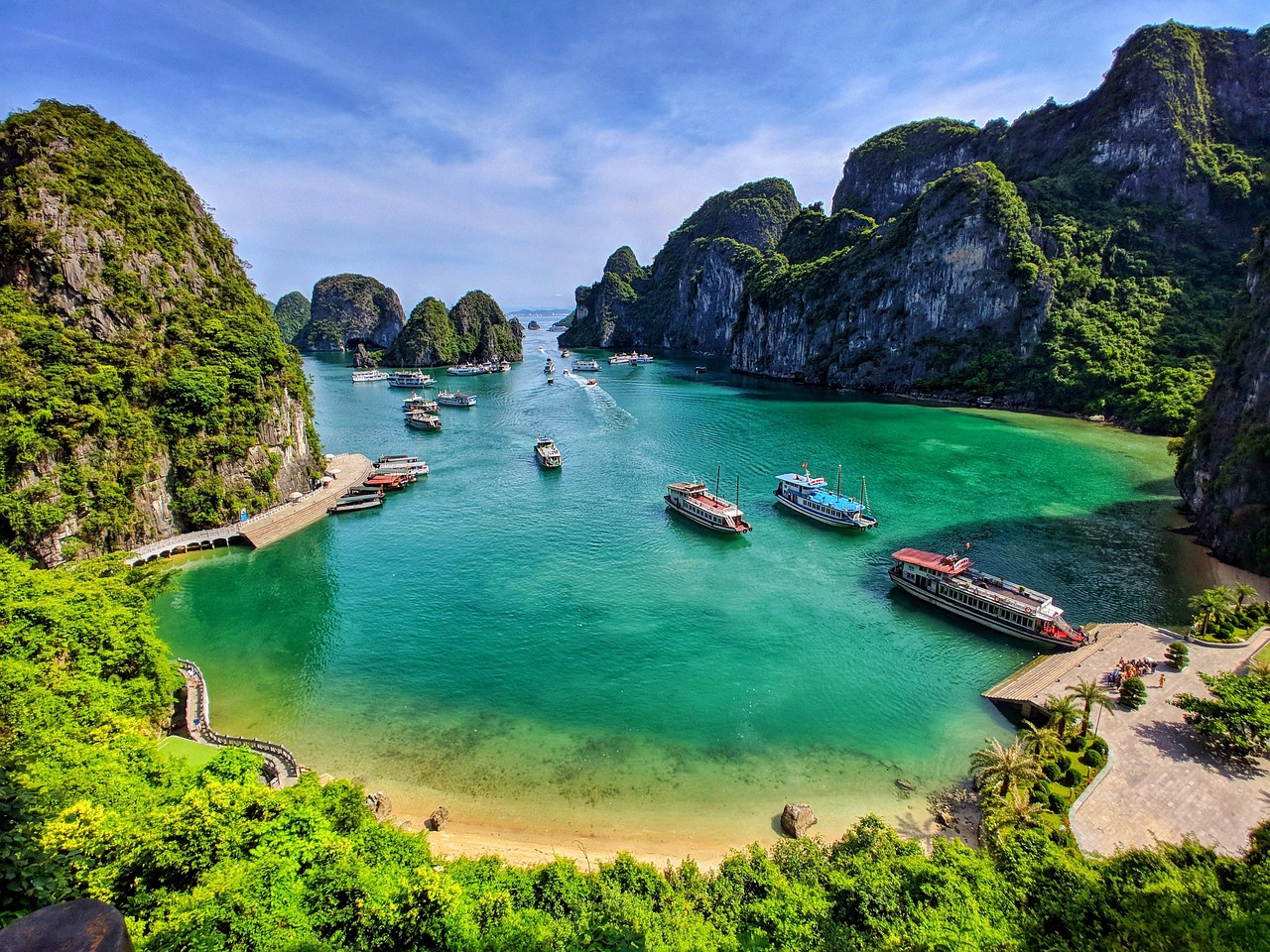
No generic description of limestone islands could ever beat this one. Ha Long means “descending dragon” in Vietnamese, and once you know that, the karst towers rising straight out of the water stop looking like “pretty rock formations” and start feeling like a landscape with a story attached.
Vietnam’s official tourism sources use the same “descending dragon” meaning, for what it’s worth, which makes this one a safer bet than a lot of etymologies floating around online.
17. Torres del Paine, Chile
The Spanish half of this one is easy: torres means towers. Paine is the part that takes more digging – usually linked to a Tehuelche or Aonikenk word meaning blue, tied to the blue-grey tone the landscape takes on when light hits the granite, lakes, and sky just right.
So Torres del Paine becomes “Towers of Blue,” which sounds like a name from a fantasy map until you translate it and see how well it fits the place.
18. Blyde River Canyon, South Africa
There’s a nice story behind this one. Blyde means “glad,” “happy,” or “joyful” in Dutch, so Blyde River Canyon is, roughly, the canyon of the happy river – and the explanation usually attached to it involves a group returning safely after others had feared them dead.
What makes it better is the river right next door: the Treur River, meaning “mourning river” or “river of sorrow.” One name carries relief. The other carries grief. Naming two rivers after the opposite ends of the same story is the kind of detail I can’t resist including.
19. Acropolis, Greece
A lot of people use “the Acropolis” as if it could only mean the one hill in Athens, which makes sense, since that’s the famous one. But the word itself is more general than that: akron means high or top, polis means city, so Acropolis simply translates as “high city.”
Once you know “polis” from words like politics or metropolis, it clicks instantly – it’s just the elevated, fortified part of an ancient Greek city, the part that carried religious, defensive, and political weight all at once.
20. Parthenon, Greece
I want to be a little careful with this one. Parthenon connects to parthenos, the Greek word for maiden or virgin, and the usual explanation ties it to Athena Parthenos – Athena the Virgin – since the temple was dedicated to her.
There’s genuine scholarly debate, though, about exactly which room or association first gave the building its name, so I’d rather not flatten it into a tidy “Parthenon means virgin temple” claim. The safer version: the name is tied to the word parthenos and the cult of Athena Parthenos, and that’s still useful enough to know.
Landmark names that come from animals, legends, or people you might not expect
21. Alcatraz, USA
ID 12018385 ©Aaron West | Dreamstime.com
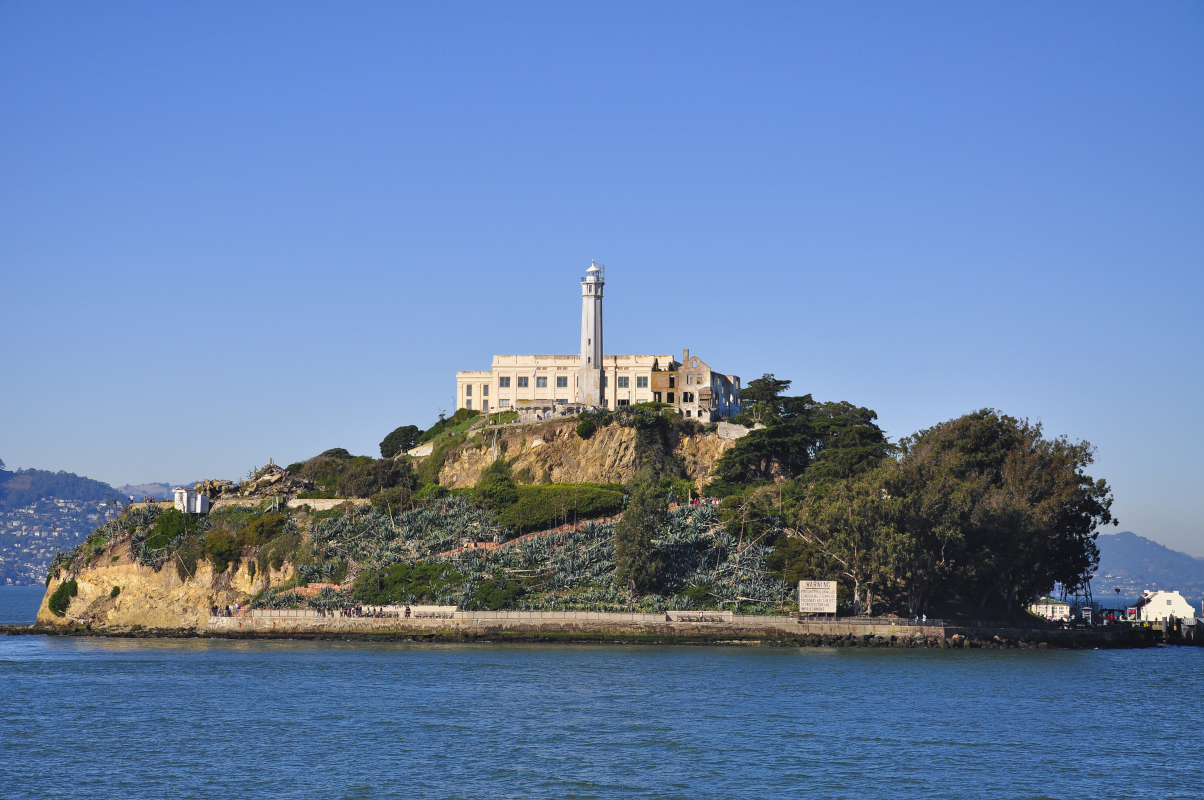
Today, the word Alcatraz means prison, escape attempts, cells, San Francisco Bay, “The Rock” – and almost nobody thinks about birds.
But it traces back to the Spanish “Isla de los Alcatraces,” usually rendered as “Island of the Pelicans,” and the National Park Service’s own history notes that the name was originally meant for a different island in the bay entirely, only shifting to the one we now call Alcatraz later on.
So the most famous prison island in the world is, somewhat accidentally, carrying a bird name that wandered across maps before it finally stuck.
22. Zhangjiajie, China
Here’s a landscape that looks like it belongs on another planet – towering sandstone pillars, the kind that inspired the “Avatar mountains” floating in everyone’s photos. And then there’s the name: Zhangjiajie, usually translated as “Zhang family homeland.”
Nothing about floating mountains, nothing invented for tourism. It’s tied to an actual family and to local settlement history, which is exactly the contrast I like here: the most otherworldly-looking park in China, named after a family.
23. Manneken Pis, Belgium
There’s no elegant way to soften this one, so I won’t try. Manneken Pis is usually translated as “little peeing man,” and Brussels, a city full of grand, ornate buildings, has somehow made a tiny fountain statue with this name one of its most famous symbols.
It is a good reminder that landmarks don’t always need to be majestic to be memorable- odd and funny can do the job just as well. The name sounds cute enough in Dutch or Flemish; the English translation is a lot more direct.
24. Paro Taktsang, Bhutan
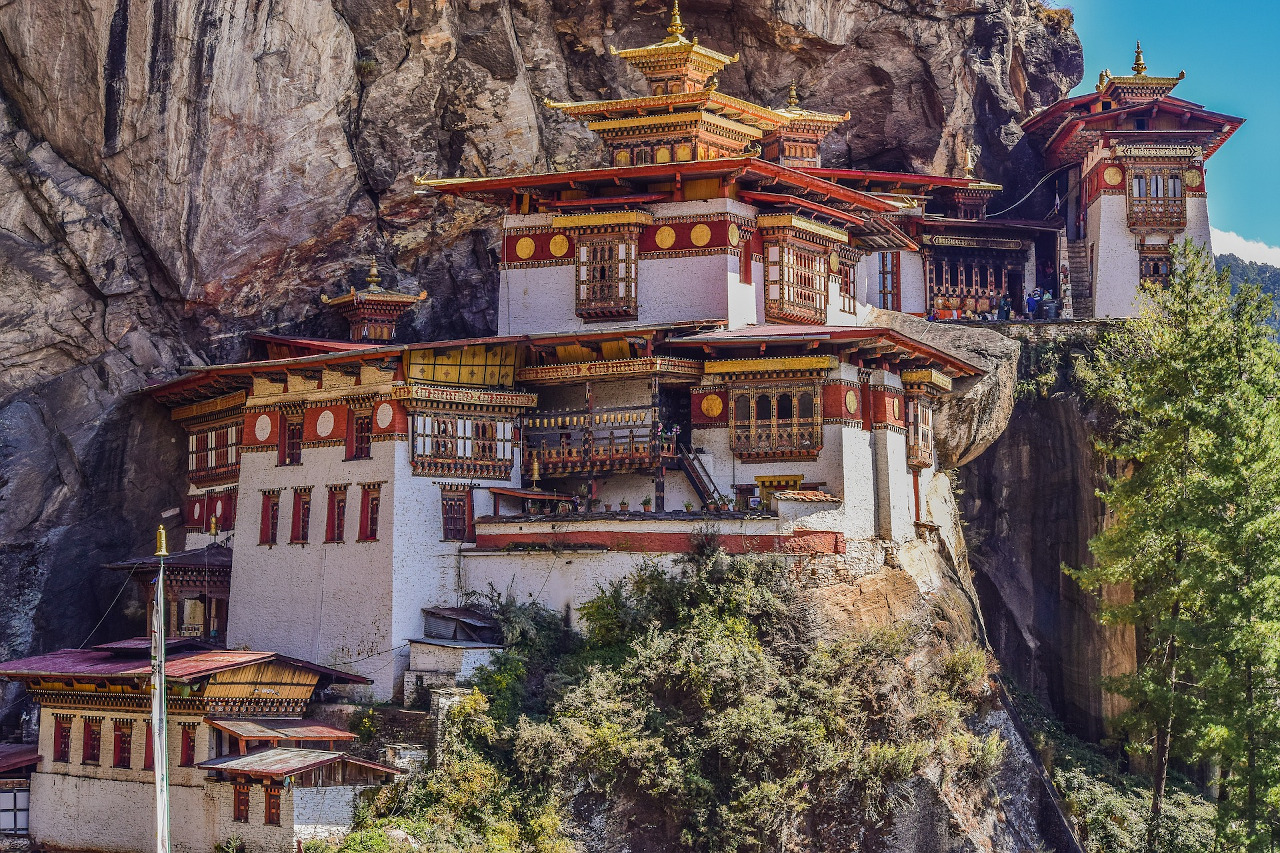
The monastery clings to a cliffside high above the Paro Valley, and even without knowing the local legend, you’d expect this place to have a strong name. It does: Taktsang translates as “Tiger’s Lair” or “Tiger’s Nest,” which is why most people simply call it the Tiger’s Nest Monastery.
The story behind it involves Guru Padmasambhava, said to have arrived there on the back of a tigress – and once you know that, “Tiger’s Nest” carries a lot more height, danger, and story than any generic monastery name ever could.
25. Wat Arun, Thailand
People tend to photograph this one at sunrise or sunset, when the light completely changes how the structure reads against the sky. Which makes sense, given the name: Wat Arun is known as the Temple of Dawn, with wat meaning temple and Arun tracing back to Aruna, a dawn figure from Indian tradition.
The English name isn’t just a pretty phrase. It is a fairly direct clue to the original meaning, and the timing feels almost built into the landmark itself, sitting there on the west bank of the Chao Phraya River in Bangkok.
A few famous names I left out on purpose
I skipped several names that get suggested a lot, and I want to be upfront about why.
Mount Kilimanjaro is too disputed for this list. You’ll find explanations like “mountain of whiteness” or “mountain of greatness” floating around, but nothing settled enough for a clean entry.
Krakatoa has the same problem – famous, yes, but with several competing origin stories that don’t add up to one reliable answer.
Uluru is an important Aboriginal place name, and I didn’t want to flatten it into a tidy English meaning where reliable sources simply don’t support that kind of translation.
Yosemite is interesting, but its origin gets repeated online in ways that often oversimplify Indigenous history, so I preferred to leave it out rather than risk getting it wrong.
And I also left out purely descriptive names like the Great Wall of China. “Long Wall” may be accurate for the Chinese Changcheng, but it doesn’t give you the same little jolt of surprise that Tsingy, Ha Long, Alhambra, or Manneken Pis do.
The short version: famous landmark names and their meanings
| Landmark or place | Country | Meaning in English |
|---|---|---|
| Taj Mahal | India | Crown Palace / Crown of the Palace |
| Machu Picchu | Peru | Old Mountain / Old Peak |
| Huayna Picchu | Peru | Young Mountain / Young Peak |
| Angkor Wat | Cambodia | Temple City / City of Temples |
| Chichén Itzá | Mexico | At the mouth of the well of the Itzá |
| Cenote Ik Kil | Mexico | The place of the winds |
| Alhambra | Spain | The Red One / The Red Fortress |
| Sagrada Família | Spain | Holy Family |
| Hagia Sophia | Turkey | Holy Wisdom |
| Neuschwanstein | Germany | New Swan Stone |
| Kinkaku-ji | Japan | Temple of the Golden Pavilion |
| Montserrat | Spain | Serrated Mountain |
| Tsingy de Bemaraha | Madagascar | Where one cannot walk barefoot |
| Petra | Jordan | Rock |
| Iguazú Falls | Argentina / Brazil | Big Water / Great Water |
| Ha Long Bay | Vietnam | Descending Dragon |
| Torres del Paine | Chile | Towers of Blue |
| Blyde River Canyon | South Africa | Happy / Joyful River Canyon |
| Acropolis | Greece | High City |
| Parthenon | Greece | Connected to maiden / virgin |
| Alcatraz | USA | Connected with pelicans / strange birds |
| Zhangjiajie | China | Zhang Family Homeland |
| Manneken Pis | Belgium | Little Peeing Man |
| Paro Taktsang | Bhutan | Tiger’s Lair / Tiger’s Nest |
| Wat Arun | Thailand | Temple of Dawn |
Conclusion
This is why I like these small travel facts. They are easy to remember, and they make you remember a place through an interesting detail.
Once you know Alhambra points to a red fortress, the color of the walls becomes part of the story. Once you know Ha Long means descending dragon, those limestone islands stop looking like random shapes and start feeling like a landscape wrapped in legend. Once you know Tsingy is warning you about walking barefoot, the name suddenly feels close to perfect.
That’s why I keep collecting this kind of travel trivia. It’s small enough to remember on the spot, but it changes how you look at places you’ve already seen a hundred times in photos. If you enjoy testing yourself on things like this, you might also like my world capitals quiz, the island or country challenge, or this piece on famous travel names people mispronounce.
So tell me – how many of these did you already know before reading this?
FAQ about famous landmark names and meanings
What famous landmark name means old mountain?
Machu Picchu is usually translated from Quechua as “Old Mountain” or “Old Peak.” It’s the name most people know today, though some researchers question whether it was the original name of the Inca site.
What does Angkor Wat mean?
Angkor Wat is commonly translated as “Temple City” or “City of Temples.” Angkor relates to the idea of a city or capital, while wat means temple, or temple grounds.
What does Chichén Itzá mean?
Chichén Itzá is usually translated as “at the mouth of the well of the Itzá.” The name links the Maya city to wells or cenotes, and to the Itzá people.
What does Alhambra mean?
Alhambra comes from Arabic and is commonly explained as “the red one” or “the red fortress,” a reference to the reddish color of its walls.
Which famous landmark name means Holy Wisdom?
Hagia Sophia means “Holy Wisdom” in Greek. The “Sophia” here refers to wisdom, not to a woman’s name.
Which famous landmark name means descending dragon?
Ha Long Bay in Vietnam means “descending dragon,” a name tied to the bay’s famous dragon legend.
Which landmark name means where one cannot walk barefoot?
Tsingy de Bemaraha in Madagascar is commonly explained as “where one cannot walk barefoot” — a remarkably fitting name for its sharp limestone formations.
Do all famous landmark names have clear meanings?
No. Some have disputed origins, shifting spellings, older local names, or meanings that simply don’t translate neatly into English. That’s exactly why names like Kilimanjaro, Krakatoa, Uluru, and Mount Fuji need more careful handling than most quick internet lists give them.
More amazing articles for you:
The Best Day Trips from Toronto, Canada
The Ultimate London Bucket List for the Museum Lover
Cat Café Budapest Review: Booking, Rules & What to Expect
150 US State Trivia Questions and Answers for All 50 States - Can You Get 3 Right for Every State?
The World’s Most Delayed Airlines of 2025. Did You Fly With One?
Drive into the Sun: How to Prepare Your Car for a Summer Road Trip
Insider's Guide to Nagoya, Japan: what to do in Nagoya, where to stay, eat, and when to visit for an...
Hidden London gems - experience London like a local: 10 cool places you won’t find in the guidebooks

Violeta-Loredana Pascal is a communications expert, business mentor, and the founder of Earth’s Attractions and PRwave INTERNATIONAL. A pioneer in the Romanian digital PR landscape since 2005, she holds a degree in Communication and Social Sciences from SNSPA Bucharest. Violeta is a senior trainer at AcademiadeAfaceri.ro, where she leverages over 20 years of experience to teach professional courses in PR strategy and workplace productivity. By blending high-level business consulting with a passion for holistic travel and wellness, she empowers solopreneurs to overcome procrastination, build profitable brands, and design a life of purposeful adventure.