I find this fascinating because our own language influences the way we look at other languages and names. I come from a language where words are generally read as they are spelled. Yes, it sounds odd if your language has many silent letters, strange endings, or spelling rules that changed over time, but that is how Romanian is.
Of course, I studied foreign languages too: English, French, and German, and I also took an interest in Italian, Spanish, and even a little Korean. Some are closer to my language, others are much further away. But there are sooooo many languages in the world that it is impossible not to mispronounce something at some point.

ID 63275944 ©Maciej Czekajewski | Dreamstime.com
When I am planning a trip, I usually try to learn how to say at least the most important cities, attractions, train stations, museums, or landmarks on the itinerary. It is practical. It helps with directions, transport, tickets, conversations, and confidence.
So this article is a practical guide to famous travel names people mispronounce all the time. I am not turning this into a heavy phonetics lesson. You will find simple read-aloud cues, the common mistake, and a short explanation for each name. The goal is to help you say these famous places better, not to make travel pronunciation feel intimidating.
I have grouped the names into various categories – to make it easier to read and learn them. For more fun and interesting things, read also these 11 famous places people keep confusing with each other.
First, a Note About “Correct” Pronunciation
Place names can be complicated. A city may have one pronunciation in the local language, another in common English, and another version used by tourists or international media. Some names include sounds that English speakers do not use naturally. Others come from older spellings, regional languages, Indigenous languages, French, Spanish, Arabic, Dutch, Hawaiian, Italian, German, or combinations that don’t follow the patterns many readers expect.
The pronunciations below are traveler-friendly approximations for English speakers. They are meant to help you get closer, ask for directions more clearly, talk about a place with more confidence, and avoid the most common mistakes.
The goal is not to force an accent. A respectful approximation usually sounds better than trying too hard to imitate a local accent you don’t naturally have.
Famous Cities People Mispronounce
City names are often the first travel words people learn from maps, airport searches, hotel pages, and itineraries. That is why commonly mispronounced international cities are such a useful place to start. Some look simple, others look impossible, and a few punish you for trying to pronounce every letter.
1. Cannes, France
The common mistake: Cans.
Say it like: KAN.
Why it tricks people: The final “s” is silent in French. The name is much shorter than it looks.
Easy cue: Think “can,” not “cans.”
2. Nice, France
The common mistake: Nice, like “kind” or “pleasant.”
Say it like: NEESS.
Why it tricks people: In English, “nice” is one of the easiest words in the language. As a French city name, it follows French sound rules.
Easy cue: It sounds closer to “niece.”
3. Versailles, France
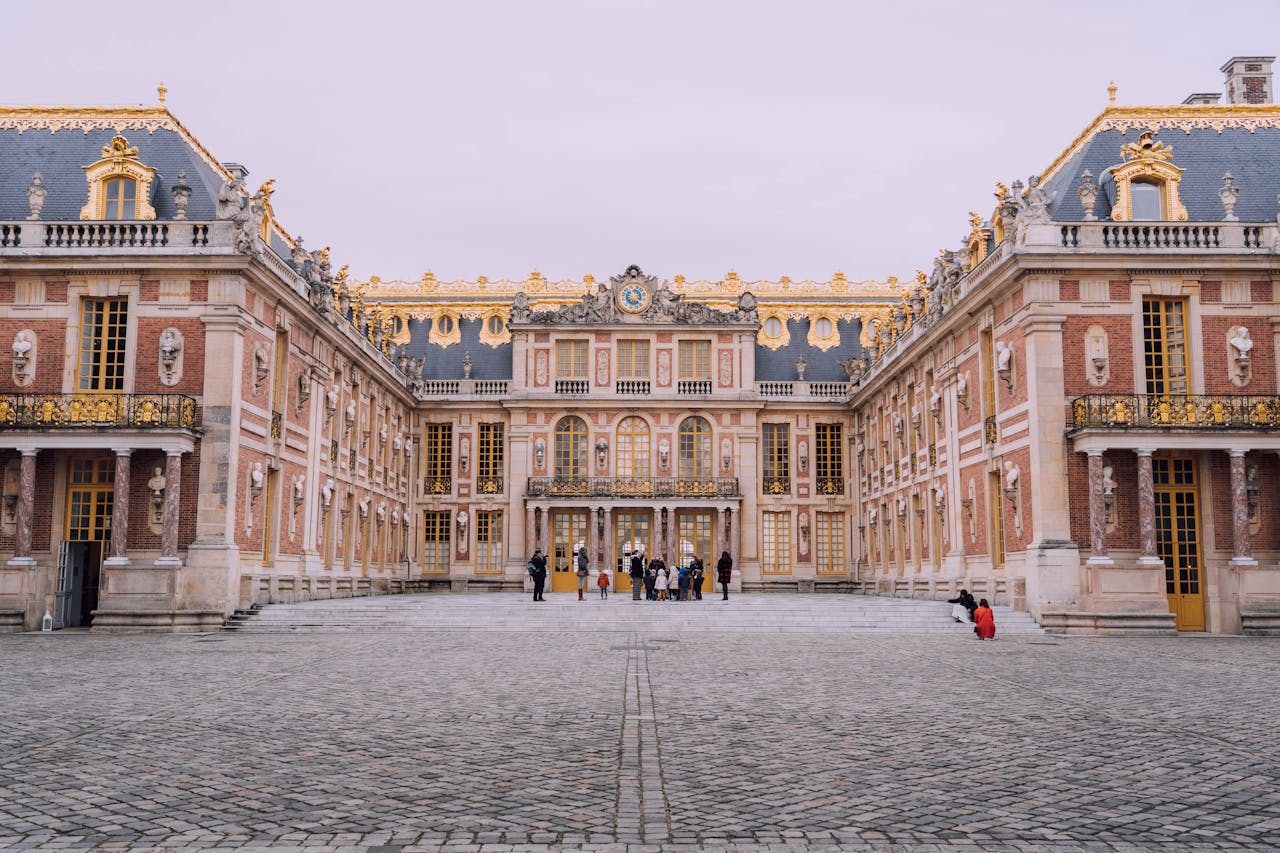
The common mistake: Ver-sales.
Say it like: Ver-SIGH.
Why it tricks people: The ending does not sound like the English word “sales.”
Easy cue: The last syllable sounds like “sigh.”
4. Edinburgh, Scotland
The common mistake: Ed-in-burg.
Say it like: ED-in-bruh or ED-in-buh-ruh.
Why it tricks people: English spelling makes the ending look heavier than it is.
Easy cue: Drop the hard “burg” ending. Keep it soft. And if you are planning a trip, these are the best things to see in Edinburgh.
5. Reykjavík, Iceland
The common mistake: Rake-jah-vik.
Say it like: RAYK-yah-veek.
Why it tricks people: The “j” sounds closer to a “y” for English speakers.
Easy cue: Read the middle as “yah,” not “jah.”
6. Ljubljana, Slovenia
The common mistake: Loo-bluh-jan-ah.
Say it like: Lyoo-BLYAH-nah.
Why it tricks people: The letters look like they should separate neatly in English, but the sound blends more smoothly.
Easy cue: The “j” helps create a soft “y” sound.
7. Budapest, Hungary
The common mistake: Boo-da-PEST.
Say it like: Boo-da-PESHT.
Why it tricks people: In Hungarian, the letter “s” sounds closer to English “sh.”
Easy cue: If you are using the local-style cue, end it with “pesht.” You will hear this often when exploring Budapest or talking about the city before a trip.
8. Oaxaca, Mexico
The common mistake: Oh-ax-ah-cah.
Say it like: Wah-HAH-kah.
Why it tricks people: The “x” does not work like a modern English “x” here.
Easy cue: Start with “wah,” not “oh-ax.”
9. Medellín, Colombia
The common mistake: Med-eh-lin.
Say it like: Meh-deh-YEEN.
Why it tricks people: The double “l” in Colombian Spanish often sounds closer to a “y” for English speakers.
Easy cue: The ending is closer to “yeen,” not “lin.”
10. Buenos Aires, Argentina
The common mistake: Bew-nos Airs.
Say it like: BWAY-nos EYE-res.
Why it tricks people: English speakers often flatten both words.
Easy cue: Let “Buenos” start with a “bway” sound.
11. Beijing, China
The common mistake: Beige-ing or Bay-zhing.
Say it like: Bay-JING.
Why it tricks people: The spelling makes some people connect the first syllable with the color “beige,” while others soften the “j” too much.
Easy cue: Think “bay,” then “jing.”
12. Kyiv, Ukraine
The common mistake: Key-ev.
Say it like: Keev.
Why it tricks people: Many English speakers grew up hearing or reading the older Russian-derived spelling “Kiev.” Kyiv reflects the Ukrainian form.
Easy cue: Keep it short: one strong syllable.
13. Phuket, Thailand
The common mistake: The English-looking version that starts with an “f” sound.
Say it like: Poo-KET.
Why it tricks people: The “h” after the “P” does not create an “f” sound.
Easy cue: Start with a clean “P.” For this one, I admit I was surprised by how often people get it wrong, because based on my own language pattern I would have clearly said Puket. Of course, I learned the common English-friendly pronunciation too – I actually heard it in a YouTube video years ago, and it stayed in my mind because the mistake is so easy to understand once you see it written.
14. Melbourne, Australia
The common mistake: Mel-born.
Say it like: MEL-buhn.
Why it tricks people: The second syllable is much softer in Australian English.
Easy cue: Do not make it rhyme with “born.”
15. Brisbane, Australia
The common mistake: Briz-bayne.
Say it like: BRIZ-buhn.
Why it tricks people: The spelling suggests a longer ending than locals usually use.
Easy cue: The end is closer to “buhn,” not “bayne.” I first heard the correct pronunciation in a TV series:)
16. Cairns, Australia
The common mistake: Care-ns.
Say it like: Cans.
Why it tricks people: English speakers often try to pronounce every visible letter.
Easy cue: It sounds much simpler than it looks.
17. Toronto, Canada
The common mistake: Toe-ron-toe, with every syllable carefully pronounced.
Say it like: Tuh-RON-oh, or closer to Tron-oh in casual local speech.
Why it tricks people: The careful spelling pronunciation sounds less natural than the common local rhythm.
Easy cue: The second “t” often softens or disappears in casual speech.
18. Montreal, Canada
The common mistake: Mon-tree-all only.
Say it like: Mun-tree-AWL in English, with a more French sound in French-speaking contexts.
Why it tricks people: The city has both English and French pronunciation contexts.
Easy cue: In English conversation, do not force a heavy French accent unless you are speaking French.
19. Worcester, England / Massachusetts
The common mistake: Wor-ces-ter.
Say it like: WUSS-ter.
Why it tricks people: The spelling looks like three clear syllables, but it is much shorter when spoken.
Easy cue: Ignore most of the middle.
20. Leicester, England
The common mistake: Lie-ces-ter.
Say it like: LESS-ter.
Why it tricks people: Like many older English place names, the spelling carries history that does not match the modern spoken form.
Easy cue: If you know “Lester,” you are close.
21. Munich / München, Germany
The common mistake: Moo-nik when trying to say the German name.
Say it like: In English, MYOO-nik. In German, closer to MÜN-khen.
Why it tricks people: The English name and the German name are different. If you use “Munich” in English, that is completely normal. If you try the local name, “München” has sounds English speakers may not use naturally.
Easy cue: Use “Munich” in English conversation. Use “München” if you want to try the German name while exploring the city, especially around train stations, museum signs, or local transport. I noticed this type of name difference often while planning and writing about Munich.
22. Kyoto, Japan
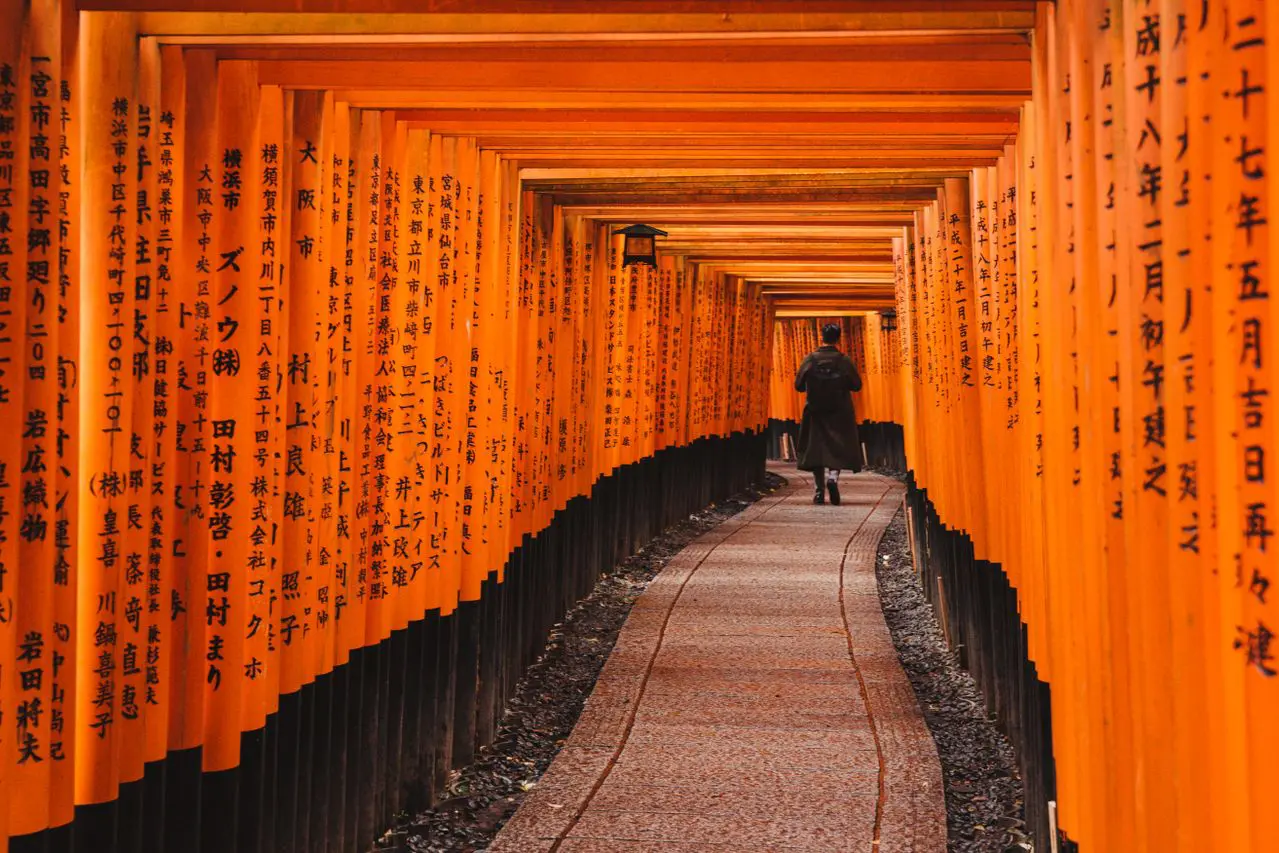
The common mistake: Kee-OH-toh, with three separate beats.
Say it like: KYOH-toh.
Why it tricks people: English readers often separate the “kyo” sound too much.
Easy cue: Treat “kyo” as one smooth sound. That same careful reading helps with many names you may meet while preparing for a first trip to Japan.
Famous Landmarks People Mispronounce
There is a reason landmarks are famous – we all like to visit them and each has its special thing. But, as they are from every country in the world, they too can be easily mispronounced. I have a fun landmark quiz for you here – and here are the famous landmarks people mispronounce.
23. The Louvre, Paris
The common mistake: Loo-ver.
Say it like: LOOV, or LOOV-ruh as a gentle French-style approximation.
Why it tricks people: English speakers want the final letters to do more than they actually do.
Easy cue: Keep it short. If you are thinking about the museum while planning Paris landmarks, “LOOV” is already much better than “Loo-ver.”
24. Champs-Élysées, Paris
The common mistake: Champs E-lie-sees.
Say it like: Shonz eh-lee-ZAY.
Why it tricks people: The spelling is visually familiar but not very helpful for English speakers. The “ch” is soft, the “mps” does not sound like English “champs,” and the ending is not “sees.”
Easy cue: Start with “shonz,” then finish with “zay.”
25. Arc de Triomphe, Paris
The common mistake: Ark dee triumph.
Say it like: Ark duh tree-OMF.
Why it tricks people: The final French sound does not match the English word “triumph.”
Easy cue: The last part is closer to “tree-omf.”
26. Notre-Dame, Paris
The common mistake: No-ter Dame.
Say it like: Not-ruh DAHM.
Why it tricks people: English readers tend to split the first word too sharply.
Easy cue: Soften “Notre” and keep “Dame” closer to “dahm.”
27. Montmartre, Paris
The common mistake: Mont-mart.
Say it like: Mon-MAR-truh.
Why it tricks people: The final “tre” is not a hard English “tart” ending.
Easy cue: Let the final sound be light.
28. Tuileries, Paris
The common mistake: Too-ler-eez.
Say it like: Twee-luh-REE.
Why it tricks people: The first letters do not sound the way many English readers expect.
Easy cue: Start with “twee.”
29. Sacré-Cœur, Paris
The common mistake: Sack-ray koor.
Say it like: Sah-kray KUR.
Why it tricks people: The last word does not use a long English “oo” sound.
Easy cue: Keep “Cœur” short and rounded, closer to “kur.”
30. Casa Batlló, Barcelona
The common mistake: Casa Bat-low.
Say it like: KAH-zah Bah-YOH, with some regional variation.
Why it tricks people: Catalan pronunciation does not follow the simple English reading of the letters.
Easy cue: The ending is closer to “yoh,” not “low.”
31. Sagrada Família, Barcelona
The common mistake: Sah-grah-dah Family-ah.
Say it like: Sah-GRAH-dah Fah-MEE-lyah.
Why it tricks people: The second word looks familiar to English speakers because of “family,” but the pronunciation is smoother.
Easy cue: Keep the stress on “MEE.”
32. Chichén Itzá, Mexico
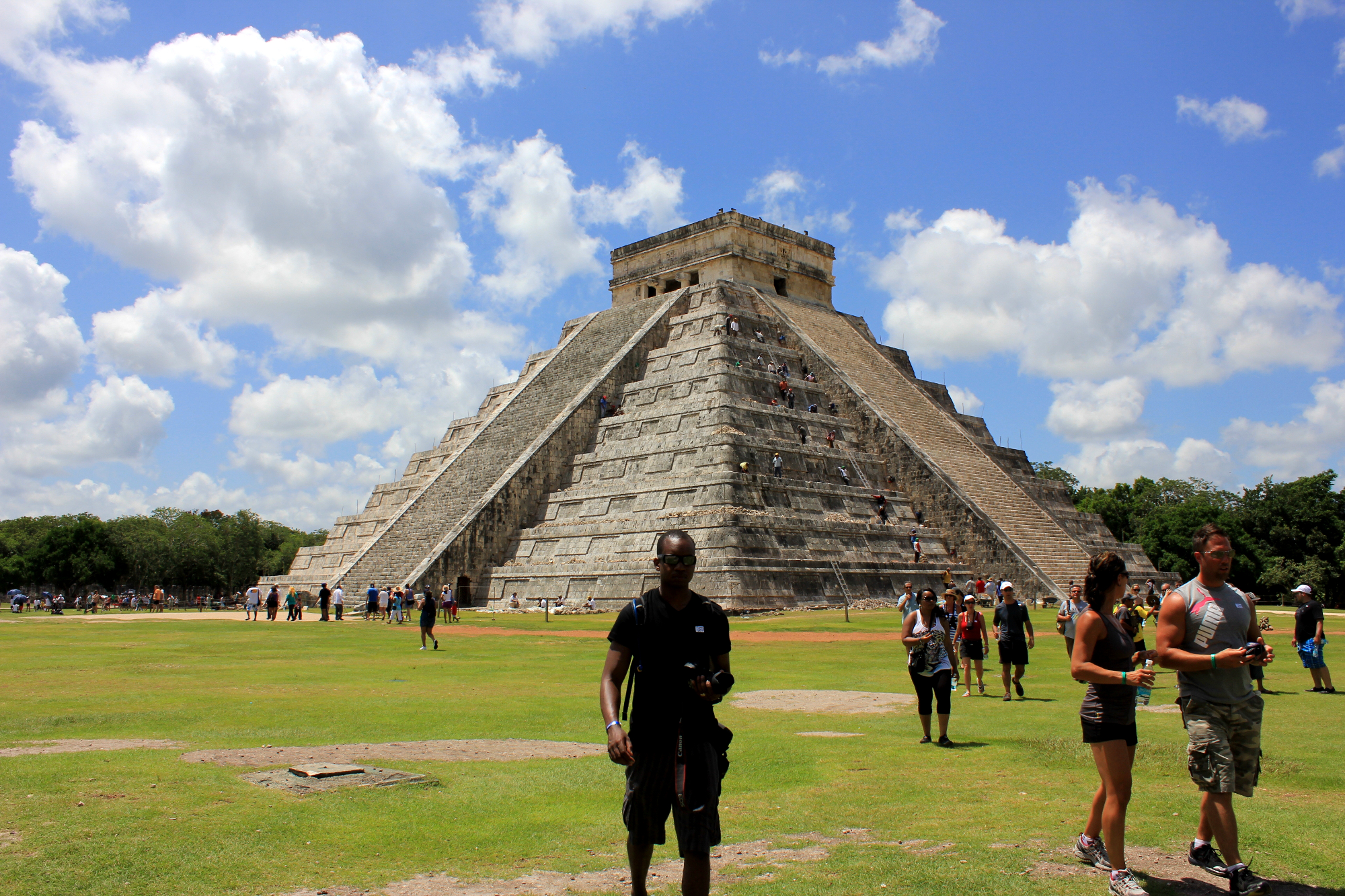
The common mistake: Chicken Itza.
Say it like: Chee-CHEN eet-SAH.
Why it tricks people: English readers often see “Chichen” and mentally turn it into “chicken.”
Easy cue: It starts with “chee,” not “chi” like chicken.
33. Teotihuacan, Mexico
The common mistake: Tee-oh-tee-hoo-ah-can.
Say it like: Tay-oh-tee-wah-KAN.
Why it tricks people: The middle looks longer and more separated than it sounds when spoken.
Easy cue: Think “tee-wah” in the middle, then end with “KAN.”
34. Machu Picchu, Peru
The common mistake: Match-you Pitch-you.
Say it like: MAH-choo PEEK-choo.
Why it tricks people: English spelling habits make both words feel sharper than they are.
Easy cue: “Mah-choo” and “peek-choo” are close enough for a traveler-friendly version.
35. Angkor Wat, Cambodia
The common mistake: An-gore Wat.
Say it like: ANG-kor Wat.
Why it tricks people: The first word is often stretched too much in English.
Easy cue: Keep the first syllable strong and the second shorter.
36. Burj Khalifa, Dubai
The common mistake: Burj Ka-liff-ah.
Say it like: Burj Kah-LEE-fah.
Why it tricks people: The stress often lands in the wrong place for English speakers.
Easy cue: Put the emphasis on “LEE.”
37. Sheikh Zayed Grand Mosque, Abu Dhabi
The common mistake: Sheek Zay-ed.
Say it like: Shaykh ZAH-yed.
Why it tricks people: Arabic names often lose some nuance when simplified into English spelling.
Easy cue: “Sheikh” is closer to “shaykh,” and “Zayed” starts with “zah.”
38. Neuschwanstein Castle, Germany
The common mistake: New-shwan-steen.
Say it like: Noy-SHVAN-shtine.
Why it tricks people: German letter combinations can look intimidating if you try to read them as English.
Easy cue: “Neu” sounds closer to “noy,” and “stein” is closer to “shtine.”
39. Kiyomizu-dera, Kyoto
The common mistake: Kiyo-mizoo-dare-ah.
Say it like: Kee-yo-MEE-zoo DEH-rah.
Why it tricks people: The syllables are easier when you slow down and do not force English stress patterns onto the name.
Easy cue: Break it into calm syllables.
40. Taj Mahal, India
The common mistake: Tahj Ma-HALL, rhyming the second word with “mall.”
Say it like: Tahj Ma-HAHL.
Why it tricks people: English speakers often pull the second word toward a familiar English “hall” sound.
Easy cue: The final sound is closer to the “a” in “father.”
41. Colosseum / Colosseo, Rome
The common mistake: Treating the Italian name as if it were the English word.
Say it like: In English, Kol-uh-SEE-um. In Italian, Koh-loh-SAY-oh.
Why it tricks people: The English name and Italian name are not pronounced the same way.
Easy cue: Use Colosseum in English. Use Colosseo if you want the Italian name. You will meet this type of difference often when reading about major places to visit in Italy, from Rome to Bologna.
42. Parthenon, Athens
The common mistake: Par-the-NOHN.
Say it like: PAR-thuh-non.
Why it tricks people: English speakers sometimes push the stress too far toward the end.
Easy cue: Put the weight at the beginning.
43. Acropolis, Athens
The common mistake: Ak-roh-POH-lis.
Say it like: Uh-KROP-uh-lis.
Why it tricks people: The stress often lands in the wrong place.
Easy cue: The middle “KROP” carries the name. If Greek names interest you, you may also enjoy seeing how much meaning is packed into Greek sayings.
Famous Museums People Mispronounce
Museum names deserve their own section because there are many that can be challenging.
44. Rijksmuseum, Amsterdam
The common mistake: Ricks-museum.
Say it like: RIKES-mew-zay-um as a simple traveler cue.
Why it tricks people: Dutch spelling does not give English speakers an easy path.
Easy cue: Start closer to “rikes,” not “ricks.”
45. Musée d’Orsay, Paris
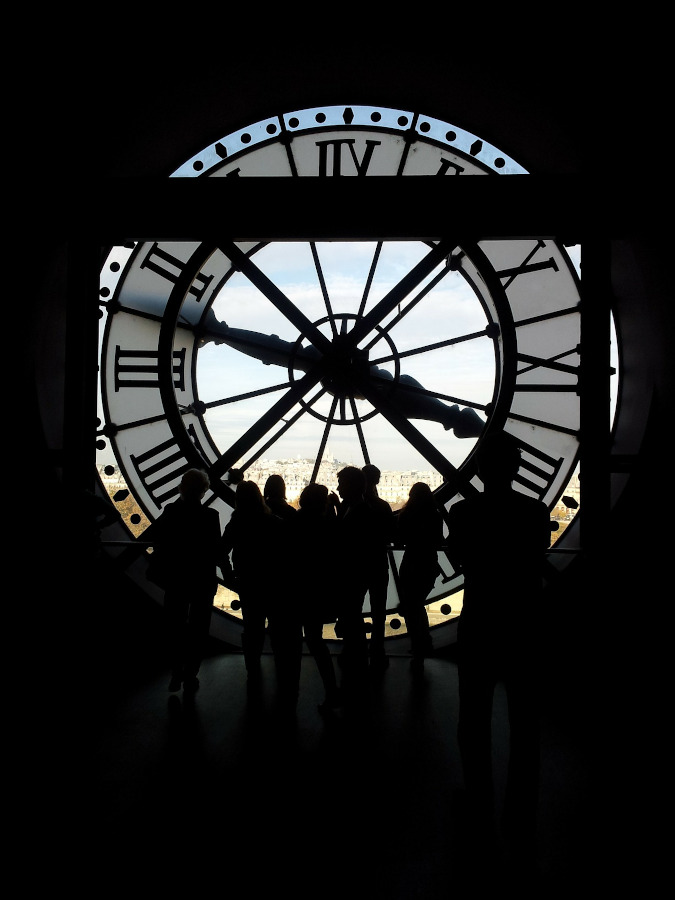
The common mistake: Musee d’Or-say.
Say it like: Mew-ZAY dor-SAY.
Why it tricks people: The accent and apostrophe make it look more complicated than it needs to be for basic travel pronunciation.
Easy cue: “Mew-zay” is the main part to remember.
46. Uffizi Gallery, Florence
The common mistake: You-fizzy.
Say it like: Oo-FEET-see.
Why it tricks people: The double “f” and “z” pull English speakers toward a playful but inaccurate sound.
Easy cue: It starts with “oo,” and the middle sounds like “feet.” This is one of those names worth knowing if you enjoy Italian art, Florence, or Italy trivia.
47. Guggenheim, Bilbao / New York
The common mistake: Gug-en-heem.
Say it like: GOO-gen-hime.
Why it tricks people: The ending often gets pulled toward “heem,” but the common English pronunciation is closer to “hime.”
Easy cue: The first syllable is “goo.”
48. Hermitage Museum, St. Petersburg
The common mistake: Her-mit-age only.
Say it like: HER-mi-tazh for the Russian museum context; HER-mi-tij is also heard in English.
Why it tricks people: The word exists in English, but the museum name is often pronounced with a softer ending.
Easy cue: For the museum, expect a more elegant final sound than “age.”
49. Kunsthistorisches Museum, Vienna
The common mistake: Trying to guess the whole word from English spelling.
Say it like: Kunst-his-TOR-ish-es Moo-ZAY-um.
Why it tricks people: German compound words look long, but they are easier when split into parts.
Easy cue: Break it into “Kunst,” “historisches,” and “Museum.” If Vienna is on your itinerary, I have some Vienna travel tips. for you too.
50. Pergamon Museum, Berlin
The common mistake: Per-GAY-mon.
Say it like: PER-gah-mon.
Why it tricks people: English speakers sometimes move the stress to the middle.
Easy cue: Put the stress at the beginning.
51. Van Gogh Museum, Amsterdam
The common mistake: Van Go as the only version.
Say it like: Van GOKH in a Dutch-style approximation; Van GO is common in English.
Why it tricks people: The Dutch “Gogh” sound does not exist neatly in English.
Easy cue: In English conversation, “Van Go” is understood. In Amsterdam, you will hear something closer to a throaty “Gokh.”
Islands, Beaches, and Natural Wonders People Say Wrong
Natural places can be even harder than cities because their names often come from Indigenous languages, local island languages, Spanish, Italian, Dutch, French, or older geographic terms. If you are looking for how to pronounce famous travel destinations correctly, these are the names where English spelling can lead you far away from the sound people actually use.
52. Yosemite National Park, USA
The common mistake: Yo-se-might.
Say it like: Yoh-SEM-it-ee.
Why it tricks people: The ending looks like “might” to English readers.
Easy cue: Four syllables: yo-sem-it-ee.
53. Acadia National Park, USA
The common mistake: Ah-cah-dee-ah.
Say it like: Ah-KAY-dee-ah.
Why it tricks people: The stress often lands too early.
Easy cue: The middle sounds like “kay.”
54. Denali, Alaska
The common mistake: DEN-ah-lee.
Say it like: Deh-NAH-lee.
Why it tricks people: English speakers may put too much weight on the first syllable.
Easy cue: Let the middle syllable carry the name.
55. Sequoia, California
The common mistake: Seh-kwee-oh-ah.
Say it like: Suh-KWOY-ah.
Why it tricks people: The cluster of vowels makes people over-separate the word.
Easy cue: “KWOY” is the center.
56. Torres del Paine, Chile
The common mistake: Torres del Pain.
Say it like: TOR-rehs del PIE-neh.
Why it tricks people: “Paine” looks like the English word “pain,” but it is not pronounced that way in the Spanish travel context.
Easy cue: Think “pie-neh,” not “pain.”
57. Ngorongoro Crater, Tanzania
The common mistake: No-goron-goro.
Say it like: Ngoh-ron-GOH-roh.
Why it tricks people: The opening sound is unfamiliar to many English speakers.
Easy cue: Start gently and let the middle “GOH” stand out.
58. Uluru, Australia
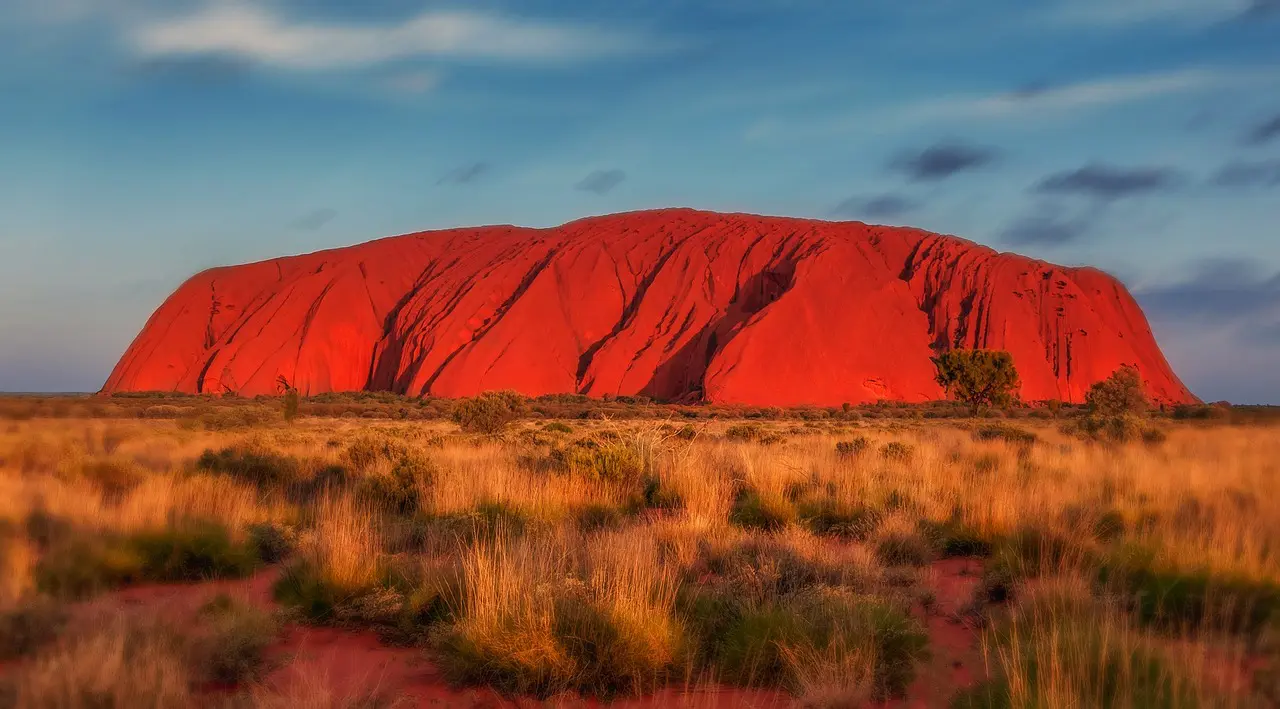
The common mistake: You-luh-roo.
Say it like: Oo-loo-ROO.
Why it tricks people: English readers often turn the first “U” into “you.”
Easy cue: Start with “oo.”
59. Fiordland, New Zealand
The common mistake: Fire-dland.
Say it like: Fee-ord-land or Fjord-land.
Why it tricks people: “Fiord” is not read like “fire.”
Easy cue: Think of “fjord,” not “fire.”
60. Sossusvlei, Namibia
The common mistake: Soss-us-vlee.
Say it like: SOSS-us-flay.
Why it tricks people: The “vlei” ending does not look intuitive to English readers.
Easy cue: End with something close to “flay.”
61. Curaçao, Caribbean
The common mistake: Cure-ah-kay-oh.
Say it like: CURE-ah-sow.
Why it tricks people: The “ç” gives a soft “s” sound, and the ending is not “kay-oh.”
Easy cue: It rhymes roughly with “now.”
62. Seychelles
The common mistake: Sey-chelle-eez.
Say it like: Say-SHELLZ.
Why it tricks people: The spelling looks longer than the spoken name.
Easy cue: Say “shells” at the end.
63. Maldives
The common mistake: Mal-dives, rhyming with “scuba dives.”
Say it like: MAHL-deevz or MAL-deevz.
Why it tricks people: The ending looks like the English word “dives.”
Easy cue: It rhymes more with “leaves” than “dives.”
64. Ibiza, Spain
The common mistake: Eye-BEE-zah.
Say it like: Ee-BEE-thah in much of Spain, or Ee-BEE-zah in other Spanish-speaking contexts.
Why it tricks people: The “z” can change depending on accent and region.
Easy cue: Avoid starting with “eye.”
65. Oʻahu, Hawaii
The common mistake: Oh-ah-who.
Say it like: Oh-AH-hoo.
Why it tricks people: Hawaiian names often use vowel patterns that English readers separate awkwardly.
Easy cue: Keep the middle “AH” clear.
66. Kauaʻi, Hawaii
The common mistake: Cow-eye.
Say it like: Kah-WAH-ee.
Why it tricks people: The written vowels invite an English shortcut that misses the rhythm.
Easy cue: Three gentle parts: kah-wah-ee.
67. Maui, Hawaii
The common mistake: Maw-ee.
Say it like: MOW-ee.
Why it tricks people: The first syllable is often flattened.
Easy cue: Start like “mow.”
68. Cinque Terre, Italy
The common mistake: Sink Terre.
Say it like: CHEEN-kweh TEH-rreh.
Why it tricks people: Italian “c” before “i” often sounds like “ch,” and “qu” needs a “kw” sound.
Easy cue: Start with “cheen,” not “sink.”
69. Capri, Italy
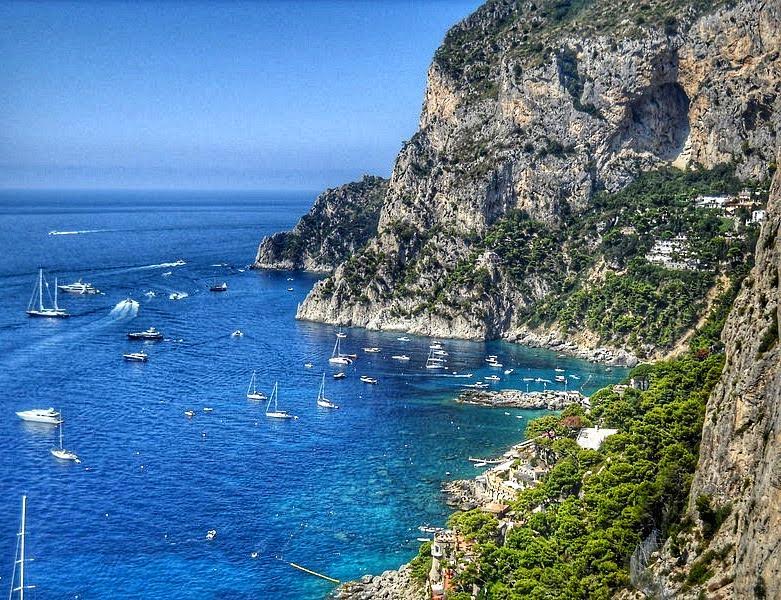
The common mistake: Cap-ree.
Say it like: KAH-pree.
Why it tricks people: English speakers often start with the short “cap” sound.
Easy cue: The first syllable is more open, like “kah.”
70. River Thames, England
The common mistake: River Thaymz.
Say it like: River TEMZ.
Why it tricks people: The “th” is not pronounced like the English “th” in this name.
Easy cue: It rhymes with “gems.”
71. Antigua
The common mistake: An-TEE-gwa.
Say it like: An-TEE-guh.
Why it tricks people: The ending does not use a strong “gwa” sound in common English pronunciation.
Easy cue: Keep the final sound short.
72. The Himalayas
The common mistake: Him-uh-LAY-uhz as the only version.
Say it like: Him-AHL-yuhz is closer to the traditional pattern, though Him-uh-LAY-uhz is common in English.
Why it tricks people: This is one of those names where standard English usage and closer regional pronunciation do not always match.
Easy cue: Be aware of both forms, especially when speaking with people from the region.
73. Newfoundland, Canada
The common mistake: New-FOUND-land.
Say it like: New-fin-LAND.
Why it tricks people: The middle gets compressed more than the spelling suggests.
Easy cue: Put the stress near the end.
74. Galápagos Islands, Ecuador
The common mistake: Gah-lah-pah-GOHS.
Say it like: Gah-LAH-pah-gohs.
Why it tricks people: The accent mark tells you where the stress belongs.
Easy cue: The second syllable carries the name.
75. Chamonix, France
The common mistake: Sham-oh-nix.
Say it like: SHAM-oh-nee.
Why it tricks people: The final “x” is silent in the French pronunciation.
Easy cue: Do not pronounce the final “x.”
Countries and Regions Travelers Often Mispronounce
Country names need a little more care because pronunciation can connect to identity, politics, language, and common English usage. With some mispronounced country names, there is one clear correction. With others, there is a local version, a standard English version, and several regional habits.
I am including below both countries and regions (like those in the UK) that may be mispronounced.
76. Qatar
The common mistake: A very hard “ka-TAR” or “gwi-TAR” style guess.
Say it like: KAH-tar or KUH-tar are common English approximations.
Why it tricks people: The Arabic “q” has a sound English does not reproduce perfectly.
Easy cue: For international travel conversation, use a clear “KAH-tar” or “KUH-tar” rather than forcing a sound you cannot naturally make.
77. Türkiye
The common mistake: Turkey only, in contexts where the country now uses Türkiye internationally.
Say it like: TOOR-kee-yeh.
Why it tricks people: Many English speakers still know the country by its older English name.
Easy cue: Think “toor-kee-yeh,” with three clear parts. If the country is on your radar, names like Türkiye, Cappadocia, and Pamukkale may also appear when looking at places to visit in Turkey.
78. Colombia
The common mistake: Co-LUM-bee-ah.
Say it like: Co-LOM-bee-ah.
Why it tricks people: English speakers sometimes confuse Colombia with Columbia.
Easy cue: There is an “o” sound in the middle, not “lum.”
79. Laos
The common mistake: One fixed answer for every context.
Say it like: LAY-oss is common in American English; Lao/Low is closer in some local and regional contexts.
Why it tricks people: English usage and local usage do not always match perfectly.
Easy cue: Be aware of both, especially if you are speaking with people from the region.
80. Oman
The common mistake: OH-man.
Say it like: Oh-MAHN.
Why it tricks people: The stress belongs later than many English readers expect.
Easy cue: Put the weight on “MAHN.”
81. Iran
The common mistake: Eye-ran.
Say it like: Ee-RAHN.
Why it tricks people: The English spelling invites an “eye” sound at the beginning.
Easy cue: Start with “ee.”
82. Iraq
The common mistake: Eye-rack.
Say it like: Ee-RAHK.
Why it tricks people: Like Iran, the first syllable often gets anglicized too sharply.
Easy cue: Start with “ee,” not “eye.”
83. Niger
The common mistake: A harsh English guess that can sound offensive.
Say it like: Nee-ZHAIR.
Why it tricks people: The country name follows a French-influenced pronunciation in English usage.
Easy cue: Think of a soft French-style ending.
84. Pakistan
The common mistake: One universal version treated as the only acceptable one.
Say it like: Pah-kee-STAHN is closer to the regional pronunciation; PACK-iss-stan is common in English.
Why it tricks people: English media usage and regional pronunciation often differ.
Easy cue: In careful travel or cultural conversation, the “stahn” ending sounds closer.
85. Côte d’Ivoire
The common mistake: Coat dee-vore.
Say it like: Coat dee-VWAHR.
Why it tricks people: The French name is official in international use, and the ending does not sound like English “vore.”
Easy cue: End with something close to “vwahr.”
86. Chile
The common mistake: Chili, like the food.
Say it like: CHEE-lay.
Why it tricks people: The spelling looks identical to the English word “chile” in some contexts.
Easy cue: It has two open syllables: chee-lay.
87. Worcestershire, England
The common mistake: Wor-ces-ter-shire.
Say it like: WUSS-ter-sher.
Why it tricks people: The spelling looks like a trap because, frankly, it is one for anyone reading it as modern English.
Easy cue: If you know Worcester, add a light “sher.”
88. Gloucestershire, England
The common mistake: Glow-ces-ter-shire.
Say it like: GLOSS-ter-sher.
Why it tricks people: Like Worcestershire, it carries older English spelling patterns.
Easy cue: Start like “gloss,” not “glow.”
89. Malta
The common mistake: MAL-tah, with the first syllable like “pal.”
Say it like: MAWL-tuh or MOL-tuh, depending on accent.
Why it tricks people: English accents vary, but the first vowel is often rounder than visitors expect.
Easy cue: Avoid making it sound too much like “mal” in “malfunction.” If you are planning a historic island trip, it is a useful name to know before visiting Malta.
90. Kiribati
The common mistake: Keer-ih-BAH-tee.
Say it like: Keer-ih-BAHS.
Why it tricks people: In Gilbertese, the “ti” is pronounced closer to “s.”
Easy cue: The ending is not “tee.”
91. Lesotho
The common mistake: Le-SOO-thoh.
Say it like: Le-SOO-too.
Why it tricks people: The “th” does not sound like English “th.”
Easy cue: Treat it closer to a “t” sound.
92. Guatemala
The common mistake: Gwa-tuh-MAH-lah.
Say it like: Gwah-teh-MAH-lah.
Why it tricks people: English speakers often flatten the second syllable too much.
Easy cue: Keep the “teh” sound clear.
The Travel Pronunciation Rules That Help Most
After seeing these famous places people mispronounce, patterns become easier to notice. You do not have to memorize every language rule in the world, but a few habits can help you guess more carefully when a name looks unfamiliar.
Silent letters can change everything
Cannes, Leicester, Worcester, Gloucester, Chamonix, and Mackinac are good reminders that not every visible letter deserves a sound. English place names and French place names both have many examples where the written word carries history, while the spoken word has become shorter.
French names often look longer than they sound
Versailles, Louvre, Champs-Élysées, Tuileries, Montmartre, Sacré-Cœur, and Chamonix are all easier if you stop trying to pronounce them as English words. French endings can soften, disappear, or compress in ways that feel strange at first. If you enjoy the language side of travel, French is also full of expressions and cultural clues, which is one reason French proverbs are so interesting to compare with sayings from other languages.
The letter J can move toward a Y sound
Reykjavík and Ljubljana are two useful examples. English speakers see “j” and expect a hard sound, but many languages use it in a much softer way.
X is not always X
Oaxaca is the perfect example. If you read it with a modern English “x,” you are nowhere near the common pronunciation. Spanish, older spellings, and Indigenous-origin names can use letters in ways that surprise English readers.
Local pronunciation and common English pronunciation can both exist
Qatar, Laos, Montreal, Ibiza, Van Gogh, Pakistan, Munich/München, and Colosseum/Colosseo all show why travel pronunciation is not always a neat right-or-wrong issue. A local pronunciation may be closer in one context, while a standard English pronunciation may be understood internationally.
Do not over-accent names
Trying to say a name better is respectful. Forcing an accent can sound awkward. A clear, modest approximation is usually the safest choice, especially when you are asking for directions, ordering a taxi, or talking to someone who already knows you are a visitor.
Learn the names on your actual itinerary first
You do not need to master every destination in the world before taking a trip. Start with the airport, city, neighborhood, hotel area, main station, museums, day trips, food names, and major landmarks you know you will mention. That is the useful part. And honestly, if you like lifelong learning, this can become a fun travel habit, almost like reading Japanese proverbs or noticing how different cultures compress wisdom into a few memorable words.
When Pronunciation Actually Helps During Travel
Travel pronunciation is not only trivia. It helps in ordinary moments: asking a hotel receptionist about transport, telling a taxi driver where you want to go, checking a train platform, buying museum tickets, talking to a tour guide, using voice search, or explaining your itinerary to someone who does not have the written name in front of them.
It can also make travel planning less stressful. When you are dealing with maps, neighborhoods, attractions, local foods, museum names, and transport stops, pronunciation becomes part of understanding the place. The same applies when using tools for travel research. AI can help with route ideas and comparisons, but as I mentioned in my article about AI travel planning mistakes, the details still need human checking.
Quick Challenge: How Many Did You Already Know?
Now that you have gone through the full list, here is the fun part. No pressure, no scorekeeping unless you want to count. Just check how many of these you would have said correctly before reading the article.
1. Cannes: Cans or KAN?
2. Edinburgh: Ed-in-burg or ED-in-bruh?
3. Yosemite: Yo-se-might or Yoh-SEM-it-ee?
4. Leicester: Lie-ces-ter or LESS-ter?
5. Chichén Itzá: Chicken Itza or Chee-CHEN eet-SAH?
6. Phuket: F sound or P sound?
7. Rijksmuseum: Ricks-museum or RIKES-museum?
8. Worcestershire: Wor-ces-ter-shire or WUSS-ter-sher?
9. Champs-Élysées: Champs E-lie-sees or Shonz eh-lee-ZAY?
10. Oaxaca: Oh-ax-ah-cah or Wah-HAH-kah?
11. Curaçao: Cure-ah-kay-oh or CURE-ah-sow?
12. Ljubljana: Loo-bluh-jan-ah or Lyoo-BLYAH-nah?
13. Neuschwanstein: New-shwan-steen or Noy-SHVAN-shtine?
14. Budapest: Boo-da-pest or Boo-da-pesht?
15. La Jolla: La Joll-ah or La HOY-ah?
16. Chamonix: Sham-oh-nix or SHAM-oh-nee?
17. Taj Mahal: Ma-HALL or Ma-HAHL?
18. Kiribati: Keer-ih-BAH-tee or Keer-ih-BAHS?
If you enjoy this kind of travel challenge, you may also like going through broader Europe travel trivia before your next quiz night or family game.
Bonus: U.S. Place Names That Trick Americans Too
Mispronounced travel names are not only an international problem. The United States has plenty of local names that confuse visitors, new residents, and even Americans from other states. Many come from French, Spanish, Native American languages, Dutch, older local usage, or pronunciations that simply became local tradition.
La Jolla, California
The common mistake: La Joll-ah.
Say it like: La HOY-ah.
Easy cue: The double “l” moves toward a Spanish-style “y” sound.
Houston Street, New York City
The common mistake: HYOOS-ton Street.
Say it like: HOW-ston Street.
Easy cue: The New York street is not pronounced like the city in Texas.
Spuyten Duyvil, Bronx
The common mistake: A full spelling-based guess.
Say it like: SPY-tin DIE-vul.
Easy cue: Dutch-origin names in New York can look very unfriendly to English readers.
Kosciuszko Bridge, New York
The common mistake: Koz-ee-as-ko.
Say it like: Ko-SHOO-sko.
Easy cue: Polish-origin names often carry sound patterns English spelling does not show well.
Louisville, Kentucky
The common mistake: Lewis-ville only.
Say it like: LOO-uh-vul or LOO-ee-vil, depending on local style.
Easy cue: Locals often soften the middle more than visitors expect.
New Madrid, Missouri
The common mistake: New Mah-DRID, like Spain’s capital.
Say it like: New MAD-rid.
Easy cue: The Missouri pronunciation is local, not Spanish.
Cairo, Illinois
The common mistake: KYE-ro, like Egypt’s capital in common English.
Say it like: KAY-ro.
Easy cue: Local U.S. pronunciations often separate from international city names.
Versailles, Kentucky
The common mistake: Ver-SIGH, like the French palace city.
Say it like: Ver-SALES.
Easy cue: This is the opposite of the French version.
Mackinac Island, Michigan
The common mistake: Mack-in-ack.
Say it like: MACK-in-aw.
Easy cue: The final “c” is silent.
Willamette, Oregon
The common mistake: Will-ah-met.
Say it like: Will-AM-it.
Easy cue: The stress goes in the middle.
Puyallup, Washington
The common mistake: Poo-yah-lup.
Say it like: Pew-AL-up.
Easy cue: Think “pew,” then “al-up.”
Schenectady, New York
The common mistake: Shen-ek-tah-dee.
Say it like: Skuh-NEK-tuh-dee.
Easy cue: The middle “NEK” carries the word.
Save This Before Your Next Trip
If you do not want to remember all 90 names at once, start with these. They are common enough to appear in travel conversations, quizzes, itineraries, museum plans, maps, and destination articles.
Cannes — KAN.
Edinburgh — ED-in-bruh.
Yosemite — Yoh-SEM-it-ee.
Leicester — LESS-ter.
Worcestershire — WUSS-ter-sher.
Chichén Itzá — Chee-CHEN eet-SAH.
Rijksmuseum — RIKES-museum.
Casa Batlló — KAH-zah Bah-YOH.
Phuket — Poo-KET.
Curaçao — CURE-ah-sow.
Qatar — KAH-tar or KUH-tar.
Oaxaca — Wah-HAH-kah.
Ljubljana — Lyoo-BLYAH-nah.
Reykjavík — RAYK-yah-veek.
Louvre — LOOV.
Champs-Élysées — Shonz eh-lee-ZAY.
Seychelles — Say-SHELLZ.
Cinque Terre — CHEEN-kweh TEH-rreh.
Neuschwanstein — Noy-SHVAN-shtine.
La Jolla — La HOY-ah.
Chamonix — SHAM-oh-nee.
Kyoto — KYOH-toh.
Taj Mahal — Tahj Ma-HAHL.
Kiribati — Keer-ih-BAHS.
Travel names are a small part of trip preparation, but they can make conversations smoother. They can also turn into a surprisingly fun language game, much like travel riddles, destination quizzes, or cultural word lists. And if you like comparing languages, you may find the same kind of pleasure in Italian proverbs, Latin phrases, or even food names you meet while deciding what to eat in Hungary.
Conclusion
Mispronouncing a famous place name is not the end of the world. It happens because languages carry history, local sounds, borrowed spellings, silent letters, old habits, and exceptions that do not always make sense from the outside.
But learning a few names before a trip is useful. It helps when you ask for directions, talk to hotel staff, book tickets, discuss an itinerary, or tell someone where you have been. It also makes travel feel a little more connected to the real place, not only to the spelling you saw online.
I like this kind of learning because it is small, practical, and never fully finished. There is always another city, another landmark, another museum, another food name, another phrase, and another language pattern that makes you realize how much there is still to discover.
So now I am curious: which famous travel name have you been mispronouncing for years?
FAQ: How to Pronounce Famous Travel Names
What famous travel names are often mispronounced?
Some of the most commonly mispronounced famous travel names include Cannes, Edinburgh, Yosemite, Chichén Itzá, Champs-Élysées, Louvre, Rijksmuseum, Phuket, Qatar, Curaçao, Leicester, Worcestershire, Oaxaca, Ljubljana, Neuschwanstein, Chamonix, Taj Mahal, Kiribati, and La Jolla.
Why are famous place names so hard to pronounce?
Many famous place names come from languages with different sound rules than English. Others include silent letters, older spellings, Indigenous or regional language roots, French endings, Dutch spelling patterns, Spanish letter changes, or accepted local pronunciations that do not match the way an English speaker would read the word.
Should travelers use the local pronunciation?
Use the local pronunciation when you can say it naturally enough to be understood. A clear traveler-friendly approximation is usually better than avoiding the name or forcing an accent. For names with several accepted versions, the context helps: speaking English with other travelers may call for one version, while speaking with locals may encourage a closer local pronunciation.
Is it rude to mispronounce a place name?
Usually, no. People understand that travelers are learning. Still, making a small effort with the major places on your itinerary is practical and respectful. It can also help you avoid confusion when asking for directions, booking transport, or discussing tickets and tours.
What is the easiest way to remember hard travel names?
Use simple cues. Notice silent letters, break long names into smaller parts, watch letters like J and X, and connect the pronunciation to a familiar sound. For example, Cannes sounds like “can,” Yosemite has four syllables, Oaxaca starts with “wah,” Chamonix drops the final “x,” and Worcestershire becomes much easier when you stop trying to pronounce every letter.
Photo sources apart from my own and Dreamstime: 1, 2, 3
More amazing articles for you:
Europe Ditches Old Border Checks: Biometric Entry/Exit System Goes Live - What Travelers Need to Kno...
Study: 40% of Millennials value “instagrammability” the most when choosing a holiday destination
The Louvre Raises Ticket Prices by 45% - And the New Policy Is Sparking Backlash
These 200 Travel Would You Rather Questions Make Long Drives, Airport Waits, Train Rides, and Hotel ...
Hidden London gems - experience London like a local: 10 cool places you won’t find in the guidebooks
Traveling Beyond the Plane: Exciting Ways to Explore the World
What to Do In Warwickshire
Local's guide to Detroit with the best Detroit activities

Violeta-Loredana Pascal is a communications expert, business mentor, and the founder of Earth’s Attractions and PRwave INTERNATIONAL. A pioneer in the Romanian digital PR landscape since 2005, she holds a degree in Communication and Social Sciences from SNSPA Bucharest. Violeta is a senior trainer at AcademiadeAfaceri.ro, where she leverages over 20 years of experience to teach professional courses in PR strategy and workplace productivity. By blending high-level business consulting with a passion for holistic travel and wellness, she empowers solopreneurs to overcome procrastination, build profitable brands, and design a life of purposeful adventure.