Vienna was the destination of my first vacation abroad, and it was a city I had wanted to visit for years. That first trip was short – only a day and a half on our way to Germany – but it began a personal connection that brought me back for a second visit. I’m already planning to return.
Vienna is filled with extraordinary historic landmarks, imperial palaces, art museums, churches, concert halls, parks, cafés, and neighborhoods that make you fall in love with the city. It also has something to offer year-round, whether you visit during the busy summer season, the Christmas market period, or a quieter month such as March in Vienna.
Choosing where to stay in Vienna for the first time can still be confusing. The city has 23 districts, and accommodation descriptions regularly use phrases such as “central Vienna,” “near the Old Town,” or “minutes from the main attractions.” But you need to pay attention to more details when choosing your stay in Vienna.
The right Vienna district depends on how many full sightseeing days you have, which attractions you want to visit, how you’re arriving, and what you need from your hotel. Below, I’m sharing where we stayed during our two trips to Vienna – we chose different districts and hotels – along with practical tips to help you find the best Vienna accommodation for your trip.
This guide compares the Vienna districts that are genuinely useful for a first visit, including the specific parts of each district that work best, their transport advantages, their parking limitations, and the room details you should verify before booking.
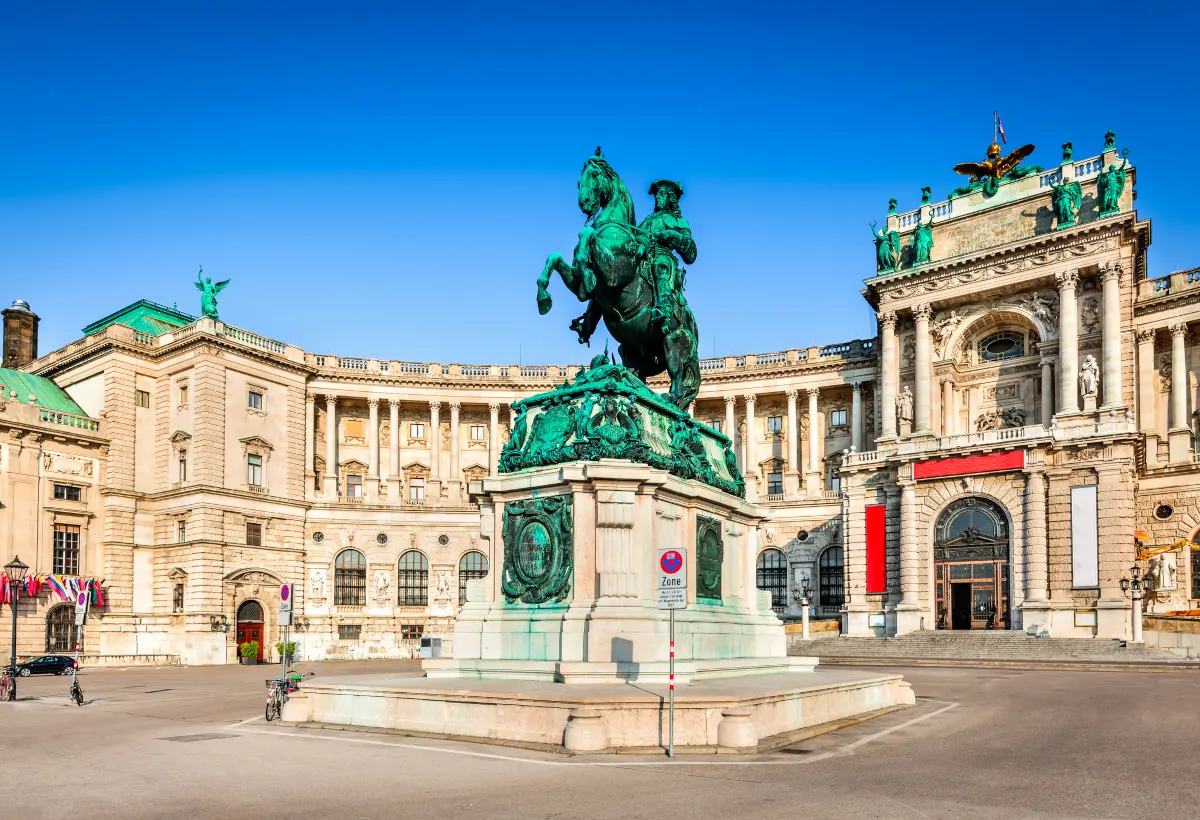
ID 74728361 ©Emicristea | Dreamstime.com
City Centre or Transport Hub? What My Two Vienna Trips Taught Me
My two stays in Vienna show that it is all about choosing what works best for you!
Our 1.5-day visit – why location came first
Vienna was part of a longer car trip, and we had only a day and a half available. We knew we couldn’t see everything, so every unnecessary journey across the city would reduce the time available for the places we had traveled there to visit.
We stayed at Hotel Zipser in Josefstadt, Vienna’s 8th District. At the time of our visit, it offered a good price for us, parking was available nearby, and its location allowed us to reach several central areas without paying for a hotel inside Innere Stadt.
We were close enough to the Rathaus and Ringstraße area to use the hotel as a practical sightseeing base. That was more useful for a short trip than choosing a larger or cheaper room farther from the attractions on our itinerary.
That first Vienna visit also taught me why a short itinerary has to be realistic. You can see several important places, but Vienna’s palaces and many museums can easily take half a day or longer. A hotel that removes one unnecessary transfer can give you more time inside the places you came to experience.
Our longer visit – why Praterstern was the best choice for us
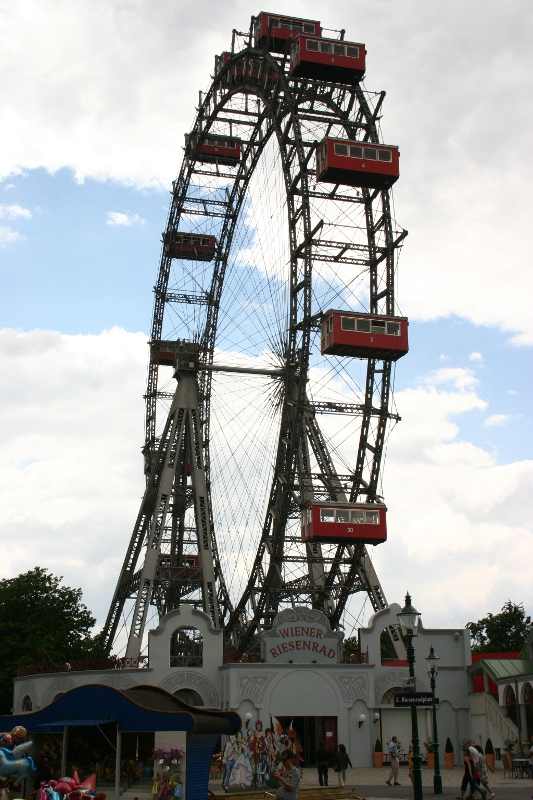
Our plans were different during the second trip. We wanted to visit the Prater, but we also intended to explore attractions in several areas of Vienna.
We stayed at Hotel Cristall near Praterstern. Free parking was available during our stay, the price suited our budget, and we were close to both the Prater and a major public transport hub.
Once the car was parked, we used public transport around Vienna. This was cheaper and more comfortable than driving from one attraction to another, searching for a new parking space, and returning to the car throughout the day.
Praterstern gave us convenient connections to many parts of the city, while the location also allowed us to spend plenty of time at one of my favorite places in Vienna.
Hotel ownership, facilities, prices, and parking policies can change. I’m using Hotel Cristall as an example of the location strategy that worked during our stay rather than recommending that anyone book it now without checking its current status and facilities.
The city-centre-versus-transport-hub rule
Choose a central or Ring-adjacent base when: your visit is very short, most of your priority attractions are concentrated in central Vienna, or you want to return to the hotel during the day.
Choose a transport-hub base when: you have several days, your attractions are spread across Vienna, or the hotel provides better rooms, breakfast, or parking for the same total budget.
Choose neither automatically. A poor hotel beside a major station can be less useful than a comfortable property one tram stop farther away. An expensive central hotel may not save much time when most of your plans are outside District 1.
The main lesson from both trips
For a short Vienna visit: protect your sightseeing time.
For a longer visit: transport connections, room comfort, and total cost become more important.
When arriving by car: secure a suitable parking option, then use Vienna’s public transport for most city sightseeing.
These principles are useful whenever you create a complete travel plan: start with the trip you’re actually taking rather than copying an accommodation recommendation made for someone with a different itinerary.
Choose Your Vienna Base in Five Minutes
You don’t need to research all 23 Vienna districts before opening a hotel-booking website. Answer these five questions first.
1. How many full sightseeing days do you have?
Count usable hours, not hotel nights.
A three-night reservation may provide only two full days if you arrive late and leave early. A hotel near your first attractions may therefore justify a higher rate. With five or six days, you have more freedom to stay near a transport hub or in a quieter neighborhood.
| Time in Vienna | Location strategy |
|---|---|
| One day or 1.5 days | Stay beside the Ring or close to the main attraction cluster on your itinerary |
| Two full days | Choose central walking access or one direct underground connection |
| Three full days | Central districts and major transport hubs are both practical |
| Four or five days | Compare room comfort, breakfast, parking, and neighborhood facilities |
| One week or longer | Consider more space, a refrigerator, laundry access, or an apartment-style property |
2. Which three places are your priorities?
Choose the three attractions you would regret missing. Then check the route from each hotel to those places.
A visitor focusing on Stephansdom, the Hofburg, and the Vienna State Opera has different needs from someone planning Schönbrunn, the Technical Museum, and the zoo. A museum-heavy trip may work well near MuseumsQuartier, while a family planning a full Prater day may benefit from Leopoldstadt.
Vienna’s attractions are spread across several districts. The historic centre is important, but not everything you may want to see is there. These Vienna tips for first-time visitors can help you decide which places deserve priority before choosing your hotel.
3. How are you arriving?
A hotel can be excellent for someone arriving by train and frustrating for someone arriving by car.
Check whether you’ll arrive through Vienna International Airport, Hauptbahnhof, Westbahnhof, Praterstern, or by road. Then calculate the complete arrival route, including luggage, changes, station exits, and the walk to reception.
4. What are your hotel requirements?
My accommodation requirements are quite specific. I usually look for at least a three-star hotel, a buffet breakfast included in the price, air conditioning, parking inside the property or genuinely nearby, a minibar or refrigerator, and a private bathroom with opaque walls and a solid door.
Your priorities may be completely different. You may accept a private room without breakfast to reduce the price, or you may need a family suite, accessible bathroom, late reception, kitchen, or connecting rooms.
Write down what is essential before comparing hotels. Otherwise, an attractive rate can persuade you to reserve a property that doesn’t provide what you need.
5. What do you want near the hotel after sightseeing?
Think about the hours after museums and palaces close.
Would you prefer historic streets, restaurants, a quiet residential area, a park, nightlife, supermarkets, or a direct route back after an evening concert?
A hotel can have excellent daytime connections and still become inconvenient when you return late and discover that dinner requires another journey.
How Vienna’s Districts and Neighborhoods Work
Vienna is divided into 23 numbered administrative districts. Innere Stadt is District 1, while Districts 2 to 9 form the inner group of neighborhoods around it.
You may also encounter the word Grätzel. This describes a smaller local neighborhood whose identity doesn’t always follow official district boundaries. One district may contain several areas with different streets, transport links, prices, and atmosphere.
This is why the district number alone isn’t enough.
A hotel near Rathaus in eastern Josefstadt may be extremely convenient for the Ringstraße and museum area. A hotel at the western edge of the same district may require more transport. Leopoldstadt includes areas near the Danube Canal, Praterstraße, Praterstern, Messe-Prater, Augarten, and residential streets farther from the central sights.
Always compare the exact address, nearest useful station, and route to your priority attractions.
Innere Stadt – District 1: Best for Maximum Walking Convenience

ID 142728016 ©Blunker | Dreamstime.com
Best for: first visits of one or two nights, central landmarks, evening concerts, and visitors willing to pay more for location.
Innere Stadt contains many of the places associated with a classic first trip to Vienna: St. Stephen’s Cathedral, the Hofburg, Graben, Kärntner Straße, the Vienna State Opera, and parts of the Ringstraße.
It’s the easiest district to recommend when someone has very little time and doesn’t have strict budget or parking requirements. You can leave the hotel and begin sightseeing immediately, return to your room during the day, and walk back after many evening activities.
District 1 isn’t one compact hotel zone, however. A room near Schwedenplatz provides a different base from one near the State Opera, Schottenring, or the Hofburg. Check the address against your itinerary.
Choose Innere Stadt if:
You have fewer than two full days, want to walk to several central attractions, are attending an evening performance, or place location above room size and price.
Look elsewhere if:
You’re arriving by car, require affordable parking, want a larger room for the same budget, or plan to spend much of the trip at Schönbrunn, the Prater, or attractions outside the central district.
Hotel example: Hotel Am Parkring
Hotel Am Parkring illustrates both the advantages and cost of a central address. Its location suits visitors prioritizing views and walking access, but breakfast, parking, and the selected room category should be included in the total-price comparison.
Important booking mistake: Don’t pay a substantial District 1 premium without checking what you can actually walk to. A hotel on the wrong side of the centre for your itinerary may still require several journeys.
Josefstadt – District 8: Best for a Quieter Central Base
Best for: Rathaus, Parliament, the Ringstraße, museums, quiet evenings, and first-time visitors seeking central access outside District 1.
Josefstadt is one of my preferred options for a short first visit. Its eastern section lies close to Rathaus, Parliament, Burgtheater, and the museum area, while many streets feel calmer than the busiest parts of Innere Stadt.
The district can provide a good balance of location and price, although it is no longer a secret bargain area. Rates at well-positioned properties can still be high, especially during events and the Christmas-market season.
The best part of Josefstadt for first-time visitors
Focus on the eastern side near Rathaus, Lange Gasse, and the Ring. This area is more useful for a short sightseeing visit than streets near the district’s western boundary.
Check tram routes as well as underground stations. In parts of Josefstadt, a tram may provide the most practical connection even when a hotel description emphasizes its distance from an U-Bahn station.
Why Hotel Zipser worked for us
Hotel Zipser offered the combination we needed during our first Vienna visit: a good price for our dates, nearby parking, and a location close enough to central attractions for a 1.5-day itinerary.
Room facilities can differ by category, and parking arrangements may change. Confirm whether the room you’re considering includes air conditioning and a minibar or refrigerator, whether breakfast is included in your rate, and whether the nearby garage must be reserved.
This is a good example of why you need to verify the exact room you intend to book. A hotel may advertise air conditioning or a minibar even when those facilities aren’t present in every category.
Another option: Hotel Josefshof am Rathaus
Hotel Josefshof am Rathaus is close to the same useful central area. Compare whether breakfast is included in your chosen rate and confirm room facilities and parking availability before booking.
Josefstadt verdict: It is an excellent first-time base when you find a hotel in its eastern section at a better total price than a comparable District 1 property.
Leopoldstadt – District 2: Best for the Prater, Families, and Transport
Best for: the Prater, family trips, public transport, a broad choice of hotels, and visitors seeking alternatives to Innere Stadt.
Leopoldstadt is one of Vienna’s most useful districts, but you shouldn’t treat it as one uniform accommodation area.
It stretches from the Danube Canal and streets close to the historic centre to Praterstern, Messe-Prater, residential neighborhoods, and large green areas. Two hotels within District 2 can provide entirely different first-time experiences.
Karmeliterviertel and the canal side
This is a strong choice for visitors who want neighborhood cafés and restaurants while remaining close to central Vienna. Depending on the exact street, you may be able to walk across the canal into Innere Stadt.
Nestroyplatz and Praterstraße
This area combines a direct U1 connection with convenient access to both the historic centre and the Prater. It is a practical compromise for visitors who want transport without sleeping beside a large station.
Praterstern
Praterstern is primarily a transport decision. It is served by underground, rail, tram, and bus connections and places you close to the Prater and its famous Ferris wheel.
Families planning several hours in the amusement park can use these amusement park planning tips to decide how much of the day to reserve for the area.
The streets around a transport hub can be busier and less picturesque than Karmeliterviertel. Look at the exact route between the hotel and station, especially when you expect to return late.
Messe-Prater
The Messe-Prater area has modern hotels and can work well for exhibitions, events, families, and visitors who prefer newer properties. It is less suitable when your main goal is to step outside into historic Vienna.
Hotels to consider in Leopoldstadt
Austria Classic Hotel Wien: A useful option for visitors who want to stay between Nestroyplatz and Praterstern. Confirm current breakfast, air-conditioning, mini-fridge, and parking details for your chosen room and rate.
Hotel Stefanie: A more traditional Vienna hotel closer to the canal. Check current room amenities, breakfast inclusion, and parking arrangements.
Novotel Wien City: A modern option closer to the canal and central Vienna that may suit families. Breakfast and parking may cost extra, so compare the final rate rather than the room price alone.
Leopoldstadt verdict: Choose Karmeliterviertel for neighborhood atmosphere, Nestroyplatz for a central transport compromise, and Praterstern when connections and Prater access are your priorities.
Landstraße – District 3: Best for Wien Mitte, Belvedere, and Airport Access
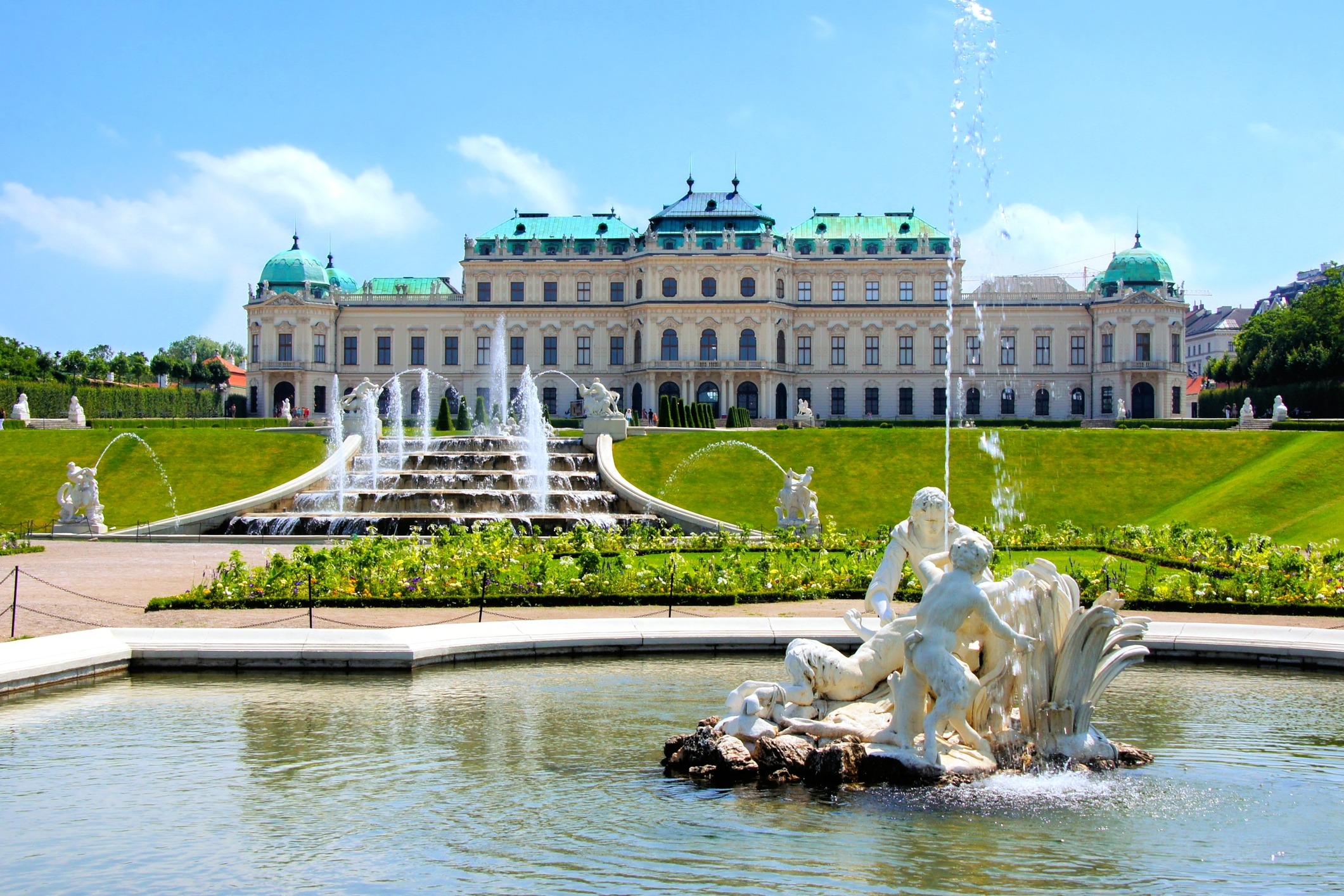
ID 39813857 ©Jenifoto406 | Dreamstime.com
Best for: airport connections, Belvedere Palace, Wien Mitte, Stadtpark, and visitors combining central attractions with trips elsewhere.
Landstraße is another large district where the exact hotel location is far more informative than the district name.
Wien Mitte and Stadtpark
This is the most convenient part for first-time visitors. You’re close to the Ring, Stadtpark, and transport connections, including services toward the airport.
Hotels near Wien Mitte can be expensive, but the location may save time on both arrival and daily sightseeing.
Rennweg and Belvedere
This area is useful for visitors prioritizing the Belvedere, the Botanical Garden, or Hauptbahnhof connections. It also provides access to central Vienna without placing you inside the busiest streets.
Art lovers should allow enough time for the Belvedere rather than adding it as a quick stop between several other attractions.
Outer Landstraße
Rates may become more attractive farther from Wien Mitte and Belvedere, but check the exact transport route. A hotel can be in District 3 and still be inefficient for a short first visit.
Hotel example: Austria Trend Hotel Savoyen Vienna
Hotel Savoyen is close to Belvedere and Rennweg. Confirm the current room facilities, breakfast inclusion, and garage arrangement for your dates.
Landstraße verdict: Choose it when Wien Mitte, Belvedere, Rennweg, or airport access serves a clear purpose in your itinerary.
Wieden – District 4: Best for Karlsplatz, Belvedere, and a Mixed Itinerary
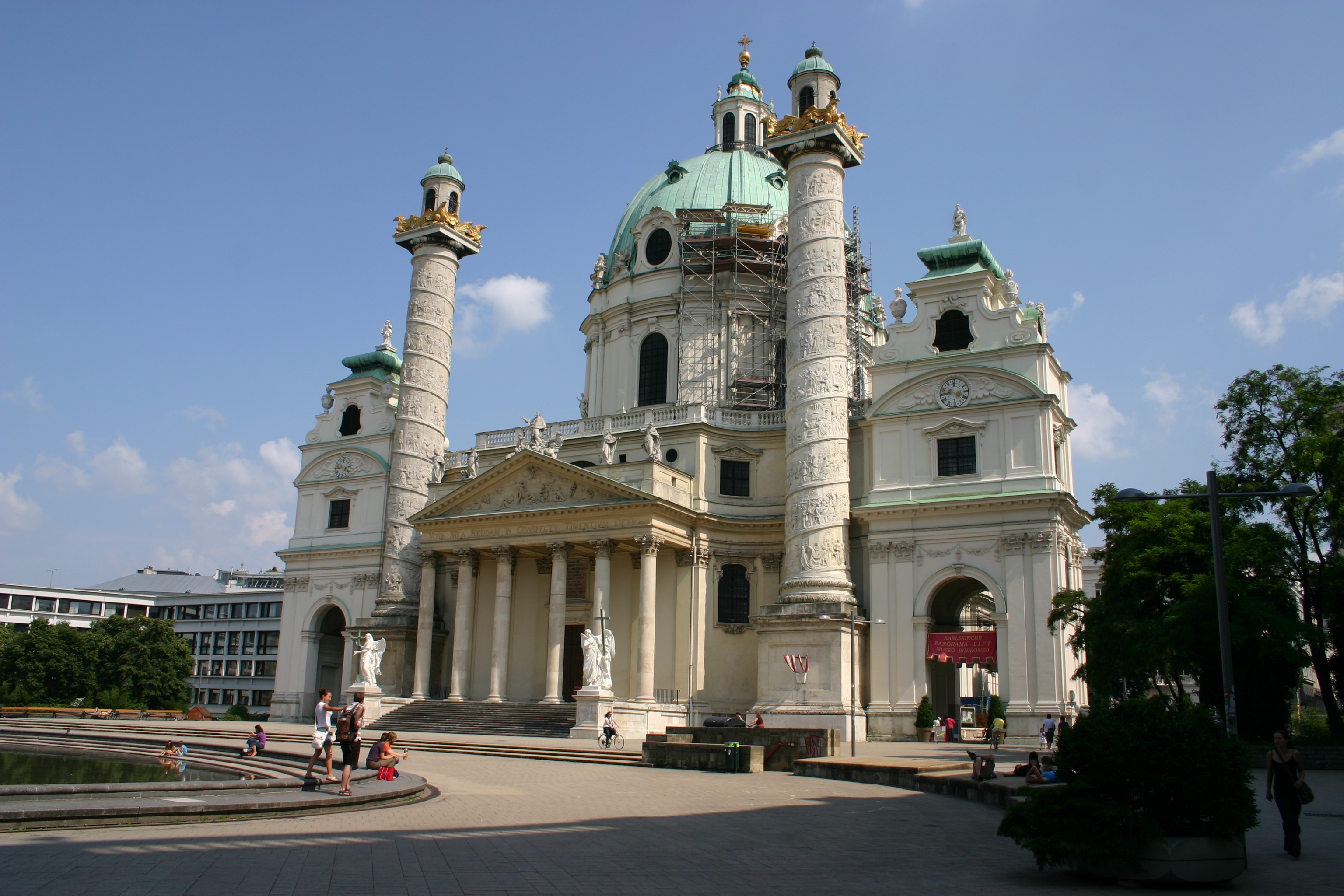
Best for: Karlsplatz, Karlskirche, Belvedere, Naschmarkt, cultural attractions, and access toward Hauptbahnhof.
Northern Wieden is one of Vienna’s most versatile accommodation areas. It sits beside the Ring and offers access to several different attraction clusters.
Karlsplatz is especially useful because several underground lines meet there. From this part of Wieden, you can reach the central district, Naschmarkt, the Secession, Vienna State Opera, and Karlskirche without building your days around long transfers.
Karlskirche is one of the churches I love most in Vienna. Visitors staying in northern Wieden can easily include the interior of Karlskirche in a walking route through the area.
Which part of Wieden should you choose?
Look near Karlsplatz, the Freihausviertel, or the northern end of the district for the greatest sightseeing convenience. The southern part toward Hauptbahnhof may be better for rail connections but less convenient for walking into the historic centre.
Hotel example: Hotel Kaiserhof Wien
Hotel Kaiserhof is in northern Wieden near Karlskirche. Confirm breakfast inclusion, air-conditioning arrangements, minibar availability, and the current nearby-garage procedure before booking.
Wieden verdict: It is one of the best all-round choices for first-time visitors who want central access without staying in Innere Stadt.
Neubau – District 7: Best for Museums, Restaurants, and Boutique Hotels
Best for: MuseumsQuartier, Spittelberg, restaurants, design-focused hotels, and evenings outside the traditional Old Town.
Neubau is a strong choice for visitors planning several museum visits. Its eastern edge is beside MuseumsQuartier and within walking distance of the Ring, Hofburg, and major art collections.
Spittelberg offers cobbled streets, restaurants, and a different evening atmosphere from the monumental centre. Areas farther west provide more neighborhood character but require additional transport.
Check noise and room design carefully
Neubau has numerous boutique and design hotels. These may offer distinctive rooms, rooftop spaces, and modern bathrooms, but some design choices won’t suit every guest.
Look closely at bathroom photographs. A listing may show a stylish shower or glass partition without making the level of privacy obvious. Contact the property when the layout can’t be confirmed from the photographs for your room category.
Hotel example: 25hours Hotel at MuseumsQuartier
This is a prominent design-led property beside the museum and Rathaus area. Check whether breakfast is included, whether parking can be reserved, and whether the bathroom layout in your selected room suits you.
Neubau verdict: Choose the eastern side for maximum museum convenience and the inner streets for restaurants and atmosphere. Don’t assume all of District 7 is within a few minutes of MuseumsQuartier.
Mariahilf – District 6: Best for Shopping, Naschmarkt, and Central Value
Best for: Mariahilfer Straße, Naschmarkt, shopping, food, and access to both the museum area and Westbahnhof.
Mariahilf can be a practical alternative to Neubau. The district includes busy shopping streets, quieter side streets, and areas closer to Naschmarkt.
A hotel near the eastern end of Mariahilfer Straße may place you close to MuseumsQuartier and central attractions. A hotel farther west may provide quick access to Westbahnhof but require more transport for the historic centre.
Check the room’s street exposure
Mariahilfer Straße and other main roads can be busy. Ask for a courtyard-facing room when noise is a concern, but also check whether that room category has air conditioning and the other facilities you need.
Mariahilf verdict: It works well for visitors who want shopping and restaurants close to the hotel while remaining near central Vienna.
Hauptbahnhof and Northern Favoriten – District 10: Best for Train Visitors
Best for: rail arrivals, early departures, day trips, modern hotels, and visitors finding a better rate near the U1.
Favoriten is a large district, so this recommendation applies specifically to the Hauptbahnhof, Quartier Belvedere, and Sonnwendviertel area.
Vienna Main Station is useful for national and international trains, airport journeys, and day trips. The U1 provides a direct underground connection toward central Vienna, while Belvedere is nearby.
The area has many modern hotels, including properties with garages and family rooms. You may receive more space or newer facilities than at the same price in the central district.
The main compromise is atmosphere. You won’t step outside into imperial Vienna, although the transport connections may compensate during a longer visit.
If you intend to explore beyond the city, compare the station location with these day trips from Vienna before choosing your hotel.
Hauptbahnhof verdict: A sensible choice when train convenience, a modern room, or a lower total rate has a direct benefit for your itinerary.
Other Vienna Areas Worth Considering
Margareten – District 5
Margareten can offer better hotel value than neighboring Wieden or Mariahilf. Choose it only after checking the direct route to your priority attractions. A lower price isn’t helpful when the hotel requires several inconvenient transfers every day.
Alsergrund – District 9
Alsergrund suits visitors seeking quieter streets, the university area, Servitenviertel, Augarten access, or a longer stay. It is less efficient for a 1.5-day sightseeing trip unless the hotel is close to the Ring.
Hietzing – District 13
Hietzing is the specialist choice for Schönbrunn Palace, the zoo, and a slower family itinerary. Staying here can make sense when those attractions will occupy a substantial part of your visit.
Schönbrunn is large enough to fill most or all of a day, especially when you include the gardens, maze, zoo, and other parts of the complex. Use this Schönbrunn Palace guide to decide how much time you’ll spend there before choosing Hietzing as your base.
Westbahnhof and Rudolfsheim-Fünfhaus – District 15
The area around Westbahnhof can work for visitors arriving there, shopping along Mariahilfer Straße, or finding a significantly lower hotel rate.
It is busy and modern rather than romantic. Compare the room price with the time and transport required to reach your itinerary. A direct connection can make the area practical, while an inconvenient street farther from the station may remove its main advantage.
Best Vienna Districts for First-Time Visitors Compared
| District or area | Best for | Price tendency | Parking | Main disadvantage |
|---|---|---|---|---|
| Innere Stadt – District 1 | Very short trips and maximum walking access | High | Difficult or expensive | You may pay a substantial premium for the address |
| Josefstadt – District 8 | Quiet central base near Rathaus and the Ring | Moderate to high | Usually paid and limited | Western parts are less convenient for a short visit |
| Leopoldstadt – District 2 | Prater, families, transport, and value | Moderate | Varies by hotel | The district is large and the micro-location is crucial |
| Landstraße – District 3 | Wien Mitte, Belvedere, and airport access | Moderate to high | Several hotels have garage options | Outer parts are less convenient for central sightseeing |
| Wieden – District 4 | Karlsplatz, Belvedere, culture, and mixed itineraries | Moderate to high | Mostly paid garages | Convenience changes toward the southern edge |
| Margareten – District 5 | Potential value near central districts | Moderate | Some hotel garages | Not every street has a direct central connection |
| Mariahilf – District 6 | Shopping, Naschmarkt, and central access | Moderate to high | Limited and usually paid | Rooms on busy roads may be noisy |
| Neubau – District 7 | MuseumsQuartier, restaurants, and boutique hotels | Moderate to high | Usually expensive | Lively streets may not suit light sleepers |
| Alsergrund – District 9 | Quieter stays and longer visits | Moderate | Hotel parking is available at selected properties | Less efficient for a very short first visit |
| Hauptbahnhof – District 10 | Rail arrivals, departures, and day trips | Moderate | Several modern hotels have garage access | Less historic atmosphere |
| Hietzing – District 13 | Schönbrunn, the zoo, and family itineraries | Moderate to high | Selected hotels have nearby garages | Farther from central evening attractions |
| Westbahnhof – District 15 | Train access, shopping, and possible savings | Moderate | Station and hotel garages are available | The immediate station area is busy |
Where to Stay in Vienna by Trip Length
Where to stay in Vienna for one day or 1.5 days
Choose Innere Stadt or a hotel immediately outside the Ring in eastern Josefstadt, northern Wieden, eastern Neubau, northern Mariahilf, or the canal side of Leopoldstadt.
Your first priority should be the route to the places you have already decided to visit. Don’t spend a short trip crossing Vienna repeatedly to save a modest amount on the room.
A carefully planned Vienna city break can still include major sights, a museum, and time to enjoy the city, but the hotel location has to support that plan.
Where to stay in Vienna for two or three days
You can choose between central walking convenience and a well-connected transport base.
Innere Stadt, Josefstadt, Wieden, Neubau, Mariahilf, Landstraße near Wien Mitte, and Leopoldstadt near Nestroyplatz are all strong options.
Praterstern and Hauptbahnhof also become practical when their direct connections suit your itinerary.
Where to stay in Vienna for four or five days
Room comfort, breakfast, air conditioning, parking, and neighborhood services carry more weight during a longer stay.
You don’t need to pay the highest central rate merely to walk to Stephansdom each morning. Leopoldstadt, Landstraße, Alsergrund, Hauptbahnhof, Margareten, and selected parts of Districts 6 to 8 may provide better overall value.
Where to stay for one week or longer
Consider an apartment, aparthotel, private room, or larger hotel room with a refrigerator. Laundry access, supermarkets, storage, and a quiet sleeping environment become more important.
Choose a direct transport route rather than concentrating only on distance from District 1.
Arriving in Vienna by Car: Parking and Driving Logistics
Arriving in Vienna by car changes the accommodation search.
We drove to Vienna on both visits, but we didn’t use the car for daily sightseeing once we had parked. Vienna’s public transport was more convenient than repeatedly moving the car and searching for another legal parking place.
Vienna’s short-term parking rules
Vienna has area-wide short-term parking zones in all districts. The general rules currently apply Monday to Friday from 9:00 to 22:00, excluding public holidays, and visitors may normally remain for a maximum of two hours with the appropriate parking ticket.
There may be no sign on every street reminding you that you’re inside an area-wide zone. Check the current City of Vienna parking rules before your trip.
A parking ticket is required from the first minute, including a short luggage-unloading stop. Vienna also provides a free 15-minute parking ticket, but it can’t be combined with other parking tickets.
What “parking available” may mean
Free private parking: The hotel owns spaces and doesn’t charge guests. This is valuable but uncommon in central Vienna.
Paid on-site garage: The garage is inside the hotel building or on the same property. Ask whether a space can be reserved.
Nearby reserved garage: The hotel has an arrangement with a garage on another street. Confirm the exact distance and whether you must collect a card from reception first.
Public garage nearby: The hotel only identifies a garage that anyone can use. A space may not be guaranteed.
Street parking: This is generally unsuitable for leaving a visitor’s car throughout a weekday stay because of the time limit.
Park & Ride: You leave the car in a garage near an underground or rail connection and continue to the hotel or city by public transport.
Questions to ask the hotel
Is the parking space guaranteed? A property may have fewer spaces than rooms.
Do I need a reservation? Don’t assume that adding “parking requested” to the booking guarantees a space.
Is the parking inside the hotel building? “Nearby” may mean next door or several streets away.
What is the complete 24-hour price? Check whether the hotel charges per calendar day, night, or 24-hour period.
Can I enter and leave repeatedly? Some garage arrangements don’t provide unlimited re-entry.
Is there a vehicle-height limit? This is important for tall vehicles, roof boxes, and vans.
Where can I unload luggage? Ask before reaching a street where stopping is difficult.
Can the car remain after checkout? This is useful when you want to continue sightseeing after leaving the room. Add it to your hotel checkout checks rather than discovering the restriction that morning.
Hotel garage or Park & Ride?
A hotel garage is easier when you have children, heavy luggage, mobility limitations, or a short visit. You arrive, unload, and leave the vehicle close to your room.
Park & Ride can reduce parking costs during a longer stay. Check the current Vienna Park & Ride locations, prices, opening hours, and transport connections before relying on one.
Calculate the complete route from the garage to the hotel. Saving money on parking may not justify moving luggage across multiple stations.
Should you drive between Vienna attractions?
For most of our sightseeing, leaving the car parked was more comfortable than driving between attractions. We didn’t have to deal with traffic, short-term parking limits, garage entrances, or finding the car again after a long day.
That doesn’t mean every visitor should avoid driving completely. Someone with mobility requirements, unusual luggage, or plans outside the public transport network may still need the car.
The best Vienna hotel strategy for drivers
Don’t automatically stay far outside central Vienna because parking appears easier.
Look for the best combination of confirmed parking, acceptable total price, and a direct public transport connection to your priority attractions. Districts 2, 3, 5, 8, 9, 10, and 13 all have properties that may meet those conditions.
Compare the Real Cost of a Vienna Hotel
The cheapest room on the results page may not be the least expensive stay.
Use this calculation:
Room rate + breakfast + parking + public transport + mandatory fees
A room that costs less per night can become more expensive when breakfast and parking are added. A central hotel may cost more but save transport expenses and valuable time during a 1.5-day visit.
I always consider expenses beyond the headline price because overlooked travel costs can change whether a hotel is genuinely affordable.
Compare the same conditions
Use identical dates, guest numbers, room types, cancellation terms, and meal plans.
A non-refundable room without breakfast shouldn’t be compared directly with a flexible rate that includes breakfast.
When paying more for location is reasonable
A central hotel may justify the price when you have fewer than two full days, an early timed ticket, an evening performance, limited mobility, or young children who need breaks.
When a transport-hub hotel offers better value
A hotel near Praterstern, Wien Mitte, Karlsplatz, or Hauptbahnhof may be more useful during a longer trip involving attractions in several districts.
You may obtain a larger room, breakfast, air conditioning, or parking for less than the total cost of a central alternative.
My Vienna Hotel Checklist – and How to Create Your Own
My requirements won’t suit everyone, but they show why a star rating and district name aren’t enough.
At least three stars
I prefer a minimum three-star property because I want a certain level of service and room facilities. A star category doesn’t guarantee that every requirement will be met, so I still check the exact room description.
A buffet breakfast included
I like beginning a sightseeing day with breakfast at the hotel. It saves us from searching for an open café early in the morning, makes days with timed-entry tickets easier, and allows us to eat properly before several hours of walking.
“Breakfast available” doesn’t mean breakfast is included. Check the selected rate and calculate the cost for every person and every morning.
Parking inside the hotel or genuinely nearby
I accept free or paid parking, but I need to know where it is, whether it can be reserved, and what it adds to the total price.
Air conditioning in the exact room category
Some older Vienna buildings don’t have air conditioning in every room. Other properties use seasonal cooling or centrally controlled systems.
Don’t rely solely on the hotel’s general amenities section. Open the description for the specific room category you intend to reserve.
A minibar or refrigerator
A small refrigerator is useful for cold water, snacks, or anything that needs to remain chilled. A minibar may provide the same cooling function, although some modern hotels have removed traditional minibars.
A fully enclosed private bathroom
I prefer bathrooms with opaque walls and a solid door. I avoid layouts with transparent or partially transparent glass between the sleeping area and bathroom.
Look at every available room photograph, including images submitted by guests. Room categories within the same hotel may have different bathroom layouts.
Your own three categories
Mark every requirement as non-negotiable, strongly preferred, or optional.
This helps when two hotels are close in price. You can immediately see which property provides the facilities you will actually use.
Verify the Room, Not Only the Hotel
A hotel may have air conditioning, minibars, bathtubs, balconies, or renovated bathrooms without offering those features in every room.
Check the exact room name. “Standard Double,” “Premium Double,” and “Executive Double” may have very different facilities.
Check street or courtyard orientation. Courtyard rooms may be quieter, while street-facing rooms may have better views or more natural light.
Study the bathroom photographs. Confirm the walls, door, shower layout, and level of privacy.
Confirm the bed configuration. A “double” may mean one large bed or two mattresses placed together.
Ask about cooling restrictions. Seasonal air conditioning may not operate during an unusually warm spring or autumn day.
Read the breakfast terms. Direct-booking rates and third-party rates may include different services.
Verify parking separately. A garage may belong to the hotel, be shared with the public, or be on another street.
The Vienna Hotel Address Test
Use this test before paying for any Vienna accommodation.
1. Search the exact address. Don’t rely on the map pin displayed in a list of search results.
2. Find the nearest useful transport station. The nearest bus stop isn’t necessarily the best connection for your itinerary.
3. Check the walk to the correct station entrance. A large station may have several exits.
4. Route the hotel to your three priority attractions. Do this for approximately the time you intend to travel.
5. Count changes as well as minutes. A 20-minute direct journey may be easier than a 15-minute route involving two changes.
6. Test the evening return. Check the route after your concert, dinner, or Christmas market.
7. Check the parking address separately. Don’t assume the garage entrance is beside reception.
8. Examine the surrounding streets. Look for difficult road crossings, steps, construction, supermarkets, cafés, and the actual hotel entrance.
9. Verify the details on the hotel’s official website. Booking platforms may combine information from different room categories or retain outdated descriptions.
Incorrect hotel locations and unrealistic transport times are common AI travel-planning mistakes, so check automated recommendations against current maps and official hotel information.
Private Rooms, Pensions, and Apartments in Vienna
A traditional hotel isn’t the only option.
Private rooms and pensions
In Austria, you may see smaller guesthouses described as a Pension. These properties can provide private rooms and breakfast with fewer services and facilities than a full-service hotel.
Private rooms and pensions may suit solo visitors, couples on a strict budget, or people who don’t need extensive hotel services.
Check whether the bathroom is private, whether reception has limited hours, whether breakfast is included, and whether luggage can be stored before check-in or after checkout.
Apartments and aparthotels
These can work well for families, groups, and longer stays. A kitchen, refrigerator, living area, or laundry access may compensate for the absence of a hotel breakfast.
Possible trade-offs
Lower-cost accommodation may have no air conditioning, limited reception, unclear parking arrangements, extra cleaning charges, or no luggage storage.
Compare the total price and included services rather than assuming a private room or apartment will always be cheaper.
Vienna Hotels to Compare by Facilities
The following table isn’t a ranking of the best hotels in Vienna. It shows how different properties may fit different first-time itineraries and accommodation requirements.
Hotel policies and room facilities can change. Confirm the selected room category, breakfast rate, parking arrangement, and cancellation terms before booking.
| Hotel | Area | Useful for | Details to verify |
|---|---|---|---|
| Hotel Am Parkring | Innere Stadt | Very short central visits | Breakfast, parking cost, minibar, and selected room facilities |
| Hotel Zipser | Josefstadt | Rathaus and Ring access | Air conditioning by room category, minibar or refrigerator, breakfast, and nearby garage reservation |
| Hotel Josefshof am Rathaus | Josefstadt | Quiet central stays | Breakfast inclusion, parking availability, and exact room amenities |
| Austria Classic Hotel Wien | Leopoldstadt | Nestroyplatz, Praterstern, and drivers | Breakfast, seasonal air conditioning, mini-fridge, and parking cost |
| Hotel Stefanie | Leopoldstadt | Canal-side location and traditional atmosphere | Breakfast, room facilities, and paid parking |
| Novotel Wien City | Leopoldstadt | Families and access to central Vienna | Family-room layout, breakfast charges, parking, and bathroom design |
| Austria Trend Hotel Savoyen | Landstraße | Belvedere and Rennweg | Breakfast, air conditioning, minibar, and garage access |
| Hotel Kaiserhof Wien | Wieden | Karlsplatz and Karlskirche | Breakfast, cooling system, minibar, and nearby parking |
| 25hours Hotel at MuseumsQuartier | Neubau | Museums and design-focused stays | Bathroom layout, breakfast, parking, and room design |
| Austria Trend Hotel Ananas | Margareten | Potential value near Districts 4 and 6 | Breakfast, room-category amenities, and garage cost |
| Hotel Bellevue | Alsergrund | Quieter stays with parking | Breakfast, minibar, air conditioning, and parking reservation |
| Austria Trend Parkhotel Schönbrunn | Hietzing | Schönbrunn and family itineraries | Breakfast, room facilities, and public-garage arrangements |
Which Vienna District Should You Choose?
Do you have fewer than two full sightseeing days?
Choose Innere Stadt or a carefully selected hotel immediately outside the Ring.
Are most of your priority attractions in the same part of Vienna?
Stay near that cluster rather than choosing a district from a generic “best area” list.
Are your attractions spread across Vienna?
Consider Praterstern, Wien Mitte, Karlsplatz, Hauptbahnhof, or another direct transport location.
Are you arriving by car?
Begin with confirmed parking, then compare public transport and the complete accommodation cost.
Do you want to walk outside into historic Vienna?
Prioritize Innere Stadt or the inner edges of Districts 2 to 9.
Do you want more space or better facilities for the same budget?
Compare Leopoldstadt, Landstraße, Margareten, Alsergrund, Hauptbahnhof, Hietzing, and Westbahnhof.
My final recommendations
Best for a very short first visit: Innere Stadt or a Ring-adjacent hotel.
Best quieter central option: eastern Josefstadt near Rathaus.
Best for the Prater and transport: Leopoldstadt near Nestroyplatz or Praterstern.
Best for Belvedere and airport connections: Landstraße near Wien Mitte or Rennweg.
Best all-round cultural base: northern Wieden near Karlsplatz.
Best for museums and restaurants: eastern Neubau.
Best for train journeys: the Hauptbahnhof area.
Best for a Schönbrunn-focused visit: Hietzing near the U4.
Where Should a First-Time Visitor Stay in Vienna?
For a very short first visit, the most convenient choices are Innere Stadt or a well-positioned hotel immediately outside the Ringstraße in Josefstadt, Neubau, Wieden, Mariahilf, or Leopoldstadt. These areas can reduce the time you spend traveling between the hotel and central attractions.
For a stay of three days or longer, a hotel near a major transport point such as Praterstern, Wien Mitte, Karlsplatz, or Hauptbahnhof may provide better value. You can reach attractions in different parts of Vienna without paying the highest central hotel rates.
Visitors arriving by car should prioritize confirmed parking and a direct public transport connection. A slightly less central hotel with a reserved parking space may be more practical than an Old Town property that requires an expensive public garage several streets away.
| Your priority | Best area to consider | Main compromise |
|---|---|---|
| One or two nights | Innere Stadt or immediately outside the Ring | Higher accommodation and parking costs |
| Central location at a better price | Josefstadt, Wieden, Neubau, or Mariahilf | Some attractions will still require public transport |
| Prater and strong transport | Leopoldstadt near Nestroyplatz or Praterstern | The experience changes considerably from one part of the district to another |
| Airport connections and Belvedere | Landstraße near Wien Mitte or Rennweg | Less Old Town atmosphere outside the hotel |
| Main railway station | Hauptbahnhof and northern Favoriten | Modern rather than historic surroundings |
| Schönbrunn-focused visit | Hietzing near the U4 | Longer journeys to central evening attractions |
| Arriving by car | A hotel with verified parking near an underground or tram line | The best option may not be in District 1 |
Conclusion
The best place to stay in Vienna for first-time visitors isn’t automatically the hotel closest to St. Stephen’s Cathedral or the room with the lowest nightly rate.
Your hotel should fit the trip you’re actually taking.
Hotel Zipser in Josefstadt worked for our short first visit because its price, nearby parking, and central location suited a 1.5-day itinerary. A location near Praterstern worked for our longer visit because we wanted to visit the Prater, free parking was available during our stay, and public transport made it easy to reach attractions across Vienna.
We used the car to reach the city and public transport to explore it. I would follow the same general approach when we return, although I would again compare current prices, room facilities, parking policies, and our plans for that particular trip.
Start with your available time and three priority attractions. Add your arrival method, hotel requirements, and total accommodation cost. Once those details are clear, the long list of Vienna districts becomes a much easier decision.
Questions About Where to Stay in Vienna
What is the best area to stay in Vienna for first-time visitors?
Innere Stadt is the easiest choice for a very short first visit. Ring-adjacent parts of Josefstadt, Wieden, Neubau, Mariahilf, and Leopoldstadt can provide similar convenience at a better price. For a longer trip, a hotel near Praterstern, Wien Mitte, Karlsplatz, or Hauptbahnhof may be more practical.
Is it worth staying in Innere Stadt?
It can be worth the higher price when you have only one or two days, want to walk to central attractions, or are attending evening performances. It offers less value when you need affordable parking, a larger room, or easy access to attractions outside District 1.
Where should I stay in Vienna for 1.5 days?
Stay inside Innere Stadt or immediately outside the Ring near Rathaus, MuseumsQuartier, Karlsplatz, or the Danube Canal. Choose the hotel according to the exact attractions on your short itinerary.
Where should I stay in Vienna for three days?
For three days, you can choose a central district or a major transport hub. Josefstadt, Wieden, Neubau, Mariahilf, Landstraße near Wien Mitte, and Leopoldstadt near Nestroyplatz or Praterstern are all practical options.
Is Josefstadt a good district for first-time visitors?
Yes, especially near Rathaus and the eastern side of the district. It offers convenient access to the Ring, Parliament, Burgtheater, and museums while generally feeling calmer than the busiest streets of Innere Stadt.
Is Leopoldstadt a good place to stay in Vienna?
Yes, but choose the micro-location carefully. Karmeliterviertel is useful for atmosphere and central access, Nestroyplatz for direct transport, Praterstern for connections and the Prater, and Messe-Prater for modern hotels and events.
Is Praterstern convenient for sightseeing?
Praterstern has underground, rail, tram, and bus connections. It is convenient for reaching many parts of Vienna and is close to the Prater. The immediate station area is busier and less historic than other parts of Leopoldstadt.
Where should I stay in Vienna with a car?
Choose a hotel with confirmed parking near a direct underground or tram route. Suitable options can be found in Leopoldstadt, Landstraße, Margareten, Josefstadt, Alsergrund, Favoriten, and Hietzing. Compare the complete cost rather than selecting a district solely because it appears farther from the centre.
Is street parking practical for Vienna visitors?
Usually not for a full weekday stay. Vienna’s area-wide short-term parking zones generally limit visitors to two hours during controlled periods. A hotel garage, nearby long-term garage, or Park & Ride facility is more suitable.
Should I use a hotel garage or Park & Ride?
A hotel garage is easier with luggage, children, limited mobility, or a short stay. Park & Ride may cost less during a longer visit, but you need to calculate the journey between the garage and hotel.
Should I stay near Wien Mitte or Hauptbahnhof?
Wien Mitte is closer to the historic centre and useful for airport connections. Hauptbahnhof is better for national and international rail journeys, early departures, and modern hotels that may provide more space for the price.
Which Vienna district is best for museums?
Eastern Neubau, Josefstadt near Rathaus, and Innere Stadt are strong choices for the museum area. Landstraße is better for the Belvedere, while Hietzing is useful for Schönbrunn’s museums and nearby attractions.
Where should families stay in Vienna?
Leopoldstadt is convenient for the Prater and open spaces. Hietzing suits Schönbrunn and the zoo. Hauptbahnhof and Messe-Prater also have modern properties with family-room options. Confirm bed arrangements, bathroom layout, breakfast charges, and transport before booking.
Where should I stay for Vienna’s Christmas markets?
Choose Innere Stadt, Josefstadt near Rathaus, Neubau near Spittelberg, or a hotel with a direct route to the markets you plan to visit. The Rathausplatz and Spittelberg areas are especially convenient when those markets are priorities.
Do Vienna hotels usually have air conditioning?
Many hotels have air conditioning, but it isn’t guaranteed in every property or room category. Some systems operate seasonally or are centrally controlled. Check the exact room description and contact the hotel when the information is unclear.
Is breakfast normally included in Vienna hotel rates?
It depends on the hotel and rate. Some traditional hotels include a buffet breakfast in selected prices, while many modern properties charge separately. “Breakfast available” doesn’t confirm that it is included.
What is a Pension in Vienna?
A Pension is usually a smaller guesthouse offering private rooms and fewer services than a full hotel. Some include breakfast. They can provide good value, but you should check bathroom arrangements, reception hours, luggage storage, air conditioning, and parking.
Are private rooms and apartments good alternatives to Vienna hotels?
They can be suitable for strict budgets, families, and longer stays. Verify whether the bathroom is private, whether air conditioning is available, reception or check-in arrangements, luggage storage, cleaning fees, and parking before booking.
Which Vienna districts are less practical for a very short visit?
Outer districts and hotels far from direct transport are generally less efficient when you have only one or two days. They may still be suitable when a specific attraction, event, family visit, or exceptional hotel offer takes you there.
More amazing articles for you:
The perfect 10-day Sikkim Itinerary: Places to visit in Sikkim, India
These 23 Paris Landmarks Will Make You Fall in Love With the City
Your Guide to Oahu, Hawaii with the best Oahu Attractions, Restaurants, and Tips
5 reasons to visit Southampton
Five of the Best Tourist Attractions to Visit in the UK
Top travelling spots from famous classical books [#Infographic]
Four of the best coastal walks in Cornwall
Local's guide to Yakutsk with the best things to do in Yakutsk

Violeta-Loredana Pascal is a communications expert, business mentor, and the founder of Earth’s Attractions and PRwave INTERNATIONAL. A pioneer in the Romanian digital PR landscape since 2005, she holds a degree in Communication and Social Sciences from SNSPA Bucharest. Violeta is a senior trainer at AcademiadeAfaceri.ro, where she leverages over 20 years of experience to teach professional courses in PR strategy and workplace productivity. By blending high-level business consulting with a passion for holistic travel and wellness, she empowers solopreneurs to overcome procrastination, build profitable brands, and design a life of purposeful adventure.