Vienna is one of my favorite European cities, and I’ve been lucky enough to visit a couple of times. I love its imperial charm, historic sights, gorgeous architecture, beautiful parks, fascinating museums, and the many experiences you can enjoy, from the Prater amusement park to a cruise on the Danube.
But when is the best time to visit Vienna?
Several periods are excellent for a trip, depending on your interests, preferences, and budget. Someone dreaming of Christmas markets will have a very different experience from a traveler who wants to spend hours exploring Schönbrunn’s gardens or visiting Vienna’s vineyards in autumn.
In this article, I cover the best time of year to visit Vienna for sightseeing, weather, Christmas markets, shopping, festivals, and travel deals, along with what to expect each month.
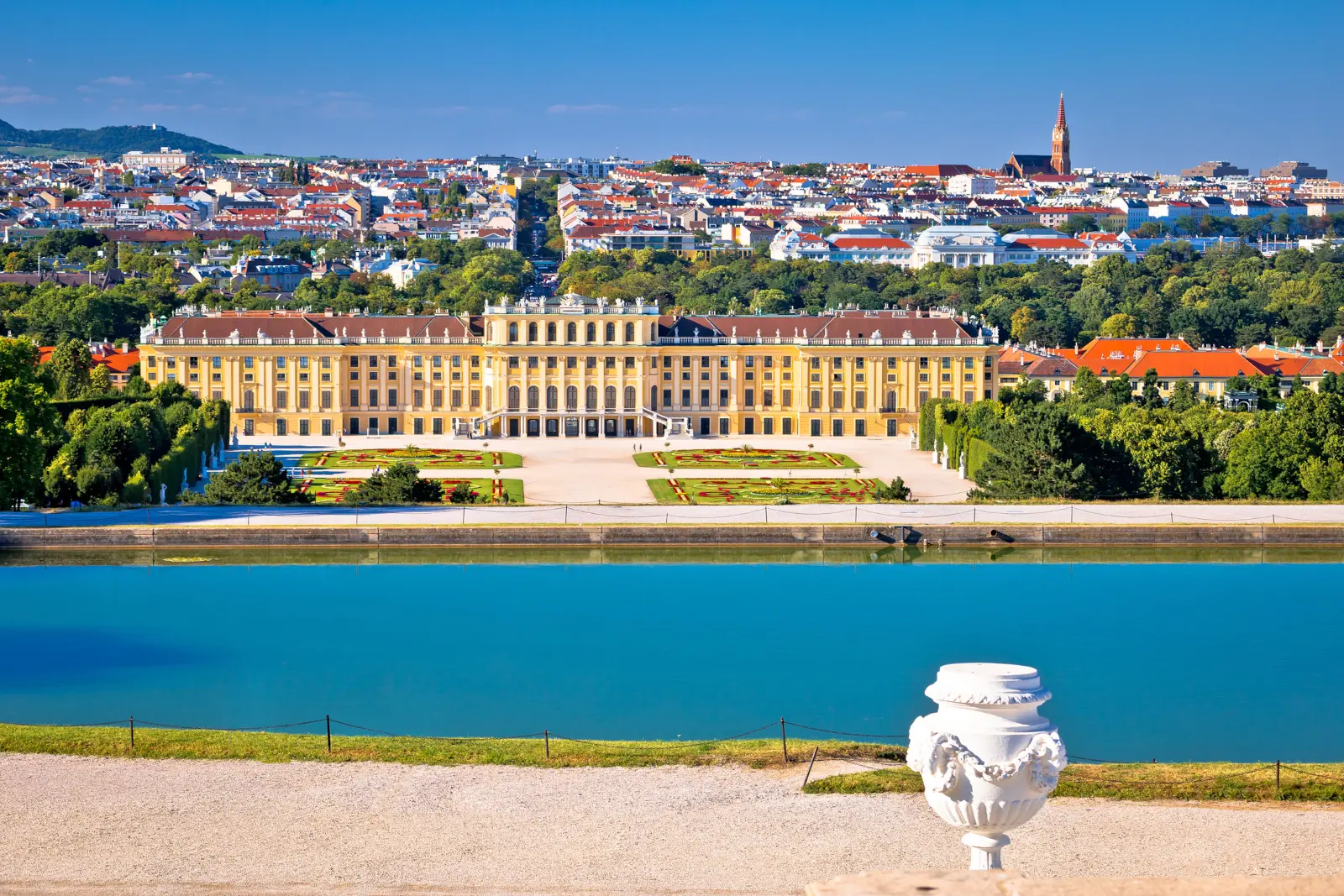
ID 121262624 | Cityscape Vienna ©Xbrchx | Dreamstime.com
What Is the Best Time of Year to Visit Vienna?
May, June, and September are my top recommendations for a sightseeing-focused city break in Vienna. Temperatures are generally comfortable for walking, the parks and palace gardens are beautiful, and there’s plenty to do outdoors.
Late April and early October are also good choices, though the weather is less predictable and evenings are cooler.
For Christmas markets, late November and December are excellent. Many markets open in November, but dates vary, and December draws large crowds.
January and February are among Vienna’s quietest months for overnight tourism. They’re worth considering if museums, concerts, imperial history, and traditional coffeehouses matter more than warm weather.
If you’re trying to avoid hot weather, I’d choose spring or September over July and August. Vienna can experience temperatures above 35°C (95°F) during summer heat waves, which can make long days of walking rather tiring.
Visiting Vienna in Spring: March, April, and May
Spring brings longer days, flowering trees, greener parks, and increasingly pleasant temperatures. By May, outdoor cafés and palace gardens become attractive places to spend time, although rain is possible throughout the season.
Vienna in March: Fewer Tourists and Changing Weather
March is still chilly, especially in the mornings and evenings. Average daytime highs are around 11°C (52°F), but temperatures can vary considerably from one day to another.
It’s a reasonable month for travelers who prefer quieter sightseeing and don’t mind wearing a warm jacket. Major museums, historic churches, palaces, and cafés offer plenty to do when the weather is cold or rainy.
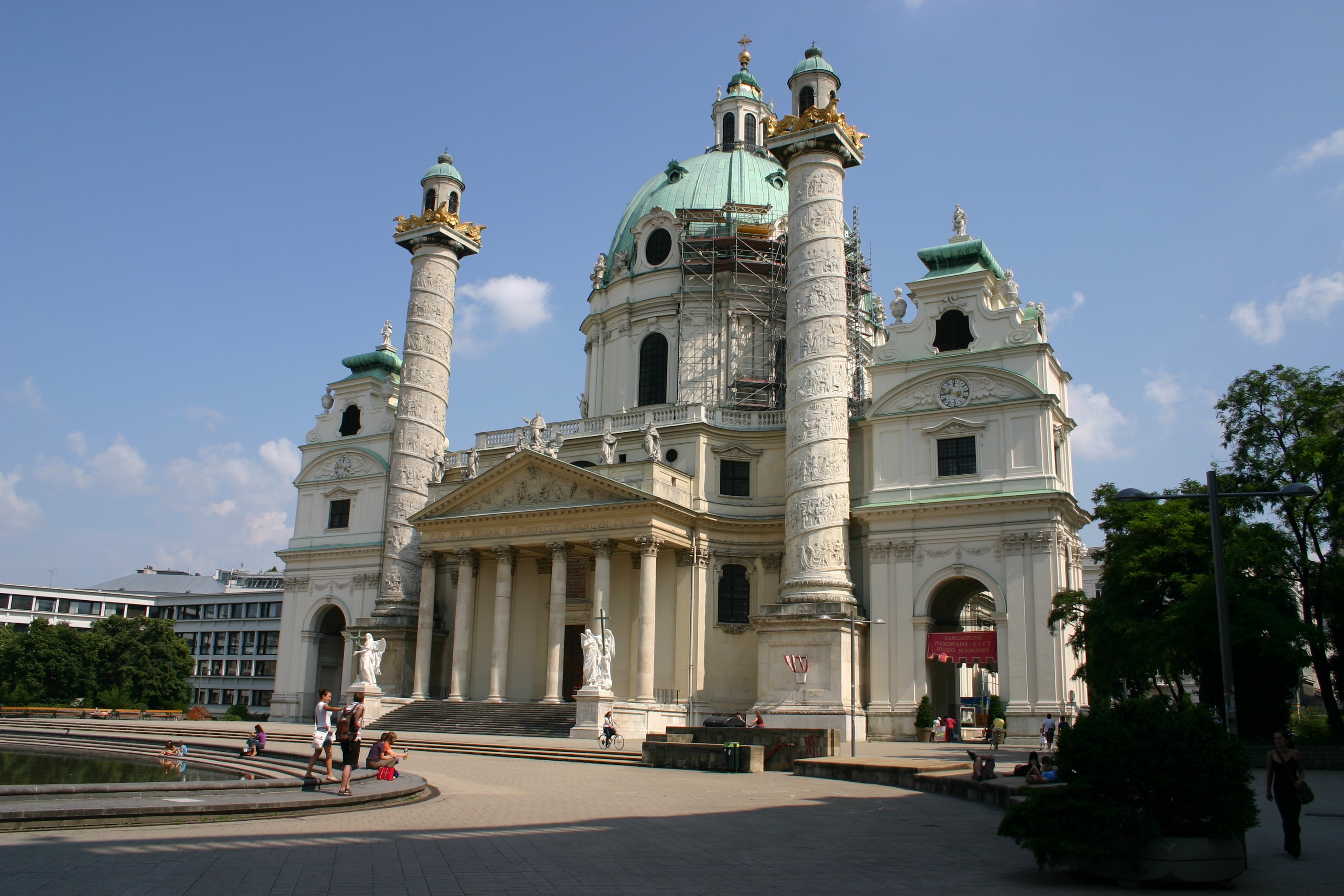
One of my favorite churches in Vienna is Karlskirche. Its impressive Baroque architecture and richly decorated interior are worth seeing, and it’s an excellent attraction for days when you don’t want to spend hours outside.
March is also a great time to explore the historic center and the city’s main landmarks. If you’re visiting toward the end of the month, you may start seeing more spring flowers, although their timing depends on the weather.
You’ll find more seasonal suggestions in these Vienna in March travel tips, including attractions and clothing recommendations.
Vienna in April: Spring Flowers and Easter Markets
April is a lovely month for discovering Vienna’s parks and gardens. Trees begin filling with leaves, flowers brighten public spaces, and warmer afternoons make walking around the city more enjoyable.
Schönbrunn Palace is an excellent attraction to consider at this time of year. Along with the imperial rooms, you can explore the landscaped gardens, walk along the paths, and admire the palace from different viewpoints.
April weather is variable. Some days are mild and sunny, while others can be cool, rainy, or windy. I’d pack layers and a lightweight waterproof jacket.
Vienna also hosts Easter markets, with dates depending on when Easter falls. The holiday period can bring more visitors, and accommodation may cost more on popular dates.
If you’re flexible, compare hotel prices before and after Easter. You may find better availability outside the holiday period.
Vienna in May: One of the Best Months for Sightseeing
May is one of the best months for a first-time visit to Vienna. Average daytime highs reach approximately 21°C (70°F), making it generally comfortable for sightseeing, exploring parks, and enjoying outdoor cafés.
It’s a great time to discover Vienna’s historic center, walk along the Ringstraße, and spend time in Volksgarten, Stadtpark, or the gardens at Schönbrunn and Belvedere.
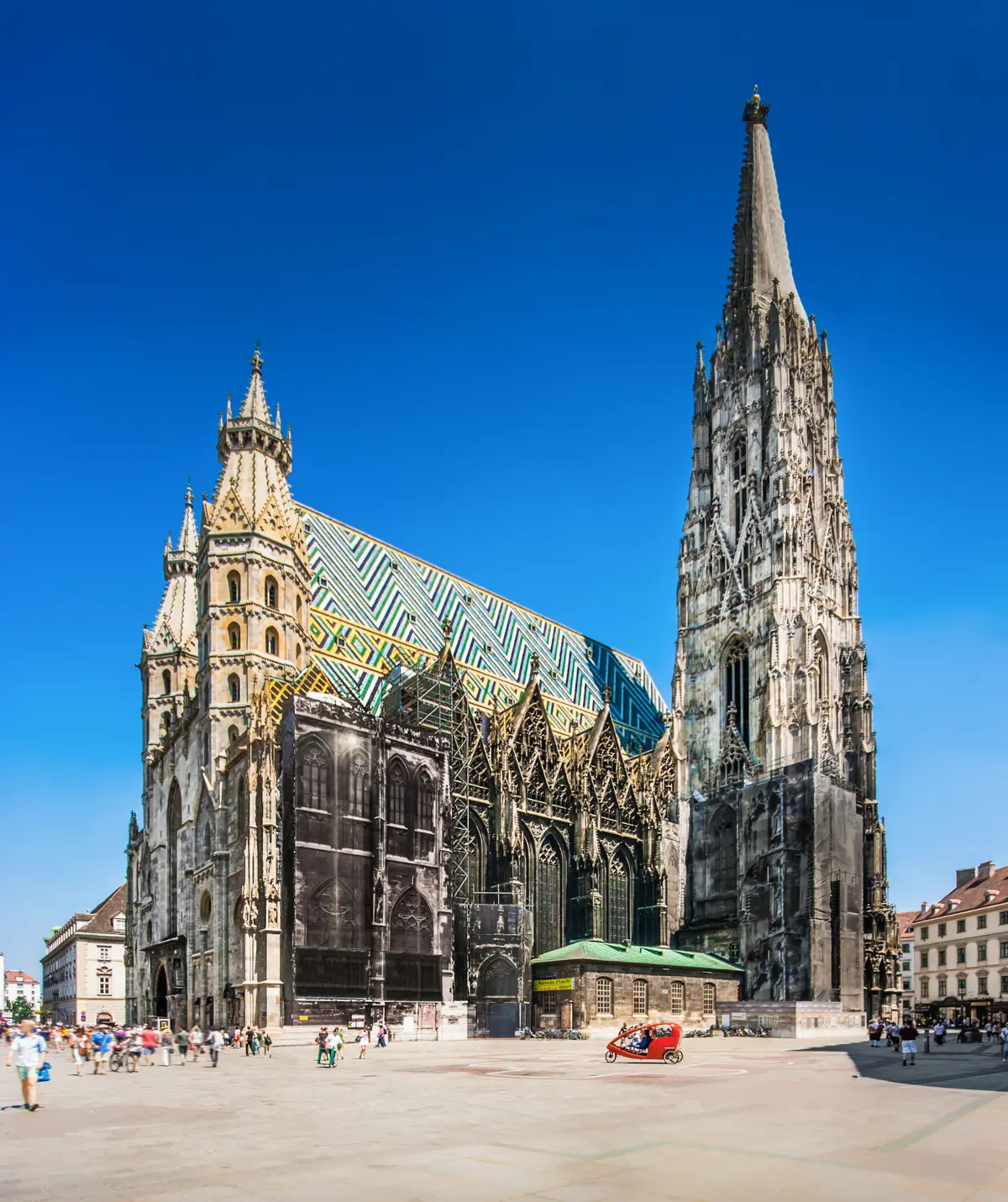
The city has a remarkable collection of historic buildings, including St. Stephen’s Cathedral, the Hofburg, Vienna City Hall, Karlskirche, and the magnificent palaces. Many of these famous landmarks in Vienna can be combined into enjoyable walking routes.
May also brings cultural events, including programs associated with the Wiener Festwochen (Vienna Festival), which generally takes place in late spring and early summer.
Don’t expect May to be empty or automatically cheap. Pleasant weather and cultural activities attract visitors, especially around weekends and public holidays.
Visiting Vienna in Summer: June, July, and August
Summer in Vienna means long daylight hours, outdoor events, green parks, open-air dining, and chances to explore the Danube and Danube Canal.
However, you should consider the weather when planning a summer trip. You’ll probably spend a lot of time walking in Vienna, and high temperatures can affect how much you enjoy outdoor sightseeing.
Vienna in June: Excellent Weather and Long Days
ID 46628348 ©minnystock | Dreamstime.com
Based on my experience, June is one of the best months for visiting Vienna.
During our mid-to-late June visits, the weather was lovely for sightseeing. We could explore the city, visit museums and attractions, enjoy the parks, and walk around without feeling overwhelmed by crowds.
That doesn’t mean June is always quiet. Vienna attracts tourists throughout the warmer months, and places such as Schönbrunn Palace can be busy even early in the day. However, the crowds we encountered were manageable.
June is an excellent time to explore Schönbrunn Palace and its gardens. The extensive grounds are beautiful in summer, and the long days allow you to spend more time outdoors.
You can also enjoy the Prater, take a boat trip on the Danube, walk through the historic center, or relax at an outdoor café.
If you enjoy shopping, late June is worth considering too. Some clothing stores begin summer sales during this period, though exact dates vary.
Vienna in July: Summer Festivals, Shopping, and Hot Weather
ID 839276 ©Roman Milert | Dreamstime.com
July is one of Vienna’s warmest months, with average daytime highs around 26°C (79°F). Temperatures above 30°C (86°F) are possible, and heat waves can push them considerably higher.
Early July was still enjoyable during our trips, and we also found clothing discounts in several stores. Shopping fitted naturally around our sightseeing schedule, and we enjoyed browsing without dedicating entire days to it.
Vienna hosts a variety of outdoor events in summer, including the Film Festival at Rathausplatz, which features screenings of music, opera, and dance performances alongside food stands.
The Danube Canal area is lively in summer, with places to eat and drink beside the water. Danube Island offers recreational areas and places to cool down, while the city’s parks provide welcome breaks from busy streets.
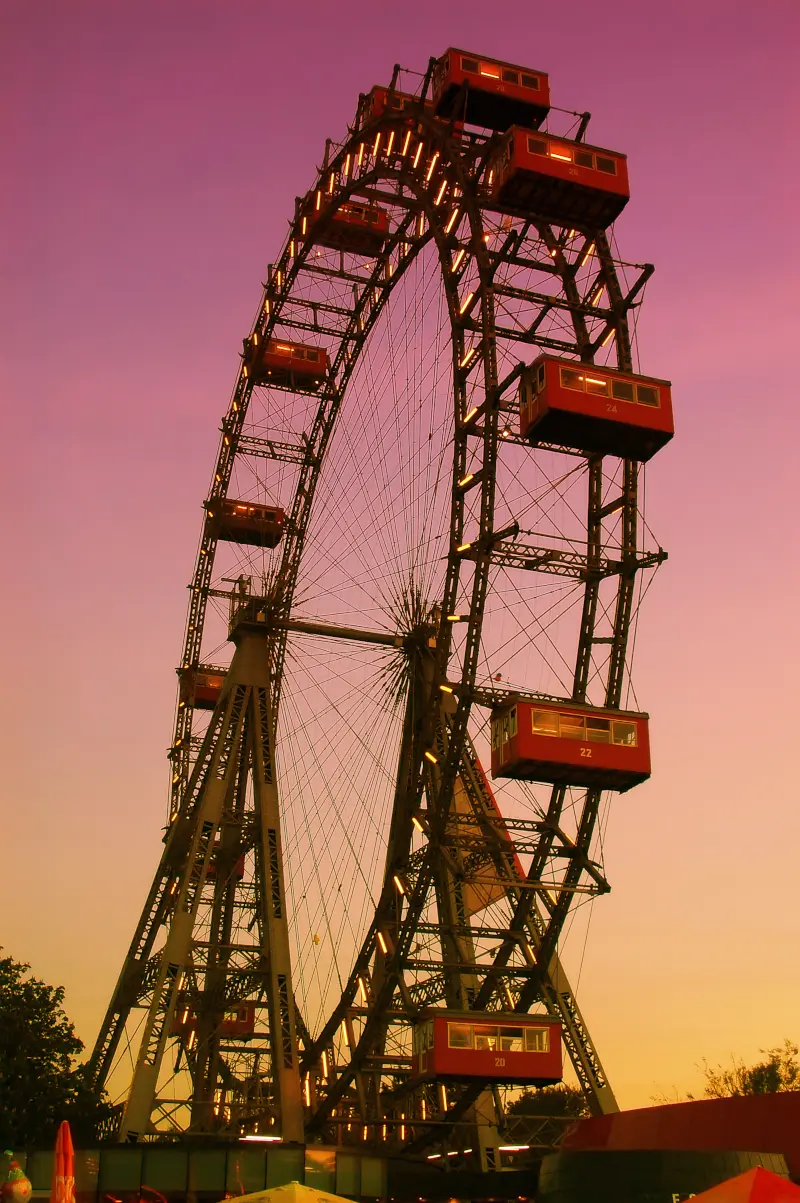
One attraction I particularly enjoyed was Prater Vienna. It was the first amusement park I visited abroad, and we had a wonderful time there. The Giant Ferris Wheel is one of Vienna’s most famous attractions, but the park also offers many other rides and entertainment options.
On very hot days, I’d plan outdoor visits for the morning or evening and save museums, shopping, and other indoor activities for the afternoon.
Vienna in August: Is It Too Hot for Sightseeing?
August is another warm month, with average daytime highs around 26°C (79°F). Actual temperatures can climb much higher, especially during heat waves.
If your itinerary includes long walks around the historic center, extensive palace gardens, and outdoor attractions, high temperatures may make those activities less comfortable.
There’s no need to avoid Vienna completely in August. You can visit museums, enjoy evening activities, explore indoor attractions, or spend time near the Danube. Still, if I had flexible dates and wanted to focus on sightseeing, I’d choose June or September.
Air conditioning is another detail to check carefully. Vienna has many beautiful historic buildings, but not every hotel room has air conditioning. If you’re visiting in summer, make sure your accommodation has the facilities you need.
During a heat wave, stay hydrated, limit strenuous outdoor activity during the hottest hours, and take regular breaks. These heatwave safety tips for travelers are useful if you’re planning a summer vacation.
August isn’t necessarily Vienna’s busiest tourist month. According to the city’s tourism statistics, December typically records the highest number of overnight visitors. Summer remains popular, but crowd levels vary by attraction and date.
Visiting Vienna in Fall: September, October, and November
ID 335962230 | Cityscape Vienna ©Mistervlad | Dreamstime.com
Early autumn is an excellent time for sightseeing, with generally milder temperatures than midsummer. Parks gradually change color, the cultural season returns, and Vienna’s vineyards become an appealing destination for food and wine lovers.
Vienna in September: Pleasant Weather and Cultural Events
September is one of the best months to visit Vienna, especially for travelers interested in sightseeing, architecture, parks, and classical music.
Average daytime highs are around 21°C (70°F), although early September can still bring very warm days. Evenings gradually become cooler as autumn approaches.
The regular performance season returns to major cultural venues such as the Vienna State Opera. If attending an opera or classical concert is important to you, September is generally a better choice than July or August, when some major venues have their summer breaks.
It’s also a lovely month for exploring the city’s parks and gardens. You can spend time at Belvedere, walk through Stadtpark, or visit Schönbrunn without the same likelihood of intense summer heat.
If you’re planning a longer stay, September is a great time to explore some of the best day trips from Vienna, including the Wachau Valley and nearby towns.
September and October: Vienna’s Vineyards and Wine Taverns
Vienna has vineyards within the city limits, something visitors don’t always expect from a European capital.
Areas such as Grinzing, Nussberg, and Stammersdorf are known for their wine-growing traditions. You can explore vineyard landscapes, admire views of the city, and visit a Heuriger, a traditional Austrian wine tavern.
Late summer and autumn also bring Sturm, a partially fermented grape drink available seasonally before the wine finishes fermenting.
Vienna’s Wine Hiking Day usually takes place in autumn and offers designated routes through the wine-growing areas. Check the event dates if you’d like to take part, but you can also enjoy vineyard walks and visit wine taverns at other times, depending on their opening schedules.
September is appealing for harvest-season experiences, while October brings autumn foliage to the vineyard landscapes.
Vienna in October: Autumn Colors and Museums
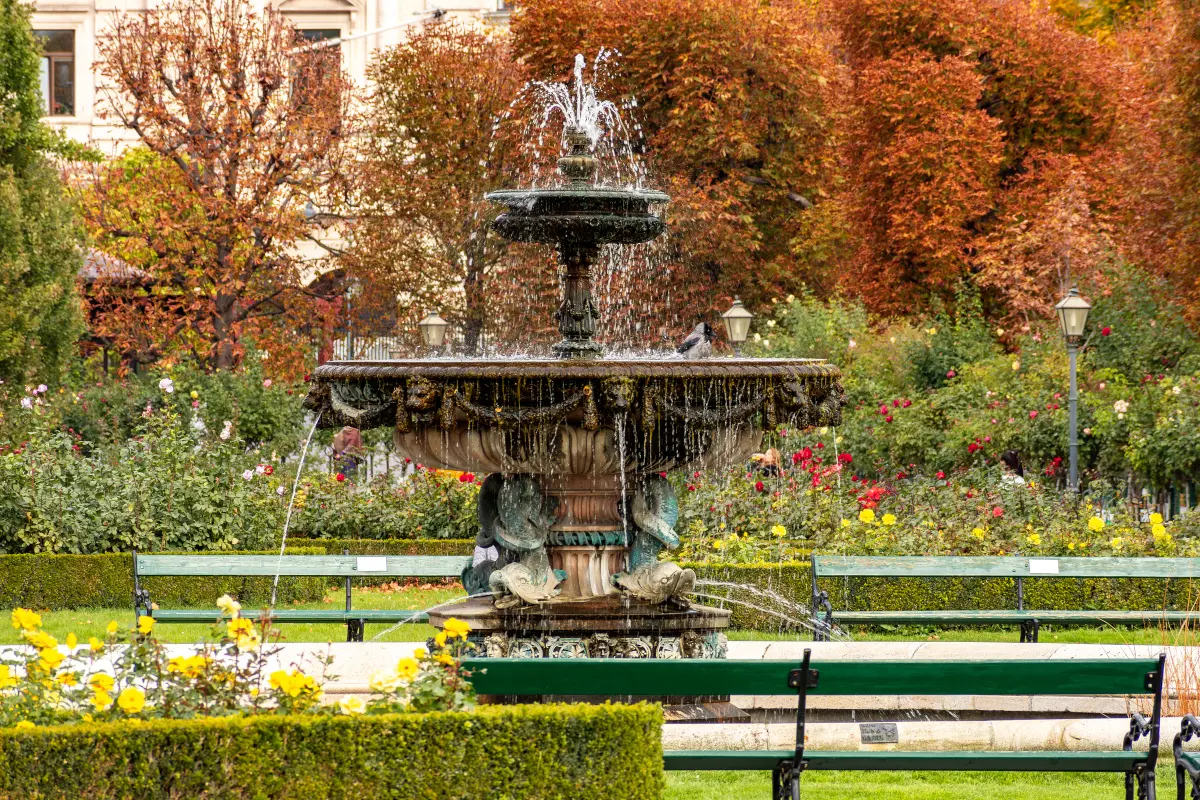
October is a beautiful month for travelers who enjoy fall scenery. Trees turn yellow, orange, and red, giving Vienna’s parks and gardens a different atmosphere.
Stadtpark, Schönbrunn, and other green spaces are lovely places for a walk when the weather is pleasant.
Average daytime highs are around 14°C (57°F), so you’ll need warmer clothing than in September, especially toward the end of the month.
Vienna also has a busy autumn cultural calendar, with exhibitions and events taking place throughout the city.
The Long Night of Museums, which usually takes place in autumn, lets visitors explore participating museums during extended evening hours with a special ticket.
If you’re planning to visit several museums, October can be an excellent choice. Just leave some flexibility in your itinerary for rainy days.
Vienna in November: Quiet Sightseeing and the Start of Christmas Markets
November is a transitional month in Vienna. Average daytime highs drop to around 9°C (48°F), daylight hours become shorter, and the weather can be cold, gray, or rainy.
Early November is generally quieter than December. It’s worth considering if you’re mainly interested in museums, historic buildings, churches, and coffeehouses.
Christmas markets begin opening throughout November, changing the atmosphere as festive decorations and seasonal stalls appear across the city.
For 2026, Schönbrunn Palace opens its Christmas market on November 6, Rathausplatz follows on November 13, and several other major markets open later in the month.
If Christmas markets are a priority, I’d choose the second half of November and check the opening dates for the markets you want to visit.
Visiting Vienna in Winter: December, January, and February
Winter brings cold temperatures, shorter days, indoor cultural activities, and Vienna’s famous festive season.
December draws visitors for its Christmas markets and decorated streets, while January and February offer fewer tourists and more time to explore the city’s museums, palaces, and coffeehouses.
Vienna in December: Christmas Markets and Festive Atmosphere
ID 34788690 ©Sborisov | Dreamstime.com
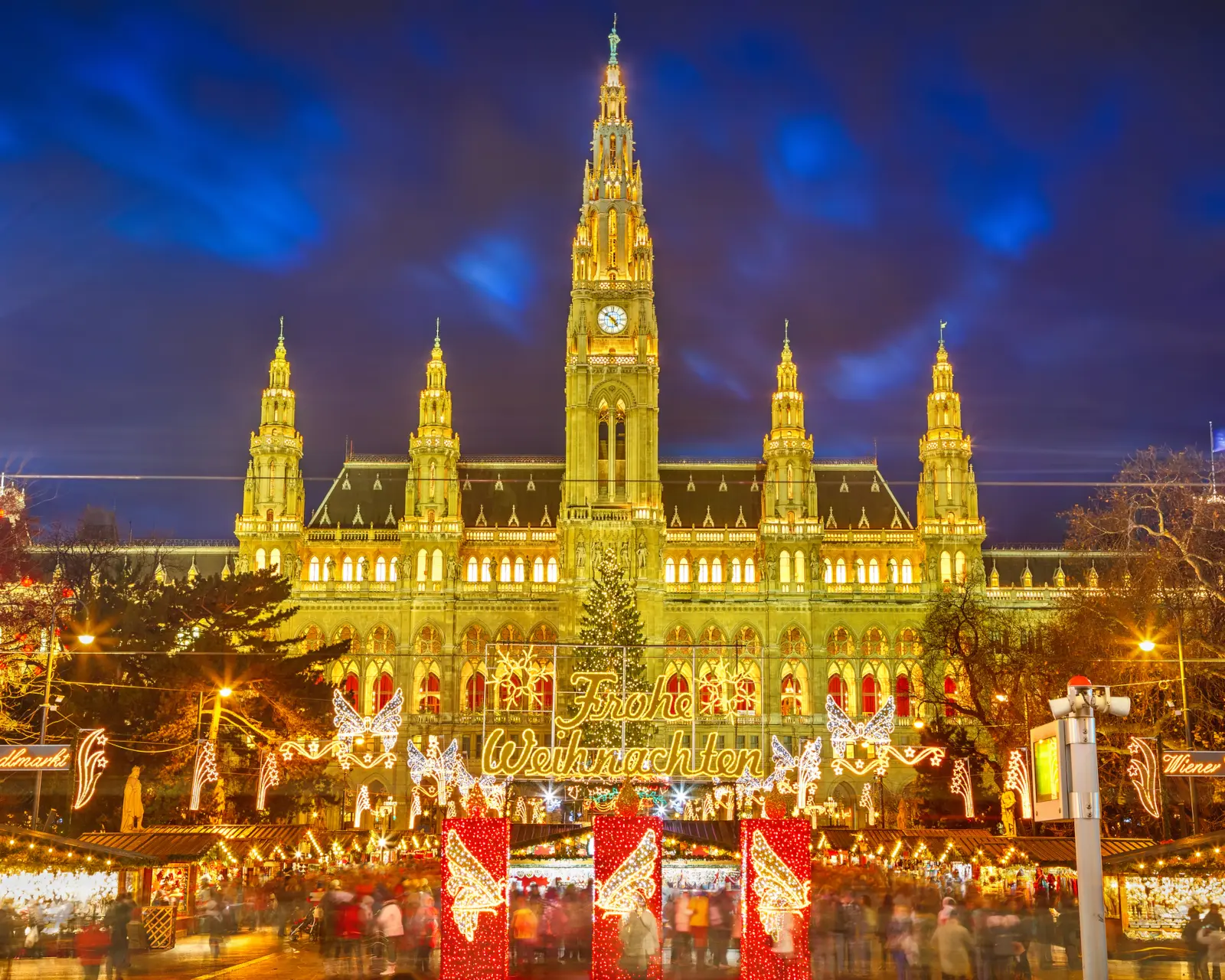
Christmas in Vienna is magical. The historic squares, illuminated buildings, festive decorations, traditional food, and Christmas markets create an atmosphere that attracts visitors from around the world.
I don’t have a single friend who has visited Vienna during the Christmas season and been disappointed. Everyone I know who has experienced it has come back enthusiastic about the decorations, markets, and festive atmosphere.
Rathausplatz is one of the most famous Christmas markets, with Vienna City Hall providing a magnificent backdrop. Schönbrunn Palace offers a beautiful imperial setting, while Karlsplatz and Spittelberg are known for their distinctive atmosphere and handicrafts.
For exact dates, opening hours, locations, and sightseeing suggestions, see the Vienna Christmas markets guide.
December is generally Vienna’s busiest month for overnight tourism. Popular markets can get crowded on weekend evenings, and accommodation may cost more than in quieter months.
If you want to browse the stalls comfortably, visit on a weekday. Evening visits are wonderful for seeing the lights, but they’re also popular with other visitors.
Winter clothing is important, especially if you intend to spend several hours outside. Comfortable waterproof shoes, gloves, warm layers, and a scarf are useful. You’ll find more suggestions among these Christmas market packing essentials.
Vienna in January: Fewer Tourists and Winter Attractions
January is one of Vienna’s coldest months, with average daytime highs around 4°C (39°F) and nighttime temperatures often below freezing.
Snow is possible, but Vienna doesn’t have the consistently snowy winters of Austria’s Alpine regions.
Tourism becomes quieter after the New Year holiday period, making January an attractive option for visitors who prefer a less busy city.
It’s a great time to visit museums, exhibitions, historic palaces, concerts, and coffeehouses. Some hotels may offer more competitive rates outside major events, although prices depend on the dates and property.
If you enjoy art, the Kunsthistorisches Museum Vienna, also known in English as the Art History Museum or Museum of Fine Arts Vienna, is one of the city’s outstanding attractions.
I visited the museum during my first trip to Vienna and loved its magnificent architecture and impressive collections. The Picture Gallery, Kunstkammer, ancient collections, and grand staircase deserve more than a brief visit.
January also marks Vienna’s famous ball season. If you’re planning to attend a particular event, check the calendar and accommodation availability before booking.
Vienna in February: Museums, Coffeehouses, and Ball Season
February remains cold, although daylight hours gradually increase. Average daytime highs are around 7°C (45°F), and nights often drop near freezing.
It’s another good month for visitors who enjoy cultural attractions and prefer avoiding the main tourist crowds.
Vienna’s museums offer much more than paintings and sculpture. The city also has fascinating collections devoted to science, technology, natural history, music, and more.
During our second visit, we spent almost an entire day at the Technisches Museum Wien. It offers an impressive range of exhibits on technology, inventions, transport, science, and everyday life.
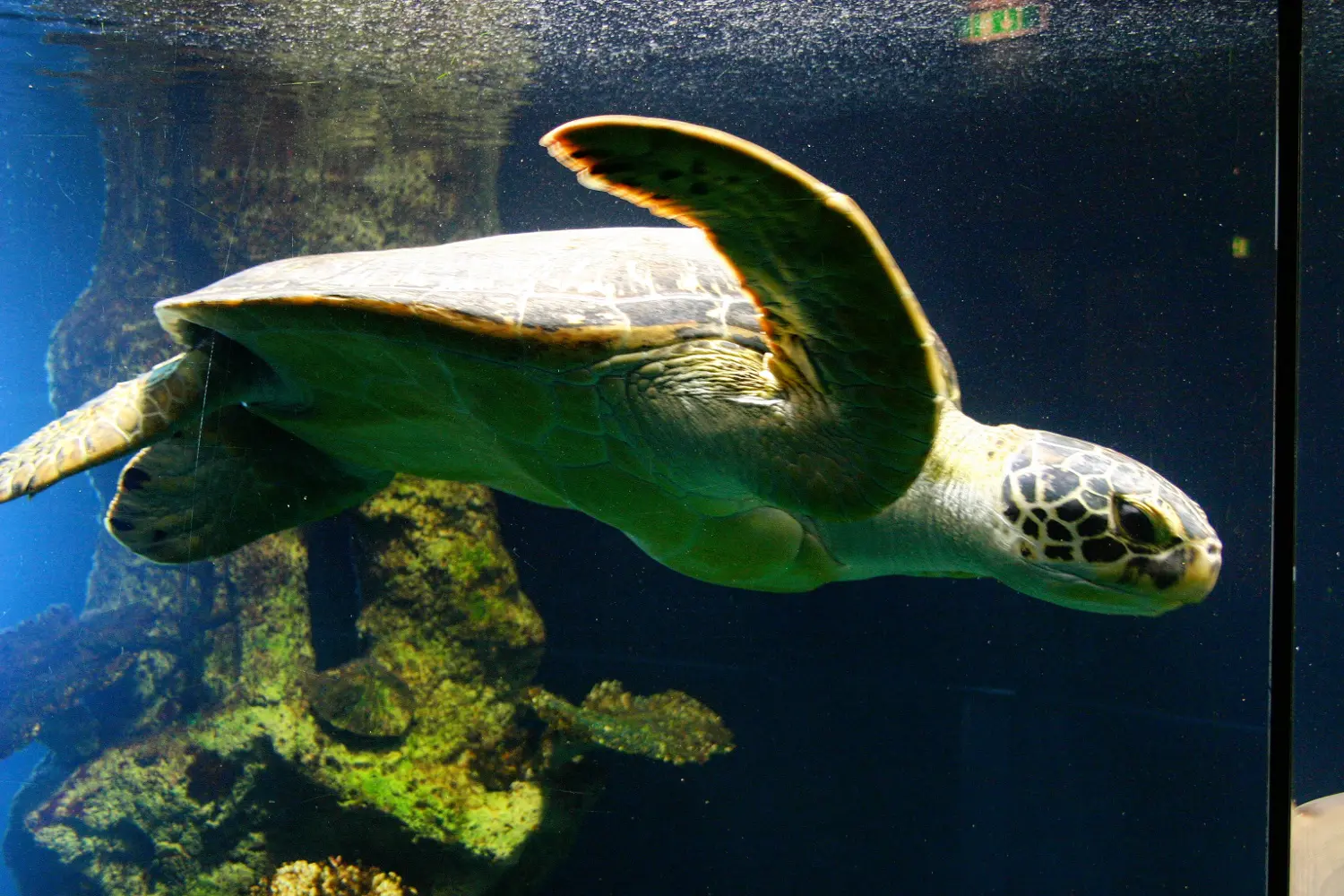
Another indoor attraction is Haus des Meeres, Vienna’s Aqua Terra Zoo, housed in a former anti-aircraft tower. We enjoyed our visit, and it’s a great choice for families and anyone interested in marine life and tropical animals.
February also marks Vienna’s ball season, including the famous Vienna Opera Ball. Major events can affect hotel availability and prices, so check your dates if you’re traveling on a budget.
Best Time to Visit Vienna for Sightseeing and Palace Gardens
If your main goal is to explore Vienna’s famous attractions, I’d choose May, June, or September.
These months generally offer comfortable temperatures for walking around the historic center, exploring the Ringstraße, and spending time at imperial palaces and gardens.
Schönbrunn is especially enjoyable when the gardens are green, and the weather lets you spend several hours outdoors. Its landscaped grounds, fountains, and views from the Gloriette are worth the extra time.
Belvedere is another beautiful place to explore, with Baroque architecture, gardens, and famous art collections. The Hofburg provides a different experience, focused on Vienna’s imperial history and the former Habsburg residence in the historic center.
If your itinerary doesn’t allow time for all three, comparing Schönbrunn, Hofburg, and Belvedere can help you choose the attractions that best match your interests.
April and October are good alternatives for sightseeing, although temperatures are cooler and rain may affect your plans.
In July and August, I’d schedule outdoor attractions for the morning and use the warmer afternoons for museums or other indoor activities.
Best Time to Visit Vienna for Museums
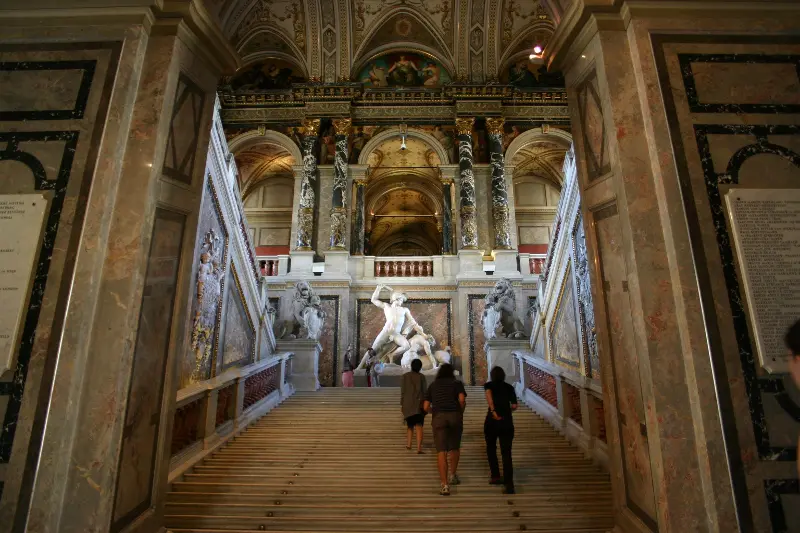
You can visit Vienna’s museums year-round, but winter, late autumn, and rainy days are great opportunities to spend more time indoors.
The Kunsthistorisches Museum, Albertina, Upper Belvedere, Natural History Museum, and Technical Museum are among the city’s major attractions, covering very different subjects.
If art isn’t your main interest, you’ll still find plenty of fascinating places. Vienna’s best museums cover history, technology, science, and other interests.
I’d allow at least several hours for a major museum rather than trying to squeeze multiple large collections into one afternoon.
Some attractions require or recommend timed-entry reservations. Check the current ticket conditions and opening hours before your visit, especially during holidays and busy periods.
Best Time to Visit Vienna for Christmas Markets
Late November and December are ideal for Vienna’s Christmas markets, with the widest selection generally available once the major markets open.
In 2026, the first major markets begin opening in early November, including Schönbrunn Palace on November 6 and Rathausplatz on November 13.
By November 20, many of the best-known markets are scheduled to be operating, making November 20 to December 23 a useful window for visitors hoping to experience several different Christmas markets.
Is November or December Better for Vienna’s Christmas Markets?
Late November can be a good choice if you prefer traveling before December’s busiest period. Many major markets are already open, and you can enjoy festive decorations alongside Vienna’s regular sightseeing attractions.
December brings the full Christmas atmosphere, but it also attracts more visitors. Weekends and evenings are especially popular at central markets.
If you want to enjoy the lights without spending all your time in crowds, visit markets on weekday afternoons and stay until after dark.
Are Vienna Christmas Markets Open After Christmas?
Some Christmas markets continue after December 25, while others close before Christmas Eve.
For the 2026 season, Rathausplatz and Stephansplatz are scheduled to remain open through December 26. Belvedere continues until December 31, while Schönbrunn Palace and the Prater Winter Market run until January 6, 2027.
If you’re visiting Vienna between Christmas and New Year’s Eve, check the market dates before planning your days.
You’ll also want to confirm the opening hours of museums, shops, and restaurants, since public holidays can affect their schedules.
When Is Vienna Least Crowded?
January and February are generally Vienna’s quietest months for overnight tourism, according to the city’s official tourism statistics.
Early November, before the main Christmas market season, can also be relatively quiet.
However, Vienna remains a popular destination year-round, and famous attractions such as Schönbrunn, Belvedere, and St. Stephen’s Cathedral continue to attract visitors even in quieter months.
December typically records the most overnight visitors, largely because of the Christmas markets and cultural events.
Summer is also popular, but August isn’t automatically the most crowded month.
How to Avoid Crowds at Popular Vienna Attractions
If you’re visiting Schönbrunn Palace, Belvedere, or another major attraction, check whether you can reserve a timed-entry ticket.
Early visits can help, especially during busy travel periods. Weekdays may also be more comfortable than weekends, depending on the attraction.
For St. Stephen’s Cathedral, remember that it’s both an important tourist attraction and an active place of worship. Visits, towers, and catacomb tours have their own access arrangements, so check the schedule before arriving.
Christmas markets tend to get busier later in the day, especially after dark, when visitors come to enjoy the festive lights.
Cheapest Time to Visit Vienna: Hotels, Flights, and Budget Tips
January after the New Year holidays, February, and early November are good periods to compare accommodation prices in Vienna.
These months generally have lower visitor demand than December and some of the popular spring and summer periods. However, hotel prices vary according to events, conferences, weekends, and availability.
No single month guarantees the cheapest flights to Vienna. Airfares depend on your departure airport, airline, booking dates, and travel demand.
Which Months Are Cheapest for Hotels in Vienna?
If you’re flexible, start by comparing mid-January, February, and early November. March may also offer attractive rates outside major events and Easter-related travel periods.
A centrally located hotel can be convenient, but Vienna has an excellent public transport system. Staying in a well-connected district outside the historic center may help you find accommodation that better suits your budget.
I’ve stayed in Josefstadt and Leopoldstadt on different trips, and both locations worked well for our plans. We also paid attention to parking, since we traveled by car.
Before booking, compare the best areas to stay in Vienna based on transport connections, proximity to attractions, hotel facilities, and price.
Is Vienna Expensive at Christmas?
December is a very popular travel period in Vienna, and accommodation can be expensive, especially near major Christmas markets and on busy weekends.
If you have specific hotel requirements or want to stay in the historic center, booking well ahead of your trip gives you more options.
Late November weekdays may be worth comparing with December dates if you want to see the Christmas markets but keep accommodation costs down.
How to Save Money When Visiting Vienna
Accommodation location, transportation, sightseeing tickets, and restaurant choices can all affect your total trip budget.
Vienna’s public transport lets you stay outside the first district and still reach the main attractions easily.
I’d also compare the total hotel cost, including breakfast and parking where needed, rather than choosing a property based only on the advertised room rate.
It’s easy to overlook smaller expenses when planning a trip. Considering these hidden travel costs before booking can help you create a more realistic vacation budget.
Best Time to Visit Vienna for Shopping and Seasonal Sales
Shopping was an enjoyable part of our Vienna trips, especially during the summer sales.
During our late June and early July visits, we found clothing discounts at several stores. It was fun to combine sightseeing with browsing, and we still had plenty of items to choose from.
When Are the Summer Sales in Vienna?
Summer sales typically begin in late June or July and continue throughout the summer. Austrian retailers aren’t required to follow a single nationwide sales period, so timing varies by store.
Mariahilfer Straße is one of Vienna’s most popular shopping streets, with numerous clothing stores and other retailers.
Kärntner Straße and Graben, in the historic center, are also attractive shopping areas. Kohlmarkt is known for luxury boutiques.
If you’re traveling in July or August, shopping centers and air-conditioned stores can be a good way to escape the summer heat for a while.
When Are the Winter Sales in Vienna?
Post-Christmas and winter sales often take place in January, although individual stores set their own discount periods.
If you’re visiting Vienna in January or February, you can easily fit shopping around museums, exhibitions, and other indoor activities.
Most regular shops in Vienna are closed on Sundays and public holidays. A few exceptions exist, including some shops at transport hubs.
Best Time to Visit Vienna for Festivals, Concerts, and Special Events
Vienna hosts cultural events year-round, but some of its most famous festivals and performances occur during specific seasons.
Spring: Easter Markets and the Vienna Festival
Spring brings Easter markets, exhibitions, and seasonal cultural events.
The Wiener Festwochen, or Vienna Festival, generally takes place in late spring and early summer, with theater, music, and other performances.
Vienna’s parks and gardens are also appealing at this time of year, especially during April and May.
Summer: Open-Air Festivals and Concerts
The Vienna Philharmonic’s Summer Night Concert at Schönbrunn Palace is a major outdoor classical music event, usually held in late spring or early summer.
The concert is free to attend, although access conditions and crowd arrangements can vary.
Donauinselfest, the Danube Island Festival, is another major summer event, featuring music and entertainment.
The Film Festival at Rathausplatz runs during summer, bringing screenings and food stalls to the square in front of Vienna City Hall.
If you want to attend a specific performance at the Vienna State Opera, check its calendar before booking. The regular season runs from September into early summer, with a summer break.
Autumn: Opera, Museums, and Wine Events
September marks the return of the main cultural season at several important Viennese performance venues.
Autumn also brings wine-related activities in the city’s vineyard districts, exhibitions, and events such as the Long Night of Museums.
October is a lovely time to combine museums with outdoor sightseeing when the weather allows.
Winter: Christmas Markets, Ice Skating, and Vienna’s Ball Season
Winter’s major attractions include Christmas markets, New Year’s celebrations, seasonal concerts, and Vienna’s famous ball season.
Ice skating is another popular activity, with seasonal attractions at Rathausplatz.
January and February are especially appealing for visitors interested in the city’s ball tradition, but you should book tickets and accommodation well in advance for major events.
When Should You Avoid Visiting Vienna?
The months I’d be more cautious about choosing depend on the type of trip you’re planning.
July and August: If You Don’t Enjoy Hot Weather
Summer can bring heat waves and temperatures exceeding 35°C (95°F). If you’re sensitive to heat or want to spend most of your time walking outdoors, May, June, or September will generally be more comfortable choices.
Early November: If Christmas Markets Are Your Main Priority
Some Christmas markets open in early November, but others don’t start until mid- or late November.
If you’re traveling specifically for the markets, check opening dates carefully and consider the second half of November.
December Weekends: If You Want Fewer Crowds and Lower Prices
December is popular for Christmas markets and festive experiences. Central markets can be crowded, particularly on weekend evenings, and accommodation prices may reflect the high demand.
January and February: If You Prefer Warm Weather
Winter is great for museums, coffeehouses, and cultural events, but temperatures are low and daylight hours are shorter.
If beautiful gardens and long outdoor walks are priorities, I’d choose spring or early autumn.
My Favorite Time to Visit Vienna and When I’d Go Back
Our summer visits gave us plenty of time to enjoy Vienna’s attractions, and I loved combining sightseeing, museums, parks, shopping, and the Prater in the same trip.
We stayed in different parts of the city, explored at our own pace, and discovered that some of Vienna’s museums and attractions deserve much more time than you initially expect.
Late June and early July worked extremely well for us. I’d happily return then, but I’d also consider September for its comfortable weather and cultural events.
And Christmas is still on my list. After hearing so many enthusiastic stories from friends who visited Vienna during the festive season, I’d love to experience the markets and decorations myself.
For first-time visitors who want to explore beyond the city’s most famous palaces, these essential Vienna travel tips help you plan sightseeing routes, tickets, and transport.
Practical Tips for Planning Your Vienna Trip
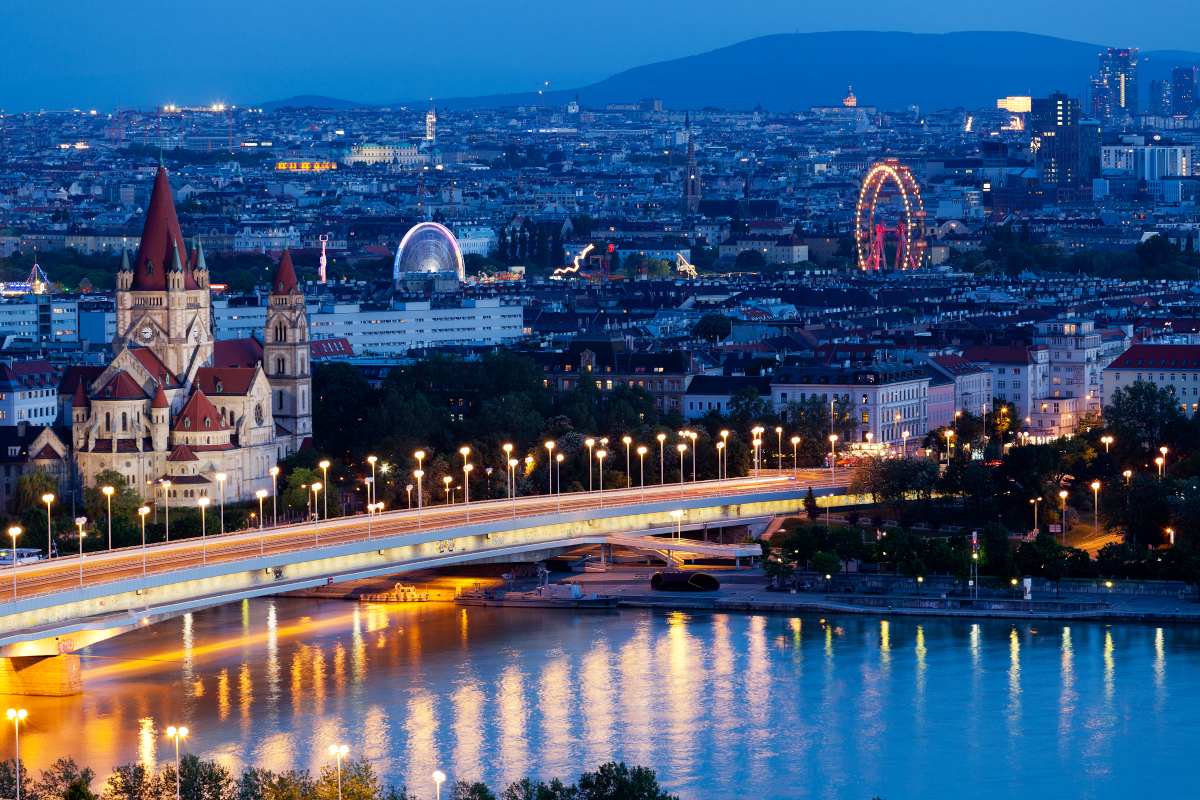
ID 24693992 ©Digitalpress | Dreamstime.com
Choose How Many Days to Spend in Vienna
Three days let you see several major attractions, but four or five days give you more time for museums, palaces, parks, and neighborhoods outside the historic center.
I’d avoid trying to see everything on a short trip. Vienna has large museums and palace complexes where you can easily spend several hours, so leave time for the attractions that interest you most.
If you’re planning a longer vacation, a step-by-step travel planning process can help you arrange accommodation, transport, sightseeing, and other reservations before you leave.
Prepare for Vienna’s Weather
Spring and fall call for layers, comfortable walking shoes, and a waterproof jacket. Summer calls for breathable clothing, sun protection, and plenty of water for sightseeing.
Winter visitors will need warm coats, gloves, scarves, and shoes suitable for cold or wet conditions.
If you’re traveling between September and November, these fall packing essentials for Europe can help you prepare for changing temperatures.
Before you leave, check chargers, medications, travel adapters, and other items travelers often forget to pack.
Check Your Documents and Flight Preparations
If you’re flying to Vienna, make sure your travel documents meet the requirements for your nationality, itinerary, and any countries you’re transiting.
Use this international travel paperwork checklist to review passport validity, ticket names, insurance details, and reservations.
The evening before departure is a good time to check in online if available, review baggage rules, charge your devices, and prepare everything you’ll need at the airport.
A night-before-departure checklist can help you avoid leaving important tasks until the morning of your flight.
Keep Important Information Accessible During Your Trip
Save hotel details, attraction tickets, reservations, and public transport information somewhere you can access without an internet connection.
Before leaving the hotel for a day of sightseeing, check the attraction opening hours and the public transport route to your first destination.
When you enter a hotel room, take a few seconds to look at the emergency exit plan on the door. Photographing it is a useful hotel safety habit to adopt before unpacking.
Vienna Average Temperatures by Month (Celsius and Fahrenheit)
Vienna has cold winters, warm summers, and changing weather during spring and autumn. The table below shows average daytime highs and nighttime lows based on the official 1991–2020 climate normals recorded at Vienna’s Hohe Warte weather station.
Temperatures are rounded to the nearest whole degree in Celsius and Fahrenheit. These are climate averages, so individual days can be much warmer or colder.
| Month | Average High | Average Low |
|---|---|---|
| January | 4°C / 38°F | -1°C / 30°F |
| February | 7°C / 44°F | -1°C / 31°F |
| March | 11°C / 51°F | 3°C / 37°F |
| April | 17°C / 63°F | 7°C / 44°F |
| May | 21°C / 69°F | 11°C / 51°F |
| June | 25°C / 77°F | 15°C / 58°F |
| July | 26°C / 80°F | 16°C / 61°F |
| August | 26°C / 79°F | 16°C / 60°F |
| September | 21°C / 70°F | 12°C / 54°F |
| October | 14°C / 58°F | 7°C / 45°F |
| November | 9°C / 48°F | 4°C / 39°F |
| December | 4°C / 39°F | 0°C / 31°F |
Source: City of Vienna climate statistics, 1991–2020, based on GeoSphere Austria measurements.
Conclusion: So, When Is the Best Time to Visit Vienna?
For sightseeing and pleasant weather, I’d recommend May, June, or September. These months offer a good balance for exploring Vienna’s historic center, palaces, gardens, and outdoor attractions.
Late November and December are ideal if Christmas markets are your priority, though you’ll need to prepare for colder weather and more visitors.
January and February are worth considering for quieter sightseeing, museums, concerts, and potential accommodation deals.
My summer visits were wonderful, and late June remains one of my favorite times to explore Vienna. But with so many seasonal experiences, there’s plenty of reason to return at a different time of year.
Frequently Asked Questions About the Best Time to Visit Vienna
What is the best month to visit Vienna, Austria?
May, June, and September are among the best months to visit Vienna for sightseeing and pleasant weather. May is excellent for spring gardens, June offers long days and warm temperatures, and September combines comfortable weather with the return of the main cultural season.
Is Vienna better in May or September?
Both months are excellent for sightseeing. May appeals for spring flowers, green gardens, and outdoor cafés, while September offers early autumn weather and cultural performances. If you want to attend the Vienna State Opera’s regular season, September is a good choice.
Is June a good time to visit Vienna?
Yes. June is one of my favorite months for visiting Vienna. Days are long, the gardens are beautiful, and the weather is generally good for walking and outdoor sightseeing. Hot days are still possible, and popular attractions can be busy, so plan accordingly.
Is Vienna too hot in August?
August can be hot, with average daytime highs around 26°C (79°F) and occasional heat waves above 35°C (95°F). If you dislike hot weather or want to spend most of your time walking outdoors, May, June, or September may be more comfortable.
What is the cheapest month to visit Vienna?
January after the New Year holidays, February, and early November are good periods to compare accommodation prices. However, major events, conferences, and specific weekends can affect rates. Flight prices also depend on your departure city and booking conditions.
When is Vienna least crowded?
January and February are generally the quietest months for overnight tourism in Vienna. Early November can also be quieter before the main Christmas market season. Famous attractions stay popular year-round.
Is Vienna worth visiting in November?
Yes. Early November is a good option for museums and quieter sightseeing, although the weather can be cold and gray. Christmas markets open in November, and the second half of the month appeals to visitors who want to combine festive attractions with sightseeing.
When do Vienna Christmas markets start?
Vienna’s Christmas markets generally begin opening in November. For 2026, Schönbrunn Palace opens on November 6, Rathausplatz on November 13, and several other major markets later in the month. Exact dates vary by market and year.
Is Vienna worth visiting in January or February?
Yes, particularly if you’re interested in museums, imperial history, traditional coffeehouses, concerts, and Vienna’s ball season. These months are colder and have shorter days, but visitor numbers are generally lower than during December and the warmer travel periods.
Does it snow in Vienna in December?
Snow is possible in Vienna in December, but it isn’t guaranteed. Vienna generally receives less snow than Austria’s Alpine regions, and snowfall may not last long. Plan for cold weather, but don’t expect a snow-covered city.
Is September or October better for Vienna?
September generally offers warmer temperatures and more comfortable conditions for long sightseeing days. October is appealing for autumn colors, museums, and cooler weather. Early October can still be pleasant for walking, while late October usually requires warmer clothing.
When is the best time to visit Vienna for Christmas markets and sightseeing?
Late November and early December are good choices if you want to enjoy Christmas markets while exploring Vienna’s famous attractions. Many markets are open by the second half of November, and you can visit museums and palaces during the day before enjoying festive lights and stalls in the evening.
When are the summer sales in Vienna?
Vienna’s summer sales usually begin in late June or July, with discounts running through the summer. Stores set their own dates, so sales vary between retailers. January is another good time to shop because of post-Christmas and winter discounts.
How many days do you need in Vienna?
Three days cover several major attractions, but four or five days offer a more relaxed experience, especially if you enjoy museums and palaces. A longer stay also lets you explore more neighborhoods or take day trips from Vienna.
Travel information checked October 2026. Seasonal events, Christmas market dates, museum schedules, and hotel prices can change. Climate figures come from the City of Vienna and GeoSphere Austria; tourism seasonality is based on Vienna Tourist Board statistics.
More amazing articles for you:
Breathtaking destinations for being one with nature
10 Tips For Your First Trip To Japan
Post-Lockdown Adventures from Birmingham
Monaco in photos
Crossing Borders, Keeping Signal: How to Stay Connected on a Multi-Country Trip
He Was Told His Suitcase Didn’t Fit. What He Did Next at the Gate Went Viral - Genius or Risky?
Real-Time Translation for Travel: How Tech Is Breaking Language Barriers
5 Border-Crossing Walking Trails in Europe

Violeta-Loredana Pascal is a communications expert, business mentor, and the founder of Earth’s Attractions and PRwave INTERNATIONAL. A pioneer in the Romanian digital PR landscape since 2005, she holds a degree in Communication and Social Sciences from SNSPA Bucharest. Violeta is a senior trainer at AcademiadeAfaceri.ro, where she leverages over 20 years of experience to teach professional courses in PR strategy and workplace productivity. By blending high-level business consulting with a passion for holistic travel and wellness, she empowers solopreneurs to overcome procrastination, build profitable brands, and design a life of purposeful adventure.