Vienna is an amazing city for history buffs, architecture enthusiasts and art lovers. There are so many impressive Vienna landmarks, palaces, museums, churches, and other attractions that creating the perfect itinerary can be harder than expected.
I’ve visited Vienna twice, and I’m already preparing another trip. I know how quickly a list of places you want to see can become overwhelming, especially when you start reading about Schönbrunn Palace, Belvedere Palace and the enormous Hofburg complex.
All three are beautiful, but they provide very different experiences.
On my first trip to Vienna, which lasted approximately a day and a half, I chose Schönbrunn and a museum.
In this Schönbrunn vs Hofburg vs Belvedere comparison, I’ll explain what each place offers, what you can see without a ticket, how much time you may need and which Vienna palace suits your interests, budget and itinerary.
One important note: each of these palace complexes can take most of a day. Schönbrunn can easily become a full-day destination when you add the gardens and zoo. Visiting all the Belvedere venues can fill an art-focused day. Hofburg contains enough museums and attractions for several days.
Schönbrunn, Belvedere and Hofburg Offer Three Different Experiences
The word “palace” may give you the impression that you’ll have a similar visit at all three. You won’t.
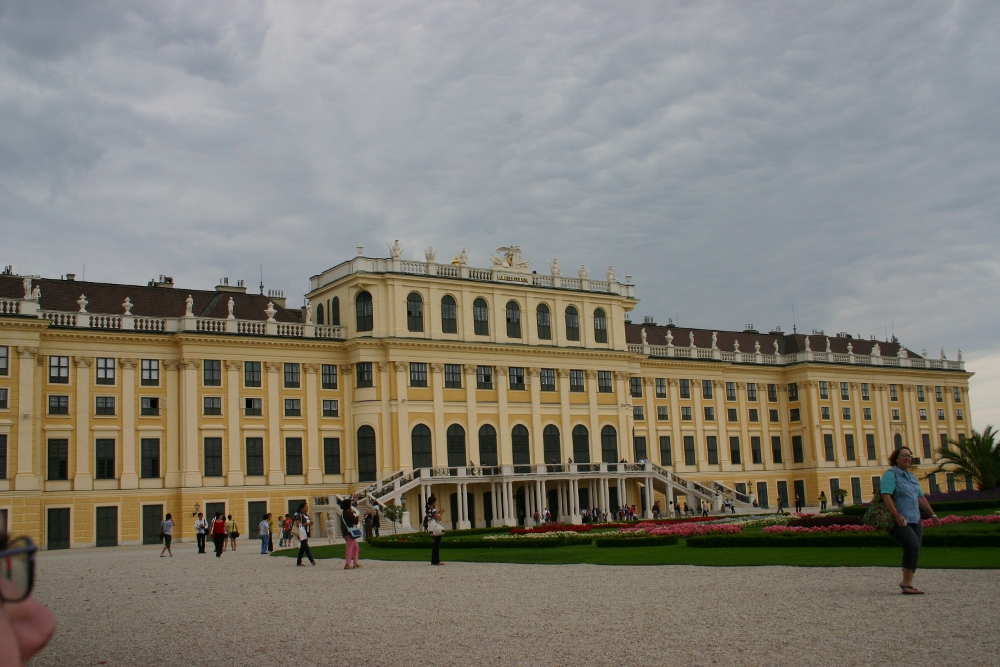
Schönbrunn is an imperial palace and a large historic estate. You can tour rooms associated with Emperor Franz Joseph, Empress Elisabeth and Maria Theresa, then continue through the gardens, visit the Schönbrunn Zoo or add several smaller attractions.
Belvedere is a Baroque palace complex used primarily as an art museum. Upper Belvedere contains Gustav Klimt’s The Kiss and the main permanent collection. Lower Belvedere presents temporary exhibitions and includes historic palace rooms. Belvedere 21 is a separate modern and contemporary art venue.
Hofburg is a vast palace complex rather than one attraction with one entrance ticket. The Sisi Museum and Imperial Apartments are only part of it. Hofburg also contains the Imperial Treasury, Spanish Riding School, State Hall of the Austrian National Library and several museums in the Neue Hofburg.
Schönbrunn Palace – The Complete Imperial Estate Experience
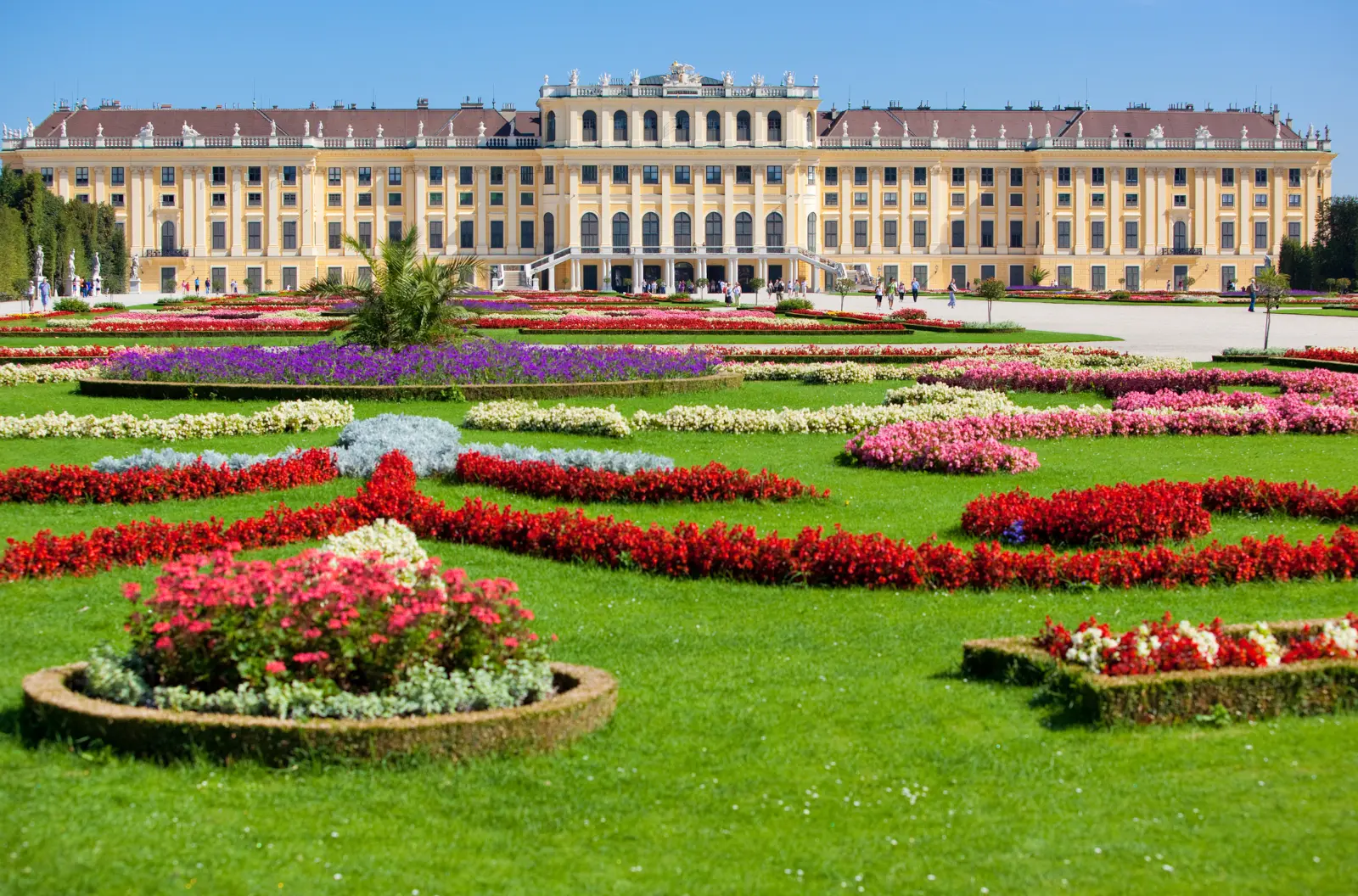
ID 13016601 ©Chaoss | Dreamstime.com
Why I Chose Schönbrunn on My First Trip to Vienna
My first trip to Vienna lasted only about a day and a half, so we had to make some difficult choices. Schönbrunn was the only palace we included.
We had already spent several hours at the Kunsthistorisches Museum earlier that day. It is an enormous museum, and we had done a lot of walking before we even reached Schönbrunn.
At the palace, we joined an English-language guided tour. I’m glad we chose a guide because we learned details about Maria Theresa, Franz Joseph, Empress Elisabeth, and daily court life that we wouldn’t have understood simply by walking through the rooms.
After the tour, we wandered through part of the gardens. We didn’t visit the maze, but we continued to Schönbrunn Zoo and spent several hours there.
By the time we finished, my feet were hurting, so we decided to skip the Orangery area and some of the other attractions. We still walked along Mariahilfer Straße later, but it was already clear that we had planned a demanding day.
Schönbrunn became one of my favorite places in Vienna. It also taught me not to underestimate the amount of time and energy required by Vienna’s major palaces and museums.
What You See Inside Schönbrunn Palace
The principal palace visit introduces you to several generations of the Habsburg family rather than concentrating on one emperor or empress.
Depending on the ticket or guided tour you choose, you may see the private apartments of Emperor Franz Joseph and Empress Elisabeth, reception rooms, ceremonial spaces, state apartments and rooms associated with Maria Theresa.
The current Palace Ticket covers the entire piano nobile. The route includes the private chambers of Franz Joseph and Elisabeth, the south-facing reception rooms, the State Apartments and Maria Theresa’s apartments.
The interiors reveal several sides of imperial life.
Some rooms are grand and ceremonial, designed for official audiences, court gatherings and important events. Others are surprisingly personal and provide a closer look at the routines, preferences and working lives of the people who lived there.
The current Palace Ticket includes an audio guide or printed description and takes approximately 75 minutes. Guided tours are offered separately, with available languages and schedules depending on the date.
Check the official Schönbrunn ticket options before choosing, as ticket names, seasonal packages and included attractions can change.
For a closer look at the palace, gardens and individual attractions, this complete guide to visiting Schönbrunn Palace will help you plan the rest of the estate.
What Schönbrunn Shows You About Sisi
Empress Elisabeth, commonly known as Sisi, is an important part of the Schönbrunn story, but the palace isn’t devoted exclusively to her.
You’ll learn about her life with Franz Joseph, see rooms associated with the imperial couple and understand her place within the wider Habsburg family.
You will even find out interesting curiosities (for us today), things that were special for that era or choices Sisi preferred to make.
You’ll also learn about Maria Theresa, her family and other members of the dynasty who shaped the palace over several centuries.
Schönbrunn gives Sisi’s story a wider setting. It shows the imperial family, the court and the enormous estate around them.
The Sisi Museum at Hofburg provides a more concentrated examination of Elisabeth’s personality, possessions, private life and public image.
What Can You See in the Schönbrunn Gardens for Free?
You don’t need a palace ticket to enter the main park and walk through much of the Schönbrunn estate.
The free areas generally include the principal park paths, exterior views of the palace, the large formal garden behind it, the Neptune Fountain area and the walk toward the Gloriette.
You can therefore experience the scale and architecture of Schönbrunn without buying an interior ticket.
Several special garden attractions require separate tickets or are included in combination passes.
The Privy Garden
The Privy Garden has formal flower beds and pergola walks near the palace. It offers a more contained garden experience than the enormous public park.
The Orangery Garden
The Orangery Garden is connected with Schönbrunn’s horticultural history. The estate’s large Baroque orangery is still used to protect delicate plants during winter.
The Orangery Garden shouldn’t be confused with concerts and other events held in the Orangery building.
The Maze and Labyrinth
The Maze and Labyrinth add games, puzzles and interactive activities to the palace visit. They are popular with families and operate seasonally.
The Gloriette Viewing Terrace
You can walk toward the Gloriette without paying for the rooftop viewing terrace.
The terrace requires a ticket and offers a higher panoramic view across the palace park and Vienna.
What Else Is Available at Schönbrunn?
Schönbrunn has enough attractions to fill an entire day or more. You don’t need to visit all of them to have a worthwhile experience.
Schönbrunn Zoo
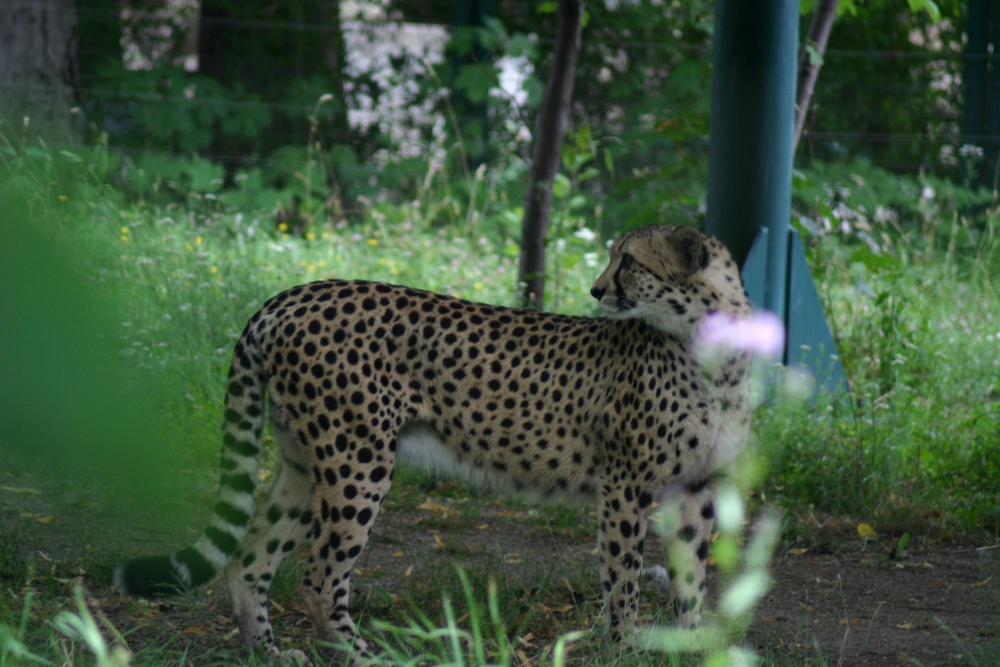
Tiergarten Schönbrunn is the oldest zoo in the world still in operation and one of the main reasons a Schönbrunn visit can take a full day.
We spent hours there. It isn’t a small attraction you can add in the final 30 minutes of your palace visit.
The zoo contains historic structures alongside modern habitats and conservation programmes. It can become the main part of the day for families, with the palace and gardens added according to the children’s ages and interests.
Children’s Museum Schönbrunn Palace
The Children’s Museum introduces younger visitors to everyday life in the imperial family.
Children can learn about clothing, dining, toys, hygiene and palace routines. They can also dress as princes or princesses and take part in interactive activities.
Imperial Carriage Museum
The Imperial Carriage Museum, also known as the Wagenburg, displays carriages, vehicles, clothing and objects connected with the Habsburg court.
It provides a different perspective on royal ceremonies, travel and public appearances.
Palm House
The Palm House is an enormous historic greenhouse containing plants from several climate regions.
It is worth considering when you enjoy architecture, botany or unusual historic buildings.
Desert House
The Desert House focuses on plants and animals adapted to dry environments. It is located near the Palm House and requires a separate ticket unless included in a larger pass.
Maze, Labyrinth and Playground
These provide a break from palace rooms and historical exhibitions. They are useful additions for families but take more time and walking than many visitors expect.
Gloriette
The Gloriette stands on the hill opposite the palace and is one of Schönbrunn’s most recognizable structures.
The walk to it adds distance and an uphill section to the day. Allow enough time and energy rather than leaving it until the final minutes of your visit.
Concerts, Events and Seasonal Markets
Classical concerts, Christmas and Easter markets, cultural events and other seasonal programmes take place in different areas of Schönbrunn.
These need separate planning and may have their own tickets and schedules.
Cafés and Restaurants
Several cafés and restaurants are available across the estate. A proper break can make a considerable difference when you’re combining the palace, gardens and zoo.
How Long Do You Need at Schönbrunn?
The Palace Ticket alone takes approximately 75 minutes, but this isn’t a complete Schönbrunn visit.
Allow around two to three hours for the palace and a limited walk through the main gardens. Allow at least half a day if you want to see the palace, walk through the principal garden areas and continue toward the Gloriette. Give Schönbrunn a full day when adding the zoo, Children’s Museum or several special garden attractions.
The official Classic Pass, which includes the Palace Ticket, Privy Garden, Maze and Labyrinth, Orangery Garden and Gloriette viewing terrace, is estimated at approximately three to four hours.
The larger Classic Pass Plus includes the palace, zoo, special garden attractions, Palm House and Desert House and is designed for a visit lasting one or two days.
I wouldn’t try to complete the palace, gardens, zoo, maze, Palm House, Desert House and every smaller attraction during one comfortable day.
Is Schönbrunn Palace Worth Visiting Inside?
Yes, especially during a first trip to Vienna.
The rooms provide the historical context behind the estate. Without the interior, you’ll still see beautiful architecture and gardens, but you’ll miss the spaces connected with Maria Theresa, Franz Joseph, Elisabeth and imperial court life.
The paid interior may be less important if you have little interest in imperial history, dislike palace tours or prefer to spend your limited time in Vienna’s art museums.
In that case, walking through the free park and seeing the palace exterior may be enough.
Is Schönbrunn a Tourist Trap?
Schönbrunn is one of Vienna’s most popular attractions. It can be crowded, and the cost increases quickly when you add several separately ticketed experiences. But, in my opinion, it is not a tourist trap.
Some visitors expect every room to be densely furnished or covered in gold. Others buy a ticket without checking which rooms it includes. Many people leave too little time for the estate and become frustrated when they can’t complete everything.
Schönbrunn is worth visiting when you’re interested in imperial history and choose the attractions that fit your day.
The visit becomes exhausting when you try to complete an unrealistic list or buy the largest pass simply because it includes the most attractions. As I mentioned, we also picked only a few of the things available here.
Who Should Choose Schönbrunn?
Schönbrunn is an excellent choice for first-time visitors who want the broadest imperial experience.
Choose it when you’re interested in Sisi, Franz Joseph, Maria Theresa, palace interiors, architecture, gardens and outdoor attractions.
It is also the strongest choice for families because the estate can include the zoo, Children’s Museum, maze, playground and several other activities.
Who Might Skip the Paid Interior?
You may prefer to see only the free gardens and exterior if you have very limited time, aren’t interested in royal history or have already visited several furnished European palaces.
Art lovers with only one paid museum slot may receive more value from Upper Belvedere.
Belvedere Palace – The Best Choice for Klimt and Austrian Art
My Visit to Upper Belvedere
My second trip to Vienna had a different focus. Belvedere and Hofburg were part of that trip, but we visited them on separate days.
On the day we went to Belvedere, we had already spent several hours at Haus des Meeres, Vienna’s aquarium and zoo inside a former flak tower.
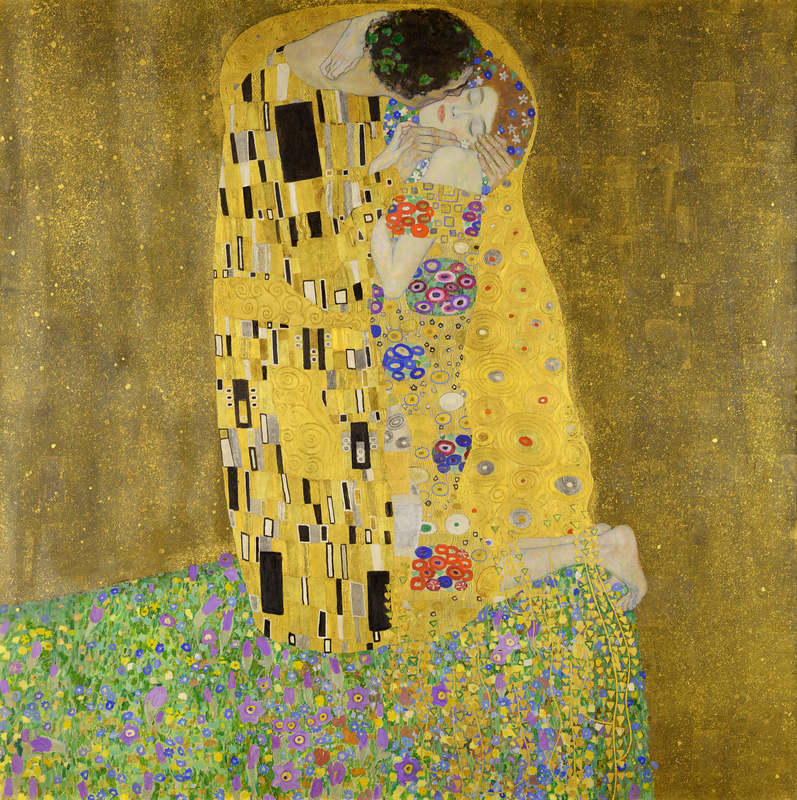
Haus des Meeres took longer than we had expected. By the time we reached Belvedere, we had enough time for only Upper Belvedere, the palace containing Gustav Klimt’s The Kiss and the main permanent collection.
ID 309710825 ©corvalol | Dreamstime.com
We moved through it faster than I would recommend today, but we still saw many impressive works. I was also struck by the Marble Hall and grand staircase. The architecture deserves attention even when Klimt is your main reason for visiting.
It was raining, so we couldn’t spend as much time in the gardens or take as many photographs as we would have liked.
Our experience is a useful warning for anyone planning Vienna: a large attraction earlier in the day can reduce the time available for a palace, even when the schedule looks manageable before the trip.
Upper Belvedere vs Lower Belvedere vs Belvedere 21
“Visiting Belvedere” can mean three different museum visits.
Upper Belvedere
ID 51402111 ©minnystock | Dreamstime.com
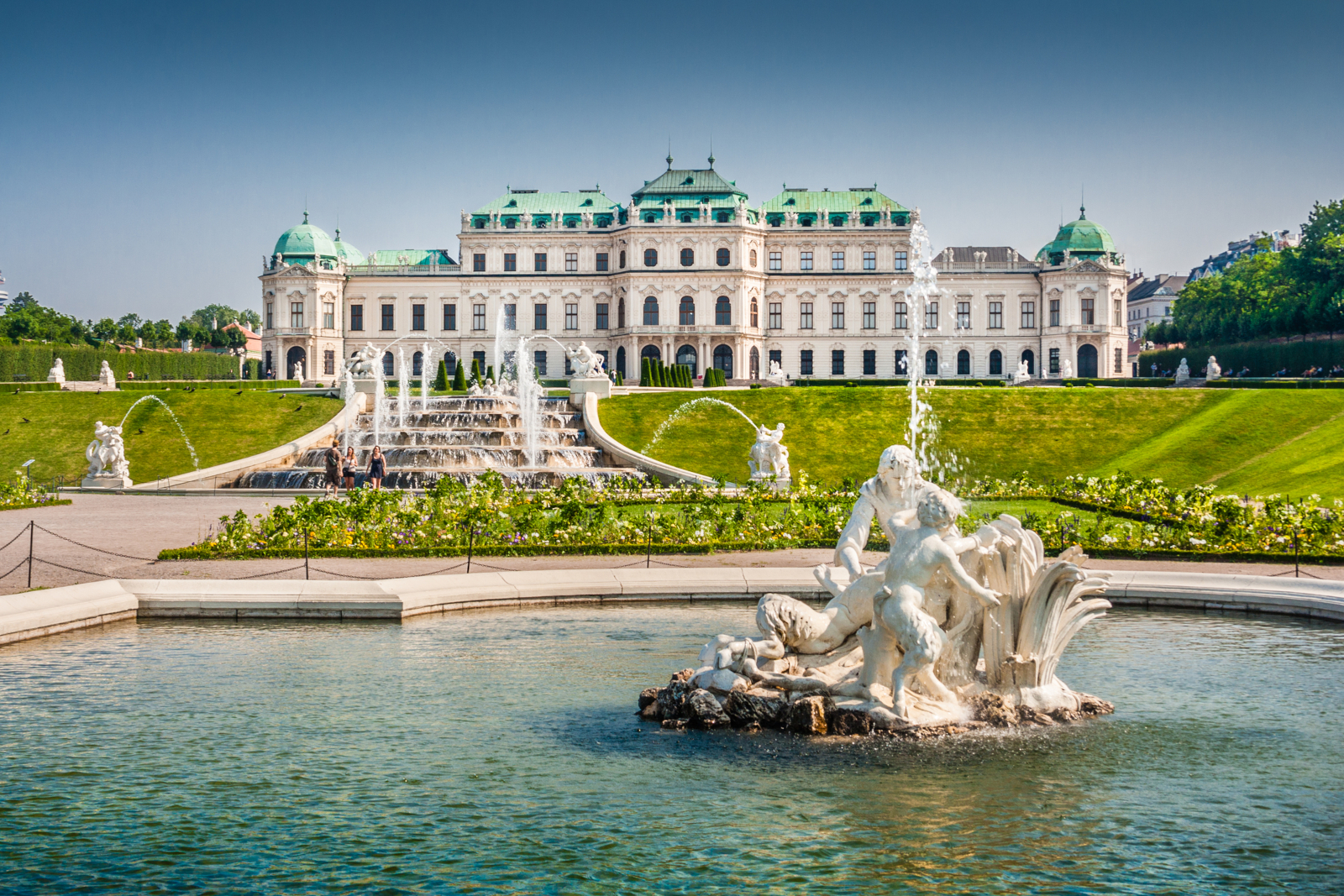
Upper Belvedere is the correct choice if your main goal is to see Gustav Klimt’s The Kiss.
It houses the main permanent collection, covering approximately 800 years of art. The collection is especially known for Austrian art, Viennese Modernism and works by Klimt, Egon Schiele and Oskar Kokoschka.
You’ll also see important parts of the Baroque palace, including the grand staircase and Marble Hall.
Lower Belvedere
Lower Belvedere is used primarily for temporary exhibitions. It also includes historic Baroque rooms that reveal more of the building’s original palace character.
The exhibitions change, so check the programme before deciding whether to include it. A temporary exhibition may make Lower Belvedere essential during one trip and less important during another.
Belvedere 21
Belvedere 21 focuses on modern and contemporary art.
It is a separate venue and doesn’t provide the traditional palace visit associated with Upper and Lower Belvedere.
Someone searching for “Belvedere Palace” specifically to see Klimt shouldn’t buy only a Belvedere 21 ticket.
What You See Inside Upper Belvedere
Upper Belvedere is an art museum housed inside a Baroque palace. You’ll see beautiful architectural spaces, but most of the rooms function as galleries.
Don’t expect a complete sequence of furnished royal bedrooms, private apartments and working rooms similar to those at Schönbrunn or Hofburg. The permanent collection includes art from the Middle Ages to the present, with a strong focus on Austrian art and Viennese Modernism.
Gustav Klimt’s The Kiss is the most famous work, but the museum also displays other Klimt paintings and works by Schiele, Kokoschka and artists from earlier periods.
The Marble Hall has historical importance beyond its architecture. The Austrian State Treaty was signed there in 1955.
Belvedere is only one part of Vienna’s extensive museum landscape. This guide to the best museums in Vienna will help you compare it with the Kunsthistorisches Museum, Albertina, Leopold Museum and other collections.
What Is Special About Klimt’s The Kiss?
The Kiss is one of the best-known paintings associated with Vienna and the defining work of Gustav Klimt’s Golden Period.
Seeing the original allows you to appreciate its scale, texture, decorative detail and use of gold in a way that reproductions can’t fully show.
The gallery can become crowded, particularly when tour groups arrive. Give yourself time to see the surrounding Klimt works and the rest of the Viennese Modernism collection instead of going directly to The Kiss and leaving.
The Belvedere Gardens
The formal Baroque gardens connect Upper and Lower Belvedere through terraces, fountains, sculptures, and carefully planned views.
Admission to the main gardens is free during their opening hours.
The view toward Upper Belvedere, particularly from the reflecting pool, is one of Vienna’s most recognizable palace views.
The gardens are more compact than the Schönbrunn park, but the route between Upper and Lower Belvedere includes slopes and changes in level.
Visitors with reduced mobility should check the accessible routes before assuming that the entire central garden axis can be completed without barriers.
How Long Do You Need at Belvedere?
Allow approximately 90 minutes for a focused visit to the Upper Belvedere highlights.
Two or three hours will give you more time for the permanent collection, palace architecture and a less hurried visit to the Klimt galleries.
Add extra time for the gardens, photography, café and shop.
If you want to visit both Upper and Lower Belvedere, allow at least half a day. You need time for the galleries, current exhibitions and the walk between the two buildings.
Upper Belvedere, Lower Belvedere and Belvedere 21 can fill a dedicated art day.
Is Belvedere Palace Worth Visiting Inside?
Upper Belvedere is worth visiting if you care about Klimt, Schiele, Viennese Modernism or Austrian art.
It may not be the right paid palace visit for someone whose main interest is seeing how an imperial family lived. The rooms contain art collections rather than a complete series of furnished royal apartments.
Lower Belvedere may be the stronger addition for visitors interested in Baroque rooms, but its value also depends on the temporary exhibitions available during the trip.
Is Belvedere Worth Visiting If You Aren’t Interested in Klimt?
Yes, provided that you enjoy art museums, Baroque architecture or formal gardens.
Klimt is the headline attraction, but he isn’t the only reason to go. Upper Belvedere covers a much broader period of art, and the palace itself includes impressive architectural spaces.
If you don’t enjoy art museums and mainly want furnished imperial rooms, choose Schönbrunn or the Hofburg Imperial Apartments instead.
You can still walk through the Belvedere gardens and admire both palaces without buying a museum ticket.
Who Should Choose Belvedere?
Belvedere is the strongest choice for art lovers, especially anyone who wants to see Gustav Klimt’s The Kiss.
It also suits visitors who want a more focused indoor experience than a complete day at Schönbrunn, photographers looking for an elegant Baroque setting and anyone planning a Vienna trip around art and culture.
Who Might Skip the Paid Interior?
Visitors interested mainly in Sisi or furnished royal apartments may prefer Schönbrunn or Hofburg.
Someone who dislikes art museums can enjoy the gardens and palace exteriors without entering the galleries.
Hofburg Palace – One Complex With Many Different Attractions
Why Hofburg Is the Most Difficult Palace to Plan
Hofburg isn’t one palace museum with a single visitor route.
It is one of the largest palace complexes in the world, developed by successive Habsburg rulers over several centuries.
Today, it contains the offices of Austria’s federal president, the Sisi Museum, Imperial Apartments, Imperial Treasury, Spanish Riding School, museums, churches, libraries, courtyards, squares and event spaces.
You can walk through several parts of Hofburg without buying a ticket. You can also spend several days visiting its separate attractions.
This is why a statement such as “Hofburg takes two hours” is incomplete. The Sisi Museum and Imperial Apartments may take around one hour, but they represent only one Hofburg visit.
What Can You See at Hofburg for Free?
You don’t need a museum ticket to appreciate Hofburg’s size or see much of its architecture.
Michaelerplatz and the Michaelertrakt
Michaelerplatz provides one of the most recognizable views of Hofburg.
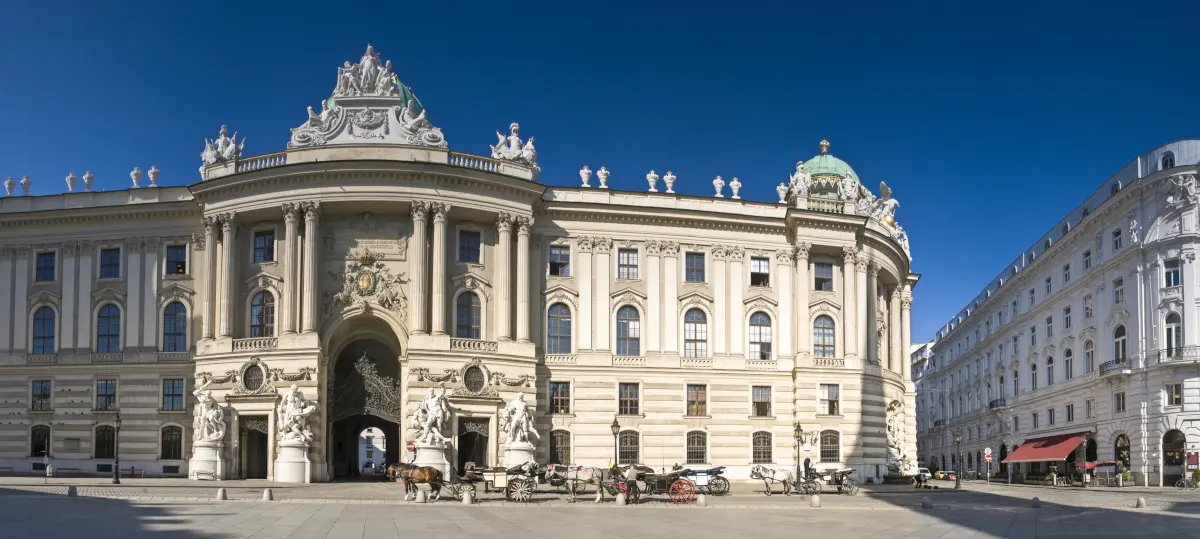
The curved façade and green dome of the Michaelertrakt form a monumental entrance into the palace complex. The square also contains visible Roman archaeological remains and stands beside St. Michael’s Church.
Michaelertor
Walking beneath the dome through Michaelertor takes you into the palace complex.
This is also the entrance area used for the Sisi Museum and Imperial Apartments.
In der Burg
This large inner courtyard is surrounded by palace wings built and altered during different periods.
It gives you a clear sense of how Hofburg expanded over centuries instead of being constructed as one unified palace.
Schweizerhof and Schweizertor
The Swiss Courtyard is one of the oldest parts of Hofburg.
The red-and-black Swiss Gate is one of the complex’s most distinctive architectural elements and leads toward the Imperial Treasury and Hofburg Chapel.
Heldenplatz
ID 74728361 ©Emicristea | Dreamstime.com
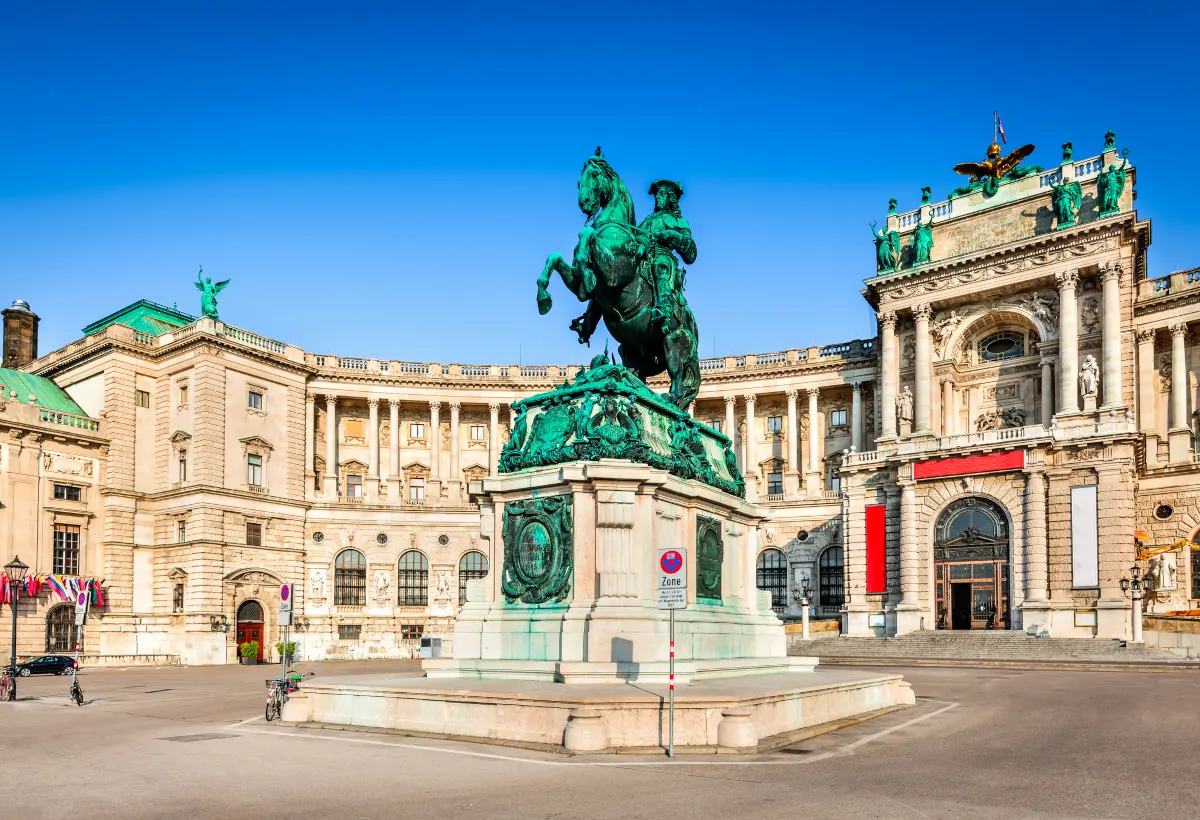
Heldenplatz is the enormous square in front of the Neue Burg.
You can see the equestrian monuments, the curved Neue Burg façade and the large open space connecting Hofburg with the Ringstrasse.
Neue Burg Exterior
The Neue Burg was the final major imperial extension of Hofburg.
Its museums can take many hours, but you can admire the exterior and walk through Heldenplatz without buying a ticket.
Burggarten
The former imperial garden is now a public park with lawns, monuments and the Palm House.
The Imperial Butterfly House occupies part of the Palm House and requires a separate ticket.
The Spanish Riding School and Stallburg Exteriors
ID 41929689 ©Matthew Dixon | Dreamstime.com
You can see parts of the Spanish Riding School complex from outside, although performances, training sessions and guided tours require tickets.
A free Hofburg walk fits naturally into a Vienna city break because the complex is surrounded by other major historic-center attractions.
The Sisi Museum
The Sisi Museum provides the most concentrated experience devoted to Empress Elisabeth among the three palaces in this comparison.
It uses personal possessions, portraits, clothing, beauty-related objects, travel items and other exhibits to examine the historical woman behind the famous image.
The museum also explores how Elisabeth’s public image was created during her life and how it continued to develop after her death.
This differs from Schönbrunn, where Elisabeth appears within the broader history of the palace, the imperial family and the court.
The Imperial Apartments
The standard Sisi Museum ticket also includes the Imperial Apartments of Emperor Franz Joseph and Empress Elisabeth.
The route covers 24 rooms in the Imperial Chancellery Wing and Amalia Residence.
You’ll see spaces associated with official audiences, work, dining, exercise, reception and private life.
These rooms provide the closest look at how Franz Joseph and Elisabeth lived and worked at Hofburg.
Franz Joseph’s study reflects his demanding work schedule and strong sense of imperial duty. Elisabeth’s rooms reveal aspects of her routines, exercise, privacy and personal interests.
The Imperial Silver Collection
Important 2026 update: The Imperial Silver Collection remains closed until further notice.
Older articles and guidebooks may still describe it as part of the normal Sisi Museum route. Check the official information before your trip rather than relying on an older Hofburg itinerary.
The Imperial Treasury
The Imperial Treasury is a separate museum with its own ticket.
It contains crowns, regalia, religious objects and dynastic treasures associated with the Habsburgs, the Austrian Empire and the Holy Roman Empire.
This is the strongest Hofburg attraction for visitors interested in monarchy as a political institution rather than only the domestic lives of Franz Joseph and Elisabeth.
Highlights include the Imperial Crown of the Holy Roman Empire, the Austrian Imperial Crown and objects connected with the secular and religious authority of the Habsburg dynasty.
The Spanish Riding School
The Spanish Riding School offers several experiences, and they aren’t interchangeable.
Performances show the Lipizzaner stallions and riders completing classical exercises inside the Baroque Winter Riding School.
Morning exercise sessions provide a look at the horses’ training, although visitors shouldn’t expect every advanced movement during every session.
Guided tours focus on the school’s buildings, history, traditions and horses.
Schedules, prices and seating categories vary, so this attraction needs to be planned separately from the Sisi Museum.
The State Hall of the Austrian National Library
The State Hall is one of Europe’s most impressive Baroque library interiors.
It contains more than 200,000 historic books, monumental frescoes, statues and an enormous central dome.
This can be a good choice for visitors who want one shorter and visually impressive Hofburg interior without completing another imperial apartment tour.
The State Hall has its own entrance ticket and opening hours.
The Weltmuseum Wien
The Weltmuseum Wien is located in the Neue Burg and contains collections connected with cultures from around the world.
Its galleries cover objects, histories and traditions from several continents. It is a substantial museum rather than a small exhibition that can be added casually at the end of the day.
The Collection of Arms and Armor
This collection displays ceremonial armor, weapons and equipment associated with European rulers, nobles and military history.
It is especially relevant to visitors interested in court ceremony, warfare and the political power of the Habsburgs.
The Collection of Historic Musical Instruments
This collection contains instruments connected with several centuries of European music.
Some exhibits are associated with famous composers and performers, making it a useful choice for visitors interested in Vienna’s musical history.
The Ephesos Museum
The Ephesos Museum displays archaeological finds from ancient Ephesus in present-day Türkiye.
It provides a completely different experience from the Sisi Museum, Treasury and Spanish Riding School.
The House of Austrian History
The House of Austrian History focuses on the country’s modern history, including the twentieth century and the development of the Austrian republic.
It moves beyond imperial life and examines later periods that shaped modern Austria.
The Hofburg Chapel
The Hofburg Chapel, or Burgkapelle, is one of the older parts of the complex.
It is connected with the Vienna Boys’ Choir, which performs during selected services. Access and schedules vary, so advance planning may be required.
The Augustinian Church
The Augustinian Church served as the court parish church and hosted several important Habsburg weddings.
It is closely connected with the Hofburg complex and can be entered when open, although services and special events may affect access.
The Imperial Butterfly House
The Imperial Butterfly House is located in the Palm House beside Burggarten.
It offers a tropical environment with free-flying butterflies and can provide a welcome change after several hours of imperial history.
It may also be a useful addition when visiting Hofburg with children.
Four Ways to Experience Hofburg
A Free Exterior Walk
Walk from Michaelerplatz through Michaelertor, In der Burg and Schweizerhof, then continue toward Heldenplatz, the Neue Burg and Burggarten.
This gives you a useful architectural overview without buying a museum ticket.
One Short Paid Attraction
Choose the State Hall, Imperial Treasury, Butterfly House or another focused museum according to your interests.
The Main Imperial Visit
Tour the Sisi Museum and Imperial Apartments.
This is the closest option to a conventional “Hofburg Palace tour” and the strongest choice for visitors interested in Franz Joseph and Elisabeth.
A Half-Day or Full-Day Hofburg Visit
Combine the Sisi Museum and Imperial Apartments with one or two separate attractions.
You could add the Imperial Treasury, State Hall or Spanish Riding School.
Trying to complete all of Hofburg’s museums and attractions in one day would be exhausting and wouldn’t allow enough time for the larger collections.
How Long Do You Need at Hofburg?
A free exterior walk can take approximately 30 to 60 minutes, depending on the route and how often you stop.
The Sisi Museum and Imperial Apartments are officially estimated at approximately 60 minutes, although many visitors will spend longer.
The Imperial Treasury can take one to two hours.
The State Hall can fit into a shorter visit, while the Weltmuseum and collections in the Neue Burg can require several hours.
A Spanish Riding School performance, morning exercise or tour follows its own schedule.
Hofburg can therefore take one hour, half a day, a full day or several days. The answer depends entirely on which parts of the complex you decide to visit.
Who Should Choose Hofburg?
Hofburg is best for visitors who want a closer look at how Franz Joseph and Elisabeth lived and worked.
It is also the strongest choice for Sisi fans interested in personal objects and biography, and for people who want to explore imperial power through the Treasury and other collections.
Hofburg is easier to include while sightseeing in Vienna’s historic center because you can select one attraction instead of committing to an enormous estate.
Who Might Be Disappointed by Hofburg?
Visitors expecting one entrance ticket that covers the entire complex may find Hofburg confusing.
It also isn’t the right choice for someone seeking one large palace garden or a unified half-day route similar to Schönbrunn.
Decide which Hofburg attraction you want to enter before arriving.
Schönbrunn and Hofburg Both Cover Sisi – Are They Too Similar?
Schönbrunn and the Hofburg Sisi Museum share several historical figures and themes.
Both discuss Emperor Franz Joseph and Empress Elisabeth. Both introduce aspects of court life, imperial duty and the couple’s personal routines.
The visits aren’t identical.
At Schönbrunn, Sisi appears within the larger history of the imperial summer residence. You’ll also encounter Maria Theresa, several generations of Habsburgs, ceremonial spaces, gardens and estate attractions.
At Hofburg, the Sisi Museum concentrates more closely on Elisabeth’s personality, possessions, image and life. The Imperial Apartments then show the rooms where she and Franz Joseph lived and worked in central Vienna.
Dedicated Sisi or Habsburg enthusiasts can visit both and find enough differences to justify the tickets.
During a shorter Vienna trip, the repeated historical context may influence your decision. Schönbrunn and Belvedere provide the most varied two-palace combination: one imperial residence and estate followed by one major art collection.
Tickets, Passes and Free Alternatives
The prices and ticket details below were verified on July 29, 2026. Prices, ticket names, included attractions and seasonal conditions can change.
Schönbrunn Tickets
The current Palace Ticket costs €42 for an adult and includes the complete main-floor route with an audio guide or printed description. The official duration is approximately 75 minutes.
The Classic Pass costs €49 for an adult and includes the Palace Ticket, Privy Garden, Maze and Labyrinth, Orangery Garden and Gloriette viewing terrace. The official estimated duration is three to four hours.
The Classic Pass Plus costs €81 for an adult and includes the palace, zoo, special garden attractions, Palm House and Desert House. It is designed for a visit lasting one or two days.
Buy a larger pass only when you genuinely want the included attractions and have enough time to use it.
Belvedere Tickets
As of July 29, 2026, the standard adult price is €23 for Upper Belvedere, €20 for Lower Belvedere and €12 for Belvedere 21.
A two-venue day ticket for Upper and Lower Belvedere costs €32. A three-venue day ticket covering Upper Belvedere, Lower Belvedere and Belvedere 21 costs €34.
Upper and Lower Belvedere require timed tickets. With a combination ticket, the selected time applies to Upper Belvedere, while the other included venues can be visited during their opening hours on the same day.
Check the current options through the official Belvedere ticket shop.
Hofburg Tickets
The standard Sisi Museum ticket currently costs €20 for an adult and includes the Sisi Museum and Imperial Apartments.
A guided visit costs €25 for an adult and is currently available in German and English according to the daily schedule.
Fixed admission times apply.
The Imperial Treasury, State Hall, Spanish Riding School and museums in the Neue Burg require separate tickets.
Check the official Sisi Museum ticket information for current prices, refurbishment details and access changes.
Additional 2026 warning: From October 6 to November 18, 2026, the museum section of the Sisi Museum is scheduled to close during the final phase of refurbishment. The Imperial Apartments are expected to remain accessible with revised opening hours. Verify this information before booking.
What Does the Sisi Pass Include?
The Sisi Pass currently costs €60 for an adult and includes three attractions:
Schönbrunn Palace with the Palace Ticket and an audio guide or printed description.
The Sisi Museum and Imperial Apartments at Hofburg.
The Vienna Furniture Museum, including its displays connected with the Sissi films.
The pass is valid for one year from the date of issue, although Schönbrunn requires a selected date and time.
The Sisi Pass does not include Belvedere, the Imperial Treasury, the State Hall or the Spanish Riding School.
Is the Vienna Pass Worth It for These Palaces?
That depends on the current list of included attractions and how many additional Vienna sights you genuinely plan to visit.
Don’t compare only the advertised pass price with three palace names. Check exactly which ticket or tour is included at each complex.
Hofburg alone contains several attractions with separate admission, while Belvedere has three venues and Schönbrunn sells several different palace and estate packages.
These Vienna travel tips include more advice on tickets, transport and planning major attractions.
Can You See All Three Without Buying Three Palace Tickets?
Yes.
You can pay for the interior that interests you most and use the free areas at the other two.
For example, buy an Upper Belvedere ticket to see Klimt, walk through much of Schönbrunn’s main park for free and explore Hofburg’s exterior courtyards and Heldenplatz without a ticket.
Another option is to pay for Schönbrunn’s interior, walk through the Belvedere gardens and complete a free Hofburg architecture route.
This approach gives you three different palace settings without paying for every museum.
Schönbrunn vs Belvedere vs Hofburg: Complete Comparison
| Comparison | Schönbrunn | Belvedere | Hofburg |
|---|---|---|---|
| Principal experience | Imperial palace, estate, gardens and multiple attractions | Baroque palaces and major art collections | Large city-center imperial complex with separate museums and attractions |
| What you see inside | Private imperial rooms, reception rooms, state apartments and Maria Theresa’s rooms | Art galleries inside historic Baroque palace spaces | Sisi Museum and Imperial Apartments, plus separately ticketed museums and collections |
| Main highlight | Imperial interiors, gardens and the scale of the estate | Klimt’s The Kiss and the Austrian art collection | Sisi Museum, authentic Imperial Apartments and the range of separate attractions |
| Best for Sisi | Sisi within the wider imperial family and estate | Limited Sisi connection | Most focused Sisi biography and personal objects |
| Best for art | Decorative interiors and smaller related collections | Best of the three | Several specialist museums and collections |
| Best for seeing how the imperial family lived | Broader ceremonial and family setting | Not the principal experience | Strongest view of Franz Joseph and Elisabeth’s working and private rooms |
| Gardens and outdoor areas | Enormous park with several paid attractions | Formal terraced Baroque gardens | Courtyards, Heldenplatz and Burggarten |
| Free areas | Most of the main park and exterior views | Main gardens and exterior views | Courtyards, squares, exterior architecture and Burggarten |
| Minimum useful visit | Approximately two hours | Approximately 90 minutes for Upper Belvedere highlights | 30 to 60 minutes for an exterior walk or about one hour for the Sisi Museum and apartments |
| Comfortable visit | Half a day | Two to four hours, depending on the venues | Half a day for two selected attractions |
| Full experience | One full day or more | One full art-focused day for all three venues | Several days for the principal museums and attractions |
| Physical effort | Highest when the gardens, hill and zoo are included | Moderate, with slopes between Upper and Lower Belvedere | Varies considerably according to the museums and route |
| Best with children | Yes – zoo, Children’s Museum, maze and other attractions | Better for children who already enjoy art or museum activities | Good for older children with specific historical interests |
| Best for a rainy day | Good for the palace interior, but much of the estate is outdoors | Excellent for an indoor art visit | Excellent because you can choose from numerous indoor attractions |
| Main disadvantage | Requires considerable time and walking | May disappoint visitors seeking furnished imperial apartments | Confusing unless you select the attractions before arriving |
Which Vienna Palace Should You Choose?
Choose Schönbrunn If You Want the Complete Imperial Experience
Schönbrunn is the best choice for a first-time visitor who wants palace rooms, Sisi and Franz Joseph history, architecture, gardens and enough additional attractions to fill a day.
Choose it when you enjoy outdoor spaces, travel with children or want the option to add the zoo, Children’s Museum, maze, Palm House, Desert House, Imperial Carriage Museum or Gloriette.
Choose Belvedere If You Are an Art Lover
Upper Belvedere is the best choice for anyone who wants to see Gustav Klimt’s The Kiss, Viennese Modernism and a major Austrian art collection.
Choose it when art is more important to you than furnished imperial apartments.
Choose Hofburg If You Want to See How the Imperial Family Lived and Worked
The Sisi Museum and Imperial Apartments provide the closest look at Elisabeth’s personal story and the authentic rooms used by her and Franz Joseph.
Hofburg is also the strongest choice when you want to go beyond their private lives and explore imperial crowns, treasures, horses, books, weapons, music or other specialist collections.
Which Palace Is Best for Sisi Fans?
Choose Hofburg for the most focused Sisi experience. The museum examines Elisabeth through her possessions, personality and public image, followed by the apartments where she lived.
Choose Schönbrunn when you want to understand Sisi within the wider imperial family and combine that history with a complete palace estate.
Which Vienna Palace Has the Best Gardens?
Schönbrunn has the best gardens for scale, variety and the number of attractions available across the estate.
Belvedere has the stronger option for a shorter formal Baroque garden walk.
Hofburg offers impressive courtyards, Heldenplatz and Burggarten, but it doesn’t provide the same unified palace-garden experience.
Which Palace Is Best With Children?
Schönbrunn is the strongest family choice.
The zoo, Children’s Museum, maze, playground, Palm House, Desert House and extensive outdoor areas give families more options than the other two palace complexes.
Don’t try to complete every attraction in one day. Choose the palace rooms, zoo or children’s activities that match your child’s age and interests.
Which Palace Is Best on a Rainy Day?
Hofburg provides the greatest number of indoor choices, but you need to decide which attractions you want to enter.
Upper Belvedere is an excellent focused rainy-day visit for art lovers.
Schönbrunn Palace remains worthwhile, although rain reduces the appeal of dedicating an entire day to the outdoor estate.
Which Palace Is Best in Winter?
All three remain worthwhile in winter, but the type of visit changes.
Belvedere and Hofburg become particularly convenient because most of the experience is indoors.
Schönbrunn still has beautiful interiors and seasonal events, but some garden attractions close during winter, the park has shorter opening hours and the gardens won’t look as they do in spring or summer.
This guide to Vienna in March includes additional ideas for combining palaces with indoor attractions during colder or unpredictable weather.
Which Palace Is Best for Visitors With Limited Mobility?
There is no universal winner because the exact route makes a major difference.
Schönbrunn Palace has accessible interior routes, but the full estate is large and includes long distances, uneven areas and the hill toward the Gloriette.
Upper and Lower Belvedere have accessible museum entrances, but the entire garden route between them isn’t fully barrier-free.
Hofburg’s Sisi Museum and Imperial Apartments have elevator access, but the wider complex covers a large area and each museum has its own arrangements.
Check the official accessibility information for the exact attraction, room or garden route you intend to use.
Which Palace Should You Visit Based on the Time You Have?
If You Have About 90 Minutes
Choose Upper Belvedere for Klimt and a focused selection of Austrian art.
Choose the Sisi Museum and Imperial Apartments for Elisabeth and the daily lives of Franz Joseph and the imperial family.
Choose a free Hofburg exterior route if you don’t want to spend your limited time inside another museum.
Schönbrunn is harder to reduce to 90 minutes. You could see the exterior and part of the park or complete a carefully timed palace-only visit, but you would miss much of what makes the estate special.
If You Have Half a Day
Schönbrunn is the strongest choice when you want one complete palace experience. Tour the interior and choose a realistic garden route instead of trying to see the whole estate.
At Belvedere, half a day allows a comfortable Upper Belvedere visit, time in the gardens and possibly Lower Belvedere.
At Hofburg, choose the Sisi Museum and Imperial Apartments plus one complementary attraction such as the Treasury, State Hall or Spanish Riding School.
If You Have One Day in Vienna
There is no answer that suits everyone.
Choose Schönbrunn when the imperial estate is one of your main reasons for visiting Vienna. This is the choice I made during my first trip, and I don’t regret giving it most of that day.
Choose Hofburg when you want to remain in the historic center and combine one imperial attraction with St. Stephen’s Cathedral, the Ringstrasse, cafés and other central landmarks.
Choose Belvedere when Klimt and Austrian art are among your highest priorities.
If You Have Two Days in Vienna
Choose Schönbrunn for one day, then select either Upper Belvedere or one part of Hofburg for the second day.
Schönbrunn and Belvedere provide the greatest contrast.
Schönbrunn and the Sisi Museum provide more depth on Franz Joseph and Elisabeth, with some repeated historical context.
If You Have Three or More Days
Visiting all three becomes reasonable, but Hofburg still needs to be divided into specific attractions.
A practical order would be:
Day one: Schönbrunn Palace, selected gardens and one major additional attraction.
Day two: Upper Belvedere, with Lower Belvedere added according to the exhibition programme.
Day three: Hofburg exterior route, Sisi Museum and Imperial Apartments, followed by one separate Hofburg attraction.
These trip-planning tips will help you leave enough time between scheduled entries and avoid creating a day that looks possible on a map but becomes exhausting in practice.
Can You Visit Two Vienna Palaces in One Day?
Schönbrunn and Belvedere in One Day
It is possible, but you must limit both visits.
Book an early Schönbrunn palace entry, complete a shorter garden route and allow enough time for transport.
Choose a later Upper Belvedere time slot and accept that you won’t see Lower Belvedere or most of Schönbrunn’s additional attractions.
This pairing gives you two very different experiences, but it will be a long sightseeing day.
Schönbrunn and Hofburg in One Day
This is possible when you limit Hofburg to the Sisi Museum and Imperial Apartments or one other attraction.
The two interiors share some Franz Joseph and Elisabeth history.
Dedicated Habsburg enthusiasts may appreciate the additional context. Other visitors may prefer to combine Schönbrunn with an art museum or another Vienna landmark.
Hofburg and Belvedere in One Day
This is the easiest pairing when you choose one principal Hofburg attraction and Upper Belvedere.
Both are closer to Vienna’s central sightseeing areas than Schönbrunn, and neither requires a full estate visit unless you add several museums.
Can You Visit All Three in One Day?
You can see the exteriors of Schönbrunn, Belvedere and Hofburg in one day.
Touring the principal paid interiors of all three would create a rushed itinerary with too little time for Schönbrunn’s gardens, Belvedere’s collection or Hofburg’s separate attractions.
I wouldn’t recommend it.
Conclusion
Schönbrunn, Belvedere and Hofburg are all beautiful. The right choice depends on the experience you want rather than a universal palace ranking.
I recommend Schönbrunn for the broadest imperial experience. You can learn about Sisi, Franz Joseph, Maria Theresa and court life, then continue through the gardens, visit the zoo or choose from the Children’s Museum, maze, Imperial Carriage Museum, Palm House, Desert House, Orangery Garden and Gloriette.
Schönbrunn was my choice during my first Vienna trip, when I had only about a day and a half in the city. It was the only palace we visited. We joined an English-language guided tour, walked through part of the gardens and spent hours at the zoo. Even after giving it most of the day, we didn’t have the energy to see everything.
I recommend Hofburg if you want a closer look at how Franz Joseph and Elisabeth lived and worked. It is also the strongest choice when you want to go beyond their private lives and explore the Treasury, Spanish Riding School, State Hall and the many specialist museums across the complex.
I recommend Belvedere for art lovers, especially anyone who wants to see Gustav Klimt’s The Kiss. Upper Belvedere is the principal choice for the permanent collection, while Lower Belvedere adds temporary exhibitions and historic rooms. The palaces and gardens are beautiful even when you don’t enter every exhibition.
Choose Schönbrunn for Sisi within the wider imperial world, the palace estate, zoo and outdoor attractions. Choose Hofburg for the private and working lives of the imperial family and the variety of historic collections. Choose Belvedere for Klimt, Austrian art, Baroque architecture and formal gardens.
Whichever one you choose, give it enough time. Each can occupy most of a day, and Hofburg can fill several days when you include its many museums and attractions.
FAQ
Which is better, Schönbrunn or Hofburg?
Choose Schönbrunn for a complete imperial estate with palace rooms, gardens, a zoo and several additional attractions. Choose Hofburg for the Sisi Museum, the authentic apartments of Franz Joseph and Elisabeth and separate attractions such as the Treasury, Spanish Riding School and State Hall.
Which is better, Schönbrunn or Belvedere?
Choose Schönbrunn for imperial interiors, gardens and a full palace-estate experience. Choose Belvedere for Klimt, Viennese Modernism and Austrian art. Schönbrunn is the stronger first palace for many visitors, while Belvedere is the clear choice for dedicated art lovers.
Which is better, Hofburg or Belvedere?
Choose Hofburg for Sisi, imperial apartments, crowns, royal history and the wider palace complex. Choose Belvedere for Klimt and art. Hofburg offers several separate ticketed experiences, while Upper Belvedere provides a more straightforward museum visit.
Which Vienna palace should you visit if you only have time for one?
Choose Schönbrunn for the broadest palace experience, Hofburg when you want to stay in central Vienna and focus on imperial life, or Upper Belvedere when seeing Klimt’s The Kiss is a priority.
Is Schönbrunn Palace worth visiting inside?
Yes. The interior provides the historical context behind the estate and includes rooms associated with Franz Joseph, Elisabeth and Maria Theresa. Visitors interested only in the gardens and exterior architecture can enjoy much of the park without buying an interior ticket.
Is Schönbrunn a tourist trap?
No, but it is busy and can become expensive when several attractions are added. Visitors are more likely to be disappointed when they buy the wrong ticket, expect every room to be heavily furnished or leave too little time for the estate.
Is Belvedere Palace worth visiting inside?
Upper Belvedere is worth visiting for Klimt, Schiele, Viennese Modernism and the wider Austrian art collection. Visitors who mainly want furnished imperial rooms may prefer Schönbrunn or Hofburg and see the Belvedere gardens for free.
Should you visit Upper or Lower Belvedere?
Visit Upper Belvedere for Gustav Klimt’s The Kiss and the main permanent collection. Visit Lower Belvedere for temporary exhibitions and historic Baroque rooms. When time is limited, Upper Belvedere is the usual first choice.
Which Belvedere has Klimt’s The Kiss?
Gustav Klimt’s The Kiss is displayed in Upper Belvedere.
What is included in a Hofburg Palace ticket?
There is no universal Hofburg ticket covering the entire complex. The standard Sisi Museum ticket includes the Sisi Museum and Imperial Apartments. The Imperial Treasury, State Hall, Spanish Riding School and Neue Burg museums have separate tickets.
Can you visit Hofburg Palace without a ticket?
Yes. You can walk through several courtyards, see Michaelerplatz, Heldenplatz and the Neue Burg exterior, pass through the Swiss Courtyard and visit Burggarten without buying a museum ticket.
How long do you need at Schönbrunn Palace?
Allow at least two or three hours for the palace and a limited garden walk. Give it half a day for the palace, principal gardens and Gloriette area. Plan a full day when adding the zoo or several other attractions.
How long do you need at Belvedere Palace?
Allow 90 minutes to three hours for Upper Belvedere. Add more time for the gardens. Visiting Upper and Lower Belvedere comfortably can take half a day, while all three Belvedere venues can fill an art-focused day.
How long do you need at Hofburg Palace?
A free exterior walk can take 30 to 60 minutes. The Sisi Museum and Imperial Apartments take approximately one to two hours. Hofburg can fill a full day or several days when you add the Treasury, State Hall, Spanish Riding School and Neue Burg museums.
Can you visit Schönbrunn and Belvedere in one day?
Yes, with an early Schönbrunn entry, a limited garden route and a later Upper Belvedere ticket. You won’t have enough time for the full Schönbrunn estate and every Belvedere venue.
Can you visit Schönbrunn and Hofburg in one day?
Yes, when you limit Hofburg to the Sisi Museum and Imperial Apartments or one other attraction. The day will include some repeated Franz Joseph and Elisabeth history and requires careful ticket timing.
Can you visit all three Vienna palaces in one day?
You can see the exteriors of all three. Visiting their principal paid interiors in one day would be rushed and would leave too little time for the gardens, art collections and separate Hofburg attractions.
Are the Schönbrunn gardens free?
Most of the main Schönbrunn park is free to enter during opening hours. The Privy Garden, Orangery Garden, Maze and Labyrinth and Gloriette viewing terrace require tickets.
Are the Belvedere gardens free?
Yes. The main Belvedere gardens can be visited without a museum ticket during their opening hours.
Which Vienna palace is best with children?
Schönbrunn is the strongest family choice because it offers the zoo, Children’s Museum, maze, playground, Palm House, Desert House and extensive outdoor areas.
Which Vienna palace is most accessible?
Accessibility depends on the exact route. All three have accessible indoor options, but Schönbrunn’s estate is large, the complete Belvedere garden route has limitations and Hofburg’s separate attractions have individual arrangements. Check the official accessibility information for the attraction you intend to enter.
Is the Sisi Pass worth buying?
The Sisi Pass can be worthwhile when you intend to visit Schönbrunn Palace, the Sisi Museum and Imperial Apartments and the Vienna Furniture Museum. It does not include Belvedere, the Imperial Treasury, the State Hall or the Spanish Riding School.
Should you visit both Schönbrunn and the Hofburg Imperial Apartments?
Visit both if you have a strong interest in Sisi, Franz Joseph or Habsburg history. Schönbrunn presents a broader imperial estate and several generations of the family, while Hofburg concentrates more closely on Elisabeth and the rooms where the imperial couple lived and worked.
More amazing articles for you:
People Take Towels From Hotels. But What He Did Left Everyone Shocked
This Viral Plane Sleep Hack Is Everywhere - and It’s Triggering Outrage, Safety Warnings, and a Full...
How To Prepare For Your Next Big Trip
200 October Trivia Questions and Answers (Easy, Medium & Hard)
Atlanta City Guide: Tips for Spending a Weekend in Atlanta with the Kids
Best places to visit in Europe in autumn: where to see the most beautiful fall colors in Europe
Explore Nusa Penida in 24 Hours - The Perfect 1 Day Nusa Penida Itinerary
200 Halloween Trivia Questions and Answers: History, Traditions, Candy, Superstitions, and Halloween...

Violeta-Loredana Pascal is a communications expert, business mentor, and the founder of Earth’s Attractions and PRwave INTERNATIONAL. A pioneer in the Romanian digital PR landscape since 2005, she holds a degree in Communication and Social Sciences from SNSPA Bucharest. Violeta is a senior trainer at AcademiadeAfaceri.ro, where she leverages over 20 years of experience to teach professional courses in PR strategy and workplace productivity. By blending high-level business consulting with a passion for holistic travel and wellness, she empowers solopreneurs to overcome procrastination, build profitable brands, and design a life of purposeful adventure.