
I visited the Technisches Museum Wien with my husband during our second trip to Vienna. Our first stay in the city had been much shorter, so this time we had more time for museums and attractions we hadn’t seen before.
We expected to spend several hours at the Technical Museum. We ended up staying for almost the entire day.
It was the first large technical museum I had visited. Bucharest has the smaller Dimitrie Leonida National Technical Museum, but it can’t be compared with the Vienna museum in terms of size, number of exhibits, or hands-on experiences. We didn’t have our son yet when we visited, and we still enjoyed every minute. The Technisches Museum Wien is a great museum for families, children, and teenagers, but it isn’t only a family attraction.
You can walk quickly through it in two or three hours. If you stop, read the explanations, examine the vehicles and machines, and use the interactive exhibits, you can easily spend four, six, or even eight hours here.
Vienna is known for its palaces, churches, and famous landmarks, but the Technical Museum shows another part of the city’s history.
Photo note: We took many photographs during our visit, but most were stored on a hard drive that can no longer be accessed. The few older photos I still have are in this article – while the photo of the building is outsourced.
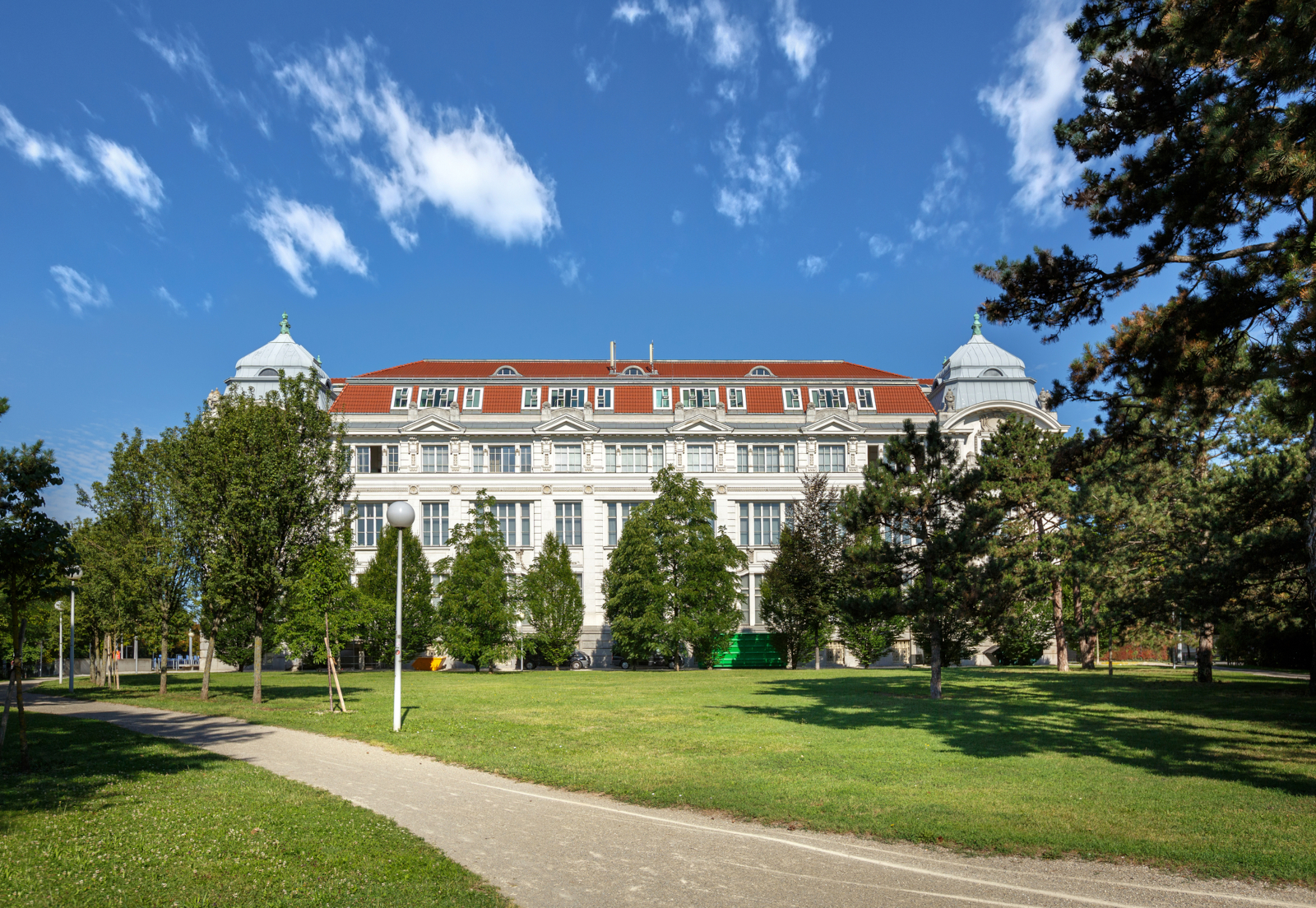
ID 141037369 ©Balakate | Dreamstime.com
Is the Technisches Museum Wien Worth Visiting?
For us, it was, and I recommend the Technisches Museum Wien if you like cars, trains, aircraft, engines, electricity, computers, communications, medical technology, or the history of inventions.
It is officially called the Vienna Museum of Science and Technology in English. You will also see it referred to as the Vienna Technical Museum, Technical Museum Vienna, or Museum of Technology Vienna.
The museum has around 22,000 square metres of exhibition space. You will find enormous industrial machines and historic vehicles, but also computers, telephones, radios, musical instruments, medical devices, and objects once used in ordinary homes. Many people discover the museum while looking for an indoor activity near Schönbrunn. It can certainly help on a rainy day, but I wouldn’t treat it as a backup plan. We gave it almost a full day and didn’t regret it. It also deserves its place among the best museums in Vienna. It is completely different from the city’s major art and palace museums.
Who Will Enjoy It?
Adults and couples: My husband and I visited without children. The historical information, engineering, vehicles, machinery, and media exhibits gave us plenty to see.
Families: There are dedicated areas for young children, but many of the main exhibitions are also suitable for families to explore together.
Teenagers: Cars, aircraft, virtual reality, space technology, electronics, media, and interactive experiments can make this a better choice than a museum where everything is behind glass.
Train and car enthusiasts: Allow extra time. These collections aren’t small side displays.
People interested in how everyday things work: The museum covers more than heavy machinery. It also looks at medical devices, household technology, communication, sound, materials, and energy.
Who May Decide to Skip It?
If you have only one day in Vienna and your priorities are the historic centre, Schönbrunn, and the main imperial attractions, you may not have enough time.
Someone with no interest in science, transport, machines, or interactive exhibits may prefer another museum. But if you usually enjoy technical or science museums, don’t reduce this one to a quick stop just because it isn’t in Vienna’s historic centre.
How Long Do You Need at the Technisches Museum Wien?
You need two or three hours for a quick visit. Four to six hours are better if you want to see several exhibitions properly. People who read most of the information and use the hands-on displays can stay for six to eight hours.
We didn’t enter with a plan to spend almost the entire day there. The time simply added up.
I stopped for the cars, the human-body exhibits, and the interactive sections. My husband spent more time with engines, aircraft, machinery, and the television studio. We also read many of the explanations. You can walk past the same exhibits much faster, but that wasn’t how we wanted to see the museum.
If You Have Two or Three Hours
Choose the exhibitions that interest you before you arrive.
Start with the central hall and locomotives. Then choose Mobility if you like cars and aviation, Energy if you want engines and large machines, or Everyday Life and media.worlds if you prefer medical, household, and communication technology.
You won’t have time to read everything or try every interactive display.
If You Have Four to Six Hours
This is enough for several of the main exhibitions, time at the cars and locomotives, and some hands-on activities. You may also be able to attend a locomotive presentation, high-voltage demonstration, or another scheduled programme.
Take a break. There is no advantage in rushing through the last floors when you are already tired.
If You Have Six to Eight Hours
Allow most of the day if you love technical museums.
You can read more of the information, look closely at individual vehicles, attend a programme, visit a temporary exhibition, and stop for lunch. This is closest to our visit. Even after many hours, we didn’t feel that we had spent too long there.
What to See at the Technisches Museum Wien
The museum has permanent exhibitions, temporary exhibitions, children’s areas, and activities that run only at certain times.
The current permanent exhibitions include Mobility, Energy, locomotive.adventure, Everyday Life, media.worlds, Material Worlds, Musical Instruments, Climate, Science Changes, and techLAB.
Individual objects and temporary exhibitions can change, so check the museum’s current exhibitions before your visit.
The Cars Were Among My Favourite Exhibits
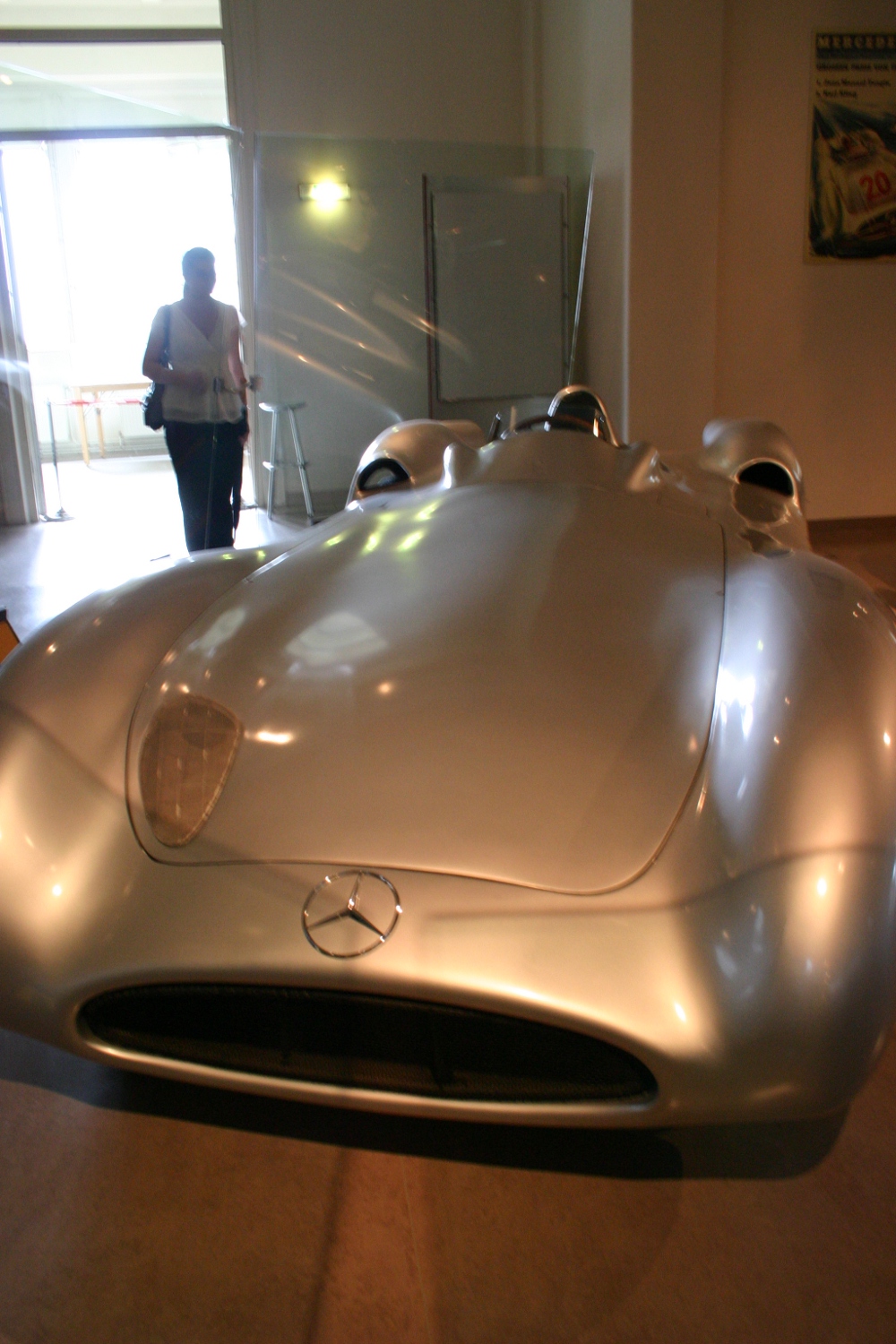
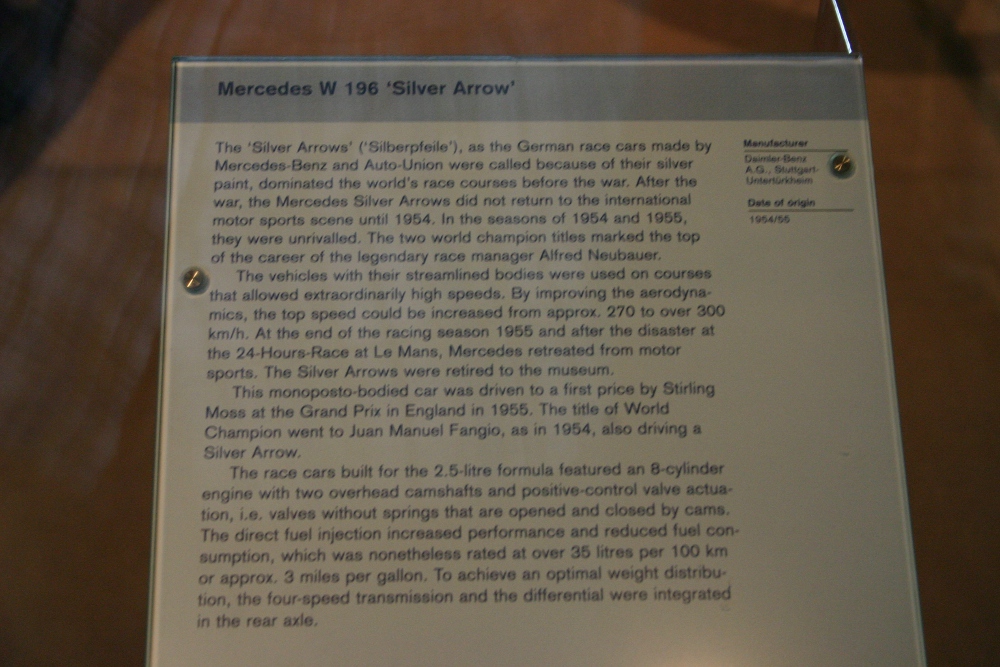
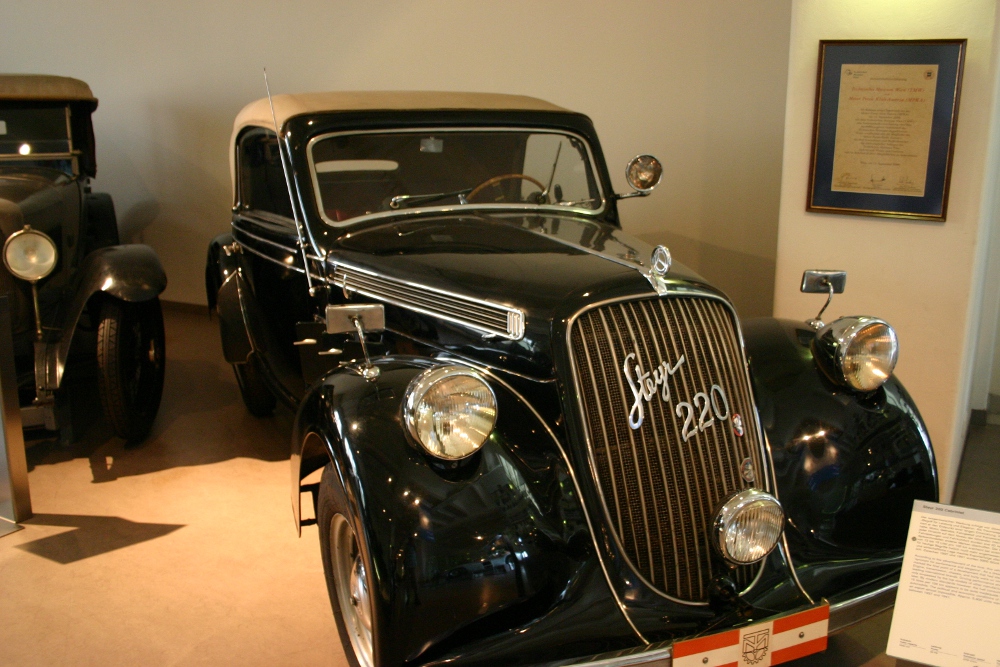
I could have spent hours looking at the cars – especially as many of them have interesting stories. Also, there are many old cars which are not only beautiful, but have interesting details – we spent a lot of time looking at windshields, mirrors, pedals, and more.
I didn’t want to see only the shape of each model and take a photograph. I wanted to read when it was built, what was new about it, how it worked, and how it differed from the vehicles that came before and after it.
The current Mobility exhibition covers land, water, air, and space. It includes around 800 objects displayed across approximately 3,000 square metres.
Among the better-known cars are the Lohner-Porsche electric vehicle and the Siegfried Marcus car. The Lohner-Porsche is particularly interesting because electric cars aren’t as new as many people assume. Electric vehicles were already being developed more than a century ago.
You can also see motorcycles, bicycles, early vehicles, racing cars, aircraft, helicopters, ship models, and space-related objects.
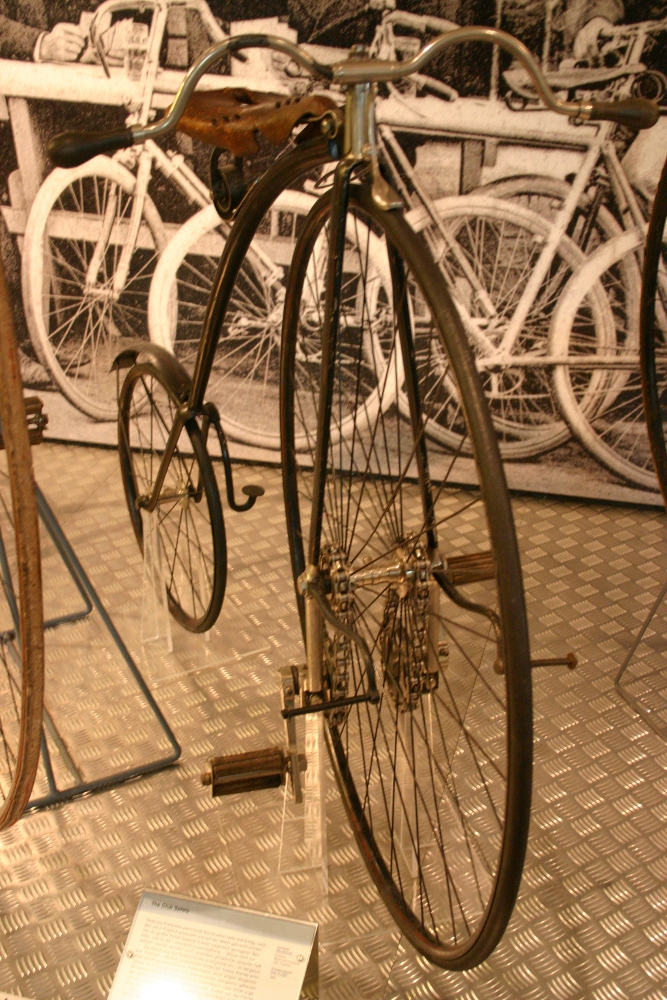
I learned a lot in this part of the museum. It wasn’t only a display of attractive old cars: the explanations showed how transport changed and why some designs became important.
If you like cars, don’t follow a generic two-hour museum route. You may spend most of that time in Mobility alone.
Aviation Was One of My Husband’s Favourite Sections
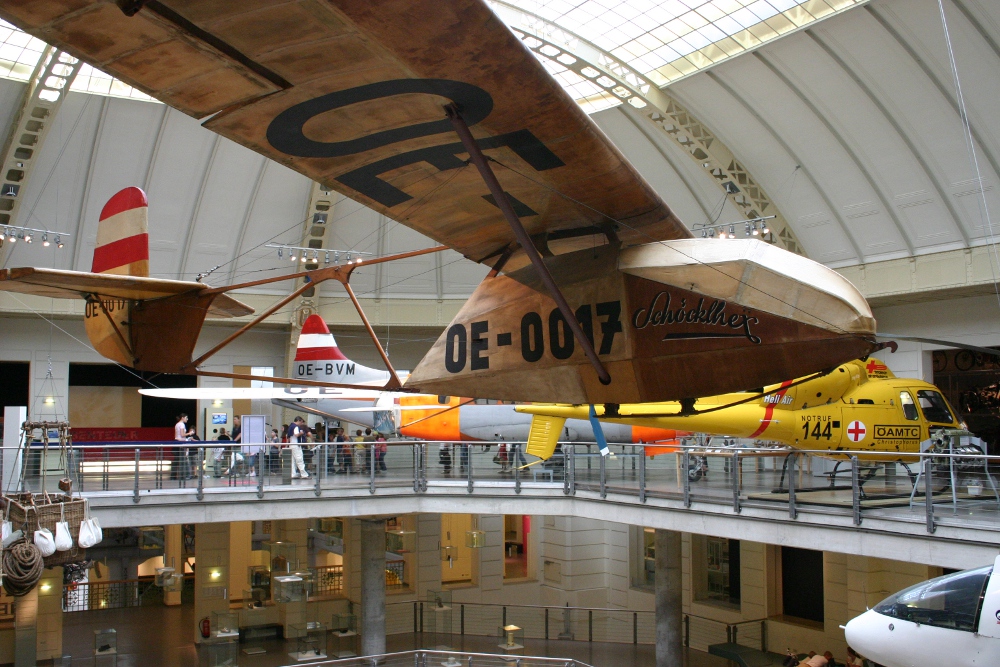
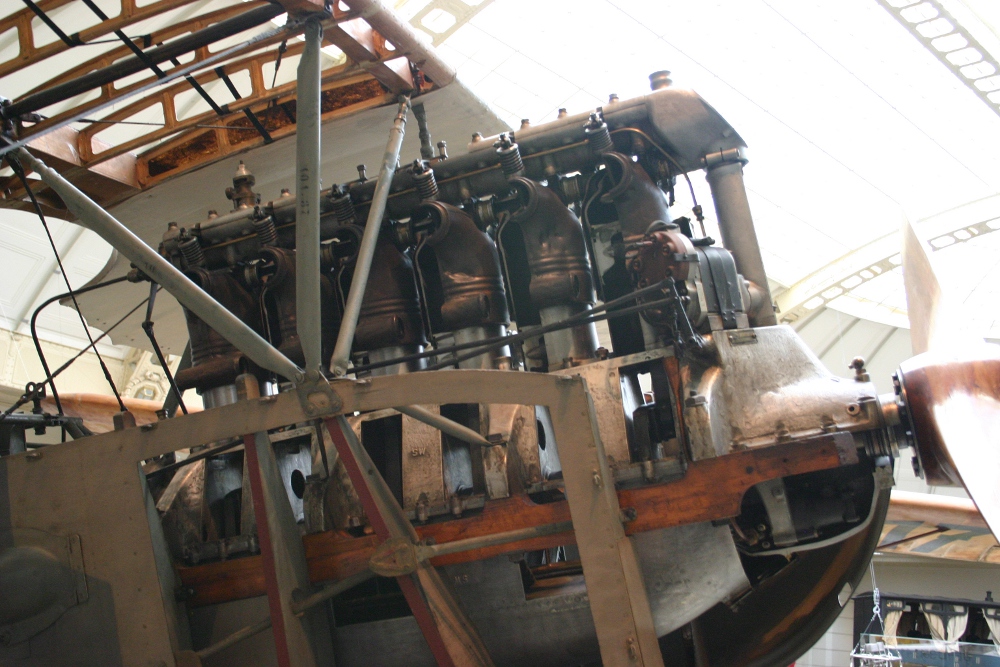
My husband studied engineering at university and he is a fan of anything airplane-related (he has airplane models too), so he looked at many exhibits differently from me. He was interested in the engines, components, construction, and the engineering decisions behind the aircraft.
I also liked seeing aircraft and engines at close range. Normally, you look at a complete plane from the outside. Here, cutaway exhibits and separate engines made it easier to see what was inside.
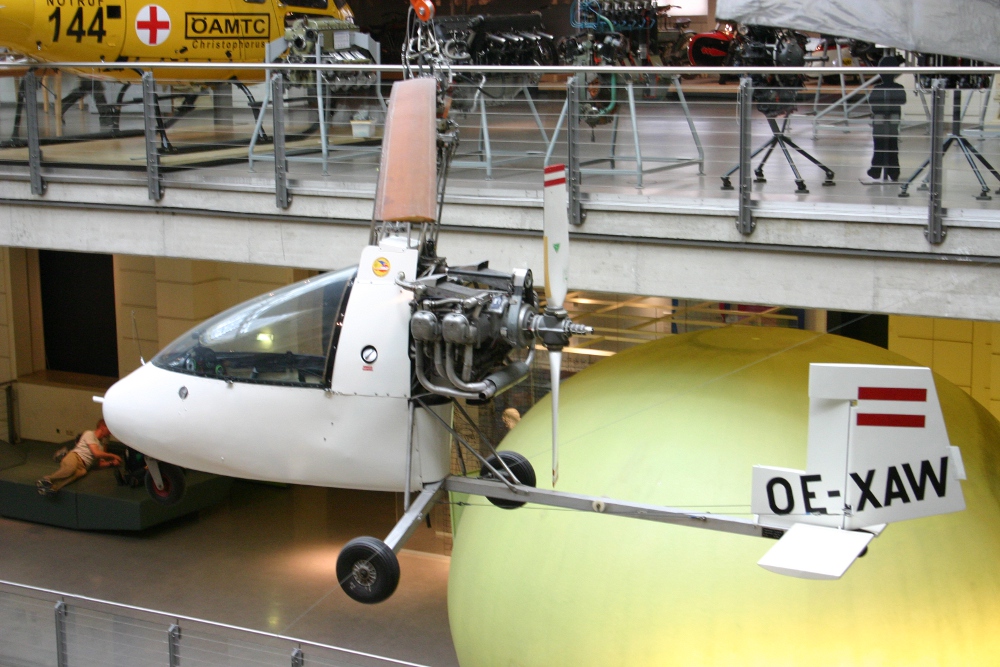
The current Mobility exhibition includes historic aircraft, gliders, helicopters, balloons, drones, and space technology. It also displays the spacesuit worn by Franz Viehböck, the first Austrian in space, along with objects connected with the AustroMir mission.
Locomotives and Railway History
The locomotives are difficult to miss. And trust me, they are impressive. Plus, they offer the chance to learn a lot!
The museum’s railway collection contains more than 60 large objects. Several major vehicles are displayed around the central hall and connected with the Mobility, Energy, and Material Worlds exhibitions.
One of the best-known objects is the court saloon carriage used by Empress Elisabeth of Austria. There is also a cutaway locomotive that lets visitors see parts of the mechanism normally hidden inside.
The largest and heaviest steam locomotive built in Austria is displayed in Material Worlds. With its tender, it weighs 138 tonnes.
My husband spent longer here than I expected. He isn’t someone who plans trips around trains, but the size and engineering of the locomotives made the section interesting even without a specialist interest in railway history.
Try to see a scheduled locomotive presentation if the time fits your visit. Watching the mechanism move is far more useful than looking at the stationary parts and trying to imagine how they worked together.
Engines, Energy, and Large Machines
This was another favourite area for my husband and it will be a paradise for any engineer or technical person. Some engines and machines are impressive simply because of their size, but others become interesting when you see a section cut away and can examine the internal parts.
The museum covers steam power, hydropower, electricity, energy distribution, industrial production, and the machines used before electric power became common.
During our visit, we saw sectioned aircraft engines and high-voltage transformers. We could look inside rather than seeing only a large closed metal casing. There were also displays that helped explain forces, movement, electricity, and basic physics. Some could be operated by visitors.
You don’t need an engineering degree to enjoy this part of the museum.
The Hands-On Exhibits Were New to Me
This was my first large interactive technical museum, and I loved being able to do more than read labels.
We could press buttons, operate controls, test physical principles, and see mechanisms respond. Some displays explained force or movement. Others covered electricity, optics, sound, or energy. I wasn’t using the exhibits only because they were fun. I was learning from them.
A technical description can be difficult to picture. When you pull a lever, create movement, or see how changing one part affects another, the explanation becomes much clearer. There were many children using the displays, but adults were trying them too. We certainly did.
Historical objects can’t be touched, of course. The museum uses separate models and interactive installations when the original item must remain protected.
The Human Body and Medical Technology
The human-body section was one of the places where I spent more time.
I remember exhibits connected with pacemakers, hearing aids, anatomy, body movement, and technology used to monitor or support physical functions. Some of the hands-on elements helped explain how the body responds, how forces affect movement, and how medical devices interact with the person using them.
Years later, after visiting the Deutsches Museum in Munich, I found myself comparing the health and human-body sections we had seen. The Vienna section felt more detailed to me. It was one of the parts I remembered most clearly from our earlier visit.
This is a comparison of what we personally saw, not a permanent ranking of two exhibitions. Both museums have updated and reorganised displays since our visits.
Today, the Everyday Life exhibition at Technisches Museum Wien still includes the relationship between technology and the body. It has sections on bacteriology, virology, prosthetics, medical engineering, and social inclusion. If you enjoy this topic, you may also like these human body questions and answers after the museum visit.
Everyday Life
The Everyday Life exhibition isn’t limited to medical technology. It looks at the body, the home, the city, and the environment. The objects include household equipment, hygiene technology, food storage, lighting, heating, measuring devices, and items people once used every day.
I like exhibitions where you recognise some of the objects. A large industrial machine may be fascinating, but an old household device can immediately remind you of a relative’s home or something you saw as a child.
The exhibition also shows that inventions don’t stay separate from ordinary life. They change how people cook, clean, communicate, travel, work, and receive medical care.
And this was also another section of a trip back in time – yes, we saw items we used to own growing up.
The Television Studio Was a Nice Surprise for My Husband
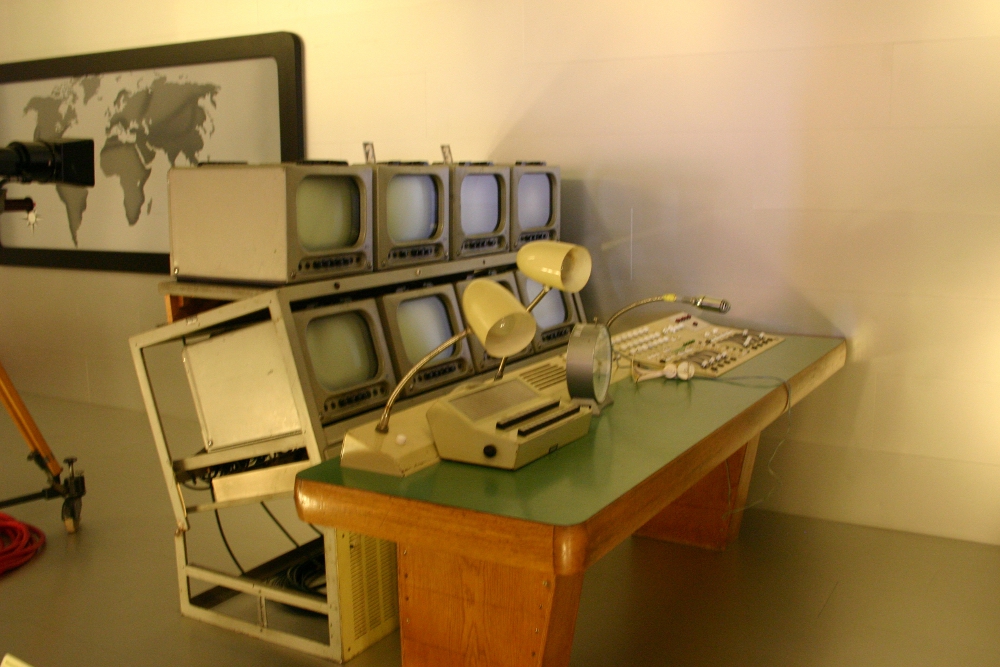
We hadn’t expected to find an entire television studio inside a technical museum. My husband had briefly worked in a TV studio, so this section was more personal for him than it would be for most visitors.
He recognised the type of environment and some of the equipment. I could see that he was looking at it with memories from that period, not only as a historical display.
The current media.worlds exhibition covers television, radio, telephones, telegraphy, photography, film, recorded sound, printing, computers, and the internet. It contains around 1,000 historical objects, together with old broadcasts, recordings, photographs, and film material.
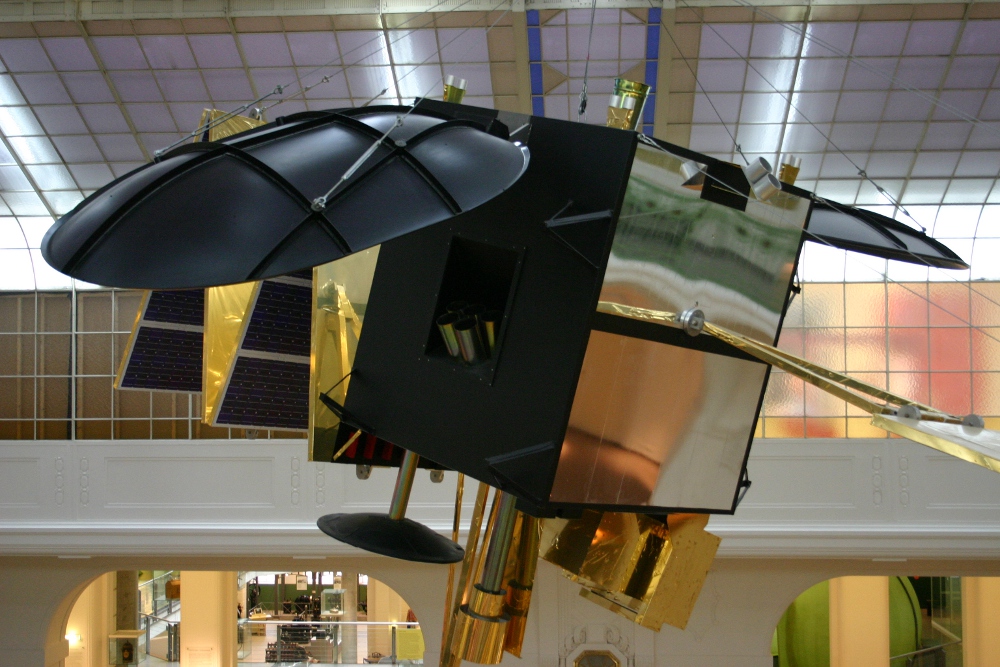
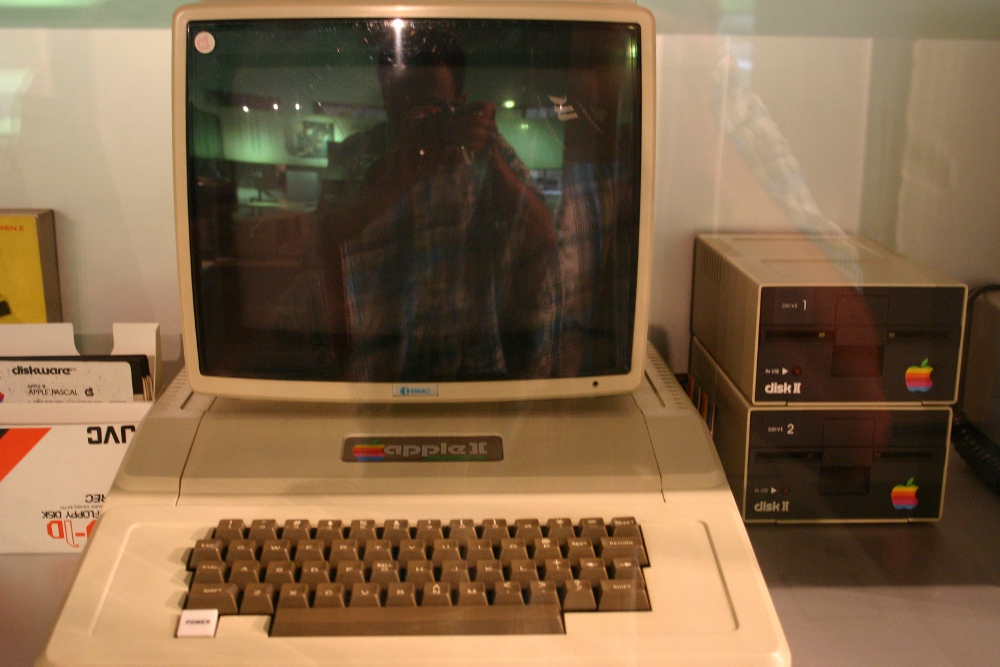
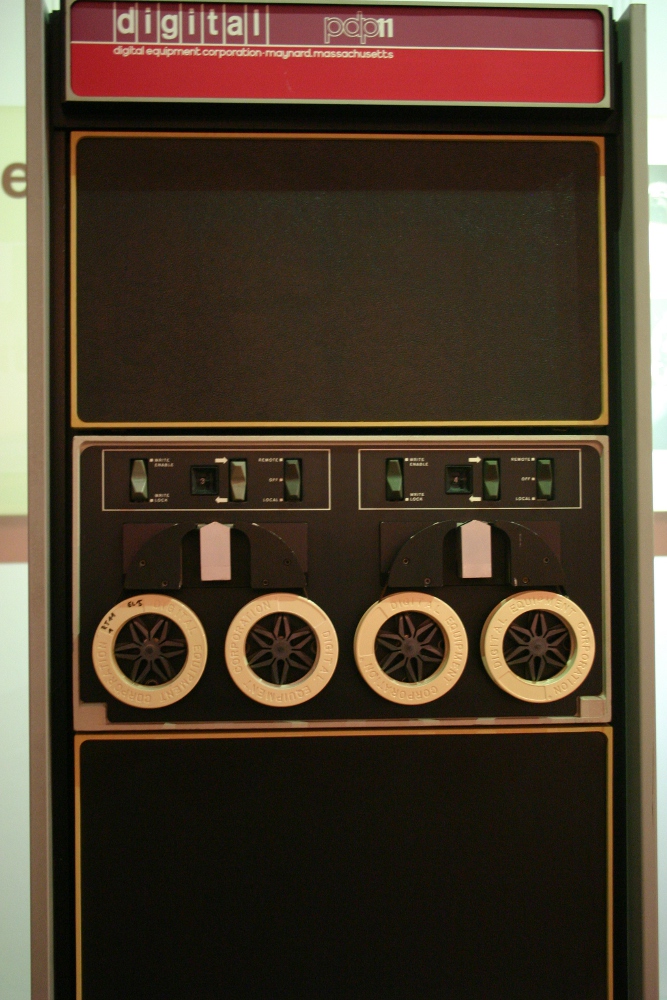
We also saw personal computers, home audio and video equipment, communication devices, and a telecommunications satellite during our visit. Some of the audio equipment reminded us of older stereo systems with cassette players, radios, and record players. Technology that once looked modern now belongs in a museum.
Computers, Communications, and the Enigma Machine
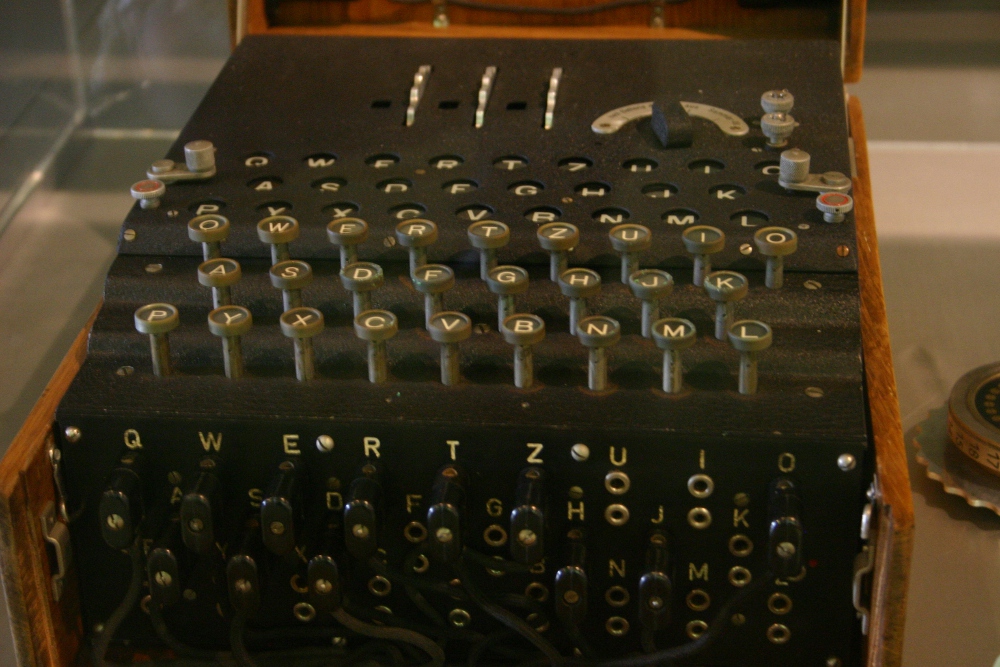
The computer and communication displays were another part where we stopped often.
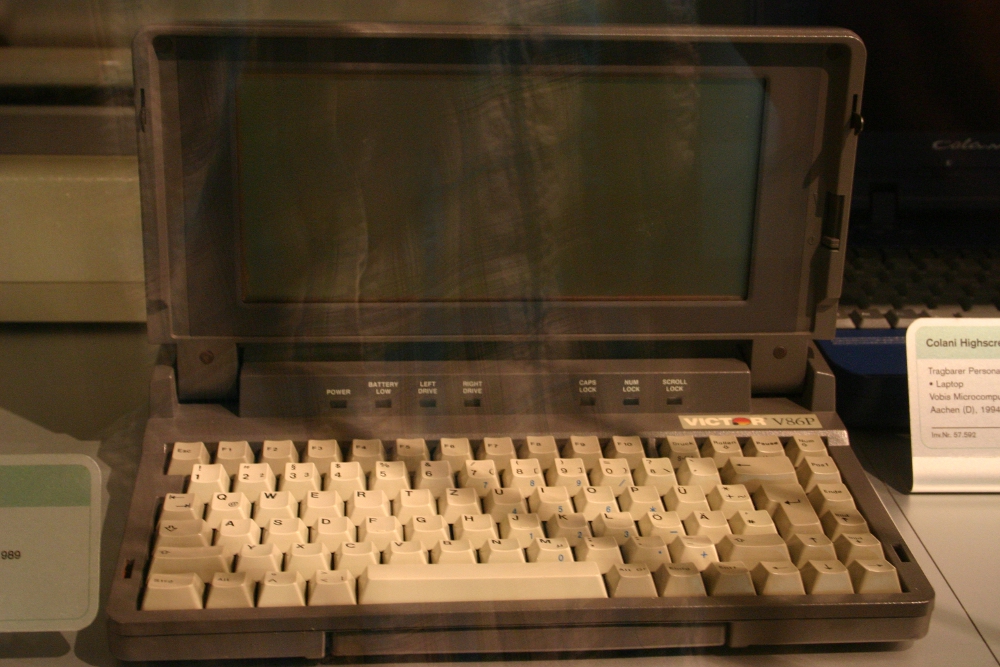
During our visit, the collection included an Enigma machine, old personal computers, radio equipment, televisions, and other devices used to send or store information. These objects show how much equipment was once needed to perform tasks now handled by a phone.
The Enigma machine was particularly interesting because it connects engineering, communication, codes, and history. It was one of the exhibits we specifically remembered after leaving.
Material Worlds
Material Worlds looks at what machines, buildings, electronics, and everyday objects are made from and the exhibition includes wood, steel, aluminium, concrete, glass, rubber, plastics, silicon, and rare earth elements. It follows these materials from extraction and processing to production, use, and disposal.
A machine wall shows processes such as casting, pressing, welding, forging, and milling. This is useful if you normally see only the finished object and have never thought about how its individual parts were produced.
Musical Instruments and Electronic Music
Musical instruments also belong in a technical museum because their design determines the sound they produce.
The collection examines instrument construction, materials, mechanical systems, and changes in sound technology.
The Music Lounge continues with electronic music. Visitors can learn about equipment used for composition and performance and try some of the interactive elements.
This is a good section for someone who isn’t especially interested in engines or trains.
Science Changes, Climate, and New Technology
The museum also covers current research and questions that haven’t been solved.
Science Changes looks at how scientific knowledge is created, tested, challenged, and corrected.
Climate. Knowledge. Action! examines climate change, technology, and the choices involved in reducing its effects.
Other changing displays present current Austrian research and new technologies. This keeps the museum from becoming a collection devoted only to machines from the past.
The Demonstration Mine
The historical mine can’t be visited independently – you need a ticket for a scheduled guided tour. The mine is below the museum and recreates coal-mining conditions from the nineteenth and twentieth centuries. Some of the machinery can still be operated during the tour.
The current tour lasts approximately 45 minutes and costs €5.50 per person in addition to normal museum admission and it is recommended for visitors aged seven and over. The mine is dark and loud, and it can be reached only by stairs. Public tours listed during this August 2026 update are in German. Check the language and schedule before booking.
We didn’t visit the mine during our trip. At the time, we had already been inside a real historic mine in Romania, and we concentrated on the other museum sections.
If the Vienna mine is important to you, reserve it before you begin exploring. Places are limited.
Demonstrations and Other Interactive Experiences
Some of the museum’s most interesting activities don’t run continuously.
Check the daily programme before deciding how to move through the museum.
The High-Voltage Demonstration
The high-voltage show uses electrical experiments to explain current, charges, and electromagnetic fields. We wanted to see it, but we missed it because our timing didn’t match the programme. By the time we checked, it was too late.
This is one of the practical details I would handle differently on another visit. I would look at the programme first and plan the other exhibitions around the show.
The current demonstration is for visitors aged seven and over, requires a separate ticket, and is usually in German.
Locomotive Presentations
The locomotive presentation shows the mechanism of the museum’s cutaway steam locomotive. It is easier to understand the cylinders, rods, wheels, and movement when you can see the parts in action.
Some presentations don’t require advance registration, but schedules can change.
techLAB
techLAB is the museum’s makerspace.
It introduces tools such as 3D printers, laser cutters, cutting plotters, and other equipment used to create and test projects.
Opening times are more limited than the museum’s general hours, so don’t assume it will be available throughout your visit.
BIRDLY Virtual-Reality Flight
BIRDLY is a separate virtual-reality experience for visitors aged ten and over.
It has limited places and currently requires a separate ticket.
You don’t need to add it to enjoy the museum, but it may be one of the most interesting activities for teenagers and people who like virtual reality.
Is the Technisches Museum Wien Good for Adults and Couples?
Yes.
My husband and I visited before we had a child, and we never felt that we were in a museum intended mainly for children.
The interactive exhibits appeal to young visitors, but adults have much more to explore: industrial history, engineering, transport, medicine, communications, aviation, energy, materials, and the development of familiar technologies.
We also didn’t need to have identical interests.
My husband spent more time with aircraft engines, locomotives, heavy machines, and the TV studio. I wanted to read the details beside the cars and return to the human-body and hands-on exhibits.
We explored together, but we didn’t have to move at exactly the same speed through every section.
Visiting the Technisches Museum Wien with Kids
The museum has activities for different ages, although some dedicated areas require separate time-slot reservations.
minTi
minTi is designed for children from approximately 1.5 to five years old.
It gives small children room to move, explore, and try age-appropriate activities.
Both the child and accompanying adult need a valid reservation ticket for the selected time slot.
miniXplore
miniXplore is aimed mainly at families with children aged three to eight.
It uses movement, construction, experimentation, and play to introduce science and technology.
Places are limited, so check the available sessions before your visit.
Older Children
Older children may prefer the locomotives, cars, aircraft, Energy exhibits, hands-on stations, high-voltage demonstration, and mine tour.
The mine has a recommended minimum age of seven because it is dark and loud.
Teenagers
Teenagers may spend more time in Mobility, media.worlds, techLAB, the aviation displays, the electronic music section, and BIRDLY.
Some teenagers will move quickly through historical displays but stop for a long time when they reach an experiment or piece of technology that interests them. Build enough flexibility into the visit.
Technisches Museum Wien vs Deutsches Museum Munich
I visited the Technisches Museum Wien with my husband and the Deutsches Museum years later with my teenage son.
They are both large technical museums, but they aren’t copies of each other.
| Comparison | Technisches Museum Wien | Deutsches Museum Munich |
| Current exhibition space | Approximately 22,000 square metres | Approximately 20,000 square metres currently open while the second half is renovated |
| Time needed | Two to three hours for highlights; four to eight hours for a fuller visit | At least three to four hours; a full day for a broader visit |
| Cars and transport | Large Mobility exhibition with cars, aircraft, railway objects, water transport, and space technology | Aviation and model railway displays at Museum Island, with additional transport collections at separate locations |
| Human body and health | The section we saw felt more detailed to me; current exhibits include prosthetics, medical engineering, bacteriology, and virology | Current Health exhibition covers anatomy, diagnosis, treatment, and medical technology |
| Mine | Open through scheduled guided tours | The historic mining exhibition is closed during renovation and is expected to reopen in 2028 |
| Overall size | Large, but possible to explore substantially in one day | Broader and more encyclopaedic, especially when all renovated sections reopen |
What I Preferred in Vienna
The human-body exhibits we saw in Vienna were more detailed and stayed in my memory.
I also loved the cars. I could take my time with individual models and read about their history and engineering.
Vienna felt large, but we could still move through a substantial part of the museum in one day.
What Munich Does Better
The Deutsches Museum covers more subjects and has a wider encyclopaedic scope.
During our visit, its aviation, astronautics, robotics, optics, musical instruments, chemistry, electronics, and health exhibitions gave us an extremely varied day.
Munich’s current main building is still only partly open during its major renovation. It will become even larger after the second half reopens.
Which Museum Should You Choose?
Choose the museum in the city you are visiting.
Don’t skip Technisches Museum Wien because you have already visited Munich. Don’t skip the Deutsches Museum because you have seen Vienna.
We gave the Munich museum a complete day in our five-day Munich itinerary, just as the Vienna museum took almost a full day during our second trip.
Technisches Museum Wien Tickets and Prices in 2026
Standard adult admission currently costs €18.
| Ticket | Current price |
| Adults | €18 |
| Children and teenagers under 19 | Free with valid identification |
| Eligible students, pupils, apprentices, and people in military or alternative service aged 19 to 25 | €15.50 with valid identification |
| Visitors with disabilities | €15.50; an accompanying person is included when specified on the identification |
| Annual pass | From €40 |
| Reduced annual pass for eligible visitors aged 19 to 25 | €35 |
| Bundesmuseen Card | €99 |
The standard admission ticket includes permanent and temporary exhibitions.
Mine tours, demonstrations, guided tours, workshops, children’s areas, and virtual-reality experiences may require separate tickets.
Vienna Pass, Vienna City Card, and Other Discounts
| Card or ticket | Current benefit |
| Vienna Pass | Museum admission included |
| Bundesmuseen Card | Museum admission included |
| Vienna City Card | 20% discount on the regular adult ticket |
| KlimaTicket Austria | 20% discount |
| Ö1 Club | 20% discount |
| ÖBB Erlebnisticket | 10% discount |
| Wiener Linien annual pass | 10% discount through the WienMobil app |
| Vienna Welcome Card | 10% discount |
| Westbahn ticket | €4 discount with a voucher obtained on the train |
Many discounted tickets are available only at the museum ticket counter.
Regular tickets can be purchased through the official ticket page. Buying online can help you avoid the ticket-counter queue, but it may not be the right option if your discount is available only on site.
Technisches Museum Wien Opening Hours
Monday to Friday: 9:00 a.m. to 6:00 p.m.
Saturday, Sunday, and public holidays: 10:00 a.m. to 6:00 p.m.
Summer schedule from July 6 to September 6: 10:00 a.m. to 6:00 p.m. every day.
Ticket desks close: 5:30 p.m.
Closed: January 1, May 1, December 25, and December 31.
Check the current information before travelling because hours can change.
What Is the Best Time to Visit?
Arrive early if you plan to stay for several hours.
Weekdays may have school groups. Weekends may have more families. I would choose the day according to the demonstrations or tours I wanted to attend, rather than relying only on general crowd advice.
Summer visitors should know that most of the museum isn’t air-conditioned.
The museum is also useful during colder months. If you are planning a trip to Vienna in March, it gives you a full indoor option when the weather is cold, windy, or wet.
How to Get to the Technisches Museum Wien
The museum is at Mariahilfer Straße 212, 1140 Vienna.
By Tram
Trams 52 and 60 serve Penzinger Straße and Anschützgasse.
Tram 10 stops at Johnstraße/Linzer Straße, with some directional services also using the Penzinger Straße area.
Penzinger Straße is the closest tram stop, but its exact position depends on the direction in which you are travelling.
By Underground
Take U4 to Schönbrunn and walk for approximately ten minutes.
You can also take U3 to Johnstraße and walk for approximately ten minutes.
By Bus
Bus 10A serves Johnstraße/Linzer Straße.
Bus 57A stops at Anschützgasse.
These Vienna travel tips include more information about public transport, tickets, museums, and planning your days in the city.
By Car
A parking garage is located beside the museum. Its entrance is on Linzer Straße, near the DoubleTree by Hilton Vienna Schönbrunn.
Museum visitors currently pay a reduced rate of €2.40 per hour instead of the standard €3.90.
Take the parking ticket to the museum information desk to receive the discount.
Accessible parking spaces are available in front of the main entrance.
By Bicycle
Bicycle parking is available in front of the museum entrance.
Where to Stay
The museum is easy to reach from accommodation near a U-Bahn or tram route. Staying close to Westbahnhof, Schönbrunn, or another well-connected area can simplify the trip.
The best district will depend on the rest of your itinerary. This guide to where to stay in Vienna compares the main areas and the details I check before booking a hotel.
Practical Information
Are the Exhibits Available in English?
Current exhibition and object texts are available in German and English.
During our visit, I remember seeing explanations in several languages in some areas. That made a great difference because we could read the information instead of guessing what an exhibit demonstrated.
Special tours, demonstrations, videos, and programmes may be in German only. Check the language before booking.
Lockers and Large Bags
Storage lockers are near the entrance.
Standard lockers require a €1 or €2 coin. Larger lockers are available through the ticket counter in exchange for identification.
I would use a locker even if staff don’t specifically ask you to store a smaller bag. Carrying a coat or heavy backpack becomes uncomfortable after several hours.
Food and Drinks
Food and drinks aren’t allowed in the exhibition areas.
The tmw café is open to museum visitors with a valid admission ticket. It serves drinks, snacks, desserts, and hot meals.
The café currently closes at 5:30 p.m. Hot food is served until 4:30 p.m.
For a long visit, stop before you become too tired to enjoy the remaining sections.
Photography
Photography and filming for private use are allowed without flash or a tripod.
Commercial and professional photography require prior permission.
Accessibility
The entrance is below street level and is reached by broad ramps.
Almost all exhibition areas are wheelchair accessible. The historical mine is the main exception because it can only be reached by stairs.
Wheelchairs can be borrowed free of charge from the ticket counter.
There are lifts and accessible toilets, and seating is available throughout the exhibition areas.
The museum is still very large. Anyone with limited mobility or stamina should choose priority sections and take breaks.
Heat, Noise, and Sensory Considerations
Most of the museum isn’t air-conditioned. The Musical Instruments area is the main exception.
The interactive sections can become noisy, especially when many families or school groups are visiting.
There are currently no designated quiet rooms.
People sensitive to heat or noise may prefer an early visit and regular breaks.
The Park Near the Museum
After spending hours inside, my husband and I stopped in the green area in front of the museum for a while.
I still remember that break. We had walked and stood for most of the day, and it was good to sit outside before continuing.
Auer-Welsbach-Park is across Mariahilfer Straße, between the museum and the Schönbrunn area. There is also green space immediately beside the museum.
The park is useful after a long visit, while waiting for a programme, or when children need time outside.
It is also close enough to use as a break between the museum and Schönbrunn, although I wouldn’t try to complete both attractions in full on the same day.
Can You Visit Technisches Museum Wien and Schönbrunn on the Same Day?
Yes, but you need to limit at least one of the visits.
The museum is close to Schönbrunn Palace, so the combination makes sense on a map.
You can spend two or three hours at the museum and then visit part of the palace estate. You could tour the palace interior, walk through some of the gardens, or choose another specific attraction.
A four-to-eight-hour technical museum visit doesn’t fit comfortably with a palace tour, the extensive gardens, the Gloriette, the zoo, and the other Schönbrunn attractions.
Both places involve a lot of walking.
Before combining them, decide which palace experience you actually want. This comparison of Schönbrunn, Hofburg, and Belvedere can help when you don’t have time for all three.
Technisches Museum Wien at a Glance
| Official German name | Technisches Museum Wien mit Österreichischer Mediathek |
| Official English name | Vienna Museum of Science and Technology |
| Address | Mariahilfer Straße 212, 1140 Vienna |
| Adult admission | €18 |
| Visitors under 19 | Free with valid identification |
| Time needed | Two to three hours for highlights; four to six hours for a substantial visit; six to eight hours for a detailed visit |
| Best for | Adults, couples, families, teenagers, train enthusiasts, car fans, and people interested in science and engineering |
| Main exhibits | Cars, locomotives, aviation, engines, Energy, Everyday Life, media.worlds, medical technology, Material Worlds, musical instruments, and interactive displays |
| Closest tram stop | Penzinger Straße |
| Nearest underground stations | U4 Schönbrunn and U3 Johnstraße, followed by an approximately ten-minute walk |
| Exhibition languages | German and English; some programmes are German-only |
| Accessibility | Almost all exhibitions are wheelchair accessible; the mine requires stairs |
| Air-conditioning | Most of the museum isn’t air-conditioned |
My Tips for Visiting the Technisches Museum Wien
Check the programme before you begin. We missed the high-voltage show because we didn’t pay enough attention to the schedule.
Choose the sections you care about most. A two-hour visit isn’t enough to see everything.
Don’t leave your favourite exhibition until the end. After several hours, your feet and attention may have other plans.
Allow extra time for cars and locomotives. The collections are much larger than a few headline objects.
Check the language of tours and demonstrations. The permanent exhibition texts are in English, but many programmes are in German.
Reserve limited-capacity activities. The mine, children’s areas, and virtual-reality sessions may sell out.
Wear comfortable shoes. We spent almost the entire day here and walked far more than expected.
Bring a €1 or €2 coin. You may need it for a locker.
Take a real break. Use the café or sit in the park before continuing.
Prepare for heat in summer. Most of the building isn’t air-conditioned.
Don’t add a complete Schönbrunn visit automatically. The attractions are close, but both deserve time.
My Verdict
I would visit the Technisches Museum Wien again.
It was the first large technical museum I had seen, and I learned far more than I expected. I could have spent even longer with the cars, reading the information and looking at the differences between models.
I would also return to the medical and human-body displays and try more of the hands-on exhibits.
My husband would probably go first to the engines, machinery, aviation section, and media displays. The television studio would still have a personal connection for him.
I recommend the museum to people who like technical museums, but also to families, teenagers, couples, and curious adults who don’t normally describe themselves as science enthusiasts.
Two or three hours will give you an introduction. Four to six hours are more realistic if you want to read and experiment. Six to eight hours aren’t excessive when the museum is one of the main reasons for your day in this part of Vienna.
Conclusion
The Technisches Museum Wien was one of the places I remembered most clearly from our second trip to the city.
We saw cars, locomotives, engines, aircraft, computers, a television studio, medical devices, communication equipment, and machines whose internal parts were visible.
More importantly, we had time to understand many of them.
Vienna has enough palaces, churches, art museums, and historic streets to fill several trips. This museum gave us a completely different day during our Vienna city break.
Frequently Asked Questions about Technisches Museum Wien
Is the Technisches Museum Wien worth visiting?
Yes, especially if you enjoy cars, trains, aviation, engines, science, medical technology, communication, or interactive exhibits. It is suitable for adults, couples, families, and teenagers.
How long do you need at the Technisches Museum Wien?
Allow two or three hours for selected highlights, four to six hours for a more complete visit, or six to eight hours if you want to read extensively, use the interactive exhibits, and attend a programme.
Can you see the Technisches Museum Wien in two hours?
Yes, but you will need to choose a few priority exhibitions. Start with the locomotives, then select Mobility, Energy, Everyday Life, or media.worlds according to your interests.
Is the Technisches Museum Wien good for adults without children?
Yes. My husband and I visited before we had our son and spent almost the entire day there. The museum has extensive historical, engineering, transportation, medical, media, and energy exhibits for adults.
What are the best exhibits at the Technisches Museum Wien?
The main highlights include the locomotives, cars, aviation displays, Energy, Everyday Life, medical technology, media.worlds, Material Worlds, engines, and interactive stations.
How much does the Technisches Museum Wien cost?
Adult admission currently costs €18. Visitors under 19 enter free with valid identification. Eligible reduced tickets cost €15.50.
Is the Technisches Museum Wien included in the Vienna Pass?
Yes, standard museum admission is included in the Vienna Pass. Separate tickets may still be required for tours, demonstrations, workshops, and other programmes.
Does the Vienna City Card include admission?
The Vienna City Card currently provides a 20% discount on regular adult admission. It doesn’t include free entry.
Is the Technisches Museum Wien open on Mondays?
Yes. It normally opens from 9:00 a.m. to 6:00 p.m. Monday to Friday. During the summer schedule, it opens at 10:00 a.m.
Are the exhibitions available in English?
Yes. Current exhibition and object texts are available in German and English. Some guided tours, demonstrations, films, and special programmes are in German only.
Can you visit the mine without a tour?
No. The historical mine can only be visited as part of a scheduled guided tour.
How long is the mine tour?
The tour lasts approximately 45 minutes.
Is the mine tour in English?
Public mine tours listed during the August 2026 update are in German. Check the current programme before booking.
Is the mine suitable for young children?
The museum recommends the mine for visitors aged seven and over. It is dark and loud and requires the use of stairs.
Does the museum have lockers?
Yes. Standard lockers require a €1 or €2 coin. Keys for larger lockers are available at the ticket counter in exchange for identification.
Can you take photographs inside?
Yes. Photography and filming for private use are allowed without flash or a tripod.
Is the Technisches Museum Wien air-conditioned?
Most of the museum isn’t air-conditioned. The Musical Instruments exhibition is the main exception.
Is the museum wheelchair accessible?
Almost all exhibition areas are wheelchair accessible. The historical mine requires stairs. Wheelchairs can be borrowed free of charge, and seating is available throughout the museum.
Can you visit Technisches Museum Wien and Schönbrunn on the same day?
Yes, if you limit one or both visits. A complete technical museum visit and a full exploration of Schönbrunn would create a very long day with considerable walking.
Which is better, Technisches Museum Wien or Deutsches Museum Munich?
The Deutsches Museum is broader and will become much larger when its renovation is complete. Technisches Museum Wien can be explored more substantially in one day and had a more memorable human-body section during my visit. Both are worth seeing.
More amazing articles for you:
Exploring Europe’s best birding tours
Top 10 famous cities to see in Italy
Best European summer destinations: Top places for a summer holiday in Europe
Spitting, Assaults, and Nonstop Filming: What’s Happening on Flights Right Now - and Why It’s Disrup...
The best National Parks in the UK
SEA LIFE Munich Review: Tickets, Tips & Is It Worth It?
The Black Sea in March in Several Gorgeous Photos
Trip planning tips: how to create the best travel itinerary for all your trips

Violeta-Loredana Pascal is a communications expert, business mentor, and the founder of Earth’s Attractions and PRwave INTERNATIONAL. A pioneer in the Romanian digital PR landscape since 2005, she holds a degree in Communication and Social Sciences from SNSPA Bucharest. Violeta is a senior trainer at AcademiadeAfaceri.ro, where she leverages over 20 years of experience to teach professional courses in PR strategy and workplace productivity. By blending high-level business consulting with a passion for holistic travel and wellness, she empowers solopreneurs to overcome procrastination, build profitable brands, and design a life of purposeful adventure.