
When I was little, I dreamed about becoming a doctor, as many children do. I chose a different path in life, but the human body continued to fascinate me. There is always another structure to discover, another familiar “fact” that needs a more precise answer, or another connection between organs that makes the whole system easier to understand. Or another breakthrough that will allow us to be healthier and live longer (I wrote about a few of these here on my site).
In this article, I am inviting you to discover 200 human body trivia questions and answers, moving from easy questions to a genuinely demanding final round. You’ll find anatomy trivia, physiology questions, body-system challenges, and facts that may surprise you. The format is simple: every answer appears immediately below its question, with a short explanation that gives you more than a name to memorize.
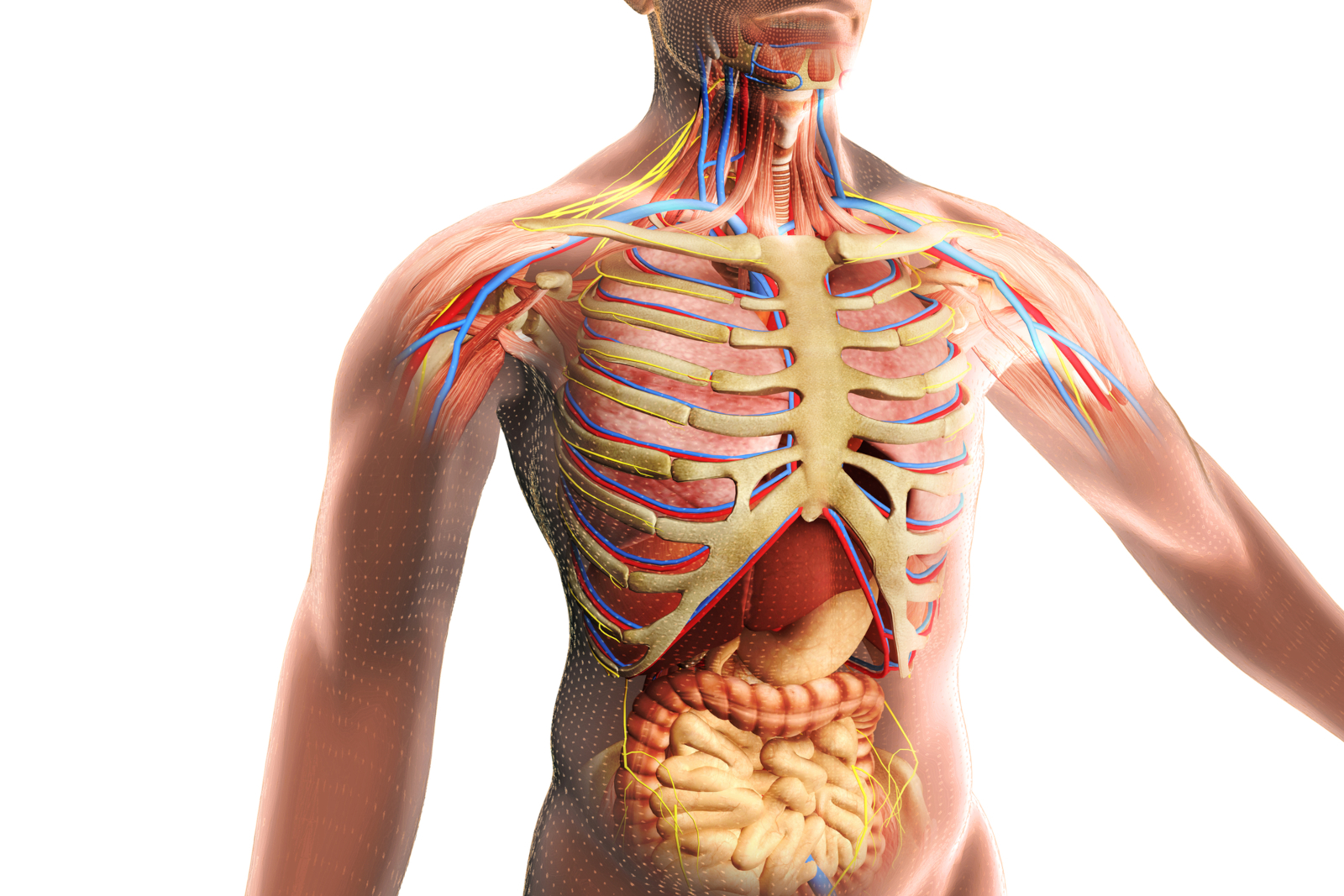
ID 34489192 ©Vitaliy Smolygin | Dreamstime.com
You can play the entire human body quiz, choose one body-system round for a classroom or family game, or combine it with these general knowledge questions for a longer challenge. Readers who enjoy large, progressive quizzes may also like the 2000s trivia questions, which follow a similarly clear question-and-answer format.
That childhood curiosity returned during my visit to the Deutsches Museum in Munich. I spent time in the Health and Human Body exhibition, tried the interactive displays, and was reminded how much easier anatomy becomes when you can connect a name with something you can see or do.
Accuracy note: Human bodies vary, and several familiar trivia answers depend on anatomy, age, measurement method, or definition. Where needed, I use words such as “typically,” “approximately,” “most,” and “generally.” This quiz is for education and entertainment and isn’t medical advice.
How to Use These Human Body Trivia Questions
A long human body quiz with answers is most useful when you can adapt it to the people playing and this is exactly how I created this article. For a relaxed family game, begin with the easy round and stop after 20 or 30 questions. For older students or adults, use one ten-question subsection from each difficulty level. A serious anatomy trivia night can begin with the medium round and keep the final 20 questions for the strongest players.
Read the question first and give everyone time to answer before reading the explanation. For numerical questions, decide in advance whether you will accept an approximate answer. You can award one point for the direct answer and an optional bonus point when a player can explain the function of the structure correctly.
Round 1 – Easy Human Body Trivia Questions and Answers
The opening 50 easy human body trivia questions cover organs, bones, muscles, blood, breathing, the brain, and the senses. They work well as human body trivia for kids, beginners, families, and anyone who wants a friendly warm-up before the terminology becomes more demanding. A mixed game can pair this round with the easier questions in the UK trivia quiz.
Human Body Basics and Major Organs
These basic human body questions and answers focus on major organs and the jobs they perform. The first ten are designed to be accessible, but the short explanations also introduce details that will help with later anatomy and physiology trivia questions.
1. What is the largest organ in the human body?
Answer: The skin. It covers the body, protects deeper tissues, helps regulate temperature, and contains receptors for touch, pressure, pain, and temperature.
2. What is the largest internal solid organ in the human body?
Answer: The liver. It performs hundreds of functions, including processing nutrients, producing bile, storing energy, and helping remove substances from the blood.
3. What is the heart’s main job?
Answer: To pump blood. The heart sends oxygen-poor blood to the lungs and oxygen-rich blood to the rest of the body.
4. What is the main function of the lungs?
Answer: Gas exchange. The lungs move oxygen into the blood and help remove carbon dioxide from it.
5. Which part of the central nervous system is enclosed within the spine?
Answer: The spinal cord. It carries signals between the brain and much of the body and also helps organize some rapid reflexes.
6. Which two bean-shaped organs filter the blood and help make urine?
Answer: The kidneys. They remove wastes and extra fluid while also helping balance minerals, water, and acid in the body.
7. Which organ stores urine before it leaves the body?
Answer: The urinary bladder. Its muscular wall stretches as urine arrives from the kidneys through the ureters.
8. What liquid produced in the mouth moistens food and begins the digestion of some carbohydrates?
Answer: Saliva. It lubricates food and contains enzymes, including salivary amylase, that begin breaking down starch.
9. Where does most nutrient absorption take place?
Answer: The small intestine. Its large internal surface, including folds and villi, helps the body absorb digested nutrients.
10. Which organ produces both digestive enzymes and the hormones insulin and glucagon?
Answer: The pancreas. Its digestive secretions enter the small intestine, while its hormones help regulate blood glucose.
Bones, Teeth, and Joints Trivia Questions
The next bone and joint trivia questions cover the skeleton, tooth enamel, familiar bones, and the tissues that help joints move smoothly. This easy skeletal system quiz begins with recognizable facts and adds a few useful anatomical names without becoming overly technical.
11. What is the hardest substance in the human body?
Answer: Tooth enamel. Its high mineral content makes it harder than bone, although damaged enamel cannot regenerate in the same way bone can remodel.
12. What is the longest bone in the human body?
Answer: The femur. It extends from the hip to the knee and is also one of the body’s strongest bones.
13. What is the smallest bone in the human body?
Answer: The stapes. This tiny middle-ear bone helps transmit sound vibrations toward the inner ear.
14. What type of joint is found at the shoulder and hip?
Answer: A ball-and-socket joint. This joint shape allows movement in several directions, including rotation.
15. What smooth tissue covers the ends of many bones inside movable joints?
Answer: Articular cartilage. It helps bones glide with less friction and distributes pressure across the joint surface.
16. What is the common name for the scapula?
Answer: The shoulder blade. This flat, triangular bone provides attachment points for several muscles of the shoulder and upper back.
17. What is the anatomical name for the shinbone?
Answer: The tibia. It is the larger of the two lower-leg bones and bears much of the body’s weight.
18. How many pairs of ribs do most people have?
Answer: Twelve pairs. The upper seven pairs attach directly to the sternum through cartilage, while the lower pairs attach differently.
19. What is the anatomical name for the breastbone?
Answer: The sternum. It lies at the front of the chest and connects with ribs through costal cartilage.
20. What strong band of connective tissue usually connects one bone to another?
Answer: A ligament. Ligaments help stabilize joints while allowing controlled movement.
Muscles, Movement, and Everyday Actions
These muscular system trivia questions introduce muscle tissue, tendons, breathing, speech, hiccups, and the heat produced by movement. They show that muscles are involved in far more than lifting or exercise. The broader muscle-brain connection is another reminder that body systems don’t operate in isolation.
21. What strong connective tissue usually attaches a muscle to a bone?
Answer: A tendon. Tendons transfer the force produced by muscle contraction to the skeleton.
22. What are the three types of muscle tissue?
Answer: Skeletal, cardiac, and smooth muscle. They differ in structure, location, and whether they are mainly under voluntary or involuntary control.
23. What is the anatomical name for the voice box?
Answer: The larynx. It contains the vocal folds and also helps protect the airway during swallowing.
24. What involuntary contraction of the diaphragm produces the familiar ‘hic’ sound?
Answer: A hiccup. The sound follows a sudden diaphragm contraction and rapid closure of the opening between the vocal folds.
25. What is one of the body’s main cooling responses when it becomes too warm?
Answer: Sweating. As sweat evaporates from the skin, it removes heat from the body.
26. Which dome-shaped muscle is essential for normal breathing?
Answer: The diaphragm. When it contracts, it flattens and increases the space in the chest so air can enter the lungs.
27. Which muscle is generally described as the largest skeletal muscle by mass or volume?
Answer: The gluteus maximus. It helps extend and rotate the hip and is especially active during movements such as rising, climbing, and running.
28. Which upper-arm muscle helps bend the elbow?
Answer: The biceps brachii. It also helps rotate the forearm so the palm faces upward.
29. Which upper-arm muscle helps straighten the elbow?
Answer: The triceps brachii. It lies mainly at the back of the upper arm and extends the forearm.
30. Besides movement, what important product do contracting muscles generate?
Answer: Heat. Muscle activity contributes to body temperature, and rapid involuntary contractions produce shivering.
Heart, Blood, and Breathing Trivia Questions
ID 165083059 ©Sebastian Kaulitzki | Dreamstime.com
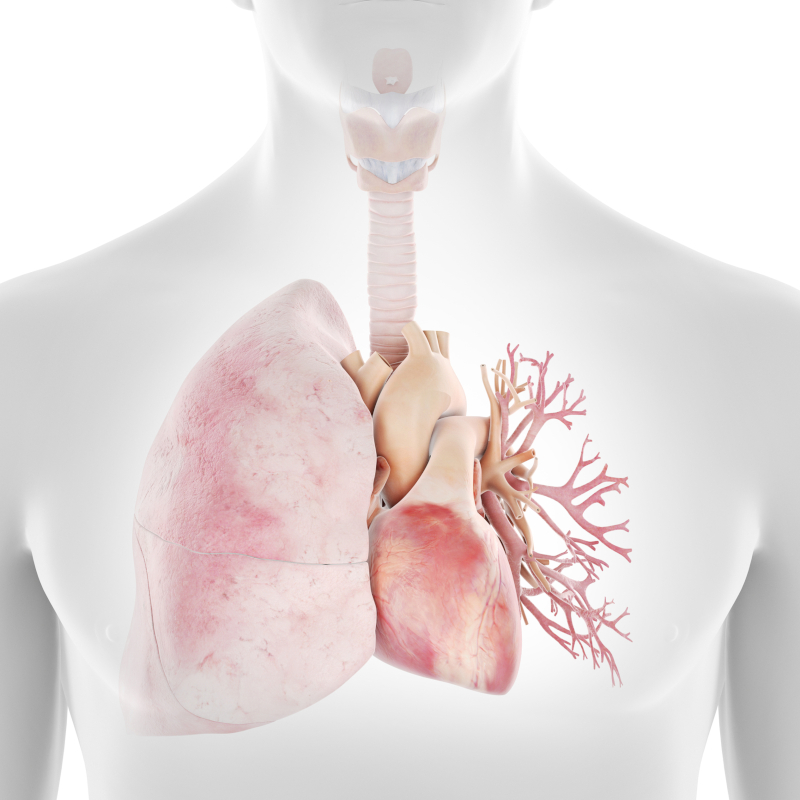
The following heart and blood trivia questions move through circulation, blood components, and the basic structures used for breathing. They can also work as a short cardiovascular system quiz for middle-school science or a family game.
31. How many chambers does the human heart have?
Answer: Four. The two atria receive blood, and the two ventricles pump blood out of the heart.
32. What is the largest artery in the body?
Answer: The aorta. It carries oxygen-rich blood from the left ventricle to arteries serving the body.
33. Which blood cells transport most of the oxygen in the blood?
Answer: Red blood cells. They contain hemoglobin, the protein that binds oxygen.
34. Which blood cells are central to defending the body against infection?
Answer: White blood cells. Several types perform different roles in immune defense.
35. Which small blood components help begin clot formation after an injury?
Answer: Platelets. They gather at damaged blood vessels and help form a plug that is reinforced by clotting proteins.
36. What is the liquid portion of blood called?
Answer: Plasma. It carries blood cells, nutrients, hormones, proteins, salts, and waste products.
37. What oxygen-carrying protein gives red blood cells much of their color?
Answer: Hemoglobin. Its iron-containing groups bind oxygen in the lungs and release it in tissues.
38. What is the common name for the trachea?
Answer: The windpipe. It carries air between the larynx and the main bronchi leading into the lungs.
39. What are the tiny air sacs in the lungs called?
Answer: Alveoli. Their thin walls provide a large surface where oxygen and carbon dioxide move between air and blood.
40. Which flap of tissue helps keep swallowed food and liquid out of the airway?
Answer: The epiglottis. During swallowing, it contributes to protecting the entrance to the larynx.
Brain, Senses, and Everyday Body Functions
The final easy set combines brain trivia questions with simple questions about vision, hearing, taste, smell, touch, and body position. The nervous system’s response to a safe thrill is explored further in the science of why we love being scared. For another science-based seasonal round, the Halloween trivia questions also include bats, owls, spiders, daylight, and other October science topics.
41. What is the largest part of the human brain?
Answer: The cerebrum. It is involved in conscious thought, sensory processing, memory, language, and voluntary movement.
42. Which brain structure is especially important for balance and coordination?
Answer: The cerebellum. It helps fine-tune movement, posture, and motor learning.
43. Which colored part of the eye controls the size of the pupil?
Answer: The iris. Its muscles adjust the pupil to regulate how much light enters the eye.
44. Which light-sensitive layer lines the back of the eye?
Answer: The retina. Its photoreceptors convert light into electrical signals that travel toward the brain.
45. What is the medical name for the eardrum?
Answer: The tympanic membrane. Sound waves make it vibrate, beginning the mechanical part of hearing.
46. Which spiral-shaped inner-ear structure is central to hearing?
Answer: The cochlea. Fluid movement inside it bends sensory hair cells that help convert vibrations into nerve signals.
47. What is the sense of smell called?
Answer: Olfaction. Specialized receptors in the upper nasal cavity detect airborne chemicals and send signals to the brain.
48. What structures contain many of the sensory cells used for taste?
Answer: Taste buds. Most are found in papillae on the tongue, although taste-sensing cells also occur elsewhere in the mouth and throat.
49. What is the transparent front surface of the eye called?
Answer: The cornea. It protects the front of the eye and provides much of the eye’s focusing power.
50. What sense tells you where your body parts are without looking at them?
Answer: Proprioception. Receptors in muscles, tendons, and joints help the brain monitor body position and movement.
You have now completed the easy human body trivia questions. Count your correct answers before continuing because the medium round moves into cells, tissues, digestive processes, hormones, and the immune system.
Round 2 – Medium Human Body Trivia Questions and Answers
ID 22516964 ©Leonello Calvetti | Dreamstime.com
The next 50 human body quiz questions with answers are aimed at adults, teens, high-school students, and general science fans. These medium anatomy trivia questions use more scientific vocabulary, but every answer still explains the term rather than leaving you with a one-word definition. For another nature-and-science challenge, try the national parks trivia or broaden the game with these geography trivia questions.
Cells, Tissues, and Blood Trivia Questions
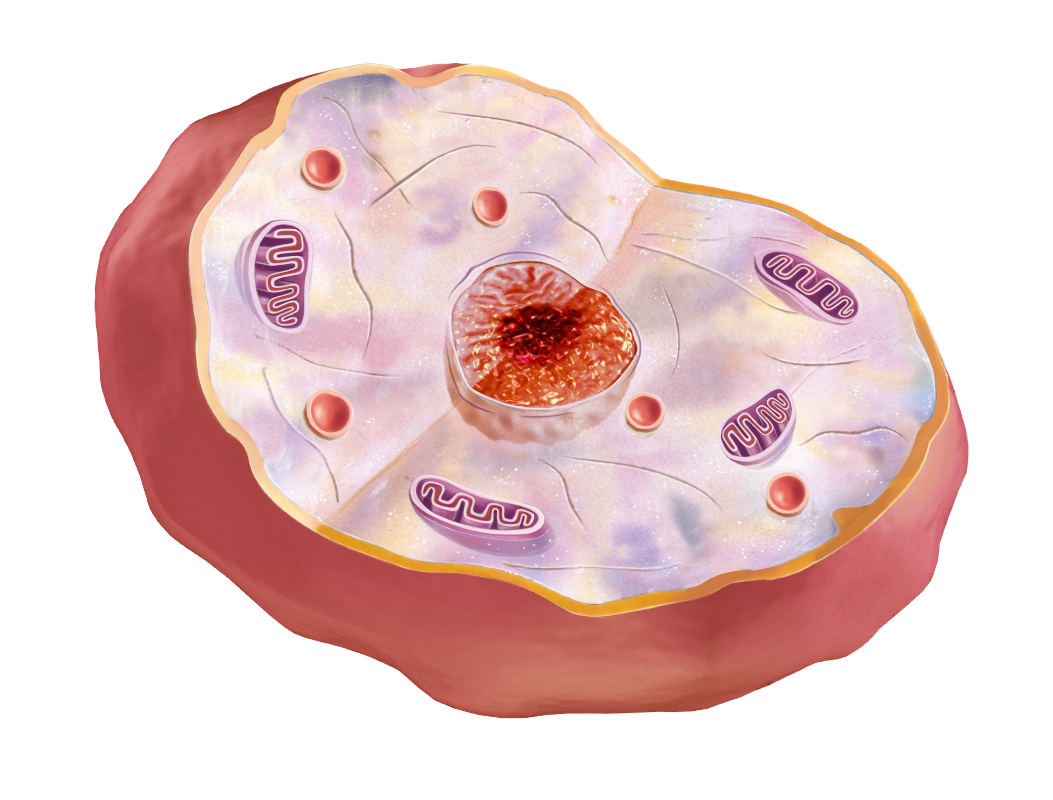
This cell biology trivia round covers the structures and tissue types that make larger organs possible, then adds blood groups and collagen. The questions are useful for readers looking for human anatomy and physiology trivia that moves below the level of visible body parts.
51. What structure controls what enters and leaves a cell?
Answer: The cell membrane. It forms a selective boundary between the cell and its surroundings.
52. Which cell structure contains most of a cell’s DNA?
Answer: The nucleus. It stores genetic information and helps control gene activity in most human cells.
53. Which organelles produce much of a cell’s usable energy?
Answer: Mitochondria. They generate adenosine triphosphate, or ATP, through cellular respiration.
54. What molecule carries hereditary instructions in human cells?
Answer: DNA. Its sequence provides the instructions used to make RNA and proteins.
55. What specialized cell transmits electrical and chemical signals in the nervous system?
Answer: A neuron. Neurons receive, process, and send information through networks in the brain, spinal cord, and nerves.
56. Which major tissue type covers body surfaces and lines many internal organs and cavities?
Answer: Epithelial tissue. It can protect, absorb, secrete, filter, and sense, depending on its location.
57. Which major tissue type supports, binds, or connects other tissues?
Answer: Connective tissue. Bone, cartilage, blood, fat, tendons, and ligaments are all forms of connective tissue.
58. What are the four main blood groups in the ABO system?
Answer: A, B, AB, and O. The groups are based on whether A and B antigens are present on red blood cells.
59. Which common human blood cell loses its nucleus as it matures?
Answer: The red blood cell. Losing the nucleus creates more internal space for hemoglobin and helps the cell remain flexible.
60. What abundant structural protein gives strength to tissues such as skin, tendons, and ligaments?
Answer: Collagen. Different collagen types help support connective tissues throughout the body.
Digestive System Trivia Questions
The digestive system quiz questions below follow food from the esophagus toward absorption and include the liver, pancreas, gallbladder, stomach, and intestines. They mix common digestive questions with terms such as peristalsis, villi, and duodenum.
61. Which muscular tube carries swallowed food from the throat to the stomach?
Answer: The esophagus. Waves of muscular contraction move food downward.
62. What is the wave-like movement that pushes food through the digestive tract?
Answer: Peristalsis. Coordinated smooth-muscle contractions propel and mix material through hollow digestive organs.
63. Which acid is a major component of gastric acid?
Answer: Hydrochloric acid. It creates a strongly acidic environment that helps activate digestive enzymes and limit many swallowed microbes.
64. Which stomach enzyme begins much of the digestion of proteins?
Answer: Pepsin. It is released in an inactive form and becomes active in the acidic stomach environment.
65. What fingerlike projections increase the small intestine’s absorptive surface?
Answer: Villi. Their cells also have microscopic microvilli that increase the surface even further.
66. What is the first part of the small intestine called?
Answer: The duodenum. It receives partially digested food from the stomach along with bile and pancreatic secretions.
67. Which major part of the large intestine includes the ascending, transverse, descending, and sigmoid sections?
Answer: The colon. It absorbs water and electrolytes and helps form and move feces.
68. What is the anatomical name for the throat?
Answer: The pharynx. It serves as a shared passage for air and for swallowed food and liquid before the pathways separate.
69. Which small organ stores and concentrates bile?
Answer: The gallbladder. It releases bile into the small intestine when it is needed for digestion.
70. Which pancreatic enzyme helps digest starch?
Answer: Pancreatic amylase. The pancreas also releases enzymes that digest fats and proteins.
Skin, Hair, and Nails Trivia Questions
ID 49173368 ©Guniita | Dreamstime.com
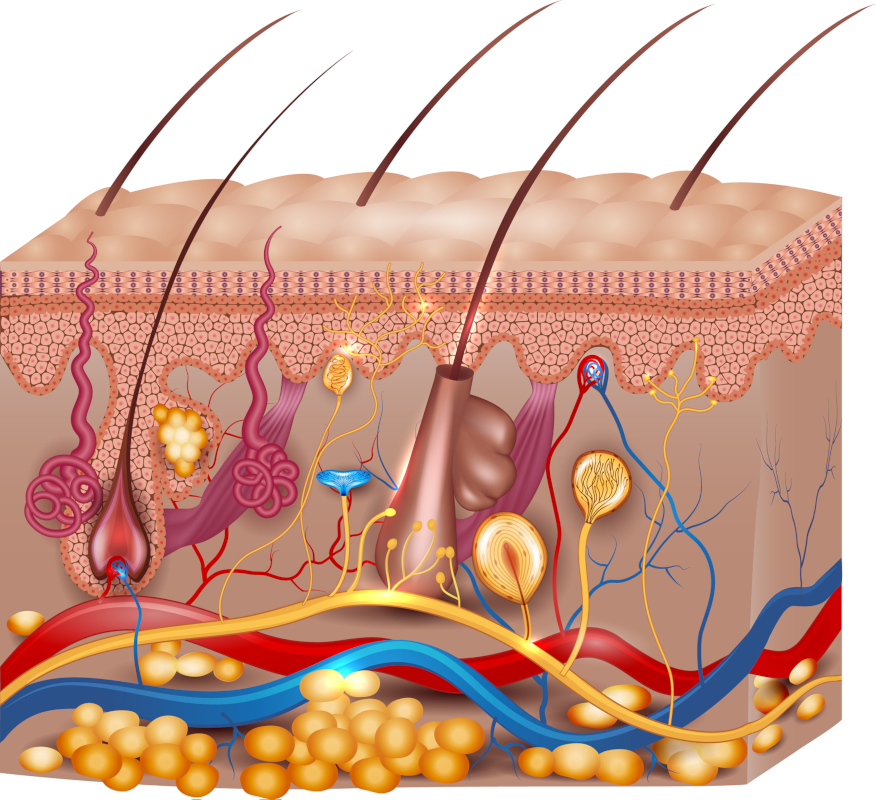
These integumentary system trivia questions explore the epidermis, dermis, glands, pigments, hair follicles, fingerprints, and nail growth. Skin is easy to overlook in an anatomy quiz, even though it is an organ with protective, sensory, and temperature-regulating functions.
71. What is the outermost major layer of the skin?
Answer: The epidermis. Its surface cells form a protective barrier and are continually replaced.
72. Which skin layer lies beneath the epidermis?
Answer: The dermis. It contains connective tissue, blood vessels, nerves, glands, and hair follicles.
73. What pigment contributes strongly to skin, hair, and eye color?
Answer: Melanin. It is produced by melanocytes and also helps absorb ultraviolet radiation.
74. What tough protein is abundant in the outer skin, hair, and nails?
Answer: Keratin. Different forms of keratin help these structures resist wear and damage.
75. Which sweat glands are widely distributed and especially important for cooling?
Answer: Eccrine sweat glands. Their watery secretion reaches the skin surface and can remove heat as it evaporates.
76. Which glands release the oily substance called sebum?
Answer: Sebaceous glands. They usually empty into hair follicles and help lubricate skin and hair.
77. Which tiny muscles cause hairs to stand up and produce goosebumps?
Answer: Arrector pili muscles. They are smooth muscles attached to hair follicles.
78. What produces the friction-ridge patterns used as fingerprints?
Answer: Ridges in the skin of the fingers. Their patterns are influenced by the underlying dermal structure and develop before birth.
79. How can skin blood vessels help the body lose heat?
Answer: They can widen, bringing more warm blood near the surface. The body can then transfer more heat to the surroundings.
80. From which hidden region does a fingernail grow?
Answer: The nail matrix. New nail cells form there and push the visible nail plate forward.
Kidneys, Urinary System, and Hormone Trivia
The next urinary system trivia questions move from visible organs to the nephron, then connect kidney function with endocrine system trivia. You will also encounter several hormones that regulate glucose, metabolism, and biological timing.
81. What is the microscopic functional unit of the kidney?
Answer: The nephron. Each nephron filters fluid and then adjusts its water, salt, nutrient, and waste content.
82. Which tube carries urine from a kidney to the bladder?
Answer: The ureter. Muscular contractions help move urine toward the bladder.
83. Which tube carries urine from the bladder out of the body?
Answer: The urethra. It is different from the ureter, despite the similar name.
84. What cluster of capillaries begins filtration inside a nephron?
Answer: The glomerulus. Fluid and small dissolved substances pass from the blood into Bowman’s capsule.
85. Which nephron segment creates conditions that help the kidney concentrate urine?
Answer: The loop of Henle. Its descending and ascending limbs handle water and salts differently.
86. Which gland is often called the “master gland” because many of its hormones regulate other endocrine glands?
Answer: The pituitary gland. The nickname is useful, although the pituitary itself is strongly regulated by the hypothalamus.
87. Which butterfly-shaped endocrine gland is located in the neck?
Answer: The thyroid gland. Its hormones influence metabolism, growth, and energy use.
88. Which hormone released by the adrenal medulla helps prepare the body for rapid action?
Answer: Epinephrine, also called adrenaline. It can increase heart rate, widen airways, and help make energy available during a challenge.
89. Which pancreatic hormone generally lowers blood glucose?
Answer: Insulin. It helps cells take up glucose and promotes storage of excess fuel.
90. Which gland releases melatonin into the bloodstream?
Answer: The pineal gland. Melatonin helps signal biological night and supports the timing of sleep-wake rhythms.
Immune System, Brain, and Body Regulation Trivia
This mixed human body systems quiz begins with lymph, antibodies, bone marrow, the thymus, and the spleen. It then moves into the thalamus, hypothalamus, circadian rhythms, and glucose regulation, showing how immune, nervous, and endocrine functions connect.
91. Which immune cells can mature into plasma cells that release antibodies?
Answer: B lymphocytes, or B cells. Antibodies recognize particular molecular targets called antigens.
92. What do lymph nodes filter?
Answer: Lymph. They contain immune cells that can respond to microbes, abnormal cells, and other material carried in lymphatic fluid.
93. Which organ filters blood and helps remove old red blood cells?
Answer: The spleen. It also stores certain blood cells and participates in immune responses.
94. In which organ do many T lymphocytes mature?
Answer: The thymus. It is most active earlier in life and gradually becomes smaller after puberty.
95. Where are most new blood cells produced in adults?
Answer: Red bone marrow. Stem cells there give rise to red blood cells, white blood cells, and platelets.
96. What is lymph?
Answer: A clear or pale fluid that travels through lymphatic vessels. It returns excess tissue fluid to the bloodstream and carries immune cells and other substances.
97. Which brain structure relays most sensory information toward the cerebral cortex?
Answer: The thalamus. Nearly all major sensory pathways pass through thalamic nuclei before reaching the cerebral cortex, with smell being the major exception.
98. What is the fluid that fills the spaces between most tissue cells?
Answer: Interstitial fluid. It carries dissolved substances between blood capillaries and cells, and some of it later enters lymphatic vessels.
99. What is a circadian rhythm?
Answer: A biological rhythm that runs on a roughly 24-hour cycle. Light is a major cue that synchronizes the human sleep-wake cycle.
100. Which pancreatic hormone generally raises blood glucose?
Answer: Glucagon. It signals the liver to release stored glucose and produce more when blood glucose is low.
Reaching Question 100 means you have completed half of the quiz. If the cells, tissues, and hormones were comfortable, the hard round will add finer skeletal structures, muscle contraction, heart valves, neural pathways, reproduction, and acid-base regulation.
Round 3 – Hard Human Body Trivia Questions and Answers
These 50 hard human body trivia questions are built for adults, trivia veterans, older students, and readers with a strong science background. The difficulty comes from less familiar structures and processes, not deliberately confusing wording. I chose a different career from the one I imagined as a child, but this level of detail is exactly what kept anatomy interesting to me. The same kind of gradual challenge appears in the European history trivia and the famous landmark quiz.
Advanced Skeletal System Trivia
ID 445299669 ©Dragoscondrea | Dreamstime.com
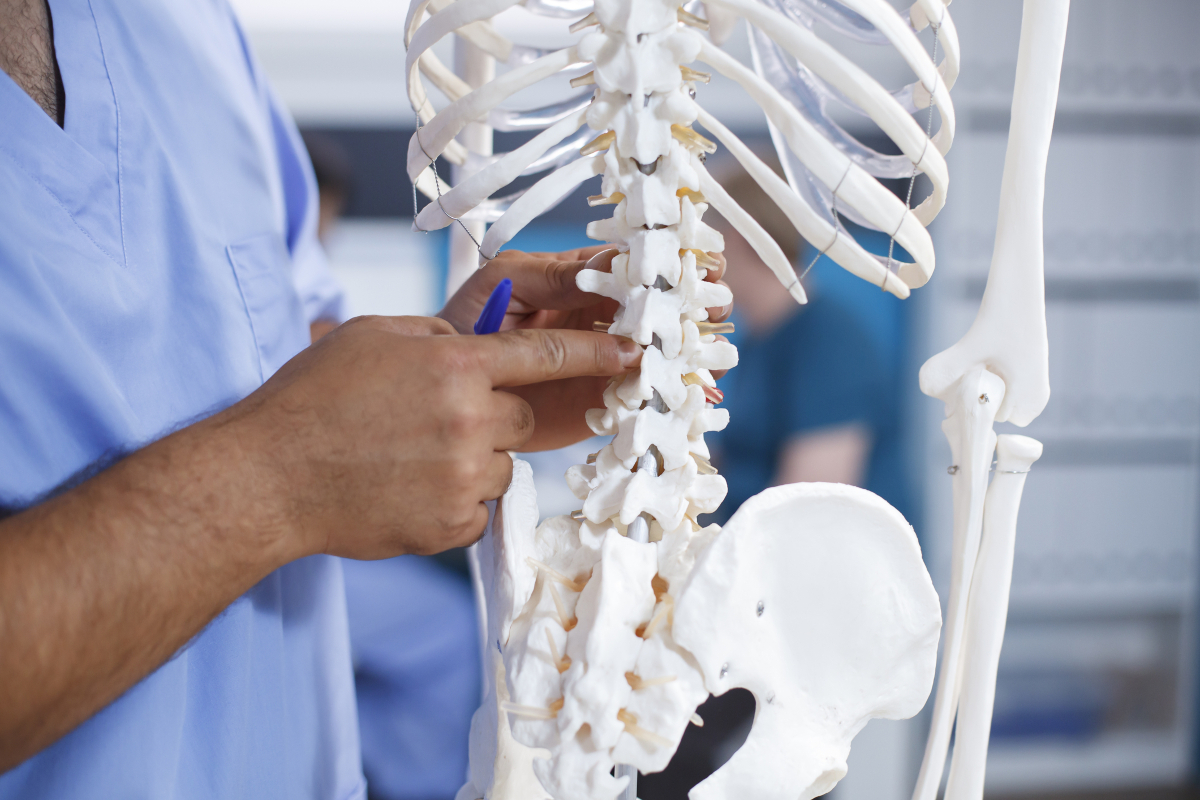
The first hard anatomy questions distinguish the axial and appendicular skeletons and introduce vertebral regions, wrist and foot bones, bone cells, and joint types. These skeletal system trivia questions reward precise answers but still provide enough context to teach the concept.
101. What structures make up the axial skeleton?
Answer: The skull, vertebral column, ribs, and sternum, along with associated bones. This central framework supports and protects the head, neck, and trunk.
102. What is the name of the first cervical vertebra, which supports the skull?
Answer: The atlas, or C1. It forms joints with the skull and helps permit the nodding motion of the head.
103. What large opening in the skull allows the lower brainstem to continue into the spinal cord?
Answer: The foramen magnum. It is located in the occipital bone at the base of the skull.
104. What is the cylindrical structural unit of compact bone called?
Answer: An osteon, or Haversian system. It consists of concentric layers of bone arranged around a central canal containing blood vessels and nerves.
105. What are the soft gaps between an infant’s skull bones called?
Answer: Fontanelles. They allow some skull flexibility during birth and provide room for rapid brain growth early in life.
106. Which bone is suspended in the neck without directly forming a joint with another bone?
Answer: The hyoid bone. Muscles and ligaments support it, and it helps with swallowing and speech.
107. What is the largest sesamoid bone in the human body?
Answer: The patella. Sesamoid bones develop within tendons and can alter the direction or mechanical advantage of muscle force.
108. What feature distinguishes a synovial joint?
Answer: A fluid-containing joint cavity. Articular cartilage, a capsule, and synovial fluid help permit relatively free movement.
109. Which cells form new bone tissue?
Answer: Osteoblasts. They produce bone matrix and help control its mineralization.
110. Which cells break down and resorb bone tissue?
Answer: Osteoclasts. Their activity works with bone formation to remodel the skeleton throughout life.
Advanced Muscular System Trivia
This harder muscle trivia round moves inside the muscle fiber and asks about sarcomeres, actin, myosin, paired muscle actions, and less familiar muscles. It also includes the connection where a motor neuron activates a skeletal muscle fiber.
111. What is the basic contractile unit of striated muscle?
Answer: The sarcomere. Repeating sarcomeres create the banded appearance of skeletal and cardiac muscle.
112. Which protein forms the thin filaments of a sarcomere?
Answer: Actin. Thin filaments interact with myosin during contraction.
113. Which motor protein forms the thick filaments of a sarcomere?
Answer: Myosin. Its heads bind to actin and generate force using energy from ATP.
114. Which receptors inside skeletal muscles detect changes in muscle length?
Answer: Muscle spindles. They help the nervous system monitor stretch and contribute to reflexes and posture.
115. Which nerve provides the main motor supply to the diaphragm?
Answer: The phrenic nerve. It arises mainly from cervical spinal nerve roots C3 to C5.
116. Where are the intercostal muscles located?
Answer: Between the ribs. They help move the rib cage during breathing.
117. Which muscle is generally described as the longest in the human body?
Answer: The sartorius. It runs diagonally across the thigh from the pelvis toward the inside of the knee.
118. Which broad calf muscle lies deep to the gastrocnemius?
Answer: The soleus. It helps point the foot downward and is important for standing and walking.
119. What is another name for the Achilles tendon?
Answer: The calcaneal tendon. It connects major calf muscles to the calcaneus, or heel bone.
120. What is the junction between a motor neuron and a skeletal muscle fiber called?
Answer: The neuromuscular junction. The nerve releases acetylcholine there to begin the muscle fiber’s electrical response.
Cardiovascular and Respiratory Physiology Trivia
The following cardiovascular trivia questions cover the heart’s electrical system, valves, circulation, capillaries, breathing membranes, and oxygen transport. They are useful as hard anatomy trivia questions for adults because several familiar shortcuts about arteries and veins no longer work here.
121. Which structure normally acts as the heart’s natural pacemaker?
Answer: The sinoatrial node, or SA node. It initiates electrical impulses that usually set the basic rhythm of the heartbeat.
122. Which artery carries oxygen-poor blood from the heart toward the lungs?
Answer: The pulmonary artery. It is an important exception to the common shortcut that arteries always carry oxygen-rich blood.
123. Which hormone released mainly by stretched cells in the heart’s atria promotes sodium and water loss?
Answer: Atrial natriuretic peptide, or ANP. It helps reduce blood volume and blood pressure by encouraging the kidneys to excrete more sodium and water.
124. Which valve lies between the right atrium and right ventricle?
Answer: The tricuspid valve. It helps prevent blood from flowing backward into the right atrium during ventricular contraction.
125. Which hormone stimulates red blood cell production when oxygen availability is low?
Answer: Erythropoietin, or EPO. In adults, it is produced mainly by the kidneys and acts on red bone marrow.
126. What is systole?
Answer: The phase when a heart chamber contracts. The term is commonly used for ventricular contraction, when blood is pushed into the pulmonary artery and aorta.
127. Which cell connections allow electrical signals to pass rapidly between neighboring heart-muscle cells?
Answer: Gap junctions. They are found within intercalated discs and help cardiac muscle cells contract in a coordinated way.
128. Which blood vessels are the main sites of exchange between blood and tissues?
Answer: Capillaries. Their very thin walls allow gases, nutrients, water, and wastes to move between blood and surrounding tissue.
129. What is the pleura?
Answer: A double-layered membrane associated with the lungs and chest wall. A thin film of fluid between its layers reduces friction during breathing.
130. Which element is contained in the oxygen-binding portion of hemoglobin?
Answer: Iron. Each heme group contains an iron atom that can bind oxygen reversibly.
Nervous System and Special Senses Trivia
ID 125983663 ©Afby71 | Dreamstime.com
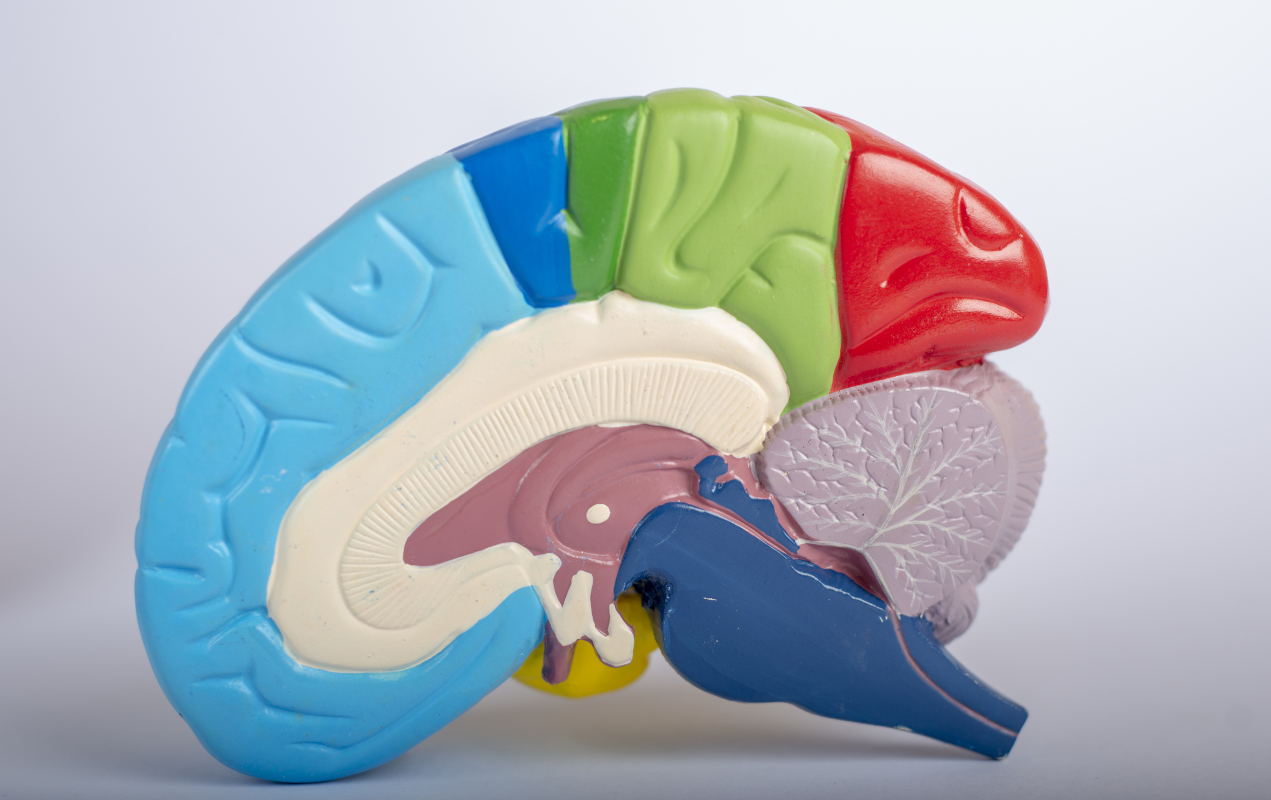
These nervous system trivia questions move through the central, peripheral, sympathetic, and parasympathetic systems before returning to the brain and retina. Readers interested in how mental activity relates to the nervous system can also explore creativity and brain health. Anyone who enjoys knowledge tied to a particular era can switch subjects later with the 80s trivia questions.
131. Which organs make up the central nervous system?
Answer: The brain and spinal cord. They receive information, process it, and coordinate responses.
132. What is the largest nerve in the human body?
Answer: The sciatic nerve. It is formed from nerve roots in the lower spine and travels through the buttock into the leg.
133. Which division of the autonomic nervous system prepares the body for intense activity?
Answer: The sympathetic division. It can raise heart rate, redirect blood flow, and mobilize energy during a challenge.
134. What thick band of nerve fibers connects the brain’s left and right cerebral hemispheres?
Answer: The corpus callosum. It transfers sensory, motor, and cognitive information between the hemispheres.
135. Which part of the brainstem helps regulate breathing, heart rate, and blood pressure?
Answer: The medulla oblongata. It contains centers involved in several vital automatic functions.
136. Which brain region helps regulate hunger, thirst, temperature, and endocrine activity?
Answer: The hypothalamus. It links nervous-system information with hormonal and homeostatic responses.
137. What three protective membranes surround the brain and spinal cord?
Answer: The meninges. From outermost to innermost, they are the dura mater, arachnoid mater, and pia mater.
138. What is a reflex arc?
Answer: The neural pathway that produces a reflex response. Some reflexes can be organized through the spinal cord before conscious awareness catches up.
139. Which retinal photoreceptors are especially useful in dim light?
Answer: Rods. They are highly sensitive to light but don’t provide color vision or the sharpest detail.
140. Which brain structure is especially important for forming new long-term memories?
Answer: The hippocampus. It helps consolidate new memories and also contributes to spatial navigation.
Reproduction, Development, and Homeostasis Trivia
The last ten hard human body questions cover reproductive cells, fertilization, hormones, the placenta, blood pH, temperature responses, and negative feedback. The wording remains scientific and neutral, making the section suitable for an educational anatomy and physiology quiz.
141. What are human reproductive cells called?
Answer: Gametes. The sperm cell and egg cell each carry one set of chromosomes.
142. Where does fertilization most commonly occur?
Answer: In the uterine tube, often called the fallopian tube. The resulting early embryo then normally travels toward the uterus.
143. What temporary organ supports exchange between a pregnant person and a developing fetus?
Answer: The placenta. It transfers gases, nutrients, and wastes while keeping the two blood supplies largely separate.
144. What is ovulation?
Answer: The release of an oocyte from an ovary. It usually follows a surge in luteinizing hormone.
145. Which pituitary hormone stimulates the growth of ovarian follicles?
Answer: Follicle-stimulating hormone, or FSH. It also supports sperm production in the testes.
146. Which pituitary hormone surge helps trigger ovulation?
Answer: Luteinizing hormone, or LH. After ovulation, LH supports formation of the corpus luteum.
147. What is the normal arterial blood pH range commonly cited in physiology?
Answer: About 7.35 to 7.45. The lungs, kidneys, and chemical buffers work together to keep it within a narrow range.
148. Which organs regulate acid-base balance by adjusting the handling of hydrogen ions and bicarbonate?
Answer: The kidneys. Their slower adjustments complement the faster effects of breathing on carbon dioxide levels.
149. How does shivering help warm the body?
Answer: Rapid involuntary skeletal-muscle contractions generate heat. The hypothalamus can activate this response when the body is cold.
150. What is negative feedback in physiology?
Answer: A control process that opposes a change and moves a variable back toward its regulated range. Many homeostatic systems use negative feedback.
You have reached the final 50 questions. The next 40 form the expert anatomy round, and the last ten test claims that are repeated so often that many people no longer stop to question them.
Round 4 – Expert Human Anatomy and Physiology Trivia
The expert human body trivia questions introduce anatomical directions, microscopic structures, specialized receptors, brain regions, and advanced physiology. They are challenging enough for serious science fans without turning into a clinical examination. For a completely different expert round, these 90s trivia questions move from familiar nostalgia into much harder details.
Anatomical Language and Specialized Structures
This expert set alternates anatomical terminology with specialized structures from the bladder, eyes, inner ear, and nervous system. The changing subjects keep the round challenging without turning it into ten consecutive vocabulary definitions.
151. What does the anatomical term anterior mean?
Answer: Toward the front of the body. In standard anatomical position, the breastbone is anterior to the spine.
152. Which type of epithelium allows the urinary bladder to stretch as it fills?
Answer: Transitional epithelium, also called urothelium. Its cells change shape as the bladder expands while maintaining a protective barrier.
153. What does medial mean in anatomy?
Answer: Closer to the body’s midline. The nose is medial to the eyes.
154. What membrane lines the inner eyelids and covers much of the visible white surface of the eye?
Answer: The conjunctiva. It helps lubricate and protect the eye’s exposed surface.
155. What does proximal mean when describing a limb?
Answer: Closer to the limb’s attachment point or the trunk. The elbow is proximal to the wrist.
156. What is the point where some optic-nerve fibers cross to the opposite side called?
Answer: The optic chiasm. This partial crossing helps the brain combine information from the two visual fields.
157. Which anatomical plane divides the body into left and right portions?
Answer: A sagittal plane. A midsagittal plane divides the body into equal left and right halves.
158. Which sensory structure in the utricle and saccule detects gravity and straight-line acceleration?
Answer: The macula. It contains hair cells covered by a gelatinous layer weighted with tiny calcium carbonate crystals called otoliths.
159. What microscopic gap separates a signaling neuron from the next cell at a chemical synapse?
Answer: The synaptic cleft. Neurotransmitters cross this narrow space to carry the signal onward.
160. What position is described by the term supine?
Answer: Lying face upward. The opposite face-down position is called prone.
Microscopic Anatomy and Histology Trivia
This histology trivia round asks about structures that usually require a microscope to study. Podocytes, pneumocytes, goblet cells, myelin, and epithelial shapes make these some of the hardest anatomy trivia questions in the article.
161. What specialized cells wrap around glomerular capillaries in the kidney?
Answer: Podocytes. Their interlocking foot processes help form part of the filtration barrier.
162. What cup-shaped structure surrounds the glomerulus?
Answer: Bowman’s capsule. It receives the fluid filtered from glomerular capillaries.
163. What endocrine cell clusters are scattered through the pancreas?
Answer: The islets of Langerhans, also called pancreatic islets. Their cells release hormones including insulin and glucagon.
164. Which specialized cardiac fibers rapidly distribute electrical impulses through the ventricles?
Answer: Purkinje fibers. They help coordinate ventricular contraction after the signal passes through the heart’s conduction system.
165. Which cell organelles contain enzymes that help break down worn cell parts and other material?
Answer: Lysosomes. Their enzymes digest material inside membrane-bound compartments, helping cells recycle components safely.
166. Which epithelial cells secrete mucus in places such as the respiratory and digestive tracts?
Answer: Goblet cells. Their mucus helps trap particles, protect surfaces, and lubricate passages.
167. Which thin alveolar cells form most of the surface used for gas exchange?
Answer: Type I alveolar cells, also called type I pneumocytes. Their flattened shape creates a very short diffusion distance.
168. What is a mature bone cell embedded within bone matrix called?
Answer: An osteocyte. Osteocytes help maintain bone tissue and communicate through tiny channels in the matrix.
169. Which cells produce myelin around axons in the central nervous system?
Answer: Oligodendrocytes. A single oligodendrocyte can form myelin around segments of several axons.
170. Which immune-like cells act as the resident macrophages of the brain and spinal cord?
Answer: Microglia. They monitor nervous tissue and can remove damaged cells, microbes, and debris.
Lesser-Known Human Body Structures
The next ten obscure anatomy questions cover structures in the ear, brain, kidney, eye, skin, throat, arm, and fetal circulation. Each term has a clear function, so the round remains useful even when you do not know the answer on the first attempt.
171. Which sensory structure inside the cochlea contains the hair cells used for hearing?
Answer: The organ of Corti. It sits on the basilar membrane and converts mechanical movement into neural signals.
172. What is the Circle of Willis?
Answer: An arterial connection at the base of the brain. It links major blood-supply routes and can provide alternative paths for blood flow.
173. Which sensory structure in a semicircular canal detects rotational movement of the head?
Answer: The crista ampullaris. Movement of inner-ear fluid bends its sensory hair cells through a gelatinous structure called the cupula.
174. Which eye structure drains aqueous humor from the anterior chamber?
Answer: The canal of Schlemm, also called the scleral venous sinus. It is part of the eye’s fluid-drainage pathway.
175. Which skin receptors are associated with light touch and low-frequency vibration?
Answer: Meissner corpuscles. They are especially common in hairless skin such as the fingertips.
176. Which macrophages line the liver’s sinusoidal blood channels?
Answer: Kupffer cells. They help remove microbes, cellular debris, and worn blood components from blood passing through the liver.
177. Which passage connects the middle ear with the upper throat?
Answer: The auditory tube, commonly called the Eustachian tube. It helps equalize air pressure across the eardrum.
178. What is the small structure that hangs from the back edge of the soft palate?
Answer: The uvula. It contributes to functions including speech, swallowing, and keeping the throat moist.
179. Which forearm muscle is naturally absent in a noticeable minority of people?
Answer: The palmaris longus. Its absence is a normal anatomical variation and usually causes no functional problem.
180. What adult structure is the remnant of the fetal ductus arteriosus?
Answer: The ligamentum arteriosum. Before birth, the ductus arteriosus diverts blood away from the nonfunctioning fetal lungs.
Advanced Human Physiology Trivia
The final expert physiology questions examine biological timing, language networks, blood-pressure sensing, breathing control, water balance, kidney filtration, electrical signaling, homeostasis, and fever. These are intended as a difficult human body trivia round, but the explanations stay concise enough for a game host to read aloud. Several of these systems also appear in practical guidance about everyday brain health.
181. Which small hypothalamic region acts as the body’s main circadian clock?
Answer: The suprachiasmatic nucleus. It receives light-related information and helps coordinate daily biological rhythms.
182. Which brain region is classically associated with planning and producing speech?
Answer: Broca’s area. It is usually located in the dominant frontal lobe, although language depends on a much broader network.
183. Which brain region is classically associated with understanding language?
Answer: Wernicke’s area. It is usually discussed as part of a wider network supporting language comprehension.
184. Which receptors detect stretch caused by changes in blood pressure?
Answer: Baroreceptors. Important groups are located in the carotid sinus and aortic arch.
185. Which receptors monitor chemical conditions such as oxygen, carbon dioxide, or pH?
Answer: Chemoreceptors. Peripheral chemoreceptors in the carotid and aortic bodies help regulate breathing.
186. Where is antidiuretic hormone made, and where is it released?
Answer: It is made in the hypothalamus and released from the posterior pituitary. It helps the kidneys conserve water.
187. What is glomerular filtration?
Answer: The movement of water and small dissolved substances from glomerular blood into Bowman’s space. Blood cells and most large proteins normally remain in the circulation.
188. What is an action potential?
Answer: A rapid, temporary change in electrical voltage across a cell membrane. Neurons and muscle cells use action potentials to transmit signals.
189. What is apoptosis?
Answer: Programmed cell death. It is a controlled process that removes damaged, unnecessary, or potentially harmful cells without the same tissue disruption caused by uncontrolled cell injury.
190. What are pyrogens?
Answer: Substances that promote fever by influencing the body’s temperature-regulating pathways. They can lead the hypothalamus to defend a higher temperature set point.
Final Round – Human Body Myth or Fact?
The last ten true or false human body trivia questions challenge familiar claims about the brain, blood, taste, the heart, joints, digestion, eyesight, and hair. Several appear in weird and funny human body facts lists even though the usual version is incomplete or false. A different collection of surprising claims and corrections can be found in these facts about Argentina.
191. True or false: Humans normally use only 10% of the brain.
Answer: False. Brain imaging, injury patterns, metabolism, and everyday neural activity show that the brain’s regions have functions and are used across time, even though they aren’t all maximally active at once.
192. True or false: Blood in the veins is blue until it reaches the air.
Answer: False. Human blood is always red, although oxygen-poor blood is darker red. Veins can look blue through skin because light is absorbed and scattered by tissue.
193. True or false: Sweet, salty, sour, bitter, and umami are detected in separate tongue zones.
Answer: False. These basic tastes can be detected across responsive regions of the tongue, although sensitivity is not identical everywhere.
194. True or false: Hair and fingernails continue growing after death.
Answer: False. Growth stops when cells no longer receive energy and nutrients. Dehydration and skin retraction can make hair and nails appear longer.
195. True or false: The heart is located entirely on the left side of the chest.
Answer: False. Most of the heart lies behind the breastbone in the central chest, although its tip points toward the left.
196. True or false: Habitually cracking your knuckles causes hand osteoarthritis.
Answer: False. Observational studies have not found an association between habitual knuckle cracking and hand osteoarthritis, although cracking can irritate some people’s joints or surrounding tissues.
197. True or false: Swallowed chewing gum remains in the stomach for seven years.
Answer: False. The body does not fully digest the gum base, but a small swallowed piece usually moves through the digestive tract and is eliminated rather than remaining in the stomach.
198. True or false: Reading in dim light permanently damages healthy eyes.
Answer: False. Poor lighting can make reading uncomfortable and contribute to temporary eye strain, but it does not normally cause permanent structural damage to healthy eyes.
199. True or false: Shaving makes hair grow back thicker, darker, and faster.
Answer: False. Shaving cuts hair at the skin surface and does not change the follicle. The blunt cut end can initially feel coarser and look darker.
200. True or false: People have scientifically established left-brained or right-brained personality types.
Answer: False as a simple personality classification. The hemispheres do show functional specialization, but evidence does not support dividing people into globally left-brained or right-brained personality types.
Human Body Trivia Answers That Need More Precision
Many human body questions and answers look simple until two reputable sources use different definitions. The following clarifications help quiz hosts judge answers fairly and give readers the context that short trivia cards often omit.
Does Every Adult Have 206 Bones?
Around 206 is the standard figure used for the adult skeleton, but it isn’t an unbreakable rule. Bone fusion and normal anatomical variations, including extra sesamoid bones, can change the total. For a general quiz, “approximately 206” is the fairest wording.
How Many Senses Do Humans Have?
The traditional list contains sight, hearing, smell, taste, and touch. Scientific descriptions can separate additional sensory systems and modalities, including balance, proprioception, pain, temperature, pressure, vibration, and signals from inside the body. There is no universally agreed single number because the answer depends on how senses are grouped.
Which Muscle Is the Strongest?
A question that asks for the “strongest muscle” needs a definition. The answer may change when strength means maximum force, force relative to size, endurance, pressure produced, or total work. The masseter is often named in trivia, but that doesn’t settle every possible interpretation.
What Is a Normal Body Temperature?
98.6°F, or 37°C, is a familiar reference value rather than an exact temperature that applies to everyone at every moment. Age, activity, hormones, time of day, environment, and measurement location can affect the reading. A person’s usual temperature can also differ from the population average.
Does Every Menstrual Cycle Last 28 Days?
No. Twenty-eight days is a familiar average or reference value, but healthy cycle length varies between people and can also vary from one cycle to another. A trivia question should describe 28 days as typical rather than universal.
How Many Muscles Are in the Human Body?
You will often see figures above 600, but exact totals vary because anatomists may count divisions, paired structures, and variable muscles differently. A question that demands one exact number without naming the counting method is weaker than a question about a specific muscle or muscle group.
Which Blood Type Is the Universal Donor?
For red blood cell transfusions, O negative is commonly called the universal donor type. Plasma compatibility follows different rules, and real transfusion decisions involve testing, component type, supply, and clinical circumstances. A trivia question should specify that it is asking about red blood cells.
How Did You Score?
This score guide is for fun. It doesn’t measure intelligence, health knowledge, or anyone’s ability to give medical advice.
0-50 correct – Human Body Beginner: You recognized some of the major structures and now have 200 explanations to revisit.
51-100 correct – Strong Start: Your general body knowledge carried you through much of the easy and medium material.
101-140 correct – Impressive Body Knowledge: You handled many detailed anatomy and physiology questions.
141-170 correct – Anatomy Expert: You were comfortable with advanced structures, processes, and terminology.
171-190 correct – Human Body Master: Very little in the expert round slowed you down.
191-200 correct – Exceptional Score: You combined precise knowledge with careful reading and avoided nearly every myth.
Share your score and the question that surprised you most. If a group played together, compare the sections where each person performed best rather than looking only at the total.
How to Build a Human Body Trivia Night or Classroom Round
A ten-question family round can use six easy questions, three medium questions, and one hard question. For a 20-question mixed game, try six easy, eight medium, four hard, and two expert questions. A difficult adult trivia round can use four medium questions, ten hard questions, and six expert questions.
Numerical questions work best when the host decides whether a range or approximate answer is acceptable. For a tie-breaker, choose a number that has a well-defined source and ask players to write their closest estimate. Avoid using bone, muscle, sense, or temperature totals as tie-breakers when the definition itself can change the answer.
For a multi-topic game night, alternate one body round with a world capitals quiz, then add U.S. state trivia or a record-breaking round built from these travel superlatives. A sports group can finish with the FIFA World Cup trivia questions.
Conclusion
Preparing these 200 human body trivia questions reminded me why the subject stayed fascinating long after I stopped imagining a medical career. A familiar organ can lead to a microscopic cell, an everyday reflex can lead to a complex control system, and a fact that sounds obvious can need a careful qualification.
Use the easy questions for a relaxed game, save the expert round for serious players, and keep the myth-or-fact section for the end. When you are ready for another topic, continue with Europe travel trivia, Spain trivia questions, an Asia trivia quiz, or the Italy trivia challenge. The full trivia collection offers more themes for future game nights.
Human Body Trivia FAQ
The most common questions about human body trivia involve difficulty, age suitability, terminology, and whether every numerical answer is exact. These concise answers can help you choose the right questions for adults, children, classrooms, and game nights.
What Are Some Good Human Body Trivia Questions for Adults?
Good human body trivia questions for adults mix recognizable topics with less familiar details. Examples include “Which structure acts as the heart’s natural pacemaker?”, “Which bone doesn’t directly articulate with another bone?”, and “Which receptors detect changes in blood pressure?” The answers are the sinoatrial node, the hyoid bone, and baroreceptors.
Which Human Body Trivia Questions Are Suitable for Kids?
Many questions in the easy round are suitable for older children because they cover familiar organs, bones, blood, breathing, and senses. Parents and teachers should select questions based on the child’s age and curriculum. The medium and later rounds use terminology more appropriate for teens and adults.
What Is the Difference Between Anatomy and Physiology Trivia?
Anatomy trivia focuses on structures and where they are located. Physiology trivia focuses on how those structures work. Asking for the cochlea is mainly anatomy; asking how sensory hair cells help turn vibrations into nerve signals moves into physiology.
What Is a Difficult Human Body Trivia Question?
A fair difficult question asks for a less familiar fact without using confusing wording. “Which hypothalamic structure acts as the main circadian clock?” is a good example. The answer is the suprachiasmatic nucleus.
How Many Questions Should a Human Body Trivia Round Have?
Ten to 20 questions are usually enough for one themed round. A short family quiz can use ten, while a longer game night can use 20 and balance easy, medium, hard, and expert questions. All 200 questions work better as several rounds or a long self-challenge.
Are All Human Body Trivia Answers Exact?
No. Human anatomy varies, and some measurements change with age, time, activity, hormones, and the way something is counted. Questions about bones, muscles, senses, body temperature, and biological cycles often need qualified answers.
Can I Use These Questions for a Classroom or Family Quiz?
Yes. Choose one or more ten-question subsections, read each question before revealing the answer, and adjust the difficulty for the group. A classroom can also ask students to identify the body system and explain the structure’s function for an additional point.
Sources and Fact-Checking
The general anatomy, physiology, and terminology in this article were checked against educational and medical references from the U.S. National Library of Medicine and National Institutes of Health. Complex or variable answers were written to avoid presenting a common teaching figure as a universal rule.
National Library of Medicine – Anatomy
NCBI Bookshelf – Medical Language Related to the Whole Body
NCBI Bookshelf – Anatomy, Bones
National Heart, Lung, and Blood Institute – Heart Anatomy
National Heart, Lung, and Blood Institute – How the Lungs Work
National Institute of Diabetes and Digestive and Kidney Diseases – Digestive System
National Institute of Diabetes and Digestive and Kidney Diseases – Kidneys
National Institute of Neurological Disorders and Stroke – Brain Basics
National Eye Institute – How the Eyes Work
National Institute on Deafness and Other Communication Disorders – How We Hear
Human Senses and Sensors From Aristotle to the Present
The Tongue Map and the Spatial Modulation of Taste Perception
An Evaluation of the Left-Brain Versus Right-Brain Hypothesis
NCBI Bookshelf – Physiology of the Tooth
NCBI Bookshelf – Neuroanatomy of the Thalamus
NCBI Bookshelf – Neuroanatomy of the Corpus Callosum
NCBI Bookshelf – Anatomy of the Foramen Magnum
PubMed – Knuckle Cracking and Hand Osteoarthritis
Last reviewed: July 30, 2026.
More amazing articles for you:
New Year’s travel resolutions you can actually stick to
This Widely Used Tool Turns New And Existing Articles Into Automatic Income - And Now It’s Paying Pe...
Ultimate Havana Travel Guide: What to do in Havana Cuba, food, hotels, and tips
Japan Etiquette Guide 2026: 8 Critical Mistakes That Get Tourists Shamed (and How to Avoid Fines)
Top things to do in Coron
Local's guide to San Francisco with the best places to see in San Francisco, restaurants, hotels, an...
(Exclusive) This Woman Was Refused Boarding at Check-In - The Shocking Reason Airline Staff Say They...
Trevi Fountain Tourist Dive Sparks Outrage - But Some of the Comments Surprised Me

Violeta-Loredana Pascal is a communications expert, business mentor, and the founder of Earth’s Attractions and PRwave INTERNATIONAL. A pioneer in the Romanian digital PR landscape since 2005, she holds a degree in Communication and Social Sciences from SNSPA Bucharest. Violeta is a senior trainer at AcademiadeAfaceri.ro, where she leverages over 20 years of experience to teach professional courses in PR strategy and workplace productivity. By blending high-level business consulting with a passion for holistic travel and wellness, she empowers solopreneurs to overcome procrastination, build profitable brands, and design a life of purposeful adventure.