Paris had been one of my dream destinations for years, so when the opportunity to visit appeared with very little notice, I wasn’t going to say no.
We arrived on Sunday evening and left on Friday, which gave us four full days in Paris. That may sound like plenty of time, but Paris has so many museums, monuments, neighbourhoods, viewpoints and wonderful streets that choosing only a few places was harder than I expected.
I was also visiting approximately one year after knee surgery. I could walk, and I did walk a lot, but I didn’t want to fill the trip with steep streets, hills and stairs. That’s one reason why Montmartre and Sacré-Cœur didn’t make it into my itinerary. I chose to use my time and energy for the museums, Versailles, the Eiffel Tower and the central Paris landmarks I had wanted to see for years.
The trip was in March. We had rain, strong wind and cold evenings, yet I loved every moment. Seeing Paris for the first time was a dream come true, including the moments when our plans changed and we ended up walking through ordinary streets instead of entering another famous attraction.
This realistic four-day Paris itinerary follows what I genuinely did, with a few practical adjustments based on what I know now. It includes Musée d’Orsay, Versailles, the Eiffel Tower, the Louvre, Place de la Concorde and the Champs-Élysées, without pretending that four days are enough to see the entire city.
If you’re preparing your own visit, start with these first Paris trip tips. You can then compare your priorities with the city’s most important Paris landmarks and create a personal Paris bucket list rather than copying someone else’s schedule exactly.
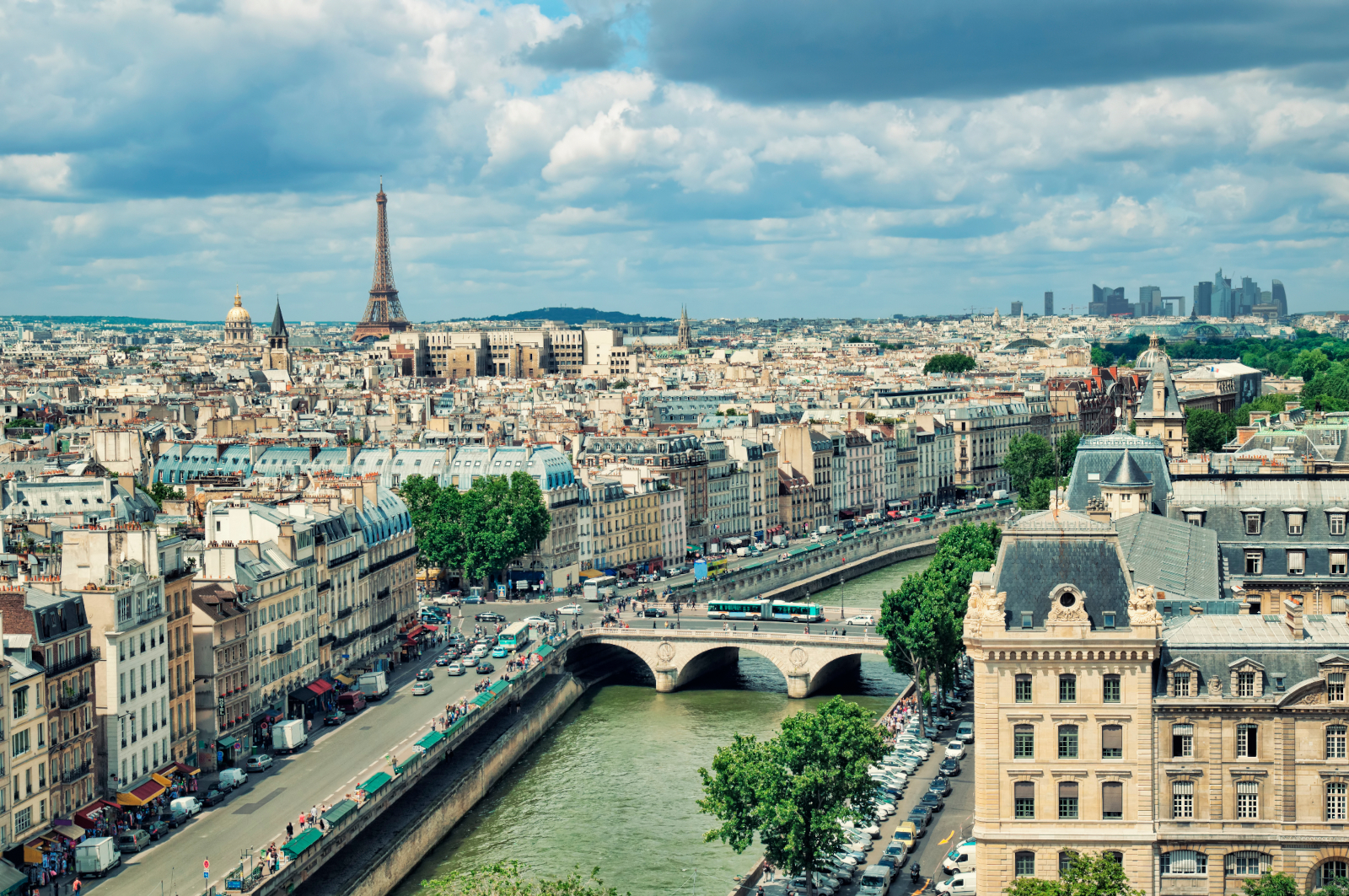
ID 27034793 | Eiffel Tower ©Fazon1 | Dreamstime.com
Is Four Days Enough for a First Trip to Paris?
For many people, four full days in Paris are enough for a memorable first visit, especially when the itinerary focuses on personal priorities instead of trying to cover every famous area.
Four days allowed us to visit two major art museums, spend part of a day at Versailles, go to the Eiffel Tower and walk through several central Paris landmarks. It wasn’t enough to see all the places I wanted to visit, and I never expected it to be.
A successful Paris itinerary isn’t measured only by the number of attractions you enter. Time inside the Louvre, a long look at a favourite painting in Musée d’Orsay, an evening view from the Eiffel Tower or an unexpected walk through residential streets can be more memorable than rushing through three extra stops.
My advice is to select two or three places you would deeply regret missing. Build the itinerary around those, then consider everything else an addition rather than a requirement. Read on as I share more tips and my experience on how to spend 4 days in Paris.
Check Paris Museum Closing Days First
Anyone creating a Paris museum itinerary for Monday or Tuesday should check weekly closing days before assigning attractions to specific dates. My biggest planning mistake happened because this was an unexpected trip and I had very little time to research it properly.
I knew that many museums in Europe close on Mondays. Somehow, I still forgot to check Musée d’Orsay.
| Attraction | Regular weekly closure | What to schedule instead |
|---|---|---|
| Musée d’Orsay | Monday | The Louvre, a Seine walk, shopping, a viewpoint or another attraction confirmed open |
| The Louvre | Tuesday | Musée d’Orsay, Versailles, the Eiffel Tower or neighbourhood sightseeing |
| Palace of Versailles | Monday | A Paris museum or a full day within the city |
Holiday schedules, special events, maintenance work and temporary closures can still alter access. Check the official calendar shortly before your trip, even when you already know the regular weekly schedule.
Arriving at a closed museum doesn’t have to destroy the day, but avoiding the mistake gives you more control. It remains one of the most useful Paris mistakes to avoid.
Why Staying Near Montparnasse Worked for Us
Choosing where to stay can change the entire flow of a four-day Paris itinerary. Our Paris base near Montparnasse wasn’t beside the Louvre or the Eiffel Tower, yet it suited the circumstances of our trip very well.
We stayed at the Pullman Paris Montparnasse, close to Tour Montparnasse, restaurants, shops and public transport. My husband had other commitments during parts of the trip, so I also needed to feel comfortable leaving the hotel and exploring independently.
On our first evening, it was raining. We didn’t need an elaborate arrival-night plan. We ate nearby, returned to the hotel and started sightseeing the following morning.
Montparnasse also offered a possible viewpoint near the hotel. Tour Montparnasse offers a panorama that includes the Eiffel Tower within the skyline, which is an advantage the Eiffel Tower itself obviously can’t provide.
I didn’t go up during that trip. I wanted to experience it with my husband, who was occupied elsewhere part of the trip, and my knee was another reason not to add an extra attraction alone. I still think it can be a useful option for visitors who want a broad Paris view without using part of their Eiffel Tower visit for another ascent.
Montparnasse won’t be the best area for every visitor. Its value depends on your hotel, budget, planned attractions and preferred transport connections. For us, it was a practical base rather than a destination chosen for postcard views outside the hotel door.
Day 1 – Musée d’Orsay Was Closed, but the Day Wasn’t Lost
A Monday Paris itinerary needs a dependable alternative because both Musée d’Orsay and Versailles are normally closed. I learned this after arriving at Orsay and discovering that my first major plan couldn’t happen that day.
What I Had Planned
Musée d’Orsay was one of my highest priorities. I love Impressionism, and I had dreamed of seeing original works by Monet, Manet, Renoir, Degas and Van Gogh.
I had also considered a Seine cruise. Since we were visiting in March, however, the weather wasn’t cooperating. It was rainy, windy and cold enough that sitting on a boat didn’t feel like the wonderful introduction to Paris I had imagined.
What I Did Instead
After seeing that Musée d’Orsay was closed, I walked along the Seine. The riverbanks form part of the city’s UNESCO-listed heritage, and this section of Paris includes views that don’t need an entrance ticket or timed reservation. You can read more about the historic Banks of the Seine and the monuments connected by this central corridor.
I also walked through blocks filled with apartment buildings and everyday city life. These weren’t the famous stops that appear on every Paris itinerary, yet I enjoyed seeing them. The walk reminded me that the city continues between its monuments. Paris isn’t only a collection of museums and photo locations.
Later, I went shopping near Montparnasse, including the Galeries Lafayette branch that existed there at the time. That particular branch is no longer the Galeries Lafayette location current visitors should plan around, so don’t copy that stop literally. Galeries Lafayette Haussmann is the main current alternative, although reaching it changes the places you will be on that day.
My tip is simple: every time, on every trip, if something is closed and you have to change your initial plans, instead of being very sad, adapt instantly. Change the surrounding area and see what places are there or, if you did a lot of research prior to your trip, think of the places that weren’t included in your final itinerary and go to one of those instead. You can almost always (except when it is raining/snowing/heavy wind) go to a park, you can go to a famous shopping mall or an indoor attraction that is open. There are always alternatives!
What to Do in Paris When Musée d’Orsay Is Closed on Monday
A good Monday backup should match the weather and your energy after travelling. You don’t need to replace one closed museum with three attractions on opposite sides of the city.
When the weather is pleasant: Walk beside the Seine, see one or two central landmarks, stop for lunch and consider a viewpoint later in the day.
When it rains: Visit the Louvre if you have a reservation, choose another museum confirmed open, spend time in a covered shopping area or enjoy a longer lunch without watching the clock.
When you’re tired after arriving: Explore the area around your hotel, take a short river walk, have dinner and protect the energy you’ll need for the following three days.
Should You Take a Seine Cruise in March?
A Seine cruise can fit well into a four-day Paris itinerary in March, but I wouldn’t make it the only possible plan for a particular afternoon.
Cold wind and rain stopped me from taking the cruise I wanted. Weather conditions vary from one March visit to another, so check the forecast and keep the cruise movable. If one day looks unpleasant, try another instead of forcing the experience.
My comparison of the best times to visit Paris explains how weather, crowds and prices change throughout the year. Whatever the season, comfortable shoes, a compact umbrella and layers are useful. These Paris packing essentials came directly from things I did and didn’t have with me.
Day 1 Pacing
Keep: Time beside the Seine and a flexible introduction to the city.
Remove first: A long river walk if the weather or your feet aren’t cooperating.
Rain alternative: One indoor attraction, shopping or a long meal near your hotel.
Advance booking: Necessary if your alternative is the Louvre or another timed attraction.
Day 2 – Musée d’Orsay Without Adding Another Major Museum
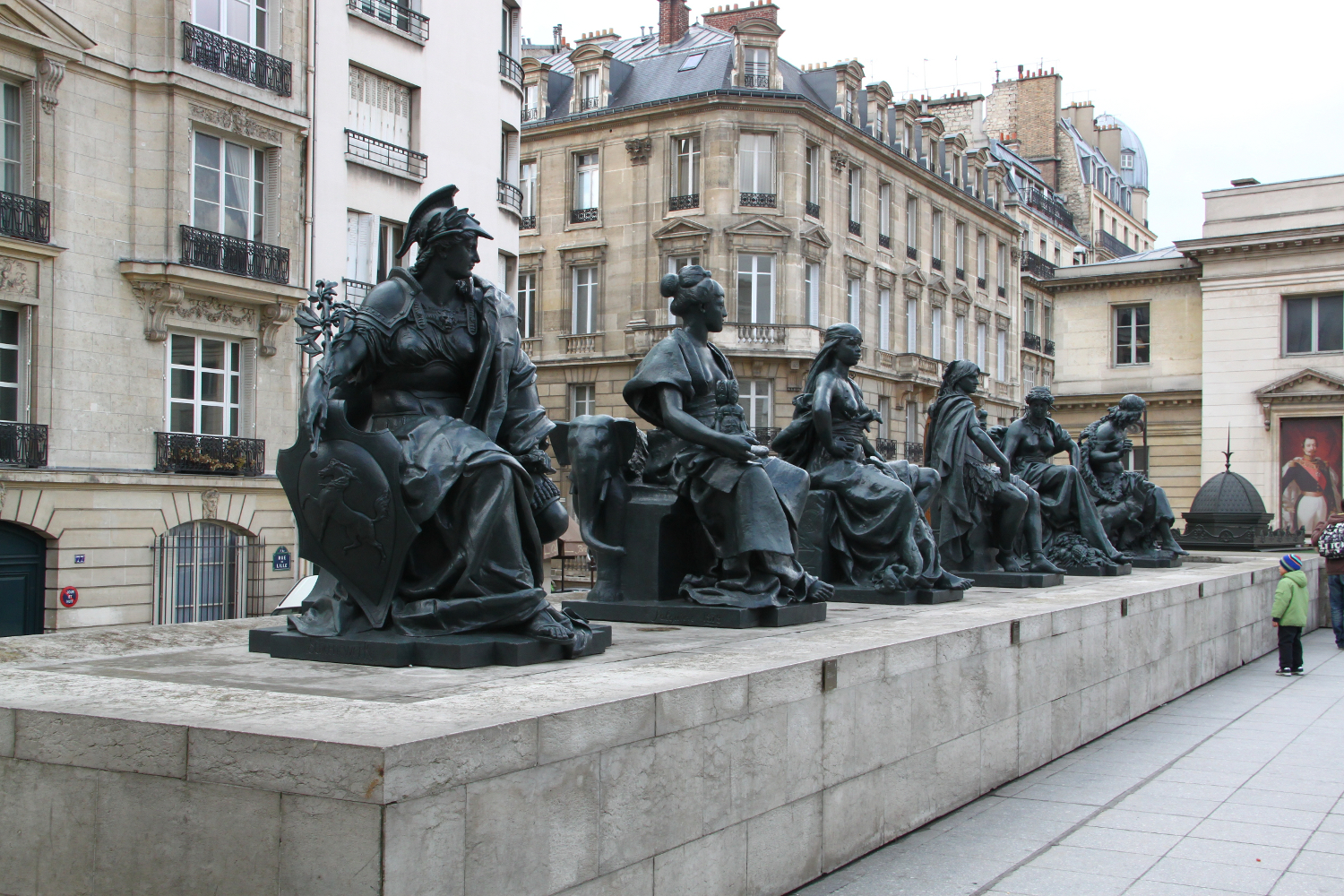
For an art-focused Paris itinerary, Musée d’Orsay deserves more than a rushed hour between other attractions. I returned on Tuesday and finally had the museum experience I had wanted on Monday.
Musée d’Orsay was the first major attraction I visited in Paris and the first museum I visited alone in another country. My husband was busy elsewhere, so I explored it at my own pace.
Why Musée d’Orsay Was a Priority for Me
The museum occupies a former railway station, and the building is part of the visit. The central hall, immense clocks, sculptures and gallery layout create a setting very different from a conventional modern museum.
The collection was the main attraction for me. I wanted to see the Impressionists and Post-Impressionists, but I also spent time with sculptures, decorative arts and other rooms. I didn’t want the visit to become a race between the paintings whose names I already knew.
Paris has far more museums than anyone can cover during a short trip. This guide to the best museums in Paris can help you decide whether Orsay fits your interests or whether another collection deserves that day.
How Long Should You Spend at Musée d’Orsay?
About 90 minutes: Choose the Impressionist and Post-Impressionist galleries, see the central hall and include one clock viewpoint. This is a highlights visit, so decide which artists you care about before entering.
Two to three hours: Add sculpture, more nineteenth-century painting and time to appreciate the former station building.
Half a day: Explore several periods, include decorative arts or photography, see a temporary exhibition and take a proper break.
Most of the day: This can be worthwhile for someone who genuinely loves nineteenth-century art. I spent a long time there and would still return.
My detailed Musée d’Orsay tips cover tickets, security, crowds and practical choices in greater depth.
How to Make the Museum Visit Less Tiring
Musée d’Orsay is easier to visit than the Louvre, but several hours of standing and moving between galleries still add up.
Use elevators or escalators when they make sense, pause when you find seating and look at the current floor map before moving repeatedly between levels. The museum currently states that its exhibition and service areas can be reached by elevator or ramp.
Choose your highest-priority galleries first. If Impressionism is your reason for visiting, don’t leave all of it until the final 30 minutes when your attention and feet are already tired.
Should You Visit the Louvre and Musée d’Orsay on the Same Day?
It can be done, but I wouldn’t recommend it for this four-day route. Both museums reward attention, and the Louvre alone can dominate a day.
If you have only one museum day, this Louvre versus Musée d’Orsay comparison explains which collection fits different interests, available time and energy levels.
With four days, giving the museums separate days creates a much better experience. After Orsay, choose a café, a short walk beside the Seine or a relaxed evening rather than another major collection.
Day 2 Pacing
Keep: Musée d’Orsay as the main attraction.
Remove first: A second museum or a long walk after several hours inside.
Rain alternative: No major change is needed because most of the day is indoors.
Advance booking: Reserve a timed entry instead of assuming the line will be short outside peak season.
Day 3 – Can You Visit Versailles and the Eiffel Tower on the Same Day?
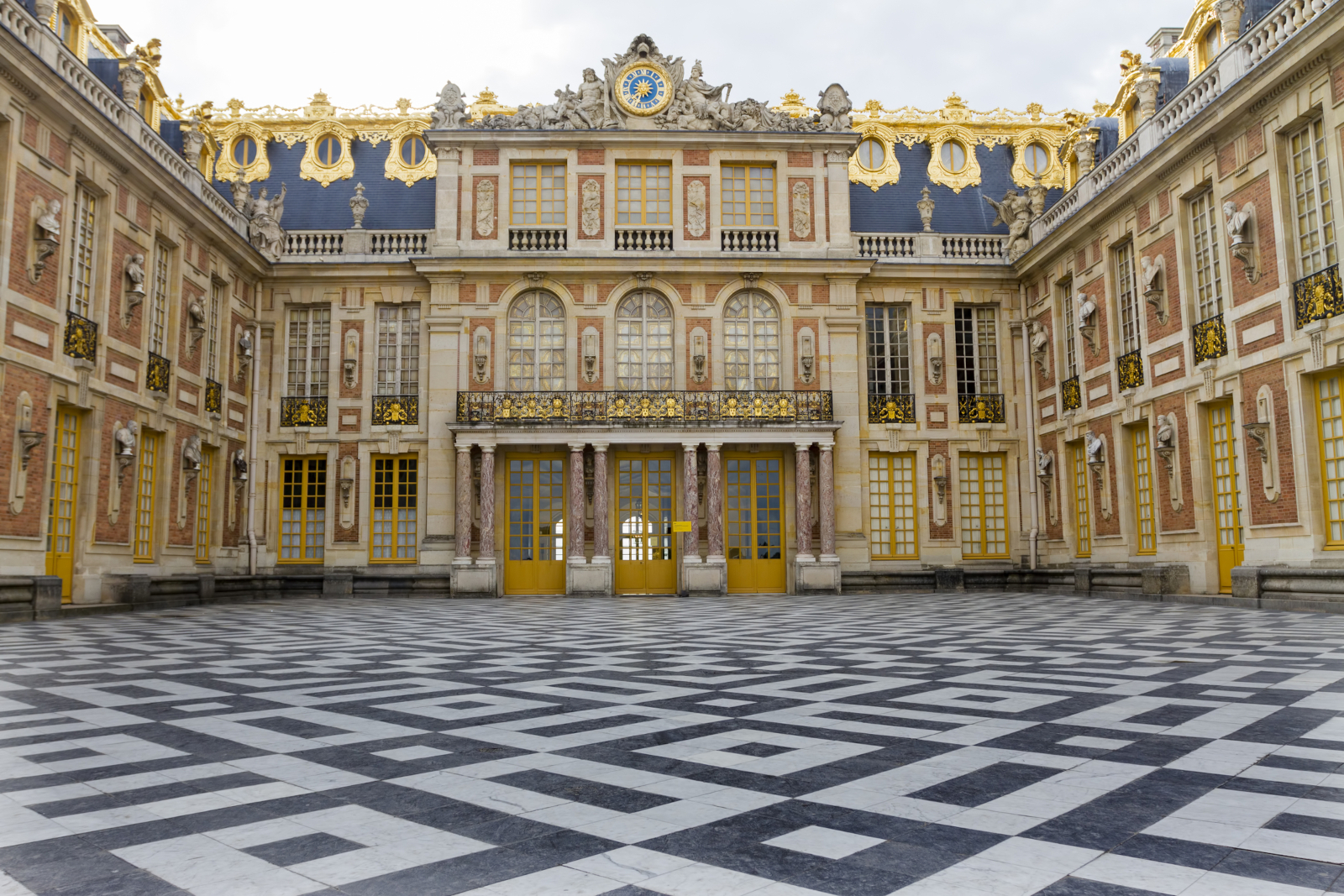
ID 43303958 ©Rraheb | Dreamstime.com
Many people planning four days in Paris with Versailles ask whether the palace and Eiffel Tower can fit into one day. We combined them, and it was one of the strongest days of our trip, but it was also long.
The combination is realistic when you visit Versailles selectively, return to Paris at a sensible hour and accept that the Eiffel Tower may take longer than its ticket time suggests.
Start Early for Versailles
Versailles deserves an early start, especially when you have a timed palace entry. From central Paris, several rail routes can reach Versailles, including RER C services to Versailles Château Rive Gauche and trains to Versailles Chantiers or Versailles Rive Droite.
The best route depends on your accommodation and any transport disruptions on the day. From Montparnasse, a train to Versailles Chantiers may be practical, while visitors staying elsewhere may find RER C easier.
Check the current route shortly before leaving. Railway works, altered services and station closures can affect a plan that looked simple when you created it months earlier.
How Much of Versailles Can You See Before Returning to Paris?
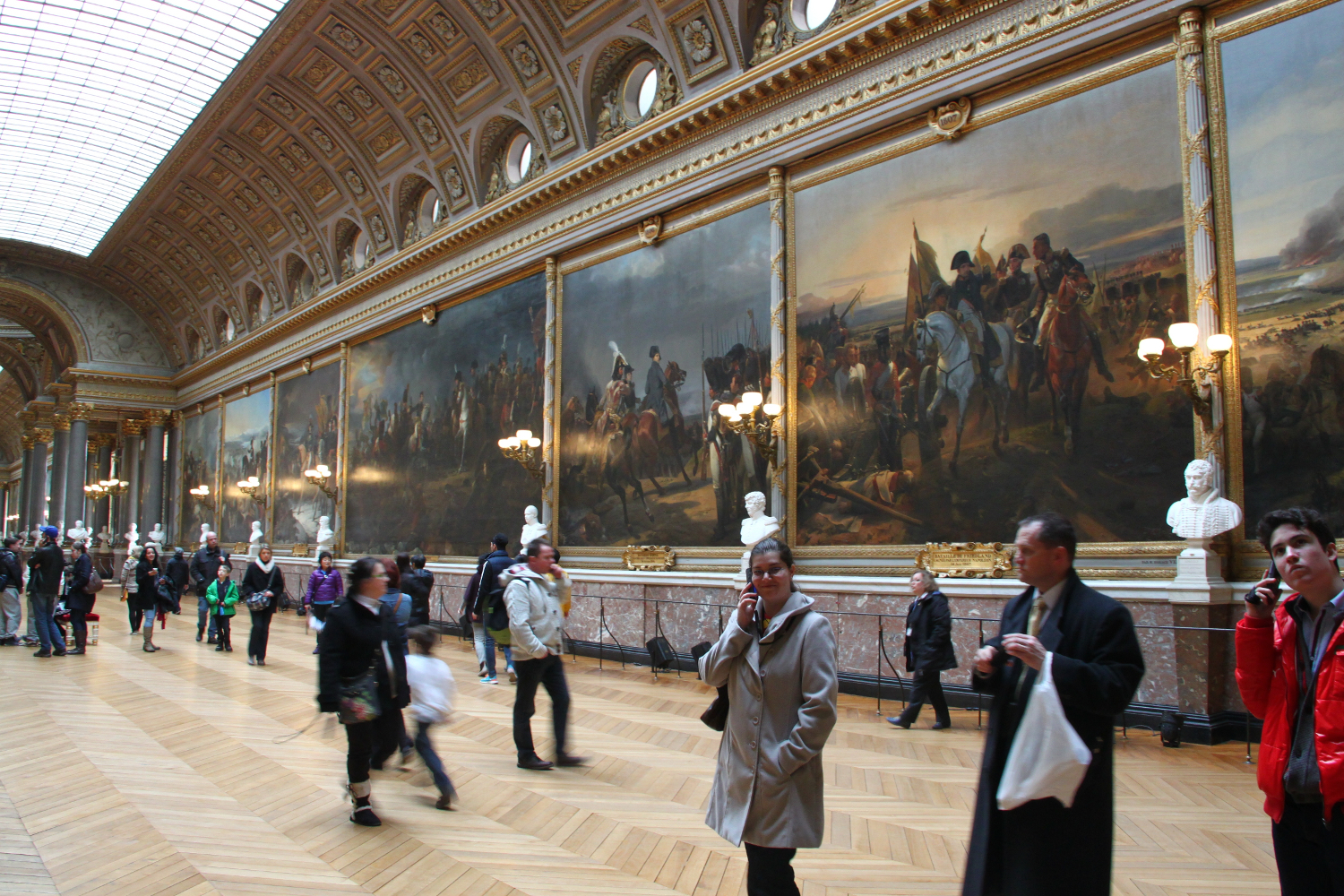
A focused palace visit: Prioritise the State Apartments, Hall of Mirrors and rooms you most want to see. Add a limited part of the gardens if time and weather allow.
Palace and selected gardens: Explore the principal palace route, take a break and see the garden areas closest to the palace.
The wider estate: Adding the Grand Trianon, Petit Trianon, Marie Antoinette’s Estate and distant garden areas requires much more time. If you choose this version, the Eiffel Tower ascent should probably move to another day.
Versailles is much larger than the palace rooms people recognise from photographs. Walking through gravel courtyards, galleries, gardens and the wider estate can consume both time and energy.
How to Reduce the Walking at Versailles
The current estate provides a little train and electric vehicles for exploring parts of the gardens and park. These can be valuable even when you don’t have mobility limitations. They help you reach more distant areas without turning the entire visit into a long outdoor walk.
Another option is simply to choose less. A palace-focused visit isn’t a failure. It is a deliberate route for someone who wants to return to Paris in time for an evening attraction.
What Versailles Was Like in March
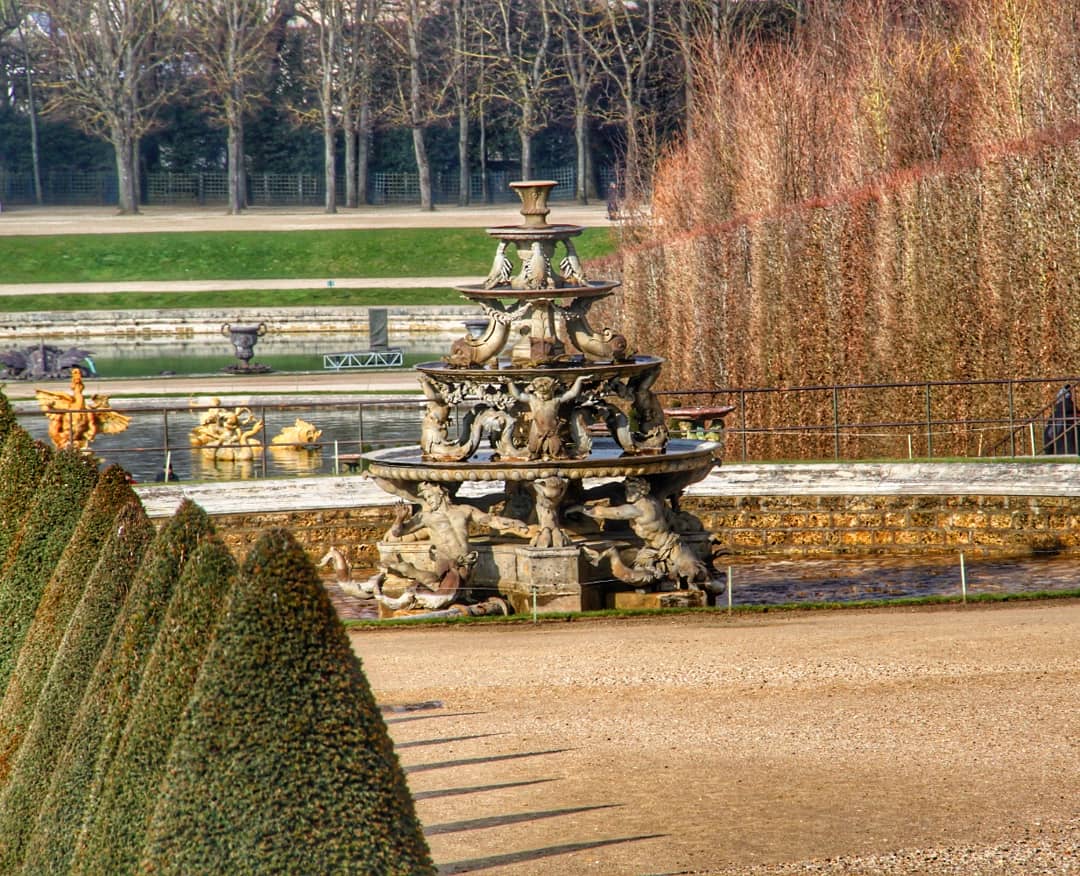
We visited in March, when the gardens didn’t look like the lush late-spring and summer photographs many people associate with Versailles. Some areas were being prepared, and the weather didn’t encourage an extended garden visit.
The palace was my priority, so I didn’t regret going. The Hall of Mirrors, royal apartments, architecture and details inside gave me the experience I had travelled to Versailles for.
Visitors going mainly for fountains, flowers and long garden walks may prefer another season. Visitors interested in royal history and palace interiors can still have an excellent visit in March.
Return to Paris and Reassess the Evening
Don’t continue automatically to the Eiffel Tower merely because it appears next on the itinerary. Check the time, weather and how you feel after Versailles.
If you already have a timed Eiffel Tower ticket, leave enough time for the journey back, food, security checks and queues. The hour on your ticket isn’t the hour you are guaranteed to stand at the summit.
Option 1 – See the Eiffel Tower From Outside
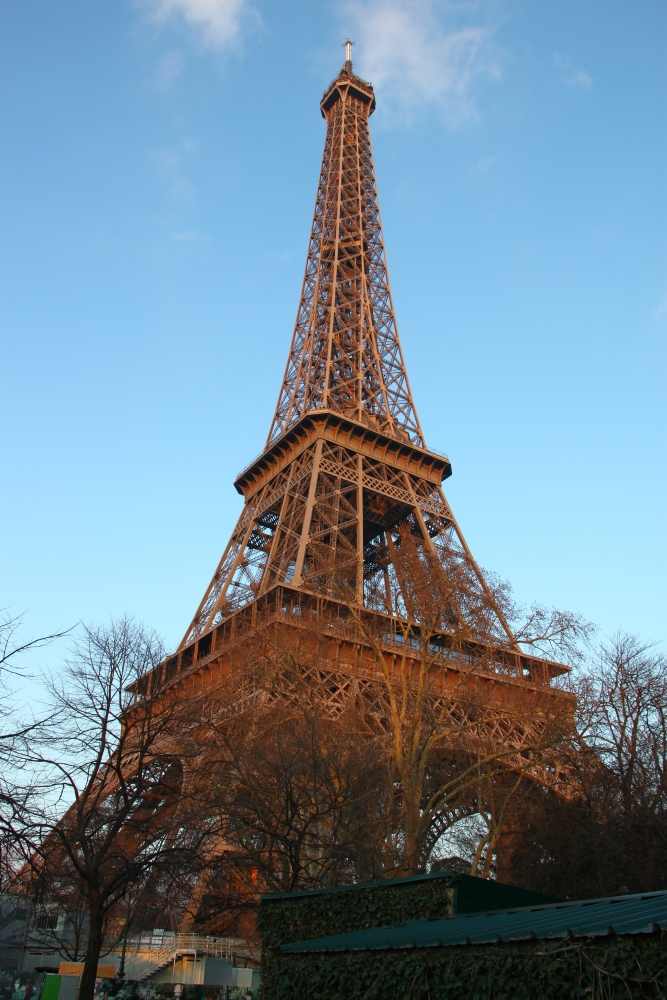
An exterior visit is the easiest way to complete the day. You can see the tower, take photographs and stay for the evening illumination without adding elevator queues and more standing.
This is the version I’d recommend after a full exploration of the Versailles estate.
Option 2 – Visit the Second Floor
The second floor provides clear views of Paris landmarks, streets, rooftops and the Seine. Individual buildings are easier to recognise than they are from the summit.
It requires less time and costs less than a summit ticket. For many visitors, it provides the best balance after Versailles.
Option 3 – Continue to the Summit
We chose summit tickets with elevator access. I wanted to reach the top of the Eiffel Tower, and using the stairs wasn’t a sensible choice for me after knee surgery.
I had hoped to see the sunset from the tower, but security and elevator queues took longer than expected. We reached the upper levels after sunset instead.
I still loved it. We saw Paris illuminated, explored the different floors and looked across a city I had wanted to visit for so long. The wind at the summit was very strong, particularly on a cold March evening, but the experience remained one of my favourite memories from Paris.
Choosing between the Eiffel Tower summit and second floor is easier when you consider price, available time, weather and the kind of view you want. You can also see more of the panorama in these views from the Eiffel Tower.
A second-floor ticket can’t normally be upgraded to the summit after entry, so make the decision before booking.
Day 3 Pacing
Keep: Versailles and an exterior Eiffel Tower visit.
Remove first: Either the wider Versailles estate or the Eiffel Tower summit.
Rain alternative: Concentrate on the palace and decide whether the Eiffel visit is still worthwhile that evening.
Advance booking: Reserve both Versailles and the Eiffel Tower. Avoid schedules that leave almost no time between them.
Day 4 – The Louvre, Place de la Concorde and Champs-Élysées
A Louvre and Champs-Élysées itinerary looks straightforward on a map, but the museum can use most of your attention and energy before the outdoor walk begins. Start early and decide what you want to see inside.
Why the Louvre Needs Priorities
The Louvre isn’t a museum you can completely cover in two hours, four hours or even one full day. It contains several wings, multiple levels and collections covering thousands of years.
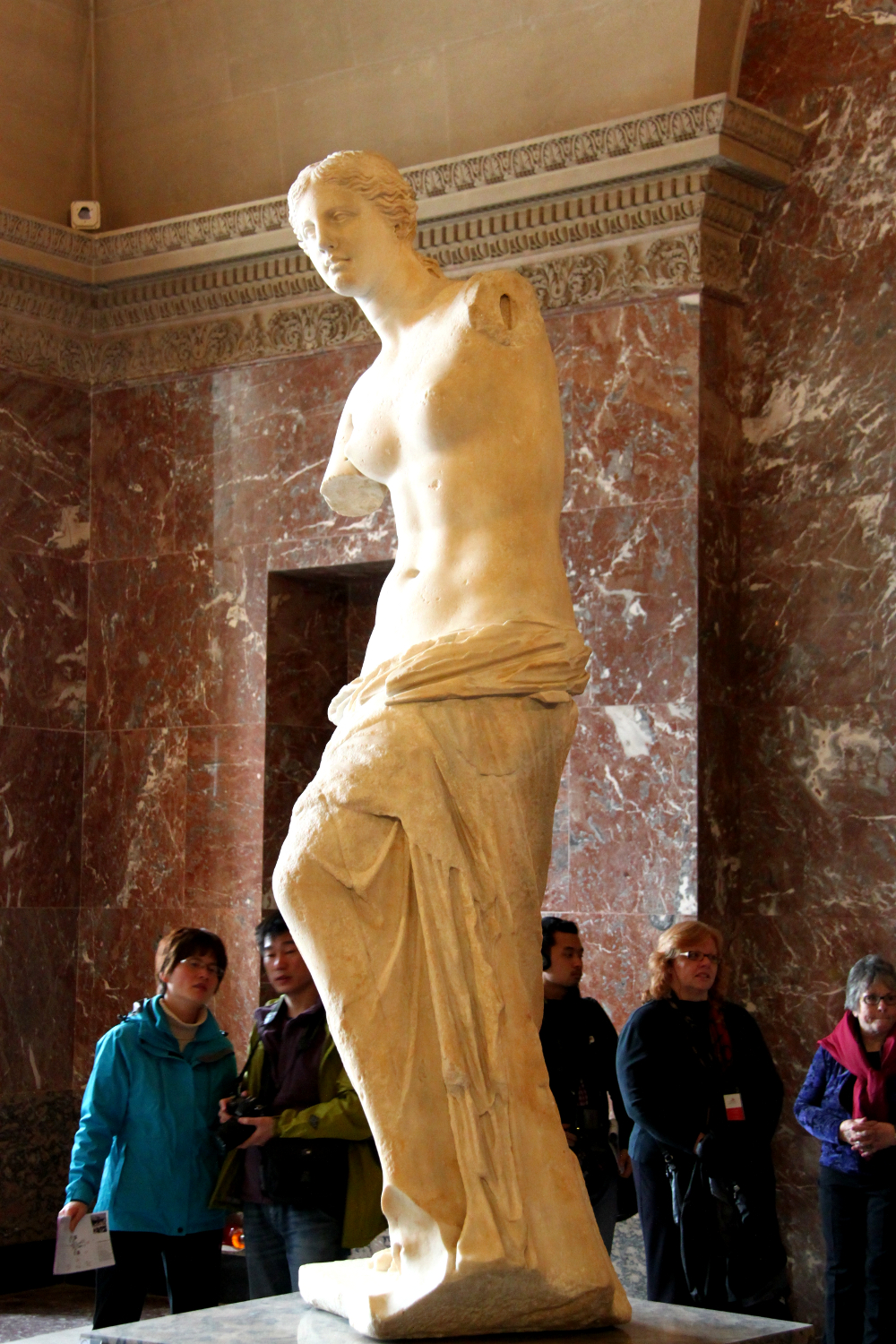
We saw the Code of Hammurabi, Egyptian antiquities, works from the ancient Near East, paintings, historic interiors and Greek sculpture. Seeing the Greek sculptures at the Louvre, including Venus de Milo, was especially memorable because I knew them from books before standing in front of the originals.
I also spent time admiring royal jewellery and decorative objects. The jewels displayed at the Louvre caught my attention, along with the ornate rooms surrounding them.
Years later, events affecting the Galerie d’Apollon made me think again about what I had seen. My account of the Louvre jewels and the 2025 heist explains why visiting a museum collection in person can become more significant with time.
How Long Should You Spend at the Louvre?
About two hours: Choose three or four highlights located along a coherent route. Don’t attempt to cross every wing for one famous object in each.
Three to four hours: Visit one principal collection and add several masterpieces nearby.
Half a day: Combine several departments and take at least one proper break.
A full day: Explore multiple collections, but accept that you still won’t see everything in depth.
Check the current map and room schedule shortly before your visit. Galleries may close temporarily, and changing one room can affect the route you planned.
Ticket prices can also change. The recent Louvre ticket price increase makes it even more useful to decide what you want from the visit before booking.
Notice the Arc de Triomphe du Carrousel
After leaving the Louvre, don’t confuse the nearby Arc de Triomphe du Carrousel with the larger Arc de Triomphe at the end of the Champs-Élysées.
The smaller arch stands close to the Louvre and Tuileries. Its sculptures, reliefs and position within the historic axis deserve a few minutes before you continue. This guide explains the history and details of the Arc de Triomphe du Carrousel.
What Happened at the Tuileries
We intended to continue through the Tuileries after the Louvre. By the time we arrived, we couldn’t enter and follow the garden route we had expected, so we walked beside it instead.
I no longer remember whether we reached a closed entrance or arrived after the relevant closing time. The practical lesson remains useful: check seasonal garden hours before building an evening route that depends on crossing the Tuileries.
When access is open, the garden provides ponds, sculptures, seating and a pleasant transition between the Louvre and Place de la Concorde. Even small details, such as the ducks in the Tuileries Garden, can give you a reason to slow down after several hours inside the museum.
Place de la Concorde and the Luxor Obelisk
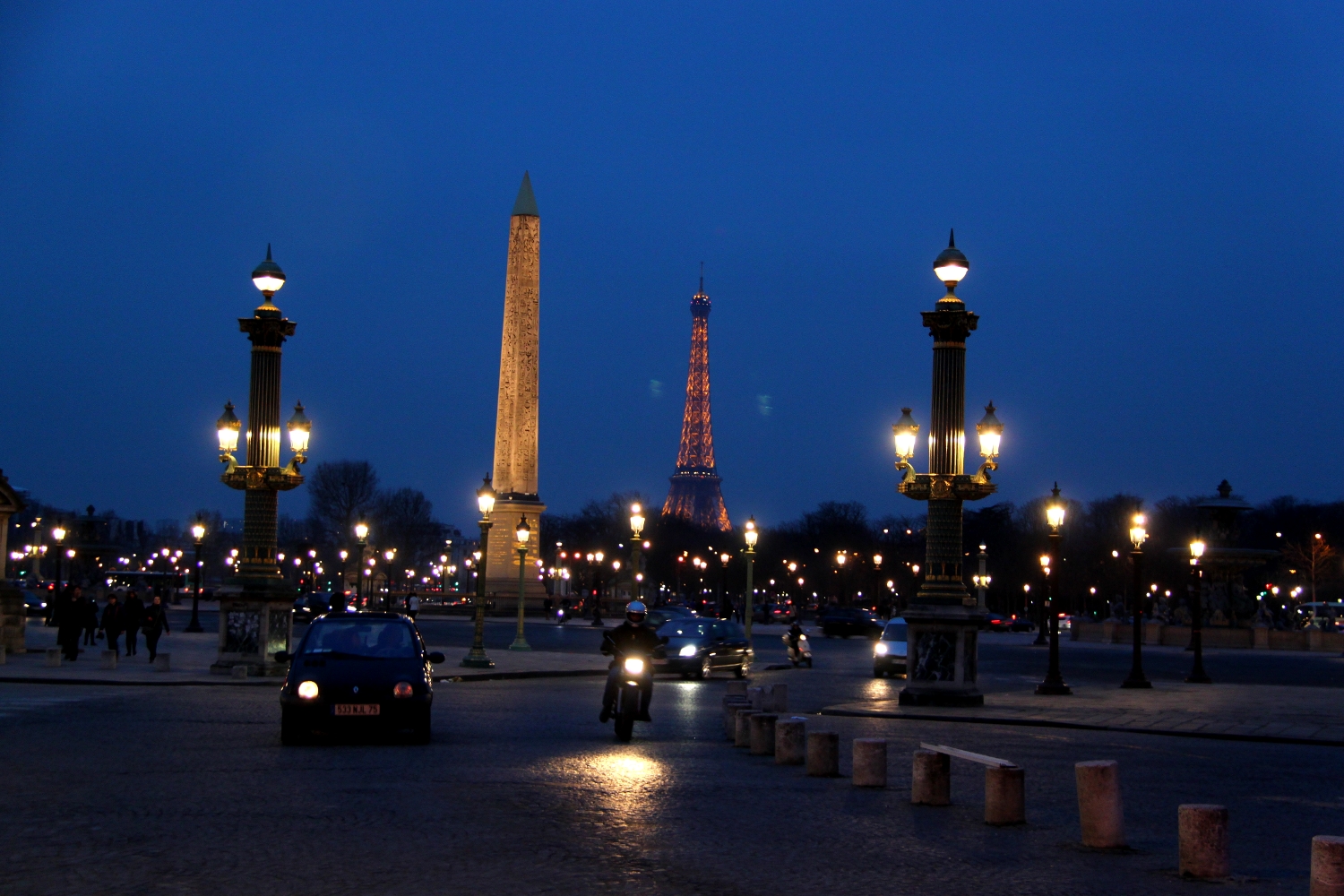
We continued toward Place de la Concorde and spent time admiring the Luxor Obelisk.
The ancient Egyptian monument creates an extraordinary contrast with the surrounding Parisian square. Its hieroglyphs, height and history make it more than a point you pass on the way to the Champs-Élysées. You can learn more about the Luxor Obelisk in Paris before your walk.
Walk Only Part of the Champs-Élysées if Necessary
The Champs-Élysées is broad and largely straightforward to follow, but walking from the Louvre area to the Arc de Triomphe after several hours inside the museum creates a long day.
We walked, looked at shops and bought a few things, including items from the Disney shop. The avenue was enjoyable after dark, and we could see the illuminated Eiffel Tower from parts of the route.
You don’t have to walk the entire avenue to experience it. Choose the section that interests you, browse a few shops and use public transport or a taxi for the rest if your feet have had enough.
This Louvre-to-Eiffel corridor also appears in my much faster one-day Paris itinerary. It can fit into a single day only when museum visits are selective and you accept a demanding pace.
Day 4 Pacing
Keep: The Louvre, its exterior and Place de la Concorde.
Remove first: The full Champs-Élysées walk and the Arc de Triomphe viewpoint.
Rain alternative: Leave the Louvre by direct transport, browse shops or go to dinner rather than continuing the outdoor route.
Advance booking: Reserve the Louvre and select a rough route before arriving.
One Rainy Evening Near the Arc de Triomphe
An evening Paris itinerary can look simple until the weather changes. I remember meeting friends at a restaurant and later walking toward the Arc de Triomphe, although I no longer remember which of the four days it was.
The Arc was within walking distance from where we were, so continuing on foot seemed reasonable. Then it began raining.
We turned back instead of insisting on completing the walk. After several sightseeing days, cold rain and tired feet were good reasons to leave an optional stop for another time.
This is something polished itineraries often fail to show. You may have enough time on paper and still decide that a particular attraction isn’t worth another wet kilometre at the end of the evening.
The Arc de Triomphe remains easy to add to Day 4 if the Louvre visit finishes early, the weather is good and you still have energy. You can also travel directly to it rather than walking the full Champs-Élysées.
What I Skipped During My First Paris Trip
A Paris itinerary without Montmartre or Notre-Dame may look incomplete to someone comparing standard first-time guides. For me, leaving these places out allowed enough time for the attractions that were higher on my personal list.
Montmartre and Sacré-Cœur
I didn’t include Montmartre because of my knee recovery and the area’s hills, cobbles and stairs. I wasn’t avoiding all walking. I walked extensively elsewhere in Paris, inside museums and across Versailles.
I simply didn’t want to use a large part of my physical energy on the steepest area of the city when Musée d’Orsay, the Louvre and Versailles were more important to me.
Montmartre can absolutely deserve a day or half-day when its streets, art history, views and atmosphere are among your priorities. It isn’t compulsory merely because almost every first-time Paris itinerary includes it.
Notre-Dame and Île de la Cité
Notre-Dame wasn’t excluded because of hills. It didn’t fit after I prioritised two large museums, Versailles, the Eiffel Tower and the central route toward Champs-Élysées.
If medieval Paris, churches and Île de la Cité are more important to you than one of the museums, replace that museum day or part of the Monday route.
The Seine Cruise
I wanted to take a Seine cruise, but March rain and wind made it unappealing during our short stay. Walking beside the river gave me a different experience, although I still want to take the cruise on another visit.
Many More Museums and Neighbourhoods
Paris contains enough attractions for many return trips. Leaving places out doesn’t make the first visit unsuccessful. It gives you a reason to return and allows you to appreciate the attractions you did choose.
Learning a little about the city before travelling can also make familiar places more interesting. These facts about Paris include stories and details connected to several landmarks in this itinerary.
How Demanding Is This Four-Day Paris Itinerary?
A realistic four-day Paris itinerary still involves substantial walking. This route avoids Montmartre’s hills and shows where to shorten each day, but it isn’t a low-walking or fully accessible itinerary.
| Day | Main source of walking or standing | Most adjustable part | Easiest reduction |
|---|---|---|---|
| Day 1 | Seine and city streets | Length of the walk | Choose one short river section and return by transport |
| Day 2 | Musée d’Orsay galleries | Number of rooms and collections | Follow a priority route lasting two or three hours |
| Day 3 | Versailles estate and Eiffel Tower queues | Gardens, Trianon and tower level | Visit the palace and see the Eiffel Tower from outside |
| Day 4 | Louvre galleries and the central Paris walk | Champs-Élysées and Arc de Triomphe | Use transport after Place de la Concorde |
The Louvre was the most physically demanding museum for me. Versailles can require even more outdoor distance when you include the gardens and Trianon. The Eiffel Tower adds queues and standing after an already full day.
Pay attention before discomfort becomes severe. Taking transport after Place de la Concorde is far easier than continuing until every additional step hurts.
How to Make This Paris Itinerary Easier
Visitors looking for a slower-paced four-day Paris itinerary don’t have to remove every major attraction. A few decisions can reduce unnecessary walking and prevent each day from becoming an endurance test.
Choose Louvre collections before arriving. Crossing several wings repeatedly uses time and energy without improving the visit.
Keep Musée d’Orsay as the only major museum that day. Its location may tempt you to add the Louvre, but proximity on a map doesn’t account for hours of standing inside.
Use the little train or an electric vehicle at Versailles. These are useful when you want to see more of the estate without walking every section.
Decide whether the Eiffel Tower summit is essential. The second floor gives excellent views, while an exterior visit can still create a memorable evening after Versailles.
Walk only the part of Champs-Élysées that interests you. You don’t earn anything by forcing yourself to complete the entire avenue.
Avoid unnecessary transport changes. A direct bus, train or taxi may be preferable to a route involving several Metro corridors and transfers.
Use transport before you become exhausted. Waiting until your feet hurt badly can affect the rest of that day and the following morning.
Keep one weather-independent alternative for every day. March conditions stopped my Seine cruise and rain ended an evening walk.
Protect time for meals and sitting down. A proper break can make an evening attraction enjoyable instead of something you merely complete.
How to Turn This Into a Three-Day Paris Itinerary
To create a three-day Paris itinerary with Versailles, don’t compress all four days into longer versions. Remove the unplanned Monday and keep the three strongest sightseeing combinations.
Three Days in Paris With Versailles
Day 1: Visit Musée d’Orsay, take a short walk beside the Seine and add an optional Montparnasse viewpoint or relaxed evening.
Day 2: Visit the Louvre, see the Arc de Triomphe du Carrousel, continue to Place de la Concorde and walk only your preferred section of Champs-Élysées.
Day 3: Visit Versailles and return for an exterior Eiffel Tower view, second-floor visit or summit ticket.
This is the cleanest three-day version of my route. It includes the Louvre, Musée d’Orsay, Versailles and Eiffel Tower without adding Montmartre, Notre-Dame and several more museums.
Three Days in Paris Without Versailles
Day 1: Visit Musée d’Orsay and walk beside the Seine.
Day 2: Visit the Louvre, Place de la Concorde and part of Champs-Élysées.
Day 3: Visit the Eiffel Tower and choose either Notre-Dame and Île de la Cité or Montmartre according to your interests and comfort with hills.
This version keeps all three days within Paris and gives you more flexibility if train travel and a palace day aren’t among your priorities.
What I’d Change if I Planned the Same Trip Today
Looking back at my first Paris itinerary, I wouldn’t replace the attractions I chose. I’d improve the order, reserve more tickets and leave the unplanned street discoveries in the schedule.
I would check every weekly closure. The Orsay mistake became a lovely day, but I’d rather choose the change myself.
I would book timed museum tickets earlier. Less time in entrance lines means more time with the collections.
I would create a Louvre priority route. The museum was fascinating, but trying to see so much made the day physically demanding.
I would decide in advance how much of Versailles I wanted. Palace, gardens and the full estate require very different schedules.
I would keep the Eiffel Tower after Versailles optional. It was wonderful for us, yet it won’t suit every visitor after a long palace day.
I would keep the first day flexible. Arrival fatigue and March weather can make a rigid opening day frustrating.
I would try again for a Seine cruise. It remains one of the experiences I want on a future visit.
I would still leave room to wander. The apartment buildings, side streets and ordinary parts of Paris became part of how I remember the city.
Paris Booking and Closure Checklist
A four-day Paris trip is much easier to organise when the essential checks are completed before departure. Save the official confirmation pages and look again shortly before each reserved visit.
| What to check | Why it helps |
|---|---|
| Musée d’Orsay Monday closure | Prevents arriving when the museum is closed |
| Louvre Tuesday closure | Determines the order of your museum days |
| Versailles Monday closure | Protects the day allocated to your trip outside Paris |
| Current museum room closures | Helps you adjust a route when galleries are unavailable |
| Versailles ticket type | Palace-only and full-estate visits require different amounts of time |
| Eiffel Tower level | Second-floor tickets generally can’t be upgraded to the summit after entry |
| Tuileries opening time | Prevents relying on a garden route that may be closed later in the day |
| Paris weather forecast | Affects river walks, cruises, gardens and outdoor viewpoints |
| Transport disruptions | Train and Metro works can alter your route to Versailles or across Paris |
| Current shop and restaurant locations | Businesses and branches may have changed since an older itinerary was published |
Four Days in Paris at a Glance
A four-day Paris itinerary for first-time visitors should give each major attraction enough time while leaving a little space for meals, transport delays, bad weather and the inevitable moment when you stop to admire something that wasn’t on your schedule.
Here’s the route I followed from Monday to Thursday, along with the adjustments I’d recommend today.
| Day | Main plan | What happened | What I’d recommend now |
|---|---|---|---|
| Day 1 – Monday | Musée d’Orsay | The museum was closed, so I walked beside the Seine, wandered through Paris streets and went shopping near Montparnasse. | Keep Monday flexible and choose attractions that are confirmed open. |
| Day 2 – Tuesday | Musée d’Orsay | I returned and spent much of the day exploring the museum. | Let Orsay be the main attraction and add only a relaxed walk or café afterward. |
| Day 3 – Wednesday | Versailles and the Eiffel Tower | We visited Versailles, returned to Paris and went up the Eiffel Tower that evening. | Choose a focused Versailles route and decide in advance whether you want the second floor or summit. |
| Day 4 – Thursday | The Louvre and central Paris | We visited the Louvre, couldn’t continue through the Tuileries, saw Place de la Concorde and walked along the Champs-Élysées. | Prioritise selected Louvre collections and shorten the outdoor route when necessary. |
Best for: First-time visitors who love art, want to include Versailles and prefer a realistic route over a schedule containing five major attractions every day.
Main physical demands: Long museum corridors, extensive walking at Versailles, queues at the Eiffel Tower and the outdoor route between the Louvre and Champs-Élysées.
Places left for another trip: Montmartre, Sacré-Cœur, Notre-Dame, Île de la Cité, several smaller museums and many Paris neighbourhoods.
Conclusion
Four full days gave me enough time to see several of the places I had dreamed about without pretending I had seen all of Paris.
My plans changed more than once. Musée d’Orsay was closed on Monday. Rain and wind stopped the Seine cruise I wanted. We couldn’t follow our planned route through the Tuileries. Another rainy evening ended our walk toward the Arc de Triomphe.
None of those changes ruined the trip.
I loved Paris despite the rain, wind, queues and tired feet. I loved standing in front of paintings I had known from books, seeing the Hall of Mirrors, reaching the Eiffel Tower summit and walking through streets that weren’t famous enough to appear on my original plan.
This itinerary combines major attractions with honest limits. You can follow it closely, reduce it to three days or replace any attraction that isn’t one of your priorities.
Paris is an amazing city to visit, and I still want to return. Several of the places in this route remain among my favourite places in Paris, while many others are waiting for a future trip. Until then, these Paris photos take me back to a visit that had been a dream for years and became even better than I had imagined.
Planning Your 4 Days in Paris
Is four days enough for a first trip to Paris?
Four days are enough to see several major Paris attractions without rushing through every stop. A realistic route can include the Louvre, Musée d’Orsay, Versailles, the Eiffel Tower and central landmarks. You will still need to leave several museums and neighbourhoods for another visit.
Can you visit the Louvre, Musée d’Orsay, Versailles and the Eiffel Tower in four days?
Yes. Give Musée d’Orsay and the Louvre separate days, then combine a focused Versailles visit with the Eiffel Tower. Keep the fourth day flexible or use it for central Paris landmarks. Check closing days carefully because Orsay and Versailles close on Mondays, while the Louvre closes on Tuesdays.
Can you visit Versailles and the Eiffel Tower on the same day?
Yes, particularly when you focus on the palace and selected garden areas at Versailles. Return to Paris with enough time for food, security and Eiffel Tower queues. A complete Versailles estate visit followed by the Eiffel summit creates a much more demanding day.
What can you do in Paris when Musée d’Orsay is closed on Monday?
You can visit the Louvre with a timed reservation, walk beside the Seine, explore the area around your hotel, go shopping or choose another attraction confirmed open. Keep one indoor alternative in case Monday is rainy or windy.
Which major Paris museum is closed on Tuesday?
The Louvre is normally closed on Tuesdays. Musée d’Orsay is normally open on Tuesday, making it a useful alternative. Always check official calendars for holiday closures, temporary changes and special events.
Can this four-day Paris itinerary be completed in three days?
Yes, by removing the flexible Monday and following three main days: Musée d’Orsay and the Seine; the Louvre, Place de la Concorde and Champs-Élysées; then Versailles and the Eiffel Tower. Avoid adding several extra neighbourhoods unless you want a fast, walking-intensive trip.
Do you have to visit Montmartre on your first trip to Paris?
No. Montmartre is worth visiting when its streets, art history, Sacré-Cœur and views appeal to you. Visitors who dislike hills or prioritise museums, Versailles and central Paris can leave it for another trip without making their first visit incomplete.
Is this a low-walking Paris itinerary?
No. It avoids the hilly Montmartre area and explains how to shorten each day, but it still includes large museums, Versailles and substantial city walking. Use transport for optional stretches and select shorter museum routes when you need an easier version.
How much of the Louvre can you see in one visit?
A two-hour visit can cover several selected highlights. Three or four hours allow one main wing or collection plus nearby masterpieces. Even a full day isn’t enough to examine the entire Louvre, so choose your priorities before entering.
Is March a good time to visit Paris?
March can be a good time for museums, palace interiors and fewer peak-season crowds, but the weather may include rain, wind and cold evenings. Gardens may not yet have their full spring appearance, so keep flexible indoor alternatives and pack layers.
Should you take a Seine cruise in March?
A March cruise can be enjoyable when the weather is calm, but don’t make it your only option for a particular day. Strong wind and rain stopped me from taking one. Keep the cruise movable and use a riverside walk or indoor attraction as an alternative.
Is Montparnasse a good place to stay in Paris?
Montparnasse can be a practical base when you find a suitable hotel near transport, restaurants and shops. It worked well for us because my husband and I sometimes had different schedules. Visitors focused on other districts may prefer accommodation closer to their highest-priority attractions.
More amazing articles for you:
200 Medical Drama TV Trivia Questions and Answers: Grey's Anatomy, House, ER & More
A local’s guide to Madison, Wisconsin
Local's guide to Yakutsk with the best things to do in Yakutsk
200 Fun August Trivia Questions and Answers - Easy to Hard
The Ultimate Local’s Guide to Rome: Hidden Gems, Offbeat Spots & Insider Tips
200 Christmas Trivia Questions and Answers - Easy to Hard. How Far Can You Get?
Travel to Thailand: things to know and the best places in Thailand
A Complete Travel Guide to Darjeeling (India), The Queen of Hills

Violeta-Loredana Pascal is a communications expert, business mentor, and the founder of Earth’s Attractions and PRwave INTERNATIONAL. A pioneer in the Romanian digital PR landscape since 2005, she holds a degree in Communication and Social Sciences from SNSPA Bucharest. Violeta is a senior trainer at AcademiadeAfaceri.ro, where she leverages over 20 years of experience to teach professional courses in PR strategy and workplace productivity. By blending high-level business consulting with a passion for holistic travel and wellness, she empowers solopreneurs to overcome procrastination, build profitable brands, and design a life of purposeful adventure.