Football, tango, steak, Buenos Aires and Patagonia tend to dominate every quick description of Argentina. They’re all relevant, of course, but they leave out mate etiquette, Welsh-speaking communities, regional food traditions, scientific breakthroughs and famous claims that aren’t quite as accurate as they sound.
The 100 facts about Argentina below move from details visitors may notice immediately to stories that receive far less attention. Along the way, you’ll discover customs that can confuse newcomers, records that need more context and achievements that influenced life far beyond the country’s borders.
Argentina’s journey to the 2026 FIFA World Cup final placed the country back in the global spotlight. You can revisit the tournament with these World Cup questions and explore the places, culture and traditions of the winning team in the Spain section.
Readers who enjoyed these 50 surprising facts about Spain can now cross the Atlantic and discover how much more there is to Argentina beyond the details everyone already knows.
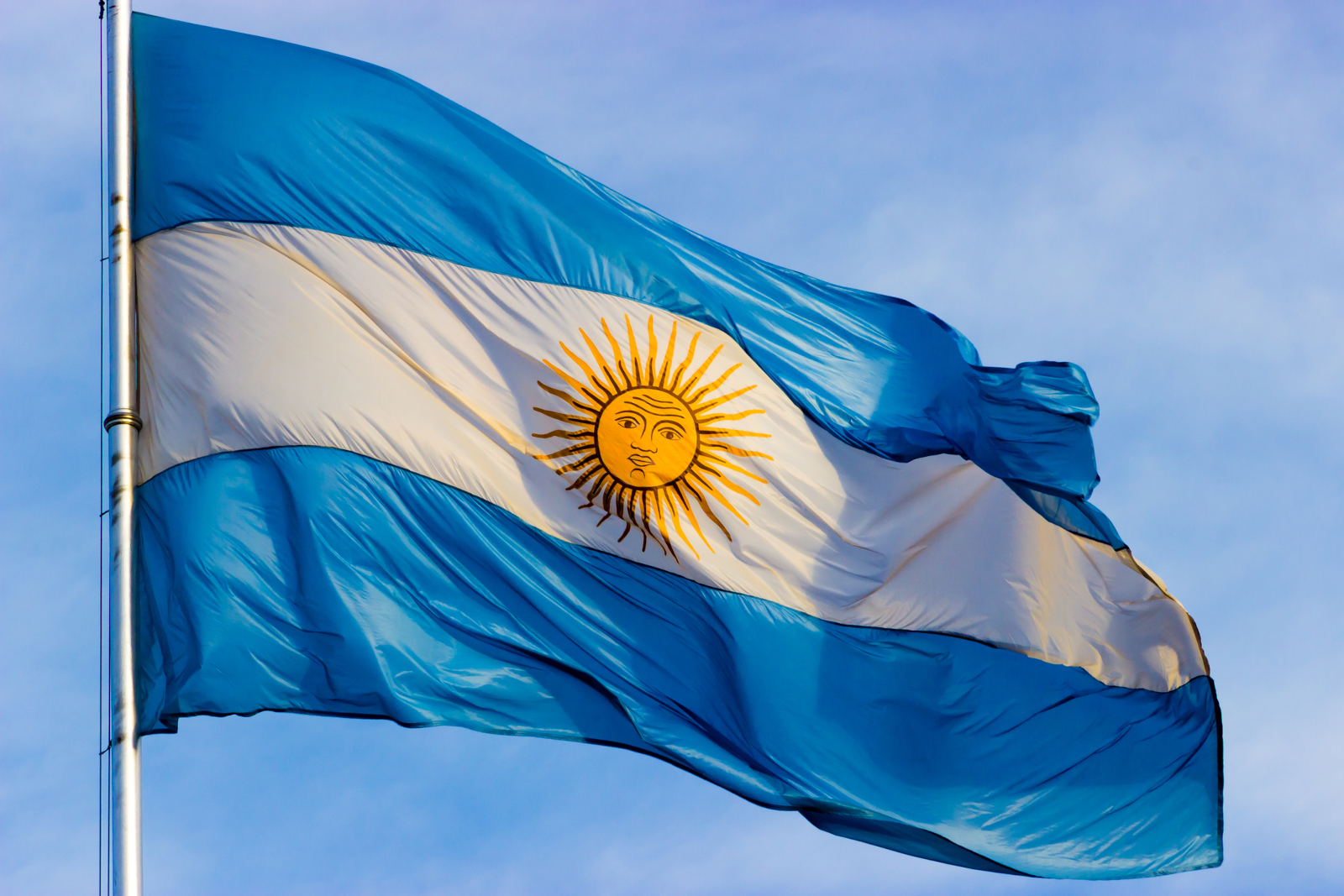
ID 166027331 © Max Maximov Photography | Dreamstime.com
I wanted this to be more than another interesting Argentina fact list filled with the same familiar claims. The article includes lesser-known details, useful cultural context and corrections where older sources still repeat incomplete or outdated information.
How these facts were checked: I compared official Argentine sources, FIFA records, UNESCO information, scientific research, Nobel Prize archives and information from recognized cultural institutions. Claims that depend on definitions or changing data are clearly qualified, and the article was last reviewed in July 2026.
Surprising Facts About Argentine Culture, Traditions and Everyday Life
I am starting this list of Argentina facts with some based on simple, ordinary moments or things that may surprise you, but you need to know.
1. Mate is officially Argentina’s national infusion. Argentina gave mate this status through Law 26,871 in 2013. The name refers both to the infusion made from yerba mate leaves and to the container from which it is traditionally consumed.
2. The mate tradition began before Argentina existed as a country. Indigenous Guaraní communities used yerba mate long before European colonization. The leaves later became part of daily life across the region now occupied by Argentina, Paraguay, Uruguay and southern Brazil.

ID 69058119 ©Danielismo | Dreamstime.com
3. Yerba mate is present in more than 90% of Argentine households. Argentina’s government cites data from the National Yerba Mate Institute showing how widespread the drink is. It appears at breakfast, during work, in parks, on road trips and whenever people have time to sit together.
4. One person normally controls the mate round. The person preparing and serving it is called the cebador. The cebador adds the water, drinks the first serving and decides who receives the gourd next rather than allowing everyone to refill it independently.
5. Saying “gracias” means you don’t want any more mate. People don’t normally thank the cebador after each serving. In this particular ritual, saying gracias signals that you’ve finished and should be skipped during the next round.
6. Moving the bombilla can ruin the preparation. The bombilla is the metal drinking straw with a filter at the bottom. Stirring it can disturb the carefully positioned yerba and clog the filter, which is why visitors are expected to drink without moving it. Argentina’s official tourism site explains these mate rules in detail.
7. “Mate” can mean the drink or the container. An Argentine may prepare mate, drink mate and buy a new mate, using the same word for the infusion and the vessel. Traditional containers are often made from a dried gourd, although wood, metal, ceramic and other materials are also used.
8. Dinner at around 10 p.m. can be perfectly normal. Argentina’s official tourism information places the average dinner time at approximately 10 p.m. Restaurants may look unusually quiet at hours when visitors from the United States or northern Europe expect the evening rush to be underway.
9. One kiss on the cheek is a common greeting. Friends, relatives and acquaintances often greet one another with a light cheek kiss, including men greeting other men. A handshake may still be used in formal settings, so the relationship and situation help determine what feels natural.
10. Argentines eat gnocchi on the 29th of the month. The tradition is known as ñoquis del 29. Diners may place money beneath the plate as a symbol of prosperity for the coming month. Several origin stories exist, including associations with Italian immigration and inexpensive end-of-month meals.
11. Part of Buenos Aires is nicknamed “Villa Freud.” The informal name refers to an area of Palermo associated with a high concentration of psychologists and psychoanalysts. Argentina’s strong culture of therapy is real, although the exact psychologist-per-capita statistics repeated online often come from older datasets that aren’t directly comparable.
12. Tango is a shared Argentine and Uruguayan tradition. Tango developed around the Río de la Plata, particularly in working-class communities in Buenos Aires and Montevideo. UNESCO’s recognition of tango heritage was submitted jointly by Argentina and Uruguay rather than by either country alone.
13. Buenos Aires turned decorative lettering into cultural heritage. Fileteado porteño combines flowing lines, flowers, ribbons, shadows and short sayings. It began as decoration on carts and vehicles before appearing on signs, shopfronts, walls and everyday objects. UNESCO added the technique to its intangible cultural heritage list in 2015.
14. Gaucho culture is still alive. Gauchos are often presented as figures from nineteenth-century literature, yet their horsemanship, clothing, music, food traditions and rural skills remain visible on working estancias and at festivals across Argentina.
15. Christmas takes place during the Argentine summer. December 25 arrives with long days and warm weather. Families may gather outdoors, eat chilled dishes alongside traditional holiday foods and watch fireworks, even while shops and homes display wintry decorations imported from Northern Hemisphere Christmas imagery.
Argentine Spanish May Sound Unfamiliar to Other Spanish Speakers
Spain and Argentina share a language, but the pronunciation, grammar and vocabulary can be surprisingly different. Even readers who do well with Spain trivia may encounter forms they’ve never heard before.
16. Many Argentines say “vos” instead of “tú.” This form is called voseo and is standard everyday speech in most of Argentina. It isn’t a grammatical mistake or a highly informal exception.
17. Voseo also changes the verbs. Tú tienes becomes vos tenés, while tú puedes becomes vos podés. Commands also change: ven may become vení, and mira becomes mirá.
18. “Ll” and “y” can sound like “sh” or “zh.” In much of the Río de la Plata region, words such as yo, calle and lluvia sound noticeably different from their pronunciation in Madrid, Mexico City or Bogotá.
19. Italian immigration influenced the rhythm of Argentine Spanish. Millions of Italian immigrants arrived during the nineteenth and twentieth centuries. Their languages helped shape the intonation, gestures and vocabulary now associated with Buenos Aires and the Río de la Plata.
20. Lunfardo began as urban slang and entered mainstream culture. Lunfardo grew among immigrant and working-class communities in Buenos Aires and Montevideo. Tango lyrics spread many of its words, some of which are now used in ordinary Argentine conversation.
21. “Che” is an everyday way to get someone’s attention. It can work like “hey” before a question or comment. Ernesto Guevara became known internationally as Che Guevara partly because he used this Argentine expression so often.
22. “Boludo” can be affectionate or insulting. Close friends may use it casually, while the same word can be offensive when said angrily or to someone you don’t know. Tone and relationship change the meaning, making it one of the expressions visitors shouldn’t copy without understanding the situation.
23. Indigenous languages are still spoken in Argentina. These include varieties of Guaraní, Quechua, Qom, Wichí and Mapudungun, among others. Their number of speakers and legal recognition differ by region, and some languages face serious threats to their survival.
24. Welsh is still spoken and taught in Patagonia. Welsh settlers arrived in Chubut in 1865. Welsh-language classes, festivals, chapels and cultural associations continue today, particularly around communities such as Gaiman, Trelew and Trevelin.
25. Argentina has Latin America’s largest Jewish community. The World Jewish Congress also describes it as the world’s largest Spanish-speaking Jewish community. Jewish immigration helped shape Buenos Aires and agricultural communities in several provinces.
26. Argentina has a national day dedicated to Afro-Argentine people and culture. November 8 honors María Remedios del Valle, an Afro-Argentine woman who fought during the independence campaigns and was granted the military rank of captain by Manuel Belgrano. The commemoration was established by Law 26,852.
Argentine Food Goes Far Beyond Steak
Argentina’s best-known foods reflect Indigenous ingredients, Spanish history, Italian immigration and strong regional identities. The same dish can change considerably as you move from one province to another.
27. An asado is a social ritual as well as a cooking method. The meal can last for hours, with different cuts reaching the table in stages. The asador manages the fire, the cooking order and the timing, while everyone else talks, drinks and waits.
28. Provoleta places grilled cheese near the beginning of the meal. A thick piece of provolone-style cheese is cooked until browned outside and soft inside, often with oregano or chilli. It commonly appears before or alongside the first meats at an asado.
29. There is no single Argentine empanada. Provinces use different fillings, seasonings, sizes and cooking techniques. Beef may be minced or cut by hand, while other versions include chicken, cheese, corn, potato, egg, olives, raisins or regional spices.
30. Alfajores change as you travel through Argentina. Many place dulce de leche between two biscuits, but coatings and fillings vary. Córdoba, Santa Fe, Mar del Plata and Patagonia all have recognizable styles, including chocolate-covered, glazed, layered and fruit-filled versions.
31. Buenos Aires has a thick pizza style of its own. Pizza al molde is baked in a pan and usually has a substantial, airy base covered with plenty of mozzarella. It grew from Italian immigration but developed into something recognizably porteño.
32. Fugazzeta hides cheese beneath a layer of onions. The dish developed from fugazza, an onion-topped pizza related to Genoese focaccia. Fugazzeta adds a generous cheese filling, producing a much heavier result than many visitors expect from a pizza.
33. Milanesa a la napolitana isn’t a traditional dish from Naples. A widely repeated Buenos Aires origin story links the combination of a breaded cutlet, tomato sauce, ham and cheese to a restaurant called Nápoli during the 1940s. The exact origin hasn’t been conclusively documented, but the dish itself became an Argentine classic rather than a recipe imported directly from Naples.
34. Locro is closely connected with patriotic dates. This thick stew may contain corn, squash, beans and several meats. It is especially associated with May 25 and July 9, when many Argentines mark national history by eating a dish with Indigenous and colonial roots.
35. Malbec came from France before becoming Argentina’s signature red wine. The grape arrived in Argentina during the nineteenth century and adapted particularly well to local conditions. Mendoza made it internationally famous, although Malbec is now grown in several Argentine regions.
36. Torrontés gives Argentina a distinctive white wine. Torrontés Riojano produces aromatic wines known for floral and fruit notes. The aroma may suggest sweetness, but many examples are dry.
37. Some Argentine vineyards sit more than 3,000 metres above sea level. The Calchaquí Valleys in the northwest contain exceptionally high vineyards. Strong sunlight, dry conditions and large differences between daytime and nighttime temperatures shape the grapes grown there.
38. Fernet and cola has a particularly strong connection with Córdoba. The bitter Italian herbal drink became an Argentine party staple when mixed with cola and ice. It is consumed nationwide, but Córdoba is especially closely associated with the combination.
39. Dulce de leche has a disputed national origin. Argentina has made it central to cakes, biscuits, ice cream, pancakes and breakfast, yet other countries have their own versions and origin stories. It is safer to call it an Argentine obsession than an undisputed Argentine invention.
Interesting Facts About Buenos Aires and Argentina’s Other Cities
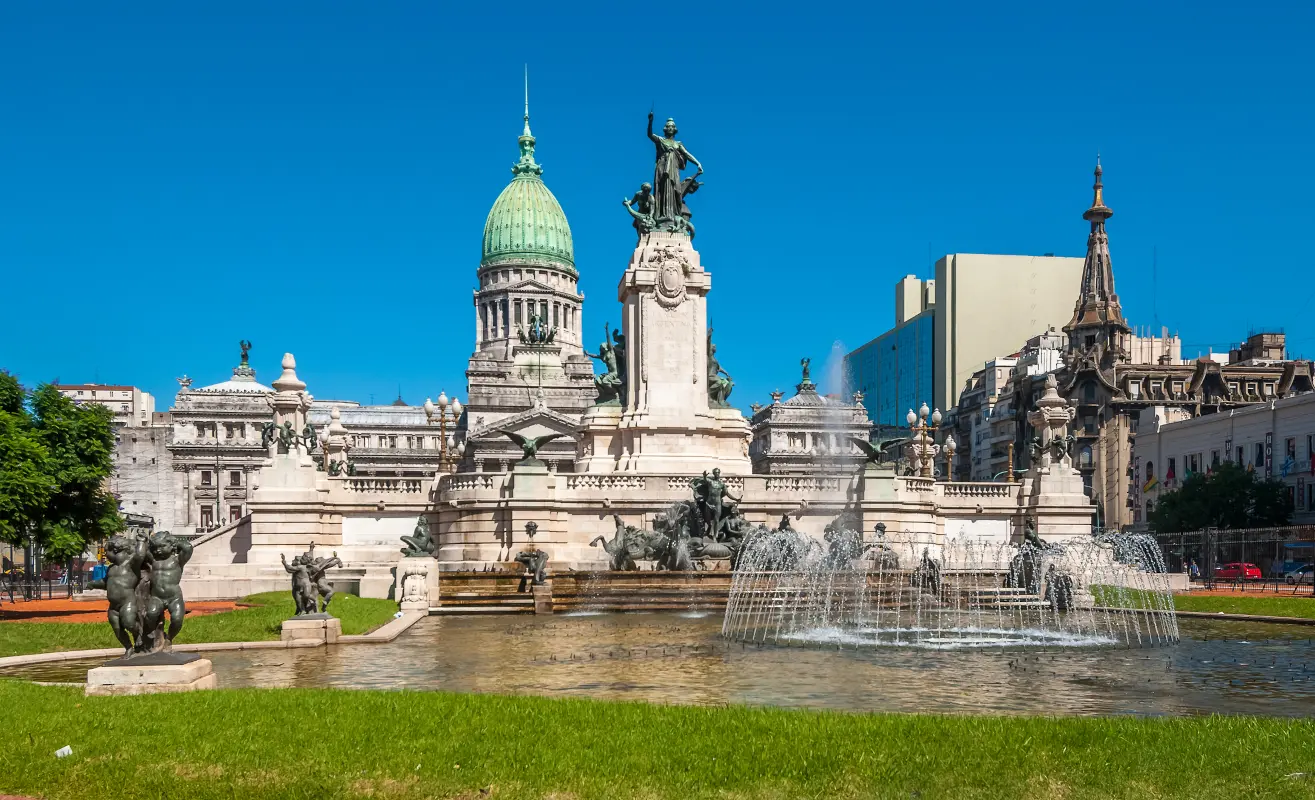
ID 34348864 ©Javarman | Dreamstime.com
Buenos Aires is an easy answer in a capital cities quiz, but some of the most interesting facts about Argentina’s cities begin beyond the familiar landmarks of the capital. Buenos Aires itself also contains several details that regularly confuse visitors, from its unusual founding history to its legal separation from Buenos Aires Province.
40. Buenos Aires was founded twice. Pedro de Mendoza’s settlement established in 1536 failed and was abandoned. Juan de Garay founded the lasting city in 1580. Today’s Buenos Aires attractions stand within a city shaped by both episodes.
41. Buenos Aires city and Buenos Aires Province are separate jurisdictions. The Autonomous City of Buenos Aires is Argentina’s federal capital. Buenos Aires Province surrounds it, covers a much larger area and has La Plata as its own capital.
42. Buenos Aires contains 48 official barrios. Palermo, Recoleta, San Telmo, La Boca and Belgrano are among the best known. Residents also use unofficial sub-neighborhood names, particularly within large areas such as Palermo.
43. Avenida 9 de Julio is one of the world’s widest avenues, but the exact record is debatable. It contains several carriageways, medians and adjoining streets. Whether it is “the widest” depends on which parts are included in the measurement.
44. El Ateneo Grand Splendid was once a theatre. The building opened as the Grand Splendid theatre in 1919 and later operated as a cinema before becoming a bookstore. Its stage, balconies, decorated ceiling and theatrical layout remain visible.
45. Teatro Colón is internationally known for its acoustics. Buenos Aires tourism authorities describe it as one of the world’s most important opera houses. Its horseshoe-shaped main auditorium helps distribute sound throughout the space.
46. Avenida Corrientes is associated with theatres, books and late-night pizza. Often called the street that never sleeps, it is one of the centers of Buenos Aires nightlife and performing arts. The avenue also has a long connection with bookshops and pizza restaurants.
47. La Plata was designed around a precise geometric plan. The city was founded in the nineteenth century to serve as the capital of Buenos Aires Province. Its grid is crossed by diagonal avenues, while plazas appear at regular intervals.
48. Argentina’s flag was first raised near Rosario. Manuel Belgrano created the blue-and-white flag in 1812 and had it raised beside the Paraná River. Rosario’s enormous National Flag Memorial stands near the historic location.
49. Córdoba is home to Argentina’s oldest university. Higher studies began at what became the National University of Córdoba in 1613. It is also one of the oldest universities in the Americas and remains central to the city’s large student population.
50. Bariloche is legally Argentina’s National Capital of Chocolate. European immigrants helped develop its chocolate-making industry during the twentieth century. Chocolate shops now form part of the city’s identity alongside skiing, lakes and mountain scenery.
51. The Train to the Clouds climbs above 4,200 metres. The famous journey in Salta reaches the La Polvorilla Viaduct at approximately 4,220 metres above sea level. The trip passes through the high-altitude landscapes of northwestern Argentina.
52. Argentina built a miniature civic city for children. The República de los Niños near La Plata contains a government house, legislature, courthouse, bank, railway station, customs building and other scaled-down institutions. It was created for civic education as well as recreation.
53. The Buenos Aires colectivo began with shared taxi rides. In 1928, taxi drivers started carrying several passengers along fixed routes and charging separate fares. The idea evolved into the city’s extensive bus system, and colectivo remains the common Argentine word for a local bus.
54. Ushuaia’s “southernmost city” title depends on the definition. Ushuaia has promoted itself as the city at the end of the world for decades. Puerto Williams in Chile lies farther south and now has official city status, so population and legal classification affect the answer.
Argentina’s Geography Includes Rainforest, Desert, Wetlands and Ice
Argentina can provide several answers in one round of geography trivia. Its enormous north-to-south span explains why descriptions of “Argentine weather” or “the Argentine landscape” are never enough on their own.
55. Argentina is the eighth-largest country in the world. Its internationally recognized territory covers approximately 2.78 million square kilometres. It is also South America’s second-largest country after Brazil.
56. It is the world’s largest Spanish-speaking country by land area. Other countries have larger Spanish-speaking populations, but no country where Spanish is the predominant national language covers more territory.
57. Argentina stretches more than 3,600 kilometres from north to south. The northern provinces reach subtropical latitudes, while the far south approaches Antarctica. This produces major changes in daylight, temperature, vegetation and wildlife.
58. Aconcagua is the highest mountain outside Asia. Rising to approximately 6,961 metres in Mendoza Province, it is also the highest point in both the Western and Southern hemispheres. It belongs naturally among the world’s most striking travel superlatives.
59. Argentina contains the lowest point in the Americas. Laguna del Carbón in Santa Cruz Province lies around 105 metres below sea level. This means the Western Hemisphere’s highest and lowest land elevations are both found in Argentina.
60. Iguazú is a system of approximately 275 waterfalls. The exact number changes with water levels and the method used to count individual cascades. Argentina and Brazil share the system, with the largest portion of the individual falls on the Argentine side. It also appears naturally in any serious landmark quiz.
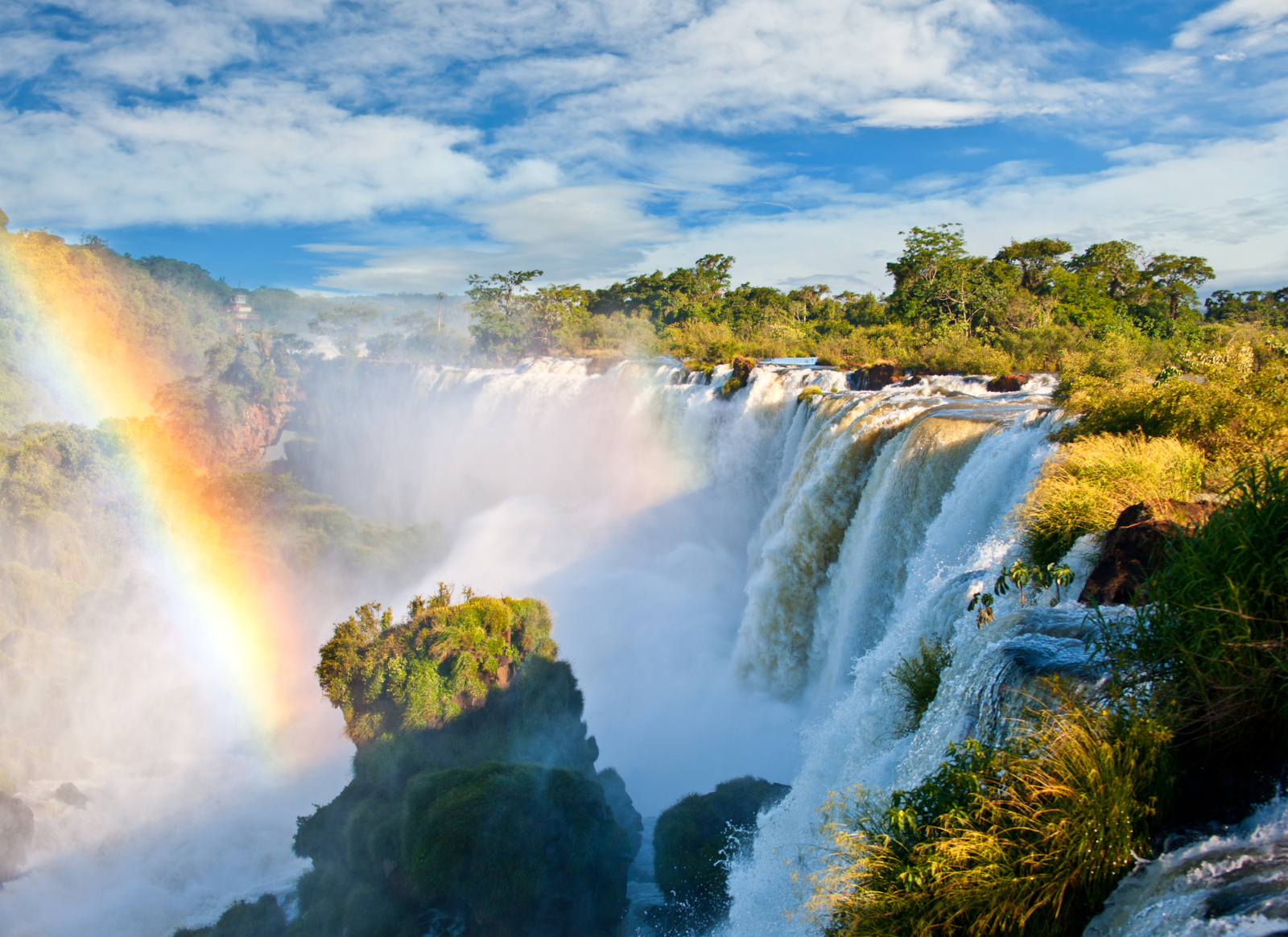
ID 22377159 ©Pablo Caridad | Dreamstime.com
61. Patagonia belongs to both Argentina and Chile. It is a vast geographical region rather than an independent country or an exclusively Argentine destination. The Argentine side alone contains several very different options, as this comparison of Patagonia bases shows.
62. Ruta 40 runs for more than 5,000 kilometres. The road follows the Andes through 11 provinces, linking northern Argentina with Patagonia. Official tourism sources give slightly different totals depending on route changes, but all place its length above 5,000 kilometres.
63. El Chaltén is officially Argentina’s National Capital of Trekking. The small Patagonian town provides access to trails around Fitz Roy and Cerro Torre. Its extensive hiking network makes it one of the country’s strongest adventure destinations.
64. Perito Moreno Glacier can no longer be described simply as a glacier that is still growing. It remained unusually stable for decades, helping that claim spread worldwide. A 2025 scientific study documented about 800 metres of retreat at the northwestern section of the glacier front between 2020 and 2024, together with accelerated thinning and retreat since 2019–2020.
65. Perito Moreno can temporarily divide part of Lake Argentino. When the glacier advances against the opposite shore, it can block the flow of water from Brazo Rico. Pressure builds until water cuts through or collapses part of the ice, producing the famous rupture events.
66. Iberá is one of South America’s largest freshwater wetland systems. Located in Corrientes Province, it includes lagoons, marshes, grasslands and floating vegetation. The region supports capybaras, caimans, marsh deer, giant anteaters and hundreds of bird species.
67. Jaguars have returned to Iberá after disappearing from the region. A long-term rewilding program bred and released jaguars into the wetlands after decades of local extinction. The animals are now reproducing in the wild again.
68. Península Valdés is an internationally important breeding area for southern right whales. The protected waters around the peninsula provide places for whales to mate, give birth and raise calves. Sea lions, elephant seals and penguins also make it one of Argentina’s leading wildlife destinations.
69. Some Península Valdés orcas intentionally move onto the shore while hunting. The animals target sea lion pups close to the waterline, briefly stranding themselves before returning to the sea. Only some members of the local population use this risky learned technique.
70. Ischigualasto and Talampaya preserve an extraordinary Triassic fossil record. UNESCO describes the two parks as containing the most complete known continental fossil sequence from the Triassic Period, documenting major stages in the early history of dinosaurs and mammals.
71. Argentinosaurus was one of the largest land animals known to science. Fossils found in Patagonia belonged to an enormous long-necked dinosaur that lived around 95 million years ago. Since the skeleton is incomplete, its precise length and weight remain estimates, and it can’t be declared unquestionably the largest dinosaur ever found.
72. Cueva de las Manos preserves hand stencils made thousands of years ago. The cave walls contain human hand outlines, animals and hunting scenes created across a long period. The oldest art is more than 9,000 years old. It is one of the Argentine sites that may surprise readers testing themselves with national parks trivia.
Argentina’s Football History Goes Far Beyond Messi

ID 465919239 @ Walter Arce | Dreamstime.com
The Argentine Football Association dates to 1893, making it one of the oldest national football organizations outside the British Isles. The country’s football identity has since grown through clubs, rivalries, international trophies and players recognized across generations.
73. Football is Argentina’s most popular sport, but pato is the official national sport. Pato is played on horseback with a handled ball that must be thrown through a vertical ring. It received national-sport status by decree in 1953 and through national law in 2017.
74. Historical versions of pato used a live duck. The game’s name means “duck.” Early rural versions placed a duck inside a leather container, creating a dangerous contest between riders. Modern regulated pato uses a ball with handles and formal safety rules.
75. Argentina played in the first men’s World Cup final. The inaugural tournament took place in Uruguay in 1930. Argentina reached the final but lost 4–2 to the host nation.
76. Argentina had won three men’s World Cups before the 2026 final. The victories came in 1978, 1986 and 2022. The first was won on home soil, the second is closely associated with Diego Maradona, and the third ended a 36-year wait under captain Lionel Messi.
77. Argentina won consecutive Copa América titles in 2021 and 2024. The 2021 tournament ended a long senior international trophy drought. The 2024 victory made Argentina the first country to reach 16 Copa América titles.
78. Lionel Messi holds Argentina’s men’s records for appearances and goals. His exact totals continued to change during the 2026 tournament, but he had already moved well beyond the previous national records in both categories.
79. Argentina will play Spain in the FIFA World Cup 2026 final on July 19. As of July 18, 2026, the match is scheduled for New York New Jersey Stadium. The date, teams and venue are confirmed on FIFA’s final page.
80. It will be only the second Argentina–Spain meeting at a men’s World Cup. Their only previous encounter in the tournament took place in England in 1966. Argentina won that group-stage match 2–1.
81. Lionel Messi once appeared in a photograph bathing baby Lamine Yamal. Photographer Joan Monfort took the image for a charity calendar in 2007, when Messi was a young Barcelona player and Yamal was a baby. FIFA revisited the remarkable Messi–Yamal photograph before the 2026 final.
82. Boca Juniors and River Plate contest the Superclásico. The rivalry combines sporting competition, neighborhood history, family loyalties and club identity. It is followed internationally even by people who don’t normally watch Argentine league football.
83. Diego Maradona inspired a fan-created church. The Iglesia Maradoniana was founded in Rosario in 1998. Its followers developed commandments, rituals and a calendar beginning with Maradona’s birth in 1960, combining humor with genuine football devotion.
Argentina Helped Change Animation, Medicine and Forensic Science
Some of the country’s strongest stories sit far outside the usual travel narrative. They involve a lost film, fingerprint evidence, blood transfusions, heart surgery and a word still used for an everyday object.
84. Argentina produced the first known animated feature film. Quirino Cristiani’s El Apóstol premiered in Buenos Aires in 1917, more than two decades before Disney’s Snow White and the Seven Dwarfs. The political satire ran for over an hour, but no complete copy is known to survive.
85. Argentina was central to the early use of fingerprints in criminal investigations. Juan Vucetich developed a practical fingerprint-classification system in 1891. A bloody fingerprint was used the following year to identify Francisca Rojas in the first criminal case solved through fingerprint evidence.
86. Argentines commonly call a ballpoint pen a “birome.” The word combines the surnames of László Bíró and his business partner Juan Jorge Meyne. Bíró refined and patented his practical ballpoint design after moving to Argentina during World War II.
87. Luis Agote pioneered a method that allowed blood to be stored for transfusions. In Buenos Aires in 1914, he used sodium citrate to prevent donated blood from clotting. The method made it possible to store blood rather than transferring it directly from one person to another.
88. René Favaloro helped establish modern coronary bypass surgery. In 1967, the Argentine surgeon used a section of the saphenous vein to bypass a blocked coronary artery at the Cleveland Clinic. His work helped standardize a procedure that has since been performed worldwide.
89. Argentina has produced five Nobel Prize laureates. Carlos Saavedra Lamas and Adolfo Pérez Esquivel received the Peace Prize. Bernardo Houssay, Luis Federico Leloir and César Milstein received awards for scientific work in medicine or chemistry.
90. The first person born on the Antarctic mainland was Argentine. Emilio Marcos Palma was born at Base Esperanza on January 7, 1978. Other people had been born on subantarctic islands, but Palma was the first documented birth on the continent itself.
91. Base Orcadas has operated continuously since 1904. Located on Laurie Island in the South Orkney Islands, it was Argentina’s first permanent Antarctic base. Argentina’s Foreign Ministry describes it as Antarctica’s oldest stable human presence.
92. Atucha I was Latin America’s first nuclear power plant. The plant connected to Argentina’s electricity system in 1974 and began commercial operation that June. It was the first nuclear power station of its kind in the region.
Argentina’s History Corrects Several Familiar Myths
The final facts require more context, which is exactly why they are often reduced to misleading one-line claims.
93. Argentina is named after silver it expected to find rather than a giant silver deposit within the country. The name comes from the Latin argentum, meaning silver. Early European accounts connected the Río de la Plata region with routes and stories involving silver from the interior of South America.
94. Argentina’s independence story has two important dates. The May Revolution of 1810 created the first local governing body and began a decisive political break. Formal independence was declared by the Congress of Tucumán on July 9, 1816.
95. José de San Martín’s campaigns helped secure independence in three countries. He played a central military role in Argentina, crossed the Andes to support the liberation of Chile and later contributed to the struggle for independence in Peru.
96. Argentine women gained national voting rights in 1947. Eva Perón campaigned strongly for the law, building on decades of work by women’s-rights activists. Argentine women voted in a national presidential election for the first time in 1951.
97. Argentina was the first Latin American country to legalize same-sex marriage nationwide. The law was enacted in July 2010 and extended marriage and its associated legal rights to same-sex couples across the country.
98. Five people exercised presidential authority in roughly two weeks during the 2001–2002 crisis. Fernando de la Rúa, Ramón Puerta, Adolfo Rodríguez Saá, Eduardo Camaño and Eduardo Duhalde held the presidency or interim presidential functions in rapid succession.
99. Pope Francis was the first pope from the Americas. Jorge Mario Bergoglio was born in Buenos Aires in 1936 and elected pope in 2013. He was also the first Jesuit pope. His pontificate ended with his death in 2025, as recorded in the Vatican’s official biography.
100. Isabel Perón became the first woman to serve as president of a country. She had been elected vice president and succeeded her husband, Juan Perón, after his death in 1974. She wasn’t elected separately to the presidency; the first woman elected president by a national popular vote was Iceland’s Vigdís Finnbogadóttir in 1980.
Argentina Quick Facts and Common Corrections
You’ve now reached all 100 facts. This compact reference section gathers the basic information and the claims most likely to be repeated incorrectly. It appears near the end so readers can use it for quick reference, school projects and quiz preparation without seeing the article’s strongest surprises too early.
Official name: Argentine Republic, or República Argentina in Spanish.
Capital: The Autonomous City of Buenos Aires, which is legally separate from Buenos Aires Province.
Political divisions: 23 provinces plus the Autonomous City of Buenos Aires.
Land area: Approximately 2.78 million square kilometres, making Argentina the eighth-largest country in the world.
Predominant language: Spanish, with widespread voseo and strong regional variation. Indigenous languages and Welsh are also spoken.
Currency: The Argentine peso. Exchange conditions can change quickly, so travelers should check current official information shortly before a trip rather than relying on old currency advice.
Time: Argentina currently uses UTC−3 nationwide and doesn’t observe seasonal daylight-saving changes.
Official national sport: Pato. Football is the country’s most popular sport.
Highest point: Aconcagua, at approximately 6,961 metres above sea level.
Lowest point: Laguna del Carbón, at approximately 105 metres below sea level.
Independence: The May Revolution took place in 1810; formal independence was declared on July 9, 1816.
World Cup record as of July 18, 2026: Three men’s titles—1978, 1986 and 2022—with Argentina due to face Spain in the 2026 final. This line must be updated after July 19.
Common Buenos Aires correction: Buenos Aires city doesn’t contain close to half of Argentina’s population. Much larger figures usually combine the autonomous city with the surrounding metropolitan area or with Buenos Aires Province.
Common glacier correction: Perito Moreno was unusually stable for decades, but recent research documents substantial retreat. It shouldn’t now be described as one of the few glaciers that is still growing.
Common dinosaur correction: Argentinosaurus and Patagotitan were among the largest known land animals. Incomplete fossils and changing estimates make it impossible to name an unquestionable largest dinosaur.
Common city correction: Ushuaia remains one of the world’s southernmost cities and an important Antarctic gateway, but Puerto Williams lies farther south.
Common food correction: Dulce de leche is central to Argentine culture, but its precise origin remains disputed across several countries.
For more country facts, quizzes and destination challenges, browse the site’s travel trivia collection.
Conclusion
Argentina becomes more interesting as soon as you move beyond the predictable references. Mate has rules that can change the meaning of a simple “thank you.” Spanish sounds different and uses different grammar. Welsh survives in Patagonia, cheese arrives before the meat, and a glacier claim repeated for years now needs rewriting.
The facts I find most memorable are the ones that connect a major national story with ordinary life: gnocchi eaten on the 29th, a bus system that began with shared taxis, handprints preserved for thousands of years and a ballpoint pen whose Argentine name still honors its inventors.
Whatever happens in the World Cup final, Argentina has far more to offer than a football result. Continue exploring through the site’s Argentina articles and other destinations across South America.
Frequently Asked Questions About Argentina
What are some of the most surprising facts about Argentina?
Argentina’s official national sport is pato rather than football, mate has its own serving etiquette, Welsh is still spoken in Patagonia, Buenos Aires was founded twice, and the country produced the first known animated feature film. It also contains both the highest and lowest land points in the Western Hemisphere.
Why is Argentina called Argentina?
The name comes from the Latin word argentum, meaning silver. Early European explorers associated the Río de la Plata region with reports and routes involving silver from the interior of South America. The name didn’t result from the discovery of an enormous silver deposit within modern Argentina.
What is Argentina best known for?
Argentina is widely known for football, tango, Buenos Aires, Patagonia, Iguazú Falls, Malbec, asado, mate and gaucho culture. Its regional variety is equally important, with subtropical wetlands, high-altitude deserts, vineyards, fertile plains, mountains, glaciers and subantarctic landscapes.
What is Argentina’s official national sport?
Pato is Argentina’s official national sport. It is played on horseback with a handled ball that players try to throw through elevated rings. Football has a much larger audience and cultural presence, but it doesn’t hold the formal national-sport designation.
How many World Cups has Argentina won?
As of July 18, 2026, Argentina has won the men’s FIFA World Cup three times: in 1978, 1986 and 2022. Argentina will face Spain in the 2026 final on July 19, so this answer must be updated after the match.
Is Ushuaia really the southernmost city in the world?
Ushuaia is one of the world’s southernmost cities and has promoted the title for decades. Puerto Williams in Chile lies farther south and now has legal city status. The answer therefore depends on the population threshold and legal definition being used.
What language do people speak in Argentina?
Spanish is the predominant language. Argentine Spanish commonly uses vos rather than tú, and the Río de la Plata pronunciation of “ll” and “y” is particularly distinctive. Indigenous languages remain in use, and Welsh is spoken and taught in parts of Chubut.
What time do people eat dinner in Argentina?
Dinner commonly begins later than it does in the United States or northern Europe. Around 9:30 or 10 p.m. is normal in many cities, while weekend meals may begin even later. Exact habits vary by age, region, household and restaurant.
What is one fact about Argentina that people frequently get wrong?
A common claim says Argentina declared independence in 1810. The May Revolution began the political process that year, but formal independence was declared on July 9, 1816. Another outdated claim says Perito Moreno Glacier is still growing, despite recent scientific evidence of substantial retreat.
Are these Argentina facts suitable for students and trivia games?
Yes. The facts cover culture, geography, food, language, football, science and history, with dates and qualifications included where claims are often oversimplified. The quick-facts section can be used for school projects, while the numbered sections can provide questions for quizzes and travel games.
More amazing articles for you:
Top places in Box Elder County, Utah for birding, family travelers, and history buffs
The 4 Best Road Trips in the Grand Canyon State
A local's complete travel guide to Halifax, Nova Scotia, Canada
Things that may shock you when visiting the US for the first time
A local’s guide to Madison, Wisconsin
A complete travel guide to Merida, Mexico by a traveler
Day trips from NYC - the best weekend getaways from New York City
Roaming Around Paint, Iron and Stone: 3 Museums in Miami

Violeta-Loredana Pascal is a communications expert, business mentor, and the founder of Earth’s Attractions and PRwave INTERNATIONAL. A pioneer in the Romanian digital PR landscape since 2005, she holds a degree in Communication and Social Sciences from SNSPA Bucharest. Violeta is a senior trainer at AcademiadeAfaceri.ro, where she leverages over 20 years of experience to teach professional courses in PR strategy and workplace productivity. By blending high-level business consulting with a passion for holistic travel and wellness, she empowers solopreneurs to overcome procrastination, build profitable brands, and design a life of purposeful adventure.