
We usually don’t think about our brain until something feels off.
Focus slips faster than it used to.
Names take longer to surface.
Mental energy crashes by mid-afternoon.
That’s usually the moment we start searching for a fix.
But the brain doesn’t respond to quick fixes. It responds to patterns.
Sleep. Movement. Stress regulation. Cognitive challenge. And yes – food.
Nutrition won’t replace those habits. It amplifies them.
Certain whole foods consistently show up in research on attention, memory, blood flow, and long-term cognitive resilience. Not as magic solutions, but as daily inputs that quietly influence how the brain performs over time.
Here are seven of the most consistently supported ones.
1. Fatty Fish: The Structural Foundation
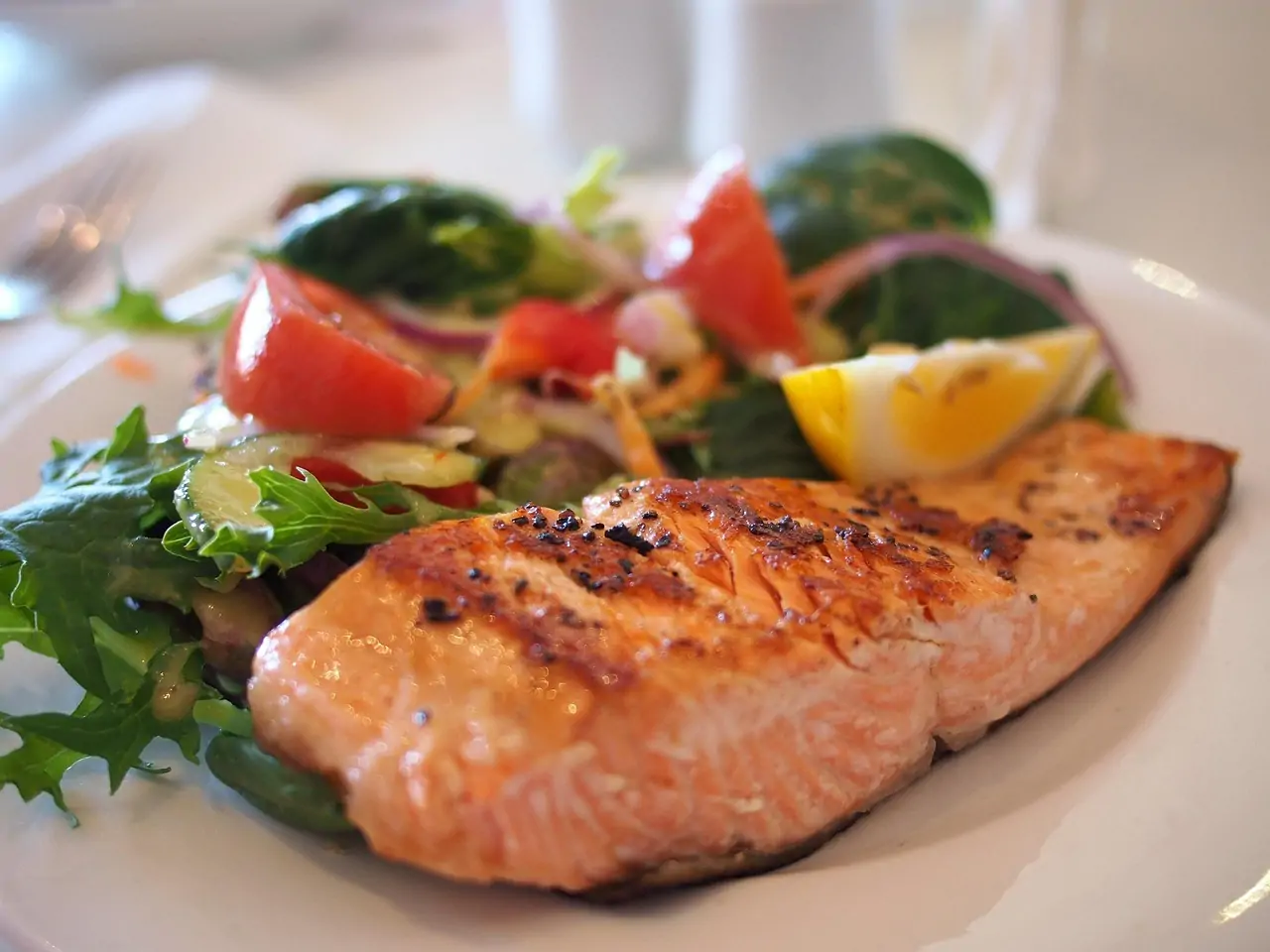
If the brain were a physical structure, fatty acids would be part of its insulation and wiring.
The brain is rich in DHA, a specific omega-3 fatty acid found in fatty fish. Dietary omega-3 intake has been linked to synaptic flexibility, neuronal signaling efficiency, and patterns associated with healthier cognitive aging.
In practical terms, that means better support for how brain cells communicate with each other.
Rather than obsessing over daily intake, consistency matters more.
Simple implementation:
- Aim for two servings per week
- Salmon, sardines, mackerel, and herring are strong choices
- Canned sardines are one of the easiest, lowest-effort options
What I do: I aim for a lunch and a dinner per week (at least) – salmon with Mexican vegetables mix (baked in the oven, no oil, only lemon juice and salt and pepper on the fish) is my favorite recipe.
2. Blueberries: Supporting Neural Communication
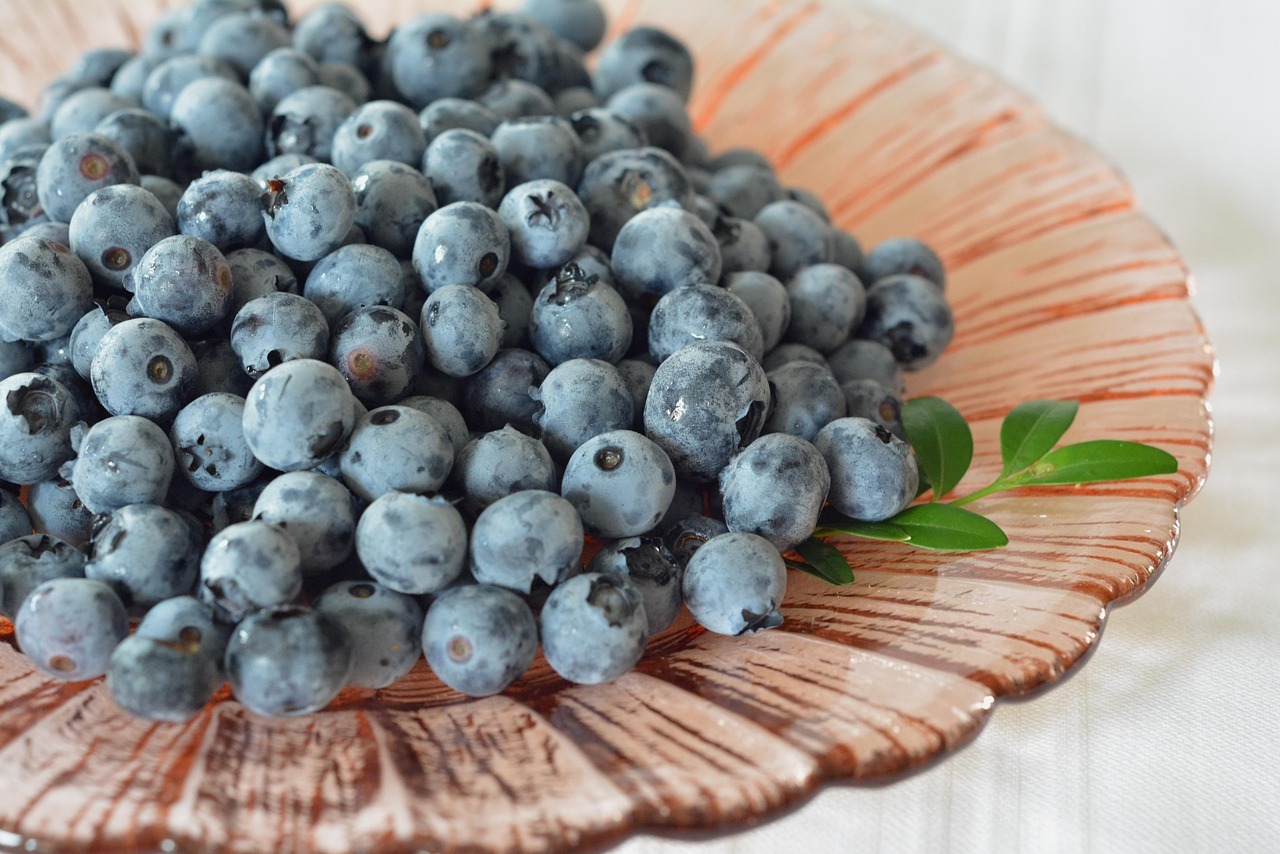
Blueberries and other deeply colored berries are rich in polyphenols – plant compounds associated with protection against oxidative stress and support for neuronal signaling.
Instead of dramatic short-term effects, berries seem to work quietly. Over time, higher berry intake has been associated with better memory patterns in aging populations.
What makes them powerful is not intensity, it’s repeatability.
Practical approach:
- ½–1 cup daily
- Fresh or frozen, both work
- Add to yogurt, oatmeal, or eat on their own
If you cannot eat daily, eat as often as possible. I prefer them raw – but I use frozen too.
3. Leafy Greens: The Quiet Baseline

Leafy greens rarely get dramatic headlines, but they consistently show up in long-term cognitive research.
They provide folate, vitamin K, lutein, magnesium, and other micronutrients involved in vascular function and neural signaling. Higher intake has been associated with slower cognitive decline patterns in observational studies.
They are not exciting, which is exactly why they’re often under-eaten. But yes, we should all eat them daily!
How to include them:
- 1–2 cups daily
- Spinach, kale, arugula, Swiss chard
- Raw in salads or lightly sautéed
Consistency matters more than preparation style.
4. Coffee: Alertness With Evidence Behind It

Coffee remains one of the most researched cognitive performance enhancers available.
Moderate intake has been associated with improved attention, reaction time, and, in some studies, long-term brain health markers.
The key is dosage and timing. Coffee supports performance; it does not replace sleep.
Reasonable range:
- 1–3 cups daily for most adults
- Earlier in the day
- Avoid using it to compensate for chronic sleep deprivation
I wrote a lot about coffee and its benefits here on the site, so I am inviting you to read my other articles:
5. Dark Chocolate: Circulation and Cognitive Sharpness
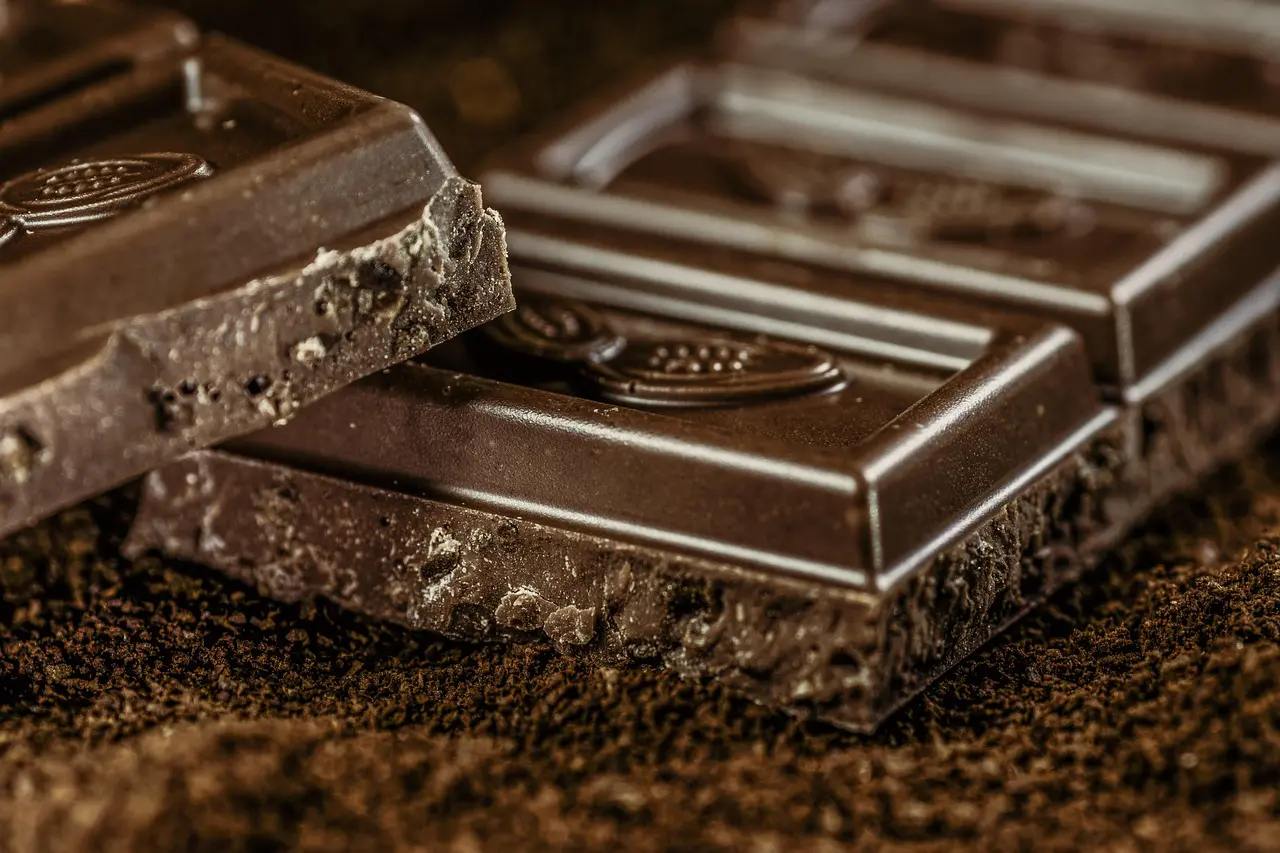
High-cacao dark chocolate contains flavanols associated with improved cerebral blood flow. Better blood flow means more efficient delivery of oxygen and nutrients to brain tissue.
Research has linked cocoa flavanols to improvements in certain aspects of memory and processing speed.
The benefit comes from cacao content, not sugar. I actually have an in-depth article on dark chocolate and its health benefits.
Use it strategically:
- 20–30 g
- 85% cacao or higher
- Replace lower-quality sweets rather than adding excess calories
6. Eggs: A Practical Source of Choline

Eggs provide choline, a nutrient involved in producing acetylcholine, a neurotransmitter central to memory and attention.
Choline intake is frequently lower than recommended levels in many diets. Eggs offer a convenient and efficient source.
They are simple, affordable, and easy to eat regularly, which makes them useful. Plus, you can bake them in soooooooooo many ways!
Simple habit:
- 1–2 eggs daily
- Especially helpful at breakfast for sustained energy
I sometimes boil them in advance or make an omelet in the oven (fritata) to have ready for the morning.
7. Green Tea: Calm, Sustained Focus

Green tea offers a combination of mild caffeine and L-theanine. This pairing has been associated with sustained attention and reduced jitteriness compared to caffeine alone.
For people who experience spikes and crashes with coffee, green tea often feels smoother.
How to use it:
- 2-3 cups daily
- Earlier in the day
- Matcha is an option for a more concentrated version
Food and Habits: The Real Foundation of Brain Health
No single food protects the brain on its own.
But consistent patterns matter, as research shows.
The foods above are not exotic, expensive, or difficult to find. They are widely available, practical, and easy to incorporate into everyday meals. Over time, they help support the biological systems involved in focus, memory, circulation, and cognitive resilience.
Nutrition works best when it complements other brain-support habits.
- Sleep supports memory consolidation.
- Movement supports blood flow and neurochemical balance.
- Stress regulation protects neural circuits from chronic strain.
- Mental challenge strengthens connections.
Food reinforces those processes.
For readers interested in building a broader, sustainable approach to cognitive health and longevity, these related topics explore additional evidence-based habits:
- Stressed Out? Scientists Say These Daily Habits Can Reset Your Body & Mind
- Scientists Reveal the Unexpected Longevity Habit That Costs Nothing
- Scientists Say This Overlooked Habit Could Add Years to Your Life
- Scientists Say People With This Mindset Are Far More Likely to Reach Age 90+
- Add Decades, Not Just Years: 8 Habits That Could Add 20–25 Years to Your Life (Backed by a Massive Study)
- Want a Longer, Happier Life? Scientists Say This 1-Hour Habit Could Be the Key
- Want to Live Longer? Studies Say These Mental Habits May Help (No Sweat Required)
- Eat Earlier, Live Longer? What a New Study Says About Breakfast Timing, Aging, and Longevity
- Simple daily habits for a healthier mind
- How to De-Clutter Your Mind, Backed by Science
- The Personality Traits That Can Help You Live Longer (and Be Happier)
- How to Rewire Your Brain for Calm, Focus, and Joy in Midlife
- Build a Night Routine That Boosts Longevity – Science-Based
- How Much Sleep Should You Get Per Night to Be Healthy?
Brain health is rarely shaped by dramatic interventions. It reflects repeatable inputs – what is eaten, how the body moves, how well rest is protected, and how consistently the mind is challenged.
Food is one part of that system.
An important one.
Frequently Asked Questions About Foods for Brain Health
What are the best foods for brain health?
Fatty fish, berries, leafy greens, eggs, dark chocolate, coffee (in moderation), and green tea consistently appear in research connected to cognitive performance and long-term brain resilience.
Can food really improve focus and memory?
Food supports the biological systems behind focus and memory. While it cannot replace treatment for ADHD or neurological conditions, consistent nutrition can support overall cognitive performance.
How long does it take to notice a difference?
Some people notice steadier mental energy within a few weeks. Long-term brain health benefits are associated with sustained habits over months and years.
Is one food more important than the others?
Omega-3-rich fish is often considered foundational, but overall dietary pattern matters more than a single item.
Do I need supplements instead?
Most people can support brain health through whole foods. Supplements may be helpful in specific cases, but food-first approaches are generally more sustainable.
Photo sources: 1, 2, 3, 4, 5, 6, 7
More amazing articles for you:
This Simple Museum Habit Can Lower Your Stress in Minutes - New Study Says So
Eight Hours to Nowhere: Transatlantic Flight Turns Around Because of a Broken Toilet
3 years of Earth’s Attractions!
5 Science-Backed Brain-Boosting Biohacks That Cost $0 (No Supplements)
Win a 30-day cruise to Antarctica, cruising the spectacular Ross Sea
Being Selective About People Isn’t Antisocial | Psychology Explained
How Traveling With My Teenage Son Taught Me to Let Go, Be Present, and Enjoy the Journey
Your Complete Local's Guide to Durham, NC by a resident with the best things to do in Durham NC, whe...

Violeta-Loredana Pascal is a communications expert, business mentor, and the founder of Earth’s Attractions and PRwave INTERNATIONAL. A pioneer in the Romanian digital PR landscape since 2005, she holds a degree in Communication and Social Sciences from SNSPA Bucharest. Violeta is a senior trainer at AcademiadeAfaceri.ro, where she leverages over 20 years of experience to teach professional courses in PR strategy and workplace productivity. By blending high-level business consulting with a passion for holistic travel and wellness, she empowers solopreneurs to overcome procrastination, build profitable brands, and design a life of purposeful adventure.