Updated February 2026
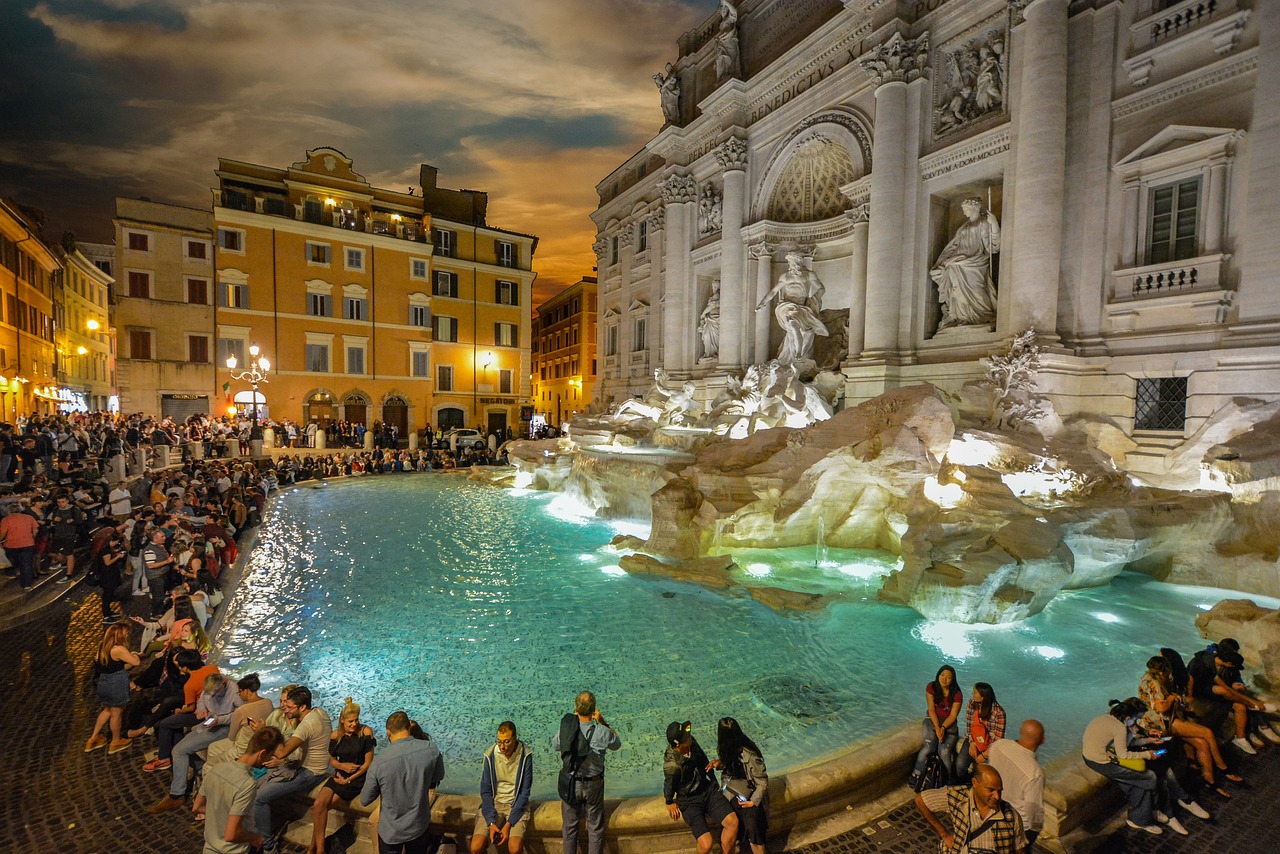
For decades, getting close to Rome’s most famous fountain followed an unspoken rule: arrive early, squeeze through the crowd, toss a coin, take the photo, move on. It was chaotic, crowded, often uncomfortable – but it was free, and it felt like a shared ritual of travel.
That is about to change.
Starting February 2026, Rome charges a €2 ($2.35) fee for visitors who want close-up access to the Trevi Fountain’s coin-toss and steps area. The wider piazza will remain free to enter, but stepping onto the fountain’s iconic edge – where most selfies and photos are taken – will come with a small price tag.
City officials say the move is about crowd control, safety, and preservation. But the announcement has already sparked backlash and debate among travelers, many of whom see it as another step toward paywalled public spaces in Europe’s most visited cities.
This is not just a story about two euros. It is about how overtourism is reshaping travel, how iconic places are being re-managed, and how travelers are increasingly caught between access, affordability, and experience.
What exactly is changing at the Trevi Fountain
Rome’s plan is more nuanced than early headlines might suggest, but it still represents a major shift.
According to Reuters, the city intends to charge €2 per person for access to the steps and immediate close-up zone of the Trevi Fountain starting February 1, 2026. The surrounding square will remain open and free, allowing visitors to see and photograph the fountain from a distance.
The Associated Press adds an important detail: the fee applies primarily during peak daytime hours, when crowd density is highest. Nighttime visits – traditionally calmer and less congested – are likely to remain unrestricted. Residents of Rome will be exempt.
In short, the Trevi Fountain is not becoming a ticketed attraction in the traditional sense. The piazza itself remains fully accessible, and the fountain can still be viewed and photographed for free from surrounding areas. Instead, Rome is experimenting with managed access to one of its most overwhelmed landmarks.
That distinction matters, but it has not stopped criticism.
Why Rome says the fee is necessary
Anyone who has visited the Trevi Fountain in recent years understands the scale of the problem. On busy days, the square becomes a wall of bodies and raised smartphones. Security staff struggle to keep people moving. The experience is stressful for visitors and increasingly difficult to manage for the city.
Rome’s mayor has framed the fee as a practical response to overtourism, not a cash grab. The goals, according to officials cited by Reuters and AP, include:
- Reducing dangerous overcrowding
- Improving visitor flow and safety
- Protecting the monument from wear and damage
- Creating a more dignified experience
The revenue generated would help fund maintenance and management, rather than disappearing into a general budget.
From a policy perspective, the argument is straightforward. From a traveler’s perspective, it feels more complicated.
Why travelers are pushing back
The backlash around the Trevi Fountain fee is not about the amount. Two euros will not make or break most travel budgets. What frustrates many visitors is the precedent.
As Reuters notes, critics argue that charging for access to such an iconic, historically public space raises uncomfortable questions. If Rome charges for the Trevi Fountain close-up, what comes next? The Spanish Steps? Famous bridges? Popular viewpoints?
AP reports that some travelers see the move as another example of tourists being nickel-and-dimed, especially at a time when city taxes, accommodation fees, and fines are already rising across Europe.
Reporting from Reuters and the Associated Press highlights how even modest fees at iconic landmarks can trigger disproportionate reactions, precisely because they touch on questions of access, precedent, and the commercialization of public space. In the case of the Trevi Fountain, criticism has focused less on the €2 itself and more on what similar policies could mean if adopted more widely across historic cities.
Others worry about a cultural shift. Rome’s landmarks are not theme-park attractions. They are part of a living city, woven into daily life. Introducing access fees – even limited ones – changes how those spaces feel.
The reaction, in other words, is less about anger and more about unease.
For many travelers, the frustration is amplified by the feeling that city breaks in Europe are already becoming significantly more expensive.
This fee is part of a much bigger trend
Rome is not acting in isolation. Across Europe, cities are experimenting with ways to control tourism without killing it.
From overnight tourist taxes in major capitals to reservation systems for historic centers and paid access to once-open viewpoints, the way travelers interact with famous places is quietly changing. What was once informal and spontaneous is increasingly structured, timed, and regulated – often in response to crowd pressure rather than revenue needs.
On a funny note, I saw a news report today that Bucharest will introduce a 10 RON fee per night for hotel stays starting 2026 (a project, still, but soon to become reality.)
In recent years, travelers have encountered:
- Tourist taxes charged per night, per person
- Timed entry systems replacing open access
- Fines for everyday behavior, from sitting on steps to eating in restricted zones
- Dress codes and stricter enforcement at religious sites
Italy, in particular, has become more assertive about regulating tourist behavior. From eating rules in historic centers to fines for swimming in fountains, visitors are increasingly expected to understand and respect local laws. If you have ever been surprised by a fine or rule abroad, this shift is already familiar.
The Trevi Fountain fee simply makes the trend more visible – because the landmark itself is so famous. Similar restrictions and fines have appeared well beyond Italy, often catching travelers off guard.
What this means for travelers going forward
For travelers, this shift means that iconic landmarks increasingly require strategy rather than spontaneity. Arriving early, visiting late, or adjusting expectations is becoming part of modern travel planning. Fees like the one at the Trevi Fountain are less about exclusion and more about rationing demand at peak moments.
The experience is still there, but it now favors those who plan, rather than those who simply show up. Of course, there will be plenty of people paying the fee.
Overtourism: the word shaping modern travel
Few terms have entered travel discourse as quickly as overtourism. Once an academic concept, it is now a headline staple and a defining challenge for destinations.
Rome, Venice, Barcelona, Paris, and Amsterdam all face the same paradox. Tourism fuels their economies, yet unchecked crowds erode the very experiences travelers come for.
The Trevi Fountain is a textbook case. It is free, photogenic, centrally located, and endlessly shared on social media. That combination makes it irresistible – and unsustainable.
City officials increasingly argue that doing nothing is no longer an option. Fees, reservations, and restrictions are tools to manage demand, not eliminate it.
Travelers, meanwhile, are left navigating a landscape where spontaneity is harder and planning matters more.
The rise of “second destinations” and smaller cities
One unintended effect of overtourism is changing how people travel.
As iconic cities impose more controls, many travelers are looking elsewhere. Smaller cities, regional capitals, and lesser-known destinations are gaining attention – not just as cheaper alternatives, but as more enjoyable ones.
This shift is already visible in travel trend forecasts for 2026. Instead of rushing through the same headline landmarks, travelers are prioritizing:
- Quieter cities with strong cultural identity
- Longer stays in fewer places
- Neighborhood-level experiences over must-see lists
- Off-peak and shoulder-season travel
Rome itself benefits from this trend beyond its most famous sights. Neighborhoods far from the Trevi Fountain offer a very different experience – one that many visitors find more memorable.
Italy offers no shortage of remarkable places beyond its most crowded landmarks. As crowd controls, fees, and reservations become more common in headline destinations, choosing where to go is becoming just as important as when – and many travelers are already adapting.
What the Trevi Fountain fee really signals
The Trevi Fountain announcement matters because it crystallizes several forces shaping travel today:
- Iconic places can no longer absorb unlimited visitors
- Access is being managed, not assumed
- Tourism is moving from free-flowing to regulated
Whether travelers like it or not, this approach is likely to spread. The question is not whether fees will exist, but how transparently and fairly they are applied.
Rome’s decision to keep the wider viewing area free and exempt residents suggests an attempt at balance. Whether that balance feels acceptable to visitors remains to be seen.
How to experience the Trevi Fountain without paying
For travelers planning a future visit, the good news is that the Trevi Fountain will not suddenly disappear behind gates.
There are still ways to enjoy it fully:
Visiting late at night or very early in the morning has long been the best strategy. The atmosphere is calmer, the crowds thin, and the experience feels closer to magic than mayhem.
Viewing the fountain from surrounding angles still offers excellent photo opportunities. The drama of the sculpture does not vanish with distance.
Most importantly, Rome is far more than one fountain. A thoughtful itinerary can balance famous sights with quieter moments, making the city feel less overwhelming and more human.
Is this the future of travel?
The Trevi Fountain fee forces an uncomfortable but necessary conversation.
Do we want unlimited access to iconic places at the cost of chaos and degradation? Or are modest fees and controls a reasonable price for preservation and quality?
Travelers are not wrong to question where this leads. Cities are not wrong to protect themselves.
What is clear is that the age of frictionless tourism is ending. In its place is a model that demands awareness, respect, and – sometimes – payment.
Whether that makes travel worse or simply different depends on how we adapt.
A possible conclusion
Rome has not put a price on beauty. It has put a price on proximity during peak demand.
The reaction has been swift because the Trevi Fountain feels symbolic. It represents freedom, romance, and the idea that some experiences belong to everyone.
As reported by Reuters and AP, the debate is only beginning. And as other cities watch closely, Rome’s experiment may shape how the world’s most famous places are experienced in the years ahead.
Would you pay €2 for a quieter Trevi Fountain moment – or does that cross a line for you?
Photo source: Pixabay