Many Americans I know are exhausted. They’re chasing a version of “wellness” that involves 5:00 AM workouts, expensive green juices, and a constant, low-grade anxiety about productivity. But while the U.S. continues to struggle with a longevity crisis, a new leader has quietly taken over the clubhouse.
Spain is projected to have the highest life expectancy in the world by 2040, overtaking even Japan*.
As a European, I’ve watched this shift with fascination. I recently spoke with a close friend who traded his high-stress life in the States for a quiet street in Spain. His biggest takeaway? It isn’t just the Mediterranean sun. It’s that the Spanish have mastered something Americans chase but never quite catch: a life that is “deliciously normal.”
The Spanish “fountain of youth” isn’t a supplement or a superfood. It’s a series of deeply ingrained habits that feel almost “anti-American” in their pace. They don’t just live longer; they live better. From the way they treat a simple lunch to the way they walk their streets, here is why Spain is winning the longevity race – and how you can steal their secrets without needing a visa. So why do people in Spain live longer – and what can we learn from their daily habits?
7 Spanish Habits That Help Explain Why People in Spain Live Longer
The key habits that help explain why people in Spain live longer include:
1. The “Sobremesa”: Why the Spanish Do Not Eat at Their Desks
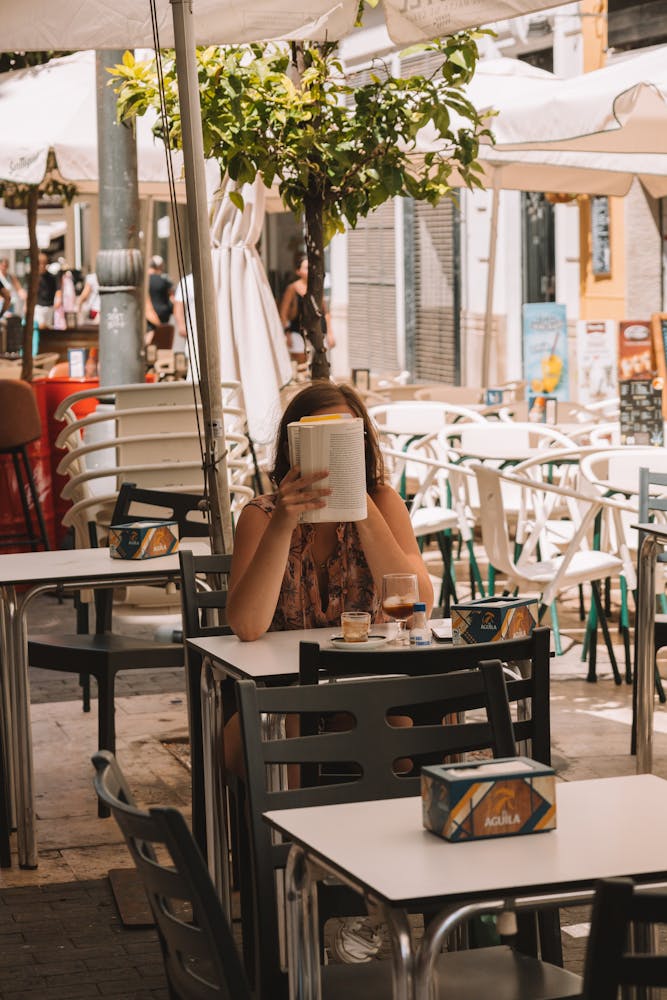
In the U.S., lunch is often taken in a hurry – a salad eaten in front of a glowing screen, or a quick sandwich grabbed between errands. But in Spain, lunch is a sacred pause, and the most important part of the meal happens after the food is actually gone. Oh, and yes, the meal is not rushed – people eat, enjoy their lunches (which are proper lunches!).
It is called the Sobremesa.
Literally translating to “over the table,” it’s that long, unhurried window of time where the plates are empty but the conversation is just beginning. You sit. You linger. You laugh. There is no checking of the watch or rushing to the next “to-do.”
For many Americans – especially those used to fast-paced work environments – this is where a strange sort of anxiety kicks in. They finish their coffee and wait for the check to arrive, only to realize it never does. In Spain, bringing the bill without being asked is considered incredibly rude; it’s an insult to the moment you’re sharing.
By refusing to rush back to the grind, the Spanish give their bodies a gift that many Americans never receive: the chance to actually digest. When you stay at the table, your body naturally encourages a parasympathetic (“rest and digest”) state associated with improved digestion and lower stress. It’s a built-in reset that lowers stress and prevents the energy crashes that usually follow a rushed meal. This focus on mindful living is perhaps why the Spanish feel so much more vibrant in the afternoon compared to the caffeine-fueled “slump” often felt in the States.
It’s a beautiful reminder that we are human beings, not human “doings.” If you’re looking to bring a bit of this balance into your own life, you might find that adopting a more intentional routine starts with simply refusing to get up the moment you take your last bite.
2. The “Paseo”: Why the Spanish Walk While Americans “Work Out”
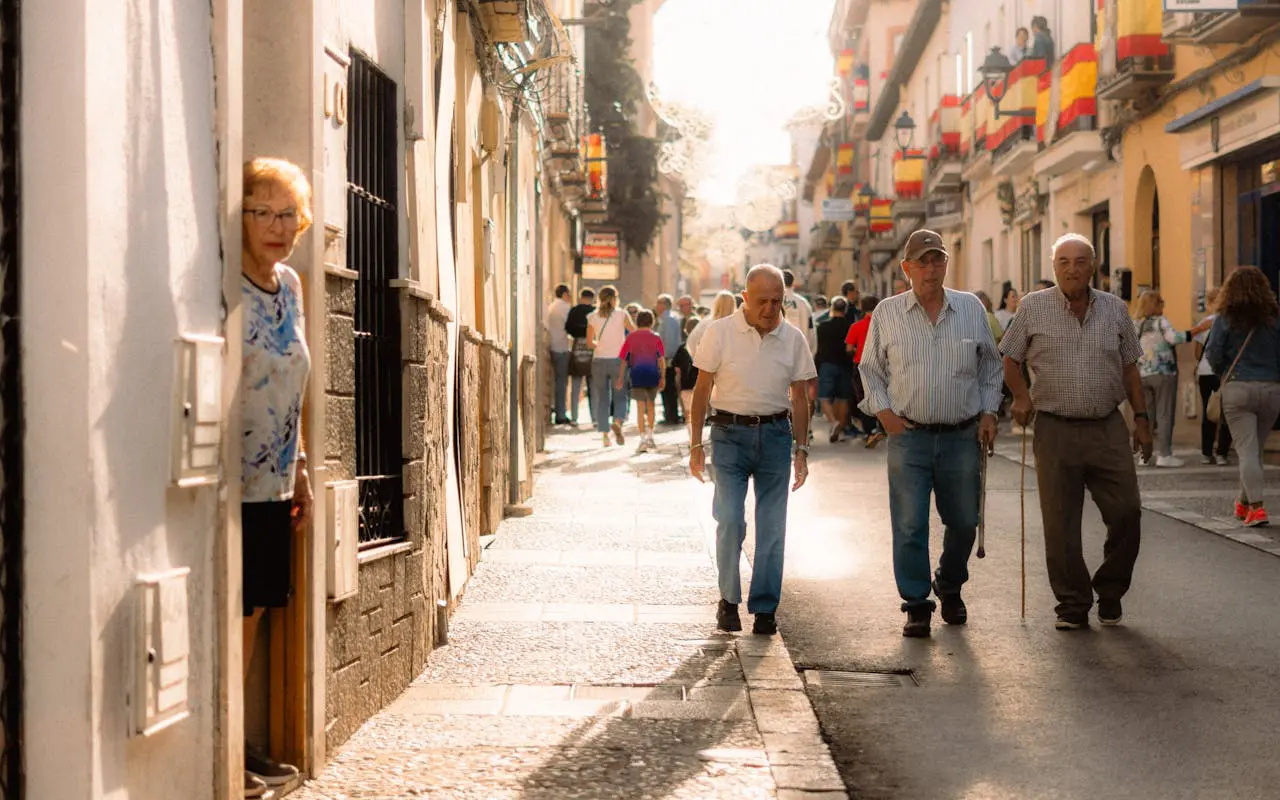
If you walk through a Spanish town at 7:00 PM, you won’t see people rushing to the gym in neon spandex. Instead, you’ll see the Paseo.
The Paseo is the ritual evening stroll. It isn’t about “burning calories” or hitting a step goal on a smartwatch. It is purely social. You wear your nice clothes, you step out into the fresh air, and you simply walk to see and be seen.
My friend who recently moved to Spain noticed the difference immediately. In the States, he says there is often a constant “gym guilt” – the pressure to push the body for an hour after sitting at a desk for eight. In Spain, he realized that movement isn’t a chore; it’s the social fabric of the evening.
While modern life and office jobs in big cities like Madrid mean that not every Spaniard can take a three-hour midday break anymore, the Paseo remains non-negotiable. Even for those with busy careers, the evening walk is how they “close” the day.
By spreading low-impact movement throughout the evening rather than relying on one intense hour at the gym, the Spanish way supports daily low-intensity movement associated with better metabolic and cardiovascular health – an area where many people, including Americans, in high-pressure, sedentary environments tend to struggle. It’s a gentle way of staying active that doesn’t feel like work.
This habit aligns with patterns identified in the Blue Zones research on long-lived populations, which finds that the longest-lived people in the world don’t “exercise” in the traditional sense – they live in environments that nudge them into moving naturally every single day.
3. The “Late Dinner” Paradox: Why 9:00 PM is the Golden Hour
ID 38757860 ©Visionsi | Dreamstime.com
If you’ve ever traveled through Spain, you’ve likely fallen into the “6:00 PM Hunger Trap.” My husband and I experienced this firsthand during a trip to Madrid. Starving after a long day of travel, we headed down to the hotel restaurant at 6:00 PM, only to find the doors bolted and the lights off. The staff kindly informed us that they wouldn’t even think about opening for dinner until at least 8:30 PM.
To many Americans, the idea of eating a meal at 9:00 PM or 10:00 PM sounds like a guaranteed recipe for weight gain and a restless night. And, to be fair, in my country (Romania) this is widely recommended too – eat dinner at 6-7 PM. But there is a beautiful, historical logic behind the timing of a late dinner in this Mediterranean country.
In Spain, the sun dictates the clock. Historically, the intense afternoon heat meant that work and heavy chores had to stop during the peak of the day. This created a shift: the workday pushed later into the cooler, breezy evening, and dinner naturally followed suit.
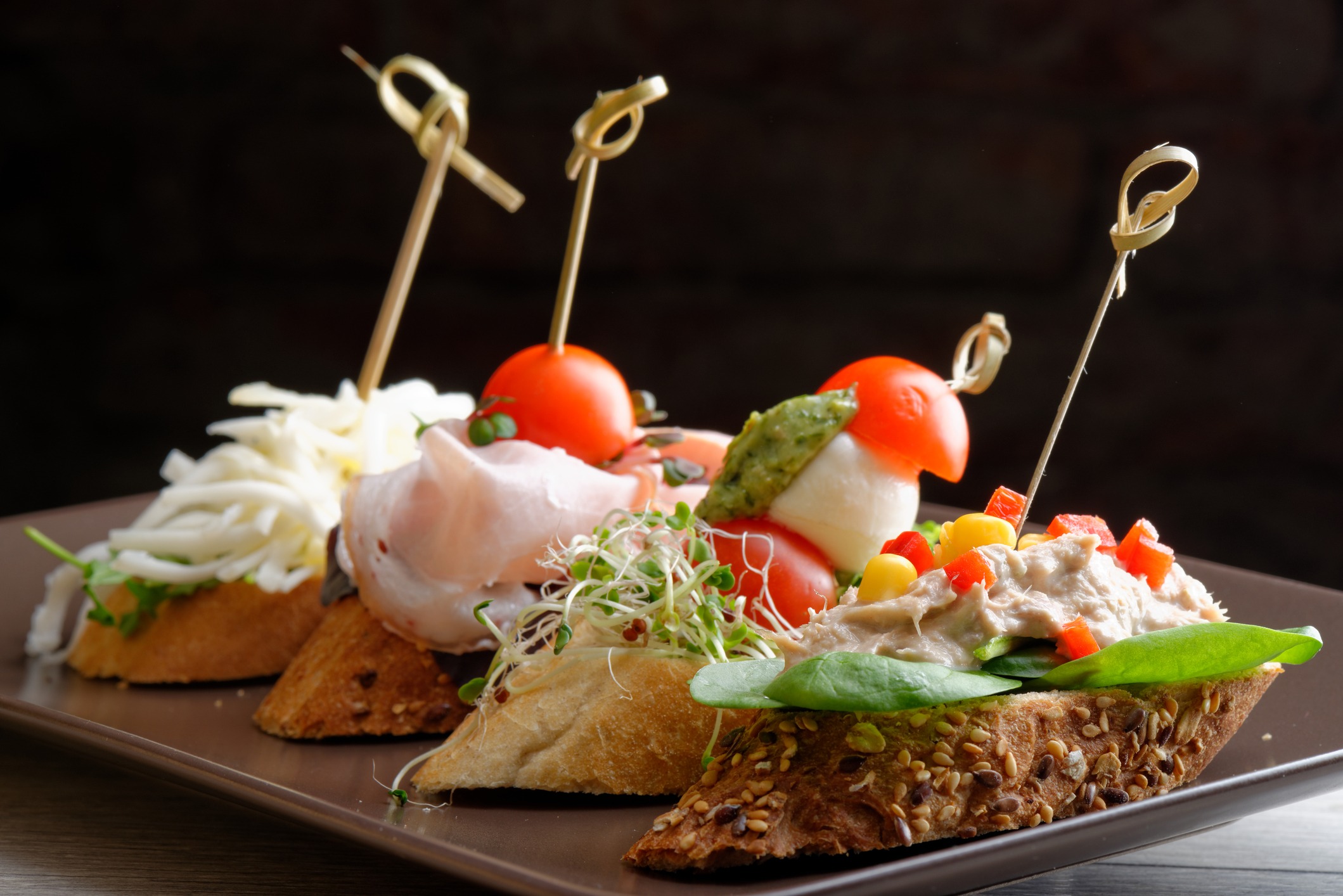
But here is the “secret” that keeps the Spanish healthy despite the late hour: they aren’t eating a three-course heavy meal before bed. Because the largest meal of the day is enjoyed at lunch (the comida), dinner is often just a series of lighter plates, or tapas.
This timing works in the context of the broader Mediterranean eating pattern – especially the combination of a substantial midday meal, lighter evening intake, and overall diet quality. Rather than “sleeping on a heavy stomach,” they are eating in a rhythm shaped by both environment and long-established habits.
It’s a lesson in listening to your body’s needs rather than following a rigid, artificial schedule. When you stop obsessing over the “perfect” time to eat and instead focus on the quality and portion of the food, the stress around dieting begins to melt away. This alignment with natural rhythms is often discussed as a key factor in circadian health, proving that when you eat can be just as important as what you eat.
4. This section is perfect for addressing that “American burnout” we touched on in the intro. In the U.S., the “afternoon slump” is usually met with a double espresso and a sense of guilt. In Spain, it’s treated as a biological necessity.
Here is the revised version, keeping that conversational, sophisticated tone and weaving the benefits directly into the narrative.
4. The Siesta: More Than Just a Midday Nap
Regular midday napping isn’t a sign of laziness; in Spain, it remains a culturally accepted practice. Some observational studies have linked regular daytime napping with lower rates of cardiovascular mortality, although results vary and depend on factors like duration, lifestyle, and overall sleep quality.
While many outsiders dismiss it as a relic of a slower era, the siesta is actually a brilliant response to the “afternoon slump.” In the U.S., the standard reaction to a 3:00 PM energy crash is a third cup of coffee or a sugary snack. As a note, I see the 3 PM energy crash more and more often in my life too. It is not something invented. The Spanish, however, do something much more radical: they lean into the slump.
The tradition was born from the necessity of escaping the peak afternoon heat, but even in our world of air conditioning, the practice of “shutting down” for 20 to 30 minutes remains a powerful habit. It isn’t always about falling into a deep sleep. Often, it’s simply about the act of resting – stepping away from the screen, closing the eyes, and letting the brain’s cognitive load reset.
5. The “Plaza” Life: Why Spanish Social “Tightness” is a Health Metric
In many U.S. neighborhoods, social interaction is something you have to schedule or drive to. In Spain, the architecture of the town does the work for you. Connection isn’t a chore; it’s the default setting.
Walk into any plaza and you’ll see it in action: the “Tertulias” – informal social circles that meet at the same café every morning – and grandparents sitting on benches for hours while children play nearby. My Spanish friends often explain that they don’t “make plans” in the way Americans do. They simply step outside, knowing they will run into three people they know before they reach the corner.
By the way: this was happening to me too when I had our beautiful Maxie (our metis Border Collie). When we took our daily walks (3), we knew that we would meet friends (usually people with dogs who were friends with Maxie). And yes, I would stop to chat a bit more – we had friends who loved our dog, and we would spend time with them when outside.
This constant, low-level social engagement is a major contributor to longevity. It keeps the brain sharp and the spirit high, regardless of age. While the U.S. often prioritizes privacy and “big box” convenience, Spain still relies heavily on these “tight” social circles, where people are far less likely to fade into the background.
6. The “Mercado” Mindset: Choosing Quality Over the “Big Box”
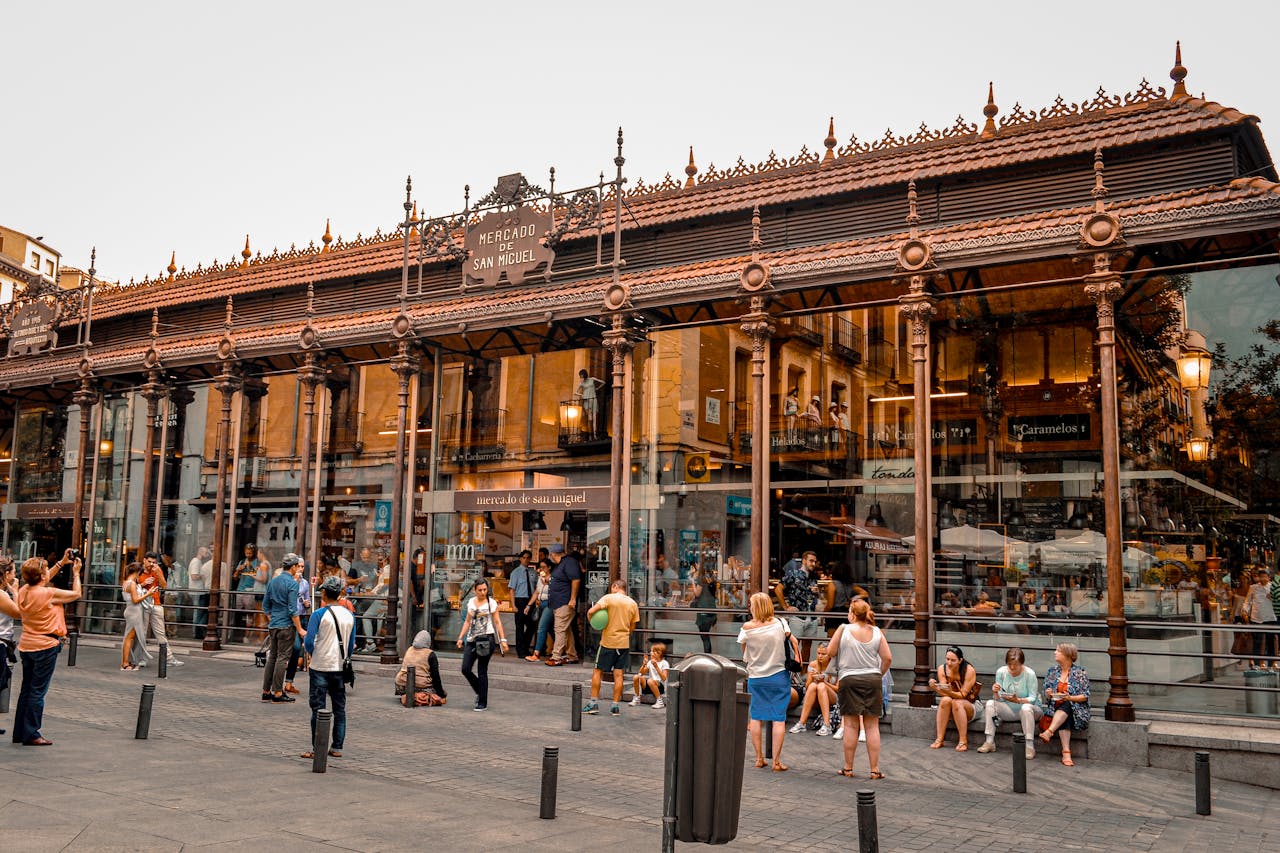
In the U.S., grocery shopping is often a once-a-week marathon – a single trip to a massive “big box” store to load up a car with enough frozen and preserved goods to last seven days. In Spain, the “Mercado” mindset still plays a visible role in daily life, even as modern supermarkets have become more common. People shop small, and they shop often.
When you walk into a local Spanish Mercado, you aren’t just checking off a list; you’re engaging with your food. You buy your bread from the baker who made it that morning, your fish from a monger who knows exactly where it was caught, and your vegetables from the farmer who pulled them from the ground yesterday.
This habit does two things for Spanish health that convenience stores simply can’t match:
- Natural Quality: Because the food is meant to be eaten within a day or two, it lacks the preservatives and stabilizers required for the long shelf-lives common in American pantries. You are eating food at its nutritional peak.
- The Shopping “Paseo”: Instead of a lonely walk through a warehouse, you have five or six social interactions before you’ve even finished your shopping.
This slower, more intentional way of gathering ingredients ensures that the Spanish kitchen is always stocked with quality, fresh fuel. It turns a chore into a community event, reminding us that eating well is about much more than just the calories on the plate – it’s about the freshness of the source and the people you meet along the way.
While large supermarkets are now part of everyday life across Spain, frequent small-scale shopping and a preference for fresh ingredients remain embedded in the culture.
7. “Liquid Gold”: The Spanish Obsession with Olive Oil
You cannot understand the Spanish kitchen without understanding the scale of their olive oil obsession. While many credit Italy for the world’s best oil, Spain is actually the largest producer of olive oil on the planet.
The Spanish don’t just “use” olive oil as a cooking medium; they treat it as a finishing sauce, a seasoning, and a health tonic. It is everywhere. You’ll see it in the Pan con Tomate at breakfast, where toasted bread is rubbed with garlic and drenched in oil, and you’ll see it as the final, shimmering drizzle on a piece of grilled fish or a bowl of Gazpacho.
This isn’t just about flavor. The abundance of monounsaturated fats is the backbone of the Mediterranean diet, providing a constant source of antioxidants that protect against heart disease and cognitive decline. Unlike the butter-heavy diets of the North or the processed seed oils common in the U.S., the Spanish rely on this “liquid gold” to keep their inflammation low and their energy stable.
These habits are part of what many experts describe as the Mediterranean lifestyle, one of the most consistently studied patterns linked to longevity.
How to “Spanish-ify” Your Life (Without Moving to Barcelona)
The beauty of the Spanish lifestyle is that it isn’t gatekept by geography. You don’t need a Mediterranean vista to reap the benefits of a slower pace; you just need to make a few intentional shifts in your daily rhythm. If you’re looking to trade the “live to work” grind for something more sustainable, start here:
- The 15-Minute Linger: After your last bite of dinner, stay at the table. Turn off the TV, put your phone in another room, and simply talk. Reclaiming those 15 minutes of Sobremesa can transform your digestion and your relationships.
- Reclaim the Evening Walk: You don’t need a gym membership to stay healthy. Make a “Paseo” part of your sunset routine. A simple 20-minute stroll after dinner does wonders for your blood sugar and helps clear the mental clutter of the workday.
- Make Lunch the Star: Whenever possible, try making your midday meal your largest. By shifting your calorie intake to the afternoon and keeping dinner light and social, you align your body with its natural energy cycles.
By embracing these small habits, we can all begin to move away from the constant hustle and toward a life that – quite literally – lasts longer. Spain’s rise to the top of the longevity charts isn’t a miracle; it’s a choice to prioritize joy, connection, and the simple act of slowing down.
Why do people in Spain live longer?
People in Spain tend to live longer due to a combination of daily habits, including regular walking, strong social connections, fresh food consumption, balanced meal timing, and a slower, less stressful pace of life.
Why Do People in Spain Live Longer? (FAQs About the Spanish Lifestyle)
Why do people in Spain live longer?
People in Spain tend to live longer due to a combination of daily habits, including regular walking, strong social connections, fresh food consumption, balanced meal timing, and a slower pace of life. These factors are associated with better heart health, lower stress, and overall longevity.
What makes the Spanish lifestyle so healthy?
The Spanish lifestyle emphasizes natural daily movement, social interaction, fresh ingredients, and structured meals. These habits support metabolic health, improve mental well-being, and help reduce long-term health risks.
Do people in Spain really have one of the highest life expectancies?
Yes. Spain consistently ranks among the countries with the highest life expectancy, and long-term projections suggest it could reach the top globally by 2040.
What is the Mediterranean lifestyle and why is it healthy?
The Mediterranean lifestyle refers to a way of living common in countries like Spain, combining fresh, minimally processed foods, regular walking, social meals, and a balanced daily rhythm. It is widely associated with improved cardiovascular health and longevity.
Is the Spanish diet the main reason for longevity?
Diet plays an important role, especially the use of olive oil, fresh produce, and balanced meals. However, longevity in Spain is also strongly linked to lifestyle habits such as daily movement, social connection, and lower stress levels.
What daily habits contribute most to longevity in Spain?
Daily habits that contribute to longevity in Spain include walking regularly, eating fresh and balanced meals, maintaining strong social connections, taking time to rest, and avoiding a constant high-stress lifestyle.
*source for the study stating Spain will beat Japan in longevity: https://www.theguardian.com/world/2018/oct/16/spain-to-beat-japan-2040-world-life-expectancy-league-table
More amazing articles for you:
The Nordic Morning Habits Americans Should Adopt to Live Happier, Longer, and Less Stressed Lives (I...
They Use This Trick to Get You to Say Yes - Learn to Spot It (And Use It the Right Way)
Hotel Bookings Incognito | Can I Really Save By Booking My Hotel Incognito?
We’ve Been Told to Vent Our Anger - But Science Says That Might Be Making It Worse
How Trust Influences Well-Being and Longevity, According to a Massive New Study
Check-in Chicken: The Viral Airline Seat Trick Could Score You a Better Seat - or Get You Bumped fro...
15 Signs You’re More Emotionally Intelligent Than You Think - Backed by Science
5 time-killing game apps to help you pass the time while travelling

Violeta-Loredana Pascal is a communications expert, business mentor, and the founder of Earth’s Attractions and PRwave INTERNATIONAL. A pioneer in the Romanian digital PR landscape since 2005, she holds a degree in Communication and Social Sciences from SNSPA Bucharest. Violeta is a senior trainer at AcademiadeAfaceri.ro, where she leverages over 20 years of experience to teach professional courses in PR strategy and workplace productivity. By blending high-level business consulting with a passion for holistic travel and wellness, she empowers solopreneurs to overcome procrastination, build profitable brands, and design a life of purposeful adventure.