
Italy offers everything from Rome’s ancient monuments and Florence’s art to Venice’s canals, the Amalfi Coast villages, Alpine lakes, and the beaches of Sicily and Sardinia. This guide brings together 100 famous places and lesser-known attractions across the country, organized by region so you can plan a geographically sensible trip.
If you are preparing for your first trip, start with Rome, Florence, and Venice, then choose a region to spend more time in. For cultural inspiration, explore our Italian proverbs and sayings, take the Italy trivia quiz, or enjoy our Italian food trivia. You can also read our France vs. Italy comparison.
The list starts with each region’s best-known sights and continues with smaller towns, landscapes, and experiences worth considering.
Rome, Vatican City and Lazio: Famous Places and Things to See

1. Colosseum, Rome
The Colosseum is Rome’s iconic ancient amphitheater, where gladiatorial contests drew enormous crowds nearly 2,000 years ago. Pair it with the Roman Forum and Palatine Hill to understand the ancient city beyond the arena. It also appears in our selection of must-visit attractions in Europe.
2. Pantheon, Rome
The Pantheon is an exceptionally preserved Roman monument, celebrated for its enormous concrete dome. Look up at the coffered dome and its open oculus, then explore the streets around Piazza della Rotonda.
3. Trevi Fountain, Rome

The Trevi Fountain is one of Rome’s most famous Baroque landmarks. Visit early for fewer crowds, and check current access rules before your trip.
For practical guidance on local restrictions, see our tourist fines and rules in Italy.
4. Piazza Navona, Rome
Bernini’s Fountain of the Four Rivers and the nearby churches make this a rewarding stop on a walking route through central Rome.
5. Vatican Museums, Vatican City
The Vatican Museums contain centuries of art, including the Sistine Chapel and Raphael Rooms. Reserve enough time for the museum galleries before reaching Michelangelo’s Sistine Chapel; Vatican City is a separate country within Rome.
6. Civita di Bagnoregio, Lazio:
A fairytale town perched on a crumbling cliff, reached only by footbridge. A pedestrian bridge leads to this hilltop village; check access conditions before setting out.
7. Civita di Arpino, Lazio:
A charming hilltop village off the beaten path, known for its ancient Cyclopean walls and peaceful atmosphere. The old fortified quarter and ancient walls make this a quieter alternative to Lazio’s major tourist stops.
Florence and Tuscany: Famous Places and Things to See

8. Florence Duomo, Florence:
Florence Cathedral dominates the city skyline with Brunelleschi’s remarkable Renaissance dome. The cathedral complex includes the baptistery and bell tower; book dome climbs in advance.
9. Uffizi Gallery, Florence:
The Uffizi Gallery is one of Italy’s leading art museums, home to celebrated Renaissance works. Reserve tickets ahead and allow time for Botticelli’s Birth of Venus and Primavera.
10. Ponte Vecchio, Florence:
The city’s most romantic bridge, lined with glittering jewelry shops over the Arno River. Walk across the bridge to the Oltrarno district, where artisan workshops and quieter streets await.
11. Pisa’s Leaning Tower, Pisa:

The Leaning Tower of Pisa is famous for its unmistakable tilt. The tower stands in Piazza dei Miracoli beside the cathedral and baptistery; climbing tickets are timed.
12. Siena’s Piazza del Campo, Siena:
A vast medieval square where the famous Palio horse race stirs centuries of rivalry. Climb toward the cathedral area for views over the fan-shaped square and medieval streets.
13. San Gimignano, Tuscany:
The “city of towers,” frozen in time and full of medieval charm (for many, one of the best hidden gems in Italy). The towers are the highlight, but the surrounding countryside makes this a worthwhile stop on a Tuscany road trip.
14. Val d’Orcia, Tuscany:
Rolling hills, cypress-lined roads, and postcard-perfect villages at every turn. Explore the landscape between Pienza, San Quirico d’Orcia and Montalcino for classic Tuscan hill views.
15. Lucca, Tuscany:
Walk or bike along its perfectly preserved Renaissance walls for views over terracotta rooftops. Its broad city walls form an easy walking and cycling circuit above the historic center.
16. Florence Boboli Gardens, Florence:
Green perfection behind the Pitti Palace, full of sculptures and fountains. These formal gardens offer terraces, sculptures, and views across Florence.
17. Pienza, Tuscany:
The ideal Renaissance town – every street seems designed for beauty and balance. This UNESCO-listed town is a natural stop when exploring the Val d’Orcia by car.
18. Montalcino, Tuscany:

Surrounded by vineyards that produce the legendary Brunello wine. Combine the fortress and medieval streets with views of the vineyards that produce Brunello di Montalcino.
19. Arezzo, Tuscany:
An artistic town with frescoes, antique markets, and Tuscan soul. Look for Piero della Francesca’s frescoes in the Basilica of San Francesco.
20. Arezzo countryside, Tuscany:
Small villages and rolling hills that inspired films and painters. Small towns and country roads around Arezzo suit a slower-paced Tuscan itinerary.
Venice and the Veneto: Famous Places and Things to See
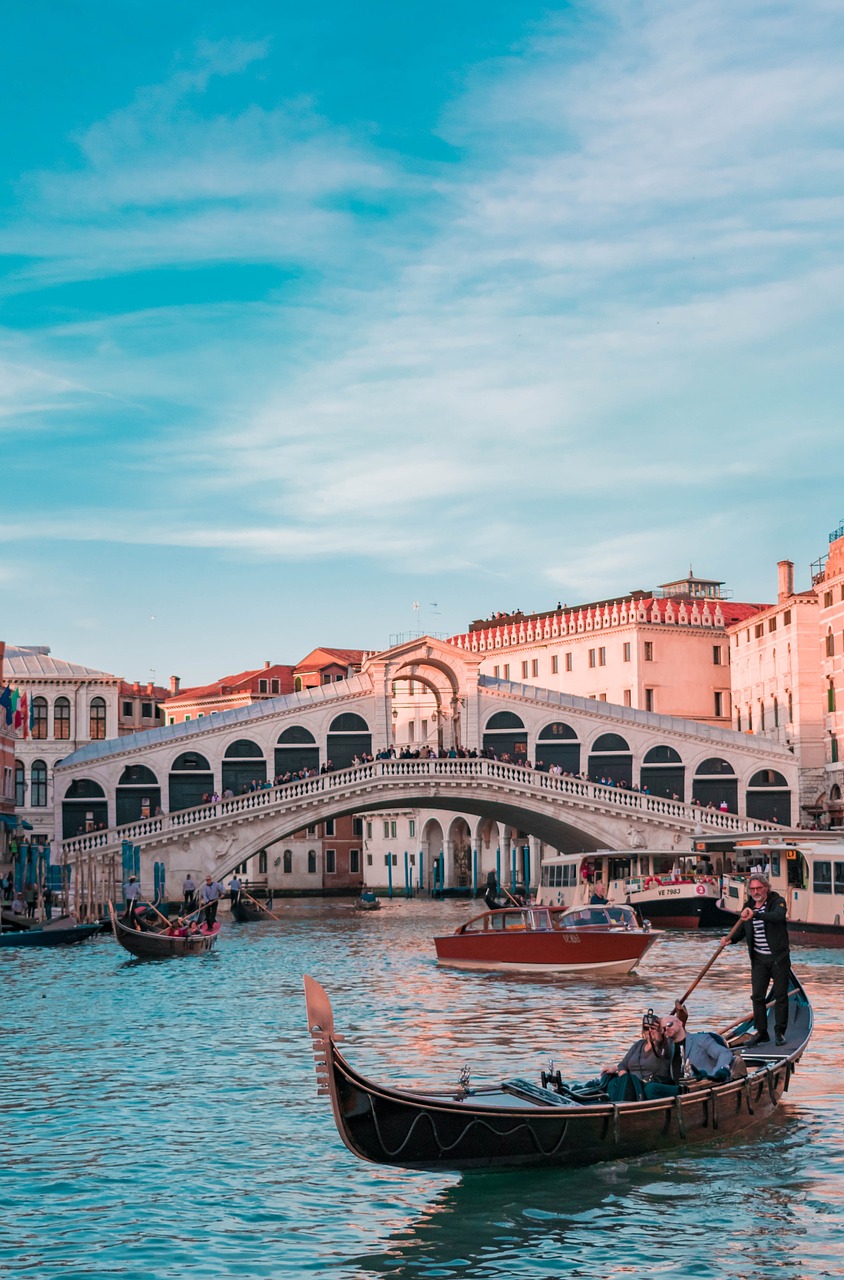
21. Venice Grand Canal, Venice:
Venice’s Grand Canal winds past historic palaces and under some of the city’s most recognizable bridges. A vaporetto ride along the Grand Canal is one of the easiest ways to admire the palaces lining the water.
22. St. Mark’s Basilica, Venice:
A golden wonder of mosaics and domes, shimmering in the lagoon light; it is one of the top tourist spots in Italy. Its glittering mosaics reward a close look; check the current booking arrangements before visiting.
23. Rialto Bridge, Venice:
Venice’s oldest bridge and a timeless spot to watch the city’s rhythm. Cross it on foot, then explore the Rialto market area and the small streets nearby.
24. Burano, Venice:

A kaleidoscope of colorful houses, lace-making traditions, and fishing boats. Take a boat from Venice and wander beyond the main waterfront to find more of the island’s colorful streets.
25. Murano, Venice:
Famous for its delicate glass art and island charm. Glassmaking demonstrations and workshops offer a different side of the Venetian lagoon.
26. Verona, Veneto:
City of Romeo and Juliet, ancient arenas, and romantic charm – perfect for your Italy trip! Explore Piazza delle Erbe and the Adige riverfront alongside the city’s Roman landmarks.
27. Arena di Verona, Verona:
A Roman amphitheater still alive with opera and summer concerts. Check the opera and concert schedule to experience the ancient arena in use.
28. Padua, Veneto:
Home to Giotto’s frescoes and Italy’s second-oldest university. The Scrovegni Chapel, home to Giotto’s frescoes, is the standout attraction; book in advance.
29. Cortina d’Ampezzo, Veneto:
Glamorous mountain resort with breathtaking ski slopes. Cortina is a useful base for exploring nearby Dolomite passes and mountain scenery in summer as well as winter.
Milan, Lombardy and the Italian Lakes: Famous Places and Things to See
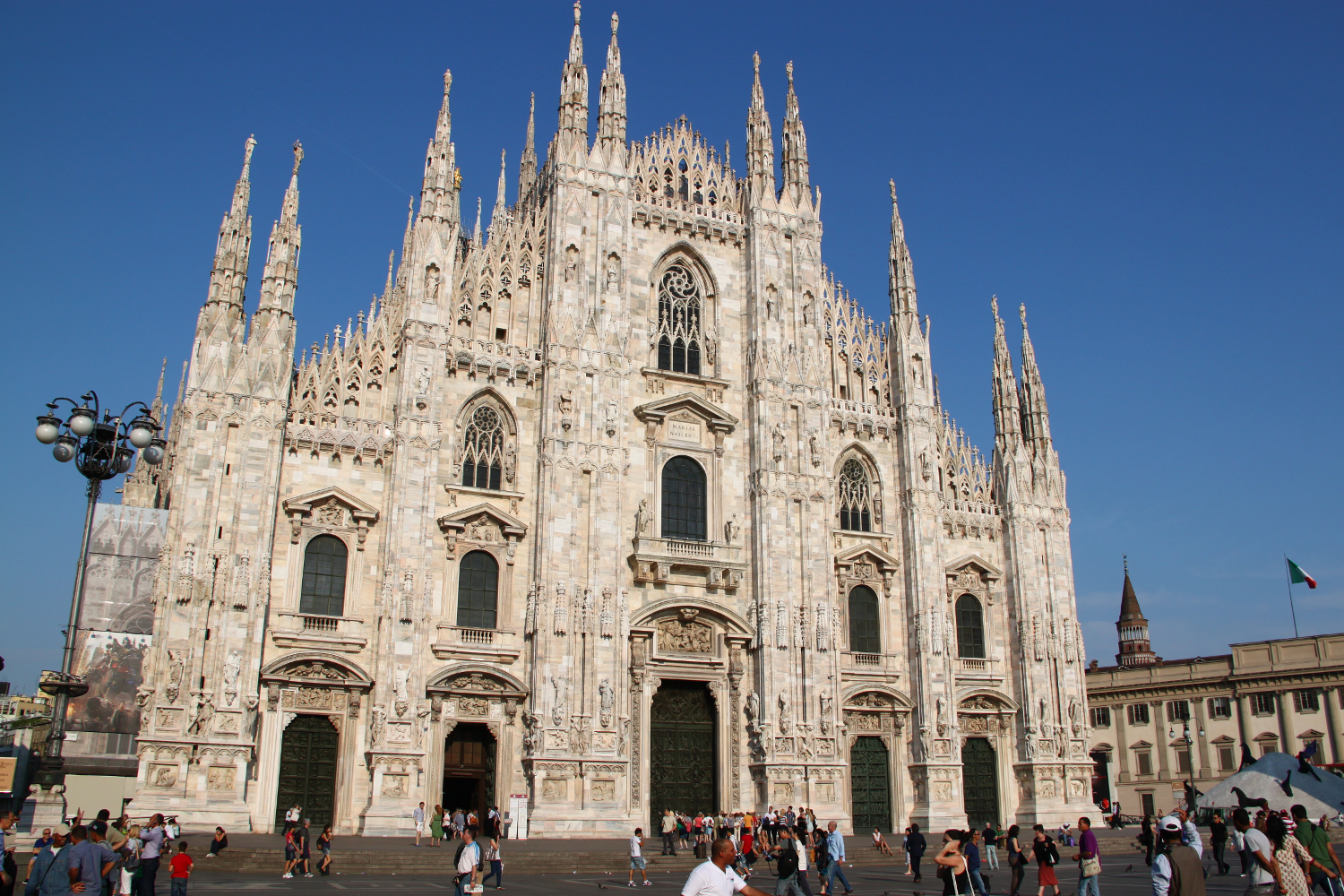
30. Milan Cathedral (Duomo di Milano), Milan:
Milan Cathedral is an elaborate Gothic landmark in the city center. The cathedral’s rooftop terraces offer close-up views of its elaborate marble spires.
Milan Cathedral is one of my husband’s favorite places in Italy.
31. Galleria Vittorio Emanuele II, Milan:
Italy’s oldest shopping arcade, filled with light and luxury. The glass-domed arcade connects Piazza del Duomo with Piazza della Scala, making it easy to visit on foot.
32. Brera District, Milan:
Artistic streets, cozy cafés, and a vibrant creative atmosphere. Combine the district’s streets and cafés with a visit to the Pinacoteca di Brera if you enjoy art.
33. Lake Como, Lombardy:
Lake Como combines mountain scenery, elegant villas and picturesque lakeside villages. Ferries connect several lakeside towns, so you can enjoy the scenery without a car.
34. Bellagio, Lake Como:

Often called “the pearl of the lake,” where romance meets luxury. Explore the waterfront, narrow lanes and gardens, then continue by ferry to another Lake Como village.
35. Varenna, Lake Como:
A quieter, authentic lakeside village with stone streets and flowered balconies. The lakeside promenade and ferry connections make Varenna a practical base for exploring central Lake Como.
36. Lake Garda, Lombardy/Veneto:
The largest Italian lake, perfect for sailing, swimming, and scenic drives. Choose a town based on your interests: southern shores for easy access, northern shores for mountain scenery.
37. Sirmione, Lake Garda:
A castle, Roman ruins, and thermal baths – all on a peninsula that feels enchanted. Visit the Scaligero Castle and the archaeological site known as the Grotte di Catullo.
38. Bergamo Alta, Lombardy:
A walled hilltop town where every corner feels cinematic. Ride the funicular to the upper town and walk its Venetian walls.
39. Mantua (Mantova), Lombardy:
Lakes, palaces, and Renaissance elegance without the crowds. The Palazzo Ducale and lakeside setting make Mantua a rewarding cultural stop.
40. Lake Maggiore and Isola Bella, Piedmont/Lombardy:
Elegant villas, lush gardens, and lakeside views that belong on every Italy bucket list. Visit the Borromean Islands by boat to see Isola Bella’s palace and formal gardens.
The Dolomites, Trentino-Alto Adige and the Aosta Valley: Famous Places and Things to See
41. Dolomites, Trentino-Alto Adige:
The Dolomites are known for jagged limestone peaks, mountain passes, and dramatic hiking scenery. The Dolomites cover a large area, so choose a base close to the valleys and trails you want to explore.
42. Trentino’s Val di Funes, South Tyrol:
Picture-perfect alpine valley framed by the Odle peaks – one of the most photographed spots in northern Italy. The Odle peaks and Santa Maddalena church form the valley’s famous mountain panorama.
43. Riva del Garda, Trentino:
Where the mountains kiss the lake, loved by climbers and windsurfers alike. This northern lakeside town is a great starting point for mountain walks and water sports.
44. Bolzano, South Tyrol:
A blend of Italian warmth and Austrian charm at the gateway to the Dolomites. The South Tyrol Archaeological Museum, home to Ötzi, is a major reason to stop in Bolzano.
45. Aosta, Aosta Valley:
Ancient Roman ruins framed by snow-covered Alps. Roman ruins, including an ancient theater, sit within walking distance of Aosta’s old streets.
46. Gran Paradiso National Park, Aosta Valley:
Pristine alpine scenery and ibex sightings guaranteed. Trail access and conditions vary by season; this protected alpine park is known for mountain landscapes and wildlife.
Piedmont, Liguria and the Italian Riviera: Famous Places and Things to See
47. Cinque Terre Trails, Liguria:
The Cinque Terre coastal paths connect colorful villages and offer memorable views of the Ligurian coastline. Trail sections and access can change; check official park information before planning a coastal hike.
48. Portofino, Liguria:

A glamorous seaside town with a tiny harbor, pastel houses, and luxury yachts – pure Italian Riviera magic. The small harbor and colorful waterfront are the main sights, with scenic walks above the village.
49. Camogli, Liguria:
A peaceful alternative to busy Portofino, full of fishing boats, local flavor, and photogenic charm. A waterfront promenade and tall painted houses make Camogli an appealing Ligurian stop.
50. Turin, Piedmont:
Elegant arcades, royal palaces, and the best hot chocolate in Italy. See Piazza Castello and the Mole Antonelliana, then enjoy the city’s historic cafés.
51. Lake Orta and Orta San Giulio, Piedmont:
A romantic, overlooked lake with an island monastery. Take time for the village of Orta San Giulio and views across the water toward Isola San Giulio.
52. Alba, Piedmont:
Capital of white truffles and Barolo wine, perfect for food lovers. Alba is an excellent base for visiting the Langhe hills, especially during the autumn truffle season.
Emilia-Romagna and Friuli Venezia Giulia: Famous Places and Things to See
53. Bologna, Emilia-Romagna:
Food capital of Italy – tortellini, tagliatelle, porticoes, and passion. See Piazza Maggiore and the city’s famous porticoes, then make time for a traditional meal. For more ideas, read our complete Bologna guide. My husband has visited the city several times for work.
54. Ravenna, Emilia-Romagna:
Shimmering Byzantine mosaics that seem to glow from another world. The Basilica of San Vitale and Mausoleum of Galla Placidia are famous for their remarkable mosaics.
55. Modena, Emilia-Romagna:
Where fast cars (Ferrari!) meet fine cuisine and aged balsamic vinegar. The Enzo Ferrari Museum and traditional balsamic vinegar producers appeal to very different interests.
56. Parma, Emilia-Romagna:
Elegant and musical, famous for Parmesan cheese and opera heritage. Visit the cathedral and food shops, and consider a guided visit to a cheese producer nearby.
57. Ferrara, Emilia-Romagna:
A Renaissance city surrounded by walls and noble palaces. Walk the Renaissance streets and visit the Este Castle at the heart of the city.
58. Parma countryside, Emilia-Romagna:
Rolling hills, family-run dairies, and vineyards producing some of Italy’s most delicious food. Food-focused visits can include dairies and producers, usually arranged in advance.
59. Trieste, Friuli Venezia Giulia:
A fascinating port city blending Italian, Austro-Hungarian, and Slavic influences – a true hidden gem in northern Italy. Piazza Unità d’Italia opens toward the sea, while the city’s cafés reflect its Central European history.
60. Miramare Castle, near Trieste:
A fairytale white castle overlooking the Adriatic Sea, surrounded by lush gardens and timeless elegance. The white seaside castle and landscaped park are an easy excursion from Trieste.
61. Udine, Friuli Venezia Giulia:
A lively yet underrated city with Venetian-style architecture and a beautiful castle on a hill. Piazza della Libertà and the hilltop castle are good starting points for exploring the city.
62. San Daniele del Friuli, Friuli Venezia Giulia:
A quiet town world-famous for its delicate prosciutto and authentic Italian charm. Visit for its food heritage and small-town atmosphere, especially if touring Friuli by car.
Umbria and Central Italy: Famous Places and Things to See
63. Assisi, Umbria:
Peaceful hill town known for St. Francis. The Basilica of San Francesco is the major landmark, with celebrated frescoes and far-reaching views.
64. Spello, Umbria:
Flower-covered streets that burst with color every spring and summer. The flower-filled lanes are lovely for a short stroll, especially around the historic center.
65. Perugia, Umbria:
An Etruscan city with deep history, lively cafés, and chocolate festivals. Ride the MiniMetrò or escalators up toward the old town and Piazza IV Novembre.
66. Gubbio, Umbria:
A lesser-known medieval gem with winding lanes and mountain views. The Piazza Grande and Palazzo dei Consoli reward visitors willing to explore Umbria beyond its busiest towns.
Naples, the Amalfi Coast and Campania: Famous Places and Things to See
67. Amalfi Coast, Campania:
The Amalfi Coast is famous for its cliffside villages, coastal views and winding roads. The coastal road is scenic but busy; ferries and local transport can be more practical in peak season.
68. Positano, Amalfi Coast:
Pastel houses cascading toward the sea – pure Mediterranean magic. Steep lanes and stairways connect the beach with the hillside streets, so allow time to explore.
69. Pompeii, near Naples:
Pompeii preserves streets, homes, and public buildings from a Roman city buried by the eruption of Mount Vesuvius. Allow several hours for the extensive archaeological site, and plan for walking on exposed areas.
70. Naples, Campania:
Chaotic, authentic, bursting with energy and flavor. Explore the historic center, waterfront and archaeological museum, and leave time for Neapolitan pizza.
71. Capri, Bay of Naples:
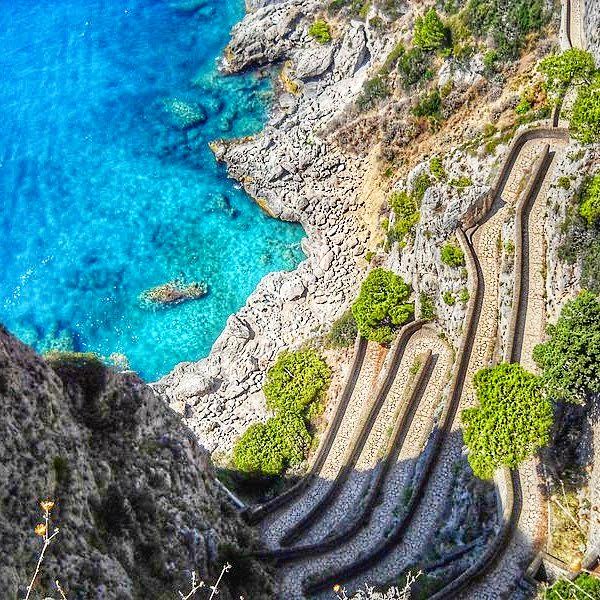
Cliffs, grottos, and that dolce vita allure – My friend Mirela loves this part of Italy! Take a boat from Naples or Sorrento and allow time for the island beyond the busiest harbor area.
See more in our Capri photo guide, inspired by a friend who loves this part of Italy.
72. Blue Grotto, Capri:
Glowing turquoise light inside a sea cave like no other. Access depends on sea conditions, so keep plans flexible.
73. Ravello, Amalfi Coast:
Peaceful gardens with unforgettable coastal views. Villa Rufolo and Villa Cimbrone are known for their gardens and dramatic coastal views.
74. Amalfi, Campania:
Once a maritime powerhouse, now a lively seaside gem. Visit the cathedral in the town center and explore the waterfront before continuing along the coast.
75. Mount Vesuvius, Campania:
The volcano that shaped history and still looms above Naples. Check official access conditions before planning a crater visit; weather or restrictions may affect routes.
76. Caserta Palace, Campania:
A royal masterpiece often called the “Italian Versailles”. The vast palace interiors and formal park merit several hours, making Caserta a worthwhile excursion from Naples.
77. Paestum, Campania:
Greek temples standing silent in golden fields. Three remarkably preserved Greek temples are the highlight of this archaeological park south of Salerno.
Puglia and Basilicata: Famous Places and Things to See
78. Matera, Basilicata:
Matera is famous for the Sassi, historic neighborhoods of cave dwellings carved into the rock. The Sassi cave districts and panoramic viewpoints are the highlights; comfortable shoes help on steep stone lanes.
79. Alberobello, Puglia:

Alberobello is known for its traditional trulli, small whitewashed buildings with conical stone roofs. Walk through the Rione Monti and Aia Piccola districts to see the distinctive trulli buildings.
80. Polignano a Mare, Puglia:
Clifftop town with turquoise waters and dramatic sea caves. Lama Monachile beach sits between high cliffs, while the old town overlooks the Adriatic.
81. Lecce, Puglia:
The “Florence of the South,” famous for its ornate Baroque architecture. Look closely at the intricately carved façades of churches such as the Basilica di Santa Croce.
82. Ostuni, Puglia:
The white city shimmering above endless olive groves. Its whitewashed historic center rises above the olive groves, making it a great stop on a Puglia road trip.
83. Otranto, Puglia:
Seaside charm and a cathedral floor made of medieval mosaics. The cathedral’s medieval floor mosaic is a highlight, along with the town’s seafront walls.
84. Gallipoli, Puglia:
An island old town with sunset views and vibrant nightlife. The historic center sits on an island connected to the mainland, with waterfront walks and nearby beaches.
85. Castel del Monte, Puglia:
Mysterious octagonal fortress built by Emperor Frederick II. The castle’s unusual eight-sided design is why you should visit this UNESCO-listed landmark.
86. Trani, Puglia:
A Romanesque cathedral overlooks a calm Adriatic harbor. The Romanesque cathedral beside the harbor is one of Puglia’s most memorable waterfront landmarks.
87. Matera Cathedral, Basilicata:
A commanding symbol above the stone labyrinth of the Sassi. The cathedral stands above the Sassi, offering views across Matera’s stone neighborhoods.
Sicily: Famous Places and Things to See
88. Palermo, Sicily:
Palermo brings together Norman, Arab and Baroque influences, historic markets and Sicilian food. The Norman Palace, Palermo Cathedral and lively markets make the city an excellent cultural base. Staying in the city? Consider these day trips from Palermo.
89. Taormina, Sicily:
Ancient theater with one of the world’s best views. On clear days, the ancient Greek theater frames views of the coastline and Mount Etna.
90. Mount Etna, Sicily:
Europe’s highest active volcano and an otherworldly landscape. Excursion routes and access depend on volcanic activity and weather; use current official guidance.
91. Syracuse and Ortigia, Sicily:
Baroque streets, sea views, and ancient Greek roots. Walk Ortigia’s waterfront and Piazza del Duomo, then visit the archaeological park on the mainland.
92. Agrigento’s Valley of the Temples, Sicily:

Majestic ruins glowing in the Sicilian sun. The Temple of Concordia is a highlight; the large archaeological park needs time and sun protection.
93. Cefalù, Sicily:

Laid-back coastal beauty backed by a dramatic rock. Explore the old streets between the beach and the Norman cathedral, with La Rocca rising behind the town.
94. Monreale Cathedral, Sicily:
Golden mosaics rival those of any in Europe. The cathedral’s vast golden mosaics are the main attraction and pair well with a visit to Palermo.
95. Aeolian Islands, Sicily:
Volcanic isles where time slows, and sunsets burn red. The islands offer a range of experiences, from coastal villages to volcanic landscapes and boat trips.
96. Pantelleria, Sicily:
Wild, wind-carved island of lava cliffs and hot springs. This remote island rewards visitors interested in volcanic scenery, swimming spots and a slower pace.
Sardinia: Famous Places and Things to See
97. Sardinia’s Costa Smeralda, Sardinia:
Turquoise waters and luxury meets wilderness. Explore beyond the best-known resorts to discover coves and beaches along northeastern Sardinia.
98. La Maddalena Archipelago, Sardinia:
Dreamy islands perfect for boat hopping and snorkeling. Boat trips reveal small islands and turquoise bays, with access subject to local protections.
99. Cagliari, Sardinia:
Colorful capital overlooking the sea, full of character and history. The Castello district offers historic streets and viewpoints above the city and harbor.
100. Alghero, Sardinia:
Catalan influences, cobblestone streets, and golden sunsets. Walk the old walls and waterfront, then consider nearby beaches or the Neptune’s Grotto excursion.
Where to Go in Italy Based on Your Interests
Ancient history and archaeology
Colosseum, Rome, Pantheon, Rome, Pompeii, near Naples, Paestum, Campania, Agrigento’s Valley of the Temples, Sicily.
Art and architecture
Florence Duomo, Florence, Uffizi Gallery, Florence, St. Mark’s Basilica, Venice, Milan Cathedral (Duomo di Milano), Milan, Ravenna, Emilia-Romagna.
Beaches and islands
Amalfi Coast, Campania, Capri, Bay of Naples, Sardinia’s Costa Smeralda, Sardinia, La Maddalena Archipelago, Sardinia, Cefalù, Sicily.
Small towns and villages
San Gimignano, Tuscany, Civita di Bagnoregio, Lazio, Spello, Umbria, Alberobello, Puglia, Camogli, Liguria.
Mountains and nature
Dolomites, Trentino-Alto Adige, Trentino’s Val di Funes, South Tyrol, Gran Paradiso National Park, Aosta Valley, Mount Etna, Sicily, Lake Como, Lombardy.
Food and local culture
Bologna, Emilia-Romagna, Modena, Emilia-Romagna, Parma, Emilia-Romagna, Alba, Piedmont, Palermo, Sicily.
Family trips
Venice Grand Canal, Venice, Lake Garda, Lombardy/Veneto, Pisa’s Leaning Tower, Pisa, Alberobello, Puglia, Cagliari, Sardinia.
How to Choose Which Parts of Italy to Visit
5 days: Focus on one city and nearby excursions, such as Rome with a day trip, or Florence with a little time in Tuscany.
7 days: Choose Rome and Florence, Venice and the lakes, or a single region like Puglia or Sicily.
10 days: Rome, Florence, and Venice make a classic first-time itinerary with sensible travel time between cities.
14 days: Combine the classic cities with a slower regional stay, such as Tuscany, the Amalfi Coast or the Italian Lakes. Sicily and Sardinia can also fill a full trip on their own.
High-speed trains are useful between major cities, while a rental car can help with rural villages and countryside routes. Always check seasonal transport, opening times and reservations for major sights before you travel.
Frequently Asked Questions About Visiting Italy
What are the most famous attractions in Italy?
The Colosseum, Vatican Museums, Florence Cathedral, Leaning Tower of Pisa, Venice’s Grand Canal and Milan Cathedral are among the country’s most recognizable sights. Pompeii and the Amalfi Coast are also major highlights.
How many days do you need in Italy?
Seven to ten days can cover a few major destinations, while two weeks gives you more room to explore beyond the big cities. Italy’s regions are varied enough to reward several separate trips.
When is the best time to visit Italy?
Spring and autumn often offer comfortable sightseeing weather in many regions. Summer brings longer days and busy coastal destinations, while mountain and island conditions vary considerably by season.
Is it better to travel around Italy by train or car?
Trains are convenient between major cities such as Rome, Florence, Bologna, Milan and Venice. A car can be useful in rural Tuscany, parts of Puglia and other countryside destinations, though city driving and restricted-traffic zones require care.
What are some lesser-known places to visit in Italy?
Consider Spello, Gubbio, Lake Orta, Camogli, Udine and Civita di Arpino if you want to explore beyond the country’s headline attractions.
Conclusion
Italy rewards travelers who mix the famous sights with time for smaller towns and regional discoveries. Use these 100 places to choose a route that fits your interests, and give yourself time to enjoy each destination.

Photo sources (except Capri, Milan Duomo): 1, 2, 3, 4, 5, 6, 7, 8, 9, 10, 11, 12
More amazing articles for you:
Put Your Phone in One of These Places and You May Walk Away Without It - I Did
Just When You Think Airplane Behavior Can’t Get Any Worse - These Passengers Prove You Wrong
Your Brain Is Wired to Remember the Worst Moments - And the Reason Is Wilder Than You Think
What It’s Really Like in Minneapolis–Saint Paul: Music, Markets, and Magic Only Locals Know
Feeling Drained? Here’s What Chronic Stress Does to Your Body - and 14 Proven Ways to Fix It
If Your Home Always Feels Cluttered No Matter What You Do, Try This Weekend Reset
These Small Behaviors Make You Magnetic - Before You Say a Word
Science-Backed Mental Habits That Can Help You Live Longer - Which One Are You Using?

Violeta-Loredana Pascal is a communications expert, business mentor, and the founder of Earth’s Attractions and PRwave INTERNATIONAL. A pioneer in the Romanian digital PR landscape since 2005, she holds a degree in Communication and Social Sciences from SNSPA Bucharest. Violeta is a senior trainer at AcademiadeAfaceri.ro, where she leverages over 20 years of experience to teach professional courses in PR strategy and workplace productivity. By blending high-level business consulting with a passion for holistic travel and wellness, she empowers solopreneurs to overcome procrastination, build profitable brands, and design a life of purposeful adventure.