
Don’t let a momentary pause to admire a fountain turn into a $300 mistake you’ll regret later!
Europe’s most famous destinations are introducing new rules to manage overtourism – and some tourists are discovering them the hard way.
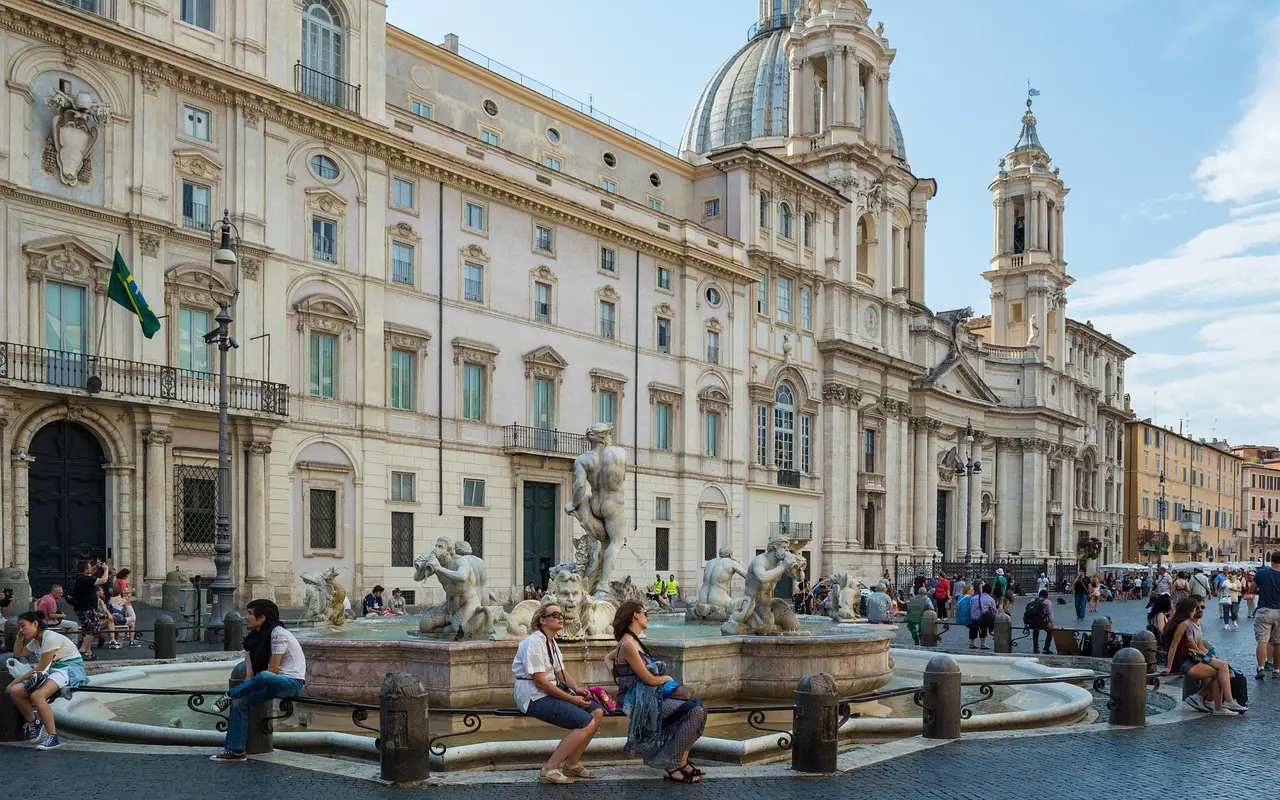
In several popular cities, stopping in the wrong place, sitting on a monument, or blocking a narrow historic street can lead to unexpected fines.
These regulations aren’t aimed at ordinary sightseeing. Instead, they’re designed to prevent crowd bottlenecks, protect historic sites, and keep daily life functioning in places that receive millions of visitors each year. In response, several cities have introduced “urban decorum” regulations designed to keep busy historic centers functioning for both residents and visitors.
In this guide, I explain the specific places where stopping in the wrong spot can get you into trouble, why these rules exist, and how to enjoy Europe’s beauty without unexpectedly breaking the bank.
What Constitutes ‘Lingering’?
To be clear, these regulations are not aimed at the average tourist taking a quick photo. They are directed at persistent, group-based obstruction.
If you are part of a large tour group blocking a narrow street, setting up tripods that impede pedestrian traffic, or loitering in designated ‘Red Zones’ despite clear signage, you are crossing the line from visitor to an obstacle. Understanding the difference is the key to a stress-free trip.
The Root of the Rule: “Anarchic Chaos” and Public Safety
The primary driver behind these “keep moving” mandates isn’t a desire to rush tourists, but a necessity to prevent what Portofino’s mayor famously called “anarchic chaos.”
When thousands of visitors converge on a narrow street, a historic bridge, or a panoramic viewpoint, the natural human impulse is to stop, admire, and capture the moment. However, when everyone does this simultaneously, it creates:
- Gridlock: Pedestrian traffic grinds to a halt, making it impossible for others to pass.
- Safety Hazards: Blocked pathways can hinder emergency services like ambulances and fire trucks.
- Local Disruption: Residents trying to go about their daily lives – commuting, shopping, or simply walking – find their cities impassable.
These “no-lingering” laws are a proactive measure to maintain order and preserve the quality of life for locals, even amidst overwhelming tourist numbers.
European Cities Where Tourists Can Be Fined for Lingering
Several European cities have introduced rules designed to keep historic streets and viewpoints from becoming overcrowded – and visitors who ignore them may face fines. Let’s dive into the specific destinations where these rules are most rigorously enforced.
1. Portofino, Italy: The Pioneer of the “No-Waiting Zones”
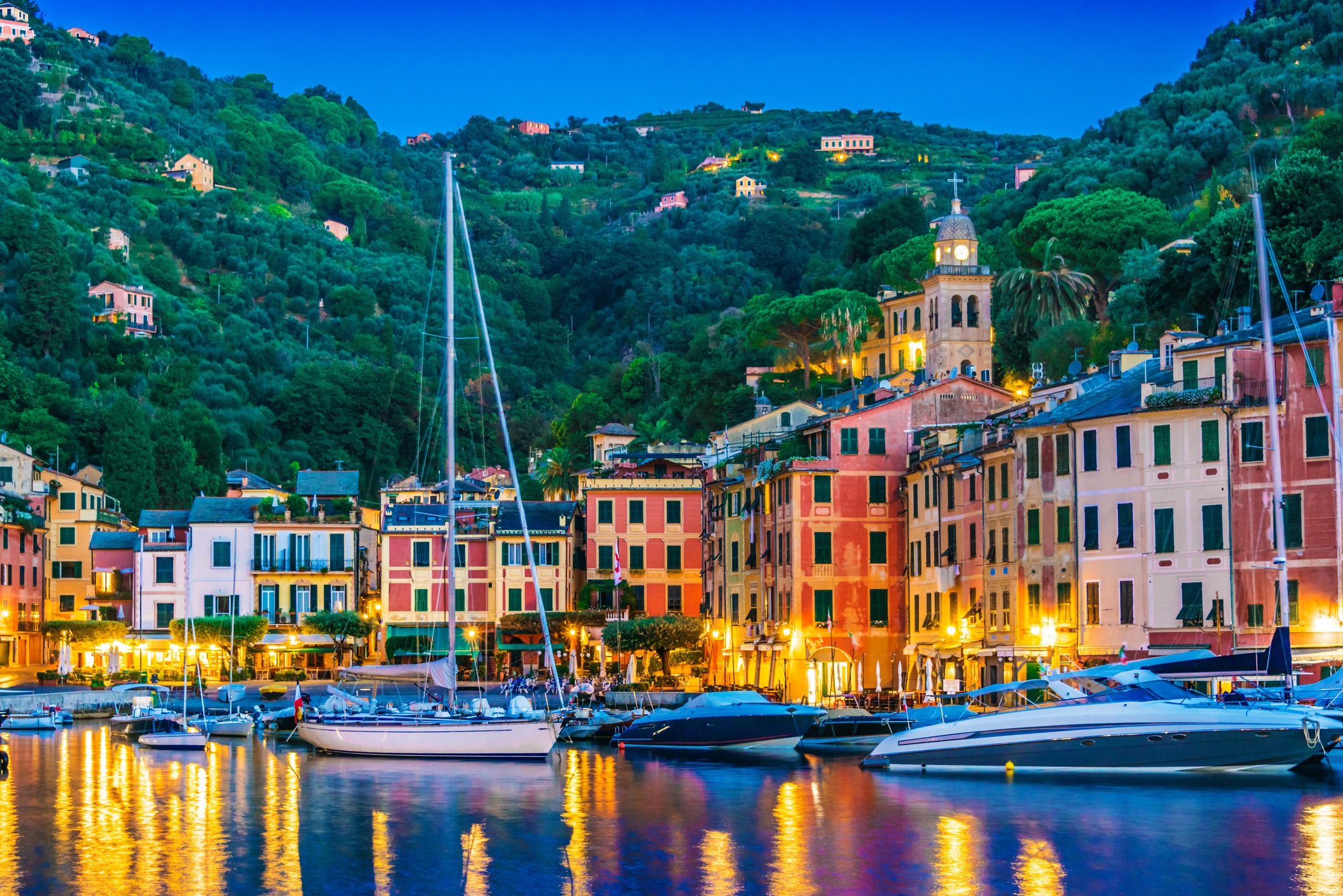
ID 127233992 ©Monticelllo | Dreamstime.com
Portofino, this jewel of the Italian Riviera, is famous for its picturesque harbor, pastel-colored houses clinging to the hillsides, and its status as a luxurious retreat for the rich and famous. Its small size and stunning beauty make it incredibly vulnerable to overtourism, especially during peak season.
The town created clearly marked “no-waiting zones” in its busiest photo spots. During peak hours (roughly 10:30 AM–6:00 PM), visitors are expected to keep moving rather than stop in the middle of the walkway for photos.
The rule targets crowd bottlenecks – particularly tour groups stopping for photos – rather than quick snapshots.
The mayor said the rules were introduced to prevent what he described as “anarchic chaos” during peak hours, when thousands of visitors gather in the harbor area.
The Fine: Getting caught dawdling in a “red zone” in Portofino can result in a fine ranging from €68 to €275 (approximately $75 – $300 USD). Police actively patrol these areas during peak times.
2. Venice, Italy: Navigating the Floating City’s Flow
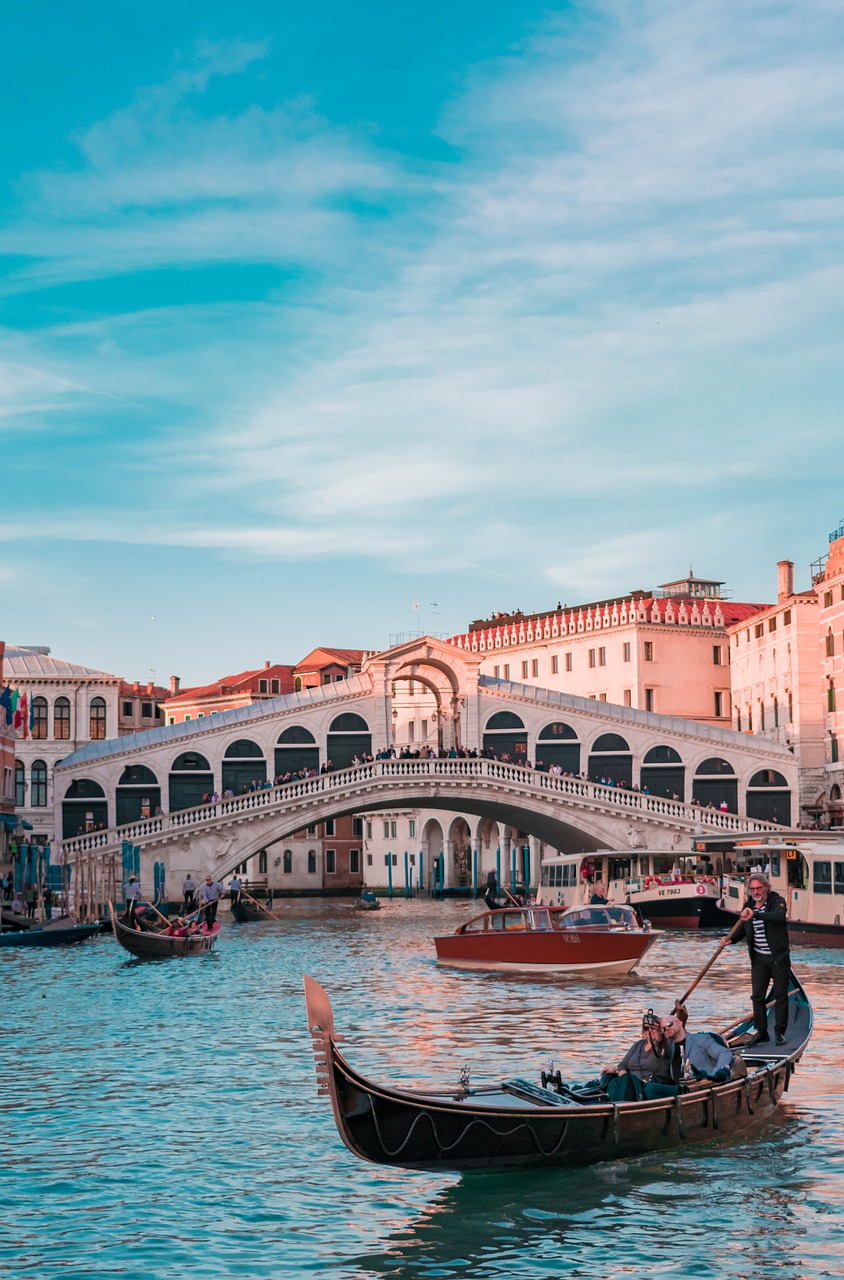
A UNESCO World Heritage site, Venice is a unique city built on more than 100 small islands in a lagoon, connected by canals and bridges. Its stunning architecture, gondolas, and romantic ambiance attract millions, but its delicate infrastructure struggles with the sheer volume of visitors.
While Venice doesn’t have explicit “no-selfie zones” like Portofino, its extensive “urban decorum” laws are enforced to prevent behaviors that obstruct pedestrian flow.. This includes:
- Sitting on steps, especially on bridges (like the Rialto) or at major monuments, this is strictly forbidden.
- Lying down on benches, public squares, or the ground is also a definite no-go.
- Blocking narrow calli (streets) or bridges in ways that obstruct pedestrian flow.
These rules are critical for Venice, where narrow pathways and bridges are the primary means of transport. Blockages can quickly cause significant congestion and even pose risks during emergencies. The city’s bylaws are designed to preserve public order and the dignity of the city.
The Fine: Fines for obstructing pathways or sitting in prohibited areas in Venice generally range from €100 to €200 (approximately $110 – $220 USD), with some offenses reaching higher amounts.
3. Rome, Italy: Respecting Ancient Pathways and Piazzas
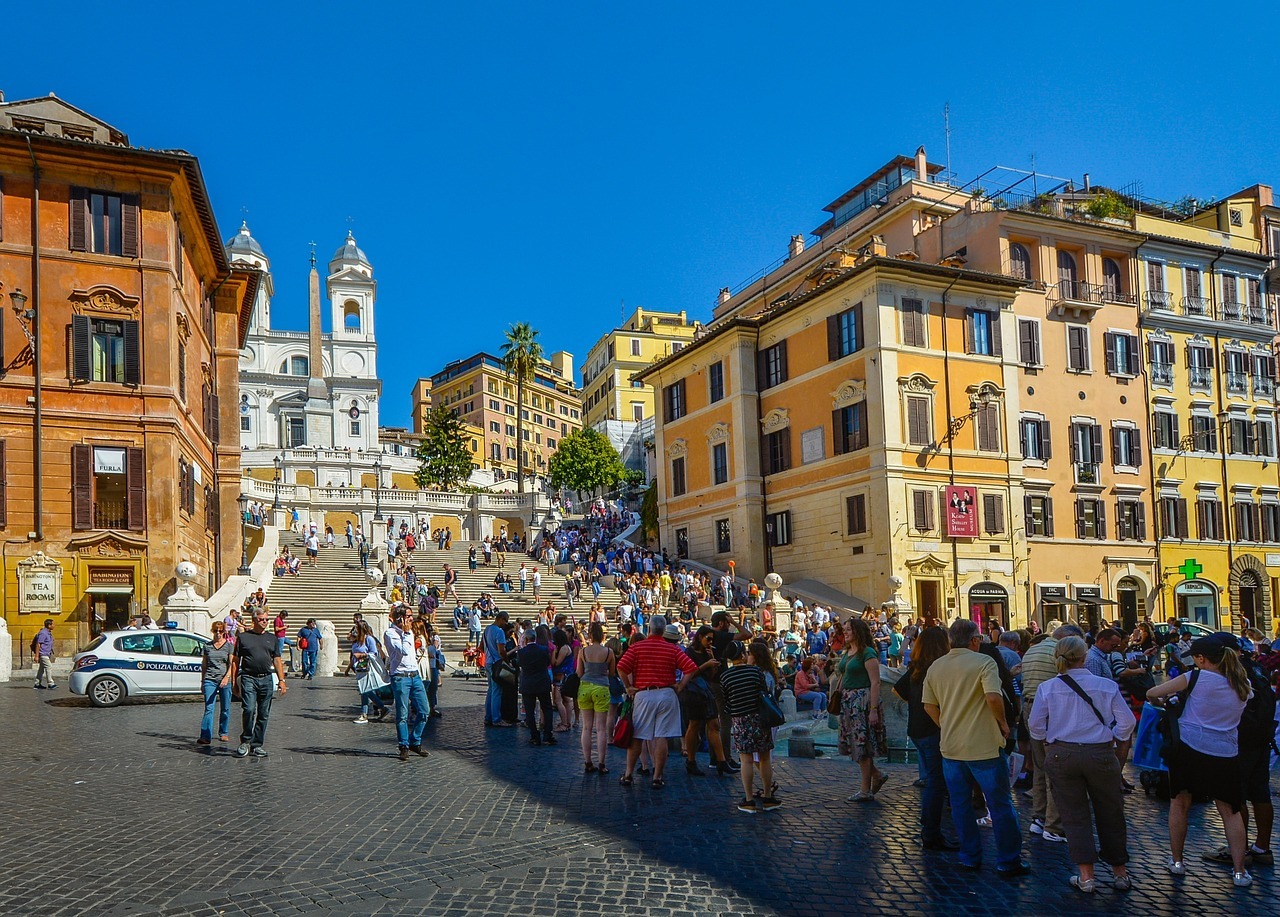
The Eternal City is a treasure trove of ancient history, from the Colosseum and Roman Forum to the Pantheon and Vatican City. Its historic center is another UNESCO World Heritage site, famous for its grand piazzas, fountains, and cobbled streets.
Rome‘s “decorum law” is comprehensive and frequently enforced, targeting behaviors that disrespect the city’s heritage and create congestion. While most famous for banning sitting on the Spanish Steps, it also applies to:
- Sitting, eating, or resting on protected monuments – especially the Spanish Steps – is prohibited.
- Blocking passages around major attractions: Police often move people along if they block busy walkways around major attractions such as the Pantheon or Piazza Navona.
- Eating and drinking in prohibited areas: While not strictly “lingering,” doing so often involves stopping, and is specifically prohibited near historic fountains and monuments.
The sheer age and fragility of Rome’s monuments require strict protection. Furthermore, the immense number of tourists necessitates clear pathways to manage crowds and allow access for both visitors and residents.
BTW: Many surprising tourist fines in Italy can instantly wreck a budget!
The Fine: Fines for infractions in Rome, including sitting on monuments or engaging in other forms of disruptive lingering, typically range from €250 to €400 (approximately $270 – $440 USD).
4. Amsterdam, Netherlands: Keeping the Canals Clear
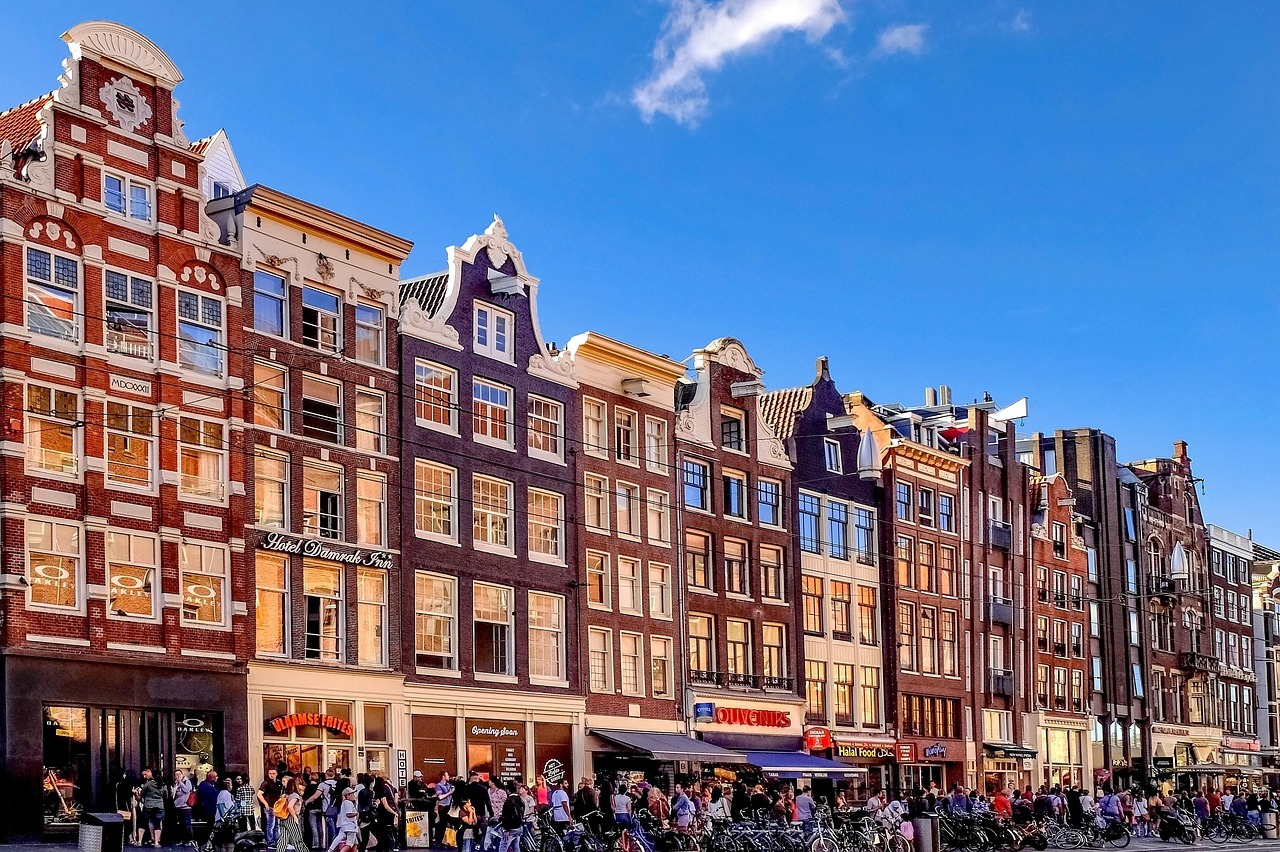
Known for its elaborate canal system, artistic heritage, narrow gabled houses, and vibrant cultural scene, Amsterdam is a major European capital. Its charming, compact city center and unique waterways are immensely popular.
While less about explicit “fines for standing still” and more about active crowd management, Amsterdam’s crowd managers and police often ask visitors to keep moving in busy areas such as canal bridges or narrow streets. Ignoring police instructions or blocking traffic can lead to fines under general public-order regulations.
Police and official crowd managers will often instruct groups to keep moving:
- On canal bridges: These are often choke points for both pedestrians and cyclists.
- In narrow shopping streets: Particularly in areas like the Nine Streets or the Jordaan district.
- Around popular viewpoints: Near the Anne Frank House or major museums, lingering can quickly cause bottlenecks.
Amsterdam is a city where bicycles are king, and swift movement is part of the local culture. Blockages on bike paths or narrow pedestrian zones can lead to accidents and significant frustration for residents. The focus is on maintaining accessibility and smooth traffic flow for all.
The Fine: While direct fines for simply “standing still” are less common than in Italy, ignoring instructions from police or official crowd managers to move along could lead to fines for public disturbance or obstructing traffic, which can lead to fines under general public-order regulations.
Beyond the Fines: The Broader Context of Responsible Travel
These “no-lingering” laws are part of a larger trend in responsible tourism. Cities are increasingly implementing measures to protect their heritage and ensure sustainability. These include:
- “Suitcase Rules”: Some historic cities, including Dubrovnik and several Italian destinations, have introduced restrictions or fines related to dragging wheeled suitcases over historic cobblestones due to noise and damage concerns.
- Dress Codes: Walking through historic city centers in swimwear is strictly prohibited and fined in numerous European cities like Dubrovnik, Venice, and Albufeira.
- General Urban Decorum: These laws often cover a wide range of behaviors, from littering and public urination to excessive noise and unauthorized street performances.
Understanding these rules is crucial for avoiding unexpected penalties and ensuring a smoother, more enjoyable trip.
How to Avoid a “Loitering” Fine and Travel Responsibly
Navigating these new regulations doesn’t mean you can’t enjoy Europe’s beauty; it just requires a bit more mindfulness:
- Keep Moving in “Red Zones”: If you see signs indicating “no stopping” or “no loitering,” especially in high-traffic areas, heed them.
- Step Aside to Stop: Need to check your map, tie your shoelace, or snap a quick photo? Move to the side of the pathway, against a wall, or into a wider piazza or square where you are not blocking others.
- Be Aware of Your Surroundings: Pay attention to how locals are moving. If everyone is walking briskly, avoid being the one who suddenly stops dead in the middle of a narrow path.
- Avoid Tripods in Congested Areas: Setting up a tripod is a clear signal that you intend to stop for an extended period and occupy a piece of public space, making it a prime target for intervention.
- Utilize Designated Photo Spots: Some cities are starting to create specific “selfie spots” that are designed to accommodate crowds without disrupting traffic flow.
- Heed Local Instructions: If a police officer, security guard, or even a local resident asks you to move along, do so immediately and politely.
Europe’s historic cities are welcoming millions of visitors each year, but they are also adapting to the realities of overtourism.
The goal is rarely to punish tourists. Instead, they are meant to keep historic centers livable, protect fragile landmarks, and ensure that visitors can still enjoy these places safely.
The best strategy for travelers is simple: stay aware of local signs, avoid blocking busy pathways, and step aside before stopping for photos.
A little awareness can help you avoid an unexpected fine – and make your trip far more enjoyable.
Can tourists really be fined for stopping to take photos?
In most cases, no. European cities are not banning photography. However, authorities may issue fines when visitors block narrow streets, sit on protected monuments, or stop in designated “no-waiting” zones designed to prevent crowd bottlenecks.