
A preventable car problem can ruin summer memories before they even happen. May is the moment when we start thinking about weekend escapes, beach days, family visits, and longer road trips – but the car often gets less attention than the itinerary.
As temperatures rise and driving plans become more frequent, your vehicle is about to face a different kind of pressure. One smart check now can make the difference between enjoying the trip and dealing with a problem you could have avoided before leaving home.
Whether you are planning a long summer drive or simply expect to spend more time on the road, this guide will help you prepare your car before the busy travel season begins.
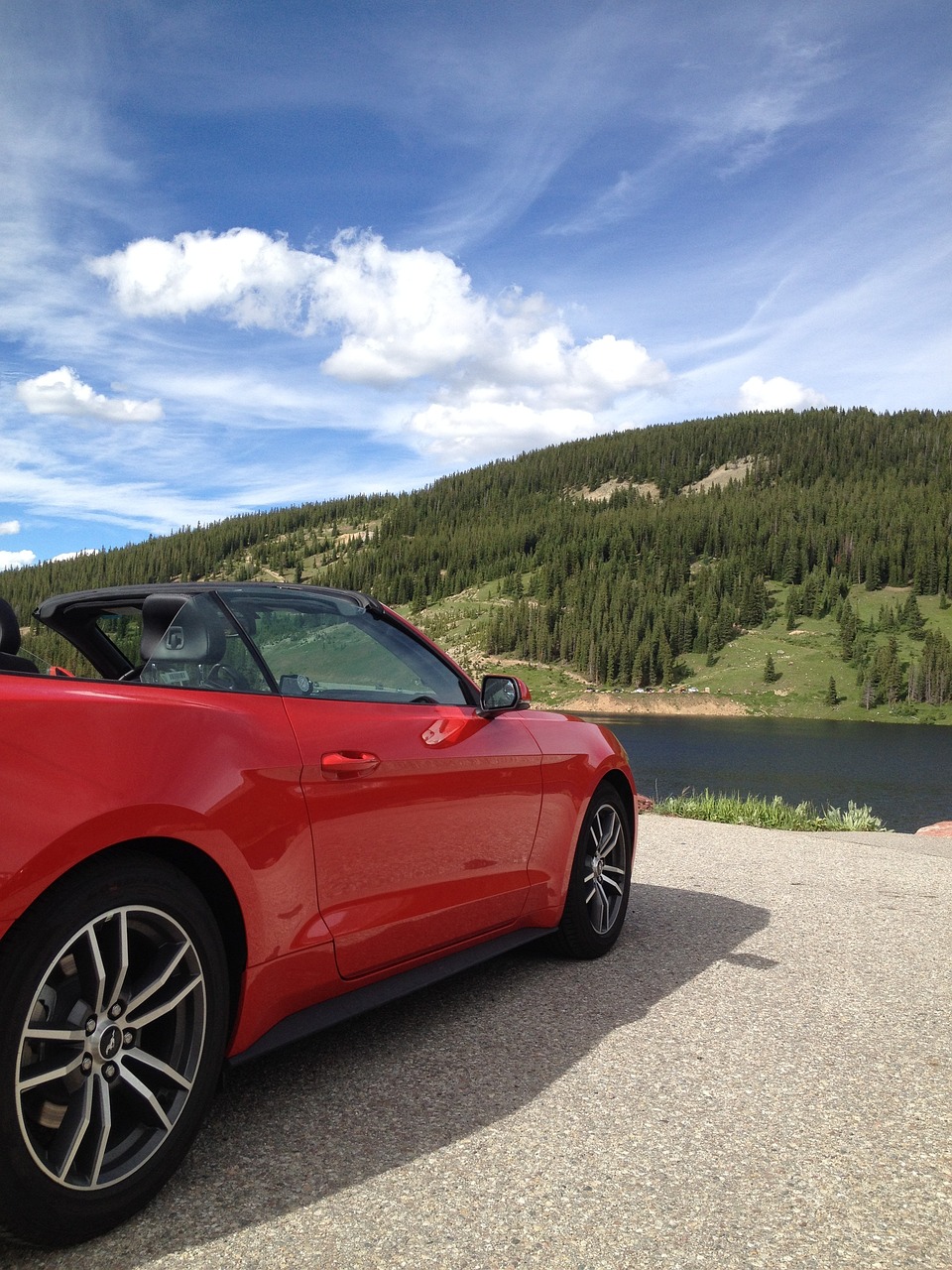
Trips should be about having fun, relaxing – and not having problems and looking for solutions and asking oneself: Why didn’t I think this could happen? Or Why didn’t I check that? Use these expert tips and insights to help you get your car ready for the ultimate summer road trip.
How to Prepare Your Car for a Summer Road Trip: Car Maintenance and Safety Checklist
Whether you’re embarking on a scenic road trip through breathtaking landscapes or you want to take an epic cross-country adventure, follow these steps to prepare your car and make the most of your summer travel.
What this guide will help you do
This guide will help you prepare your car for summer driving before small problems become expensive, stressful, or dangerous on the road. It covers the essential checks worth doing before a long trip, plus comfort, safety, documents, and 2026-specific EV and smart navigation tips.
Car Maintenance Checklist for Summer Road Trips:
Before you set off on your summer road trip, it’s important to thoroughly inspect and maintain your car. Just as you create your travel itinerary prior to traveling, you need to make sure the car is in the best shape possible for your trip.
By addressing the following key areas, you can minimize the risk of unexpected breakdowns and ensure a smooth and enjoyable journey.
Now, one of the ways to do this is to take your car to a service and conduct an inspection. They can check all the oils, the brakes, the tires, and more. If your car is due for maintenance, a professional inspection is the safest option before a long road trip. A mechanic can check the brakes, tires, fluids, battery, cooling system, suspension, and other areas that are harder to assess at home. If you are doing your own pre-trip checks, the tips below will help you spot the obvious issues early and decide what needs professional attention.
Insider tip: check all of the elements included below in this article at least a week before your trip once you have decided where you travel next. This way, if you discover you need to address an issue, you have the time to do that!
Here I can share quite a few personal experiences. One, which is not related to us preparing the car, was really funny, but stressful at the same time.
We were leaving for Vienna on a Saturday morning. On Friday, my husband went to work – with the car. During the day someone broke the left mirror (not only the window glass but the whole mirror). Obviously, on Saturday, most of the car services are closed. Well, most of them!
We learned about the issue in the afternoon – when Andrei left his job. It was already late, everything was closed. So we started calling services – we found 2 open on a Saturday. Of these two, one had the mirror we need (same color, for the same car model.) We were truly lucky. Of course, instead of leaving home at 5 AM, as planned, we left the service at around 9 AM – but, we had solved the mirror issue!
The trip went smoothly from there on!
Anyway, getting back to this car preparation guide for summer travel, let’s see what you need to pay attention to!
Checking Fluid Levels and Engine Oil
One of the most important elements of this car maintenance for road trip checklist is checking fluid levels.
Maintaining the proper fluid levels, including engine oil, coolant, brake fluid, and more is crucial for a stress-free road trip.
It’s essential to check these levels and top them up if needed. Consider changing the oil and replacing the oil filter to keep your engine running smoothly throughout your trip. Newer cars have various alerts – but you can check some of the fluid levels anyway. High summer temperatures cause engine oil to thin out. Using the correct viscosity for hot weather ensures your engine remains lubricated even during long highway hauls in 90°F+ heat.
Insider tip: Remember to also check the washer fluid and make sure the reservoir if full!
Use a washer fluid that helps remove the insects (especially useful on long drives, when insects quickly cover the windshield).
Battery and Electrical System
Inspect the battery for any signs of wear or corrosion, ensuring the terminals and connections are clean and secure. Test the battery’s voltage to determine if it needs replacement or charging. We do this every time for our petrol-based car (the electrical one is obviously different, as we see the battery status daily, and travelling with an electric car is a bit different.)
You can check your car’s voltage using a multimeter – it is really easy (there are even YouTube tutorials if you need one.) We also bought a battery charger – so that shows us the battery’s voltage and we can charge it if it needs it.
Additionally, check the functionality of lights, fuses, and wiring to ensure proper electrical system performance. It goes without saying that you should replace all lights that are not working!
Windshield Wipers and Visibility
Summer road trips often mean dust, insects, sudden rain, glare, and long hours on the road. Check your windshield wipers before you leave and replace them if they leave streaks, skip across the glass, or fail to clear the windshield properly.
Clean the inside and outside of the windshield, check all mirrors, and make sure your headlights, brake lights, turn signals, and hazard lights are working. Good visibility is one of those basic things that feels unimportant until the exact moment you need it.
Belts and Hoses
Heat can make worn rubber components fail faster, especially during long drives. Before a summer road trip, look for visible cracks, leaks, bulges, or soft spots on hoses, and listen for unusual squealing noises that could point to a worn belt.
If you notice leaks, coolant smell, overheating, or unusual engine noises, have the car checked by a mechanic before leaving. A belt or hose problem is much easier to fix at home than on the side of the road.
Tire Safety: Pressure and Tread Depth for Hot Pavement

It goes (or it should) without saying that you should have summer tires (or at least all-year tires). Make sure your tires are appropriate for the season, destination, and countries you will drive through. Tire rules vary by country, and in some places you can be fined or restricted from driving if your tires do not meet legal or safety requirements. Always check the rules for your route before leaving. Not to mention that it is a matter of safety – to have the best tires for the weather – safety not only for you but for all the other traffic participants!
Check the tire pressure using a gauge and inflate them to the recommended levels. Under-inflated tires are the leading cause of summer blowouts. As the pavement heats up, the friction on a soft tire creates excessive heat, leading to structural failure. Always check your PSI in the morning when the tires are ‘cold’ for an accurate reading.
You can do this along the way too – especially on long road trips, to make sure the tires keep the optimum pressure (gas stations offer this service for free in many places, but you can also go to a service in the cities you are visiting.
It’s crucial to inspect the tire tread depth and replace worn-out tires for optimal grip and safety.
Don’t forget to ensure your spare tire is in good condition and that you have all the necessary tools to change a tire.
Brakes and Brake Pads
While it is mentioned on this list of tips on how to prepare your car for a summer road trip, having brakes that are in optimal condition is a must each day. Again, for your own, and other participant’s safety.
Before going on a trip by car, visually inspect the brake pads and discs for any signs of wear or damage. Replace worn-out brake pads promptly to maintain optimum braking performance.
If you hear squeaking, or grinding, if the stopping is slow, or if you feel a vibration or pulsation in the brake pedal when you apply the brakes, this usually means that the brake pads are worn out and you need to go to a car service to have them replaced.
Coolant Levels and Quality
Overheating is the last thing you want happening on a road trip. So check the coolant levels and top them up if necessary to prevent overheating.
Consider performing a coolant flush to ensure a fresh and efficient cooling system – again, go to a service for this. Remember to use the appropriate coolant mixture recommended for your specific vehicle.
Radiator and Cooling Fan
Visually examine the radiator for any leaks or damage. Ensure the cooling fan is functioning correctly to prevent overheating. If needed, clean the radiator to optimize heat dissipation.
Air Filters
A long road trip means you will spend a lot of time inside the car, so you need air filters that are clean!
Inspect and clean or replace the engine and cabin air filters to maintain optimal airflow and air quality inside the car. Follow the recommended maintenance intervals and use high-quality filters to keep your car’s interior fresh and free from contaminants.
Air Conditioning System
We had to postpone some trips and fix the air conditioning system in one of our cars before taking a trip. During the summer, air conditioning is vital for us!
Test the air conditioning system to ensure it’s functioning correctly and providing adequate cooling. Clean or replace the cabin air filters to ensure fresh and clean air circulation within the car. Maximize the efficiency of the air conditioning system to keep everyone comfortable during the trip.
Road Trip Safety: Mandatory Kits and Emergency Gear
Make sure the emergency first-aid kit is not expired – and that it will not expire during your trip.
Make sure you have the fire extinguisher with you (and, as the emergency first-aid kit, make sure it is not expired.)
Check the reflective triangle – make sure all is OK.
Finally, a note: If you are driving through Europe, check the safety equipment requirements for each country on your route. Reflective vests, warning triangles, first-aid kits, fire extinguishers, spare bulbs, and other items may be required depending on the destination. In many countries, reflective vests for each passenger must be accessible from inside the cabin, not packed deep in the trunk.
Summer Road Trip Safety Checklist

In addition to the car maintenance checklist, prioritizing safety during your summer road trip is of utmost importance. Consider the following essential safety measures to ensure a trouble-free journey:
Pack a Roadside Emergency Kit
First of all: I am writing this wishing you that you NEVER need such a kit!
But it is always better to be prepared!
So consider creating a comprehensive kit that includes essential items such as jumper cables, a flashlight, first aid supplies, and emergency tools. Additionally, include spare fluids, a tire repair kit, and a fully charged mobile phone. Don’t forget to carry important documentation like insurance and registration details.
And now the experience: I usually count on gas stations and others for emergencies. What we pack though is a flashlight, a charger for the phone, and external batteries. We have a multitool, a kit of spare fuses. We also have a screwdriver and a lightbulb for each type (in case we need to change one). We also have some energy bars, fruits, crackers and water and soda when we travel.
Pack Smart: Essentials and Comfort Items
Pack necessary items for comfort, safety, and convenience. Organize your luggage efficiently, maximizing space. Carry reusable water bottles, a roadside assistance membership, and snacks to keep you fueled throughout the journey.
Protect Your Car’s Interior from Sun Damage
Next on this list of tips for enjoying a comfortable summer road trip is the car’s interior.
Now, obviously, protecting it from the sun’s rays is something that you will do all the time – not only when you travel.
However, when you travel, it is good to have some items that will prevent overheating and will protect the car.
Therefore, consider using a sun shield – we have one that you use on the interior of the car, but there are some that can be used on the outside (it is said that they help prevent small cracks in the windshield as a result of extreme heat.) You can also consider using dashboard covers to reduce interior heat and protect your car’s surfaces from harmful UV rays. Additionally, consider using seat covers and steering wheel covers to prevent fading and cracking.
You can also have window shades or even a car cover (for long trips, when you cannot park in the shade.)
Try to park your car in the shade as often as you can!
Ensure Proper Ventilation
Utilize the car’s ventilation system effectively and strategically open windows for airflow. Make use of air recirculation and fresh air modes to maintain a comfortable temperature inside the car.
For instance, if the air in the car is OK, we would use the recirculation when we leave (to be able to cool the interior of the car faster), but we would definitely stop the recirculation after the air cooled down.
Keep Calm and Cool
Now that you know how to prepare your car for summer travel, remember to prepare yourself.
Apart from packing your bags, and the products you don’t want to forget at home, remember that you are going on vacation.
The destination is there, regardless if you are arriving 2 hours later or 20 minutes later than Waze is telling you.
Take breaks, keep calm, and ignore people who drive aggressively! Enjoy each moment of the trip whether it is a one-day trip or a longer one!
Depending on where you are driving, you may need:
- driving license
- car registration certificate
- mandatory vehicle insurance
- optional vehicle insurance or roadside assistance details
- passport or national ID, if crossing borders
- vehicle inspection certificate, if required
- environmental sticker, vignette, toll pass, or road-fee proof
- permits or authorization documents, if driving a rented, leased, or borrowed car
- EV charging cards/apps, if relevant
Requirements vary by country, so always check the official rules for your route before an international road trip.
2026 Update: Electric Vehicle and Smart Car Prep for Summer Road Trips
Check EV range and charging stops before leaving
Summer road trips with an electric car require more planning than simply checking the battery percentage before departure. Map your charging stops in advance, especially if you will drive through rural areas, mountain routes, or countries where chargers may be less frequent.
Update your software before the trip
Check for software updates at least 48 hours before departure. Some updates can improve navigation, charging behavior, battery management, or route planning, but you do not want to start an update right before leaving.
Download offline maps
Do not rely only on cloud-based navigation. Download offline maps for your route in Google Maps or your car’s native system, especially if you may drive through areas with weak signal.
Check tire pressure carefully
EVs are heavier than many petrol or diesel cars, so tire pressure matters for safety, range, and tire wear. Use the PSI listed for your vehicle and check the tires when they are cold.
Be realistic about heat and charging
High temperatures can affect charging speed, battery management, and comfort. When possible, choose shaded charging areas, avoid arriving at chargers with very low battery, and build some flexibility into the route.
When to Check Your Car Before a Summer Road Trip
One week before the trip
Check tires, brakes, fluids, battery, air conditioning, wipers, safety kit, and documents. This gives you time to book a mechanic or buy anything missing.
The day before the trip
Fuel or charge the car, clean the windshield, check lights, pack emergency items, download offline maps, and confirm your route.
The morning you leave
Check tire pressure if needed, confirm you have your documents, water, phone charger, and navigation ready, and avoid rushing. Many road trip problems start because people leave stressed and skip the basics.
Conclusion:

A summer road trip should give you good memories, not unexpected stops, stressful phone calls, or expensive repairs far from home. The best time to check your car is not when something already feels wrong on the road. It is before you leave, while there is still time to fix small problems properly.
Start with the basics: fluids, tires, brakes, battery, cooling, air conditioning, wipers, lights, safety gear, documents, and navigation. If you drive an EV, add charging plans, software updates, range planning, and tire pressure to the list.
You do not need to turn car preparation into a complicated project. But a careful check before a summer trip can make the difference between a relaxing drive and a problem you could have avoided.
Quick Prep Checklist (2026 Update)
- Essential Fluids: Check oil, coolant, and washer fluid.
- Safety First: Test battery voltage and tire tread depth.
- Summer Comfort: Service the AC and replace cabin air filters.
- Emergency Kit: Ensure your first-aid and safety gear are up to date.
More amazing articles for you:
12 Subtle Signs You Make People Feel Instantly at Ease (And They’re Drawn to You Without You Trying)
People Are Horrified After Learning What Some Travelers Do in Hotel Rooms
Someone Asks You for a “Small Favor” That Could Take Your Whole Day - Don’t Invent an Excuse. Say Th...
“Why Are You Still Single?” “How Much Do You Make?” - What to Say When Someone Asks a Question That’...
Don’t Visit San Diego Until You Read This Local-Approved Guide
Heat-Wave Survival Guide: 9 Quick Hacks to Outsmart Dehydration & Heatstroke
A Family Saw One Line on Their Breakfast Order They Were Never Meant to Read. Then Things Escalated
90+ Million People Watched This Paris Hack - But What She Does After Is Going to Turn Your Stomach. ...

Violeta-Loredana Pascal is a communications expert, business mentor, and the founder of Earth’s Attractions and PRwave INTERNATIONAL. A pioneer in the Romanian digital PR landscape since 2005, she holds a degree in Communication and Social Sciences from SNSPA Bucharest. Violeta is a senior trainer at AcademiadeAfaceri.ro, where she leverages over 20 years of experience to teach professional courses in PR strategy and workplace productivity. By blending high-level business consulting with a passion for holistic travel and wellness, she empowers solopreneurs to overcome procrastination, build profitable brands, and design a life of purposeful adventure.