
I like to go to restaurants every once in a while. Trying new dishes, enjoying the atmosphere and decor, spending a lovely evening with my family or friends – these are all wonderful experiences I treasure – and many people enjoy them too.
But if you are mindful of your budget, you need to know there are a few ways your bill can increase at a restaurant without you noticing. You open the menu, talk to the people you are with, look at what sounds good, maybe ask the server a question, and choose. Then the bill arrives and, sometimes, it is higher than you expected.
That doesn’t always happen because you ordered the most expensive thing on the menu. Often, the total grows from small choices you made throughout dinner/lunch.
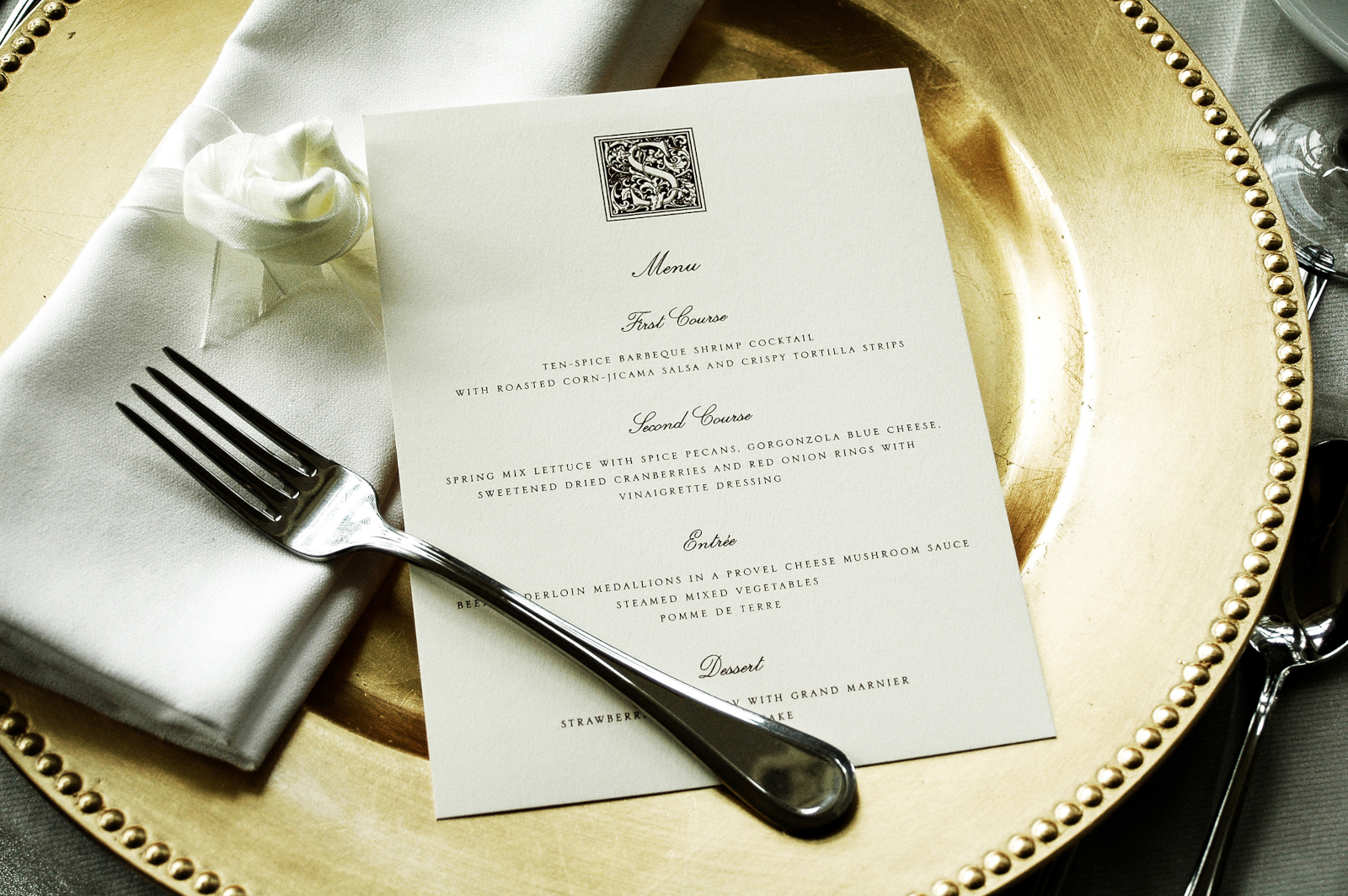
After more than 20 years working in marketing and PR, I can tell you that menus are not (just) food lists; they are built with restaurant menu psychology, pricing choices, and small persuasion cues most people don’t stop to separate while ordering. They can be seen as sales pages, sometimes printed on beautiful paper, sometimes hidden behind QR codes, but built with the same ideas used in campaigns, promotions, sales funnels, subscriptions, and everyday persuasion: price framing, positioning, emotional wording, bundles, urgency, social comfort, and small yeses that make the next yes easier.
ID 1090281 ©Adinan | Dreamstime.com
That doesn’t mean every restaurant is trying to scam you. Restaurants are businesses, and many of them operate with difficult margins, staffing problems, rising ingredient costs, and a very real need to sell enough to survive. A smart menu can help the restaurant and can also help the customer order faster. But there’s a difference between enjoying a meal and not noticing how the bill grew.
Let me be clear: this is not an article against restaurants or marketing. I’ve worked in marketing for more than 21 years, so I understand why businesses use positioning, pricing, and persuasion. Restaurants need to make a profit, and a fine dining menu, a family restaurant menu, and a fast-casual menu don’t have the same audience or the same prices. I’m writing this for customers who want to understand what is happening before they order.
The expensive dish that makes the rest of the menu look reasonable
A very expensive item on a restaurant menu isn’t always there because the restaurant expects everyone to order it. Some people will, of course, especially in higher-end places, but the $95 steak, the $120 seafood tower, the $75 tasting menu, or the expensive bottle of wine can also change how the rest of the menu feels.
Once your brain has seen the high number, the next expensive item looks less aggressive. A $42 main course may still be more than you planned to spend, but placed near something much higher, it can suddenly look moderate. You may reject the most expensive dish immediately and still be influenced by it because it reset your internal idea of what “expensive” means in that place.
This is price anchoring, and it is one of the menu pricing tricks that works precisely because nothing looks aggressive, and it shows up far beyond restaurants. You see it in retail promotions, travel packages, Black Friday offers, holiday campaigns, and any sales page where the first number exists partly to make the second number look easier to accept. I’ve written before about price anchoring in promotions, and menus use the same idea in a simpler form.
A quick way to catch it is to ignore the highest-priced item for a few seconds and look again at what you were considering. If the dish feels less reasonable once the extreme price is out of view, the anchor did its work.
Restaurant add-ons: The small upgrade that doesn’t feel like a new purchase
Restaurant add-ons are one of the easiest ways for a bill to grow because they don’t feel like separate decisions. You’ve already chosen the burger, so adding bacon feels like a detail. You’ve already chosen fries, so upgrading them feels like improving the meal rather than buying another thing. You’ve already ordered the salad, so adding chicken or shrimp feels practical. You’ve already chosen the cocktail, so using a premium spirit feels like part of the experience.
A $2 topping, a $3 sauce, a $5 protein add-on, a premium side, a larger size, another dip, another drink, another coffee at the end – they all count. Put several of them on the same bill, and the ‘casual meal’ price is gone.
This is close to the foot-in-the-door technique: once you’ve agreed to the first purchase, the next yes feels easier because it’s smaller and attached to something you already accepted. The useful test is very simple: would you buy the upgrade separately? If you wouldn’t pay for that sauce, topping, or premium side as a standalone item, don’t approve it automatically just because it’s attached to the dish you already chose.
The combo that makes you calculate the wrong saving
Combos, set menus, prix fixe offers, and meal deals can be good value, but only when they include things you genuinely wanted to order. The mistake is comparing the bundle price with the price of buying every included item separately.
If the menu says the appetizer is $12, the main course is $26, and the dessert is $11, then the $39 set menu looks like a $10 saving. But if you walked in planning to order only the main course and tap water, you didn’t save $10. You spent $13 more than your original plan because the bundle changed the order.
This is the same kind of spending leak that shows up in subscriptions and other recurring charges. In my article on small charges you stop noticing, the point isn’t that every small payment is bad; the problem appears when you keep paying because each separate amount looks too harmless to review. Restaurant bundles use a similar weakness. They make the larger total feel justified because the individual pieces look discounted.
Before choosing a combo, ask whether you’d order every item if each one were listed separately. If the answer is no, the bundle may still be convenient, but it isn’t automatically saving you money.
The server’s question that makes the extra order feel natural
ID 36776861 ©Tyler Olson | Dreamstime.com
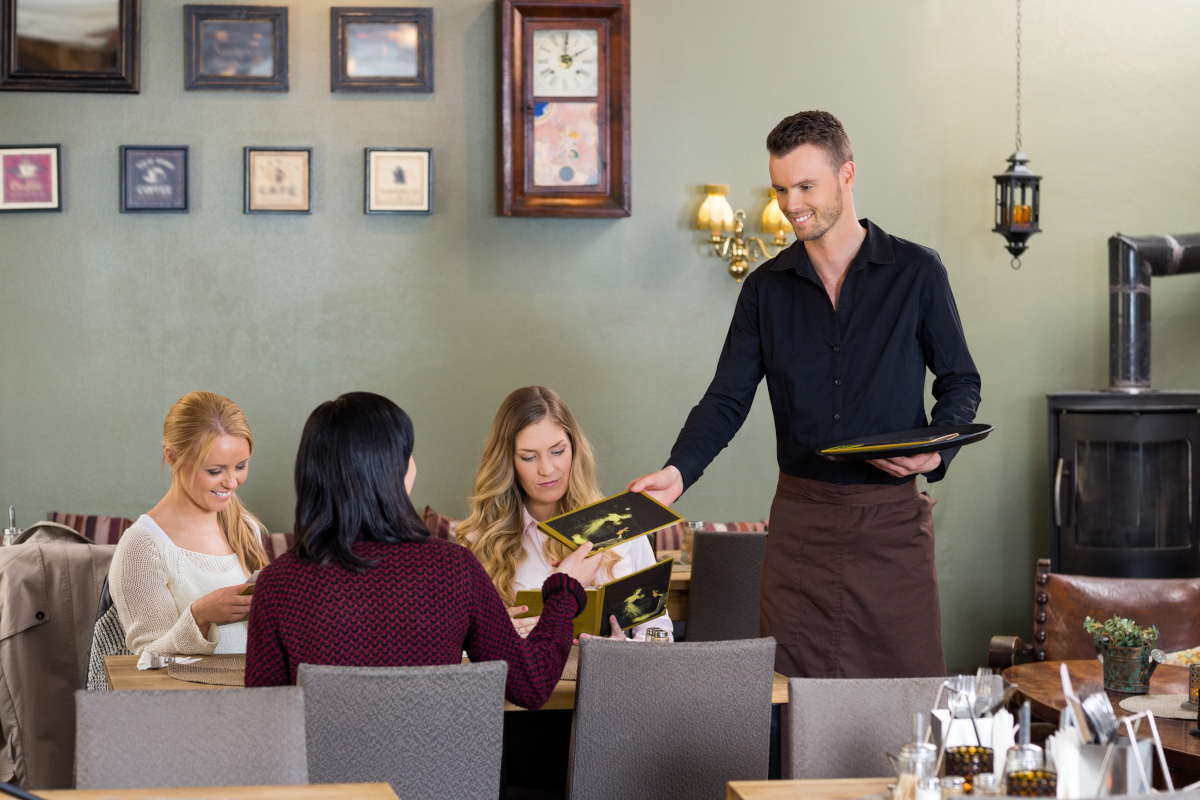
A good server can make the meal better, and I don’t like articles that treat every recommendation as manipulation. Servers know what people order, what comes out well, what the kitchen is proud of, and sometimes what’s genuinely worth avoiding. But restaurant service has many small moments where saying yes is simply easier than stopping the conversation to think about the bill.
“Would you like to start with something for the table?” already assumes the meal has a starting course. “Still or sparkling?” can make tap water disappear as the obvious default. “Would you like to add chicken, shrimp, or salmon?” makes the add-on feel like the next logical step. “Another round?” arrives when people are talking, relaxed, and not calculating the total. “Would you like to see the dessert menu?” sounds harmless because you’re only looking. But once the menu is on the table, dessert is already easier to say yes to.
You don’t need to be awkward or defensive. A few plain answers are enough: “Tap water is fine, thank you.” “We’ll skip starters for now.” “I’ll stay with the regular side.” “Not right now, thank you.” “We’ll decide on dessert later.” These aren’t speeches, and they don’t make you difficult. They simply stop the order from expanding automatically.
The wine list can make the cheaper choice feel uncomfortable
Wine is a good example of how restaurant spending isn’t always about appetite or taste. Sometimes it’s about the small social discomfort around being seen choosing the cheapest option. On a date, at a work dinner, with friends, or during a celebration, many people avoid the lowest-priced bottle even when they don’t know enough about the wine list to confidently choose the better one.
The solution isn’t to make wine complicated. If you want a specific bottle and it’s worth the money to you, order it. If you simply want something decent without letting embarrassment choose the price, say the range plainly: “We’d like a dry red under $40,” “What’s a good-value white by the glass?” or “We’ll start with the house wine.” And no, that doesn’t make the order cheap; it makes the price range clear.
The side dish that changes the real price of the meal
A main course can look reasonable until you realize it isn’t really the full meal. The chicken is $28, but potatoes are $8, vegetables are $9, sauce is $4, bread is $6, and sparkling water is $7. At that point, the meal is no longer the number printed next to the main dish.
I notice this especially when traveling because food can break a daily budget without one spectacularly expensive dinner. A main course, a side, a drink, a service charge, a dessert, and one extra coffee can easily turn into much more than you intended. That’s why the same mindset behind my budget travel hacks that save more than $50 a day applies here too: the obvious expense is rarely the whole problem; the smaller additions are usually where the total changes – and you (well… we 😀 because it sometimes happens to me too) end up spending more than you (we) wanted.
Before you decide, calculate the real plate: main dish, side, drink, tax, service, and tip. That number is the actual decision, not the price printed next to the entrée.
The description sells the dish before you reach the price
Many menus describe the food before they make you deal with the price. First comes the name, then the texture, then the ingredients, then the origin story, then the sauce, and only at the end do you see the number.
“Slow-roasted beef short rib with smoked garlic mash, seasonal vegetables, and red wine jus — 34” doesn’t read like a price decision at first. It reads like comfort, richness, warmth, and a better version of dinner than whatever you were making at home. By the time you reach the 34, the dish has already done some emotional work.
A colder but useful habit is to glance at the price before you let the description do its job. I don’t mean you should order like a robot or avoid food that sounds good. I mean the cost should enter the conversation before the menu finishes building the craving.
The adjectives can make ordinary food feel more valuable
Restaurants rarely sell plain chicken when they can sell slow-roasted chicken, crispy chicken, heritage chicken, hand-brined chicken, farm-style chicken, or chef’s signature chicken. They don’t sell chocolate cake if they can sell warm dark chocolate cake with Madagascar vanilla cream.
This kind of wording isn’t harmless decoration. In a study by Brian Wansink, James Painter, and Koert van Ittersum, descriptive menu labels increased sales by 27% and also improved how customers evaluated both the food and the restaurant. The study is available here: Descriptive Menu Labels’ Effect on Sales.
That makes complete sense from a marketing point of view. The name and description create expectation before the product is experienced. When I read a menu, I try to strip the dish back to the nouns. “Artisanal hand-stretched flatbread with heritage sun-ripened tomatoes” becomes bread, cheese, and tomato. “Hand-cut truffle parmesan fries” becomes fries, cheese, and truffle flavor. “Decadent warm chocolate fondant with Madagascar vanilla cream” becomes chocolate cake.
If the basic dish still feels worth the price, fine. If the description is doing most of the selling, I know what I’m paying for.
The highlighted item isn’t automatically the best choice
Menus use boxes, borders, icons, shading, larger fonts, photos, ‘signature’ labels, and special placement because most people don’t read every item with the same attention. That highlighted dish may be excellent, and sometimes it really is the thing the kitchen does best. It may also be the item the restaurant wants you to notice because it’s popular, profitable, easy to produce, easy to explain, or useful for the way the menu is built.
This is where menu engineering comes in. Cornell’s course on menu design and engineering explains how restaurants can categorize dishes by profitability and sales volume, then use naming, descriptions, organization, and highlighting to showcase specific menu items.
Before choosing the boxed or highlighted item, find one unboxed alternative in the same category. Not ten alternatives, because nobody wants to turn dinner into homework. One is enough to check whether you’re choosing the dish or just following the design.
“Chef’s special” still has to earn the price
A chef’s special can be genuinely special: seasonal fish, house-made pasta, a limited ingredient, a preparation that isn’t usually available, or a dish the kitchen is proud of for good reason. But the label also makes comparison easier to skip because it sounds like someone knowledgeable has already endorsed the choice.
The question I like is simple and not rude: “What makes it special?” If the answer is specific, that helps. If the answer is vague, treat it like any other menu item. The word “special” may be accurate, but it’s still a claim, not proof.
“For the table” turns appetite into a social decision
“For the table” is a very effective phrase because it makes the extra order feel generous rather than financial. You’re not buying appetizers; you’re creating a shared moment. You’re not adding bread, dips, fries, wings, olives, or a board; you’re being relaxed, easygoing, and pleasant to eat with.
There’s nothing wrong with ordering something for the table if people actually want it. The expensive version is when nobody really cares, but the phrase makes the extra order feel like the natural thing to do. One question is enough here: “Does anyone actually want starters, or should we go straight to mains?” That brings the decision back to appetite instead of performance.
The dessert menu arrives when you’ve stopped tracking the total
Dessert is often offered after you’ve eaten, talked, relaxed, maybe had wine, and stopped doing mental math. At that point, $10 or $12 doesn’t feel like part of the full bill. It feels like a nice ending.
I like dessert, so I’m not going to pretend dessert is the villain here. The issue is timing. If dessert was part of the evening, enjoy it. If it was never part of the plan, “we’ll just look” isn’t as neutral as it sounds because looking often turns into wanting. Decide earlier whether dessert is part of the meal, not after the restaurant has already created the perfect moment to sell it.
Digital menus and restaurant apps make the upsell easier to miss
ID 186382651 ©Keechuan | Dreamstime.com
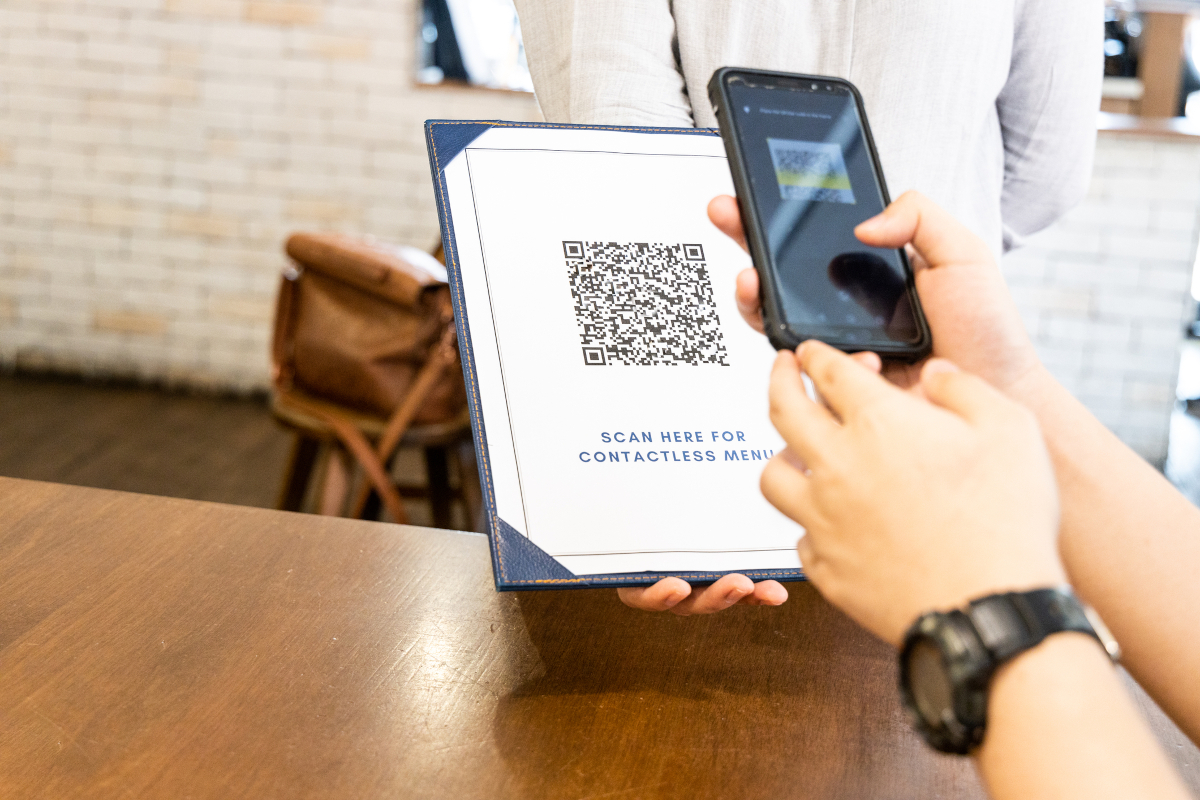
Printed menus guide your eyes, but digital menus guide your clicks. QR menus, restaurant apps, self-order kiosks, and delivery platforms can add more upsell points than a printed menu ever could: premium toppings, suggested sides, “frequently ordered together,” limited-time banners, default combos, delivery minimums, loyalty points, app-only deals, and “complete your meal” prompts.
The digital version works especially well because every tap feels small. Add sauce, add fries, add a drink, add dessert, add tip, add delivery fee, add service fee, and suddenly the checkout screen has very little to do with the order you opened the app to place.
Before paying, remove anything you didn’t intend to buy when you started. It sounds obvious, but with digital menus, that final review is where you usually catch the extras you clicked through too quickly (it happened to me too, even when using a food delivery app!).
Other restaurant menu tricks worth noticing
Prices without currency symbols
Some menus show prices as 18, 24, or 31 instead of $18, $24, or $31. Cornell reported that diners in an upscale casual restaurant spent more when menus didn’t use dollar signs, so when you see a plain number, mentally put the currency symbol back in front of it. You can see Cornell’s summary here: Beware menus that don’t use dollar signs.
Slow music
Background music isn’t just decoration. In a classic restaurant study, Ronald Milliman found that music tempo affected customer behavior, including length of stay and spending, so the soundtrack can influence the bill more than people realize.
Dim lighting
Soft lighting makes a restaurant feel warmer, more private, and less transactional. The lighting itself isn’t the problem, but the atmosphere can make another drink, dessert, or premium dish feel more like part of the evening than another purchase.
Free bread, chips, or snacks
Free bread or chips can be a genuine hospitality gesture, but they also start the meal before you’ve made your main choices. Once you’re relaxed, snacking, and settled in, it’s easier to order starters, drinks, or extras without thinking too much about the final bill.
Too many choices
A huge menu can make people tired of deciding. Once scanning becomes annoying, the boxed item, “bestseller,” server recommendation, or combo becomes more appealing because it gives your brain an easy way out.
Hidden lower-cost options
Some lower-cost dishes are technically there, but placed in plain text, smaller sections, side columns, or areas people scan quickly. If you only look at highlighted dishes, photos, specials, and recommended items, you may miss the simple option that fits your appetite and budget better.
How to order without letting the menu decide for you
Before choosing, ask yourself whether you’d still want the dish without the expensive anchor nearby, whether you’d buy the upgrade if it were sold separately, whether every part of the combo is something you actually wanted, whether the middle option is your preference or just the socially comfortable choice, whether the dish still sounds worth it after you remove the adjectives, and what the real total looks like after sides, drinks, tax, service, and tip.
That may sound like a lot, but in practice it takes seconds. Once you recognize the pattern, you don’t have to analyze every line of the menu. You notice when your attention is being guided, when the price comparison has already been framed for you, and when a small yes is easier than it should be.
After years of working with communication, campaigns, positioning, and persuasion, I don’t think the best defense is cynicism. Pattern recognition is much more useful. You can still order the steak, the wine, the dessert, the special, the premium side, or the thing in the box. If you want to avoid overspending at restaurants, you don’t need to memorize every tactic or turn dinner into a spreadsheet. You should only pay attention to the moments when the order starts expanding beyond what you actually wanted.
Conclusion
Next time you open a restaurant menu, don’t read it as if the order of the items, the prices, and the wording are random. Notice the anchor dish, the add-ons, the combo math, the adjectives, the highlighted items, the “for the table” language, and the moment when the dessert menu arrives after you’ve stopped tracking the total.
You can still enjoy the meal. You can still spend more when the experience is worth it. The point isn’t to become cheap or difficult; the point is to make sure the final bill reflects what you genuinely wanted, not what the menu made easiest to choose.
Your dinner will taste just as good when you order with your eyes open.
Common Questions About Restaurant Menu Tricks
What are restaurant menu tricks?
Restaurant menu tricks are pricing, wording, layout, and upselling techniques that influence what customers notice, compare, and order. They can include expensive anchor dishes, add-ons, bundles, highlighted items, descriptive language, wine list pressure, digital prompts, and prices shown without currency symbols.
Do restaurant menus really make people spend more?
They can. Menu engineering is a real hospitality strategy that looks at item profitability, popularity, layout, descriptions, and pricing. It doesn’t control customers, but it can influence what they notice first, what they compare, and what feels worth ordering.
What is menu engineering?
Menu engineering is the way restaurants analyze and organize menu items based on factors like popularity, profitability, pricing, description, and placement. For customers, the useful part is simple: the menu isn’t arranged randomly, and the items that get the most attention are not always there by accident.
Why do restaurants put very expensive items on the menu?
A very expensive item can act as a price anchor. Even if few customers order it, it can make other expensive dishes look more reasonable by comparison.
Why do some menus remove dollar signs?
Some menus remove currency symbols because a plain number can feel less connected to actual spending. Cornell reported that diners spent more when menus didn’t use dollar signs, which is why this small design choice is often discussed in menu psychology.
How do restaurants upsell customers?
Restaurants can upsell through server suggestions, premium sides, add-ons, wine recommendations, combo meals, dessert menus, and digital prompts such as “complete your meal” or “frequently ordered together.” The upsell often works because it feels like a small change to an order you’ve already decided to make.
How can I avoid overspending at restaurants?
Decide what you actually want before responding to upsells, calculate the full meal instead of only the main dish, treat every add-on as a separate purchase, compare combos against what you planned to order, and pay attention to social pressure around wine, starters, and “for the table” items.
More amazing articles for you:
How to Change the Subject When a Conversation Gets Awkward Without Being Rude
A Passenger Made Fresh Pasta on a Plane - and It’s Going Viral for All the Wrong Reasons
Earth’s Attractions Kicks Off
The Ultimate Whistler travel guide: What to do in Whistler, BC, where to stay, eat, and tips
15 Signs You’re More Emotionally Intelligent Than You Think - Backed by Science
Giveaway: win one of the 20 self-guided city walks apps for cities all over the world
Door-in-the-Face Technique: Why a First “No” Can Lead to “Yes”
How Emotionally Intelligent Are You Really? 15 Questions to Ask Yourself

Violeta-Loredana Pascal is a communications expert, business mentor, and the founder of Earth’s Attractions and PRwave INTERNATIONAL. A pioneer in the Romanian digital PR landscape since 2005, she holds a degree in Communication and Social Sciences from SNSPA Bucharest. Violeta is a senior trainer at AcademiadeAfaceri.ro, where she leverages over 20 years of experience to teach professional courses in PR strategy and workplace productivity. By blending high-level business consulting with a passion for holistic travel and wellness, she empowers solopreneurs to overcome procrastination, build profitable brands, and design a life of purposeful adventure.