What you wear on a flight might seem like a personal choice – until you hear what a seasoned flight attendant has to say about it.
In a TikTok that’s now gone viral, Cher, a flight attendant with over six years of experience based at Dallas Fort Worth International Airport, breaks down what not to wear on a plane, according to flight attendants – based on hygiene warnings, real-world safety concerns, and behind-the-scenes realities most travelers never think about.
If you’ve ever wondered what you should not wear on a plane, you’re not alone. Many travelers focus on comfort when choosing an outfit, but certain clothing choices can create hygiene risks, discomfort, or practical problems during a flight. Knowing what clothes to avoid when flying can make a significant difference, especially on longer trips.
So what exactly made experienced cabin crew say, “Don’t ever wear this”? And should you really change the way you dress for your next flight?
Let’s look at what not to wear on a plane, according to someone who’s seen it all from 35,000 feet, because these are the type of travel tips we all need for better trips.
Clothes You Should Avoid Wearing on a Plane (According to Flight Attendants)
Here’s what she recommends avoiding – and why:
1. Rompers or Jumpsuits
Cher’s take: “I will never wear a romper on a plane.”
If you’ve ever tried to navigate an airplane lavatory, you know the struggle – it’s cramped, turbulent, and the floors aren’t always dry or clean.
According to Cher, wearing a one-piece outfit like a romper means you’ll have to remove the entire garment just to use the bathroom, which puts your clothes at risk of touching the floor. And as she bluntly puts it, that’s “exactly where you don’t want your clothes landing” because those floors “are soaked with pee and it doesn’t get mopped often” and there is a significant amount of pee there. This is why rompers are often included in lists of what not to wear on a plane.
2. Shorts
ID 257838011 ©Info634860 | Dreamstime.com
Cher’s take: “You are asking for ringworm or staph infection by wearing shorts.”
Wearing shorts on a plane may seem comfortable (think of summer days!), but it’s one of the most commonly discouraged choices by flight attendants. Cher warns that they leave too much skin exposed to surfaces that aren’t as clean as they look.
She explains that passengers vomit, change diapers, and track all kinds of germs onto the seats and surrounding areas. Sitting in shorts puts your bare legs in direct contact with it all – and she doesn’t sugarcoat the risk of catching something from it. Shorts may feel like the obvious choice on a hot day – but according to Cher, they’re more of a health hazard than a convenience.
The Reality of Cabin Surface Hygiene
While aircraft use advanced filtration systems to keep cabin air clean, surfaces inside the plane are a different story. High-touch areas like seats, armrests, tray tables, and seatback pockets are not always thoroughly sanitized between flights.
This means that when your skin is directly exposed – for example, when wearing shorts – you may come into contact with residues left behind by previous passengers. Choosing clothing that covers your legs creates a simple physical barrier and reduces that exposure.
3. Sandals or Open-Toed Shoes
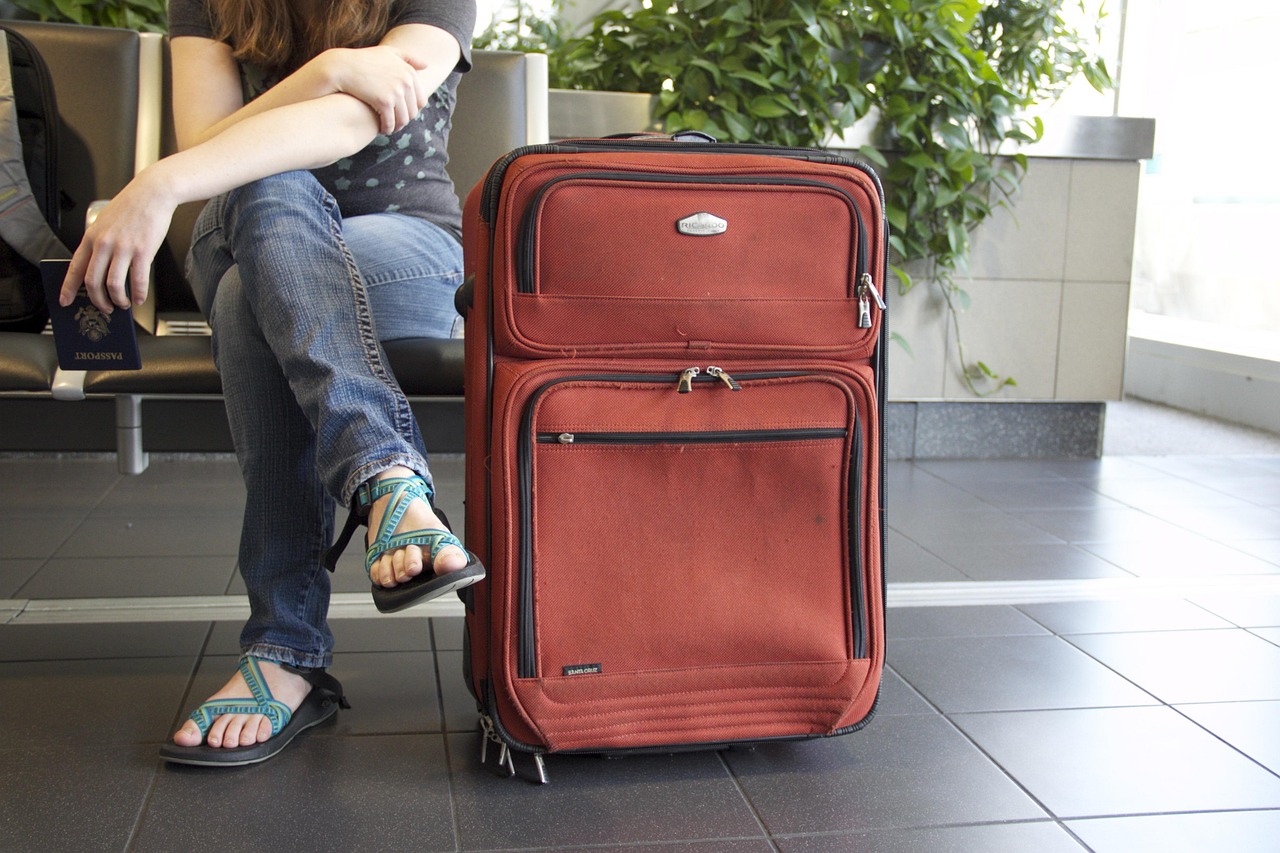
Many travelers wonder if you can wear sandals on a plane, but flight attendants often advise against it. Cher’s take: “The carpet on the plane floor is filthy dirty.”
According to her, the cabin floor is a high-traffic, low-sanitization zone where anything can – and often does – end up.
She mentions that passengers throw up, pets sit on the floor, and people rub their bare feet on the floor, all of which contribute to a space you really don’t want to walk on with exposed toes. Sandals might be your go-to in summer, but Cher makes it clear: they offer zero protection from the realities of the cabin environment. This is why many travelers choose closed-toe shoes instead when deciding what to wear on a plane.
4. Tank Tops and Tube Tops
Cher’s take: “You’re gonna freeze to death.”
Temperatures inside the cabin can drop quickly once you’re in the air. Without a jacket or outer layer, you may be left shivering – especially on domestic flights where blankets aren’t always provided. Cher has had passengers ask for blankets mid-flight – and she says there’s often none available to hand out.
Cher also says that when choosing your travel outfit, you should “err on the side of modesty”.
Her Most Important Tip: Always Dress in Layers
Cher didn’t just focus on what not to wear – she also emphasized what you should do when dressing for a flight. And her top recommendation?
Dress in layers. “Never wear a sweater or a sweatshirt by itself without something under it.”
Cher’s warning: “We’ve had actual medical emergencies because somebody got overheated.”
That may sound surprising to some, but according to Cher, wearing a single thick layer – like a heavy sweatshirt – without anything underneath can backfire fast. Cabin temperatures fluctuate, and people who aren’t able to adjust quickly can overheat, especially during boarding or taxiing when airflow is limited.
Instead, she encourages flyers to wear multiple breathable layers, which allow you to adapt to the environment more easily. It’s a simple way to avoid both freezing and overheating mid-flight – and a piece of advice based on years of firsthand experience with in-air emergencies – one of those travel mistakes to avoid.
What Fabrics Are Safest to Wear on a Plane?
When choosing what to wear on a plane, most people focus on comfort, but fabric choice also plays a role in safety and overall comfort during the flight.
Many travel and safety experts recommend opting for natural fibers like cotton, wool, or linen. These materials are more breathable and less likely to retain heat, which helps regulate body temperature in a changing cabin environment.
By contrast, synthetic fabrics such as polyester or nylon can trap heat and feel uncomfortable during long flights. In rare situations involving high temperatures, these materials may also react differently than natural fibers.
For most travelers, the takeaway is simple: breathable, natural fabrics are usually the safest and most comfortable choice for air travel.
What Is the Best Outfit to Wear on a Plane?
If you’re wondering what to wear on a plane for both comfort and safety, most travel experts recommend:
- breathable fabrics like cotton
- layered clothing to adjust to temperature changes
- closed-toe shoes for protection and safety
- loose-fitting clothes that allow movement
Avoiding restrictive or overly revealing clothing can help prevent discomfort and make your journey smoother.
More Advice From Other Flight Attendants
Cher’s video isn’t the first time cabin crew have weighed in on what to wear – or avoid – when flying. Over the past few years, several flight attendants have shared their personal dos and don’ts, often echoed in lifestyle magazines and travel segments.
Bonus Style and Safety Tips from Flight Crew and Frequent Flyers
Many seasoned flight attendants also recommend avoiding high heels when flying. In the event of turbulence or an emergency evacuation, they can slow you down or become hazardous on slippery floors.
Strong perfumes and colognes are best left at home. In a closed cabin with recycled air, even light scents can cause discomfort for nearby passengers.
While pajamas or ultra-revealing loungewear might feel cozy, they’re not the most respectful choice in a shared public space, especially when seated inches away from strangers.
Outfits that complicate the security process, like boots with multiple fasteners or layered belts and accessories, can create unnecessary delays at TSA checkpoints.
And when choosing fabrics, it’s smart to skip heavy polyester or synthetics. Breathable, natural materials like cotton or bamboo help regulate your body temperature when the cabin gets stuffy or unexpectedly cold.
Should You Change What You Wear on a Flight?
While there’s no universal dress code for commercial flights, airlines can – and sometimes do – deny boarding for clothing deemed inappropriate, offensive, or unsafe.
Cher’s viral TikTok doesn’t claim to be universal. She simply offers a behind-the-scenes perspective from someone who sees thousands of passengers a year – and a reminder that what you wear on a plane can impact more than just your Instagram selfie.
Whether you take this advice or not, understanding what you should not wear on a plane can help you avoid unnecessary discomfort and travel more confidently. Choosing practical, comfortable clothing is one of the simplest ways to improve your flying experience.
If you want to see the video I referenced in this article, the TikTok account is @cherdallas and the video is this: https://www.tiktok.com/@cherdallas/video/7503742792628309279
What Should You Not Wear on a Plane?
The main items you should not wear on a plane include rompers or jumpsuits, shorts, sandals or open-toed shoes, and clothing without layers. These choices can create hygiene issues, limit mobility, or make you uncomfortable due to changing cabin conditions.
Frequently Asked Questions About What to Wear on a Plane
1. What should you not wear on a plane, according to flight attendants?
Flight attendants like Cher (@cherdallas) recommend avoiding rompers, shorts, sandals, tank tops, and clothing without layers. These items can cause hygiene issues, make emergencies harder to handle, or leave you uncomfortable due to unpredictable cabin temperatures.
2. Why is wearing shorts on a plane a bad idea?
Shorts leave your skin exposed to seat surfaces that may not be properly cleaned between flights. According to flight attendant advice, this increases your risk of coming into contact with germs, allergens, or even skin infections like ringworm.
3. Are open-toed shoes safe to wear on a flight?
While not banned, open-toed shoes and sandals are discouraged by many flight attendants. The cabin floor is often dirty and may be contaminated with spilled food, pet messes, or even vomit. In case of emergency, sandals also offer less protection and stability.
4. Can I wear a tank top or tube top on a plane?
You can, but flight attendants suggest pairing it with a jacket or cardigan. Planes often get cold mid-flight, and you may not be offered a blanket, especially on shorter routes. Layering helps you stay comfortable without relying on in-flight amenities.
5. Why do flight attendants recommend dressing in layers?
Cabin temperatures can fluctuate dramatically, and layering gives you flexibility. Flight attendant Cher even notes that passengers have experienced medical emergencies from overheating due to poor outfit choices. Layers let you adapt without discomfort or risk.
6. Is there a dress code for flying on commercial airlines?
Most airlines don’t have strict dress codes, but they do reserve the right to deny boarding for offensive, overly revealing, or unsafe clothing. Comfortable, modest, and practical outfits are always a smart choice, especially on longer flights.
7. What is the most comfortable and safe outfit for air travel?
The ideal flight outfit includes breathable layers, closed-toe shoes, and clothes that allow for easy movement. Avoid one-piece outfits, exposed skin, or anything difficult to remove quickly in a restroom or emergency.
8. What fabrics are best to wear on a plane?
Natural, breathable fabrics like cotton or bamboo help regulate body temperature and wick away moisture during long flights. Avoid heavy synthetics like polyester, which can trap heat and feel uncomfortable in fluctuating cabin conditions.
9. Can you get infections from airplane seats?
Airplane seats are not always thoroughly sanitized between flights. While the risk is generally low, exposed skin can come into contact with bacteria or allergens, which is why many experts recommend covering your legs.
10. Why do flight attendants recommend closed-toe shoes?
Closed-toe shoes provide better protection from spills, sharp objects, and dirty cabin floors. They are also safer in case of turbulence or emergency situations.
11. Is there a dress code for Business Class or First Class?
Most airlines no longer enforce a strict dress code for Business Class or First Class, but appearance standards still apply. Some international carriers – particularly in the Middle East and Asia – may expect a smart casual look, especially in premium cabins and airport lounges.
To avoid issues, it’s best to skip items like torn jeans, beachwear, flip-flops, or gym clothes. Airline staff and lounge personnel can refuse entry or ask passengers to change if their outfit is considered inappropriate.
12. Can airlines refuse boarding based on what you wear?
Airlines can deny boarding if a passenger’s clothing is considered offensive, unsafe, or inappropriate. While rare, this is more likely if an outfit violates airline policies or disrupts other passengers.
Photo source: Pixabay
More amazing articles for you:
A Local’s Guide to Denver, Colorado: Top Things to Do in Denver, Where to Eat and Stay, and Tips
Mountain Climbing: Tips For Beginners
Best islands in the Philippines
Travel Guide to Buenos Aires with the best Buenos Aires attractions, food, tips, and more
24 Hours in Munich: The Perfect 1-Day Walking Tour Itinerary
Most Forgotten Travel Items (Even When You’re Sure You Packed Everything)
Ready, Set, Spring Break: Travel Tips for Your Next Spring Trip
78 travel guides from locals and experts - free ebooks

Violeta-Loredana Pascal is a communications expert, business mentor, and the founder of Earth’s Attractions and PRwave INTERNATIONAL. A pioneer in the Romanian digital PR landscape since 2005, she holds a degree in Communication and Social Sciences from SNSPA Bucharest. Violeta is a senior trainer at AcademiadeAfaceri.ro, where she leverages over 20 years of experience to teach professional courses in PR strategy and workplace productivity. By blending high-level business consulting with a passion for holistic travel and wellness, she empowers solopreneurs to overcome procrastination, build profitable brands, and design a life of purposeful adventure.