New York City feels enormous when you’re standing in Times Square, wandering Central Park, or racing between subway stations – yet here’s a mind-bending fact: the entire city is physically larger than several sovereign countries. Yes, real nations with governments, flags, airports, and capital cities fit inside the same land area as NYC’s five boroughs.
If you’ve explored our NYC 3-day itinerary by a local or our guide to the top free things to do in New York City, you already know how much ground there is to cover in the Big Apple, which makes this comparison even more surprising. With a land area of approximately ~778 km2 (300 sq miles) and a total area (land + water) of ~1,213 km2 (468 sq miles), New York City is larger than multiple fully sovereign nations. In fact, several entire countries smaller than New York City exist around the world – and many are fascinating travel destinations.
In this guide, we take that same travel curiosity and apply it globally, revealing 22 countries that are smaller than New York City – each with its own unique attractions, culture, and reasons to visit. And if you’re looking for broader U.S. inspiration beyond NYC, you might also enjoy our list of 15 once-in-a-lifetime cities in the United States.
Countries Smaller Than New York City: Full List and Travel Highlights
1) Vatican City
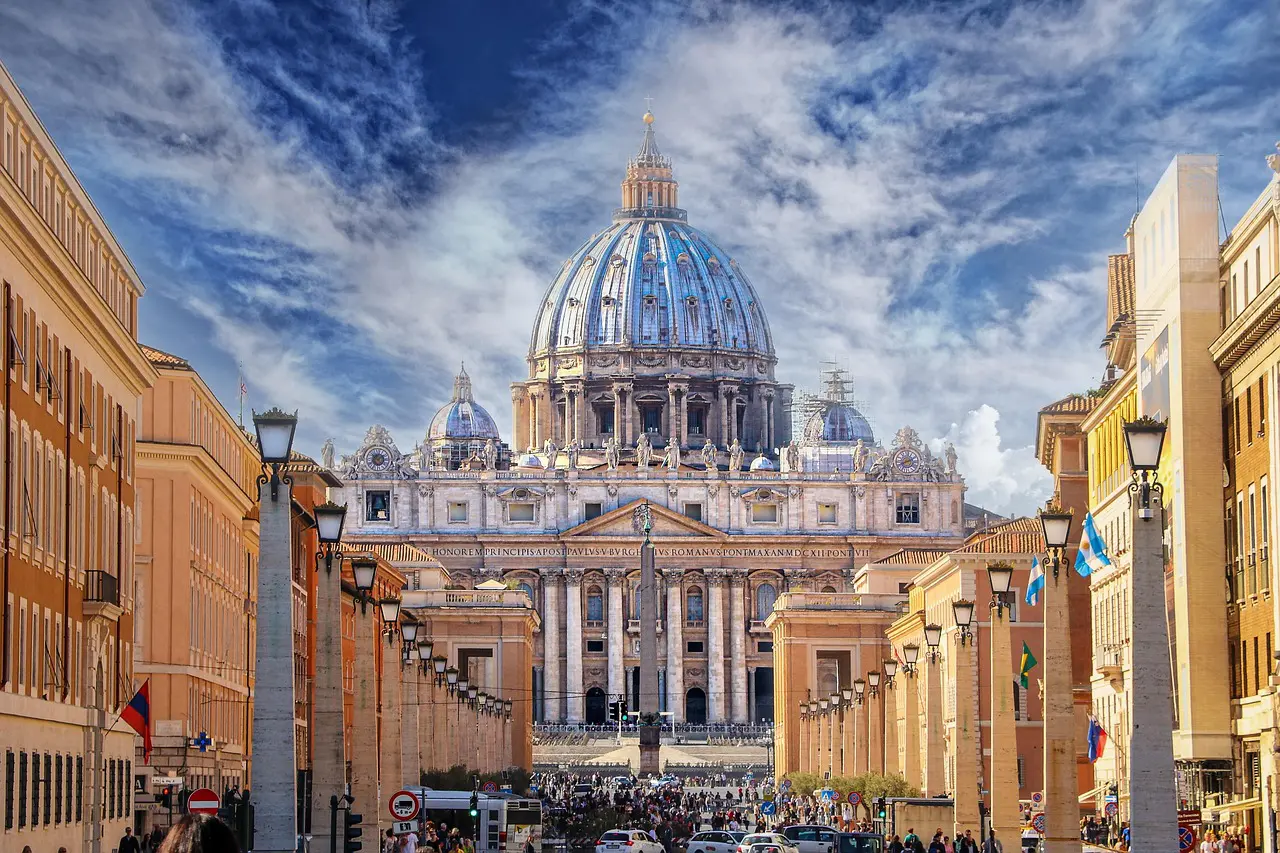
Area: 0.49 km² (121 acres)
Vatican City is the smallest sovereign state in the world by area, entirely enclosed within Rome. Despite its minute size, it holds outsized global importance as the spiritual center of the Roman Catholic Church and the residence of the Pope. This walled micro-state has its own governance, postal system, and security force – all inside an area smaller than a neighborhood park.
For travelers, Vatican City is home to some of the most famous art collections on Earth, including the Sistine Chapel and the Vatican Museums (it is also usually a question in the European trivia night games). It is also the home of St. Peter’s Basilica, one of Christianity’s most important churches and one of the largest religious buildings in the world. Few places on Earth compress such cultural, artistic, and historical gravity into so little land, making Vatican City a quintessential “smallest country with the biggest treasures” destination.
2) Monaco
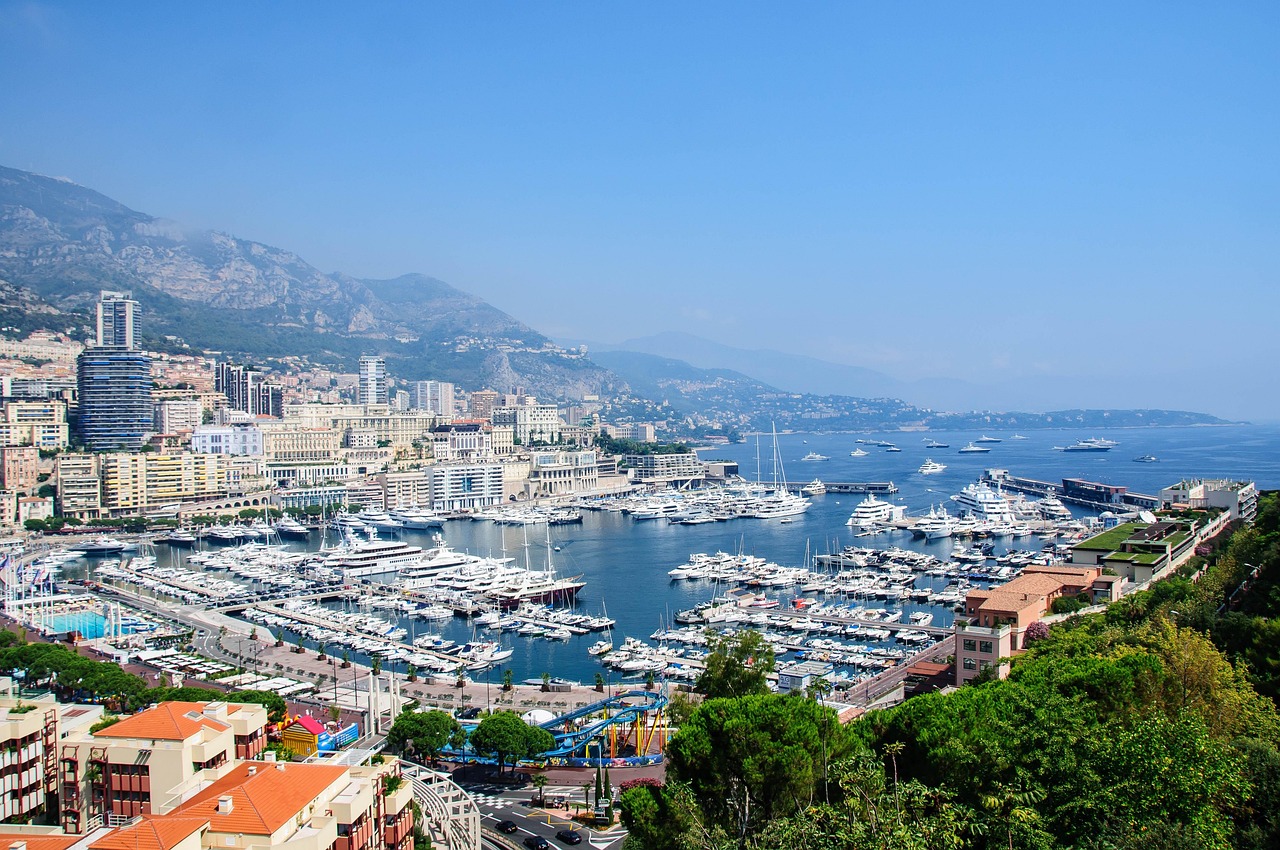
Area: 2.02 km² (499 acres)
Monaco is the second smallest country in the world, wedged between France and the Mediterranean Sea. This city-state has no room to expand outward, so it builds upward – resulting in one of the densest and most glamorous urban environments on the planet.
Monaco is globally recognized as the home of the Monte Carlo Casino and the Monaco Formula One Grand Prix, which turns its everyday streets into a racing circuit each year. Luxury yachts fill its harbor, while cliffside elevators connect districts stacked like terraces. Despite its tiny footprint, Monaco consistently ranks among the most expensive real estate markets in the world, making it a prime example of “small country, colossal prestige.”
3) Nauru
ID 187677545 ©Robert Szymanski | Dreamstime.com
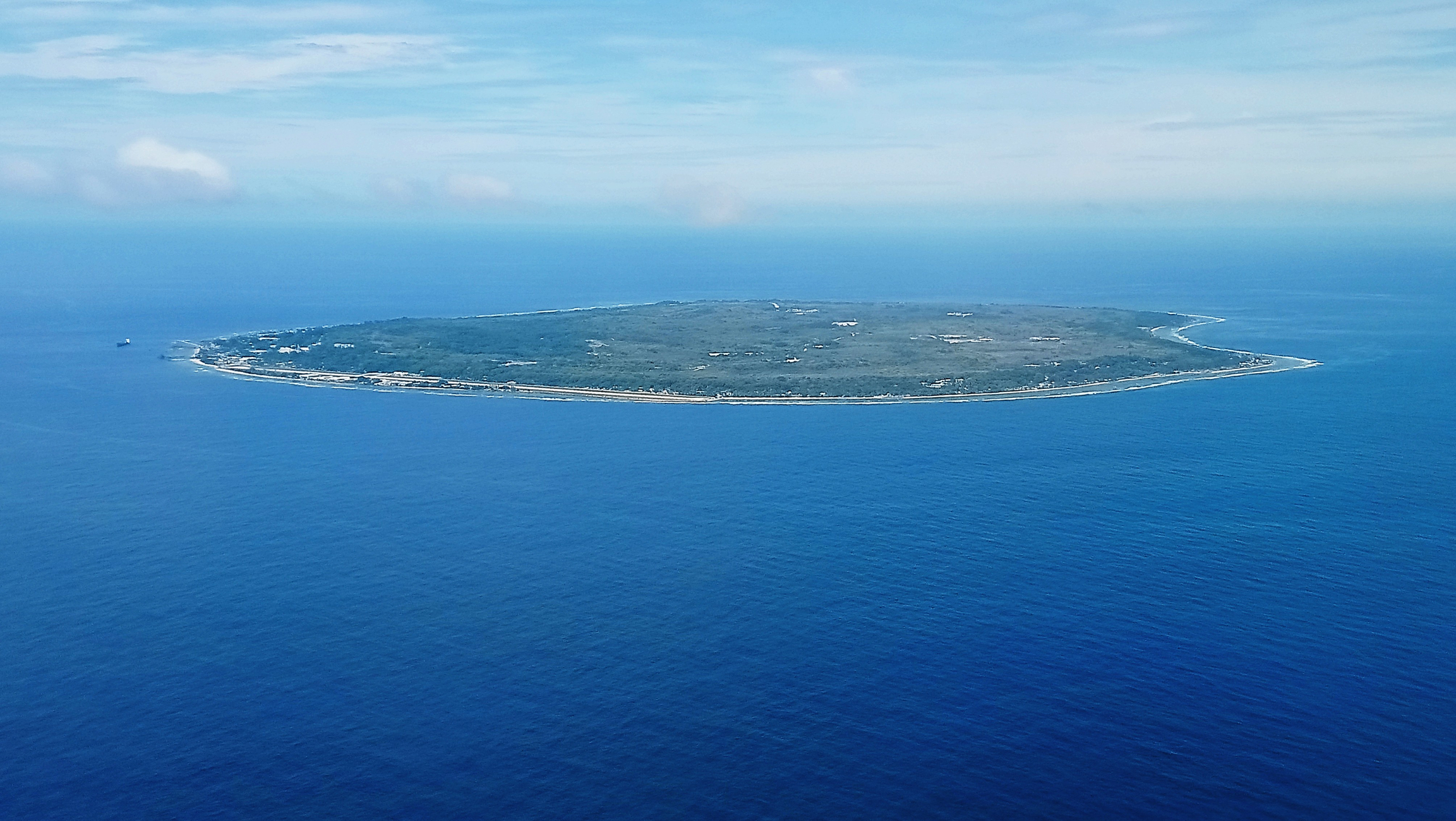
Area: 21 km² (5,200 acres)
Nauru is the third smallest country in the world by land area and the smallest island nation outside Europe. Located in the Pacific Ocean, this solitary coral island has no official capital city – a rare geographic distinction among sovereign states.
Historically, Nauru became wealthy through phosphate mining, earning it the reputation of being one of the richest nations per capita in the world during the late 20th century.
Today, people visit for its quiet remoteness, oceanfront walking trails, and unusual interior landscape shaped by decades of mining. For geography enthusiasts, Nauru is often cited as the least-visited country on Earth, adding a compelling “world’s rarest destination” appeal.
4) Tuvalu
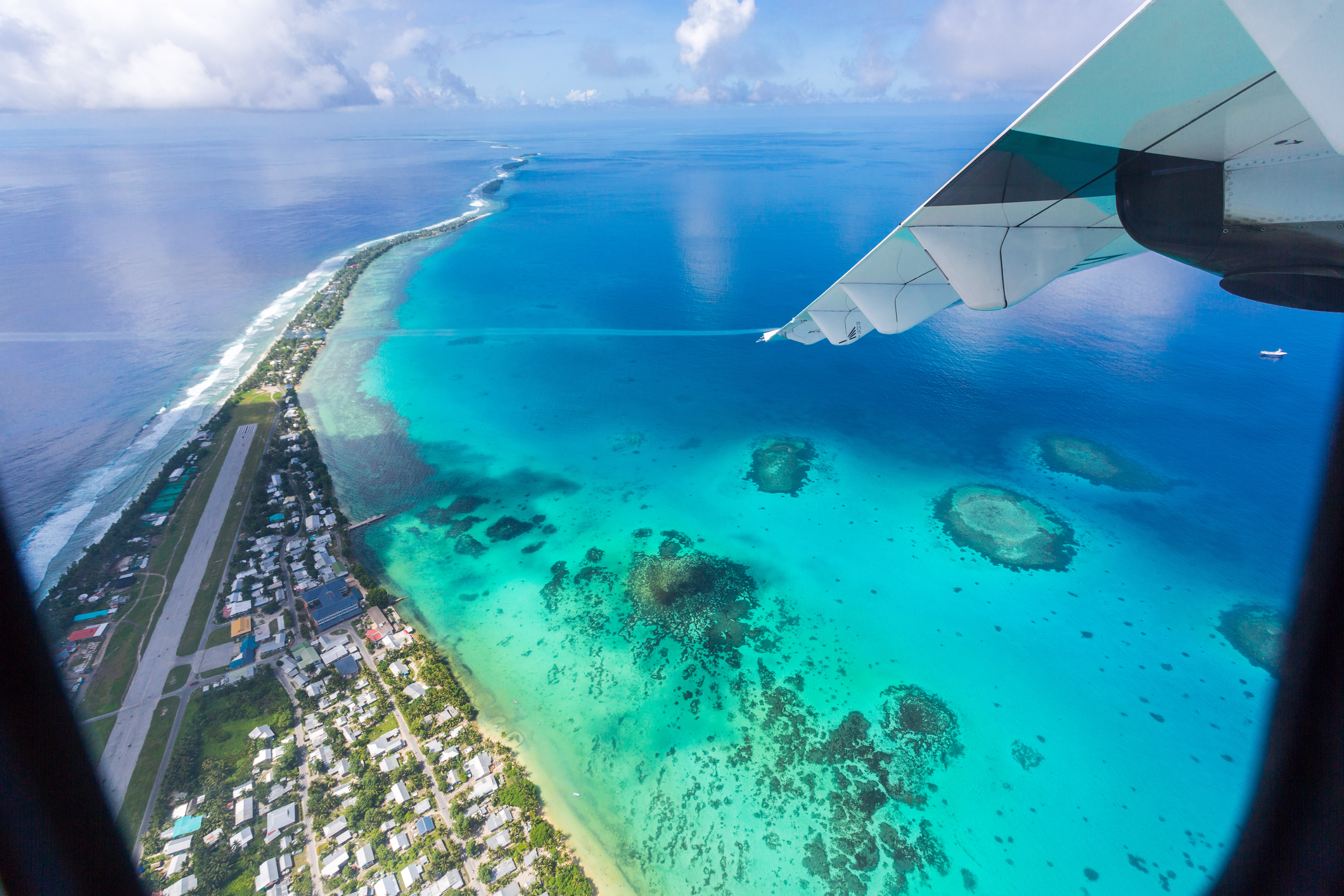
ID 130798019 ©Maloff2 | Dreamstime.com
Area: 26 km² (6,400 acres)
Tuvalu is a Polynesian island nation made up of nine coral atolls scattered across the Pacific. Its highest natural elevation sits only a few meters above sea level, making it one of the flattest countries on Earth.
Tourists drawn to remote island cultures find Tuvalu captivating for its traditional village life, pristine lagoons, and unspoiled reef systems. It is also widely known as the country with one of the smallest populations in the world, and as the owner of the highly memorable “.tv” internet domain, which generates national revenue. For adventurous travelers seeking destinations beyond typical tourist circuits, Tuvalu embodies the “last-frontier island escape” experience.
5) San Marino
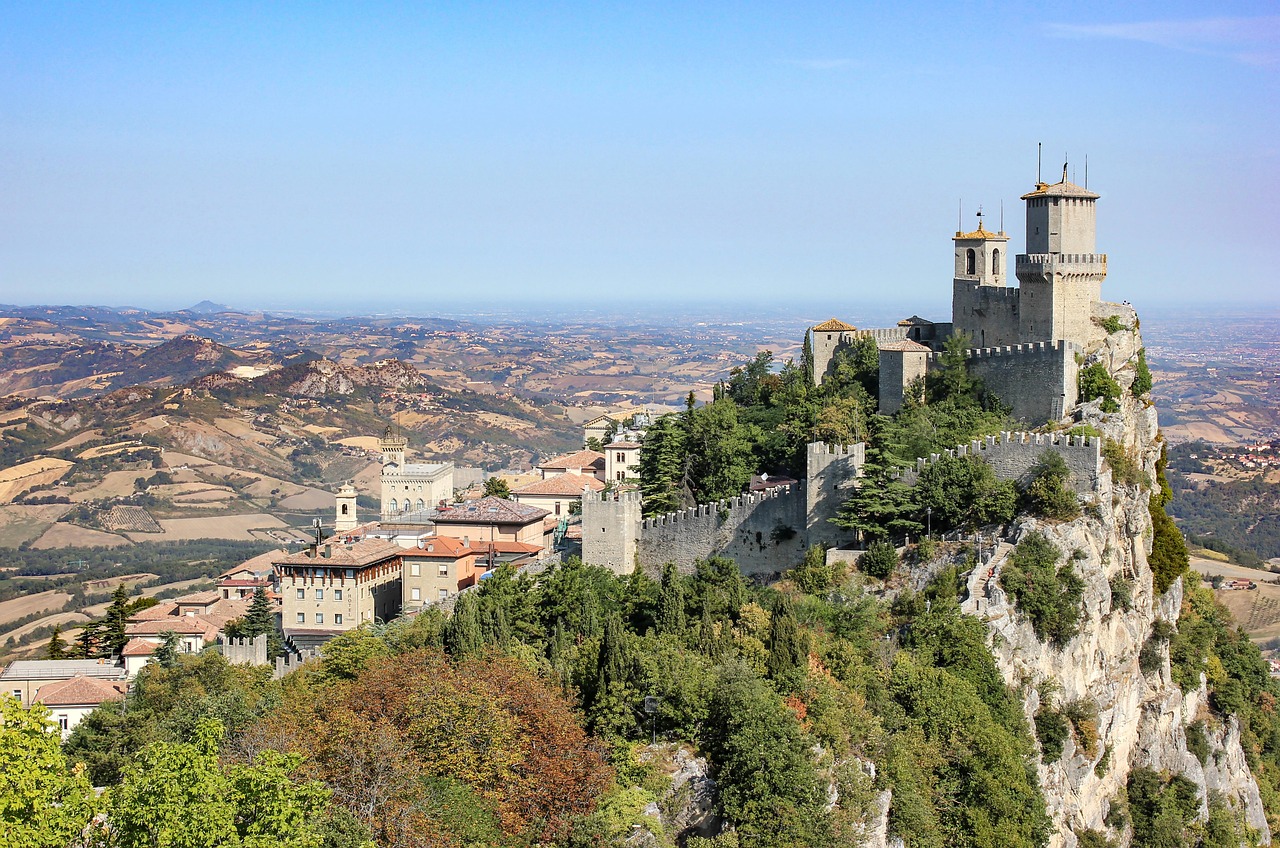
Area: 61 km² (15,000 acres)
San Marino is one of the world’s oldest surviving republics, completely surrounded by Italy. This medieval micro-state sits atop Mount Titano, with fortified walls and towers crowning the landscape.
Its historic center is a UNESCO World Heritage Site, and the Three Towers of San Marino offer panoramic views across the Italian countryside. It is also recognized as the oldest constitutional republic in the world, tracing its founding to the year 301 AD. Travelers enjoy wandering cobbled lanes, browsing duty-free shops, and experiencing a sovereign country that feels like stepping into a living medieval time capsule.
6) Liechtenstein
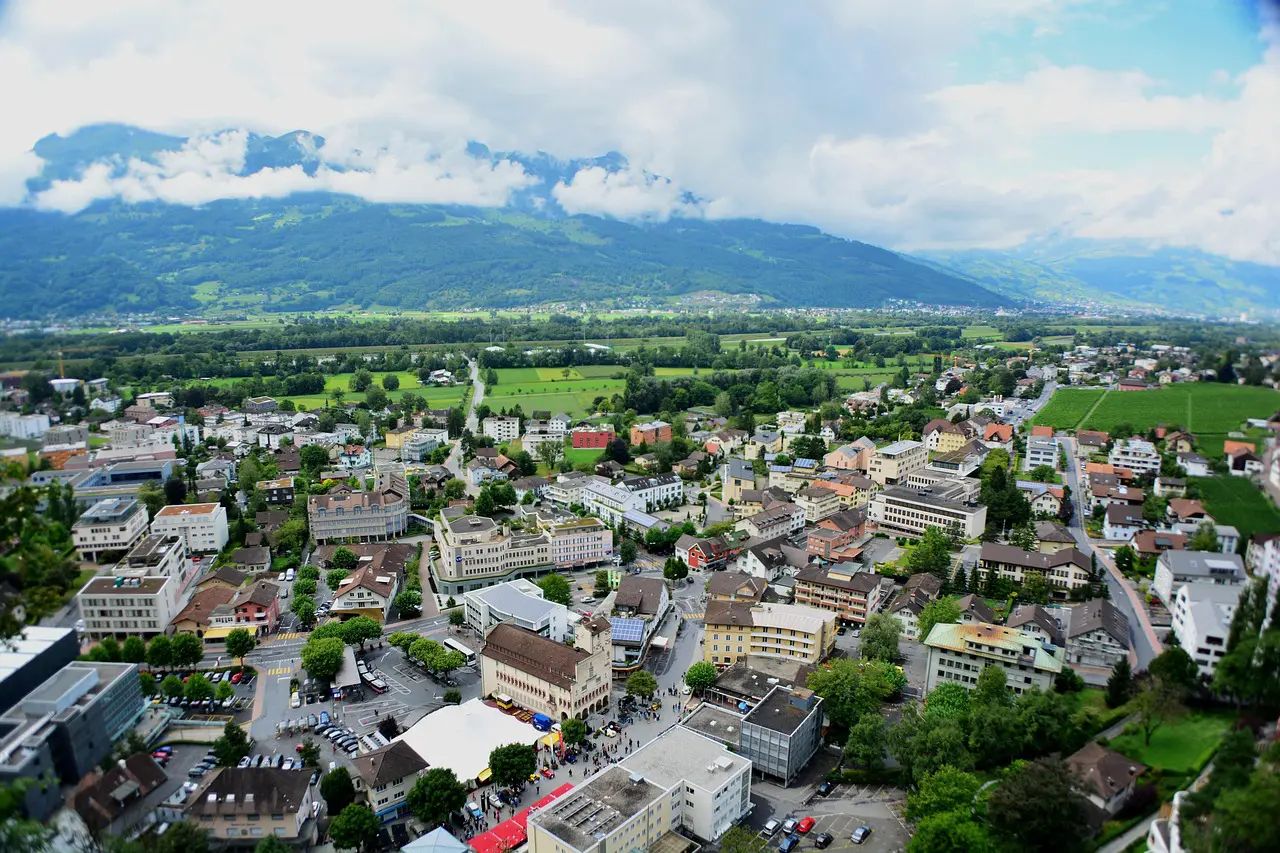
Area: 160 km² (39,500 acres)
Nestled between Switzerland and Austria, Liechtenstein is a tiny Alpine principality ruled by one of Europe’s last reigning monarchs. Despite its small size, it is economically powerful and remarkably scenic.
Visitors come for hiking trails, vineyards, and postcard-perfect villages. Vaduz Castle – the residence of the Prince of Liechtenstein – crowns the capital skyline. The country is also known as the home of one of the world’s highest GDPs per capita, blending fairytale landscapes with financial prosperity. Liechtenstein is ideal for travelers seeking quiet European charm away from mass tourism.
7) Marshall Islands
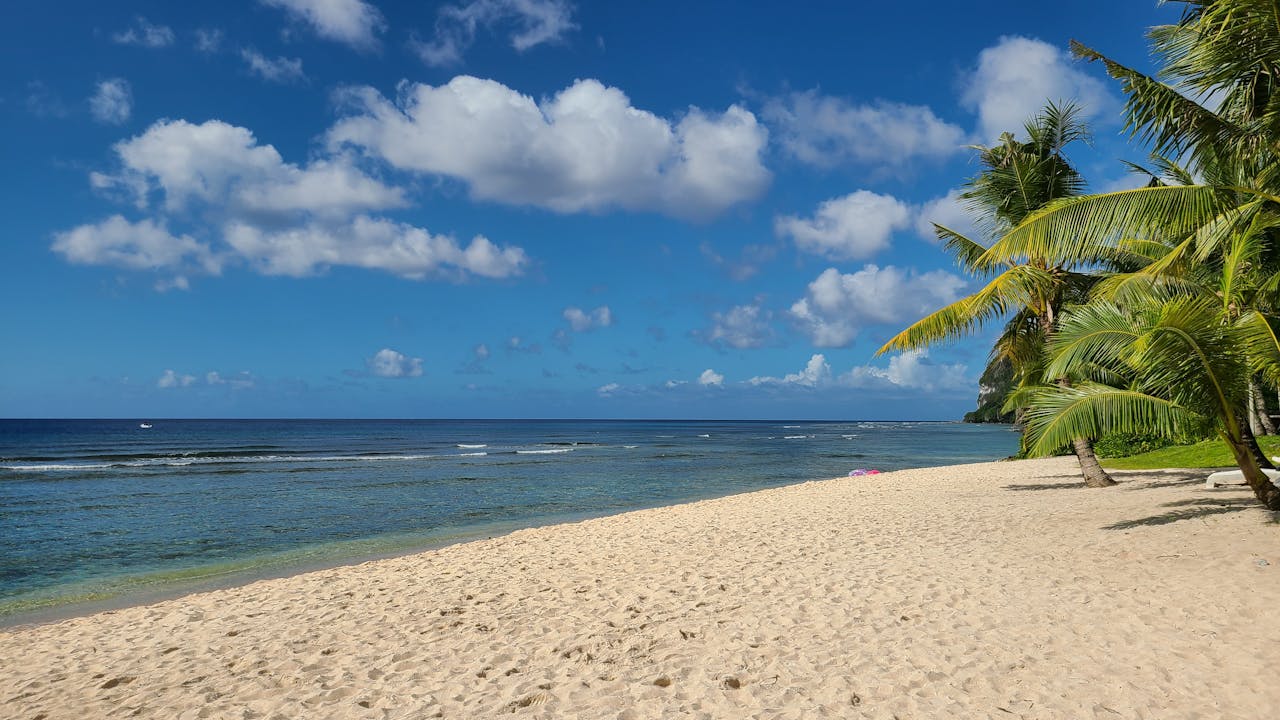
Area: 181 km² (44,700 acres)
The Marshall Islands consist of coral atolls and turquoise lagoons in the central Pacific. The country’s land area is tiny, yet its maritime territory is vast, creating a nation that is geographically small but oceanically enormous.
For travelers, the Marshall Islands are renowned for world-class wreck diving, especially around Bikini Atoll, where historic shipwrecks rest beneath clear tropical waters.
The nation is also known for its traditional stick-chart navigation heritage, an ancient Polynesian method of mapping ocean currents. It remains one of the least-touristed island destinations on Earth, appealing to intrepid explorers seeking untouched marine environments.
8) Saint Kitts and Nevis
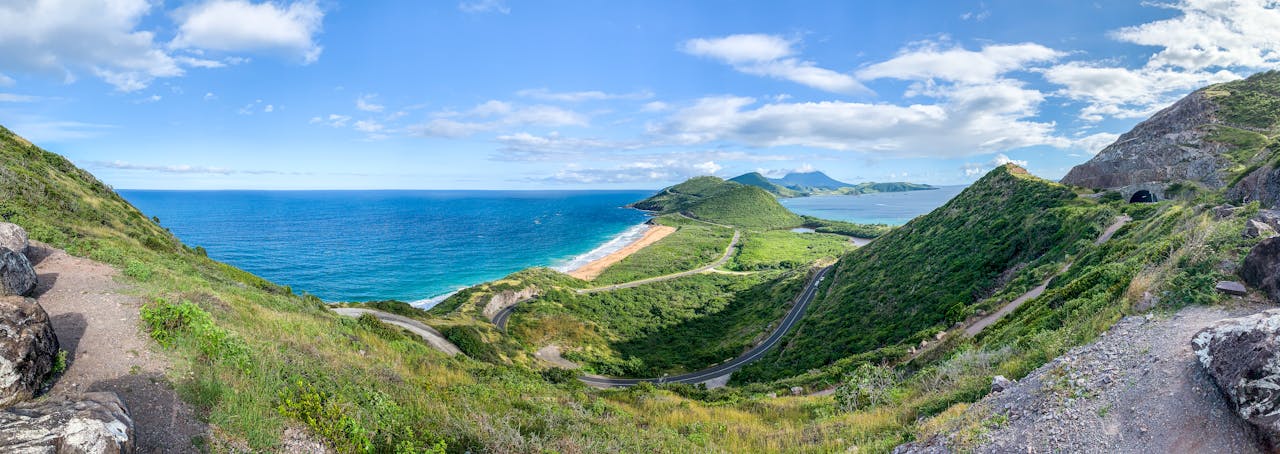
Area: 261 km² (64,500 acres)
This Caribbean federation consists of two volcanic islands with rainforests, beaches, and historic plantation estates. Despite its compact size, it offers a complete tropical travel experience.
Saint Kitts is home to the Brimstone Hill Fortress UNESCO World Heritage Site, a remarkably preserved colonial fort overlooking the sea. Nevis offers quieter luxury, boutique resorts, and the distinction of being the birthplace of Alexander Hamilton, one of America’s founding fathers. Together, they create a perfect “small-country, big-Caribbean-beauty” destination.
9) Maldives
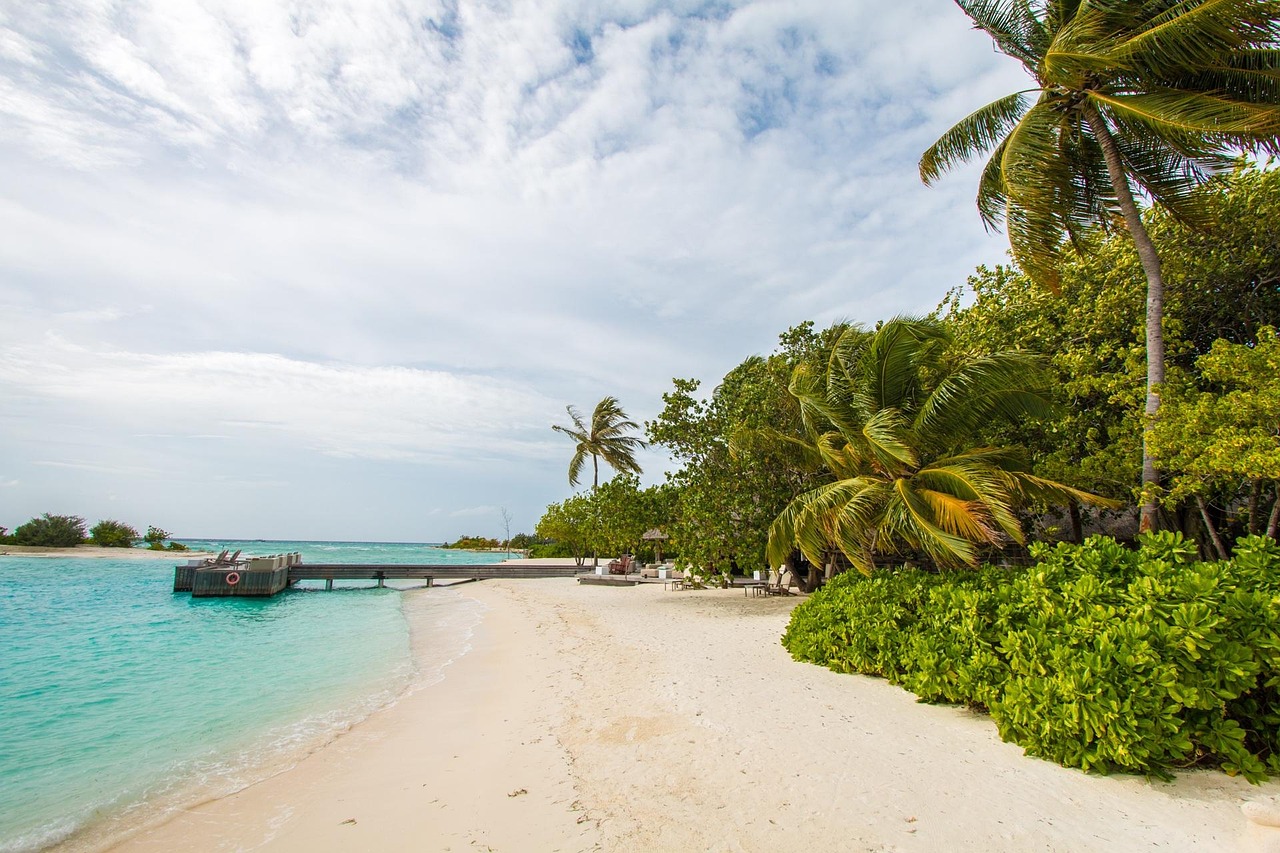
Area: 298 km² (73,600 acres)
The Maldives is an archipelago of coral islands stretching across the Indian Ocean. Though world-famous for luxury travel, its total land area remains smaller than New York City.
This nation is celebrated as the home of the world’s most iconic overwater villas, crystalline lagoons, and unmatched marine biodiversity. It also holds the title of the lowest-lying country in the world, giving it global environmental significance. For travelers, the Maldives represents the ultimate small-footprint, high-impact dream destination.
10) Malta
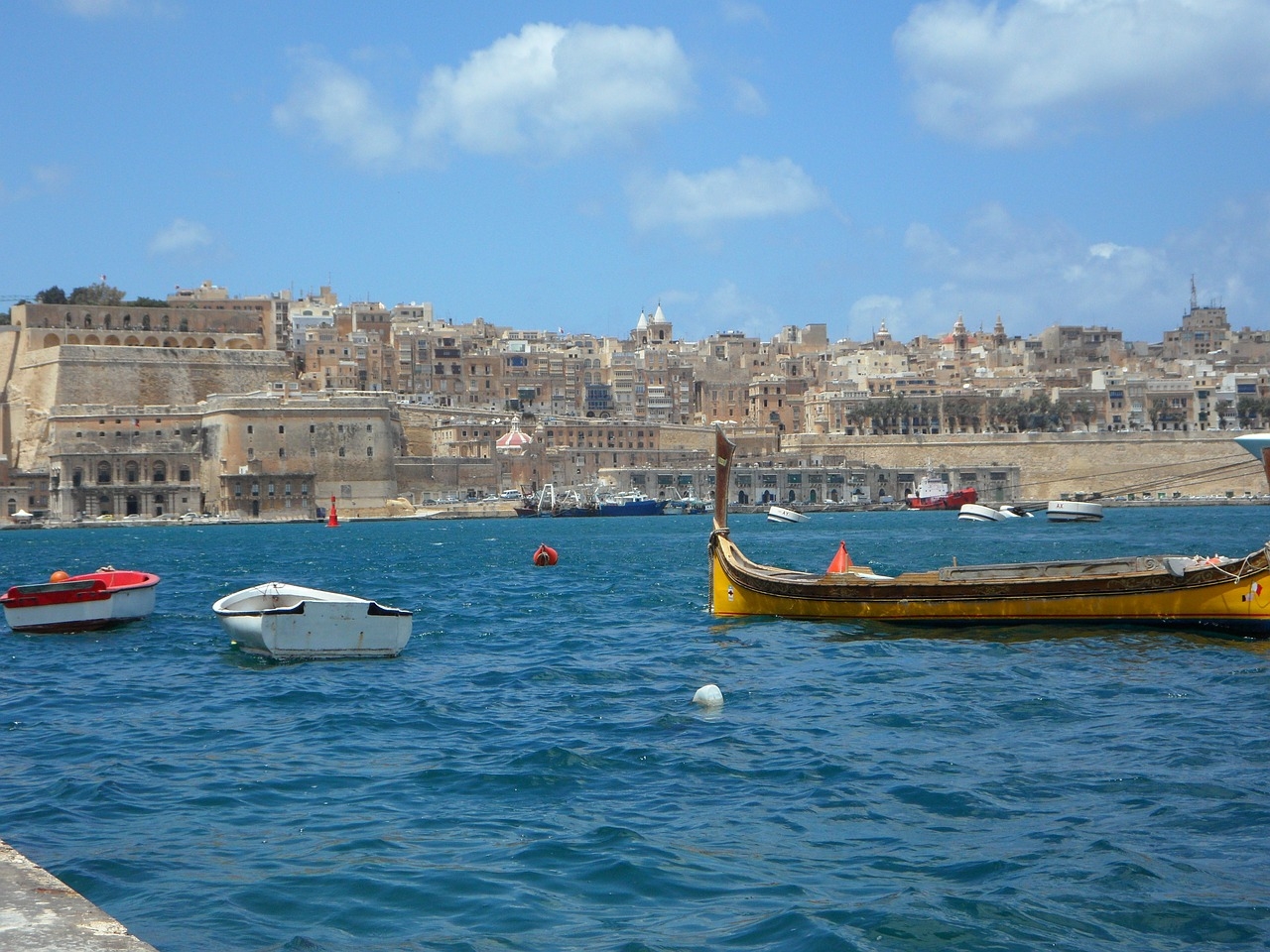
Area: 316 km² (78,000 acres)
Malta sits at the heart of the Mediterranean, layered with history from the Phoenicians to the Knights of St. John. Its compact size makes it exceptionally easy to explore.
Valletta, the capital, is a UNESCO-listed fortified city, packed with Baroque architecture, museums, and seaside views. Malta is also home to some of the oldest free-standing stone temples in the world, predating the pyramids. For travelers interested in deep history within a small navigable space, Malta offers an extraordinary density of heritage.
11) Grenada
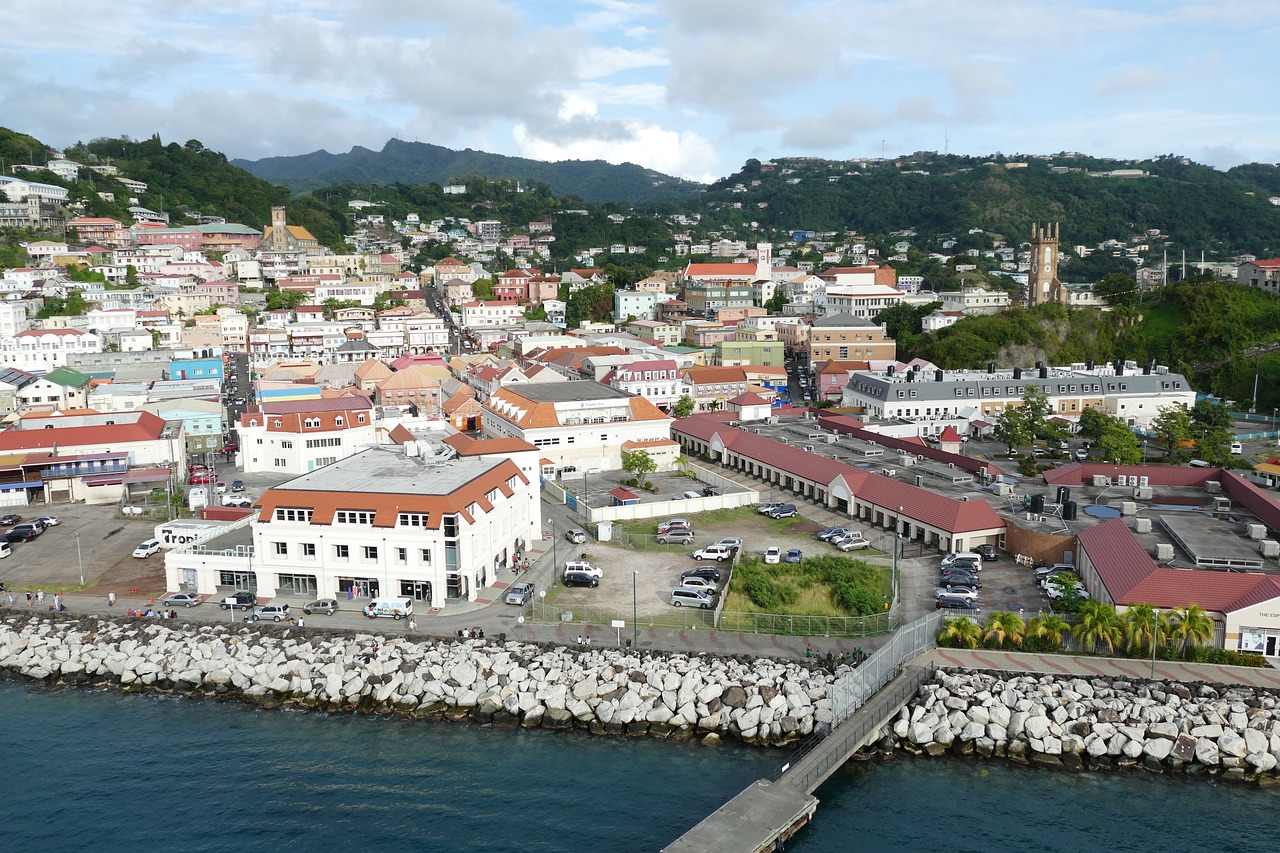
Area: 344 km² (85,000 acres)
Known as the “Spice Island,” Grenada produces nutmeg, cinnamon, and cocoa – fragrances that drift through its markets and plantations.
Beyond its aromatic reputation, Grenada offers rainforest waterfalls, volcanic lakes, and coral reefs. It is also home to one of the world’s first underwater sculpture park, where submerged art installations create an unforgettable snorkeling experience. This combination of spice culture and underwater artistry makes Grenada uniquely memorable among Caribbean destinations.
12) Saint Vincent and the Grenadines
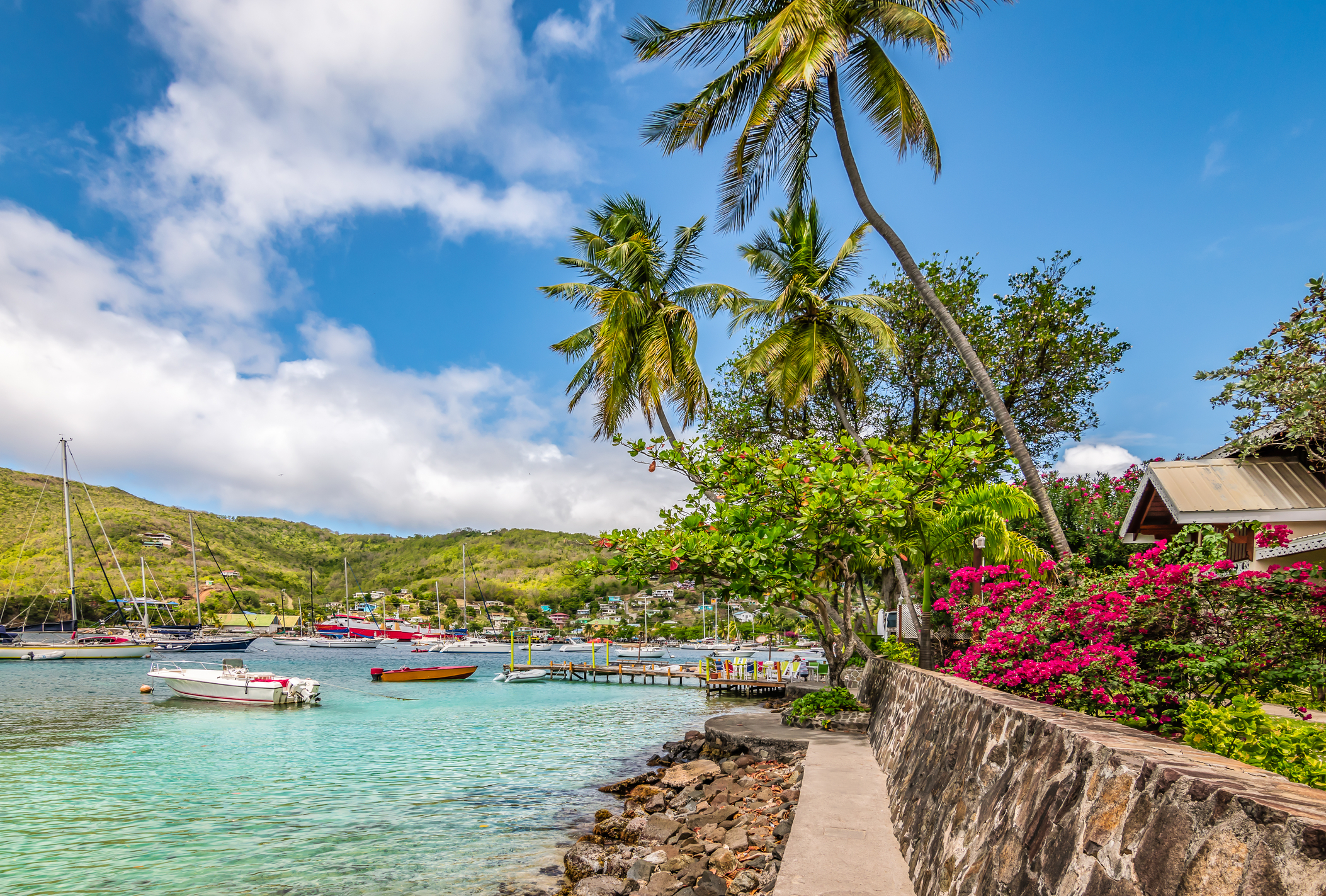
ID 148936093 ©Nancy Pauwels | Dreamstime.com
Area: 389 km² (96,000 acres)
This island chain stretches across the southern Caribbean, combining rugged volcanic terrain with pristine sailing waters.
It is internationally known as the filming location for the original Pirates of the Caribbean movie, particularly on the island of Bequia. Travelers visit for yachting, secluded beaches, and authentic island culture away from cruise crowds. Despite its small total landmass, it delivers one of the best sailing archipelagos in the world.
13) Barbados
Area: 430 km² (106,000 acres)
Barbados is often called the “Little England” of the Caribbean, but it is a powerhouse of island culture. Unlike its volcanic neighbors, Barbados is a coral island, resulting in fine, white-sand beaches and a flatter terrain that is remarkably easy to navigate by car.
As the birthplace of rum, it offers travelers historic distillery tours alongside world-class surfing at the “Soup Bowl” on the rugged Atlantic coast. From the luxury resorts of the West Coast to the vibrant nightlife of Oistins, Barbados packs a sophisticated, high-energy holiday into a footprint roughly half the size of NYC.
14) Antigua and Barbuda
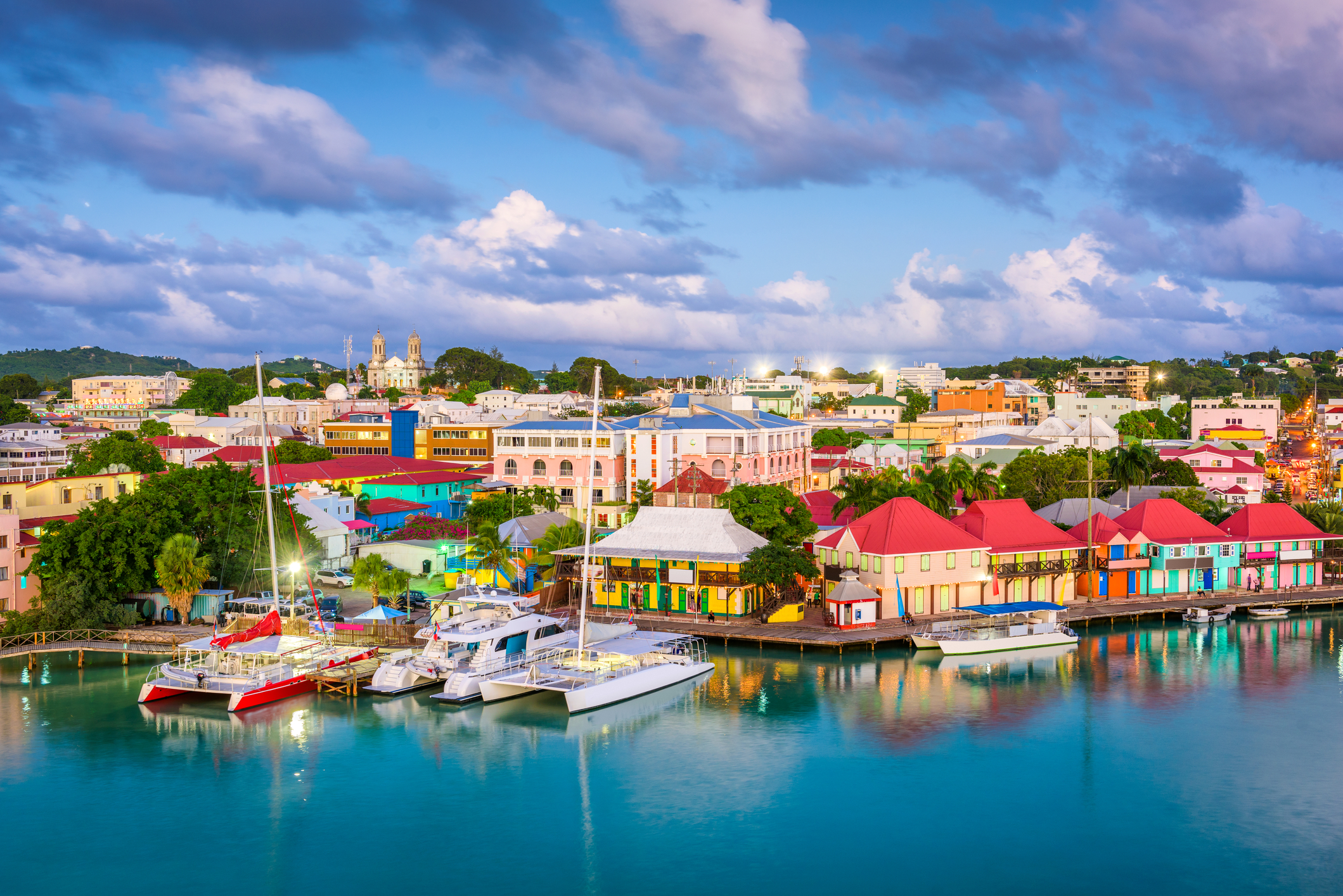
ID 123308882 ©Sean Pavone | Dreamstime.com
Area: 440 km² (108,000 acres)
This twin-island nation is famous for its claim of having “365 beaches – one for every day of the year.” Antigua is the bustling hub, home to the historic Nelson’s Dockyard, a UNESCO World Heritage site that serves as a reminder of the island’s deep maritime roots.
Its sister island, Barbuda, is much smaller and quieter, known for its pink-sand beaches and the Frigate Bird Sanctuary. For sailors and sun-seekers, this nation offers a perfect blend of colonial history and untouched tropical seclusion.
15) Seychelles
Area: 455 km² (112,000 acres)
The Seychelles is an archipelago of 115 islands in the Indian Ocean, though its total landmass is barely larger than a few New York boroughs combined. It is home to some of the world’s rarest flora and fauna, including the giant Coco de Mer palm.
Travelers often head to La Digue to see the iconic granite boulders of Anse Source d’Argent, frequently cited as the most beautiful beach in the world. As one of the smallest countries in Africa, the Seychelles offers an “exclusive-island” atmosphere that focuses heavily on high-end eco-tourism and marine conservation.
16) Palau
Area: 459 km² (113,000 acres)
Palau is a diver’s paradise located in the western Pacific. It is most famous for the “Rock Islands” – hundreds of mushroom-shaped limestone islets covered in thick green foliage, rising out of turquoise lagoons.
One of its most unique attractions is Jellyfish Lake, where millions of stingless golden jellyfish migrate across the water daily. Palau was also the first nation in the world to change its immigration laws for environmental protection, requiring visitors to sign the “Palau Pledge” in their passports to act ecologically responsible during their stay.
17) Andorra
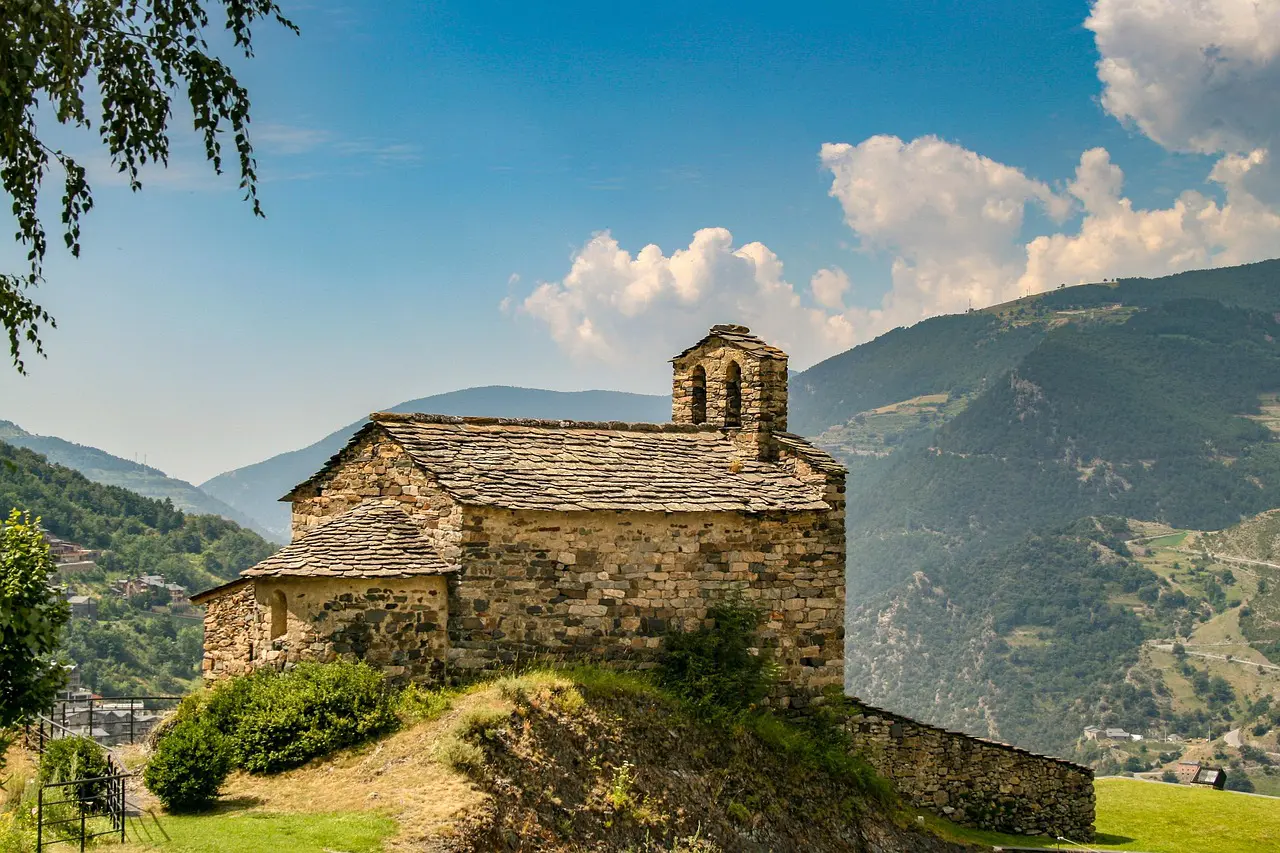
Area: 468 km² (115,000 acres)
Tucked high in the Pyrenees mountains between France and Spain, Andorra is a landlocked microstate known for its dramatic peaks and tax-free shopping. It is the only country in the world where the official language is Catalan.
Winter travelers flock here for some of the best skiing in Europe at Grandvalira, while summer visitors explore the Madriu-Perafita-Claror Valley, a UNESCO-protected glacial landscape. Despite having no airport or train station, Andorra attracts millions of visitors annually, proving that mountain charm can outweigh a lack of traditional transit.
18) Saint Lucia
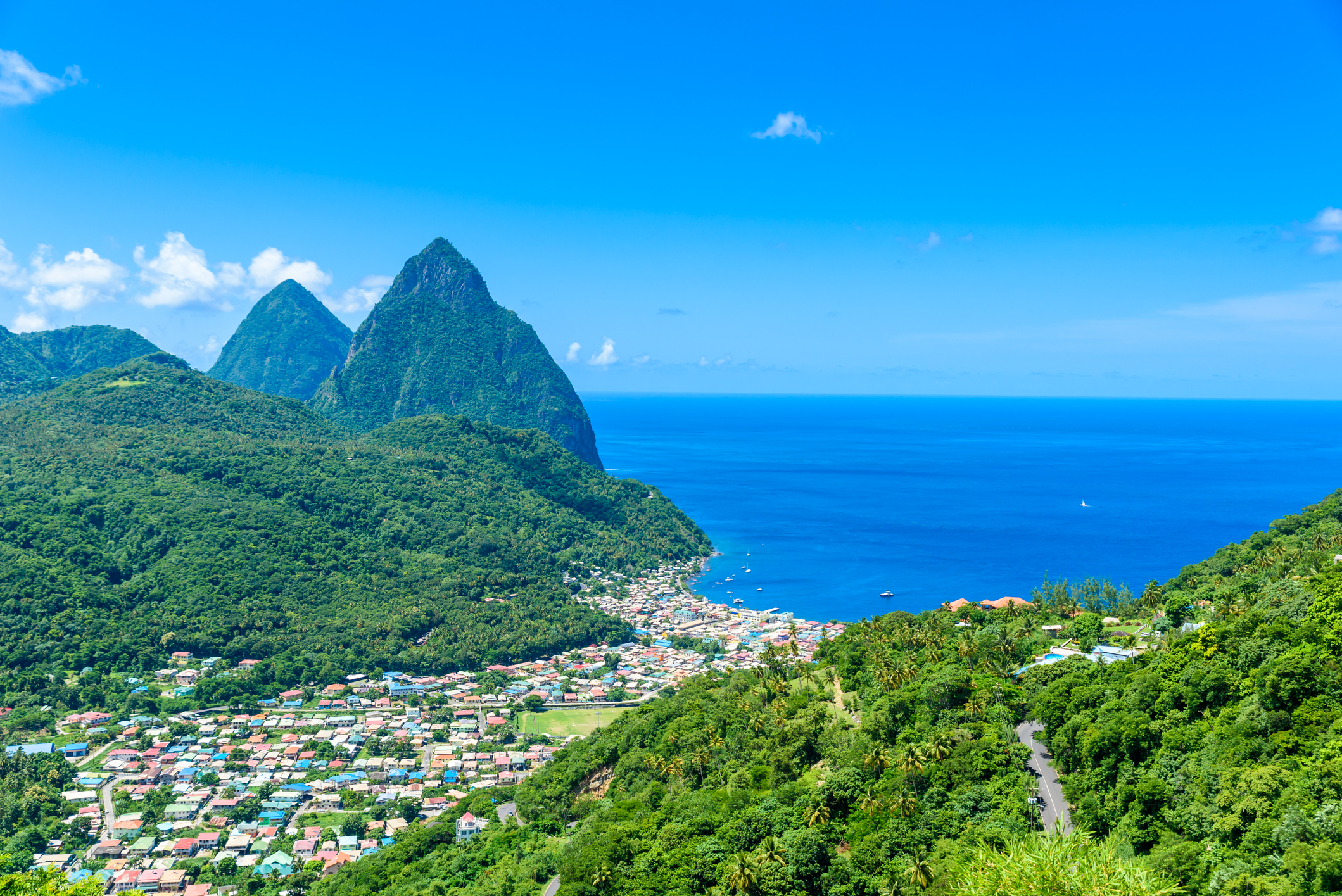
ID 144399006 ©SimonDannhauer | Dreamstime.com
Area: 616 km² (152,000 acres)
Saint Lucia is perhaps the most visually striking island in the Caribbean, dominated by the Pitons – two towering volcanic spires that rise directly from the sea. The island is a favorite for honeymooners, offering “open-wall” villas that overlook the lush rainforest and the Caribbean Sea.
Beyond the views, you can visit the world’s only “drive-in volcano” at Sulphur Springs or hike through dense jungles filled with rare tropical birds. It is a destination where adventure and luxury coexist in a very compact, vertical landscape.
19) Federated States of Micronesia
Area: 702 km² (173,000 acres)
Spread across the heart of the Pacific, this nation is made up of four states: Yap, Chuuk, Pohnpei, and Kosrae. While its land area is small, its territory spans over a million square miles of ocean. For history buffs and divers, Chuuk Lagoon is a bucket-list destination, serving as an underwater museum for one of the largest “ghost fleets” of WWII shipwrecks.
Pohnpei is home to Nan Madol, a mysterious ancient city built on artificial islands made of basalt columns, often referred to as the “Venice of the Pacific.”
20) Tonga
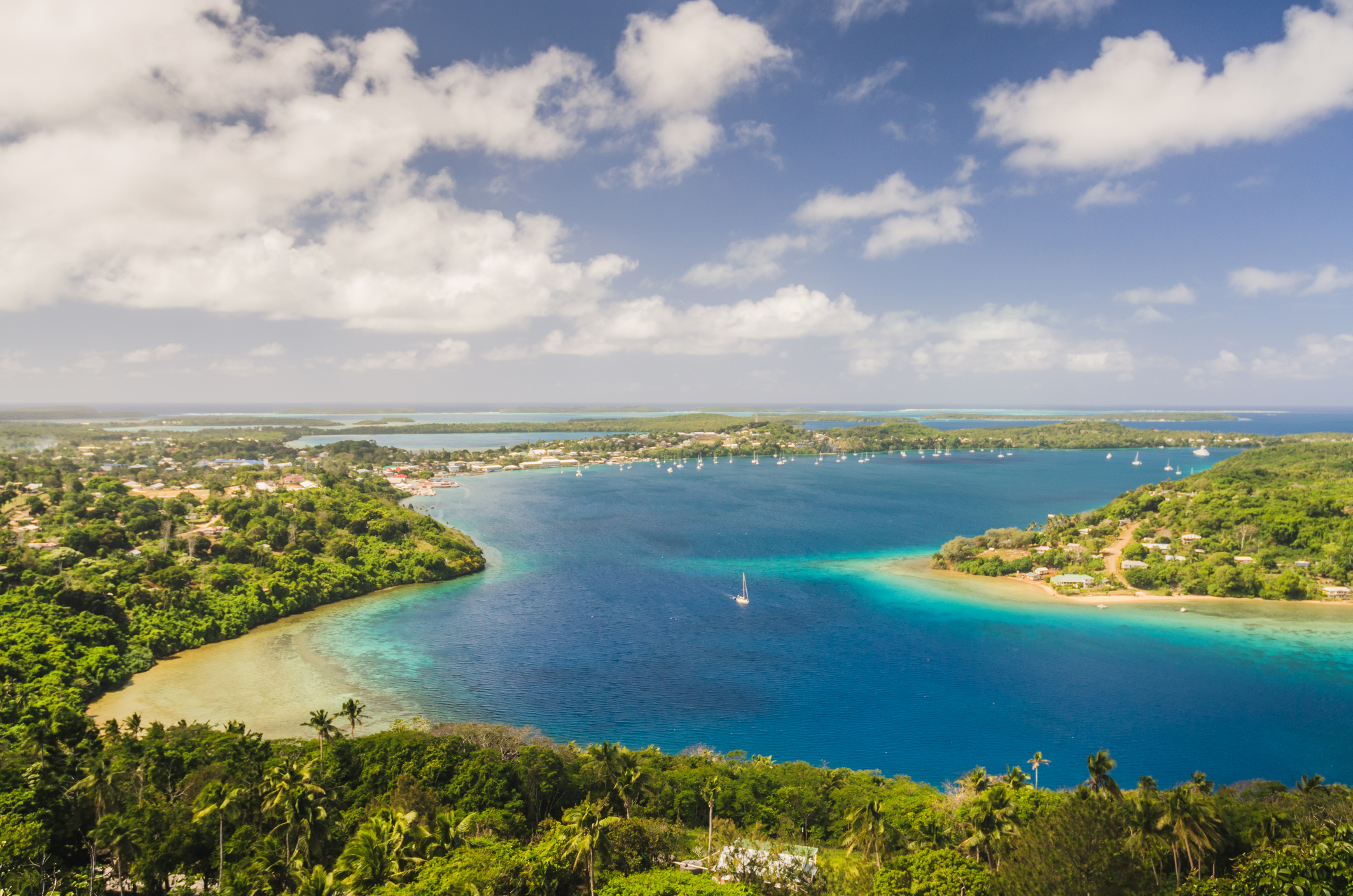
ID 47423841 ©Michal Durinik | Dreamstime.com
Area: 747 km² (184,000 acres)
Tonga is the only remaining indigenous monarchy in the Pacific and was never formally colonized, giving it a unique cultural purity. It is one of the few places on Earth where travelers can legally swim with humpback whales in the wild during their annual migration. The islands range from high volcanic peaks to low-lying coral atolls.
Life in Tonga moves at a slower pace, centered around church, family, and the traditional “kava” ceremonies, making it a perfect retreat for those looking to disconnect from the modern world.
21) Dominica
Area: 751 km² (185,000 acres)
Not to be confused with the Dominican Republic, Dominica is known as the “Nature Island of the Caribbean.” It is the most rugged island in the region, featuring 365 rivers, boiling lakes, and mountains covered in untouched primary rainforest.
It is a haven for hikers, home to the Waitukubuli National Trail, the longest hiking trail in the Caribbean. Because it lacks the flat land required for large white-sand beaches, Dominica has avoided mass tourism, preserving its authentic Kalinago indigenous culture and spectacular volcanic scenery.
22) Singapore
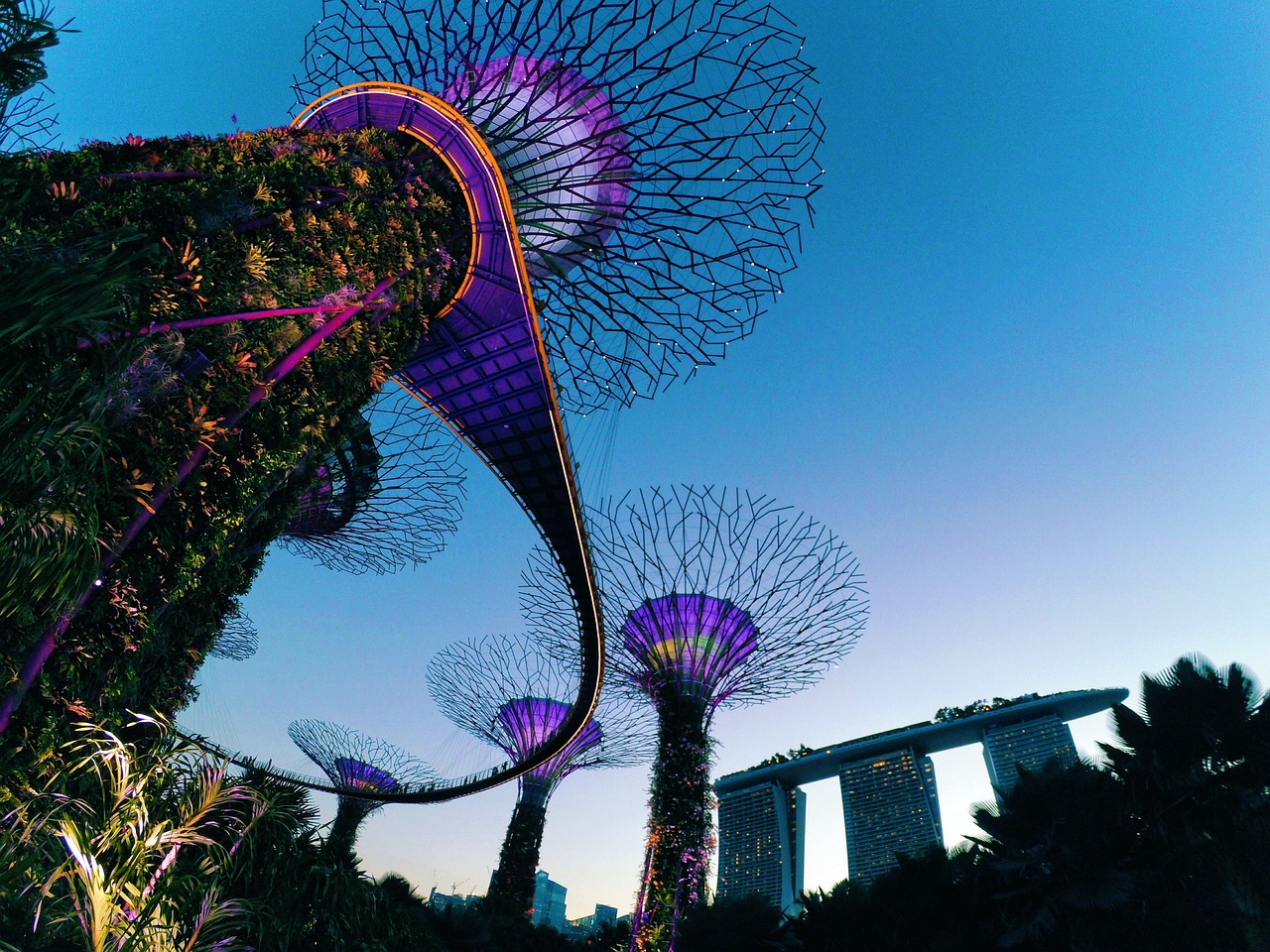
Area: 734 km² (181,000 acres)
Singapore is a sovereign island city-state at the southern tip of the Malay Peninsula. Despite being smaller in land area than New York City, it is one of the most economically powerful and technologically advanced countries in the world. Every square kilometer is meticulously planned, blending futuristic architecture with carefully preserved green spaces.
For travelers, Singapore is famous for its iconic skyline at Marina Bay, the Gardens by the Bay Supertree Grove, and the world-renowned Changi Airport, consistently ranked as the best airport on Earth. Food lovers come for its legendary hawker centers, where Michelin-rated meals cost just a few dollars. Often called the “Garden City of Asia,” Singapore delivers ultra-modern urban design, multicultural neighborhoods, and seamless transport – proving that a tiny footprint can support one of the world’s most impressive city experiences.
New York City Boroughs vs. Countries Smaller Than NYC
| NYC Borough / Reference | Land Area (Approx) | Sovereign Country Match | Country Area |
| Central Park | 3.4 $km^2$ | Monaco | 2.02 $km^2$ |
| Manhattan | 59 $km^2$ | San Marino | 61 $km^2$ |
| The Bronx | 109 $km^2$ | Liechtenstein | 160 $km^2$ |
| Staten Island | 149 $km^2$ | Marshall Islands | 181 $km^2$ |
| Brooklyn | 180 $km^2$ | Saint Kitts and Nevis | 261 $km^2$ |
| Queens | 281 $km^2$ | Maldives | 298 $km^2$ |
| All 5 Boroughs | 778 $km^2$ | Dominica | 751 $km^2$ |
A Different Conclusion
New York City may feel enormous – but in the global context, it’s larger than twelve sovereign nations. From Vatican art treasures to Maldivian lagoons, from Monaco’s glamour to Tuvalu’s remote serenity, these compact countries prove that the world’s most unforgettable experiences often come in the smallest packages. Travelers searching for small countries to visit or unique compact destinations will find these nations deliver maximum experience in minimal space.
If you love destinations that are easy to explore yet rich in character, these micro-nations deserve a place on your future travel list.
Also, if you liked this article with countries smaller than NYC, then you will love this one with 150 US trivia questions with answers!
Photo sources, apart from Dreamstime: 1, 2, 3, 4, 5, 6, 7, 8, 9, 10, 11