
You know this by now: every December 31st, millions of people set resolutions with genuine intention – and by February, most have quietly abandoned them. The problem isn’t a lack of willpower or motivation. It’s that we’ve been taught to approach change in a fundamentally unsustainable way.
Research from the University of Scranton suggests that only 8% of people achieve their New Year’s resolutions. The ones who succeed aren’t superhuman – they’re just working with human nature instead of against it.
This year, try something radically different: choose goals that are small enough to be sustainable, specific enough to be actionable, and meaningful enough actually to matter in your daily life.
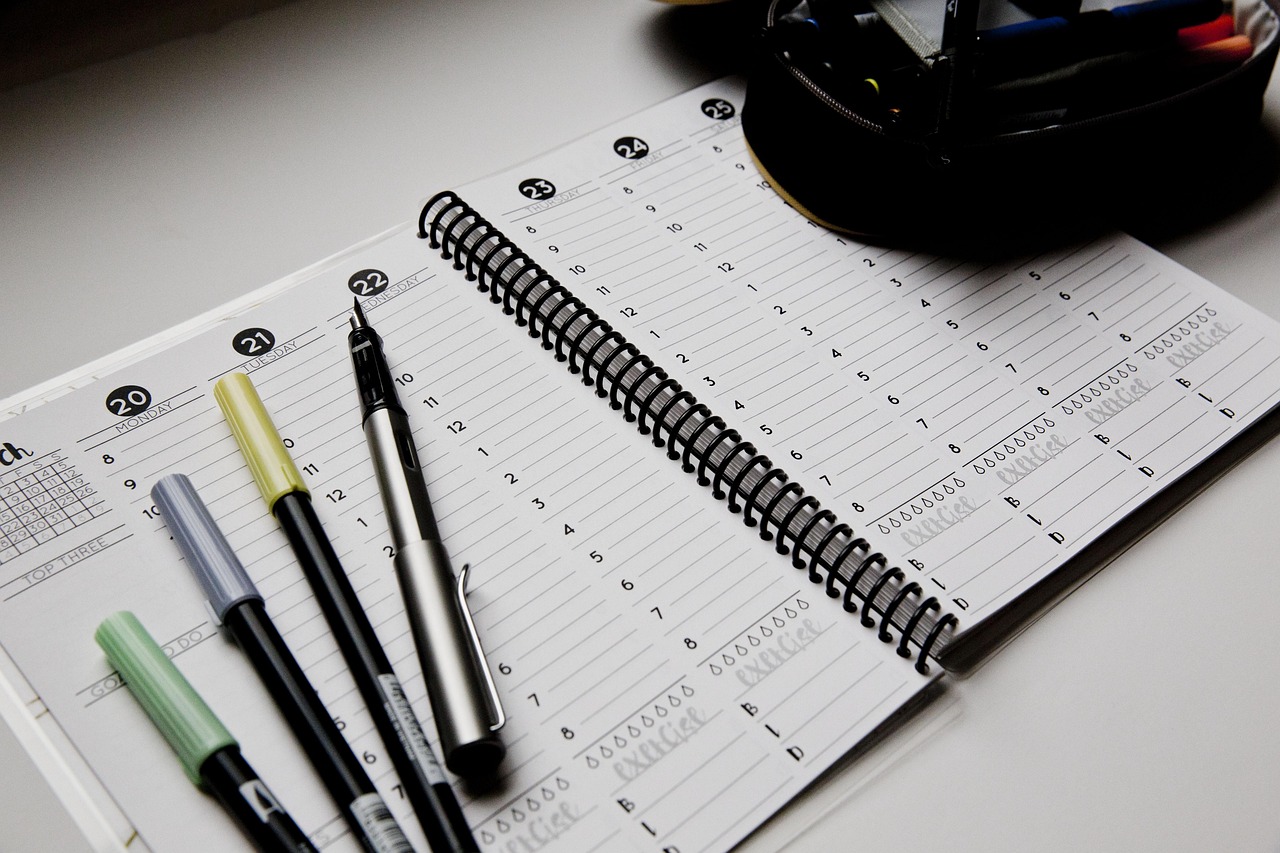
Here are 15 science-backed, psychologically sound goals that can genuinely transform how your year feels – without requiring you to become someone you’re not.
I chose to write this article and share these goals as they are more habits for the new year that will help you. I implemented all of them myself over the years, and I had great results.
I also recently presented you the 15-minute end-of-the-year process to help you have a better year, and just yesterday I shared these mindset shifts that will truly change how you see your life and approach different situations – in the new year and beyond. You can also read this article with 10 things to declutter (beyond clothes and such).
This article is for you if:
- You’ve set New Year’s resolutions before and quietly abandoned them
- You want meaningful change without burning out
- You’re tired of unrealistic self-improvement advice
- You want habits that fit real life, not a perfect routine
15 Realistic New Year Goals You Can Actually Stick To (Backed by Psychology)
Building a Foundation (Physical & Mental Wellbeing)
The goals in this section address your baseline well-being – the foundation everything else is built on. When you feel physically and mentally better, every other area of life becomes easier.
1. Eat Healthier – Without Obsession or Restriction
Nutrition directly impacts energy, mood, cognitive function, and long-term health. But restrictive dieting typically backfires, leading to cycles of deprivation and overcompensation.
The sustainable approach: Instead of eliminating foods, focus on addition. Add one serving of vegetables to lunch. Add a piece of fruit to breakfast. Add a glass of water before each meal.
This “crowding out” strategy works because it doesn’t trigger the psychological rebellion that comes with deprivation. You’re not taking anything away – you’re simply making the healthier choice easier and more frequent.
A practical implementation looks like this:
- Prep 2-3 simple, nourishing meals on Sunday that you can rotate through the week
- Keep cut vegetables visible in clear containers at eye level in your fridge
- Use the “half-plate rule”: fill half your plate with vegetables or fruit before adding anything else
- Track how you feel after meals, not just what you ate – this builds intrinsic motivation
Common pitfall: Trying to overhaul everything at once. Start with ONE meal or ONE habit. Master that before expanding.
2. Make Time for Yourself Every Day (Non-Negotiable)
Chronic stress without recovery leads to burnout, decreased cognitive performance, and serious health consequences. Your nervous system needs regular downtime to regulate itself.
Even 15-30 minutes of genuine rest can shift your stress response from chronic activation to baseline calm.
What counts as “me time”:
- Reading without guilt
- A bath or shower where you’re not rushing
- Sitting with coffee and actually tasting it
- Walking without a destination
- Listening to music with intention
- Watching something comforting without your phone
What you can do:
- Schedule it like you would a meeting – put it in your calendar (I chose to have this me time often times at the end of the day)
- Combine it with existing routines (morning coffee, evening wind-down) (I use the morning coffee as a daily routine too)
- Communicate the boundary clearly: “This is my time from 8-8:30pm”
- Start with just 10 minutes if 30 feels impossible – consistency matters more than duration
The key mindset shift: Rest isn’t earned through productivity. It’s a requirement for sustainable functioning. You wouldn’t skip charging your phone and expect it to work – your brain is no different.
3. Protect Your Energy, Not Just Your Time
Time management advice assumes all hours are equal. They’re not. An hour spent with someone who energizes you is fundamentally different from an hour with someone who drains you.
Energy management is about recognizing that your capacity isn’t infinite and choosing where to spend it strategically.
Signs you need better energy boundaries:
- Feeling exhausted even when your schedule isn’t objectively full
- Dreading events you agreed to weeks ago
- Needing hours of recovery time after social interactions
- Feeling resentful about commitments
Practical implementation:
- Audit your week: What genuinely energizes you vs. drains you?
- Practice the “pause before yes” – don’t commit to anything immediately
- Create buffer time between obligations (even 15 minutes helps)
- Give yourself permission to cancel sometimes – especially if you’re heading toward burnout
In fact, I wrote a comprehensive article about saying no, setting boundaries, and how this benefits you.
How to say no without guilt:
- “I appreciate you thinking of me, but I need to protect my schedule right now.”
- “That sounds great, but I’m at capacity.”
- “I can’t commit to that, but thank you for asking.”
No explanation beyond that is required.
4. Move Your Body – In a Way That Actually Feels Good

ID 128054653 ©Fizkes | Dreamstime.com
Physical movement isn’t just about fitness or appearance – it’s one of the most powerful tools for mental health, stress regulation, sleep quality, and cognitive function.
But traditional exercise advice often ignores a crucial truth: you won’t stick with movement you hate, no matter how “effective” it supposedly is.
The sustainable approach: Find movement you genuinely enjoy, not what you think you “should” do.
That might be:
- Walking while listening to podcasts or music
- Dancing in your living room
- Yoga or stretching
- Swimming or cycling
- Hiking in nature
- Playing a sport recreationally
Practical implementation:
- Start embarrassingly small: 5-10 minutes counts
- Link it to something you already do (walk after dinner, stretch before coffee)
- Focus on how it makes you feel, not what it looks like or how many calories it burns
- Track consistency, not intensity – moving 10 minutes daily beats one intense hour weekly
Common pitfall: Measuring success by physical changes only. Mental and emotional benefits often appear first – better sleep, improved mood, reduced anxiety, more mental clarity.
Personal Growth That Actually Compounds
These goals focus on skills and practices that create long-term value – not impressive-sounding achievements, but genuinely useful capabilities that improve multiple areas of life.
5. Learn One Skill That Improves Daily Life
Most personal development advice pushes aspirational skills (learn to code! speak five languages!) that sound impressive but may not meaningfully improve your everyday experience.
Skills that compound are the ones you use repeatedly in different contexts.
High-impact practical skills:
- Financial literacy: Understanding budgeting, investing basics, debt management, and how your money actually works removes a massive source of stress and builds long-term security.
- Communication and boundary-setting: The ability to express your needs clearly, set boundaries without guilt, and navigate difficult conversations improves every relationship in your life. Start here: Learn the “I feel/when/because” framework for expressing needs
- Time/task management: Not productivity hacks, but genuine systems for managing commitments, prioritizing effectively, and reducing decision fatigue.
- Basic emotional regulation: Understanding your emotional patterns, what triggers stress or anxiety, and having tools to manage those states. You can: Try journaling for 5 minutes daily about what you felt and what triggered it
Why these work: Clear, immediate benefits. No steep learning curve. Skills you’ll use weekly (or daily) for the rest of your life.
6. Learn a Language – Casually and Without Pressure
Language learning keeps your brain neuroplastic, improves cognitive flexibility, and opens cultural doors. But traditional “fluency” goals often kill motivation before real progress happens.
But: Think exposure, not mastery. You’re building familiarity, not perfection.
How to do this:
- 15 minutes daily is better than 2 hours on weekends
- Use apps during existing downtime (commute, waiting in line, before bed)
- Focus on comprehension first – listen more than you speak initially
- Learn phrases for real situations you care about (ordering food, asking directions, travel basics)
- Watch shows with subtitles in the target language
How to choose a language:
- One you have a personal connection to (family heritage, upcoming travel, cultural interest)
- One with abundant free resources (Spanish, French, German, Japanese, Mandarin)
- One that genuinely excites you – intrinsic motivation matters more than “usefulness”
After a year of casual, consistent practice, you won’t be fluent – but you’ll have a foundation that makes future learning dramatically easier. And you’ll have kept your brain engaged in a meaningful way.
7. Read (or Listen) More – Your Way
Reading builds empathy, reduces stress, improves focus, and expands perspective. But “reading goals” often become about quantity over quality, turning joy into obligation.
The sustainable approach: Remove all pressure around format, speed, genre, or number. Just engage with ideas and stories more regularly.
What counts:
- Audiobooks during walks, commutes, or household tasks
- One chapter before bed
- Essays or longform articles
- Re-reading old favorites (there’s real value in revisiting books)
- Graphic novels or poetry
- Whatever genuinely interests you, regardless of whether it’s “literary”
Practical implementation:
- Always have something “in progress” – fiction for pleasure, nonfiction for curiosity
- Keep books in multiple locations (bedside, living room, bag) to reduce friction
- Use library apps to remove cost barriers
- Give yourself permission to DNF (did not finish) without guilt – life’s too short for books you’re not enjoying
One thing to pay attention to: Choosing books based on what you think you “should” read rather than what you’re genuinely curious about. Interest is the best predictor of completion.
8. Build One New Creative Practice (Not for Output, for Process)

Creativity isn’t just for artists – it’s a fundamental human need. In fact, creativity supports brain health. Engaging in creative activities reduces stress, improves problem-solving, and provides a sense of accomplishment separate from productivity or achievement.
One important distinction: This isn’t about creating something impressive. It’s about the experience of making something, anything, with your hands or imagination.
Accessible options:
- Writing (journaling, fiction, poetry – even just 100 words daily)
- Drawing or doodling (skill level doesn’t matter)
- Photography (phone camera counts)
- Cooking or baking with experimentation
- Gardening (even just houseplants)
- Crafting (knitting, woodworking, pottery)
- Music (learning an instrument, or just playing around with apps)
How to include this in your daily life:
- Schedule creative time weekly, not just when inspiration strikes
- Create without sharing – this removes performance pressure
- Focus on enjoyment, not improvement (though improvement will happen naturally)
- Lower the bar: even 20 minutes counts
The deeper benefit: Creative practice builds tolerance for ambiguity, uncertainty, and imperfection – skills that transfer into every area of life.
Lifestyle Upgrades That Actually Change How Life Feels
Small shifts in how you structure daily life can have a disproportionate impact on satisfaction and well-being.
9. Try One New Thing Each Month
Novelty triggers dopamine release, improves neuroplasticity, and breaks the feeling that life is repetitive or stagnant. But you don’t need grand adventures – small novelty works just as well.
Ideas at different scales:
Micro (little effort):
- New café or restaurant
- Different walking route
- New podcast or artist
- Rearrange your furniture
Medium (some planning):
- Try a class (cooking, art, dance, language)
- Visit a museum or gallery you’ve never been to
- Day trip to a nearby town
- Join a meetup or group activity
Larger (monthly commitment):
- Pick up a hobby you’ve been curious about
- Start a side project
- Volunteer somewhere new
Novelty makes time feel slower (in a good way) and creates more distinct memories. Months stop blending together when you punctuate them with new experiences.
10. Create One Small Ritual You Look Forward To
Rituals provide structure, comfort, and something to anchor your week around. In an unpredictable world, self-created rituals offer control and continuity.
Examples:
Daily rituals:
Morning coffee without rushing (even just 10 minutes)
Evening walk around the block
Lighting a candle during dinner
Five minutes of journaling before bed
Weekly rituals:
Sunday reset (laundry, meal prep, planning the week)
Friday evening wind-down (special meal, movie, bath)
Saturday morning solo café visit
Midweek check-in with a friend
Monthly rituals:
First-of-the-month financial review
Monthly reflection journal entry
Trying a new restaurant
Deep cleaning one area of your home
The key: It should feel like something you want to do, not another obligation. Rituals are about creating moments of intention, not checking boxes.
11. Optimize Your Morning OR Evening (Not Both)
Most productivity advice demands perfect morning AND evening routines. That’s exhausting and unsustainable for most people.
Instead, choose one bookend of your day to structure intentionally. That single anchor point will improve how the entire day feels.
Choose mornings if:
- You want to set the tone before external demands take over
- You’re naturally a morning person
- Your evenings are unpredictable
Strong morning anchor:
- Wake at a consistent time (even weekends)
- 15-30 minutes before checking phone or email
- Include: hydration, movement, something nourishing
- Example: Water → 10-minute walk → coffee + reading
Choose evenings if:
- Mornings are chaotic (kids, early meetings, etc.)
- You want better sleep quality
- You need help decompressing from the day
Strong evening anchor:
- Consistent wind-down time (same start time each night)
- Digital sunset (screens off 30-60 minutes before bed)
- Include: transition activity, reflection, preparation for tomorrow
- Example: Dinner → dishes → journal → read → lights out
Read this article on how to build an evening routine that boosts longevity.
A recipe for failure, for many: Trying to do both perfectly. One consistent anchor is infinitely better than two inconsistent ones.
Travel Goals That Create Real Memories
Travel goals often focus on volume (countries visited, landmarks seen) rather than depth of experience. These goals prioritize meaningful connection over exhaustive checklists.
 Munich
12. Try Slow Travel at Least Once
Fast-paced travel – trying to see everything in a limited time – often leaves people feeling more exhausted than refreshed. Slow travel creates space for genuine experience rather than just documentation.
What slow travel looks like:
- Stay in one place for at least 3-5 days (or longer)
- Revisit the same café, walk the same streets, notice changes
- Cook local food in an Airbnb instead of only eating out
- Let boredom happen – it often leads to unexpected discoveries
- Talk to locals beyond transactional interactions
- Build routines even while traveling (morning walk, afternoon café)
How to do this:
- Choose depth over breadth – one city deeply > three cities superficially
- Intentionally leave time unscheduled
- Visit during shoulder season when crowds are smaller and life feels more authentic
The transformation: Slow travel turns a trip from a series of photo opportunities into a temporary life in another place. The memories formed are richer, more distinct, and more personally meaningful.
13. Visit One Lesser-Known Destination
Famous landmarks often disappoint (overcrowded, commercialized, disconnected from local life). Lesser-known destinations offer authenticity, value, and the genuine thrill of discovery.
How to find them:
- Second cities (not capitals): Porto instead of Lisbon, Bologna instead of Rome, Lyon instead of Paris
- Regions with strong local culture: Oaxaca, Tbilisi, Northern Portugal, Sicily
- Places slightly off the main tourist trail
- Destinations recommended by locals rather than influencers
Benefits beyond crowds:
- Often more affordable
- More interaction with residents (they’re not tourist-fatigued)
- Genuine cultural experiences rather than performances
- Less pressure to “see everything” – you can just exist there
Practical implementation:
- Ask well-traveled friends for underrated spots
- Search “best second cities in [country]”
- Look for destinations featured in travel writing (not just Instagram)
- Consider places you’ve never heard anyone mention
14. Add One Local Experience to Every Trip
Observation is passive; participation is active. Local experiences transform you from spectator to participant, creating a deeper connection and more vivid memories.
Ideas beyond typical tours:
Food-related:
- Take a cooking class with a local chef
- Visit food markets early in the morning
- Do a food tour led by a resident (not a tourist company)
- Learn to make a traditional dish
Cultural:
- Attend a local sporting event
- Take a craft workshop (pottery, weaving, woodworking)
- Join a language exchange meetup
- Go to a neighborhood festival or celebration
Nature/outdoor:
- Hire a local guide for hiking (they know hidden spots)
- Take a foraging class
- Join a community garden project
- Learn about local ecology or agriculture
These experiences give you skills, stories, and connections – not just photos. Years later, you’ll remember the person who taught you, the conversation you had, and what you learned far more vividly than which famous building you saw.
Inner Work That Actually Changes Your Relationship With Yourself
The most impactful goals often aren’t about doing more – they’re about relating to yourself and your life differently.
15. Redefine What “Success” Means This Year
Most of us carry inherited definitions of success – from family, culture, social media, etc. – that don’t actually align with our values or what makes us happy.
Until you define success for yourself, you’ll constantly feel like you’re failing by someone else’s standards.
Questions to ask yourself:
- What does a successful day actually feel like to me? (Not look like to others, but feel like to me)
- When do I feel most like myself?
- What do I want more of? What do I want less of?
- If no one knew about my life except me, what would I prioritize?
- What did I believe would make me happy five years ago? Was I right?
Possible redefinitions:
Instead of: Constant productivity
Consider: Sustainable energy and consistent presence
Instead of: Visible achievement
Consider: Quiet competence and internal satisfaction
Instead of: Being busy and important
Consider: Having time for what and who matters
Instead of: Climbing higher
Consider: Building deeper
Practical implementation:
- Write your personal definition of success (for this year, this season of life)
- Revisit it quarterly – it can evolve
- Make decisions through this lens: “Does this align with what I’ve defined as success?”
- Notice when you’re using someone else’s metrics and gently redirect
This isn’t about lowering standards – it’s about raising the right ones. The ones that actually matter to your wellbeing and fulfillment.
PUTTING IT ALL TOGETHER: How to Actually Make These Stick
Choose 3-5 goals maximum. More than that and you’re just creating a new list to fail at. Fewer, implemented well, will change your life more than fifteen implemented poorly. You can start with just 1.
Start embarrassingly small. If you want to read more, start with five pages. If you want to move more, start with a five-minute walk. Small wins build momentum; big failures kill it.
Link to existing habits. “After I pour my morning coffee, I will read for 5 minutes.” “After I brush my teeth at night, I will journal one sentence.” Habit stacking works because it uses existing neural pathways.
Track process, not outcome. Don’t track “pounds lost” or “books read” – track “days I moved my body” or “days I read anything at all.” Process goals are within your control; outcome goals often aren’t.
Build in flexibility. You will miss days. Life will interfere. That’s not failure – it’s being human. You. The goal is consistency over time, not perfection every single day.
Review weekly. Spend 15 minutes every Sunday asking: What worked? What didn’t? What needs to be adjusted? Reflection turns experience into wisdom.
Goals / Habits You Love
You don’t need a dramatic transformation to make this year meaningful.
You need small, sustainable shifts that align with who you actually are and how you actually live – not who you think you should be or how you think you should live.
Choose a few goals from this list that genuinely resonate. Start smaller than feels significant. Be more patient than you feel comfortable.
Small changes, repeated consistently, create lives that feel profoundly different – not because everything changed at once, but because the right things changed gradually.
You already have everything you need to make this year better than the last. You just need permission to start small, stay consistent, and trust the process.
Here’s to a year of actual progress – not perfect plans.
If you’re looking for realistic, sustainable ways to improve your life this year – without burnout or pressure – start with just one or two of these goals. Small, consistent changes compound over time and often lead to the biggest transformations.
Save this article, come back to it throughout the year, and choose what fits your life right now – not what you think you should be doing.
Frequently Asked Questions About Realistic New Year Goals
Q: How many goals should I set for the new year?
A: Research shows that focusing on 3–5 meaningful goals leads to higher consistency and less burnout than trying to change everything at once.
Q: What if I fall off track after a few weeks?
A: That’s normal. Progress comes from restarting quickly, not from being perfect.
Q: Are small habits really effective?
A: Yes. Studies on behavior change consistently show that small, repeatable actions create stronger long-term change than intense short-term efforts.
Photo sources (apart from Dreamstime): 1, 2
More amazing articles for you:
Why You Feel Drained After Talking to Certain People - Even When Nothing 'Bad' Happened
The Real, Science-Backed Benefits of Eating Walnuts (and How Much You Should Actually Eat)
The Small Phone Habit That Instantly Irritates People (And You May Not Notice It)
Everyone Is “Touching Grass” Now - And It’s Completely Changing How We Travel
3 Large Vehicle Options for Carrying Groups of People
2016 is here: Happy New Year!
Explore New Places To Make Your Holiday More Memorable
Scientists Say People With This Mindset Are Far More Likely to Reach Age 90+

Violeta-Loredana Pascal is a communications expert, business mentor, and the founder of Earth’s Attractions and PRwave INTERNATIONAL. A pioneer in the Romanian digital PR landscape since 2005, she holds a degree in Communication and Social Sciences from SNSPA Bucharest. Violeta is a senior trainer at AcademiadeAfaceri.ro, where she leverages over 20 years of experience to teach professional courses in PR strategy and workplace productivity. By blending high-level business consulting with a passion for holistic travel and wellness, she empowers solopreneurs to overcome procrastination, build profitable brands, and design a life of purposeful adventure.