It is incredibly easy to feel like you are constantly running on a hamster wheel. Between endless to-do lists and the pressure to constantly “optimize” our lives, most of us are operating on the edge of exhaustion. A few years ago, I hit that exact wall myself. I tried to solve my overwhelming stress by forcing myself into rigid productivity scripts, only to realize that trying to hustle your way out of a frantic pace just fast-tracks you to total burnout.
If you are currently feeling that heavy, constant drain, you aren’t alone – and learning how to prevent burnout before it takes over requires a complete shift in perspective.
For me, that shift happened when I stopped trying to do more and started looking at how Nordic cultures protect their peace.
ID 51271685 ©Everst | Dreamstime.com
My husband works closely with colleagues and clients from Sweden, Finland, and Norway, and every time he returns from a trip, he remarks on the exact same thing: a distinct, quiet sense of serenity that follows people there. Nordic countries tend to score highly on life expectancy, wellbeing, and work-life balance measures, supported by habits and social norms that make daily life feel less frantic.
While a calm start to your day is a beautiful foundation – and you can read about my favorite Nordic morning habits to reduce stress here – true long-term well-being is about how you manage your energy through the afternoon and evening.
If you are ready to trade modern exhaustion for real resilience, here are 9 practical Scandinavian lifestyle habits for longevity and stress relief that you can easily weave into your routine starting today.
1. Lagom at Work: The Longevity Art of Subtraction
We often think that achieving a balanced life requires adding more wellness routines to a calendar that is already bursting at the seams. The Swedish concept of Lagom – which translates roughly to “not too little, not too much, just enough” – turns this approach on its head. It is entirely about the power of subtraction.
In many corporate cultures, staying late or answering emails at midnight is worn like a badge of honor. But my husband’s Scandinavian colleagues view it very differently: to them, consistently working overtime isn’t a sign of hard work; it’s viewed as a lack of efficient planning.
When you over-extend your energy chasing a never-ending to-do list, your nervous system stays on high alert, driving up chronic stress and inflammation.
How to apply it today: Stop treating your daily schedule like an endless wish list. Before your afternoon gets chaotic, pick exactly three essential tasks to accomplish. Once they are complete, permit yourself to step away. Deciding what “just enough” success looks like before the evening arrives is a massive win for your mental health.
2. Fika: The Mandatory Afternoon Mental Reset
ID 164447322 ©Viktoras Ivanauskas | Dreamstime.com
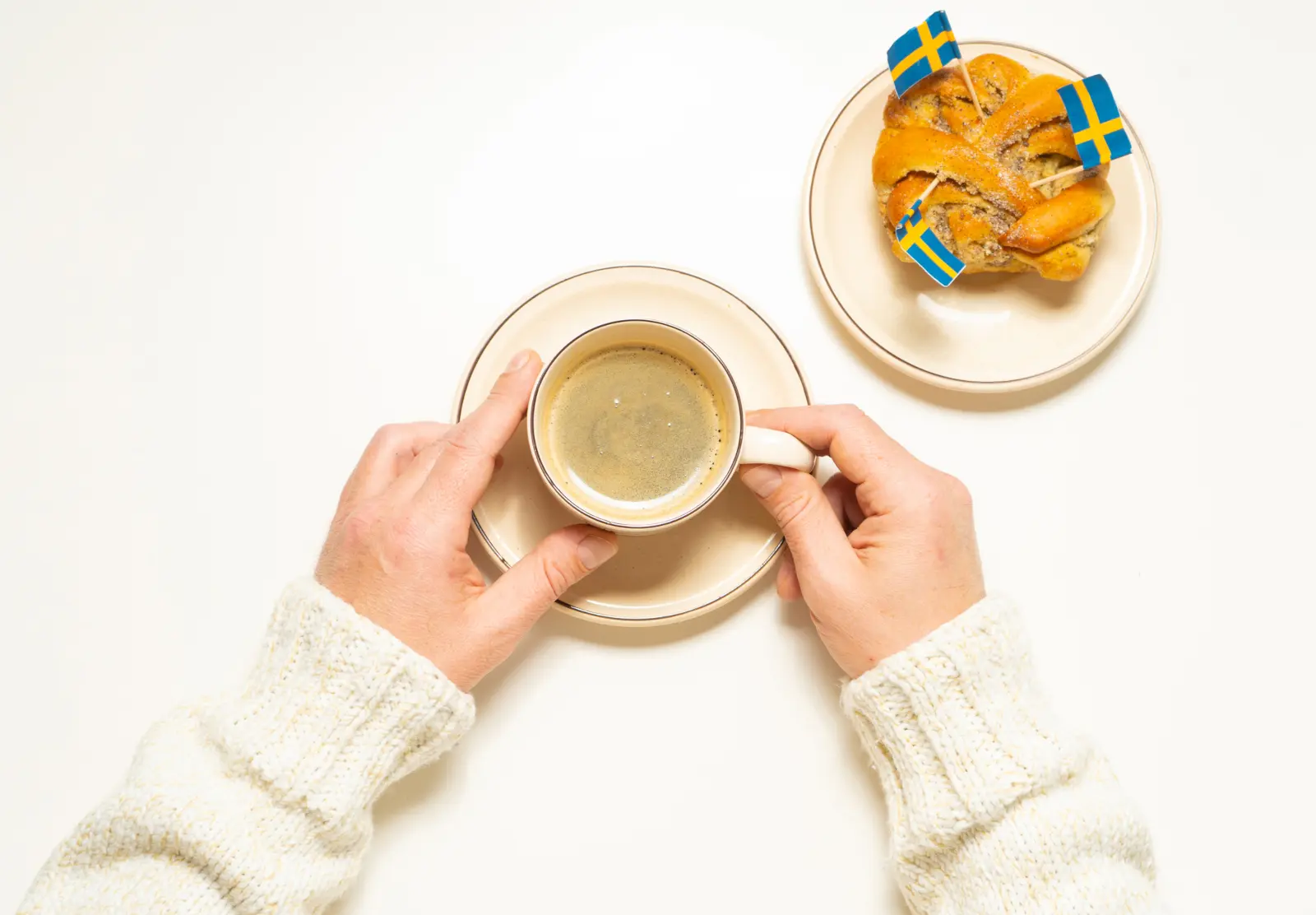
Fika is often described as a Swedish coffee break, but in practice it is more than grabbing caffeine between tasks. In many Swedish workplaces, it is a social pause built into the rhythm of the day.
Taking real breaks during the day can reduce fatigue and help you return to work with more energy, which is exactly why this kind of pause deserves more respect and more attention. I decided a long time ago to take such breaks – before knowing the concept. I felt like I needed that. I thought it was the 3 PM crash or the fact that I am getting older and things change when you turn 40. It was one of the best changes I made in my life.
Taking true breaks throughout the day is highly protective of your brain health. In fact, if you want to know how small, consistent intervals of relaxation impact your life, scientists say this 1-hour habit could be the key to balancing your nervous system and extending your healthspan.
How to apply it today: Block out 15 minutes around 3:00 PM. Shut your laptop, put your phone in another room, and sit down purely to enjoy a cup of tea or coffee for longevity benefits. Treat this time as sacred space for your mind to drift.
3. Vardagsmotion: Incorporating Functional Physical Activity into Daily Life
A workout helps, of course, but it doesn’t make long, uninterrupted sitting ideal. Daily movement still matters because the body benefits from regular, repeated motion throughout the day. The Nordics rely heavily on Vardagsmotion, which means “everyday motion” or functional physical activity.
It’s the habit of choosing active transportation and low-intensity movement as a natural part of running errands, commuting, or managing a home. This steady, low-impact movement supports circulation, energy, and metabolic health without turning every health habit into another demanding performance.
How to apply it today: Look for the small friction points in your day where you can add movement naturally. Take the stairs instead of the elevator, pace around your office while taking a phone call, or choose to walk to the local market if you only need a few items.
4. Allemansrätten: Unstructured “Green Time” for Stress Relief
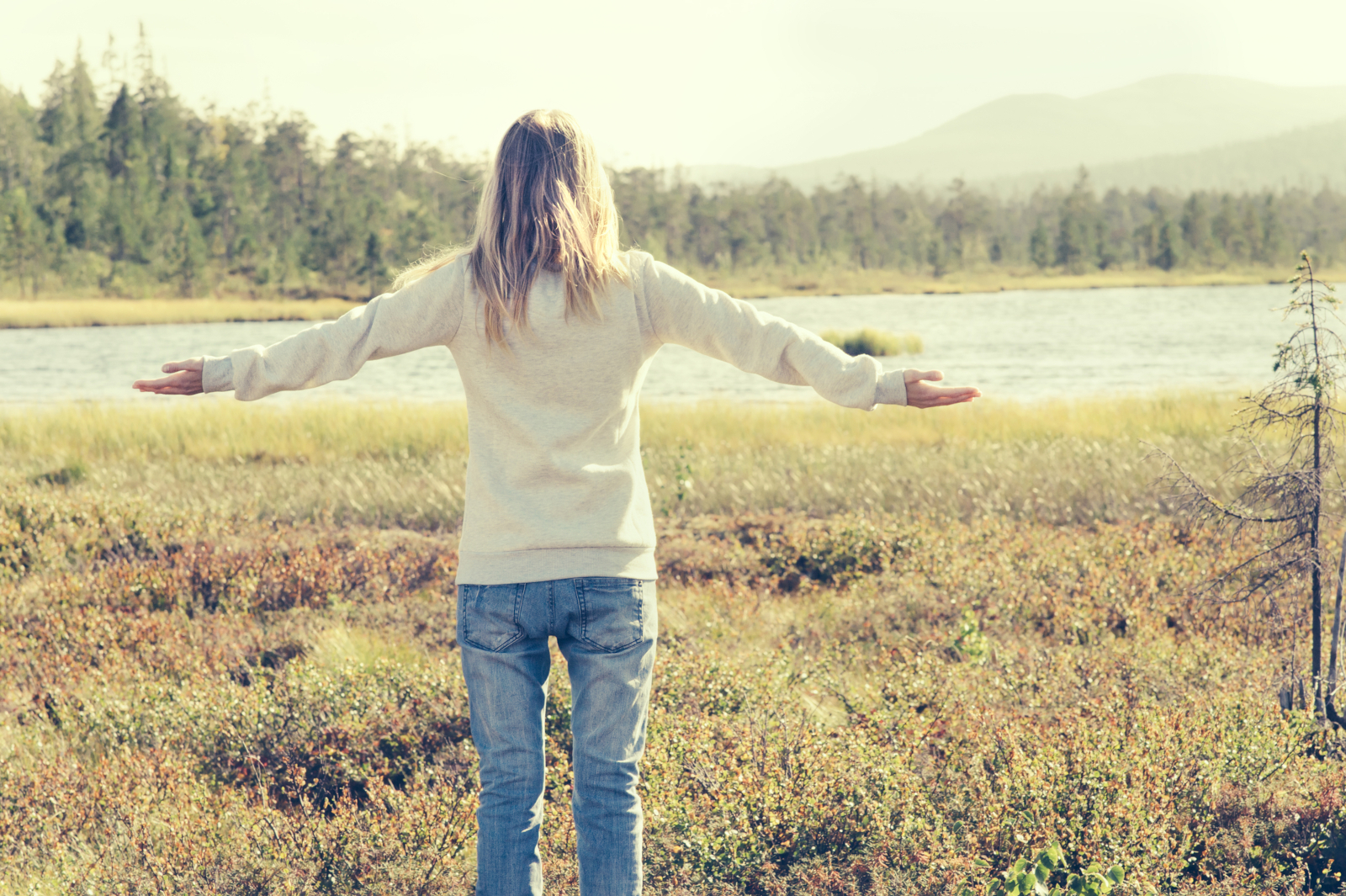
In Sweden, the right of public access is known as Allemansrätten. Norway has a similar tradition called Allemannsretten, while Finland has Everyman’s Rights, or Jokaisenoikeudet. The details vary by country, but the shared idea is powerful: responsible access to nature is treated as part of everyday life.
This habit isn’t about hiking up a steep mountain to track your heart rate; it’s about spending unstructured time in green spaces simply to exist alongside nature. This philosophy ties directly into what researchers find when studying global longevity hotspots. For instance, when looking at why people in Spain live longer, a major contributor is an inherently walkable lifestyle that blends daily fresh air with community spaces.
Even short exposure to green space has been linked with lower stress markers and better mood, and many people feel the effect quickly: the body slows down, breathing changes, and the mind gets a break from constant input.
How to apply it today: After lunch, give yourself a 10-minute buffer before diving back into work. Step outside to a backyard, patio, or nearby park. Leave your phone behind, look up at the trees, and let your senses reset.
5. The “All-Weather” Resilience Mentality
There is a legendary Scandinavian saying that almost everyone has heard by now: “Det finns inget dåligt väder, bara dåliga kläder” – there is no bad weather, only bad clothing.
In many parts of the world, a cloudy sky, a sudden drizzle, or a drop in temperature is an immediate excuse to cancel outdoor plans and retreat to the couch. In the Nordic countries, the weather is never an obstacle. Children play outside in the snow, and adults commute through the rain.
This is more than just a practical habit; it is a profound mindset shift. It builds psychological resilience by teaching you to stop letting temporary environmental discomfort dictate your mood, health habits, or day.
How to apply it today: The next time it’s overcast, breezy, or slightly damp outside, don’t stay trapped indoors. Put on a proper, protective jacket, step outside anyway, and commit to a short walk. Overcoming that initial resistance provides an instant mood boost.
I just love taking a short walk when it is raining (mildly, not pouring). And the smell of nature after a rain… amazing!
6. Fredagsmys: The Ultimate Sensory Evening Reset
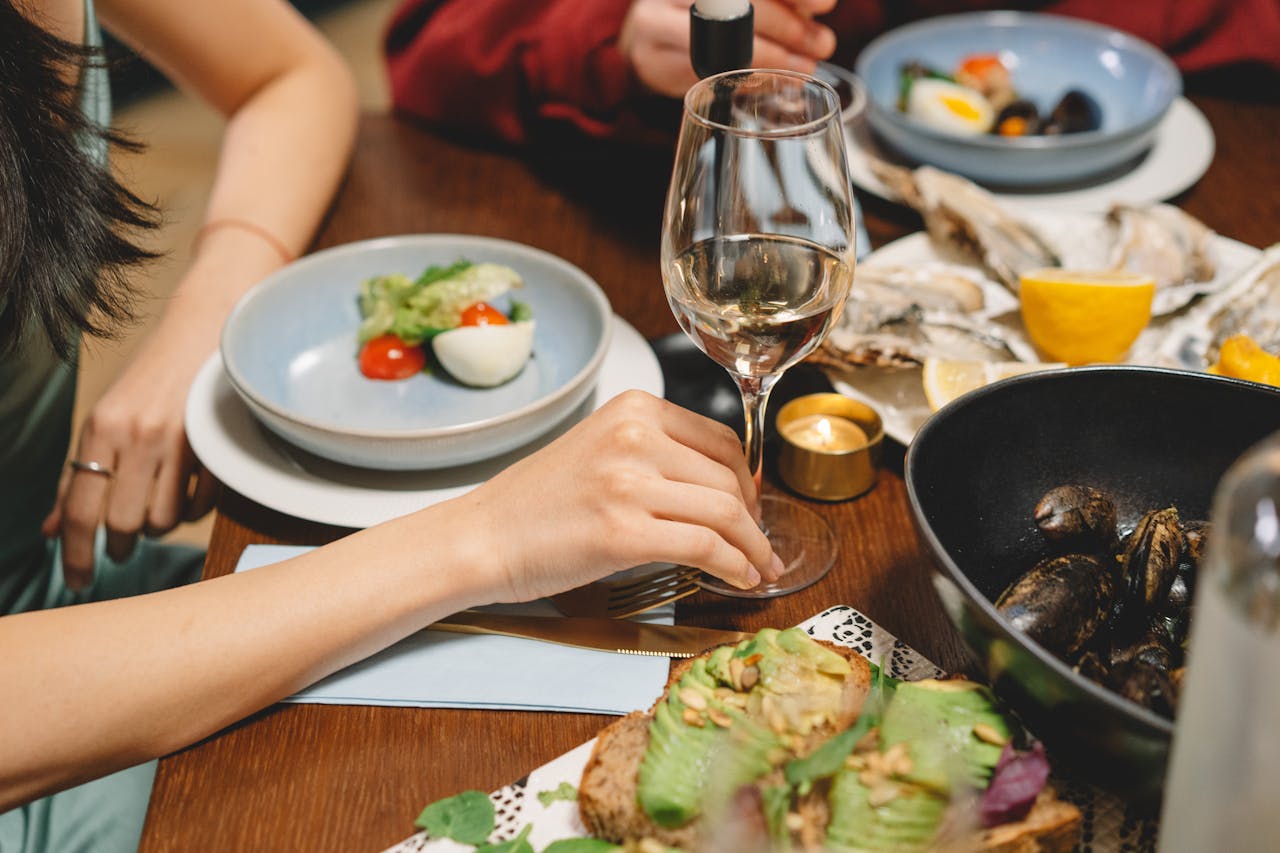
In a world that praises constant optimization, the Swedes have carved out a beautiful, protected ritual for the end of the week called Fredagsmys, or “cozy Friday.”
Unlike a typical weekend night out that requires dressing up or socializing heavily, Fredagsmys is an intentional, slow-paced transition into rest. Families or close friends gather in their most comfortable loungewear, share simple comfort foods (traditionally tacos), and collectively agree to do absolutely nothing productive.
It functions as an emotional decompression chamber, signaling to your brain that the pressures of the workweek are safely over. This intentional transition is an incredibly simple way to lower systemic stress. If you are looking to build a lifestyle that supports healthy aging from the comfort of home, cultivating a comforting environment is one of the most reliable habits to live longer.
How to apply it today: Create a dedicated “cozy reset night” for your home this week. Dim the harsh, bright overhead lights by 7:30 PM, put away all work devices, light a single candle, and wear your softest clothes. Banish all talk of household chores or upcoming logistics for the entire evening.
7. Samhällsengagemang: Combating Loneliness with Low-Pressure Connection
When scientists study the core pillars of an exceptionally long lifespan, they consistently find that human connection is just as critical as diet or genetics. Nordic societies place a massive emphasis on community engagement (Samhällsengagemang), participating in local hobby clubs, neighborhood associations, and casual, low-stakes social gatherings.
This isn’t about maintaining a massive, exhausting network of friends or going to loud parties; it’s about the steady, comforting presence of feeling part of a local collective. Knowing you are supported and seen by your community reduces the deep-seated physiological stress of isolation.
How to apply it today: You don’t need to join a formal committee to practice this. Make a point to step away from the self-checkout lane and have a brief, warm exchange with a local cashier. Alternatively, send a quick, no-pressure text to a neighbor or friend just to check in. These micro-connections add up over time to build a true sense of belonging.
8. Kvällsdopp: Using Temperature to Signal Deep Rest
While a morning routine might rely on a quick cold rinse to spark dopamine and alertness, the Nordic evening often utilizes temperature variations to guide the body into deep recovery. This is inspired by the traditional transition from a warm sauna to a cool evening breeze or a dip in a lake (Kvällsdopp).
When you manipulate your skin temperature, you trigger a rapid drop in your core body temperature afterward. This natural drop mimics the biological signaling your brain needs to release melatonin and slip into a restorative sleep cycle.
How to apply it today: A warm bath or shower about 90 minutes before bed can help the body move toward the natural cooling process associated with sleep. If you like a brief cooler finish, keep it gentle, not shocking; the goal is to wind down, not jolt yourself awake.
9. Husmanskost: Simple, Honest Whole Foods
Restrictive calorie counting, expensive exotic superfoods, or trendy dietary rules don’t define traditional Nordic eating. In Sweden, the idea of Husmanskost refers to simple, traditional home-style food: comforting meals made with familiar ingredients, not complicated rules.
More broadly, a healthy Nordic-style diet often includes the kinds of foods my husband noticed again and again when visiting different Nordic countries: root vegetables like carrots and beets, berries, whole-grain rye bread, potatoes, legumes, and fish. It’s an approach to food that feels practical and grounded. The focus is not on “fixing” your body through the latest diet trend, but on eating real, nourishing food that can be part of normal daily life.
How to apply it today: Bring a touch of simple balance to your dinner table this week. You don’t have to overhaul your entire kitchen; just add one traditional Nordic-inspired staple to your routine. Toss a handful of berries into your afternoon yogurt, choose a dense whole-grain rye bread for lunch, roast a tray of seasoned root vegetables for dinner, or add fish to one meal if that already fits your diet.
Simplicity is the Ultimate Longevity Secret
When you look at these 9 Scandinavian lifestyle habits, you’ll notice a beautiful common thread: none of them require an intense overhaul of your life, an expensive subscription, or a rigid schedule.
True, long-term health isn’t built on grand transformations that last for a week before causing burnout. It is built on the quiet, sustainable choices we make to protect our peace, move our bodies naturally, and appreciate our environment.
Which of these Nordic habits feels the most inviting to bring into your afternoon or evening today? Let me know in the comments below – I’d love to hear how your practice goes!
Common Questions About Scandinavian Lifestyle Habits
What are Scandinavian lifestyle habits?
Scandinavian lifestyle habits are everyday practices often associated with Sweden, Norway, Denmark, Finland, and Iceland, including spending time outdoors, taking real breaks during the day, valuing work-life balance, eating simple whole foods, and creating regular moments of rest and connection. The exact traditions vary by country, but the broader pattern is a more sustainable approach to daily life.
What is lagom, and how can it help with stress?
Lagom is a Swedish concept often translated as “not too little, not too much, just enough.” In daily life, it can help reduce stress by encouraging you to stop overloading your schedule, choose what is essential, and avoid treating every day like a test of how much you can accomplish.
Is fika just a coffee break?
Fika is often described as a Swedish coffee break, but it is more intentional than simply drinking coffee. It is a pause in the day, usually with coffee or tea and something small to eat, often shared with other people. The real value is the break itself: stepping away from work, slowing down, and reconnecting.
Do Nordic habits really help with longevity?
Nordic habits alone don’t guarantee a longer life, and longevity depends on many factors, including healthcare, income, environment, genetics, diet, movement, sleep, and social support. But many Scandinavian-inspired habits – regular movement, time outdoors, social connection, rest, and simple whole foods – are consistent with what research often links to better long-term health.
What is the easiest Scandinavian habit to start today?
The easiest habit to start is a true afternoon pause. Close your laptop, step away from your phone, and take 10–15 minutes for coffee, tea, fresh air, or a short walk. It is simple, free, and realistic even on a busy day.
Photo source, other than Dreamstime: Pexels
More amazing articles for you:
Breathtaking destinations for being one with nature
12 Subtle Signs You’re More Charismatic Than You Think
When Someone Interrupts You, It’s Usually Not Rudeness - It’s This (And How to Stop It)
Declutter Your Home in a Weekend: The 48-Hour Anti-Clutter Plan
200 2010s Trivia Questions and Answers - Easy to Hard. How Many Can You Get Right?
3 years of Earth’s Attractions!
Time Change Survival Guide: Science-Backed Tips to Adjust Your Body Clock and Feel Less Tired After ...
Explore New Places To Make Your Holiday More Memorable

Violeta-Loredana Pascal is a communications expert, business mentor, and the founder of Earth’s Attractions and PRwave INTERNATIONAL. A pioneer in the Romanian digital PR landscape since 2005, she holds a degree in Communication and Social Sciences from SNSPA Bucharest. Violeta is a senior trainer at AcademiadeAfaceri.ro, where she leverages over 20 years of experience to teach professional courses in PR strategy and workplace productivity. By blending high-level business consulting with a passion for holistic travel and wellness, she empowers solopreneurs to overcome procrastination, build profitable brands, and design a life of purposeful adventure.