A jaw-dropping proposed rule could reshape how millions of travelers enter the U.S.
For most travelers from Europe, Japan, Australia, and dozens of other countries, visiting the United States has long been relatively straightforward. Apply for ESTA, get approved, fly in, and enjoy your holiday. But a newly revived U.S. government proposal could drastically change what “screening” looks like – and it is catching global attention because of one headline-grabbing requirement:
Visitors may have to submit up to five years of social media history to enter the country.
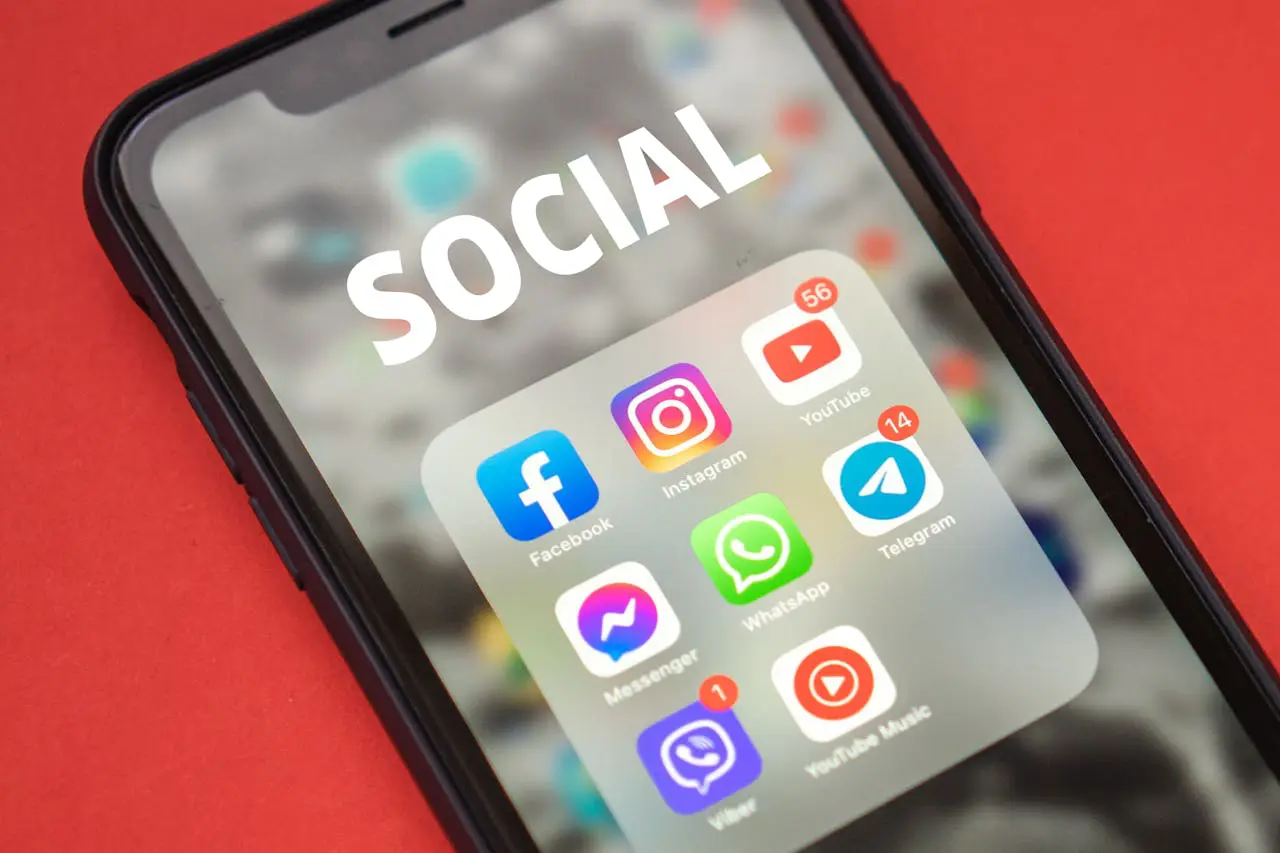
This proposed US social media screening for tourists could become one of the most significant changes to ESTA travel rules in years.
The idea is not entirely new. Versions of it appeared in previous administrations but were never fully implemented for every traveler. Now, as discussions resurface in Washington, the potential impact is enormous. And travel experts warn: this could become one of the most contentious entry-rule changes in recent years – possibly even discouraging travel ahead of major events like the 2026 World Cup.
This is not a “cute” travel rule – it is a jaw-dropping one. And travelers everywhere are paying attention.
What Exactly Is Being Proposed?
According to reporting from Associated Press (AP News) and PBS NewsHour, the plan would expand ESTA (Electronic System for Travel Authorization) screening by requiring all visa-waiver travelers to submit:
- Five years of social media identifiers (e.g., usernames or account handles)
- Five years of email addresses
- Five years of phone numbers
Additional personal data used to verify identity and past activity, and metadata from electronically submitted photos will be used.
Under the visa-waiver program, travelers from 40 countries – including most of Europe, the UK, South Korea, Singapore, Australia, New Zealand, Japan, and others – can visit the U.S. for up to 90 days without a visa. More than 20 million people use ESTA each year.
This proposal would not only expand the amount of data collected but would also make disclosure mandatory for approval.
The goal, according to U.S. officials cited in these reports, is to strengthen identity verification and improve security screenings by examining online activity for red flags.
In practice, this means that travelers planning a weekend in New York or a family trip to Disney World might need to prepare years’ worth of online history before boarding a flight.
Why Is the U.S. Considering This Now?
The U.S. has been steadily increasing screening requirements for foreign visitors since the mid-2000s, with significant expansions following global terrorism concerns, cyber-security threats, and misinformation campaigns. However, social media has increasingly become the frontier where identity, ideology, and behavior are expressed.
Officials argue that:
- Social media can provide context about a traveler’s past statements or activities.
- Digital footprints help verify identity consistency across different platforms.
- Screening may prevent individuals who pose a risk from entering the country.
This reasoning mirrors previous moves by the Department of Homeland Security when it began requesting (though not requiring) social media identifiers on ESTA applications several years ago.
What’s new is the scope and the mandatory nature of the requirement. Instead of a simple field asking for your Instagram handle, this would formalize a highly detailed, multi-year disclosure stretching across multiple platforms.
And that’s exactly why critics say the proposal is unprecedented.
The Global Reaction: Shock, Uncertainty, and Questions About Privacy
On a funny note, I recently wrote an article about things that shock Americans when visiting Romania and one about odd laws in 15 countries that could get you fines up to $60k. It looks like now it’s time for other countries to be shocked by new U.S. rules :), especially as there are a few things that will shock you when going to the U.S.A. for the first time.
As soon as news of the revived plan began circulating again, reactions from travelers, civil liberties organizations, and digital rights groups poured in. Many argue that combing through five years of personal digital history is:
- A massive intrusion into privacy
- A potential chilling effect on free expression
- A risk to data security, especially if social media records are stored or shared
- A barrier that could deter tourism altogether
In a world where social media has become intertwined with both personal and professional life, many travelers maintain dozens of accounts across platforms. The idea of consolidating half a decade of digital presence is overwhelming – and for some, impossible.
What about old accounts you forgot existed? What about deleted posts? What about private messages? What if you changed your username three times over five years?
These practical concerns remain largely unanswered.
Travel analysts warn that this type of requirement could become a deciding factor for visitors choosing between multiple destinations. With millions expected to visit the U.S. for the 2026 World Cup, some experts argue that this rule, if implemented, could dampen demand.
What Would You Actually Have to Provide?
The U.S. government has not published final technical specifications, but based on reporting, earlier drafts, and similar processes used for visa applications in recent years, travelers might be required to provide:
1. Social media identifiers
This includes account handles – not passwords – for platforms such as:
- Twitter/X
- TikTok
- Snapchat
- YouTube
- And others
Travelers would likely need to list every account used in the last five years.
2. Email addresses and phone numbers
You may need to list all emails and phones tied to your identity over the five-year period.
3. Any additional digital identifiers
This could include usernames on forums, messaging apps, or platforms not traditionally thought of as “social media,” depending on how broadly the rule is interpreted.
Will the U.S. Actually Read Everything You’ve Posted?
Officials generally claim that social media screening would not involve “passwords” or direct access to private messages. Instead, the focus would be on publicly available information and whether your digital presence raises potential security concerns.
However, privacy groups argue that even collecting identifiers opens the door to unintended use, including:
- Misinterpretation of jokes, satire, or cultural references
- Oversight errors, especially with automated screening tools
- False positives or mistaken identity
- Increased risk of data breaches
International travelers already submit passport data, biometrics, and personal details. Adding five years of digital history magnifies both the workload for authorities and the risks associated with storing that information.
Could This Rule Affect Whether You’re Allowed to Enter the U.S.?
Potentially, yes. If implemented, failing to disclose the required information – or providing incomplete information – could lead to ESTA refusal. Travelers would then need to apply for a traditional visa, which is more time-consuming, more expensive, and more complex.
In extreme cases, discrepancies or concerning content could lead to outright denial of entry.
This is why travel agents and tourism boards are already paying close attention: the barrier to casual travel could become significantly higher.
Impact on Tourism: A Possible Deterrent
The timing of this proposal is particularly notable. The U.S. is gearing up for major events that are expected to draw unprecedented numbers of international visitors:
- The 2026 FIFA World Cup
- Large-scale conferences, exhibitions, and sporting events
- A tourism rebound that is finally approaching pre-pandemic levels
Travel officials in several countries have expressed concern that adding an invasive and complex screening requirement could discourage visitors.
Travelers increasingly prefer destinations that offer:
- Transparent rules
- Predictable entry processes
- Reasonable privacy standards
A five-year digital history check, mandatory for millions, represents the opposite trend.
How Would This Be Enforced?
Although details remain under discussion, here is the most likely scenario:
Step 1: ESTA application update
The online form would include new mandatory sections requesting digital identifiers.
Step 2: Automated screening
Algorithms flag inconsistencies or potential red flags.
Step 3: Manual review
If the system detects unusual patterns (e.g., mismatched information, suspicious activity), the case may undergo human review.
Step 4: Outcome
Travelers receive one of three answers:
- Approved (most cases)
- Pending/review (requiring more time)
- Denied (cannot travel without a full visa application)
Airlines cannot allow travelers to board without ESTA approval, so delays could disrupt trip planning.
Key Concerns Raised by Privacy Advocates
Digital rights organizations have outlined several major issues with the proposal:
1. Excessive data collection
Travelers already provide extensive personal data. There is growing concern that this level of digital scrutiny is disproportionate.
2. Lack of clear limitations
What counts as a “social media account”? Without strict definitions, the requirement risks becoming overly broad.
3. Potential for discrimination
Algorithmic screening may inadvertently target certain languages, political speech, or cultural contexts.
4. Security risks
Large databases of personal digital identifiers are prime targets for hacking.
5. Ambiguity about deleted content
If a traveler deletes posts before applying, is that considered concealment?
These questions point to why so many experts are urging clearer guidance before implementation.
What Travelers Can Do Now
At this stage, the requirement is not yet active, but travelers who frequently visit the U.S. may want to:
- Keep track of active and past social media handles
- Ensure consistency across digital identifiers
- Consider maintaining a simple document listing emails, phone numbers, and usernames used in the last five years
- Follow updates from official government websites and major news outlets
This is also an important time for tourism boards and industry stakeholders to monitor the discussions and assess potential impacts on visitor numbers.
How Does This Compare to Entry Rules in Other Countries?
Many countries require some combination of:
- Passport information
- Travel history
- Financial details
- Criminal records
But mandatory disclosure of five years of social media identifiers is unusual. A few nations collect social media handles for visas, but rarely at this scale or for such a broad group of travelers.
If implemented, the U.S. would be among the most digitally intrusive destinations for short-term tourism.
However, there is an important nuance worth highlighting. This proposed rule would apply specifically to travelers visiting the United States from visa waiver countries. Visitors from countries not part of the Visa Waiver Program have already been required, in many cases, to provide social media handles and additional personal details as part of standard visa applications.
In that sense, this proposal represents an extension of an existing screening practice, rather than an entirely new concept. That said, it would clearly mark a step backward for travelers from visa waiver countries, who have traditionally benefited from a simpler, less intrusive entry process.
This shift also comes amid broader changes to U.S. travel policy over the past year. For example, Romania (my country) was expected to join the Visa Waiver Program at the beginning of 2025, a move that would have allowed Romanian citizens to travel to the U.S. without a visa. That process has since been put on hold, following policy changes under the Trump administration and the introduction of stricter screening proposals.
Could This Become a New Global Norm?
Some experts believe that if the U.S. successfully implements this system, other countries might adopt similar measures. Digital screening is becoming more common worldwide, and major governments increasingly view online activity as part of identity verification.
Whether this trend becomes normalized – or triggers pushback from privacy-focused travelers – remains to be seen.
Other Recent Rule Changes International Travelers Should Know
While this proposed requirement is dominating headlines, it is not the only travel rule shift affecting visitors to the U.S. and beyond. Here are a few others worth noting.
1. New and Increased Entrance Fees for U.S. National Parks
Several U.S. national parks have recently implemented or raised entrance fees to support maintenance, infrastructure, and conservation efforts. Some parks now also require timed entry reservations during peak seasons. Travelers should check the National Park Service website before visiting.
2. Stricter Airline Security Screening
Airlines flying into the U.S. face enhanced security protocols, including increased explosive-trace detection and additional screening for electronics. Travelers may experience longer security queues at international airports.
3. Airline and Airport Biometric Boarding
More airports worldwide are adopting biometric boarding, meaning facial recognition may replace traditional passport scanning in the coming years.
As a Conclusion
The proposal requiring foreign tourists to submit five years of social media history marks one of the most dramatic shifts in U.S. travel policy in decades. While proponents argue it could strengthen national security, critics warn of significant privacy concerns, potential travel deterrents, and practical implementation challenges.
For the millions who plan to visit the United States each year, staying informed is essential. Whether the rule becomes reality – or remains a proposal – will shape the future of global travel in profound ways.