
If you’ve ever felt tense, rushed, or mentally drained in an airport – even when everything seemed to be going smoothly – you’re not imagining it. I’ve experienced it too, including when I arrived early and had everything planned. It’s a pattern most of us recognize, but rarely stop to analyze.
I wanted to understand why this happens – why airports can feel so stressful even though they are the starting point of trips we look forward to, whether for leisure or business – and, more importantly, what we can do to move through them with fewer problems and better outcomes. Here’s what I found.
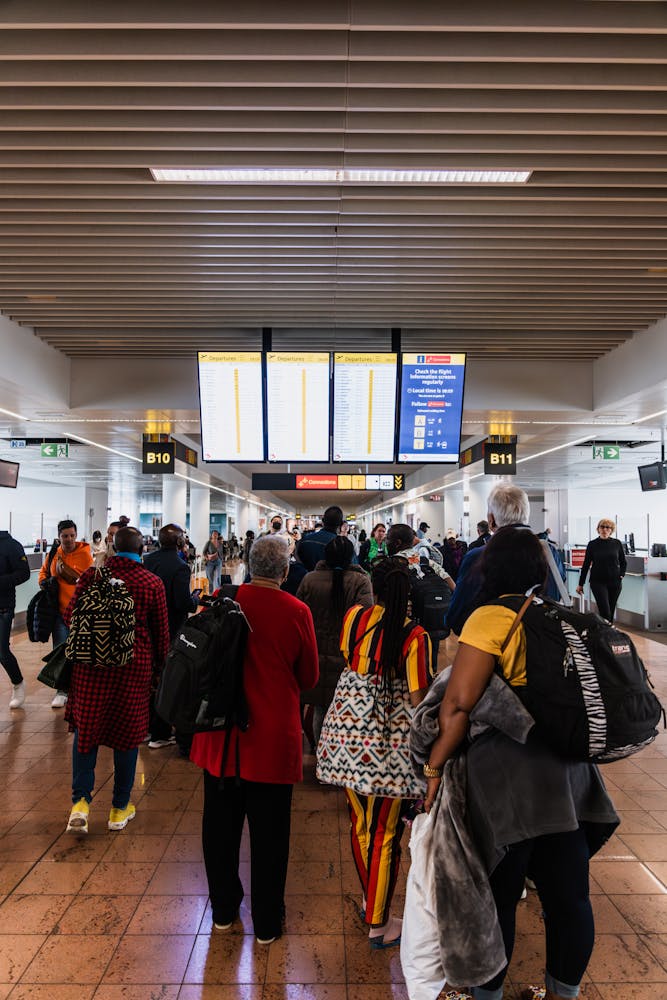
Why Airports Are So Stressful for Travelers (Backed by Psychology)
Most people assume airport stress comes from delays or long lines. In reality, the pressure builds earlier, even when everything is running on time. What makes airports uniquely difficult is the combination of several factors that behavioral research consistently links to stress, especially when they occur together in a time-sensitive environment.
The first is time pressure combined with uncertainty. Even when we arrive early, there is always a sense that something could change – a longer queue, a gate update, a delay that affects everything that follows. Research shows that uncertainty is a powerful stressor, increasing both psychological and physiological responses. At the same time, guidance from the American Psychological Association highlights that lack of control and unpredictability are key drivers of stress in everyday environments.
The second factor is limited control paired with continuous decision-making. We move through processes we cannot influence – security, boarding, timing – while still having to make repeated small decisions at every step. Where to go next, whether there’s enough time, and whether information will change. This combination increases cognitive load and is one of the main causes of airport anxiety, even for experienced travelers.
A third element that often gets overlooked is high sensory input – noise, crowds, constant movement, and announcements. Even when we’re not actively paying attention to them, these signals require continuous processing. Remember my post on the airport that banned pajamas and how the people reacted? On their own, they’re manageable, but combined with time pressure and uncertainty, they increase mental fatigue much faster than expected.
There is also a behavioral layer that amplifies the experience. When some travelers try to bypass the system – cutting lines or rushing boarding – it doesn’t just disrupt flow, it raises tension across the entire space. I’ve seen this repeatedly, and it’s one of the reasons why trends like the airport theory often backfire. I explained this in detail in my article on airport theory and why people try to skip the process, and how it ends up increasing pressure for everyone involved.
Why Airports Feel Overwhelming – Even If You Travel Often
Even when you know how airports work, the experience can still feel more stressful than it should. The main reason is cognitive overload – too many small decisions, too close together. Think about a typical airport sequence:
- check documents
- follow directions
- monitor screens
- manage timing
- decide where to go next
None of these is stressful individually, but together, they create constant mental switching, which drains attention faster than we expect.
There’s also a shift in how we think. Inside the airport we become more alert, more cautious, and more focused on avoiding mistakes. That’s one of the reasons traveling by plane can feel stressful even when the trip itself is exciting.
How to Reduce Airport Stress Before You Even Leave Home
The biggest difference between a stressful airport experience and a smooth one usually comes down to what happens before you leave home.
In my case, preparing the night before has made the most noticeable difference.
Here’s what actually helps:
- Check in early and confirm details (terminal, baggage rules, documents)
- Prepare documents in one accessible place
- Pack with security in mind (liquids, electronics easy to access)
- Set a realistic departure time with a buffer, not excess waiting
I follow the same process before every flight because it removes last-minute decisions. If you want a simple structure, I’ve detailed everything in my night before flight checklist, including the small things that usually get overlooked and create stress later. And here are the essential items to pack in your carry-on for a stress-free trip!
One more thing that’s often underestimated: timing. Arriving too late creates pressure, but arriving far too early without a plan creates fatigue and unnecessary waiting, which feeds back into stress.
How to Stay Calm at the Airport (Even During Delays and Chaos)
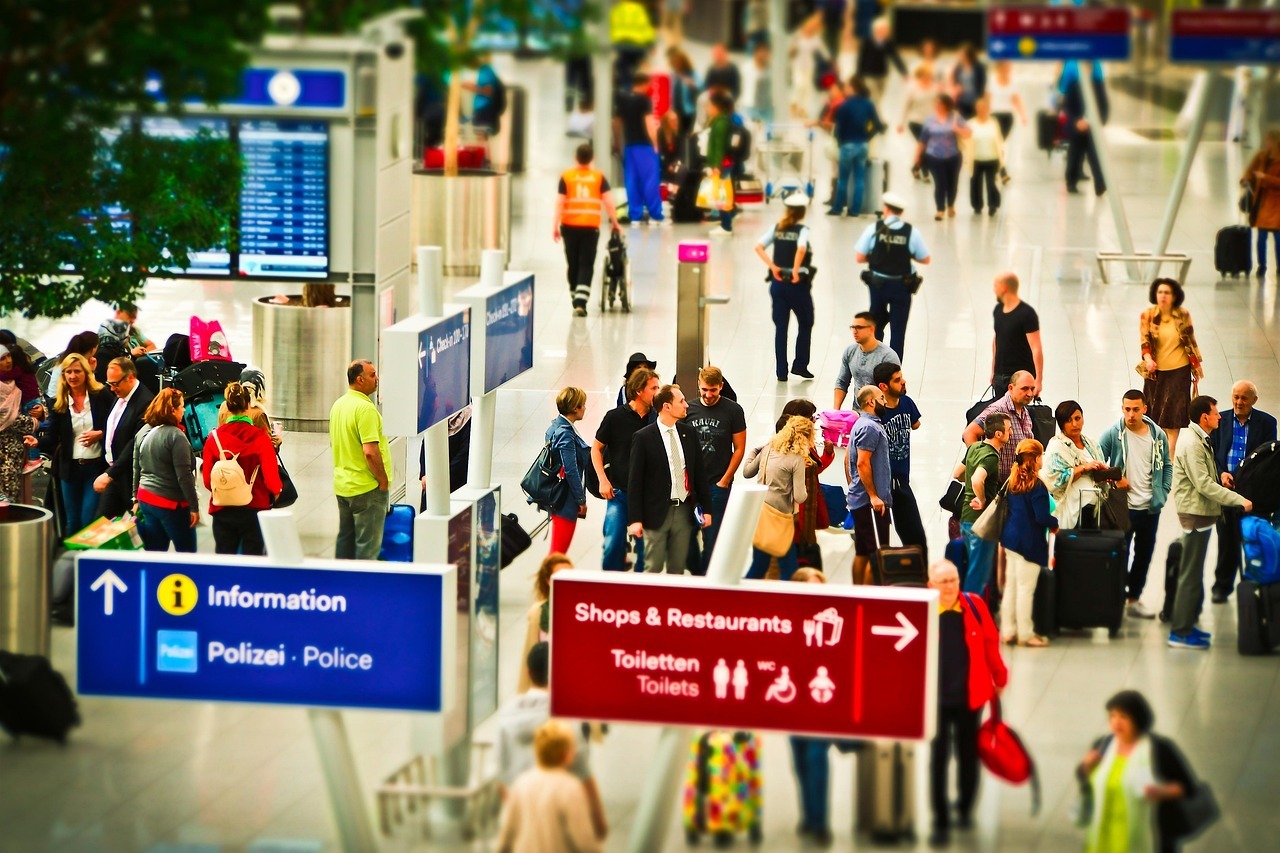
Even with preparation, things don’t always go as planned. What matters is how we handle the moments we can’t control. It is not an easy mindset to have, I know. I did not had it for years either. But there are many things outside our control, and the only thing we can control is how we react.
One shift that helped me immediately was simple: focus on the current step, not the entire journey.
Instead of thinking ahead constantly, I move through the process one stage at a time – security, then the gate, then boarding. This reduces mental overload.
Another key factor is how you handle waiting time. Unstructured waiting increases stress, especially when you keep checking the clock.
Replacing that with something intentional makes a real difference. If you’re stuck waiting, here are a few practical options:
- read or catch up on saved articles
- organize your itinerary or bookings
- take a short walk instead of sitting at the gate
- eat before you’re rushed into boarding
If you want more ideas, I put together a full list of things to do while waiting at the airport, including practical ways to pass the time without increasing stress.
Delays are where pressure spikes the most. What works better than reacting is switching to information-based decisions: check real-time updates and understand your options and act based on them.
The Expensive Mistakes Airport Stress Makes Worse
Airport stress often leads to very specific, avoidable airport mistakes that cost money. Some of the most common ones are arriving too late and rushing through the process, improperly packed bags that trigger overweight or prohibited item fees, forgetting to check airline baggage rules, buying overpriced food or essentials at the airport, and booking last-minute services without comparing options. These are not unusual situations; they happen because decisions are made under pressure, not because travelers don’t know better.
I’ve seen how quickly this escalates. A rushed arrival leads to skipping checks, which leads to repacking at security or paying unexpected fees. The same pattern applies to food, transport, or even seat upgrades – when we try to reduce stress quickly, we often accept the first available option instead of the best one. I also saw cases of what happens when your suitcase does not for the acceptable size – and this guy’s reaction went viral!
Another mistake that is less visible, but often more expensive, is not checking your rights after a delayed or canceled flight. Many travelers assume there’s nothing they can do and move on, but in Europe, regulations often allow compensation. If this has ever happened to you, it’s worth understanding how flight delay compensation in Europe works. Some travelers use services like AirHelp to handle the claim process, especially when they want to avoid dealing with the details themselves.
Smart Travel Tools That Instantly Reduce Airport Stress
Over time, I’ve started relying on a few tools that make a noticeable difference, because they reduce uncertainty and give you more control over what’s happening.
One of the most useful categories is flight tracking and booking platforms. Real-time updates are often clearer and faster than airport screens, especially when things change quickly. Platforms like Trip.com or Kiwi.com can also help you check alternatives if something goes wrong, without having to make rushed decisions at the airport.
Another important layer is travel insurance and disruption coverage. This doesn’t just protect you financially – it changes how you make decisions. When delays, cancellations, or missed connections are covered, there’s less pressure to react immediately. Providers like VisitorsCoverage or EKTA are worth considering, especially for longer or multi-leg trips.
Connectivity is another factor people underestimate. Having reliable data means you can check updates, rebook options, or access documents instantly instead of relying on airport Wi-Fi. Using an eSIM solution like Airalo or Yesim can remove a surprising amount of friction, especially when traveling internationally.
Then there’s airport lounge access, which can make a bigger difference than most people expect. In a crowded, noisy terminal, having a quieter space to sit, recharge, or work changes the experience completely. Many travelers book access through platforms like GetYourGuide or similar services when available, especially during longer layovers.
These tools aren’t essential for every trip, but used selectively, they remove several of the main stress triggers – uncertainty, lack of control, and constant noise – making the entire airport experience noticeably easier.
How to Avoid Airport Chaos Completely (What Experienced Travelers Do Differently)
What I’ve noticed over time is that experienced travelers don’t necessarily avoid the same situations; they approach them differently.
The key difference is proactive behavior. Instead of reacting to what happens in the airport, they reduce exposure to the most stressful elements from the start. This includes choosing better flight times, avoiding tight connections, and understanding airport layouts in advance.
Another pattern is consistency. They follow the same preparation steps before each trip, which reduces decision-making under pressure. This is closely connected to how you plan the overall trip, not just the airport experience. If you want a structured approach, my guide on how to plan the perfect trip from start to finish walks through the process in a way that minimizes last-minute stress points.
What I also do: I shifted my mindset years ago to this: there is always a solution to everything. I do not focus on the issue, but on the solution and I also try not to panic. There will be a way out of almost all the stressful situations that can appear at an airport.
Conclusion
Once you understand why airports are so stressful for travelers, the experience starts to feel more predictable and therefore more manageable. The pressure doesn’t come from a single source, but from several small factors interacting at the same time.
The difference is not in avoiding airports altogether, but in recognizing what creates the stress and adjusting how we prepare, move through the process, and make decisions along the way. That’s what turns a tense, reactive experience into one that feels controlled – and, in many cases, significantly easier.
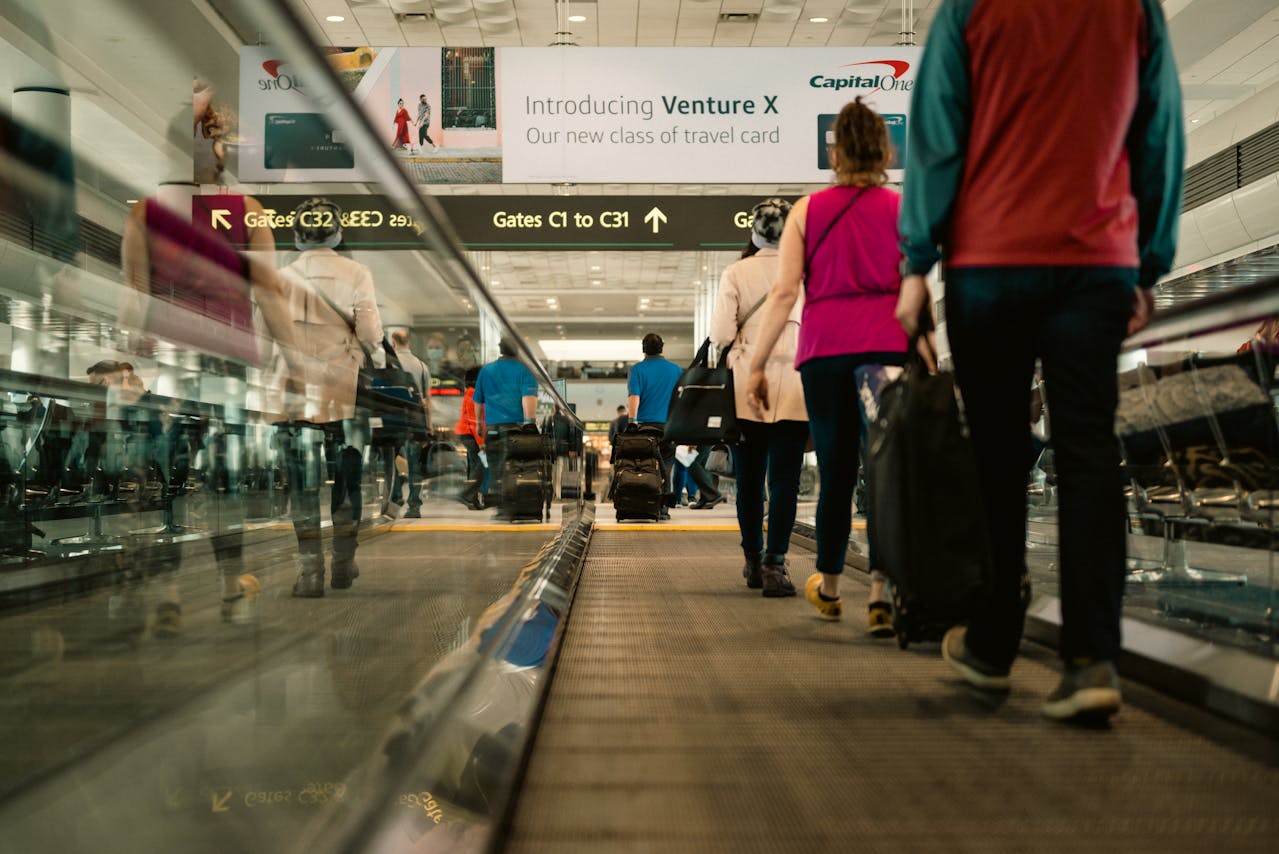
Why Are Airports So Stressful?
Airports are stressful because they combine time pressure, uncertainty, limited control, and constant decision-making in a single environment. When these factors occur together, they increase cognitive load and trigger stress responses – even when nothing is going wrong.
More amazing articles for you:
Atlanta City Guide: Tips for Spending a Weekend in Atlanta with the Kids
Sofia sightseeing: local's guide to Sofia
Creative Cruises For The Adventurer In You
Happy New Year!
Why I love to travel: 30+ powerful reasons to travel now
Top 5 Destinations in Morocco
People Take Towels From Hotels. But What He Did Left Everyone Shocked
Stressed Out? Scientists Say These Daily Habits Can Reset Your Body & Mind

Violeta-Loredana Pascal is a communications expert, business mentor, and the founder of Earth’s Attractions and PRwave INTERNATIONAL. A pioneer in the Romanian digital PR landscape since 2005, she holds a degree in Communication and Social Sciences from SNSPA Bucharest. Violeta is a senior trainer at AcademiadeAfaceri.ro, where she leverages over 20 years of experience to teach professional courses in PR strategy and workplace productivity. By blending high-level business consulting with a passion for holistic travel and wellness, she empowers solopreneurs to overcome procrastination, build profitable brands, and design a life of purposeful adventure.