The viral travel trend turning grocery stores into must-see attractions – from Europe to Asia
If you had told travelers ten years ago that one of the most popular travel experiences in the world would involve wandering supermarket aisles, comparing yogurt flavors, and photographing candy shelves, you would have been laughed out of the room.
And yet, here we are.
From TikTok to Instagram to travel blogs and mainstream media, grocery store tourism – also known as supermarket tourism – has quietly become one of the most fascinating travel trends of the decade.
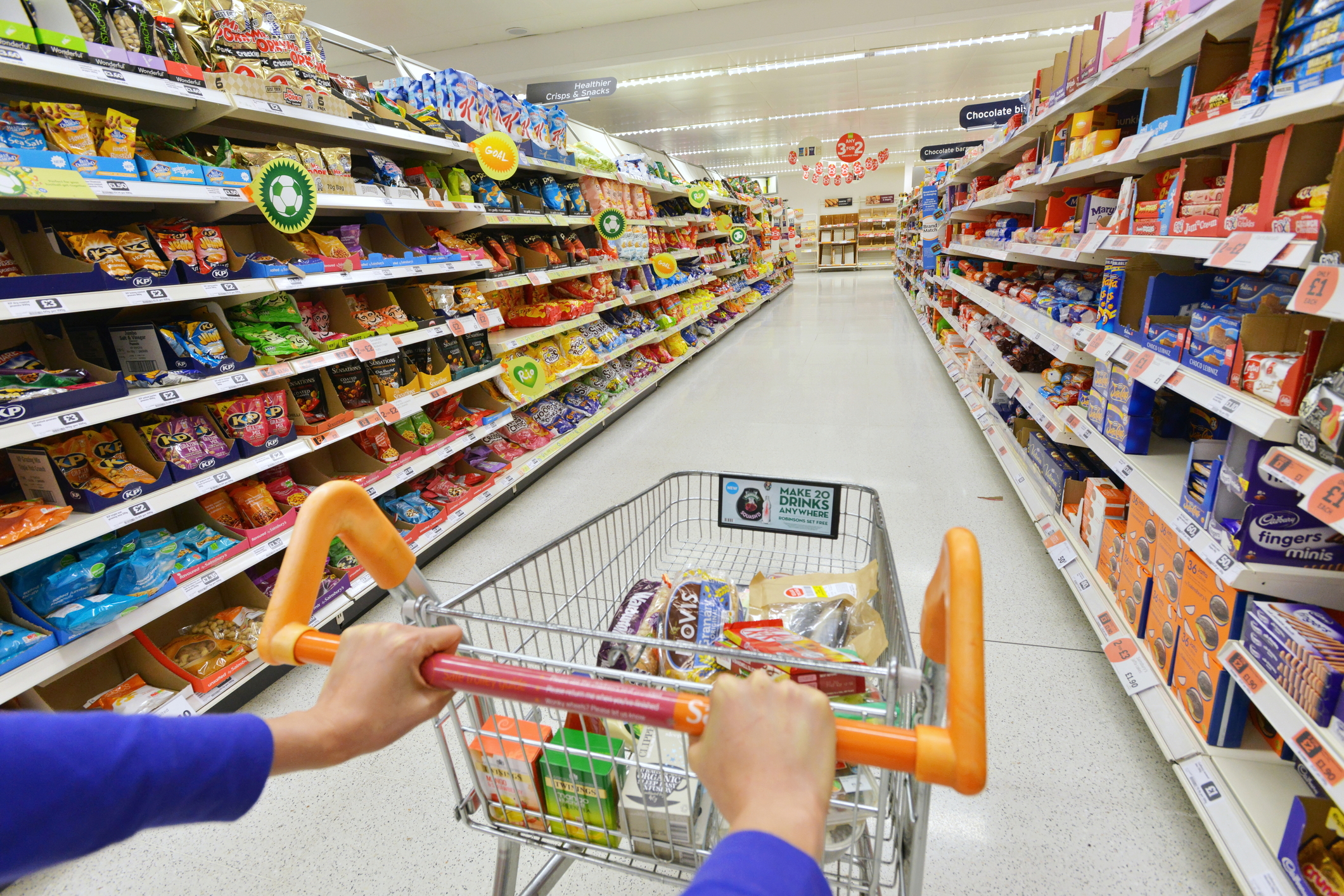
From Europe to Asia, travelers are skipping traditional sightseeing in favor of exploring supermarkets abroad, comparing local products, and discovering how people actually live. What started as a curiosity has quietly become a global travel trend – and it’s changing how people experience destinations.
If you’re wondering whether visiting supermarkets while traveling is worth it, the short answer is yes – and there are practical reasons behind it. From discovering local products to understanding food culture and even saving money on meals, grocery store tourism has become one of the most accessible travel experiences worldwide.
ID 42619903 ©1000words | Dreamstime.com
People are no longer just visiting landmarks and museums. They’re visiting supermarkets.
And not as a joke – but as a genuine way to understand how people live, eat, shop, and think in another country.
This article examines the rise of grocery store tourism, its profound resonance with modern travelers, and which European and Asian countries offer the most captivating supermarket experiences.
Often described as a form of slow travel, grocery store tourism reflects a growing desire to experience everyday life rather than just iconic attractions.
What Is Grocery Store Tourism (And Why Do People Do It?)
Grocery store tourism refers to the practice of intentionally visiting supermarkets, food halls, and local grocery chains while traveling – not out of necessity, but curiosity.
People go to:
- Observe daily life
- Discover local food culture
- Compare prices and packaging
- Find unusual snacks or drinks
- Experience “normal life” instead of curated tourist spaces
It’s part cultural research, part entertainment, part comfort activity – and increasingly, part travel identity.
On social media, it often appears as:
- “I went grocery shopping in [country] and here’s what shocked me”
- “Things European supermarkets do better than the U.S.”
- “What $10 gets you at a grocery store in Tokyo / Paris / Rome”
It’s a travel trend that has existed quietly for years – but it’s now experiencing a major resurgence.
Why This Trend Is Exploding Right Now
1. Travelers want authenticity, not attractions
After years of over-tourism and influencer overload, people crave real life. A supermarket shows how locals actually live – what they eat, how much they spend, what they value.
2. It’s affordable and accessible
You don’t need tickets, reservations, or planning. Anyone can walk into a grocery store – even on a tight budget or short trip.
3. It’s endlessly visual
Aisles full of colorful snacks, unusual packaging, and unfamiliar products perform extremely well on social media.
4. It satisfies curiosity
- Why is milk stored differently in Europe?
- Why are there 30 kinds of yogurt in Greece?
- Why does Japan sell hot meals at convenience stores?
People love these questions.
A personal note: I realized I had been doing this long before it had a name. I remember wandering through supermarkets in Vienna, Paris, Munich, and Budapest – not out of necessity, but curiosity.
It wasn’t about saving money. It was about understanding daily life: what people snack on, what they cook after work, and what brands feel “normal” to them. Looking back, those quiet supermarket visits taught me as much about a place as any museum ever did.
Why Visit Supermarkets When Traveling?
Travelers visit supermarkets abroad for several practical reasons:
- To discover local snacks and products unavailable at home
- To understand regional food culture
- To compare grocery prices and understand the cost of living in another country
- To buy affordable meals instead of dining out
- To observe everyday life outside tourist zones
For many travelers, grocery shopping abroad is not just a curiosity – it’s a way to experience authentic local culture.
For travelers from the United States, the differences can be especially striking – from egg refrigeration habits to portion sizes and ingredient lists.
Grocery Store Tourism in Europe
(Where the trend feels almost cultural)
France – Where the Supermarket Feels Like a Food Museum
ID 119339871 ©Aliaksandr Kazlou | Dreamstime.com
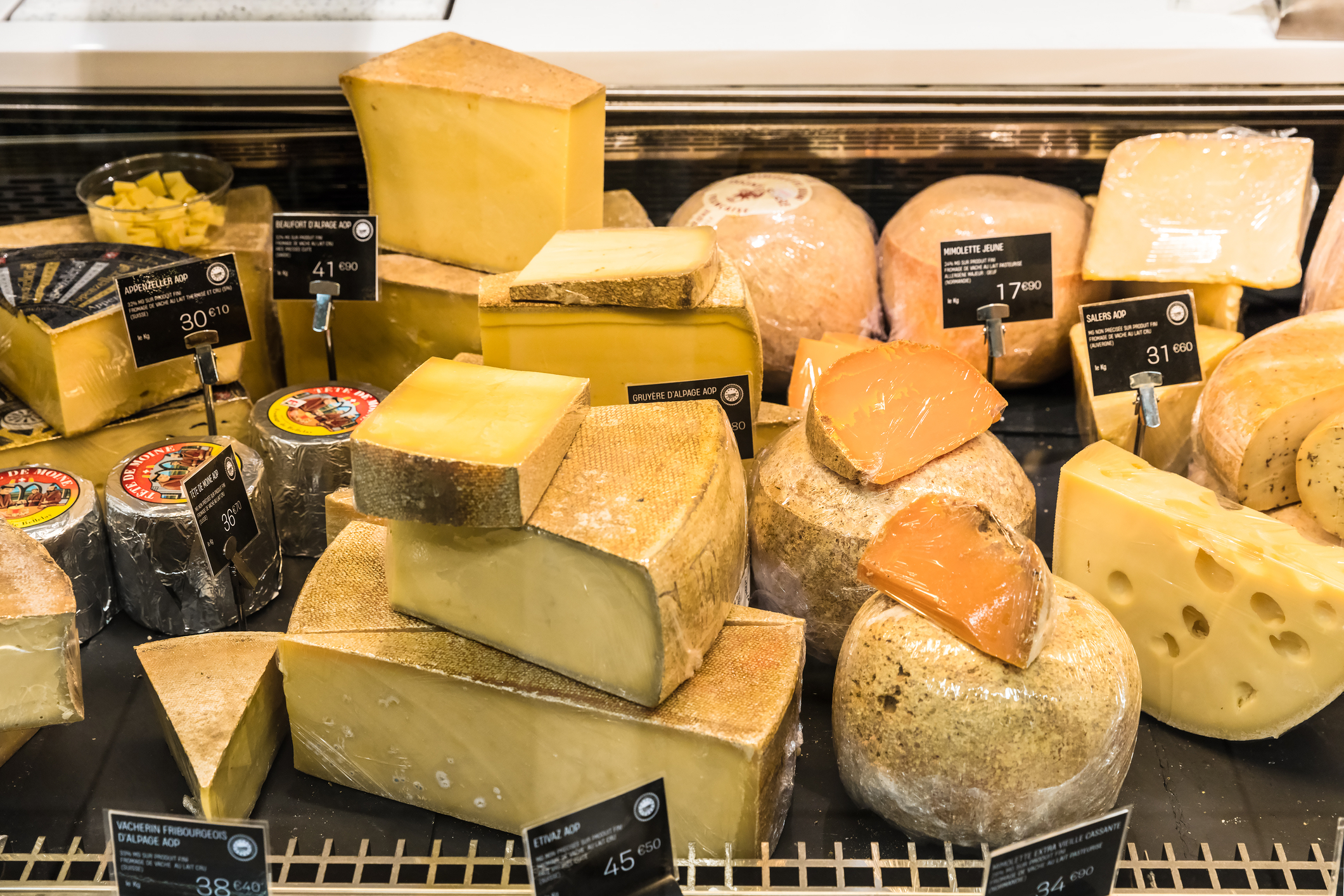
French supermarkets are often the first stop for travelers who want to understand French food culture beyond restaurants.
Highlights include:
- Entire aisles dedicated to cheese and yogurt
- In-store bakeries with fresh baguettes
- Regional wines at shockingly low prices
- Seasonal displays tied to holidays and terroir
Popular chains: Carrefour, Monoprix, Intermarché, Auchan
Why it fascinates travelers: French supermarkets feel curated, almost elegant. Even basic grocery shopping feels like a cultural experience.
Italy – Where Simplicity Becomes an Art Form
Italian supermarkets reveal just how ingredient-driven the cuisine is.
What travelers love:
- Minimal ingredient lists
- Fresh pasta and sauces by region
- Entire aisles for olive oil and espresso
- Shockingly affordable quality products
Popular chains: Coop, Conad, Esselunga
Why it goes viral: people are stunned by how simple Italian food is – and how good it tastes without heavy processing.
Germany – The Efficiency Aesthetic

ID 372440629 ©HelgaQ | Dreamstime.com
German supermarkets have become TikTok-famous for their:
- Brutal efficiency
- Deposit bottle systems (Pfand)
- Clean layouts
- No-nonsense checkout culture
Popular chains: Aldi, Lidl, Rewe, Edeka
Why people can’t stop filming: the system feels hyper-organized, rule-based, and strangely satisfying – especially to travelers from more chaotic retail cultures.
Spain – Everyday Luxury at Low Prices
Spanish grocery stores feel like a secret Europeans don’t talk about enough.
Highlights:
- Fresh seafood counters
- High-quality cured meats
- Affordable wine that rivals premium bottles elsewhere
- Vibrant produce sections
Popular chains: Mercadona, Carrefour España, DIA
Why it stands out: the value-to-quality ratio shocks visitors – and sparks endless “why is this so cheap?” posts.
United Kingdom – Where Snacks Steal the Show
ID 401919273 ©Philippehalle | Dreamstime.com
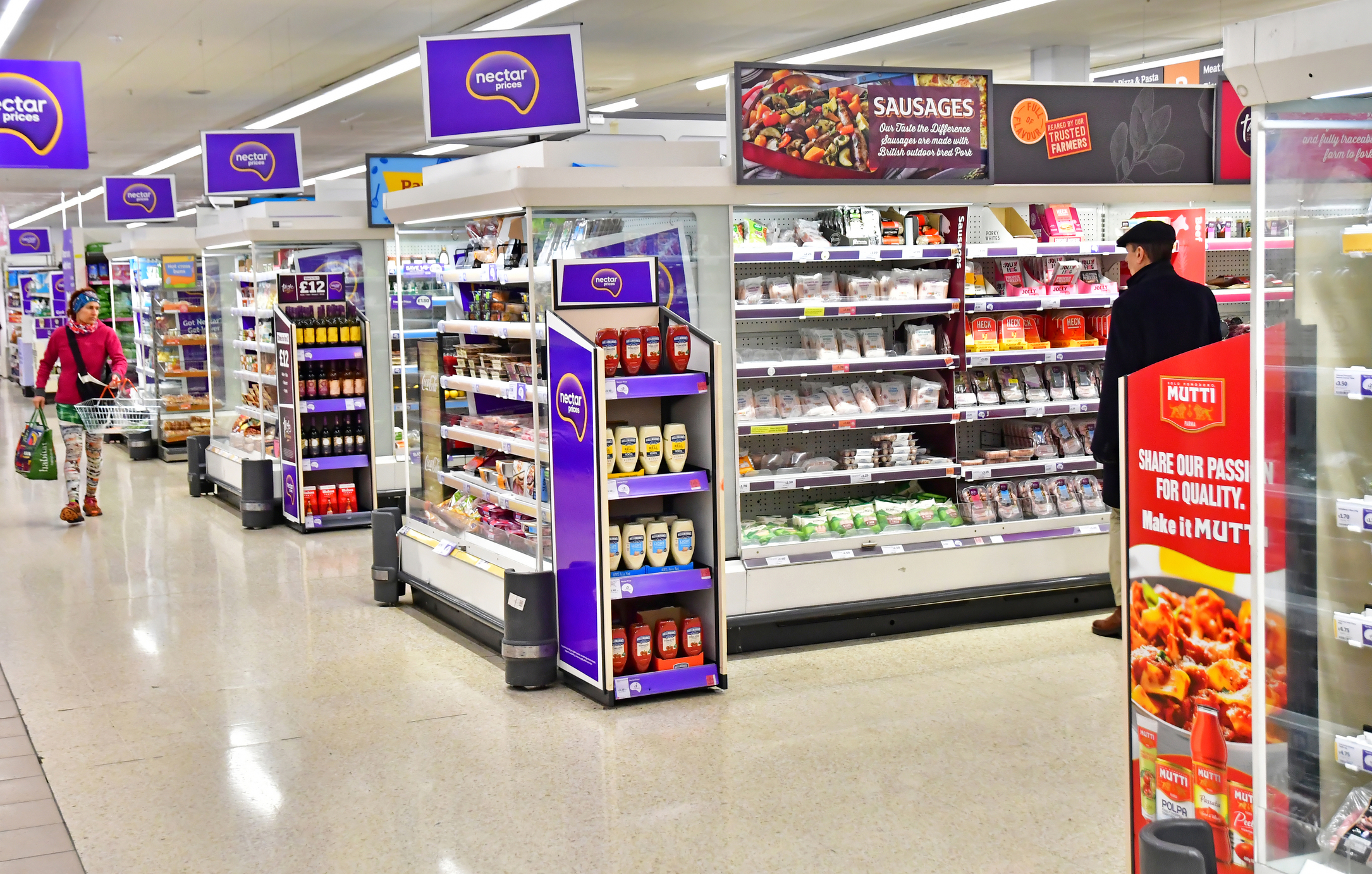
British supermarkets dominate social media thanks to:
- Unique snack flavors
- Ready meals with surprisingly high quality
- Seasonal sandwich launches
- Massive meal deal culture
Popular chains: Tesco, Sainsbury’s, M&S, Waitrose
Why it goes viral: snack culture + limited editions = endless content.
Asia: Where Supermarket Tourism Becomes a Spectacle
Japan – The Gold Standard of Grocery Tourism
Japan is widely considered the holy grail of supermarket tourism.
Why?
- Impeccable presentation
- High-tech convenience stores
- Seasonal and regional specialties
- Hot meals that rival restaurants
7-Eleven, Lawson, and FamilyMart are destinations in themselves.
Why it dominates social media: everything looks intentional, aesthetic, and hyper-functional.
South Korea – Design, Innovation, and Aesthetics
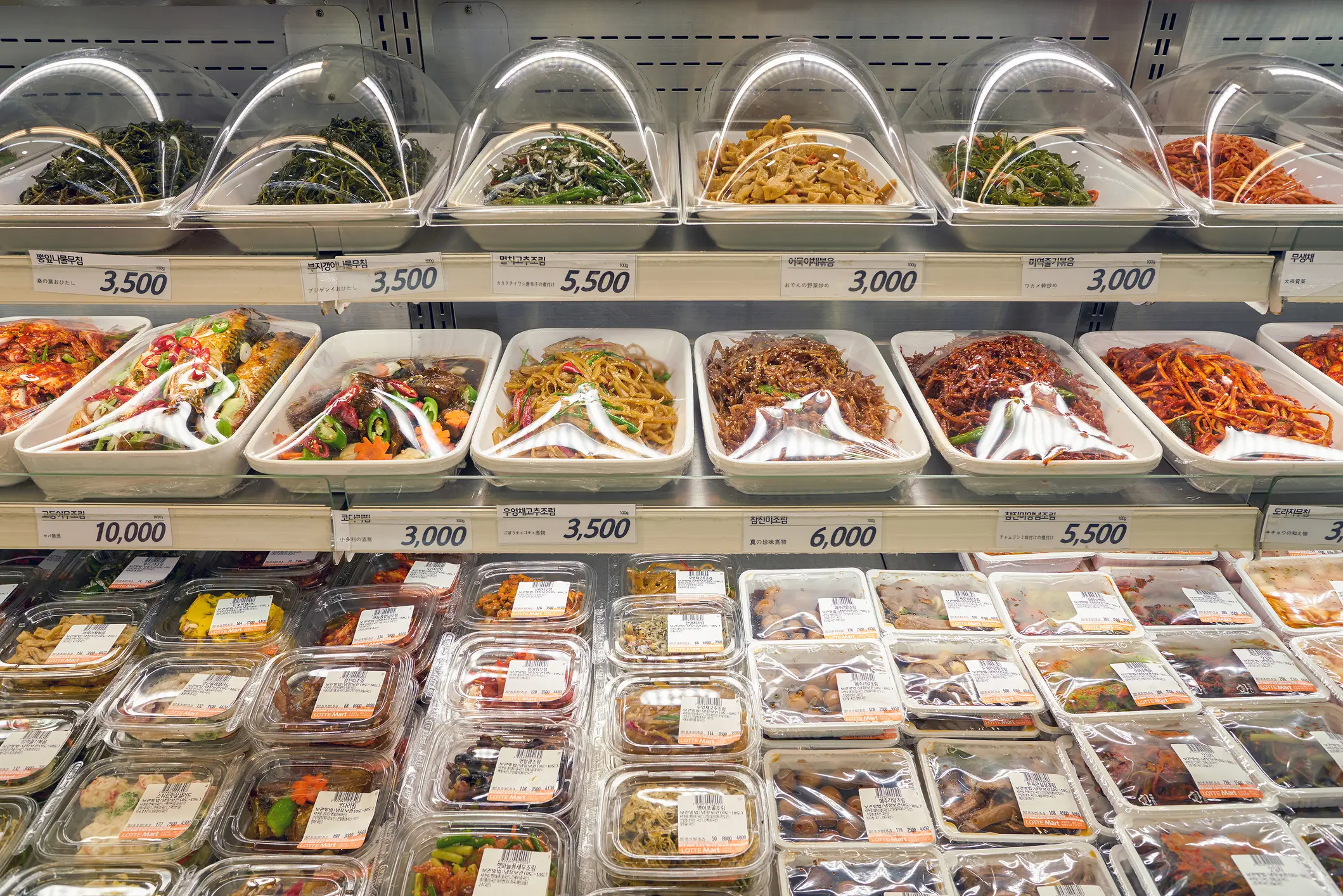
ID 105098250 ©Tea | Dreamstime.com
Korean supermarkets combine:
- Beautiful packaging
- Trend-driven flavors
- Functional foods and drinks
- Strong café culture integration
Popular chains: E-Mart, Lotte Mart, Homeplus
Why it performs well online: minimalist design + trend-forward products = perfect visuals.
Here I would add this: It reminded me of a book I recently read – The Second Chance Convenience Store by Kim Ho-yeon. And also of sooo many YouTube videos that instantly make you want to book a trip to try some of their foods!
Thailand – Street Food Meets Supermarket Culture
Thai grocery stores blend:
- Ready-to-eat meals
- Local ingredients
- Street-food energy indoors
7-Eleven Thailand is practically its own tourist attraction.
Why it’s loved: affordable, fun, and endlessly photogenic.
Singapore – Precision and Premium Quality
Singaporean supermarkets are immaculate and international.
You’ll find:
- Imports from all over Asia and Europe
- High-end ready meals
- Meticulous organization
Why travelers talk about it: It feels futuristic and global at the same time.
What to Look for in a Supermarket Abroad
If you want to try grocery store tourism yourself, here’s what to pay attention to:
- Local brands instead of global ones
- Seasonal or regional specialties
- Prepared foods locals buy after work
- Price differences compared to your home country
- Unique packaging or food storage methods
Even a 20-minute visit can reveal surprising insights about a destination.
Why This Trend Is Here to Stay
Grocery store tourism isn’t just a passing trend: it reflects a broader shift toward slower, more experience-driven travel.
People want:
- Authenticity over luxury
- Daily life over landmarks
- Experience over status
And nothing captures that better than walking through the place where locals buy their bread, milk, and dinner.
Supermarket Tourism – A Conclusion
The next time you travel, try visiting a supermarket too. No, I will never suggest replacing a supermarket with a museum, but I believe that they are complementary.
One thing is clear: grocery store tourism is now a travel trend, but it is not something new. People – myself included – did this before it became a trend. Maybe they did not travel especially for grocery shopping – I know I did not – but I included this on one of the days in each city I visited.
Grocery store tourism isn’t about replacing museums or monuments. It’s about balance.
It’s about slowing down, observing daily life, and understanding a place through the routines of the people who live there. And in a world where travel often feels rushed or performative, stepping into a local supermarket might just be the most human travel experience of all.
Frequently Asked Questions About Grocery Store Tourism
Is grocery store tourism a real travel trend?
Yes. The term refers to intentionally visiting supermarkets abroad to experience local culture and everyday life.
Why do people visit supermarkets when traveling?
To discover local foods, compare prices, observe daily routines, and experience authentic culture beyond tourist attractions.
Which countries are best for supermarket tourism?
Japan, France, Italy, Germany, South Korea, and Thailand are especially popular for their unique grocery culture.