
Have you ever wondered what happens after a server walks away with your order?
You may see part of the kitchen – or only a set of doors, a hallway or perhaps the counter where drinks are being poured. Everything else happens somewhere out of sight.
After the stories I am about to share, you may look at special requests, kitchen tickets, and even the small receipt beside your plate differently.
It is a beautiful day here as I write this, but I still can’t believe what appeared on one family’s breakfast order during their vacation in Italy.
And it is NOT ONLY the story itself, but what followed too – and I am sharing all of it with you.
When I checked the restaurant’s Instagram account today and watched the new video posted after the scandal, I wasn’t sure I was seeing and hearing correctly. But I was…
Then I remembered other cases – one ended with DNA evidence. Yes, DNA… I’ll tell you all about these situations too.
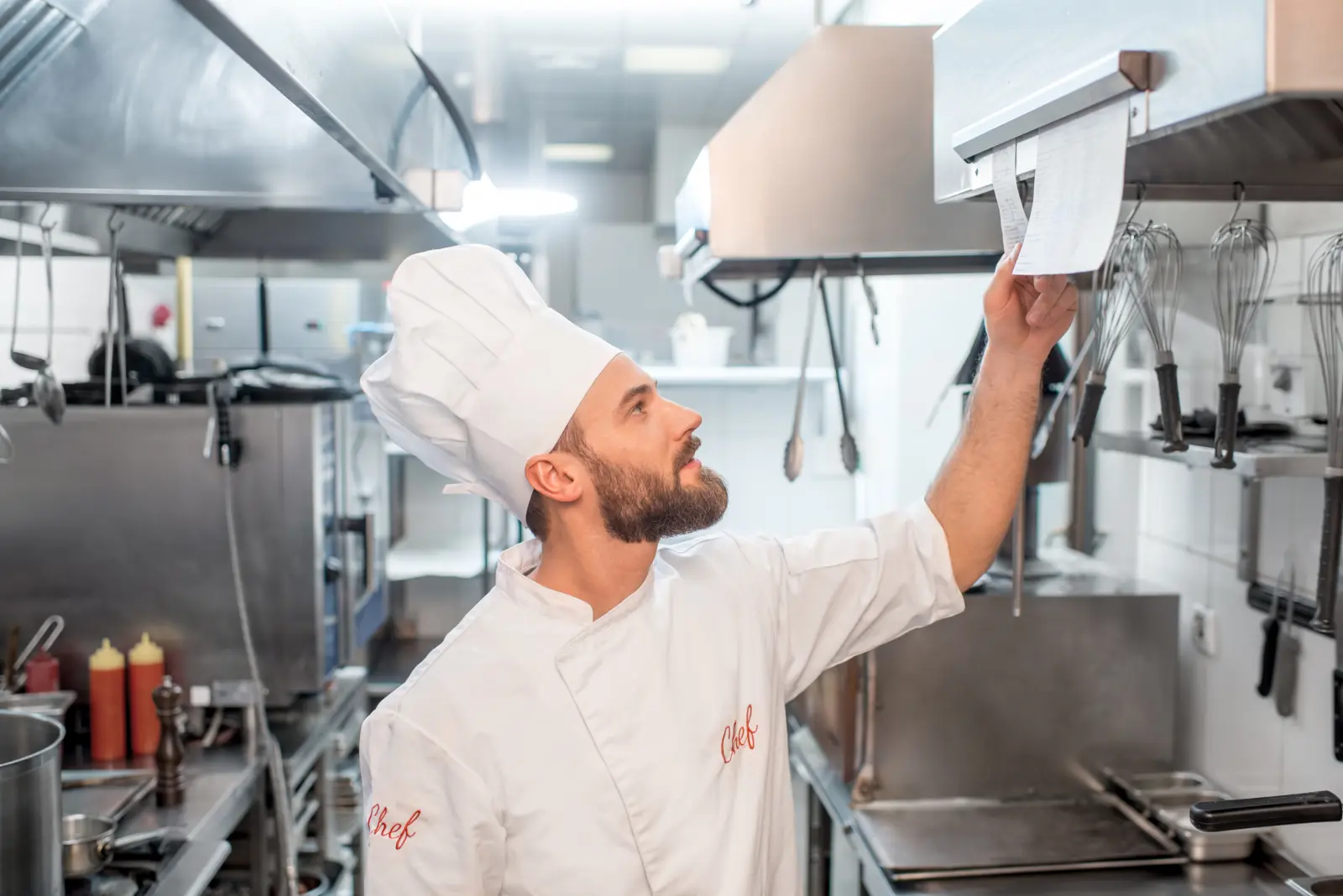
ID 86223386 ©Rosshelen | Dreamstime.com
Years ago, the boyfriend of a former university colleague who worked in a restaurant told us what staff sometimes said when a customer annoyed them. I never knew how much of it was dark humor, exaggeration, or something more/thruth. Perhaps this is why the story below made me write about it and share the other cases too.
I have written before about what can happen when you leave a hotel room and about the passenger behavior people are tired of seeing. Both involve actions people never expected to witness. Here, a printer exposes what staff never meant a customer to read.
A Family Asked for Their Eggs to Be Cooked Longer. The Kitchen Ticket Said Something Else
On the morning of August 19, 2026, a family of three of Brazilian origin, who live in Florence, stopped for breakfast while vacationing in Riccione, one of Italy’s best-known Adriatic resort towns.
They were at Victor Lab on Viale Ceccarini. The order was simple: juice, coffee, freshly squeezed drinks and scrambled eggs. One woman wanted her eggs cooked a little longer. The printed ticket recorded “molto cotte” and “no insalata” – “very well cooked” and “no salad.”
Then came the line that turned breakfast into national news.
“Questa mi ha rotto il c… brucia le uova e sputaci dentro.”
The English translation would be: “She has really got on my nerves. Burn the eggs and spit in them.”
The ticket was time-stamped 10:05 a.m.
The family photographed it and refused to eat the food. The image later appeared with a Google review and spread across Italian media. La Voce di Cesenatico first reported the case, and larger outlets soon followed.
There is an important distinction: the ticket proves the instruction was typed and printed. It doesn’t prove that anyone in the kitchen followed it. The family didn’t eat the eggs, and management has firmly said that nothing happened beyond the words.
For a customer staring at that ticket, however, the question is immediate: would you take the risk?
The Restaurant Apologized – Then the Family Challenged Part of the Explanation
The restaurant didn’t deny that the message appeared on its ticket. In its public response, management called the behavior completely inappropriate and said it doesn’t represent the venue’s values or professional standards. It said the employee responsible was 17 years old, had worked there for only a few weeks, and would receive particular attention and training. The restaurant added that the director apologized personally, canceled the bill, and offered the family other products.
Owner Luciano Colono told Il Resto del Carlino that it was a huge error and that such words were unacceptable. He also stressed that Victor Lab has an open kitchen, visible to customers, and said the family had been seated very close to it.
But the family disputed parts of the restaurant’s version.
They said the items removed from the bill were the items they refused to consume after seeing the message. According to them, they still paid for an espresso and a bottled drink that had already been consumed. They also said they declined replacement food because, after reading the ticket, they did not want anything else prepared there.
They also questioned the employee’s reported age, saying they believed the person they dealt with was an adult.
The follow-up report from La Voce di Cesenatico sets out both versions. Both sides agree on the central piece of evidence: the printed order photographed by the family.
If you are visiting the country, plenty of surprising but harmless Italian dining rules are worth knowing. Asking for eggs to be cooked a little longer should not turn into a test of your trust.
Then the Restaurant Turned the Incident Into a Video
I am not familiar with the restaurant. And I know all too well that there are all sorts of people. So I wanted to see more about this restaurant and I searched for the official social media accounts.
On August 22, I checked the Victor Lab Instagram account. A new video staged a customer’s visit after the story had spread.
A man arrives and is invited to sit by a young woman named Eleonora. He asks for Giovanni, then says he wants il piatto della casa – the house dish.
Eleonora begins bringing out food. Salad. Pizza. A burger. Dessert. He refuses them one after another.
When a man from the restaurant returns and asks what he does want, the customer says he saw a video involving eggs and adds “no insalata” – “no salad,” echoing the wording on the original ticket.
Then comes the line I replayed:
“Con lo sputo o senza?”
“With spit or without?”
He laughs.
The seated man asks whether Giovanni apologized. The restaurant representative acknowledges that he did, then asks viewers what should happen next: should Giovanni be fired or brought back?
I have worked in PR and marketing for more than 21 years. I understand the temptation to use self-deprecating humor after a brand mistake. It can lower the temperature when the problem is a typo, a late coffee or an awkward misunderstanding.
This was a customer’s fear that food might be contaminated.
Repeating “with spit or without?” does not move the conversation away from that fear. It packages the fear as content.
Some viewers will see a business trying to face the scandal, show that the employee apologized and invite a debate about second chances. Others will see a serious complaint being turned into another joke before trust has been repaired.
People will move on. A different scandal will take over the feeds. But the video, screen recordings and quoted line can remain searchable long after the original news cycle ends. That is the risk I would not have advised a client to take.
“Hire Him Back” or “Less Irony, More Responsibility”? The Comments Split
The comments under the video don’t offer a clear solution. I translated a selection below and grouped them by the ideas that appeared repeatedly. There are many more, but most return to the same questions: How much should one mistake cost a 17-year-old? Was it only an angry expression? And did the restaurant’s joke help or make everything worse?
Some people argued for forgiveness and reinstatement.
“I would hire him back. Unfortunately, everyone makes embarrassing mistakes, and he has certainly learned his lesson. You can tell they must really have wound him up.”
“He is 17, and people can make mistakes. Let him face the seriousness of it for a while. If he is genuinely sorry, you can consider bringing him back gradually.”
“Reinstate him immediately. It is also a figure of speech. Who knows – perhaps the diners’ stellar friendliness made the situation so entertaining that the waiter got carried away.”
That last comment appears to place some blame on the customers, although there is no evidence that their request justified what was typed.
Others supported a second chance – but somewhere else.
“In my opinion, the boy is 17, and people make mistakes. Bring him back with a pat on the shoulder and a smile; I am sure he learned the lesson. BUT NOT IN THAT RESTAURANT!”
“If I owned the place, I would sue this troubled, frustrated person and seek compensation for the damage to my business’s reputation.”
One person delivered the shortest and harshest answer:
“I would send him into exile.”
A long comment focused on the video rather than the original employee.
“I have great respect for you and your journey of faith, dear @sbancaofficial, but I expected a different video from you. People who work make mistakes, making mistakes is human, and forgiveness exists. For that very reason, I expected a video with sincere apologies to the customer and, more broadly, to all customers.
“More than an apology, this felt like further mockery. It gave me the impression that the mistake was treated too lightly. With respect, but also sincerity, situations like this need less irony and more responsibility.”
That is closest to my own response. Forgiveness and a serious apology can exist together.
Two hospitality anecdotes made the discussion much darker.
One commenter claimed that, while working at a restaurant at 17 or 18, they saw a cook spit into dishes whenever a request angered him. The experience made the commenter reluctant to eat out for a long time.
Another described a cook they said they remembered from a Riccione hotel ten years earlier. The allegation was graphic: poor hygiene, hands repeatedly on his crotch or backside, then the same hand used to taste the sauce.
These are anonymous social-media claims, not verified cases. They cant tell us what happened in the Victor Lab kitchen. They do explain why many customers do not hear “spit in it” as harmless workplace venting.
I mentioned in the intro of this article several other situations – some even more surprising. Here they are.
They Asked for Ice in Their Wine. The Receipt Called Them “Bogans”
In 2023, customers at The Cornish Arms in Brunswick, Victoria, asked for ice in a glass of Pinot Grigio.
The printed receipt included an extra instruction:
“Ice in it f***ing bogans.”
“Bogan” is an Australian insult for someone considered unsophisticated or uncultured – roughly comparable to “redneck” in the United States.
The employee later said she didn’t realize the comment would print on the receipt. The pub said staff had been reminded of their responsibilities, the employee was apologetic, and the customers accepted an offer of a meal on the house, according to The Drinks Business.
The internet, predictably, argued about the wine. Some people thought ice in Pinot Grigio was an offense against civilization. Others said customers can drink the wine they paid for however they like.
A Deaf Customer’s Receipt Called Her “The Most Difficult Customer Ever”
Ashley Vallejo went to a Dutch Bros drive-through in Waco, Texas, in 2022. Vallejo is deaf and can speak a little, but ordering can require more patience from the person taking it.
Her receipt contained the description “most difficult customer ever.”
Vallejo later explained that her voice is not perfect and asked workers to be patient with people with disabilities. She wanted to order like everyone else – not be punished for the extra effort required to communicate.
Dutch Bros called the note unacceptable, said the matter had been addressed internally and contacted Vallejo, according to KWTX.
Seven Older Women Went to Lunch. Their Separate Bills Carried the Same Label
In June 2025, seven senior women had lunch at Deacon Blues in Watervliet, New York. The group included an 87-year-old woman and longtime restaurant customers.
One of them noticed something after she was home. Her receipt identified the table as “Old Bitches.” When the others checked, the same label appeared on their separate bills.
The owners said they were mortified and apologized, stating that one employee’s conduct did not represent the business or its respect for senior customers. The Times Union reported that the restaurant promised appropriate action.
He Saw “Please Spit in It Too” After He Had Already Eaten the Burger
ID 104758830 ©Vitalinar | Dreamstime.com
Curtis Mays was celebrating Father’s Day with his daughter and granddaughter at Bohemian Hall and Beer Garden in Astoria, Queens, in 2018.
His burger order had been mixed up, so he asked to see the receipt. Alongside the instructions for his cheeseburger, he found:
“Please spit in it too.”
Here the timing is everything, because Mays had already eaten the burger.
He confronted the server and spoke with a manager. Reports differed on whether the server was fired immediately or suspended pending an investigation. A manager said it was very unlikely that anyone in the kitchen had carried out the instruction, while agreeing that the note itself was unacceptable. Eater covered the restaurant’s response.
There was also online speculation that “spit” might have been a typo for “split,” as in cutting the burger in two. Yet the ticket reportedly said “please spit in it too,” not a clear preparation instruction, and Mays said he felt sick after reading it.
A New Receipt Appeared Online This Week – And the Customer’s Body Replaced His Name
While the Riccione ticket was spreading through Italian media, another customer was posting a receipt from Bengaluru, India.
The man said he visited Subko The Craftery in Koramangala, ordered food, paid and looked at the bill later. In the “Customer Detail” field, he did not find his name, a table number or an order number.
He found:
“Little fat black shirt.”
The customer posted the receipt on Reddit under the title “Subko didn’t use my name. They used my body to describe me.”
Subko confirmed that an employee had knowingly entered a description based on the guest’s body type. The coffee company said fat-shaming was wrong, called the act cruel, attempted to contact the customer, took what it described as the strongest possible disciplinary action and began reviewing how customer details are recorded. The customer’s original Reddit post showed the receipt.
“Pink Fat Lady” and “Fat Girls”: The Same Humiliation Years Apart
The Bengaluru receipt felt painfully familiar because the same shortcut has appeared before: instead of asking for a name or using a number, staff identify customers by their bodies.
In Singapore in 2014, Aili Si picked up two pizzas and found “Pink Fat Lady” written on her receipt. Pizza Hut Singapore apologized and opened an investigation. Si said she appreciated how the company handled the complaint, according to TIME.
Two years earlier, three women dining at Chilly D’s Sports Lounge in Stockton, California, received a bill identifying them as “Fat Girls.” They said the manager initially appeared to smirk, then offered 25 percent off and later 50 percent. The women rejected the discounts. The business owner apologized publicly, called the treatment intolerable, and later fired the employee responsible, as ABC News reported.
And Then There Was the Drink With DNA Proof
Up to this point, every story leaves room for the sentence restaurants and worried readers want to hear: there is no proof the food was actually tampered with.
This final case is different. In July 2014, Ken Yerdon and his wife, Julie Aluzzo Yerdon, ate at a Chili’s restaurant in Clay, New York, with their 12-year-old son. They complained about undercooked food and chips that had not arrived. Their lawyer later said they were polite and even left a tip.
Before leaving, they asked for drinks to go. Ken took two sips. As the family drove away, the cup’s lid popped off.
He saw saliva inside.
This time, the evidence was not an insulting name or a sick instruction on a receipt. Yerdon contacted police. Investigators obtained a DNA sample from the server, Gregory Lamica.
Three months later, analysis matched the saliva in the cup to Lamica. Police said he confessed. He pleaded guilty to disorderly conduct and received a one-year conditional discharge and a $125 surcharge.
Chili’s described the former employee’s conduct as an isolated, completely unacceptable incident. The family sued. ABC News reported the DNA findings and court case.
There was no warning printed beside the order. No accidental receipt gave the family a chance to refuse the drink. The lid moved only after Ken had already swallowed twice.
What Should You Do If a Restaurant Ticket Suggests Food Tampering?
First, stop eating or drinking the item. Photograph the ticket or receipt clearly, including the date, time, order details and venue name. Keep the original if you can.
Ask for the manager and explain what you found without handing over your only evidence before you have documented it. Write down the names of the people you speak with and what they say. If management promises a follow-up, ask for it in writing.
If you only saw an insult, the issue may be handled through management, the company’s customer-service channel and a factual public review. If you have physical evidence that food or drink was contaminated, keep the item, avoid altering it, and contact the relevant local health authority or police. The correct agency and procedure depend on the country and the seriousness of the incident.
Don’t use the moment to harass individual employees online, threaten staff or invite strangers to do it. Share documents and verifiable details. Leave rumors out. A strong complaint does not need embellishment.
And when the problem is a confusing bill rather than misconduct, it helps to know the common restaurant menu tricks that can change what you spend.
Note: the video I mentioned in this article – from instagram – is this one
Frequently Asked Questions
Was there proof that anyone spat in the eggs in Riccione?
No. The printed kitchen ticket contained the instruction, but the family refused the food. Restaurant management said nothing happened beyond the words and pointed to its open, visible kitchen. The ticket proves the message was typed; it does not prove it was carried out.
Did the restaurant apologize to the family?
Yes. The restaurant apologized publicly and said its director apologized in person, cancelled the bill and offered replacement products. The family agrees that food they did not consume was removed but says they paid for drinks already consumed and declined anything else.
Was the employee really 17?
The restaurant says the employee was 17 and had worked there for only a few weeks. The family said they believed the person they dealt with was an adult. No independent confirmation resolving that disagreement was available when this article was published.
Do restaurant notes normally appear on customer receipts?
Point-of-sale systems can send modifiers, table labels and staff notes to kitchen tickets or customer checks. The exact setup varies. Several cases in this article happened because an employee-entered description or internal comment printed where the customer could see it.
Which case was confirmed by DNA?
The Chili’s case in Clay, New York. Police obtained a DNA sample from the server and said it matched saliva found in Ken Yerdon’s drink. The server later confessed and pleaded guilty to disorderly conduct.
More amazing articles for you:
People Are Flying Home to Discover Their Cars Are Gone - And the Nightmare Begins
What Guests Steal From 4- and 5-Star Hotels: Towels Are Only the Beginning
Local's Guide to Cebu City, Philippines with the best things to do in Cebu City, where to eat and st...
France vs. Italy: Wine, Landmarks, and Luxury - The Ultimate Rivalry (Everything You Know Is Just th...
Best Museums in Paris: What to Visit First, What’s Free, and What to Book Ahead
Flowers from Bran
She Reclined Her Seat on a Plane. What Happened Next Went Viral - Justified or Not?
A local's guide to Stratford-upon-Avon, Warwickshire, UK

Violeta-Loredana Pascal is a communications expert, business mentor, and the founder of Earth’s Attractions and PRwave INTERNATIONAL. A pioneer in the Romanian digital PR landscape since 2005, she holds a degree in Communication and Social Sciences from SNSPA Bucharest. Violeta is a senior trainer at AcademiadeAfaceri.ro, where she leverages over 20 years of experience to teach professional courses in PR strategy and workplace productivity. By blending high-level business consulting with a passion for holistic travel and wellness, she empowers solopreneurs to overcome procrastination, build profitable brands, and design a life of purposeful adventure.