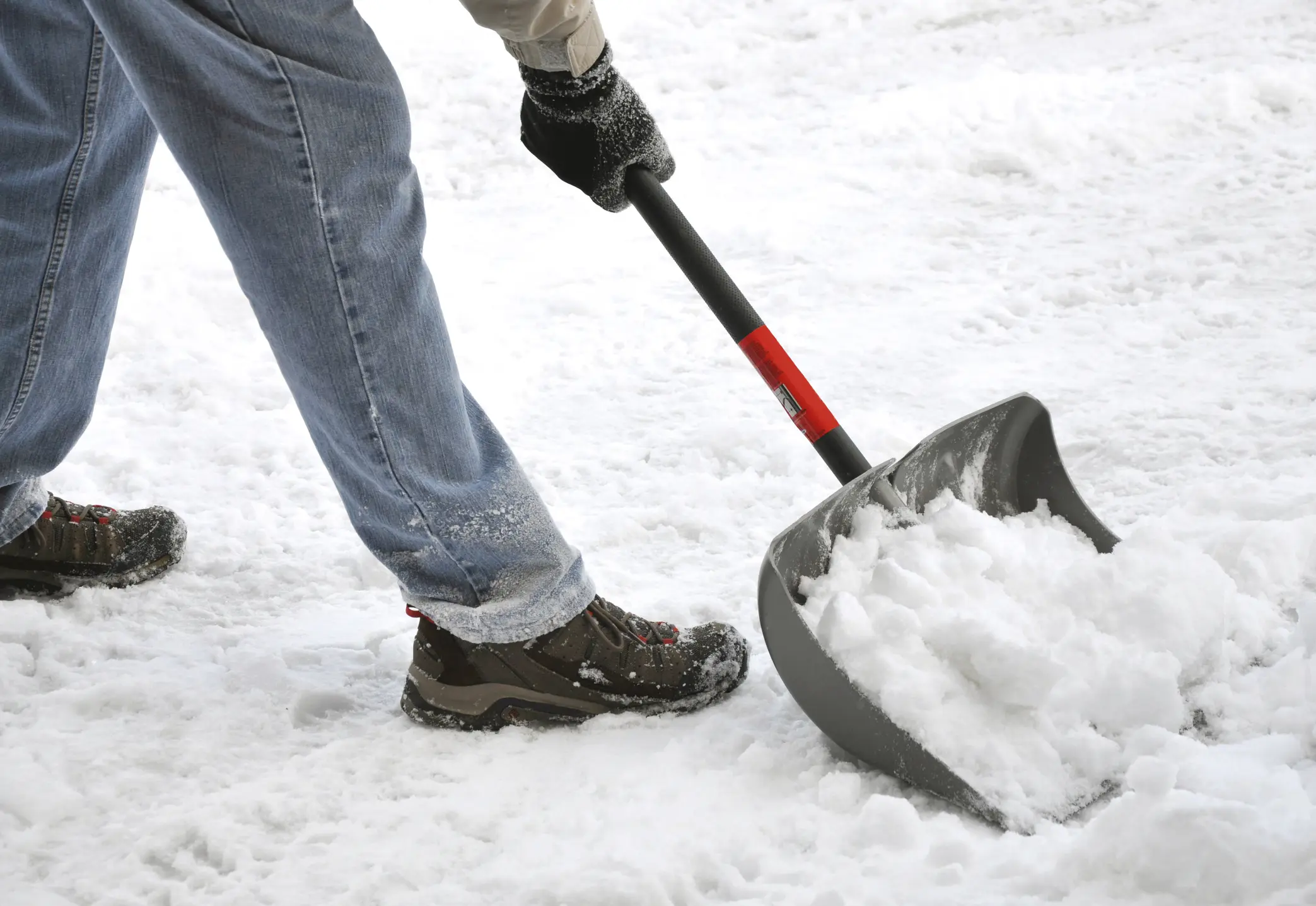
Imagine flying to Japan in winter, checking into a cozy place in Hokkaido or another snow-heavy region… and instead of hitting the ski slopes first, you put on gloves, grab a shovel, and start clearing snow.
Not because you have to. Not because you’re being paid. Not because it’s a volunteer requirement.
Because it’s the point of the trip.
This is the snow-shovelling tourism trend that triggered online debate and raised eyebrows internationally: travelers – especially young visitors from China, according to reporting – booking travel experiences where clearing snow becomes the “activity.”
ID 7956183 ©Steve Vanhorn | Dreamstime.com
At first glance, it sounds like a joke. Snow shoveling is one of those chores people complain about, dread, and try to outsource. It is rarely romanticized. It is rarely posted with pride.
And yet, there it is – being packaged, sold, filmed, and discussed like a niche experience, one that some find wholesome and others find ridiculous.
What is “snow-shovelling tourism” in Japan?
Snow shoveling tours in Japan: a niche winter travel trend
According to reporting by the South China Morning Post (SCMP), some travelers have been going to snowy areas in Japan and participating in snow clearing – sometimes informally after being inspired by videos, and sometimes through experiences positioned as “unique winter activities.” The story spread because it felt upside-down: tourists paying to do labor that locals often consider exhausting.
Other outlets picked up the trend and summarized the same basic phenomenon: snow shoveling being reframed as a novel travel “experience,” not a task.
It’s important to separate two similar-but-not-identical things that get blurred online:
- Informal snow shoveling – a traveler helps clear snow outside a property or on a sidewalk, films it, and it goes viral. Or they just have the experience for themselves – no online sharing.
- Packaged snow experiences – agencies or tourism projects create structured programs: “snow removal craftsmanship tours,” homestay-linked winter experiences, even heavy-equipment “ride and operate” concepts.
There is documentation of the second category existing as an actual bookable experience. For example, one Sapporo-based “snow removal craftsmanship tour” page describes a set price point and participation structure.
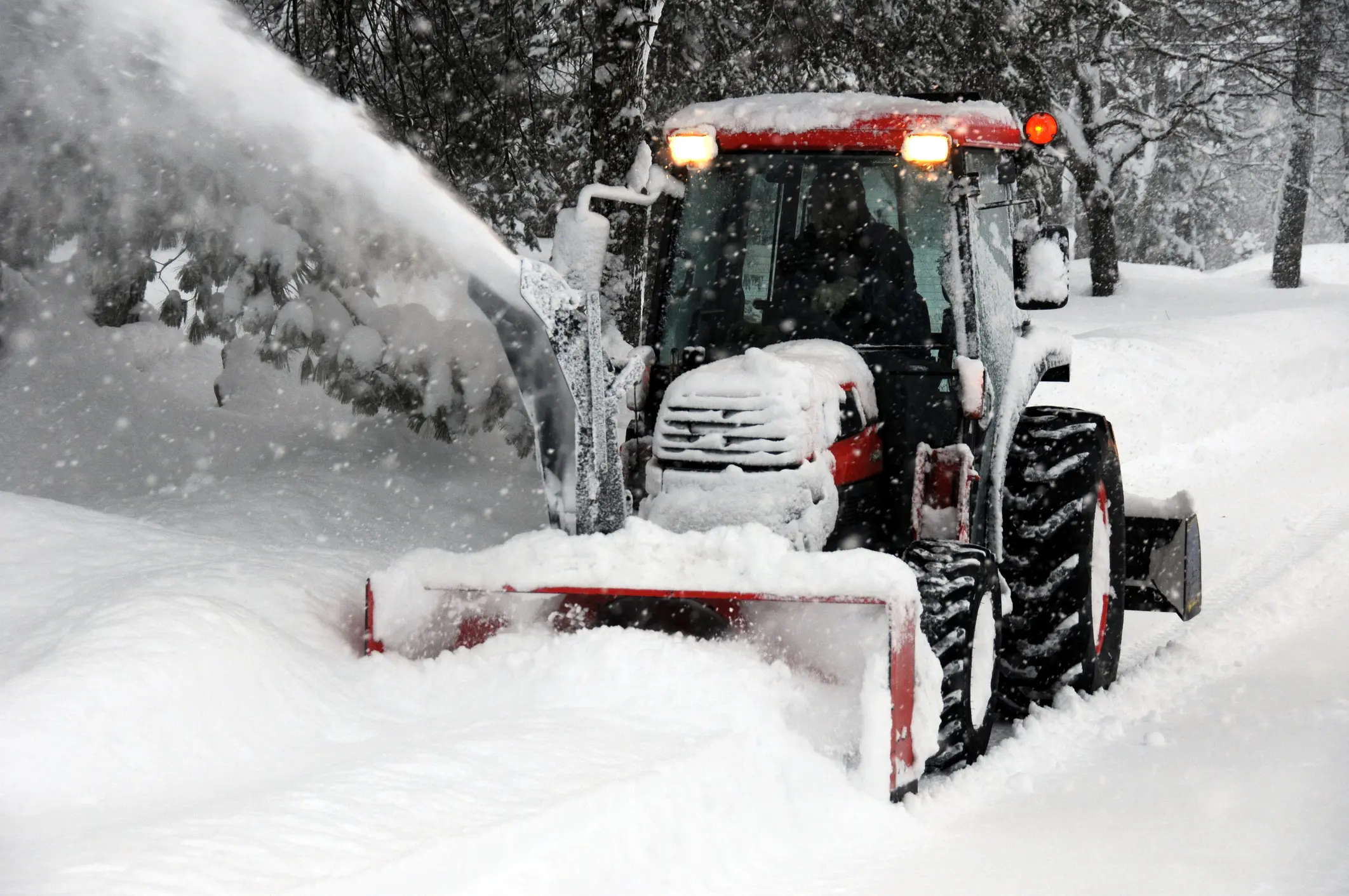
Meanwhile, NDTV’s travel coverage (summarizing and expanding on the viral reporting) describes Japan-based packages that go beyond shoveling – into machinery and planned “snow removal vehicle” experiences.
In fact, this is how it started: with tours that allow people to ride snowplowing machines. The tourists loved the experience. Some wanted to clear snow by themselves – not a lot of snow, but to try the experience in itself. And they found this to be an interesting experience.
It’s easy to see why this would feel like an interesting experience. It is something unique for some people who do not see snow. It is normal to be lured by this activity.
Those of us who enjoy snow each year know that clearing snow by hand comes with pains, cold hands, and more. But we have this as a regular experience. For others, it is something unique (like we try special experiences on our vacations too – different tours, visits, massages, etc.)
Whether you view this as charming or absurd, it’s not imaginary. Elements of it are real, marketed, and bookable.
Why would anyone pay money to shovel snow?
This is the part people argue about – and it’s also the part that tells you a lot about where travel is going.
1) Because “novelty” now beats luxury for many travelers
For a growing segment of travelers, especially younger ones, the status symbol is not five-star opulence. The status symbol is a story.
Shoveling snow in Japan is a story. It’s instantly explainable in one sentence, and it invites reaction: “You did what?”
That reaction is the currency of social travel culture.
And, I might add, it is a fun activity when done as an experience
2) Because Japan’s snow is a spectacle if you don’t live with it
If you come from a place where snow is rare – or where winters are mild – Japan’s heavy snowfall can feel almost cinematic. Hokkaido, in particular, has built a global reputation for winter conditions and snow culture. This is why Hokkaido winter travel experiences continue to attract visitors looking for something beyond skiing and city sightseeing. In that context, even the mundane logistics of snow management can become fascinating.
This is not unique to Japan, by the way. Travelers pay for “rice planting experiences,” “olive harvest weeks,” and “grape picking during harvest season.” Many of those are, objectively, labor. But when framed as cultural participation, they become experiential travel.
3) Because it feels “authentic” in a world of staged travel
There is a growing backlash against travel that feels overly curated: the influencer café loop, the same photo spots, the same copy-paste itineraries.
A snow shovel is the opposite of curated. It looks raw and real. It reads as participation rather than consumption.
4) Because “doing something useful” is emotionally satisfying
Some travelers genuinely like the idea of contributing – even in small ways – especially when it’s framed as helping local communities during harsh winter conditions.
This is where the debate starts, because the line between “helping” and “performative voluntourism” is thin. But emotionally, you can see why it appeals.
5) Because it’s a physical antidote to screen life
One reason certain “work-like” travel experiences are trending is that they are tangible. You can feel the cold. You can feel the effort. You can feel the immediate result.
That’s rare in the modern digital routine.
The debate: wholesome experience or paying to be exploited?
Some people loved the idea; others found it absurd or even troubling.
At the heart of the debate are three questions:
1) Is it “helping,” or is it unpaid labor dressed up as tourism?
If a traveler clears snow on private property in exchange for a “unique experience,” is that cultural exchange – or is it simply free labor?
The ethical answer depends on context:
- Who benefits – and whether the exchange is genuinely mutual.
- Is it voluntary?
- Is it safe?
- Is it replacing paid work that locals would otherwise do?
2) Is it respectful, or is it turning hardship into entertainment?
Heavy snow is not a cute aesthetic for locals. It can be exhausting, expensive, and disruptive. Reframing it as a tourist attraction can feel tone-deaf if not handled carefully.
On the other hand, many forms of tourism revolve around experiencing elements of local life that locals might find inconvenient. That doesn’t automatically make them exploitative – but it raises the bar for how experiences are designed and communicated.
3) Is it a meaningful experience – or a social media gimmick?
This may be the simplest split:
- Some people want “weird travel” purely for the share value.
- Some people genuinely enjoy doing something unusual, physical, and culture-adjacent.
Both groups exist, and both are part of the travel economy.
The visual power is obvious (and that matters)
If you want to understand why this went viral, you only need to picture the visuals:
- knee-high snowdrifts
- thick falling snow
- cozy village streets
- tourists bundled up, laughing, struggling, filming
- the satisfying “before and after” of a cleared path
It is a perfectly packaged social video. It communicates without language, and it triggers instant reactions.
This is the kind of experience that doesn’t need an explanation – it needs a clip.
That’s why it spreads.
They are unique winter experiences in Japan, especially in regions that experience extreme seasonal conditions.
This trend fits a larger pattern: the rise of micro-experiences
Snow shoveling in Japan sounds extreme, but it fits neatly into a broader trend: travelers choosing experiences that are niche, specific, and hyper-local.
Examples you’ve probably seen elsewhere:
- “bread baking with a village baker”
- “working on a farm for a day”
- “learning a craft that locals consider ordinary”
- “helping with a seasonal task”
In travel terms, these are micro-experiences: small, story-rich activities that make a trip feel unique without requiring luxury.
This also connects to overtourism fatigue. When famous attractions become overcrowded and regulated, people look for experiences that feel personal and less crowded.
Sometimes that means a second city.
Sometimes it means a weird activity in a rural town.
Sometimes it means… a snow shovel.
What’s actually being sold: not labor, but meaning
ID 18317897 ©GeorgianBayBoudoir | Dreamstime.com
Here is a key point many people miss:
The thing being “sold” is not snow clearing. The thing being sold is meaning.
Packages position this as:
- “real winter life”
- “community exchange”
- “authentic experience”
- “participation rather than observation”
- “unique memory”
And because there are tour pages and travel coverage describing structured “snow removal” experiences, we can see it’s being treated as a legitimate niche product.
Whether you personally want to do it is irrelevant. From a tourism product perspective, it makes sense: it turns an environmental reality (snow) into an experience category.
The marketing lesson: business success is often about spotting what others ignore
This snow trend is a great example of a niche being identified and used. And marketing – and business success – often comes down to exactly this: recognizing an asset others dismiss and packaging it as value.
Japan’s heavy snow is not a new thing. Locals have dealt with it forever. In many places, it’s a logistical problem and a cost center.
But from the perspective of certain visitors, snow is rare, beautiful, and thrilling. That gap in perception is where opportunity lives.
They found something others do not have – snow, in extreme, cinematic abundance – and built packages and experiences around it for people from countries where snow is either less common or culturally romanticized.
That is niche creation in its pure form.
If you run a business – travel-related or not – the takeaway is clear:
- The market does not reward what is “normal” to you.
- The market rewards what feels distinctive to your audience.
- Sometimes your biggest asset is the thing you complain about.
Snow is “too much work” for locals.
Snow is “a once-in-a-lifetime experience” for someone else.
That difference is where demand is born.
If you wanted to do this (responsibly), here’s what matters
Safety first
Snow clearing can involve:
- slipping hazards
- freezing temperatures
- heavy exertion
- poor visibility
- risk of injury if inexperienced
This activity should only be done in structured, safe contexts with appropriate clothing and supervision.
Respect the difference between “helping” and “performing”
If you want the wholesome version of this story, it looks like:
- permission from locals/hosts
- a planned experience
- community benefit
- no displacement of paid labor
The less wholesome version is doing it for a video without considering whether it’s welcome or appropriate.
Don’t romanticize hardship
You can celebrate a unique winter experience without implying locals “should be grateful” tourists are enjoying their seasonal struggle.
The tone matters.
The “bigger picture” takeaway: travel is shifting from sightseeing to identity
Travel used to be about seeing places.
Now it’s also about expressing who you are.
The “I flew to Japan to shovel snow” traveler is signaling something:
- I’m not a basic tourist
- I want experiences
- I value authenticity
- I can handle discomfort
- I have a story worth sharing
That identity layer explains why weird experiences spread. They are social currency.
The irony is that once an experience becomes too viral, it risks becoming exactly what these travelers are trying to avoid: mainstream.
Which is why the niche cycle never stops. People will always search for the next “only I know about this” thing.
Would you shovel snow on vacation?
So, is this trend ridiculous?
Some could say it is.
But it also makes perfect sense once you understand modern travel psychology and modern marketing. People are paying less for “things” and more for “stories.” Destinations are no longer competing only on beauty, but on distinctiveness. And businesses that succeed are often the ones who identify what they have that others don’t – and package it in a way the right audience finds irresistible.
In that sense, Japan’s snow isn’t just weather. It’s an asset.
And whether you personally want to pick up a shovel or not, there is no denying it: this is the kind of travel story that gets shared because it forces a reaction.
And one more thing: why should this experience be considered different from what other people travel for? It is unique, interesting, a special experience to have when you do not see snow.
Would you ever book a trip to Japan to shovel snow – just for the experience? Or is this where “unique travel” officially goes too far?