
You leave the beach, still wearing your swimsuit. Maybe you throw on flip-flops and head into town for lunch, a coffee, or a quick walk through the historic center. In many beach destinations, nobody thinks twice about it.
But in a growing number of cities around the world, that casual beach habit can actually lead to something surprising – a fine.
Across Europe and other popular tourist regions, local authorities have introduced rules banning people from walking through town in swimwear or shirtless outside designated beach areas. Officials say the regulations protect historic centers, respect local culture, and prevent beach tourism from spilling into everyday urban life.
And the penalties can be steep. In some places, tourists caught wandering around town in bikinis or swim trunks could face fines of €150 to €1,500 ($160–$1,650).

Photo by Freepik
Here are some of the destinations where visitors are expected to cover up before leaving the beach.
Cities Where Tourists Can Be Fined for Wearing Swimwear Outside the Beach
Barcelona, Spain

Barcelona is one of Europe’s most famous city-beach destinations. Travelers visit to admire the extraordinary architecture of La Sagrada Família, stroll down the lively boulevard La Rambla, explore the medieval streets of the Gothic Quarter, admire Park Guell, and relax along the Mediterranean at Barceloneta Beach – yes, these are some of the best things to do in Barcelona, Spain. With world-class museums, nightlife, and beaches all in one place, the city attracts millions of visitors every year.
Because the beach sits so close to the historic center, tourists often walk straight from the sand into shops and restaurants wearing swimsuits. To address growing complaints from residents, Barcelona introduced rules under its civic coexistence ordinance regulating clothing in public spaces.
Walking through the city shirtless or wearing only swimwear outside beach areas can result in fines of up to €300 ($325).
The regulation is particularly enforced in central neighborhoods and commercial districts where restaurants, shops, and historic sites are located. City officials say the rule is meant to preserve the dignity of public spaces and respect local residents.
Palma de Mallorca, Spain
Palma de Mallorca, the capital of Spain’s Balearic Islands, blends Mediterranean beaches with remarkable historic architecture. The city is dominated by the stunning La Seu Cathedral, a Gothic masterpiece overlooking the harbor, while the nearby Royal Palace of La Almudaina and charming old-town streets attract travelers interested in history and culture.
Because Palma is also a major beach destination, many visitors once walked through the city center wearing bikinis or swim trunks after leaving nearby beaches.
To address this, Palma introduced a civic ordinance banning walking around town in swimwear or shirtless outside beach zones.
Tourists who ignore the rule can face fines of up to €600 ($650) depending on the violation. Officials say the goal is to preserve the city’s historic character while ensuring visitors respect the atmosphere of residential and commercial areas.
Malaga, Spain
Malaga is one of the cultural capitals of southern Spain and the gateway to the Costa del Sol. Visitors explore historic landmarks such as the Alcazaba fortress, the Roman Theatre, and the Picasso Museum, dedicated to the city’s most famous native son – you can read our guide to the best things to do in Malaga. At the same time, nearby beaches make it a popular destination for seaside holidays.
Because of this mix of culture and beach tourism, local authorities introduced rules requiring visitors to dress appropriately in the city center.
Walking through town wearing only swimwear or without a shirt can lead to fines of up to €300 ($325) under Malaga’s civic regulations.
The rule is particularly relevant in historic districts and commercial areas where restaurants, museums, and markets operate.
Dubrovnik, Croatia
ID 68734217 ©Grecu Mihail Alin | Dreamstime.com
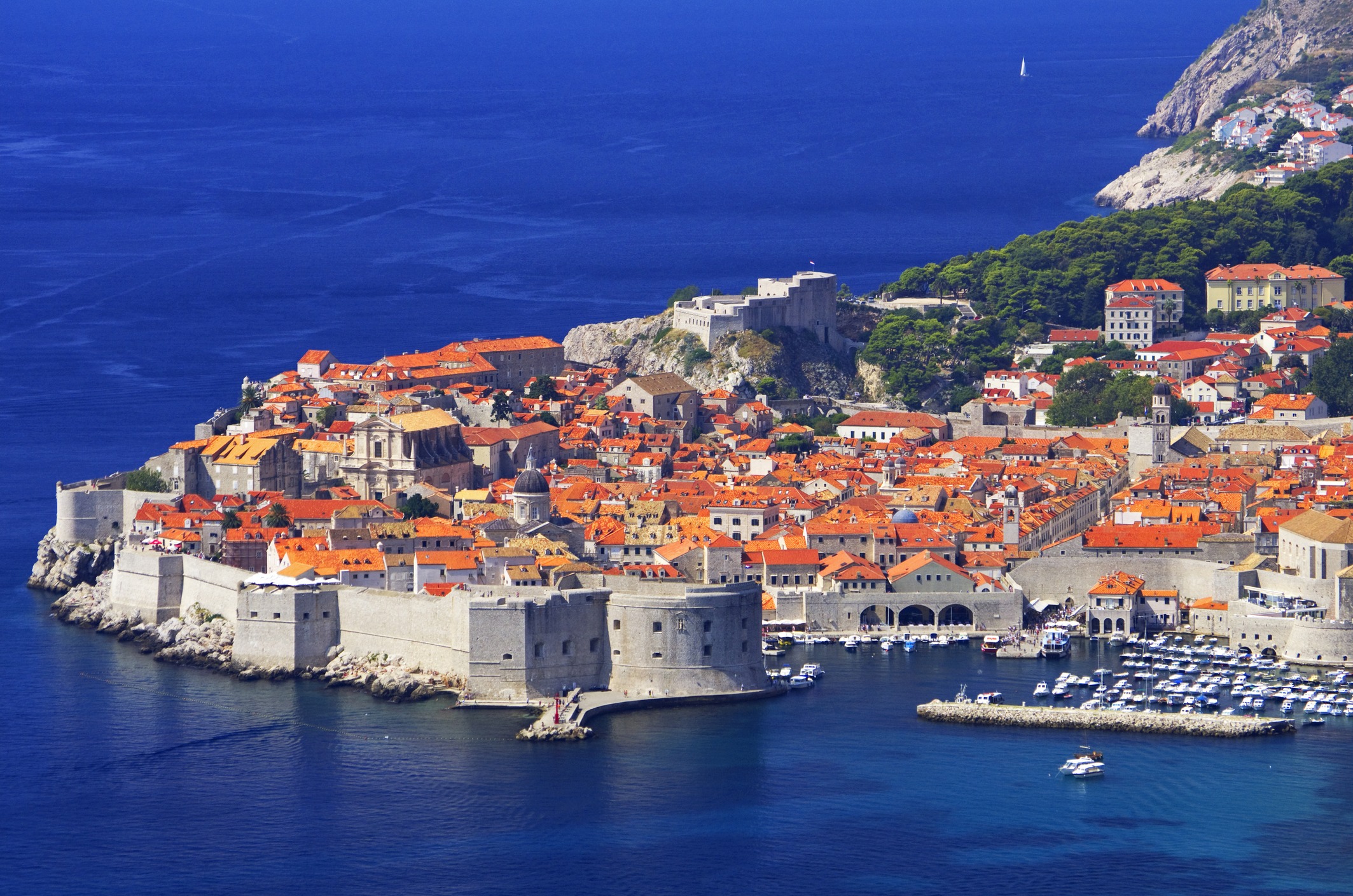
Dubrovnik is famous for its breathtaking medieval city walls, limestone streets, and terracotta rooftops overlooking the Adriatic Sea. Visitors walk the historic walls for panoramic views, wander along Stradun, the city’s elegant main street, and explore centuries-old churches and palaces inside the UNESCO-listed Old Town.
Because beaches sit just outside the historic center, some visitors used to walk into the Old Town wearing swimwear after swimming. To preserve the atmosphere of the historic district, the city introduced regulations banning tourists from entering the Old Town in swimwear or shirtless.
Violators can face fines of up to €150 ($160).
Authorities say the rule is part of broader efforts to protect Dubrovnik’s cultural heritage and improve the experience for both residents and visitors.
There is also another important rule here – about using the whees of the troller/carry-on on cobblestone street. In fact, there are several destinations with the rolling suitcase ban in historic city centers.
Albufeira, Portugal

ID 4279332 ©Rene Drouyer | Dreamstime.com
Albufeira is one of the Algarve’s most famous beach destinations, known for its golden cliffs, dramatic coastal scenery, and energetic nightlife. Visitors spend their days relaxing at Praia dos Pescadores, exploring the whitewashed streets of the Old Town, or taking boat tours along the Algarve coast to see sea caves and rock formations such as the famous Benagil Cave. The combination of beaches, historic charm, and lively bars has made Albufeira one of Portugal’s most visited resort towns.
But in recent years, local authorities have introduced stricter rules to control the impact of mass tourism and improve behavior in the historic center. Under the municipality’s Code of Conduct, walking through public streets, shops, or restaurants wearing only swimwear away from beaches or hotel pools is considered inappropriate attire.
Tourists caught wandering through town in bikinis, swimsuits, or swim shorts outside designated beach areas can face fines ranging from €300 to €1,500 ($350–$1,650). Officials say the rule is designed to encourage respectful behavior in public spaces and maintain the atmosphere of the historic town center.
Split, Croatia
Split is another Adriatic city where ancient history and beach tourism meet. The heart of the city is Diocletian’s Palace, a UNESCO-listed Roman complex built in the fourth century that now forms the living center of Split. Visitors explore its labyrinth of stone streets, relax along the lively Riva waterfront promenade, and swim at nearby Bačvice Beach.
Because the beach lies just minutes from the historic center, many tourists once walked through the palace area wearing swimsuits. Local authorities introduced rules prohibiting walking through the historic center shirtless or in swimwear. Officials say the measure helps protect the historic atmosphere of the palace complex and encourages respectful tourism.
Tourists who ignore the rule can receive fines of about €150 ($160).
Hvar, Croatia
ID 52847088 ©Xbrchx | Dreamstime.com
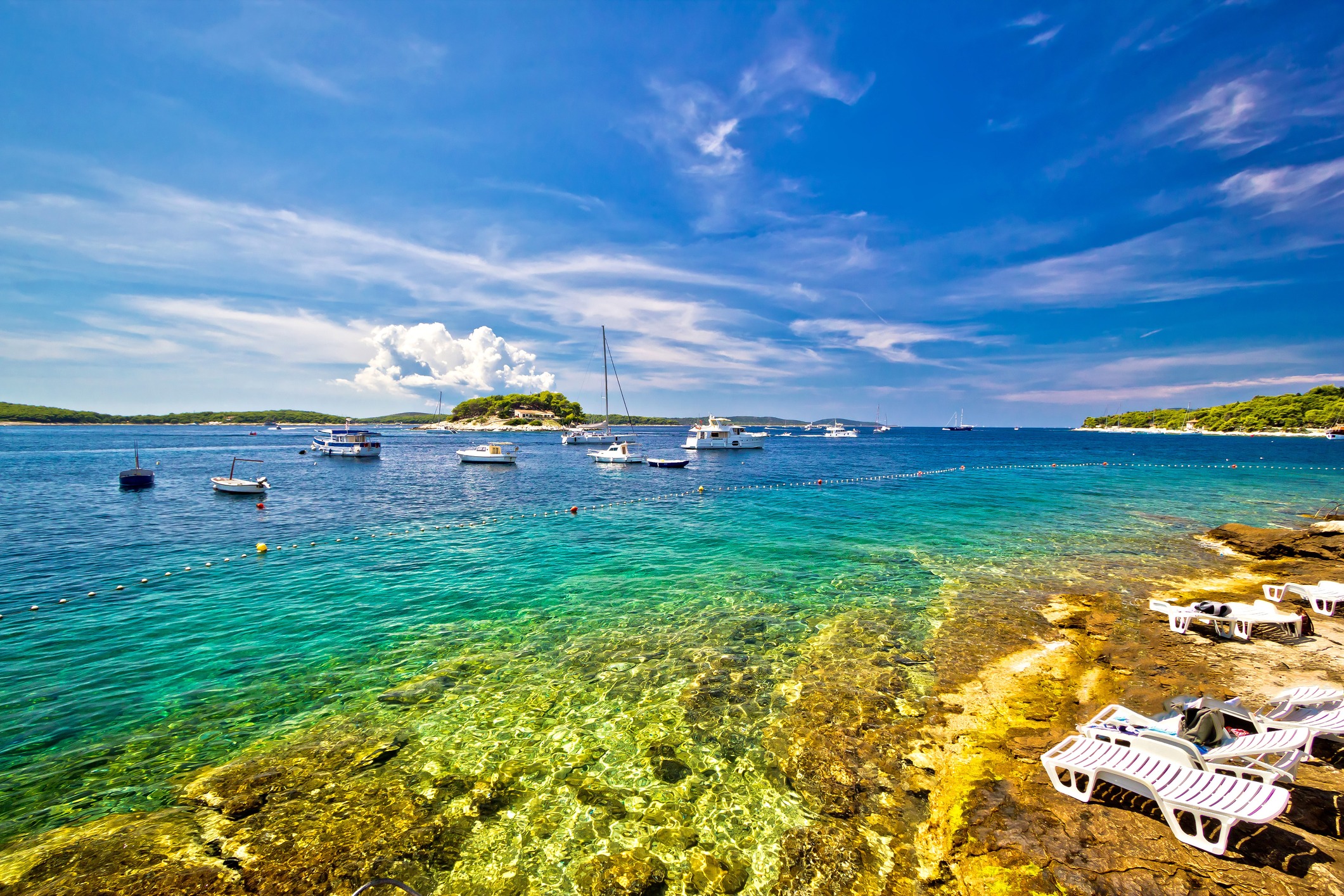
The island of Hvar is known for its turquoise waters, lavender fields, and vibrant nightlife. Travelers visit Hvar Town Square, explore the hilltop Spanish Fortress, and take boat trips to the nearby Pakleni Islands, famous for their secluded beaches and crystal-clear water.
In recent years, the island has tried to shift its image away from excessive party tourism. One of the measures introduced was a strict dress code in the historic center. According to the wuthorities, the regulation helps maintain the elegance of the historic center and improves the quality of life for residents.
Walking around town in swimwear or shirtless can lead to fines of up to €600 ($650).
Sorrento, Italy
Sorrento sits dramatically above cliffs overlooking the Bay of Naples and offers spectacular views of Mount Vesuvius. Visitors wander through its charming historic center, take boat trips to the island of Capri, and explore nearby archaeological wonders such as Pompeii and Herculaneum.
Despite its relaxed coastal setting, Sorrento enforces rules about appropriate clothing in public spaces. Walking through the town wearing only swimwear or appearing shirtless away from the beach can lead to fines of up to €500 ($540). This is meant to protect the elegance and cultural atmosphere of the historic center.
Venice, Italy
Venice may be surrounded by water, but that doesn’t mean swimwear is acceptable throughout the city. Travelers come to see iconic landmarks such as St. Mark’s Basilica, Doge’s Palace, and the Grand Canal, where gondolas glide past Renaissance palaces.
To protect the dignity of public spaces, Venice introduced strict regulations covering behavior and clothing in the historic center. Officials emphasize that Venice is a historic cultural site, not a beach resort.
Walking around the city in swimwear or sitting in public areas in beach attire can lead to fines ranging from €25 to €500 ($27–$540).
Portofino, Italy
ID 127233992 ©Monticelllo | Dreamstime.com
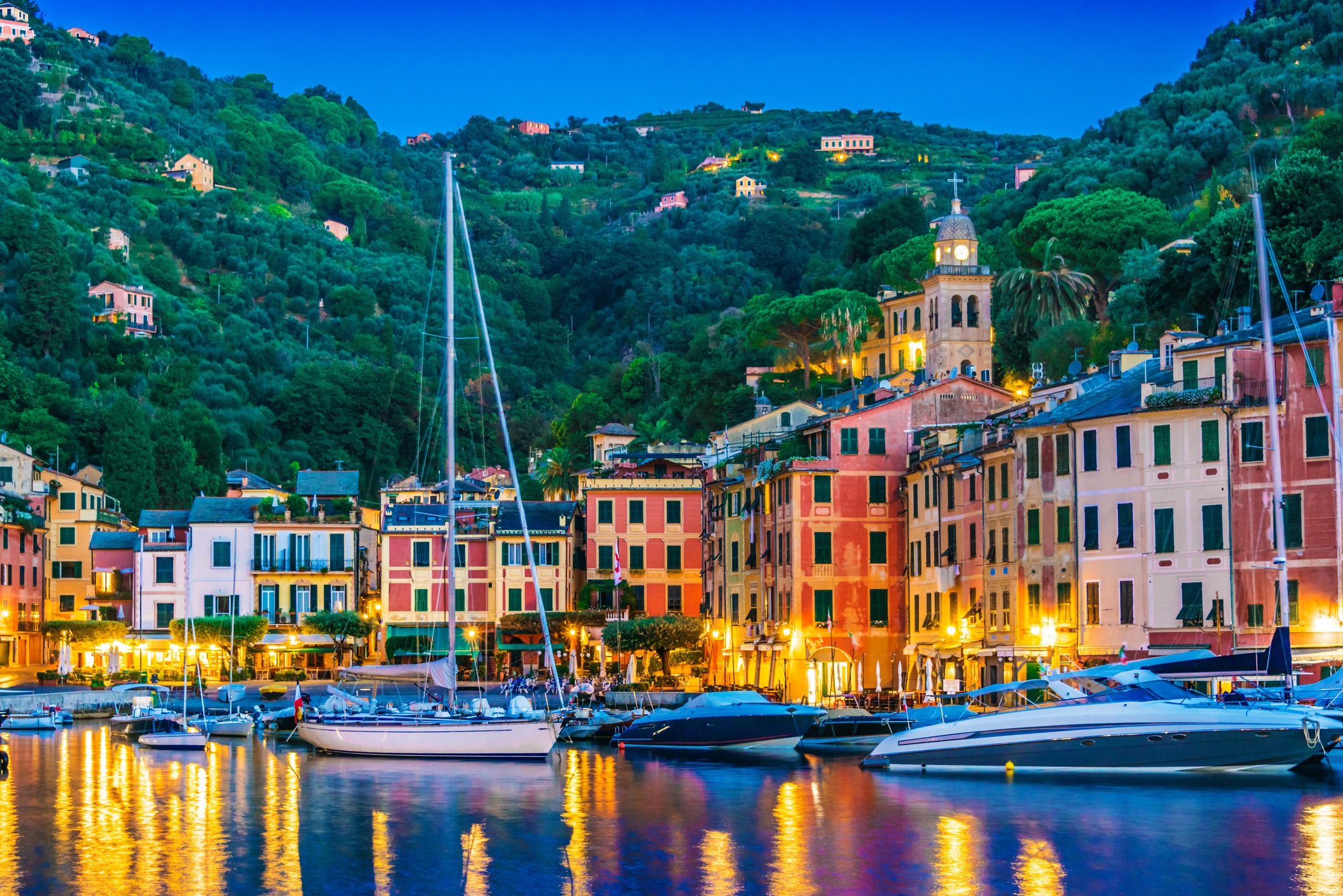
Portofino is one of Italy’s most picturesque coastal villages, famous for its pastel-colored houses surrounding a small harbor filled with yachts. Visitors stroll along the waterfront, hike in Portofino Regional Park, and take boat trips along the dramatic Ligurian coastline.
Despite its relaxed seaside atmosphere, the town enforces strict behavior rules during peak tourist season.
Visitors walking through town in swimwear or barefoot can face fines ranging from €25 to €433 ($27–$470).
Officials say the rule protects the atmosphere of the small village, which receives far more visitors than its population can comfortably accommodate.
Cannes, France
Cannes is famous for its glamorous Cannes Film Festival, luxury hotels, and the palm-lined Boulevard de la Croisette overlooking the Mediterranean and is one of the best places to visit in France.
But beyond the beaches and film industry glamour, the city maintains strict rules about public decorum. Local regulations prohibit walking through the city in swimwear or shirtless outside beach areas; this helps maintain the sophisticated atmosphere that the Riviera resort is known for.
Violators can face fines of around €38 to €150 ($40–$160) depending on the situation.
Nice, France
Nice is the largest city on the French Riviera and one of the region’s most popular destinations. Visitors stroll along the iconic Promenade des Anglais, explore the colorful streets of Vieux Nice (Old Town), and enjoy views from the hilltop Castle Hill Park.
Like several other Riviera towns, Nice requires visitors to dress appropriately away from the beach. Walking through the city shirtless or wearing only swimwear can result in fines of roughly €35 to €150 ($38–$160) depending on enforcement.
Officials introduced the rule after repeated complaints about tourists entering shops and restaurants in beachwear.
Les Sables-d’Olonne, France
Located on France’s Atlantic coast, Les Sables-d’Olonne is known for its long sandy beaches and as the starting point of the famous Vendée Globe round-the-world sailing race. Its seaside promenade and marina attract thousands of summer visitors.
However, local authorities grew frustrated with tourists wandering through town shirtless or in swimwear after leaving the beach. The mayor introduced a regulation banning this behavior throughout the town center.
Tourists caught walking around in swimsuits outside beach areas can face fines of up to €150 ($160).
Ibiza, Spain
Ibiza, a popular destination in Spain, is renowned for its nightlife, beaches, and UNESCO-listed Dalt Vila historic fortress.
Authorities have introduced behavior rules similar to those in Mallorca and Barcelona. Tourists who leave the beach area wearing only swimwear can face fines, particularly in historic zones or urban streets.
Tourists can face fines of €300–€600 ($350–$700) depending on the municipality.
Other Cities With Rules About Wearing Swimwear Outside the Beach
San Sebastián, Spain
Tourists visiting La Concha Beach, often considered one of the most beautiful urban beaches in Europe, sometimes walk directly into the elegant old town wearing beachwear. Local authorities discourage wearing swimwear outside beach areas and have enforced fines in certain zones.
Capri, Italy
The island famous for the Blue Grotto, Monte Solaro, and luxury boutiques requires visitors to dress appropriately away from beaches. Walking around town shirtless or in swimwear can lead to fines under local decorum regulations.
Positano, Italy
Visitors exploring the colorful cliffside town on the Amalfi Coast may be fined if they enter shops or restaurants wearing only beachwear.
Biarritz, France
A major surfing destination on the Atlantic coast. Authorities remind visitors that beach attire is not allowed in the town center.
Sitges, Spain
This popular resort near Barcelona introduced rules discouraging walking through town shirtless or in swimwear away from beach zones.
Lagos, Portugal
A famous Algarve destination where authorities have issued warnings about wearing beachwear in historic districts and restaurants.
These destinations also enforce dress codes or bans on swimwear away from the beach, though fines vary or enforcement is occasional.
The list includes Narbonne, Palavas-les-Flots, Menton, and Cassis in France; Diano Marina in Italy; and popular Spanish destinations such as Fuengirola, Magaluf and Majorca.
Many of these municipalities post signs in multiple languages telling tourists to cover up before leaving beach areas.
Why More Cities Are Introducing These Rules
As tourism continues to grow across many historic coastal destinations, local governments are trying to strike a balance between welcoming visitors and protecting the character of their cities.
For residents, seeing crowds of tourists wandering through historic streets in bikinis or swim trunks can feel disrespectful, especially near churches, markets, and cultural landmarks.
That’s why many cities now emphasize a simple guideline for visitors: enjoy the beach, but before heading into town, put on proper clothing.
Because in some destinations, forgetting to cover up could turn a relaxing day at the beach into an unexpected, hefty fine.
Photo sources: 1