You board. You find your seat. You stow your bag, buckle up, and start mentally settling in for the next several hours. Maybe you’re planning to sleep. Maybe you just want to watch something and zone out. You’ve done this before. You know how it goes.
Then the person next to you opens their mouth. Or their vodka bottle. Or their camera.
And just like that, the flight you paid for – the seat you chose, the extra you spent – belongs to someone else’s chaos. If something like this forces a delay or a missed connection, there are cases where you can actually claim compensation – sometimes up to $600 – but most people don’t even check what applies to their flight.
This – disruptions – has always been true to some extent. Bad luck with seatmates is practically a travel rite of passage. But something has shifted. Three separate incidents in the past few days – on different airlines, different routes, different continents – tell the same underlying story: isn’t just the airline anymore. It’s the stranger sitting 18 inches away from you.
In-Flight Filming Complaints: When Passenger Behavior Disrupts the Cabin
Let’s start with the story that probably won’t make the evening news but has been burning up travel forums all week.
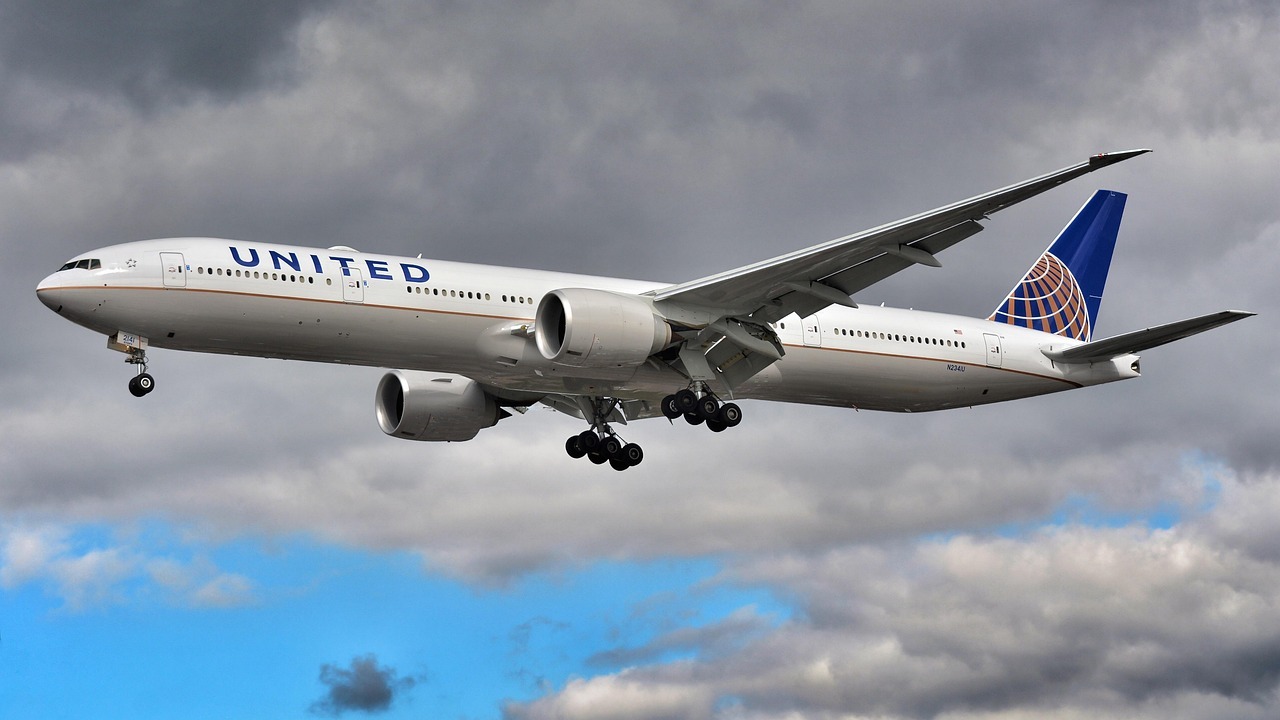
A passenger booked a premium economy seat on United Airlines London to San Francisco flight. New cabins. A route worth getting excited about. He’d paid specifically to get some rest on a long transatlantic haul. What he got instead was a front-row seat to someone else’s content creation session.
The passenger next to him was documenting the flight for a major travel media outlet. Camera. Multiple takes. The window shade kept open throughout for better lighting. Repeated call-bell summons to the flight attendants. Nonstop talking. For hours.
The Reddit post he wrote afterward didn’t mince words. Sitting next to a baby would have been better, he said.
He considered asking to switch seats but felt he shouldn’t have to. His argument – and it’s hard to dismiss – was that if you’re going to turn a premium cabin into a film set, you should buy the seat next to you. Don’t make your neighbor subsidize your content.
The thread exploded. Hundreds of responses, most of them sympathetic. Because almost everyone who’s traveled recently has a version of this story. Maybe not an influencer. But someone who treated the cabin like a private space when it very much isn’t. It’s the same kind of situation where one person decides the rules don’t really apply to them – and everyone else just has to deal with it.
Here’s what makes this particular case complicated: the person filming was doing their job. The crew knew who they were. The airline had effectively blessed the whole thing. But the passenger sitting next to him was not pleased. Nobody broke any rules, technically.
But the passenger who paid for peace got neither.
That tension – between what’s permitted and what’s reasonable – is exactly what makes this story stick. And it’s the mildest of the three I am sharing in this article.
easyJet Flight Diverted After Passenger Incident on Tenerife to Glasgow Route
A few days ago, EasyJet flight EZY3114 was on its way from Tenerife South to Glasgow. Routine enough. Then somewhere over the Atlantic, the decision was made to divert – not to the destination, but to Porto, Portugal, where police were waiting on the runway.
The reason: passengers behaving in a disruptive manner, allegedly vaping and being abusive to the crew cabin. One person was allegedly assaulted during the incident.
The flight remained in Porto for roughly 70 minutes before continuing north.
EasyJet confirmed the diversion and said what airlines always say in these situations – that disruptive and threatening behaviour is taken “very seriously” and will not be tolerated. The police handled it. The flight continued. Everyone else on board lost two hours of their night.
Nobody asks for that. You book a flight home from a holiday. You go through the whole process – the airport, the security queues, the gate. You sit down. And then someone else’s decision to behave badly means you’re sitting on a tarmac in Portugal at midnight while police sort it out.
That’s not a minor inconvenience. That’s your entire travel day unravelling because of a stranger. And when something like that happens, it often means delays that extend far beyond the original route – missed connections, rebookings, and overnight disruptions that most passengers aren’t prepared for. If you’re flying soon, having a simple plan the night before can make a big difference when things don’t go as expected.
Airlines rarely talk about it in public, but a single diversion can cost tens of thousands of dollars once fuel, landing fees, crew time, and knock-on delays are factored in.
Flight Diverted to Kosovo After Mid-Air Fight and Disruptive Passenger Behavior
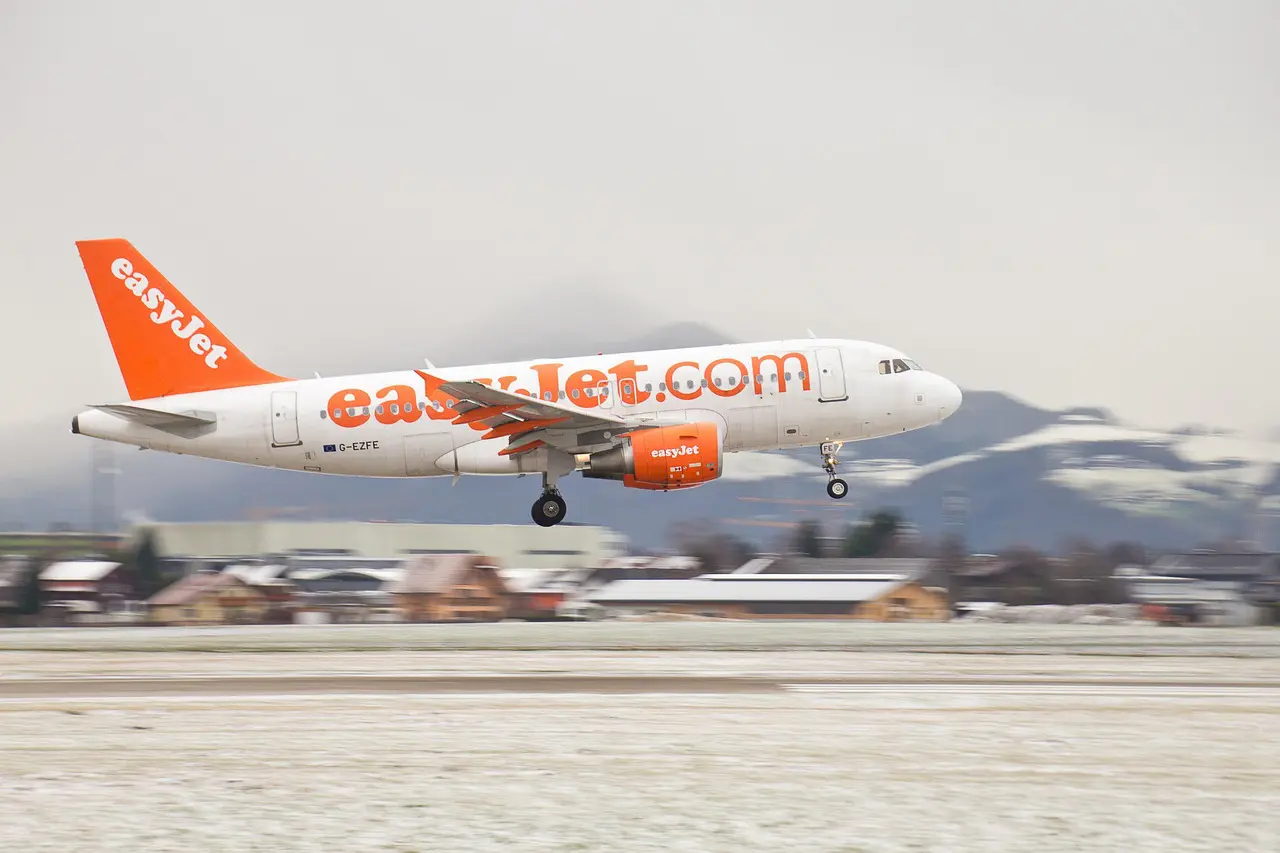
If the Tenerife story is unsettling, this one is genuinely disturbing.
An easyJet flight from London Gatwick to Antalya, Turkey. Families on board. Kids. A normal holiday flight.
At some point during the journey, according to The Sun, a woman was seen drinking directly from a bottle of vodka. The situation escalated into a confrontation inside the cabin, with crew attempting to calm things down as tensions rose.
The aircraft diverted to Kosovo – another flight diversion triggered by disruptive passenger behaviour – where police boarded and removed those involved. The flight eventually continued to Antalya.
EasyJet said what it needed to say. Safety is the highest priority. Disruptive behaviour will not be tolerated. Both individuals were removed.
But here’s the thing nobody says out loud: by the time that’s happening, the damage is already done: people stressed or scared, time wasted – maybe even flight connections.
What Disruptive Passengers Mean for Your Flight Experience
It’s easy to read stories like these and file them under “extreme edge cases.” And statistically, yes – most flights are uneventful. But the impact of a single disruptive passenger ripples out in ways that don’t get measured in airline statements.
Missed connections. Two of these three flights were significantly delayed. For anyone with a tight onward connection, that delay isn’t just an inconvenience – it’s a cascade. New bookings. Overnight stays. Additional costs nobody planned for.
Stress inside the cabin. Even if you’re not seated next to the incident, you know something is wrong. The tension is palpable. Crew are distracted. Other passengers are anxious. The environment changes for everyone.
Physical risk. On the Kosovo flight, things escalated . Nobody wants this.
And then there’s the slower burn – the passenger on the United flight who just couldn’t sleep, couldn’t relax, couldn’t get what he paid for. No police involved. No diversion. Just hours of low-grade misery that nobody around him acknowledged or addressed.
All three outcomes are different in severity. But the root is identical: one person’s behaviour became everyone else’s problem, and no one else had any real recourse.
What Airlines Are Doing About Air Rage and Disruptive Passengers
Airlines have zero-tolerance policies. They say so, consistently and loudly, every time an incident makes the news. EasyJet said it twice in one week.
Jet2 – the UK holiday carrier – has pushed for something more structural: a national system that would allow disruptive passengers to be banned across all UK airlines, not just one. Right now, someone banned by one carrier can still book with another, which is exactly the gap they’re trying to close.
Reports suggest easyJet would support a move like this, although nothing has been formally introduced yet.
On the filming side, there are no equivalent calls for industry-wide standards. Most airlines’ rules around in-flight recording amount to: you can film yourself, but not other passengers. What that means in practice 0 when there are multiple cameras, when the filming goes on for ten hours, when the light and noise affect the people around you – is largely unaddressed.
Crew are often caught in an impossible position. On the United flight, the crew were aware of the influencer, welcomed him, and thanked him at the end. That’s presumably what they were told to do. But the passenger next to him was never part of that arrangement.
In some cases, disruptive passengers can face fines, criminal charges, or even be billed for the cost of the diversion itself.
The Line That’s Getting Harder To Find
These three stories live at different points on the same spectrum.
Filming and talking too much. One passenger physically assaulted while police divert the plane to Portugal. A vodka-fuelled brawl with threats and a detour to Kosovo.
Different in severity. Connected by the same basic failure: one person – or two – decided their behaviour didn’t need to account for the people around them.
The question that actually matters isn’t whether airlines have policies. They do. It’s where you personally draw the line – and what can be done while in the air and after you land.
What do you think?
Is the influencer with the camera a nuisance you’d tolerate, or something you’d raise with the crew? Is there a version of that situation where you ask to move seats – or demand the filming stops? And when it crosses into physical threats and actual violence, who do you expect to step in, and how fast?
What is the worst thing that happened to you or around you during a flight?
Have you ever had a fellow passenger completely change your flight experience? At what point would you actually say something – and to whom?
More amazing articles for you:
How to Plan Your Trip Easily From Perth Airport
What to do in Cincinnati: Your comprehensive local's guide to Cincinnati
The Perfect 2 Day Budapest Itinerary: 48 Hours in Buda & Pest
Safest airlines in the world right now. Bonus: safest budget airlines worldwide
Australian food: the 12 best Australian dishes you should try
Think You Know the World? Try These 100 Geography Trivia Questions and See How Many You Get Right
The Best Museums to Visit in Paris: A Guide to Art, History and more
10 Events Where New Yorkers Can Make New Friends

Violeta-Loredana Pascal is a communications expert, business mentor, and the founder of Earth’s Attractions and PRwave INTERNATIONAL. A pioneer in the Romanian digital PR landscape since 2005, she holds a degree in Communication and Social Sciences from SNSPA Bucharest. Violeta is a senior trainer at AcademiadeAfaceri.ro, where she leverages over 20 years of experience to teach professional courses in PR strategy and workplace productivity. By blending high-level business consulting with a passion for holistic travel and wellness, she empowers solopreneurs to overcome procrastination, build profitable brands, and design a life of purposeful adventure.